
The best museums in Paris for most first-time visitors are the Louvre, Musée d’Orsay, Musée Rodin, Musée de l’Orangerie, and Musée Carnavalet. Choose the Louvre for the iconic first-time experience, Musée d’Orsay for Impressionist art, Rodin for sculpture and gardens, Orangerie for a shorter visit, and Carnavalet for the history of Paris itself.
If you only have time for one major museum, the Louvre remains the safest first choice. However, travelers who dislike enormous museums or prefer Impressionist and Post-Impressionist art may enjoy Musée d’Orsay more.
The important decision is not how many museums you can fit into the trip. It is which museum matches your interests, available time, itinerary, and energy level. Visiting one museum properly is usually more rewarding than rushing through several famous collections in the same day.
This guide compares the strongest choices, explains how long to allow, highlights smaller museums worth your time, and helps you decide whether the Paris Museum Pass makes financial sense.
Best Museums in Paris: The Biggest Mistake Tourists Make
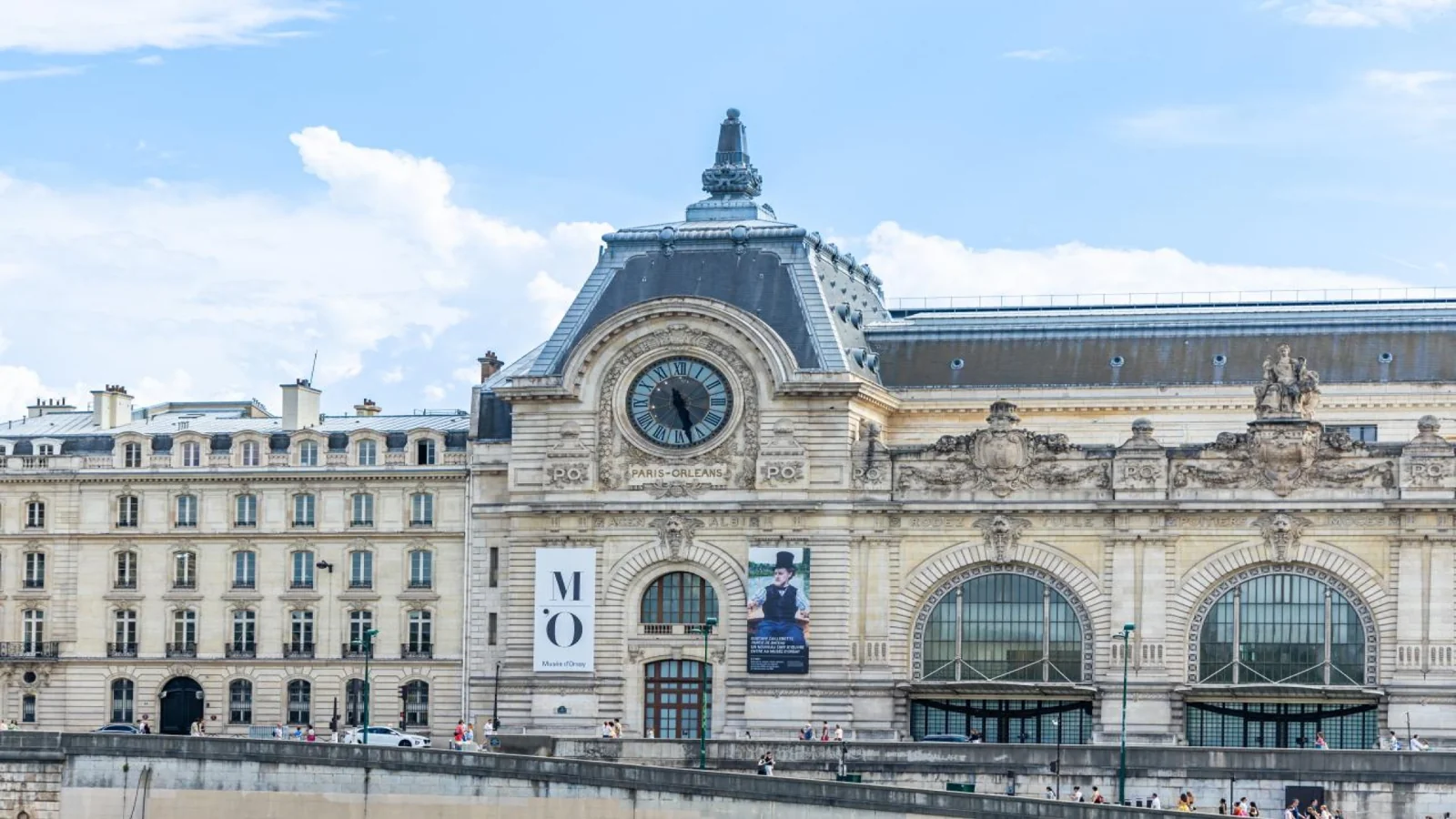
Many travelers spend their entire day at the Louvre and miss several other outstanding museums across Paris.
The biggest mistake travelers make is assuming every famous museum deserves equal priority.
It doesn’t.
Every museum offers a completely different experience.
The Louvre focuses on breadth. For Impressionist art, Musée d’Orsay is easier to navigate and more focused. Sculpture lovers may prefer Musée Rodin, which combines remarkable works with beautiful gardens. For a quieter experience, Musée de l’Orangerie offers one of the most peaceful museum visits in the city. Meanwhile, Musée Carnavalet tells the story of Paris itself.
Choosing between them should never depend only on popularity.
It should depend on what kind of traveler you are.
Imagine arriving in Paris for only three days.
You spend the morning climbing the Eiffel Tower, walk along the Seine, explore nearby streets, then decide to visit the Louvre late in the afternoon because “it’s famous.”
After standing in security lines, walking through endless galleries, and trying to reach the Mona Lisa with thousands of other visitors, you leave exhausted.
The museum wasn’t disappointing.
The timing was.
The smartest travelers rarely ask:
“What is the best museum in Paris?”
Instead they ask:
“Which museum fits today’s itinerary?”
That small shift usually creates a far better experience.
If you are still organizing your sightseeing days, our How Many Days in Paris Is Enough? guide can help you decide how many museums realistically fit into your trip without sacrificing the rest of Paris.
Different museums suit different trips. First-time visitors may prioritize an iconic collection, art lovers may prefer Impressionism, families often benefit from shorter visits, and couples may value quieter galleries and beautiful surroundings. The comparison below makes those choices easier.
Quick Picks: Which of the Best Museums in Paris Fits Your Trip?
| If You Want… | Best Choice | Why |
|---|---|---|
| An iconic first museum experience | Louvre Museum | Best for travelers who want scale, history, and world-famous masterpieces |
| Impressionist and Post-Impressionist art | Musée d’Orsay | A focused collection that is easier to explore than the Louvre |
| A peaceful museum | Musée Rodin | Gardens, sculptures, relaxed atmosphere |
| A shorter museum visit | Musée de l’Orangerie | Easy to explore in about two hours |
| Paris history | Musée Carnavalet | The story of Paris itself |
Think of this table as your starting point rather than your final answer.
The rest of this guide explains why one museum may suit your trip far better than another—even if it receives fewer visitors every year.
Best Museums in Paris: Louvre vs Musée d’Orsay
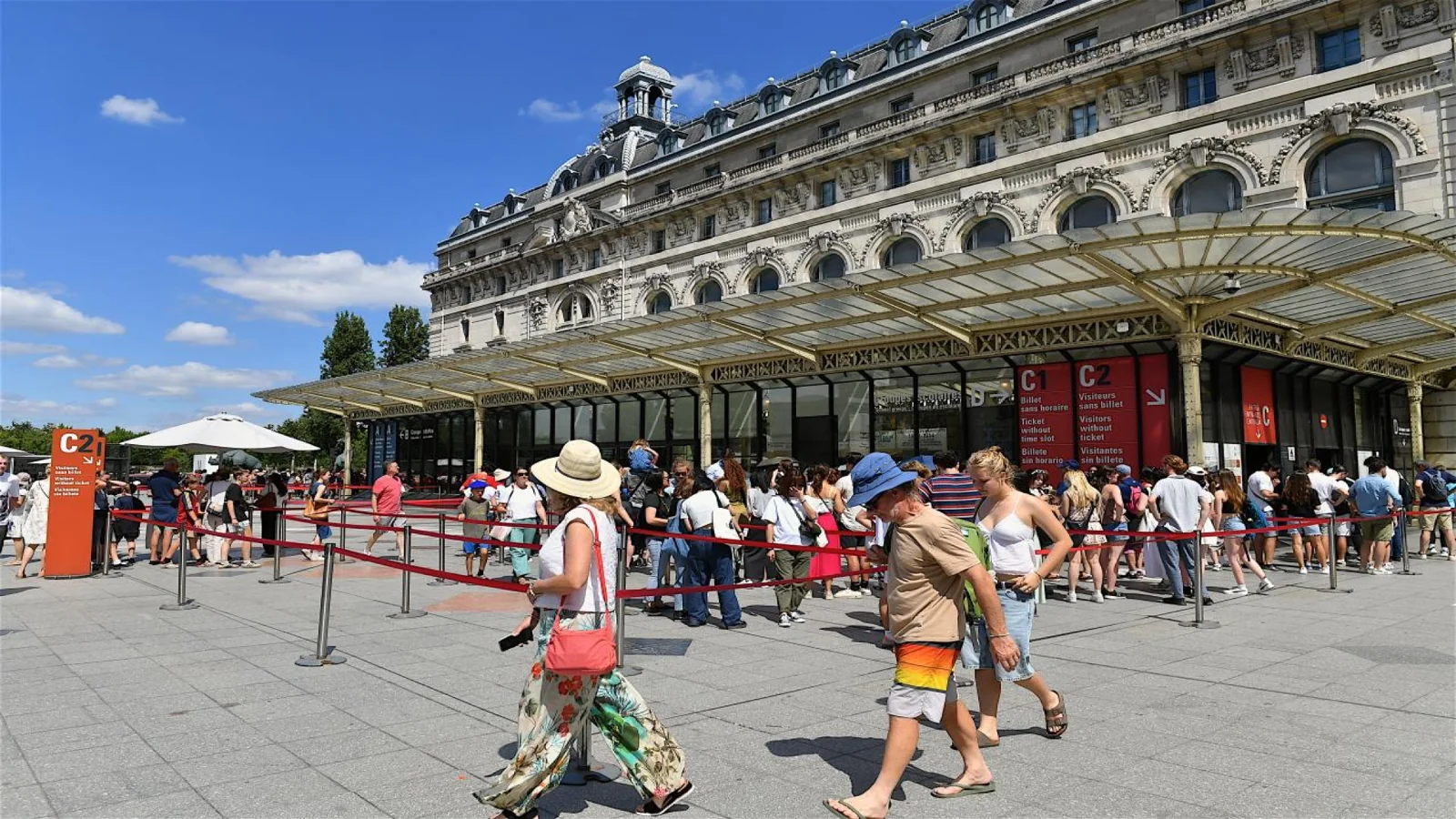
Musée d’Orsay is one of the world’s finest museums for Impressionist and Post-Impressionist masterpieces.
For many travelers, choosing the best museum in Paris comes down to one decision:
The Louvre or Musée d’Orsay?
Both are world-class museums, but they offer completely different experiences.
The Louvre is about scale.
It is the largest museum in Paris and one of the largest in the world. You visit it for iconic masterpieces, royal history, ancient civilizations, and the feeling of walking through one of the most important museums ever created.
Musée d’Orsay is about focus.
Housed inside a beautifully restored railway station, it concentrates on 19th-century art, making it much easier to explore without becoming overwhelmed. Many visitors who are not regular museum-goers actually enjoy Orsay more because the collections feel more accessible and the building itself is part of the experience.
Quick Comparison: Louvre vs Musée d’Orsay
| Feature | Louvre | Musée d’Orsay |
|---|---|---|
| Best For | First-time visitors | Art lovers & Impressionism |
| Visit Length | 3–5 hours | 2–3 hours |
| Size | Huge | Medium |
| Crowds | Very busy | Busy but easier |
| Risk | Museum fatigue | Lower fatigue |
If this is your first trip to Paris and you only have time for one museum, the Louvre is still the safest recommendation.
However, if you already know that you dislike enormous museums or simply prefer a more relaxed visit, Musée d’Orsay may leave you with stronger memories.
The mistake many visitors make is trying to visit both museums on the same day.
Although they are located relatively close to one another, the mental effort required to properly enjoy both is far greater than most travelers expect.
A better strategy is to separate them by at least one day.
That gives you enough time to enjoy neighborhoods, cafés, river walks, or other attractions between museum visits.
If you’re planning your sightseeing schedule, our How to Get Around Paris guide explains the easiest ways to move between Paris neighborhoods without wasting valuable sightseeing time.
The Best Museums in Paris for Every Travel Style
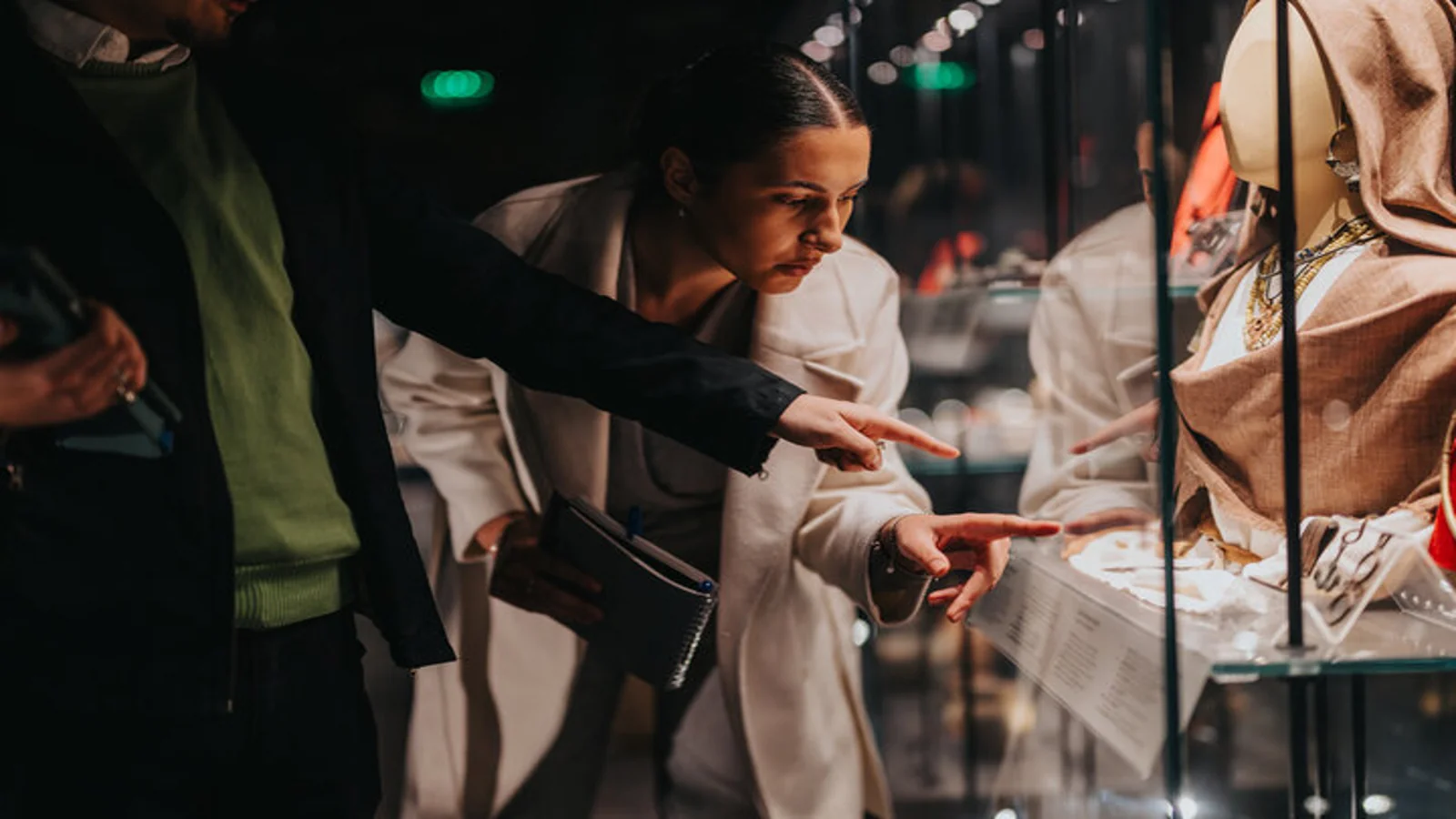
Paris offers museums for every type of traveler, from classic art lovers to modern culture enthusiasts.
There is no single museum that works for everyone.
Your interests, available time, and travel style should influence the decision just as much as the museum’s reputation.
First-Time Visitors
The Louvre remains the obvious starting point. Even if you only see a small part of the collection, the building itself is part of the Paris experience. If it is your priority, use our Louvre Museum Guide to choose tickets, timing, and what to see before you arrive.
Art Lovers
Musée d’Orsay deserves top priority thanks to its extraordinary Impressionist collection featuring Monet, Renoir, Van Gogh, Degas, Cézanne, and many others.
Couples
Musée Rodin offers one of the most romantic museum settings in Paris. The sculpture garden, elegant mansion, and peaceful atmosphere make it ideal for a slower afternoon.
Families
Families usually enjoy Musée de l’Orangerie or a carefully planned Louvre visit more than attempting several museums in one day. Shorter visits often create happier memories for younger travelers.
History Enthusiasts
Musée Carnavalet tells the story of Paris itself, making it an excellent complement to the city’s monuments and neighborhoods.
Smaller Museums in Paris Worth Your Time
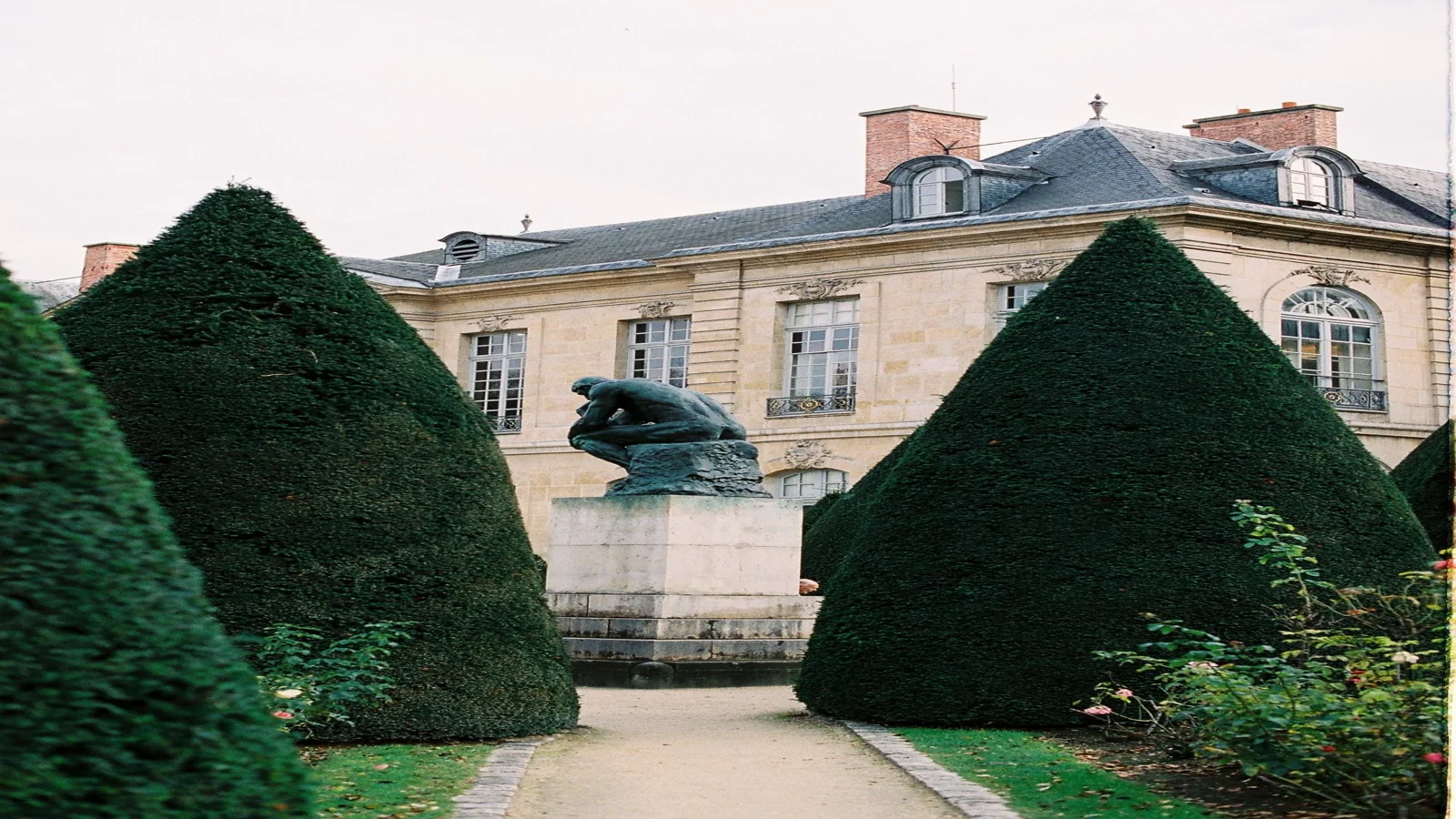
Musée Rodin combines remarkable sculptures with peaceful gardens, making it one of Paris’s most rewarding museum experiences.
One advantage of staying in Paris for several days is that you are no longer limited to the city’s biggest attractions.
Smaller museums often provide a richer experience simply because they are quieter.
Musée Rodin is perhaps the best example. Instead of rushing through endless galleries, you move between indoor exhibitions and beautifully landscaped gardens where many of Rodin’s most famous sculptures are displayed.
Musée de l’Orangerie offers another unforgettable experience. Claude Monet’s monumental Water Lilies paintings fill specially designed oval rooms that encourage visitors to slow down rather than hurry to the next exhibit.
Musée Carnavalet rewards travelers interested in understanding Paris beyond famous landmarks. Its exhibitions explain how the city evolved over centuries, making future walks through neighborhoods feel much more meaningful.
Four More Paris Museums Worth Considering
| Museum | Best For | Why Consider It |
|---|---|---|
| Musée de Cluny | Medieval history | One of Europe’s strongest medieval art collections, including the famous Lady and the Unicorn tapestries |
| Musée de l’Armée | French and military history | Extensive military collections at Les Invalides, with access to Napoleon’s tomb |
| Petit Palais | Art on a tighter budget | Its permanent collection is free, and the building itself is worth seeing |
| Musée Marmottan Monet | Monet and Impressionism | A quieter alternative for travelers especially interested in Claude Monet and Berthe Morisot |
These museums are especially useful on longer Paris trips or when the Louvre and Musée d’Orsay do not match your interests. Musée de Cluny is the strongest choice for medieval art, Musée de l’Armée for French military history, Petit Palais for a free permanent collection, and Marmottan Monet for travelers who want a more focused Impressionist experience.
What About Centre Pompidou in 2026?
Centre Pompidou would normally belong on any list of the best museums in Paris for modern and contemporary art. However, its main Beaubourg building is currently closed for a major renovation and is scheduled to reopen in 2030.
The Centre Pompidou continues cultural programming through partner venues during the closure, but travelers looking for modern or contemporary art inside Paris should not plan their 2026 itinerary around visiting the original Pompidou building.
If you enjoy expert explanations and want to avoid planning everything yourself, compare Paris museum tours and ticket options. A well-chosen guided experience can save planning time and add historical context that many visitors miss when exploring independently.
Is the Paris Museum Pass Worth It?
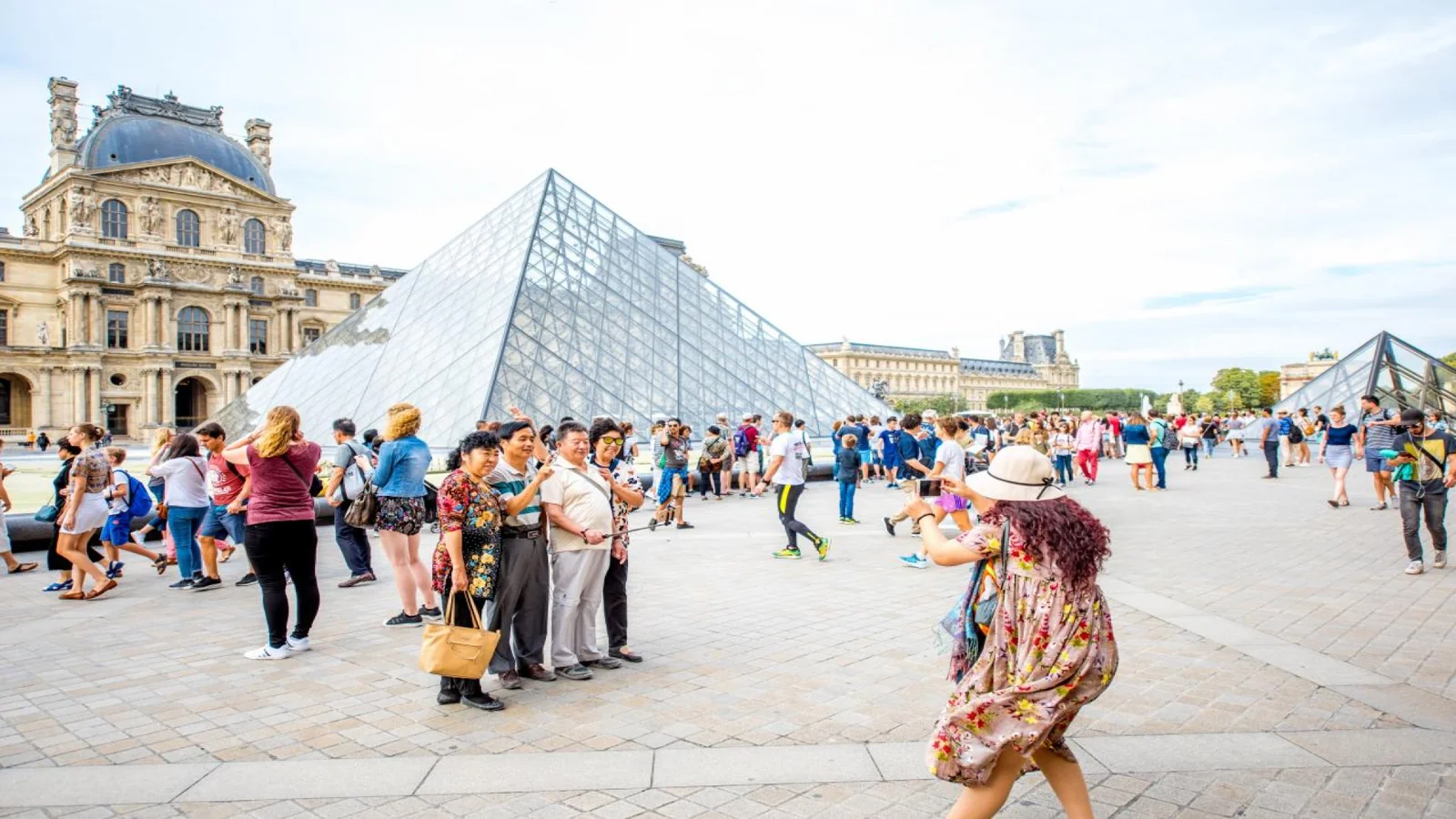
The Paris Museum Pass can save time and money for travelers planning to visit multiple museums.
The Paris Museum Pass can be good value for travelers planning several paid museums and monuments within a short period, but it is not automatically cheaper for every Paris itinerary.
| Pass | 2026 Price | Official Break-Even Guidance |
|---|---|---|
| 48 hours | €85 | Average savings from about the 4th visit |
| 96 hours | €105 | Average savings from about the 5th visit |
| 144 hours | €125 | Average savings from about the 6th visit |
The pass covers more than 50 participating museums and monuments and becomes active from your first visit for 48, 96, or 144 consecutive hours. It allows one entry to each included site during that validity period.
If your itinerary includes attractions such as the Louvre, Musée d’Orsay, Sainte-Chapelle, the Arc de Triomphe, and several other participating sites, the pass can become worthwhile quickly. However, travelers who prefer long museum visits, café breaks, shopping, and slower sightseeing may struggle to fit enough paid attractions into the validity period to save money.
Important: the pass does not always mean you can simply arrive without planning. Some major attractions still require or strongly recommend advance time-slot reservations. For example, reserving a time slot is the only way to guarantee Louvre access with the Paris Museum Pass when demand is high.
The smartest approach is to build your itinerary first, total the individual admission prices, and then compare that amount with the pass cost. Check the official Paris Museum Pass website before buying to confirm current prices, participating sites, and reservation rules.
How to Plan the Perfect Museum Day in Paris
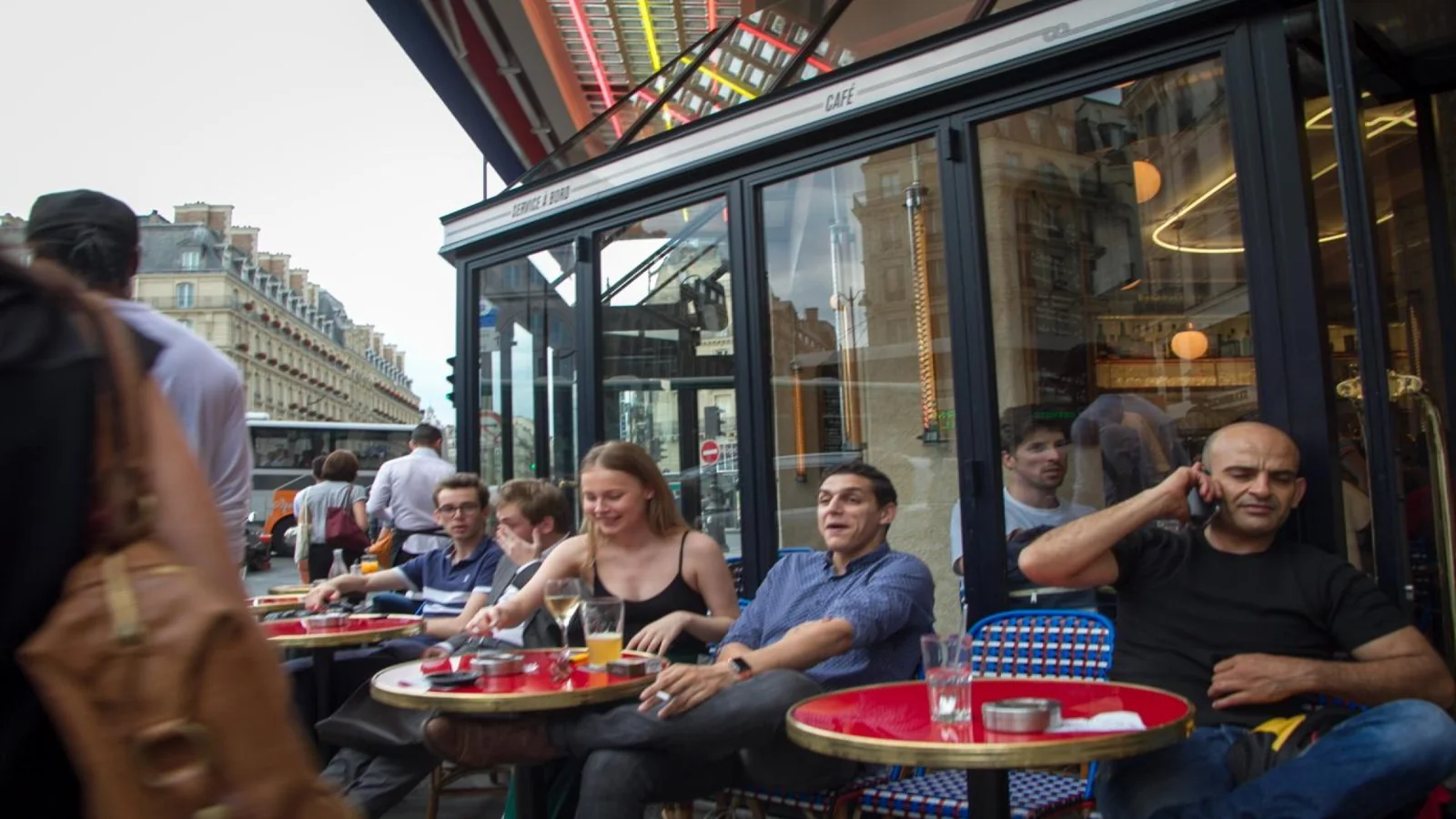
Taking a café break between museum visits is one of the best ways to enjoy Paris without museum fatigue.
One of the biggest differences between experienced travelers and first-time visitors is how they organize museum days.
Experienced travelers rarely spend the entire day moving from one museum to another.
Instead, they build the day around one major cultural experience and allow the rest of Paris to complete it.
For example, a morning at the Louvre pairs naturally with lunch near the Palais Royal or a walk through the Tuileries Garden. Musée d’Orsay combines perfectly with an afternoon along the Seine, while Musée Rodin works well with nearby cafés and quieter streets on the Left Bank.
Planning this way reduces fatigue and makes each museum feel more memorable.
If you’re carrying luggage between hotel check-out and your next destination, booking a secure luggage storage service in Paris can make museum visits significantly more comfortable.
The same principle applies to guided experiences.
You don’t need a guided tour for every museum, but one well-chosen Paris museum tour or ticket option can help first-time visitors reduce planning stress and better understand what they are seeing.
The goal isn’t to see everything.
The goal is to leave Paris wishing you had more time—not feeling relieved that the museum day is finally over.
Best Museums in Paris by Time Available

Planning your museum itinerary in advance helps you experience more of Paris without feeling rushed.
One of the easiest ways to choose the right museum is to start with the amount of time you actually have—not the number of museums on your wish list.
Many visitors underestimate how long museum visits take once you include security checks, walking between galleries, short breaks, and travel across the city. Planning around your available time usually leads to a much more enjoyable experience.
If You Only Have Half a Day
Choose Musée d’Orsay, Musée Rodin, or Musée de l’Orangerie. These museums are easier to explore in two to three hours while still offering a memorable cultural experience. They also pair well with nearby cafés, gardens, or a walk along the Seine.
If You Have One Full Museum Day
Dedicate the day to the Louvre Museum. Instead of trying to combine it with another major museum, enjoy a relaxed lunch nearby and spend the afternoon exploring the Tuileries Garden or the Palais Royal area. You’ll appreciate the museum far more when you aren’t rushing to your next attraction.
If You Have Two Museum Days
The ideal combination is the Louvre on one day and Musée d’Orsay on another. This gives you the best overview of Paris’s world-famous collections without experiencing museum fatigue.
If You’re Staying in Paris for Five Days or More
After visiting the Louvre and Musée d’Orsay, consider adding one or two smaller museums such as Musée Rodin, Musée de l’Orangerie, or Musée Carnavalet. These museums provide a completely different atmosphere and help you discover another side of Paris beyond its biggest attractions.
Remember, the goal isn’t to collect museum tickets. It’s to create an itinerary that balances art, neighborhoods, cafés, gardens, and the everyday atmosphere that makes Paris one of the world’s most rewarding cities to explore.
Final Thoughts: Which Paris Museum Should You Visit?
If you only remember one thing from this guide, remember this:
Choose museums that match your trip—not just their reputation.
One unforgettable museum is almost always better than three rushed ones.
The Louvre remains the best choice for most first-time visitors because of its history, scale, and world-famous collections.
Musée d’Orsay is ideal for travelers who enjoy Impressionist art and want a more relaxed museum experience.
Musée Rodin offers one of the city’s most peaceful cultural escapes, while Musée de l’Orangerie and Musée Carnavalet prove that smaller museums can sometimes leave the strongest memories.
Paris isn’t a city where success is measured by how many museums you visit.
It’s a city where choosing the right museum at the right moment often creates the memories you’ll remember long after the trip ends.
FAQ
What is the best museum in Paris for first-time visitors?
The Louvre is the best starting point for most first-time visitors thanks to its iconic collections, historic setting, and world-famous masterpieces.
Is Musée d’Orsay better than the Louvre?
Neither museum is objectively better. The Louvre is ideal for first-time visitors and history lovers, while Musée d’Orsay offers a more focused experience centered on Impressionist and Post-Impressionist art.
How many museums should I visit in Paris?
Most travelers enjoy one major museum per day. Visiting too many museums often leads to museum fatigue and leaves less time for neighborhoods, cafés, and other Paris experiences.
Is the Paris Museum Pass worth buying?
Yes, if you plan to visit several participating attractions in a short period. Otherwise, individual tickets are often the better choice.