
This Travel Guide to London gives first-time visitors the decisions that matter most: how many days to stay, when to visit, where to base yourself, how to move around the city, what deserves space in the itinerary and what should be booked before arrival.
London becomes difficult when the trip is built as one long attraction list. It becomes much easier when you make the structural decisions first: choose a practical base, group sightseeing geographically and leave enough flexibility for museums, neighborhoods, food and unexpected changes.
For most first-time visitors, four to five days gives London enough room to combine major landmarks, museums, neighborhoods and an evening in the West End without turning every day into a race. Three days can still work when the itinerary stays focused.
Travel Guide to London: Quick Answer
| London planning question | Quick answer |
|---|---|
| How many days? | 4–5 days is a strong first-trip range; 3 days works for a tighter highlights trip |
| Where should you stay? | A well-connected area that fits your actual sightseeing routes |
| Best way to get around? | Walking for nearby sights and public transport for the larger moves |
| What should you book ahead? | High-priority paid attractions, popular tours and West End shows when the exact date matters |
| Best value strategy? | Mix selected paid experiences with free museums, parks, markets and neighborhoods |
| Best sightseeing structure? | Build each day around one main part of London instead of crossing the city repeatedly |
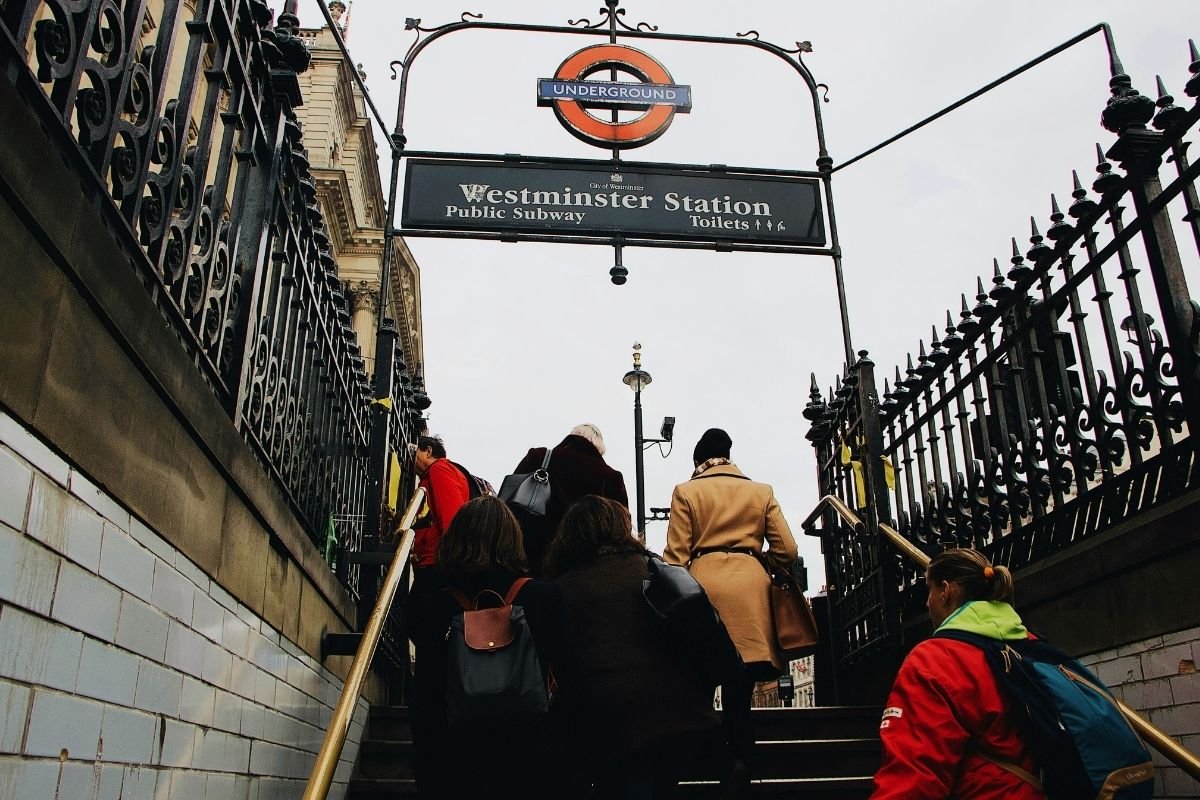
London becomes much easier once you plan sightseeing by area instead of crossing the city repeatedly for isolated attractions.
Travel Guide to London: How Many Days Do You Need?
Three days works for a highlights trip. You can cover the Westminster and South Bank area, spend time around the Tower and City, and choose one major museum or neighborhood block. The trade-off is that there will be little room for slower exploration.
Four to five days is the stronger range for most first-time visitors. It gives you space for major landmarks, museums, markets, neighborhoods and an evening activity without making every day depend on perfect timing.
Six or seven days works particularly well when museums, food, theatre and neighborhood exploration matter as much as the major landmarks. It also gives you enough time to consider one day outside London without removing an important city day.
TripsCity Insight: do not judge a London itinerary by how many landmarks fit on the map. Judge it by how often the plan forces you to cross the city unnecessarily.
Travel Guide to London: When Is the Best Time to Visit?
London works year-round, but the experience changes with daylight, crowds, weather and seasonal events.
Spring and early summer give you longer sightseeing days, active parks and more comfortable time outdoors. Summer brings the longest daylight and a busy events calendar, but accommodation and major attractions can also face stronger demand.
September and early autumn can provide a useful balance between outdoor sightseeing and the busiest summer period. Winter has much shorter daylight, yet it suits museum-heavy trips, theatre, shopping and seasonal events particularly well.
There is no universally perfect month. Choose according to what matters most to your trip: long walking days, Christmas atmosphere, gardens, school-holiday timing, indoor sightseeing or major events.
Before traveling, check major events and current visitor information through the official Visit London website.
Travel Guide to London: Where Should You Stay?
There is no single best London neighborhood for every visitor. The useful question is whether the hotel gives you straightforward access to the places you expect to visit most.
| Area | Good starting point for | Main trade-off |
|---|---|---|
| Bloomsbury | Central sightseeing, museums and walking | Accommodation quality varies considerably |
| South Kensington | Museums and calmer surroundings | Usually a more expensive accommodation area |
| Paddington | Transport-focused trips and west London access | Some streets are more practical than atmospheric |
| Marylebone | Quieter central stays | Strong-value accommodation can be difficult to find |
| Covent Garden / Holborn | Central walking, theatre and short trips | Higher prices, crowds and potential noise |
| London Bridge / South Bank | Thames walks and central sightseeing | Busy tourist and commuter flows in some areas |
This table is a starting point rather than a complete neighborhood ranking. The exact street, station walk and daily route can matter more than the district name itself.
For the full comparison, continue with our Where to Stay in London guide. If this is your first visit, our Best Areas to Stay in London for First-Time Visitors narrows the decision specifically for a first trip.
Once you know which area fits, you can compare London hotels by neighborhood and transport access.

The best London base matches your itinerary, arrival route and preferred travel style rather than simply having a famous postcode.
Travel Guide to London: How to Get Around the City
Most visitors do not need to master London’s entire transport network. A practical sightseeing trip usually combines walking with Tube, buses and other rail services when distance requires them.
Walk when attractions naturally belong to the same area. Use the Tube or another rail service for the larger move. Buses can be useful when the route is direct, when you want to stay above ground or when another station interchange would add unnecessary effort.
The important planning principle is to compare the whole journey rather than only the number of minutes shown by an app. A slightly slower direct route can feel much easier than a route with several interchanges.
For the movement system itself—including Tube vs bus vs walking, accessibility, station changes, luggage and late-night travel—use our How to Get Around London guide.
For fares, Oyster, contactless, Travelcards, zones and daily or weekly caps, keep those decisions inside our separate London Public Transport Costs guide.

London transport works best when your sightseeing plan already makes geographic sense.
Travel Guide to London: Getting From the Airports to the City
London is served by several airports, so there is no single airport-transfer answer. Heathrow, Gatwick, Stansted, Luton and London City Airport all connect to London differently.
Before choosing a route, compare three things: where the hotel is, how many people are traveling and how much luggage you have. A train advertised as the fastest route into central London may still be inconvenient if it leaves you with several additional connections to reach the accommodation.
For most visitors, public transport is the natural starting point. Door-to-door transport becomes more useful when you arrive very late, carry several bags, travel with young children or need a simpler accessible journey.
If that applies to your trip, you can compare fixed-price London airport transfers.
Travel Guide to London: Plan the Budget Without Letting It Control the Trip
London can be expensive, but the city also gives travelers more control over the sightseeing budget than its reputation suggests.
Accommodation is usually the biggest variable. Restaurant choices, theatre and major paid attractions can then move the total quickly, while free national museum collections, parks, markets and neighborhood walks can fill large parts of an itinerary without another admission charge.
The useful approach is not to make every day equally cheap. Instead, choose the paid experiences you genuinely value and balance them with free or flexible parts of the city.
For realistic daily ranges and trip totals by travel style, use our London Budget Guide. That page should own the numbers; this guide only needs to help you understand where the major spending decisions fit into the wider plan.
TripsCity Insight: the best London budget is not automatically the cheapest one. Spend deliberately on the experiences that matter and use the city’s free attractions to keep the rest of the trip flexible.
Travel Guide to London: Build the First Trip Around Sightseeing Clusters
London’s famous attractions matter, but the useful planning question is not simply what deserves a place on the list. It is which sights naturally belong in the same part of a day.
Westminster and Royal London
Westminster, Parliament, Big Ben, St James’s Park and Buckingham Palace create one of the most natural first-time sightseeing areas. You can decide separately whether a paid interior such as Westminster Abbey belongs in the day.
Tower and City
The Tower of London, Tower Bridge and nearby parts of the City fit together much better than treating the Tower as an isolated stop followed by a cross-city journey.
South Bank and the Thames
South Bank works particularly well as a flexible walking block. Riverside views, cultural venues and connections toward Borough Market and Tate Modern give you several options without requiring every hour to be booked.
Museums
London’s major museums deserve real time rather than being squeezed between distant landmarks. The British Museum and central galleries can support one type of day, while the South Kensington museums create another useful cluster.
Covent Garden, Soho and the West End
This central area suits an afternoon or evening built around food, shopping, theatre and street atmosphere rather than another formal attraction.
Markets, Parks and Neighborhood London
Greenwich, Camden, Notting Hill, Hampstead, markets and London’s parks add variety to a first trip. The mistake is trying to include all of them. Choose the ones that genuinely match your interests and fit the geography of the rest of the itinerary.
If guided sightseeing or a particular attraction matters to you, you can compare London tours and attraction options after deciding which areas already belong in the trip.
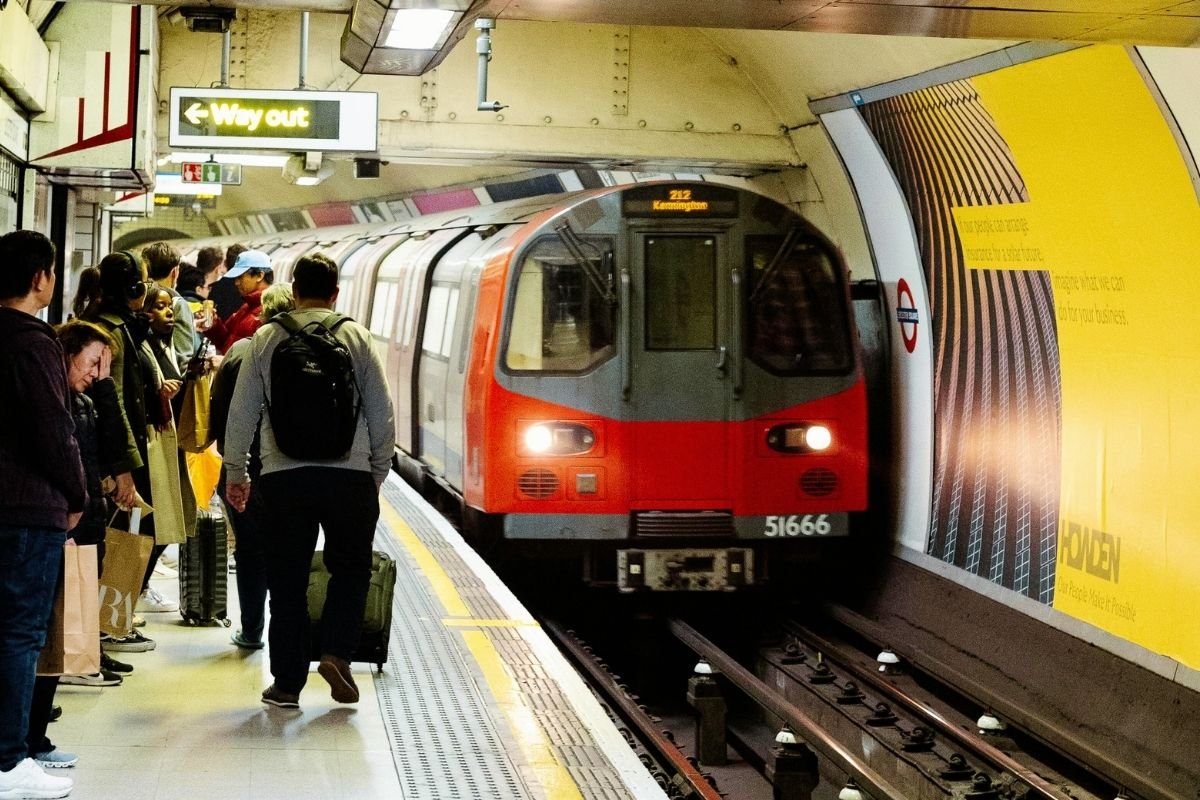
The strongest first trips combine famous landmarks with museums, parks, markets and neighborhood time.
Which London Experience Fits Your Travel Style?
| Traveler | Prioritize | Watch for |
|---|---|---|
| First-time couples | Landmarks, riverside walks, neighborhoods, theatre and selected paid attractions | Overloading every evening with reservations |
| Families | Museums, parks, easy transport days and age-appropriate attractions | Long cross-city transfers and too many timed entries |
| Budget travelers | Free museums, parks, markets, walking and carefully chosen paid experiences | Booking a difficult hotel location solely for the lower nightly rate |
| Comfort-focused travelers | Convenient accommodation, direct routes and priority reservations | Paying premium prices for conveniences that do not improve the trip |
| Repeat visitors | Neighborhoods, food, exhibitions, Greenwich, Hampstead and day trips | Repeating a first-visit checklist automatically |
What Should You Book in Advance in London?
Book ahead when the specific experience and specific date matter. This can include a major paid landmark, a popular West End show, a special exhibition, Warner Bros. Studio Tour or a limited-capacity guided experience.
Do not turn advance booking into a competition. Parks, neighborhoods, many standard museum collections and ordinary walking routes give London the flexibility it needs when weather, energy or timing changes.
TripsCity Insight: advance booking is useful when it protects something you would genuinely regret missing. It is not proof that every hour of the trip needs a reservation.
Travel Guide to London: How to Structure Your Sightseeing Days
A good London itinerary needs a geographic structure, but this Travel Guide to London should not replace a dedicated day-by-day itinerary.
The planning rule is simple: give each day one main area or sightseeing theme, then add nearby options rather than building a list of unrelated attractions across the city.
For example, Westminster naturally connects with the South Bank. The Tower works with Tower Bridge and parts of the City. A museum-focused day should remain concentrated rather than adding a distant landmark simply because there is room on the checklist.
Think in terms of anchors and flexible space. One important timed attraction can give the day structure. Nearby walking, museums, cafés, parks or neighborhoods can then absorb weather changes and delays without forcing you to rebuild the entire itinerary.
If you specifically want a four-day schedule with daily sightseeing order, use our London 4 Days Itinerary. That article should own the detailed Day 1–Day 4 plan.

A London itinerary works better when each day has a geographic focus instead of a long list of unrelated landmarks.
Best Day Trips From London
A day trip becomes easier to justify once you have enough time to enjoy London itself.
Popular options include Windsor, Oxford, Bath and Stonehenge. Some destinations work naturally as independent rail trips, while organized tours become more useful when the plan involves several widely separated stops.
The trade-off matters. On a three-day first visit, spending an entire day outside London removes a large part of your city time. With five to seven days, one excursion becomes much easier to include.
If you want transport and sightseeing arranged together, you can compare London day trips and guided excursions.
Is a London Sightseeing Pass Worth It?
A sightseeing pass only becomes valuable when it matches the itinerary you were already planning.
List the participating attractions you genuinely expect to visit, compare their normal admission costs with the pass price and check whether any still require advance reservations.
If most of your trip is built around free museums, neighborhoods, parks and only one or two paid attractions, a sightseeing pass becomes less important.
If your itinerary contains several eligible paid attractions, you can check a London sightseeing pass option and compare what is actually included.
London Safety, Families and Accessibility
London Safety for Visitors
Normal big-city awareness matters most. Keep phones and wallets secure in crowded places, pay particular attention around major transport hubs and do not leave bags unattended.
At night, plan the return journey before you are tired. Know which transport service you expect to use and avoid relying on an unfamiliar route simply because it appears shorter.
For the detailed version—including scams, phone theft and night travel—use our London Safety Guide.
London With Children
Families usually benefit from shorter sightseeing blocks, fewer difficult transfers and accommodation that makes a mid-day return realistic when someone needs a break.
Museums, parks, river walks and buses can also change the pace without requiring another large attraction.
If accommodation is still undecided, our Best Areas to Stay in London for Families focuses specifically on family logistics.
Accessibility
Do not assume every London Underground journey is step-free. Travelers using wheelchairs, strollers or heavy luggage should check the exact stations and route before an important journey.
The key is to test the full journey rather than simply looking for an accessible symbol beside the destination station.
TripsCity Insight: the easiest London itinerary is the one where accommodation, sightseeing and transport support each other instead of creating unnecessary detours.

London has enough flexible sightseeing that every day does not need to revolve around timed tickets.
London Travel Planning Checklist Before You Go
- Decide how many full sightseeing days you actually have.
- Choose accommodation according to your likely routes, not only the nightly price.
- Check the airport-to-hotel journey before arrival.
- Understand your basic transport payment setup before the first journey.
- Book only the attractions and shows you would genuinely regret missing.
- Group each sightseeing day around one part of London.
- Keep flexible time for museums, markets, parks and neighborhoods.
- Check current transport information before important journeys.
- Recheck opening hours and ticket conditions shortly before travel.
- Keep at least part of the trip unstructured enough to respond to weather and energy.
London Travel Guide FAQ
How many days should a first-time visitor spend in London?
Four to five days is a strong first-trip range because it gives you time for major landmarks, museums, neighborhoods and an evening activity without forcing every attraction into a packed schedule. Three days can still work for a focused highlights trip.
What is the best area to stay in London?
The best area depends on your sightseeing priorities, budget and transport needs. A well-connected base that reduces repeated cross-city journeys is normally more useful than choosing a neighborhood purely because it has a famous postcode.
What is the best way to get around London?
Most tourists can combine walking with public transport. Walk when attractions genuinely connect and use Tube, rail or buses for larger moves. For detailed route strategy, use our How to Get Around London guide.
Should tourists use Oyster or contactless?
Both can be useful depending on the traveler. Instead of duplicating the fare comparison here, use our London Public Transport Costs guide for the current payment options, fares and caps.
Are London’s major museums free?
Many major national museum collections offer free general admission. Special exhibitions, temporary events and some experiences may still require a ticket.
Which London attractions should I book in advance?
Book the attractions, tours or shows that are genuine priorities and could sell out for your dates. Flexible neighborhoods, parks and standard museum visits do not need to turn into a chain of timed reservations.
Is London good for families?
London offers museums, parks, public transport, river experiences and family attractions, but the itinerary should match the children’s ages and realistic daily energy.
Is London safe for tourists?
Visitors should use normal big-city precautions, particularly with phones and valuables in busy areas and around transport hubs. Plan late-night routes rather than improvising them while tired.
Is a London sightseeing pass worth buying?
It can make sense when several included paid attractions already belong in your itinerary and their normal combined cost compares favorably with the pass. It is less useful when most of your plans are free or flexible.
Final Verdict: How to Make a First London Trip Work
London becomes easier when you accept that you will not see everything. A strong first trip combines a useful base, geographically sensible sightseeing days, a small number of important paid experiences and enough flexible time to enjoy the parts of the city that do not require a ticket.
Walk when areas connect naturally, use public transport for the larger movement and choose accommodation with the whole itinerary in mind. Four or five well-structured days will usually produce a stronger first trip than a much longer attraction list squeezed into fewer days.
If you are still deciding where to sleep, continue with our Where to Stay in London guide. For movement, use How to Get Around London. For fares and payment, use London Public Transport Costs, and for the full spending plan use our London Budget Guide.
Once your priorities are fixed, you can compare London attraction tickets, tours and day trips without turning the whole vacation into a chain of reservations.
Last updated: September 2026.