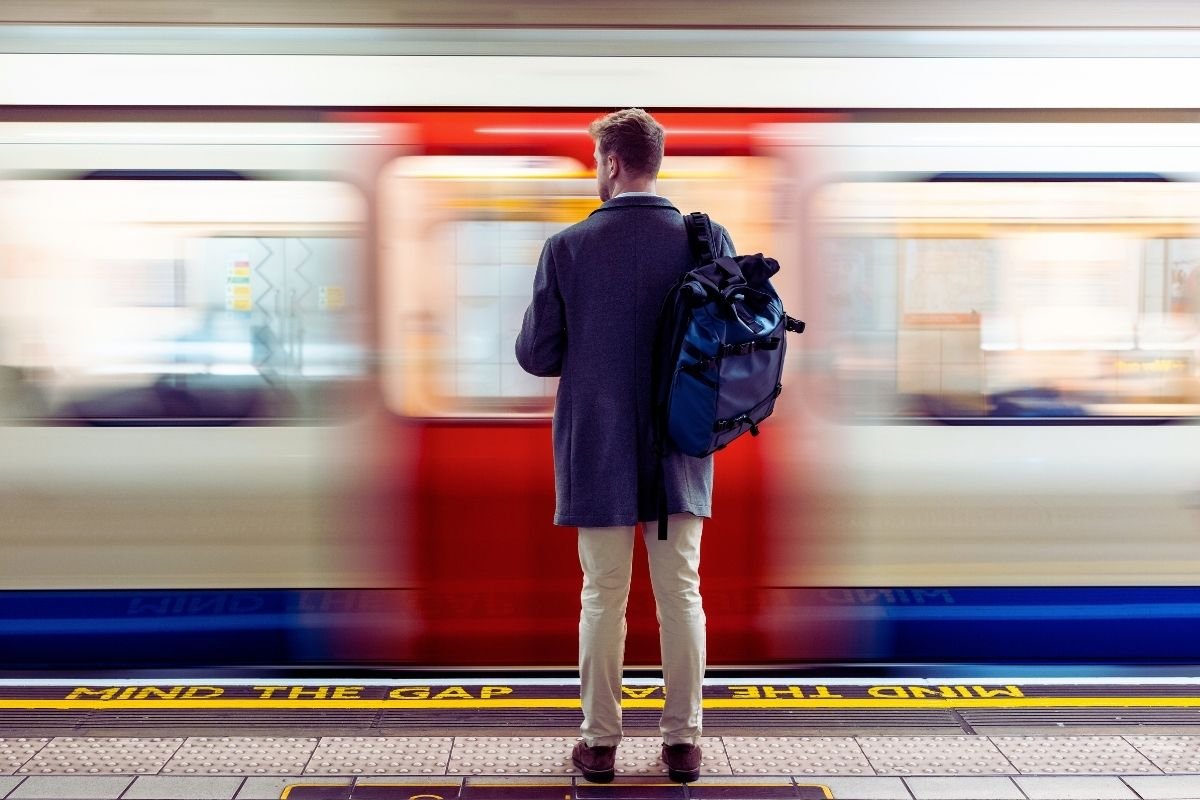
Last updated September 2026. This Gatwick to London guide reflects current train schedules, coach fares and transfer options, but conditions can change, so check the relevant operator before travelling.
For most travelers going from Gatwick to London, the train is the best combination of speed and convenience. Gatwick Express runs non-stop to London Victoria, while Southern also serves Victoria and Thameslink is often more useful for London Bridge, Blackfriars, Farringdon and St Pancras.
If price matters more than speed, National Express coaches can be considerably cheaper. A taxi or pre-booked private transfer usually costs more, but it can make sense for families, heavy luggage, mobility needs or late arrivals when public transport would require several changes.
The best option therefore depends on one question: which London station gives you the easiest onward journey to your hotel?

The easiest Gatwick transfer is usually the one that reaches a London station close to your hotel with the fewest changes.
Quick Answer: Train, Coach or Taxi from Gatwick?
| Option | Main London Arrival | Typical Journey | Best For | Cost Position |
|---|---|---|---|---|
| Gatwick Express | London Victoria | About 29–32 minutes | Fastest direct trip to Victoria | Usually the premium rail option |
| Southern | Victoria, via East Croydon and Clapham Junction | Usually around 30–45 minutes | Victoria, Clapham and parts of West London | Compare with Gatwick Express for your date |
| Thameslink | London Bridge, Blackfriars, Farringdon, St Pancras | Usually around 30–45 minutes depending on station | South Bank, the City, Clerkenwell, Bloomsbury and King’s Cross | Often excellent value for a direct route |
| National Express coach | Victoria Coach Station | As little as around 1 hour 5 minutes on selected services | Budget travelers and some late arrivals | From £6 one way when available |
| Taxi / private transfer | Your hotel | Traffic dependent | Families, groups, heavy luggage and difficult routes | Most expensive |
Gatwick Airport station is located at the South Terminal. If your flight arrives at the North Terminal, a free inter-terminal shuttle connects you to the railway station in about two minutes.
Gatwick Express currently runs twice an hour to Victoria, with an average journey of about 32 minutes and the fastest scheduled journeys around 29 minutes. Southern and Thameslink provide additional direct London routes, which is why the fastest-looking train is not automatically the most convenient one for every hotel.
Check current rail information on the official Gatwick Airport train page.
TripsCity Insight: Choose your London arrival station before choosing the train. A direct Thameslink service to a station near your hotel can be more useful than reaching Victoria a few minutes faster and then making extra Underground changes.
Which Train from Gatwick to London Is Best?
Three rail options matter most for London visitors: Gatwick Express, Southern and Thameslink. They all use Gatwick Airport station, but they serve different London stations.
Gatwick Express
Gatwick Express runs non-stop between Gatwick Airport and London Victoria. Current schedules average about 32 minutes, with the fastest journeys around 29 minutes. Services normally run twice per hour.
It is the most straightforward train when your hotel is near Victoria, Westminster, Belgravia or an easy Victoria line connection. However, it is not automatically the best choice if your hotel is closer to another station served directly by Thameslink.
Check current times on the official Gatwick Express page.
Southern
Southern trains also run from Gatwick to London Victoria, generally via East Croydon and Clapham Junction. They can be particularly useful if your destination is around Clapham Junction, Victoria or parts of South and West London.
Because fares and stopping patterns vary, compare Southern with Gatwick Express for your exact travel date rather than assuming the express service is always the better choice.
Thameslink
Thameslink is often the most useful Gatwick train for travelers who are not staying near Victoria. Direct services connect Gatwick with London Bridge, Blackfriars, City Thameslink, Farringdon and St Pancras International.
This makes Thameslink especially convenient for South Bank, Borough, the City, Clerkenwell, Bloomsbury and King’s Cross.
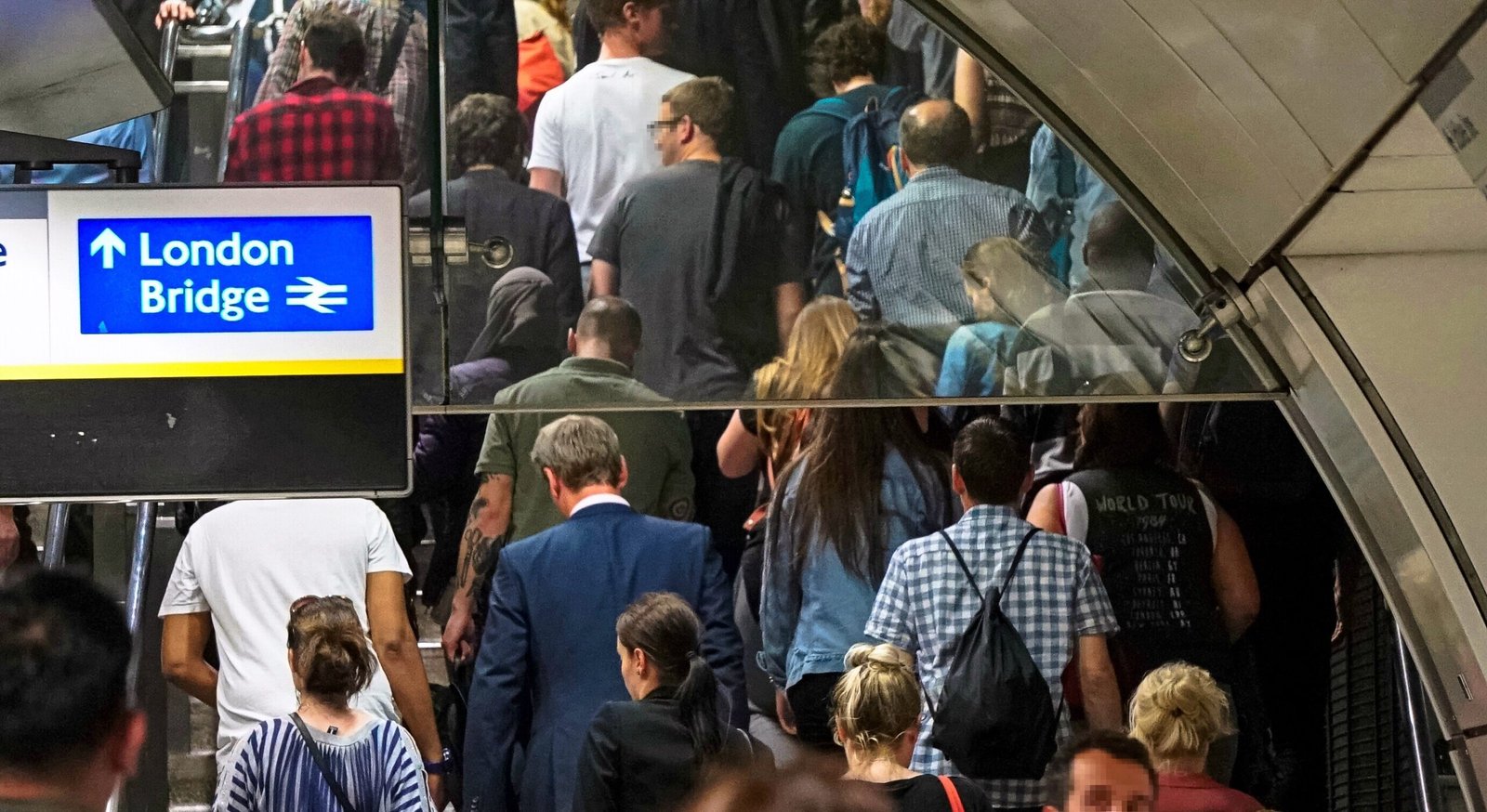
Choose the London station that gives you the easiest onward route to your hotel, not simply the train with the shortest advertised airport journey.
Which London Station Should You Choose from Gatwick?
| Hotel Area | Useful Arrival Station | Route to Compare |
|---|---|---|
| Victoria, Westminster, Belgravia | Victoria | Gatwick Express or Southern |
| London Bridge, Borough, South Bank | London Bridge | Thameslink |
| Farringdon, Clerkenwell, the City | Farringdon | Thameslink |
| King’s Cross, St Pancras, Bloomsbury | St Pancras International | Thameslink |
| Clapham Junction or parts of West London | Clapham Junction | Southern |
| Other London areas | Whichever station gives the simplest onward connection | Compare all three rail options |
Oyster and contactless payment can be used for supported rail journeys between Gatwick Airport and central London. London Travelcards are not valid for the Gatwick airport journey.
For Tube, bus and contactless guidance after reaching London, see our guide to getting around London.
Coach from Gatwick to London: When It Makes Sense
National Express coaches operate from both Gatwick terminals to London, including Victoria Coach Station. Current fares can start from £6 one way, while the fastest scheduled Gatwick-to-Victoria journeys are around 1 hour 5 minutes. Road traffic can make the trip significantly longer.
A coach makes the most sense when price matters more than speed, or when Victoria Coach Station gives you a simple final journey to your hotel. It can also provide a useful alternative when rail services are disrupted.
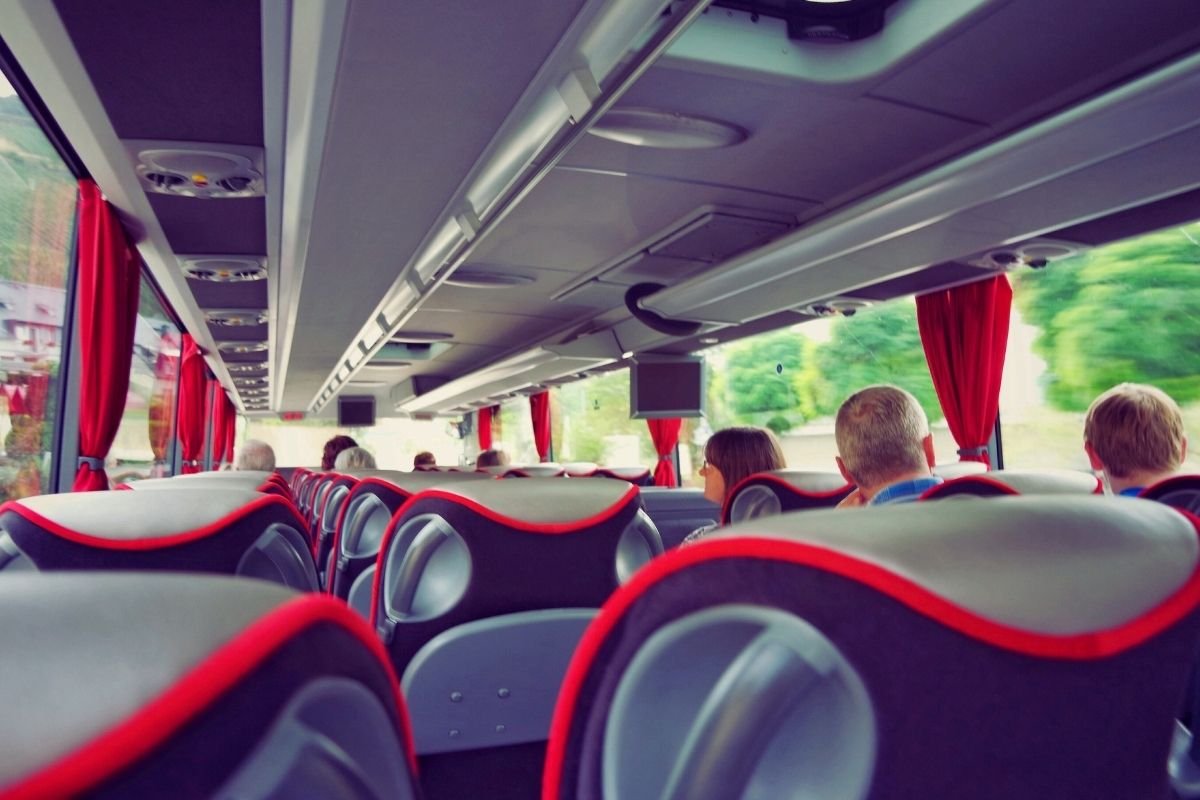
Gatwick coaches are slower than the train but can offer lower fares and direct travel to Victoria Coach Station.
Coaches depart from outside both North and South terminals. Check current prices and schedules on the National Express Gatwick to London page.
Late-Night Gatwick Arrivals
For a late arrival, plan around the time you expect to leave the terminal, not the scheduled landing time. Passport control, baggage collection and flight delays can easily remove a train or onward Tube connection you expected to use.
Check both parts of the journey:
- the last useful train or coach from Gatwick;
- the final Underground, rail or bus connection from your London arrival station to the hotel;
- your hotel’s late check-in instructions;
- whether the route still works comfortably with your luggage.
Gatwick Express is not a 24-hour train service, so check the timetable for your exact date. Coaches can provide useful late-night or early-morning alternatives, but schedules also vary.

Several changes can feel very different after a late flight or when travelling with heavy luggage.
Taxi or Private Transfer from Gatwick to London
A taxi or pre-booked transfer is rarely the cheapest way to reach London, but it can be the easiest door-to-door option for some trips.
It is particularly worth comparing when you are:
- travelling as a family or larger group;
- carrying several large bags or a stroller;
- arriving very late;
- travelling with mobility requirements;
- staying somewhere that would require several public transport changes.
Road journey times depend heavily on traffic and your exact hotel location. Gatwick Airport has an official private-hire provider, while other licensed transfer companies also serve the airport.
Check official information on the Gatwick taxi and transfer page.
If you prefer to compare a pre-booked door-to-door option before arrival, you can compare Gatwick to London private transfers.
Before Leaving Gatwick: Check the Full Route to Your Hotel
Do not stop planning at “Victoria” or “London Bridge.” Before leaving the airport, confirm the final part of the journey from your London station to the hotel.
| Check | Why It Matters |
|---|---|
| Hotel’s nearest station | Helps you choose the most useful Gatwick train before boarding |
| Live service status | Engineering work or disruption may change the best route |
| Number of changes | Two or three changes can be uncomfortable with large luggage |
| Step-free access | Important for mobility needs, strollers and heavy bags |
| Last connection | Especially important for evening and late-night arrivals |

Check the complete route to your hotel before leaving Gatwick, not only the first train into London.
Luggage and Arriving Before Hotel Check-In
If you arrive before your room is ready, ask the hotel whether it can store your bags. This is usually the simplest option because you avoid carrying luggage through London unnecessarily.
If your hotel cannot hold luggage, choose a storage location near either your London arrival station or the hotel rather than travelling across the city with bags.
You can compare luggage storage locations in London.
For the wider airport-transfer picture, including Heathrow, Stansted, Luton, London City and Southend, see our London airport transfers guide.
Frequently Asked Questions About Gatwick to London Transfers
What is the fastest way from Gatwick to central London?
Gatwick Express is the fastest direct option to London Victoria, with current scheduled journeys averaging about 32 minutes and the fastest taking around 29 minutes.
Is Gatwick Express better than Thameslink?
It depends on your hotel. Gatwick Express is best when Victoria is the most useful arrival station. Thameslink is often more convenient for London Bridge, Blackfriars, Farringdon, St Pancras and nearby areas because it avoids an additional cross-London connection.
Can I use Oyster or contactless from Gatwick to London?
Yes. Oyster and contactless payment can be used on supported rail journeys between Gatwick Airport and central London. Travelcards are not valid for the Gatwick airport journey.
What is the cheapest way from Gatwick to London?
National Express coach fares can currently start from £6 one way, although availability and prices vary. Rail fares also vary by service, ticket type and travel time, so compare your exact date before booking.
Is the coach from Gatwick worth it?
Yes, particularly when budget matters more than speed and Victoria Coach Station is convenient for your hotel. However, coaches are affected by road traffic and are normally slower than the train.
Is a taxi from Gatwick worth the extra cost?
A taxi or private transfer can make sense for families, groups, heavy luggage, mobility requirements, late arrivals or hotels that would otherwise require several public transport changes.
What should I do if I arrive at Gatwick North Terminal?
The railway station is at the South Terminal. A free inter-terminal shuttle connects North Terminal with South Terminal and the train station in about two minutes.
Final Recommendation
For most visitors, the best Gatwick to London transfer is the train that reaches the most useful London station for their hotel.
Choose Gatwick Express or Southern when Victoria works best, Thameslink when London Bridge, Farringdon or St Pancras is more convenient, and National Express when saving money matters more than journey time. Consider a private transfer when luggage, group size, mobility needs or a late arrival make public transport unnecessarily difficult.
The important comparison is not simply train versus coach versus taxi. Compare the complete door-to-door route from Gatwick Airport to your actual hotel.