
If you are comparing the best areas to stay in London near a station, do not judge the hotel by the number of minutes shown on a booking page. A useful station base should make the routes you repeat simple, keep the evening return manageable and avoid unnecessary walking through large interchanges.
In practice, a hotel five minutes from a confusing station can be less convenient than one ten minutes from a smaller station with a direct route to the places you plan to visit. Luggage, station size, platform access and the exact entrance can change how easy the same neighborhood feels.
The real decision is route quality, not station distance alone. This guide compares station-based London areas by daily simplicity, arrival convenience, luggage practicality and the type of trip each location suits.
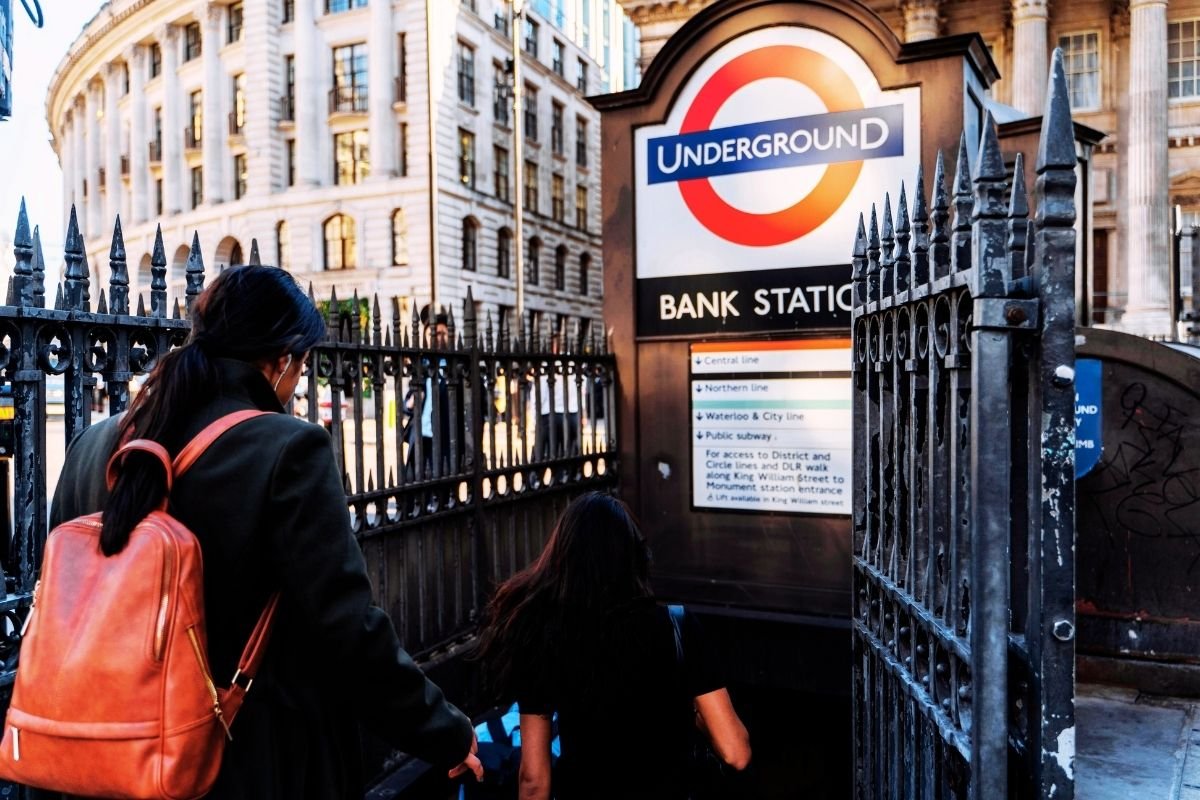
A good station base should make the journeys you repeat easier, not simply put an Underground sign close to the hotel.
If station access is only one part of your accommodation decision, our Where to Stay in London guide compares neighborhoods more broadly. For Tube lines, buses, Oyster and contactless payments, use our How to Get Around London guide.
How to Choose the Best Areas to Stay in London Near a Station
Best Areas to Stay in London Near a Station: Test Three Real Journeys
Choose three places you are very likely to visit and test the route from the exact hotel address. For example, compare Westminster, the West End and one attraction on the other side of central London.
If most journeys are direct or require one simple change, the location is probably doing its job. However, if two or three changes appear repeatedly, the hotel may feel more complicated than its central postcode suggests.
Check the Door-to-Platform Journey
Booking sites usually show the walk to a station entrance. They do not show the full internal journey. Large stations can involve long corridors, multiple levels, busy crossings and several entrances that are not equally useful.
Look at the exact hotel pin and the entrance you are likely to use. A slightly longer street walk can still be easier when it leads to the correct side of the station.
Think About Luggage and Accessibility
Likewise, arrival day is different from a normal sightseeing morning. A route that feels simple with a small day bag may be much less pleasant with two suitcases, a stroller or limited mobility.
Step-free access also varies by station, platform and route. Before booking, check the exact journey in the official TfL Journey Planner and confirm current lift information when stairs would be a problem.
Test the Evening Return
A station base should still work when you are tired. For that reason, check the return route after dinner or theatre as carefully as the morning journey.
Large interchanges are useful because they offer many routes. By contrast, a smaller nearby station can sometimes provide an easier final ten minutes when you only need one line.
Best Areas to Stay in London Near a Station: Quick Comparison
| Area | Main Station Advantage | Best For | Main Trade-Off |
|---|---|---|---|
| Victoria / St James’s Park | Central routes plus major rail and coach connections | Landmark-heavy trips and practical arrivals | Victoria can feel crowded and complex |
| South Bank / Waterloo | Large hub plus walkable central sightseeing | Short trips and Thames-focused itineraries | Waterloo is large and some hotel walks are awkward |
| Bloomsbury / King’s Cross | Several route choices and major rail connections | Flexible itineraries and train arrivals | King’s Cross St Pancras can be tiring to navigate |
| Paddington / Bayswater | Strong west-London links and Heathrow convenience | Airport arrivals and west-London plans | Some sightseeing routes need a change |
| London Bridge / Borough | Useful rail and Underground connections near the Thames | City, Borough Market and riverside plans | Busy commuter flows around the station |
| Liverpool Street / Spitalfields | Strong east-central connections and airport-friendly rail options | City, Shoreditch and east-London itineraries | Business-district atmosphere on some streets |
1. Victoria and St James’s Park: A Practical Station Base for Central London
Victoria works well when you want a major transport hub close to Westminster, Buckingham Palace and the West End. Meanwhile, St James’s Park gives the same general area a different station experience: smaller, simpler and often easier when you do not need the full Victoria interchange.
Best for: short trips, landmark-heavy itineraries and travelers who value a practical arrival or departure.
Main advantage: you can combine useful transport with a location that already sits near several major sights, so fewer journeys are needed in the first place.
Main trade-off: Victoria Station is busy. If crowds, long internal walks or luggage are concerns, compare hotels closer to St James’s Park rather than booking from the word “Victoria” alone.
When comparing properties, check the exact street and station entrance. A hotel marketed as near Victoria can still sit on the wrong side of a busy road or require a less convenient approach than expected.
2. South Bank and Waterloo: One of the Best Areas to Stay in London Near a Station for Short Trips
In addition, South Bank and Waterloo combine two advantages that do not always appear together: a major station and a sightseeing area that already places several attractions within walking distance.
The Thames, London Eye, Southbank Centre and Westminster side of the river are easy to combine on foot. Meanwhile, Waterloo gives you Underground and National Rail options when the day extends farther across London.
Best for: short stays, couples, riverside sightseeing and travelers who want to reduce the number of transport journeys rather than simply live beside a station.
Main advantage: many central plans begin with a walk, while the station remains available for longer trips.
Main trade-off: Waterloo is large. Some hotels described as nearby involve long station approaches, busy crossings or underpasses. Depending on the property, Southwark Station may provide a simpler daily route.
3. Bloomsbury and King’s Cross: Best for Flexible Routes and Rail Arrivals
King’s Cross St Pancras is useful when your itinerary changes from day to day. Instead of relying on one route, you have several Underground services, National Rail and international rail connections in the same broader area.
However, the station’s strength is also its weakness. Large concourses, multiple entrances and long internal walks can make a hotel that looks extremely convenient on a map feel more tiring in practice.
As a result, the Bloomsbury and Russell Square side can be a smart compromise. You remain close to useful transport but may avoid sleeping directly beside the busiest station approaches.
Best for: rail arrivals, varied itineraries, solo travelers and visitors who value route choice.
Main advantage: if one route is disrupted or your plans change, several alternatives remain available.
Main trade-off: do not assume “five minutes from King’s Cross” automatically means an easy five minutes with luggage. Check the correct entrance and walking route.
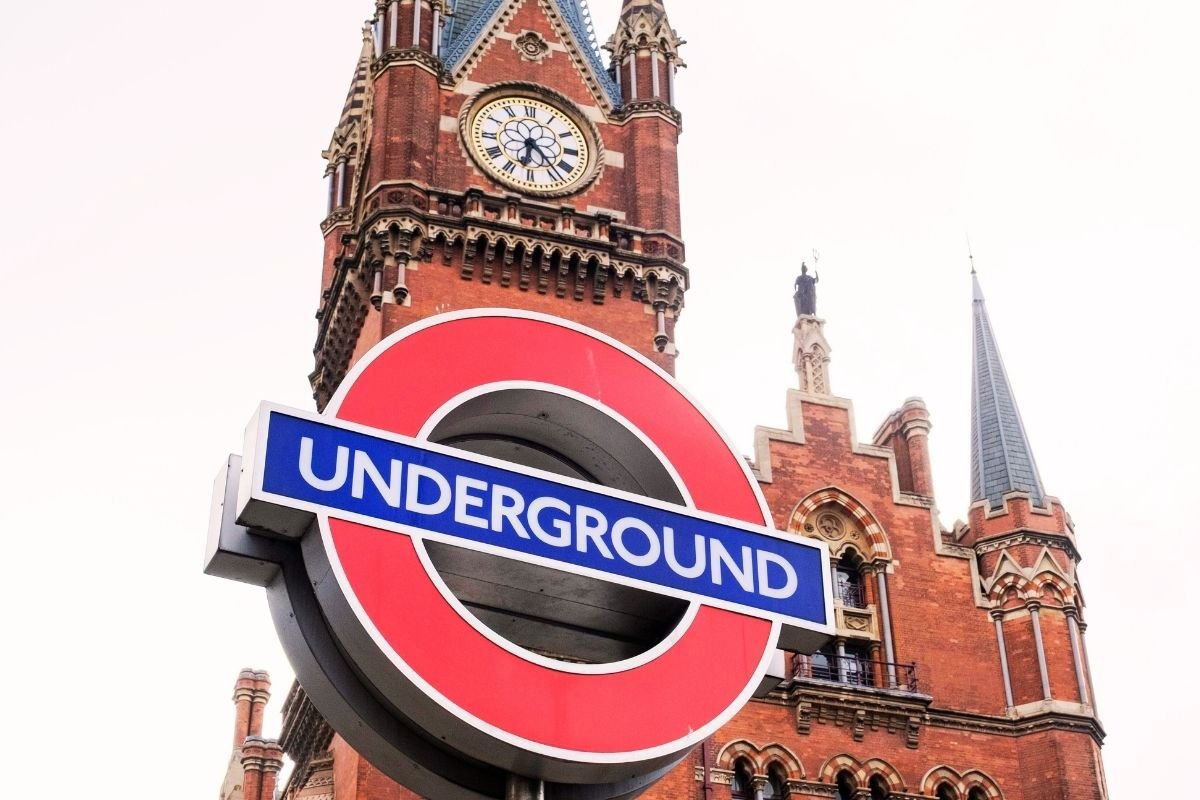
King’s Cross offers exceptional route choice, while the quieter Bloomsbury edge can make the hotel experience easier.
4. Paddington and Bayswater: One of the Best Areas to Stay in London Near a Station for Heathrow
Paddington is most compelling when arrival and departure matter almost as much as sightseeing. Travelers coming from Heathrow can reach west London directly by rail, while the broader Paddington and Bayswater area offers several Underground options and a large hotel supply.
For example, for a traveler carrying luggage, that can remove an awkward first or final connection. Still, airport convenience should not decide the entire stay if your daily sightseeing routes become complicated.
Best for: Heathrow arrivals, shorter trips with luggage and itineraries focused partly on west London.
Main advantage: arrival-day friction can be lower than in areas that require another cross-city connection after reaching London.
Main trade-off: some central sights are not on the most direct route from every nearby station. Before booking, test Westminster, the West End and another priority destination from the exact property.
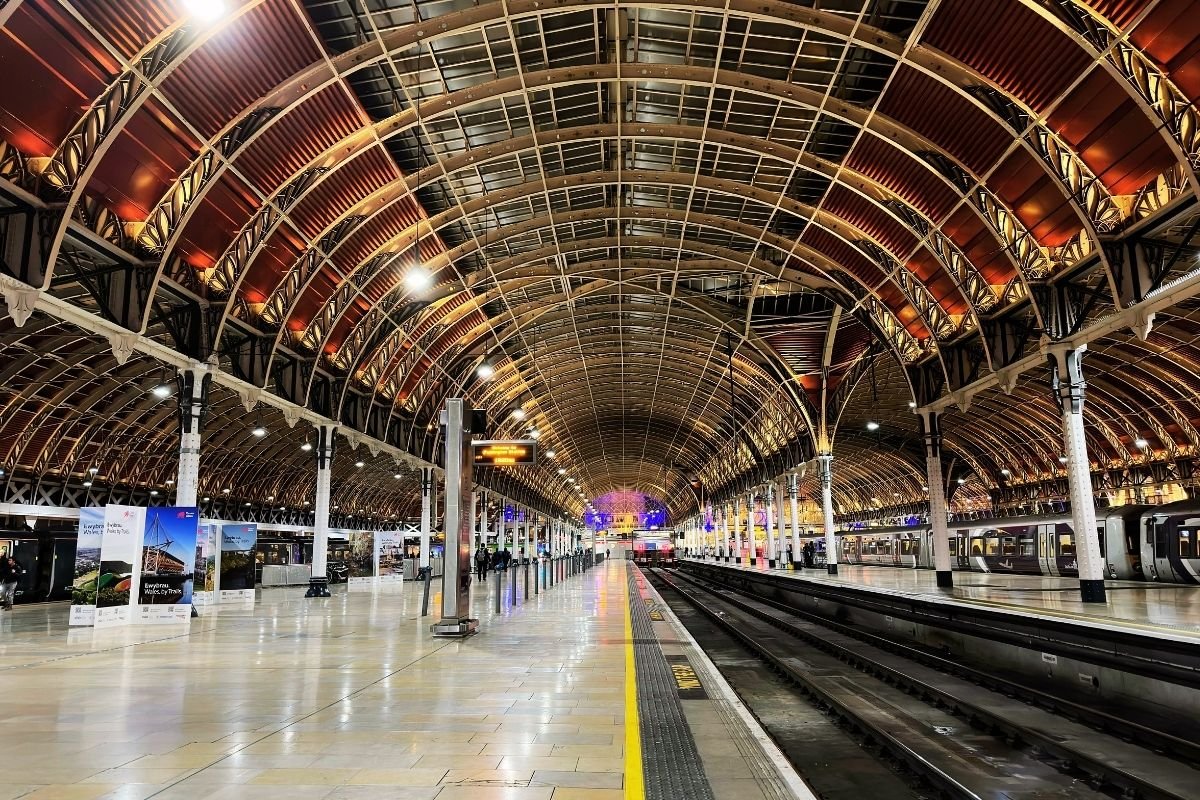
Paddington is strongest when easier airport access and west-London connections genuinely match the trip.
5. London Bridge and Borough: A Strong Station Base for the Thames and the City
Moreover, London Bridge deserves a place in this comparison because the station serves both everyday sightseeing and longer rail journeys while the surrounding area already contains attractions that many visitors plan to see.
Borough Market, the Thames, Tower Bridge approaches and the City side of central London are all practical from this base. As a result, some days can begin on foot rather than with a Tube journey.
Best for: visitors planning time around Borough Market, the City, the Thames and east-central London.
Main advantage: you combine a major rail and Underground station with a location that reduces transport use for several nearby sights.
Main trade-off: commuter flows can be heavy. Hotels close to the station should be checked for street noise, busy entrances and the exact walking route after dark.
If your itinerary is mostly west of Westminster, another station base may create simpler daily journeys. London Bridge works best when its geography matches the places you actually intend to visit.
6. Liverpool Street and Spitalfields: Best for East-Central London Connections
Similarly, Liverpool Street is useful for travelers whose plans lean toward the City, Shoreditch, Spitalfields and east London. The station is also a major rail and Underground hub, so it works well when the trip combines local sightseeing with longer connections.
Meanwhile, the surrounding area changes character quickly. Streets close to the City can feel business-focused, while Spitalfields and Shoreditch become livelier and more leisure-oriented.
Best for: east-London itineraries, City visits, flexible rail travel and travelers who prefer being close to Shoreditch and Spitalfields.
Main advantage: several parts of east-central London are walkable, while wider transport options remain close.
Main trade-off: if most of your sightseeing is around Kensington, Westminster or west London, the location can create more cross-city movement than you need.
Which of the Best Areas to Stay in London Near a Station Fits Your Trip?
| Your Priority | Start With | Think Twice If… |
|---|---|---|
| Landmarks plus practical transport | Victoria / St James’s Park | You dislike very large interchanges |
| Short central sightseeing | South Bank / Waterloo | Your hotel sits on an awkward side of Waterloo |
| Maximum route flexibility | Bloomsbury / King’s Cross | Long station corridors are difficult for you |
| Heathrow convenience | Paddington / Bayswater | Your daily plans are mainly east London |
| Thames, Borough and the City | London Bridge / Borough | Your itinerary is heavily west-focused |
| City and east London | Liverpool Street / Spitalfields | Most of your trip is around Kensington or Westminster |
The best areas to stay in London near a station are therefore not interchangeable. A major hub is valuable only when its routes match the places you plan to visit. Otherwise, a smaller station in the right part of London can be the easier choice.
Common Mistakes When Choosing the Best Areas to Stay in London Near a Station
Choosing by Distance Instead of Route Quality
For example, a hotel can be three minutes from a station and still be a poor base when the line does not serve the places you plan to visit. Compare actual journeys before rewarding the shortest street walk.
Accepting Several Changes as the Daily Routine
One complicated journey is manageable. Repeating it every morning and evening is different. For most tourist itineraries, a direct route or one simple change keeps the day easier and reduces the chance of wasting time on the wrong platform.
Ignoring the Size of the Station
Large interchanges offer excellent connections, but they may also involve long corridors, multiple levels and several exits. If luggage, a stroller or limited mobility matters, a smaller station nearby can provide a better daily experience.
Forgetting the Evening Walk
The return to the hotel deserves the same attention as the morning route. A busy road, confusing underpass or poorly positioned station entrance can feel more irritating after a full day of sightseeing.
Assuming Every Entrance Works the Same Way
In addition, different station entrances can lead to different platforms, lifts or street approaches. Therefore, test the exact hotel address rather than relying on a generic “near the station” label.
How to Check the Best Areas to Stay in London Near a Station Before Booking
Step 1: Test Three Typical Journeys
Use the exact hotel address and check three routes you are likely to repeat. Include one morning sightseeing route, one evening return and one journey to a different side of London.
Step 2: Count Changes and Walking
A direct route is ideal, but one clear change is usually fine. In addition, compare how much walking happens inside the station as well as outside it.
Step 3: Check Accessibility When It Matters
Use current TfL information if you need lifts, step-free routes or easier luggage access. Do not assume a station is simple because it appears close on the map.
Step 4: Read Recent Hotel Reviews
Look specifically for comments about station access, street noise, the evening walk and how long the journey actually takes. Repeated practical comments are more useful than one dramatic review.
Step 5: Compare the Exact Property, Not the Area Name
Likewise, two hotels in the same neighborhood can create very different trips. One may sit beside the useful entrance, while another is across a major road or on the wrong side of a large interchange.
After narrowing the area, you can compare London hotels for your exact travel dates.
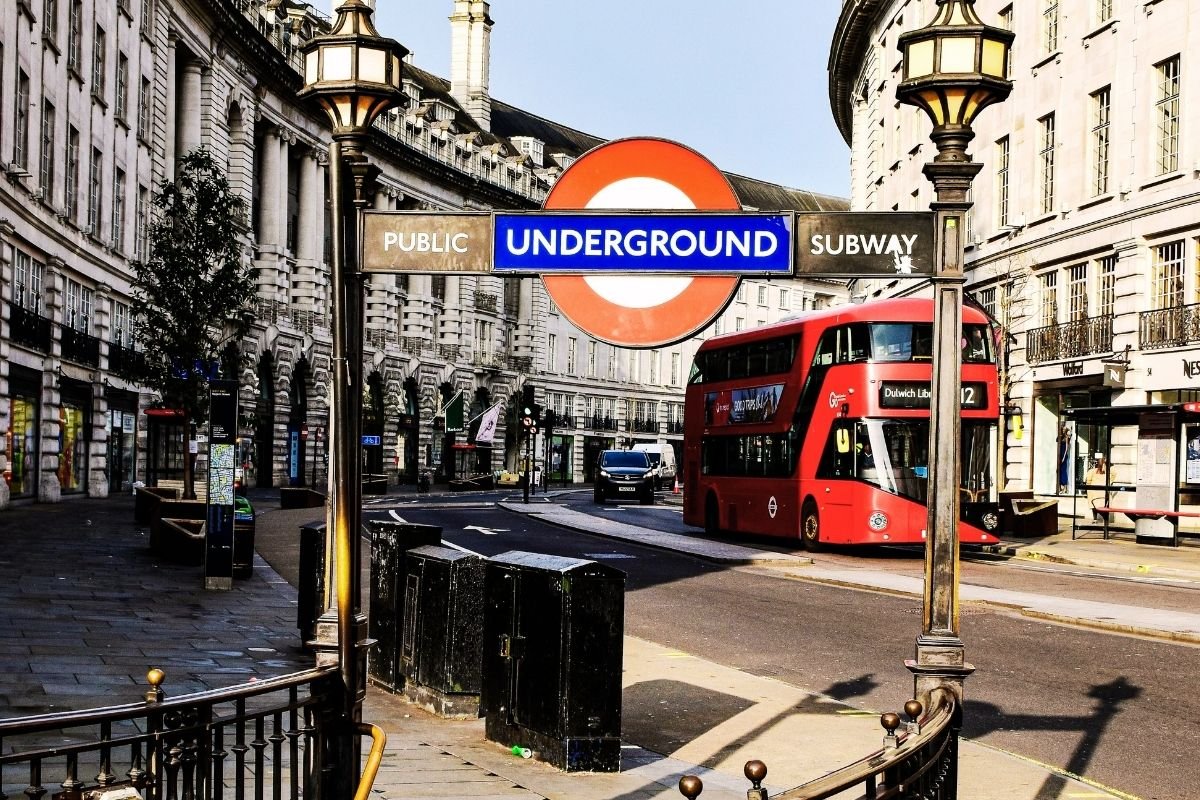
A practical station base should combine easy transport with a street you are comfortable returning to at the end of the day.
Arrival Day and the Best Areas to Stay in London Near a Station
In addition, arrival day is one of the strongest tie-breakers when two areas otherwise work equally well. Heavy luggage and an unfamiliar transport system make extra changes feel more significant than they do later in the trip.
Paddington becomes more attractive when Heathrow is part of the journey. Victoria can be practical for some rail and coach arrivals. King’s Cross or St Pancras is especially convenient when your train already finishes there.
However, do not let arrival convenience overpower the rest of the itinerary. The hotel still needs to work for the days after check-in. For airport-specific planning, use our London Airport Transfer Guide.
Best Areas to Stay in London Near a Station: Final Decision
- Victoria / St James’s Park: choose this area when central landmarks and a practical transport base matter most.
- South Bank / Waterloo: choose it for a short trip where walking and central sightseeing reduce the need for daily transport.
- Bloomsbury / King’s Cross: choose it when flexible routes and rail arrivals matter more than a small-station experience.
- Paddington / Bayswater: choose it when Heathrow convenience and west-London access are important.
- London Bridge / Borough: choose it when your itinerary favors the Thames, Borough Market, the City and east-central London.
- Liverpool Street / Spitalfields: choose it when east London, the City and flexible rail connections dominate the trip.
Ultimately, the best station area is the one that removes the most repeated friction from your own itinerary. A famous interchange is not automatically better than a smaller station, and the shortest hotel-to-station walk is not automatically the easiest journey.
Best Areas to Stay in London Near a Station FAQ
Is staying near a station always a good idea in London?
No. The station needs to serve the routes you actually use. A hotel beside a poorly matched station can be less convenient than one slightly farther from a station with direct or simpler journeys.
Which London station area is easiest for a short sightseeing trip?
Victoria/St James’s Park and South Bank/Waterloo are strong options because they combine useful transport with several central sights nearby. The better choice depends on which side of central London your itinerary favors.
Which station area is most useful for Heathrow Airport?
Paddington is a practical choice because of its direct rail links with Heathrow. Still, compare your daily sightseeing routes before choosing the hotel only for airport convenience.
Is King’s Cross a good place to stay near a station?
Yes, especially when route flexibility or rail arrival matters. However, King’s Cross St Pancras is a large interchange, so travelers who dislike long internal walks may prefer the Bloomsbury or Russell Square side of the area.
Is London Bridge a good station area for tourists?
Yes, particularly when your plans include Borough Market, the Thames, the City and east-central London. It is less efficient when most of your itinerary is focused on west London.
How can I tell whether a hotel is really close to a useful station?
Test the exact address in the TfL Journey Planner, inspect the route to the correct entrance, count line changes and read recent reviews for practical comments about the walk, stairs, luggage and evening return.
For the wider accommodation decision beyond station access, continue with our Where to Stay in London guide.