
If you are comparing the cheap areas to stay in London, do not start with the lowest hotel rate on the map. A cheaper room only helps when the area still keeps sightseeing practical, evenings manageable and daily travel reasonable.
For many tourists, the strongest value comes from staying just outside London’s most expensive hotel districts. Earl’s Court, Paddington, King’s Cross, Hammersmith, Stratford, Bermondsey, Greenwich and Ealing Broadway can all work. However, each area saves money in a different way and each creates a different trade-off.
The useful question is not “Which London area is cheapest?” Instead, ask which area gives you a meaningful accommodation saving without making the rest of the trip harder.
Cheap Areas to Stay in London: Quick Answer
Overall balance: Earl’s Court.
Central-ish value: Paddington / Bayswater.
Short stays with broad hotel choice: King’s Cross / St Pancras.
Longer west-London stays: Hammersmith.
Price-focused outer base: Stratford.
Quieter central-ish option: Bermondsey / Southwark.
Space and a slower trip: Greenwich.
Outer-west alternative: Ealing Broadway.
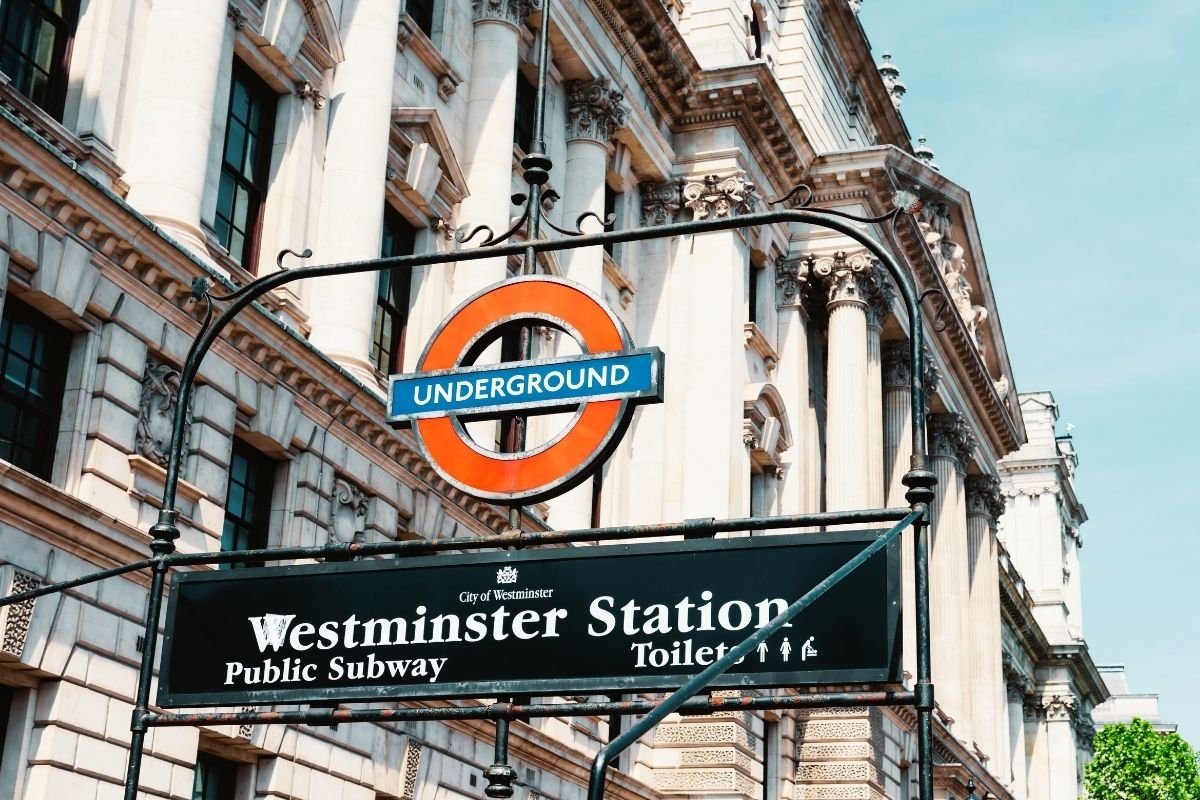
A lower hotel rate only becomes good value when the location still works for the way you plan to use London.
If your main question is which type of low-cost stay to book, use our separate Budget Accommodation in London guide. That page compares hostels, budget hotels, private rooms and apartments. This guide stays focused on neighborhoods.
If budget is only one part of your accommodation decision, our Where to Stay in London guide compares neighborhoods across a wider range of travel styles, priorities and price levels.
How to Choose Cheap Areas to Stay in London Without Creating a Bad Trade-Off
Compare Cheap Areas to Stay in London by Total Trip Value
A £10 or £15 difference on one night can look important while you are scrolling through hotel results. However, across a short weekend, that saving may be too small to justify a worse location. By contrast, across seven nights, the same nightly difference becomes more meaningful.
Therefore, compare the full booking total before deciding that the farther hotel is the better deal. The budget decision should reflect the whole stay, not one attractive nightly number.
Give Short Trips More Location Weight
On a two- or three-night visit, time is part of the budget. A long morning journey and an equally long return can consume a noticeable share of the trip.
For that reason, Earl’s Court, Paddington or King’s Cross may beat a cheaper outer option on a short stay. By contrast, Hammersmith, Stratford, Greenwich or Ealing can become more attractive when you have six or seven nights and can group sightseeing by area.
Do Not Treat the Zone Number as a Price Guarantee
Zone 1 is often expensive, but hotel prices do not fall neatly with every zone. For example, events, weekends, property type and local demand can change the pattern quickly.
In addition, neighborhoods with many hotels can sometimes produce better rates than smaller outer areas with limited supply. Compare real prices for your dates instead of assuming Zone 3 must be cheaper than Zone 1 or 2.
Decide Which Compromise You Can Accept
At the same time, every value area asks you to give up something. That may be central atmosphere, room size, nightlife, walking access to famous sights or the ability to return easily during the day.
The best cheap areas to stay in London are not places with no disadvantages. They are places where the disadvantage makes sense for your itinerary and the saving is large enough to matter.
Moving away from the most expensive hotel districts can improve value, but only when the daily routine still feels practical.
Cheap Areas to Stay in London: Quick Comparison
| Area | Best For | Value Advantage | Main Trade-Off |
|---|---|---|---|
| Earl’s Court | Balanced first trips | Central-ish position without prime West End pricing | Hotel quality varies |
| Paddington / Bayswater | Short stays | Large accommodation supply | Small rooms and busy streets |
| King’s Cross / St Pancras | Short trips and solo travelers | Broad mix of budget and mid-range stays | Rates rise on busy dates |
| Hammersmith | Longer stays | Often stronger room value than prime central areas | Farther from east-central sights |
| Stratford | Price-focused trips | Large hotel market outside central London | Less classic-London atmosphere |
| Bermondsey / Southwark | Couples and quieter stays | Central-ish position when rates are good | Not consistently cheap |
| Greenwich | Longer, slower trips | More space and a destination feel | Longer journeys to west London |
| Ealing Broadway | Outer-west stays | Potentially better room value | Greater distance from classic sights |
1. Earl’s Court: One of the Best Cheap Areas to Stay in London for Balance
Earl’s Court works because it avoids the extremes. You are outside the most expensive West End hotel market, yet you have not moved so far away that the location controls every sightseeing day.
The area also has a long history of tourist accommodation. As a result, you can compare simple hotels, guesthouses and mid-range properties rather than relying on one type of stay.
Best for: first-time visitors, couples and short trips where both cost and location matter.
Main trade-off: individual properties vary a lot. Check recent reviews and the exact street before assuming a cheap Earl’s Court room is automatically good value.
2. Paddington and Bayswater: Central-ish Value for Short London Trips
Paddington and Bayswater show why saving money does not always mean moving far from central London. The area has a large accommodation supply, from simple rooms and guesthouses to more comfortable hotels.
As a result, that competition can produce useful rates, especially when you care more about location than room size. However, cheaper rooms in this part of London can be very compact, and street quality varies noticeably.
Best for: short stays, first-time visitors and travelers who want to remain fairly central.
Main trade-off: you may sacrifice space, modern finishes or a quieter street. A slightly higher rate can be worthwhile if the property has stronger recent reviews.
3. King’s Cross and St Pancras: Budget-Friendly London Accommodation on the Right Dates
King’s Cross is not permanently cheap, but it deserves a place in any budget-area comparison. The neighborhood has hostels, compact hotels, guesthouses and more expensive properties, so travelers can compare several accommodation levels in one useful part of the city.
However, its biggest advantage is that a competitive rate here can reduce the need to compromise on location. On busy dates, though, demand can push prices up quickly.
Best for: solo travelers, short visits and travelers arriving by rail.
Main trade-off: the area only works as a budget choice when the actual rate is competitive. Do not pay a premium simply because the location is convenient.
4. Hammersmith: An Affordable London Base for Longer Stays
Hammersmith makes more sense when the trip lasts several nights. You move west of the core sightseeing districts, but you gain a neighborhood with many everyday services, restaurants and accommodation options.
Therefore, for a longer stay, that trade can work well. A better room, quieter evening or larger space may matter more than being close to every landmark.
Best for: longer stays, repeat visitors and travelers who want more room for the same budget.
Main trade-off: if most of your itinerary sits around Westminster, Soho or east-central London, the extra movement can become tiring.
5. Stratford: Strong Value When Central Atmosphere Is Not the Priority
Stratford offers a different kind of value. Instead of trying to stay near the classic sightseeing core, you choose a large outer hub with substantial hotel supply and accept that the neighborhood feels more modern than historic.
For example, this can work very well when accommodation prices in central London are unusually high. It is less convincing when the saving is small.
Best for: longer trips, flexible itineraries and travelers who prioritize room value over atmosphere.
Main trade-off: you are farther from many first-time sights, so repeated midday returns are less practical.

Stratford can provide stronger hotel value when you are willing to trade central atmosphere for a more distant base.
6. Bermondsey and Southwark: Central-ish Value When Rates Cooperate
In addition, Bermondsey and parts of Southwark belong on this list because a budget strategy does not always require an outer zone. When rates are favorable, these areas can keep you relatively close to the Thames, London Bridge and the South Bank side of central London.
The important phrase is when rates are favorable. Supply is not as broad as in Paddington or King’s Cross, so the area is not reliably cheap.
Best for: couples, solo travelers and visitors who prefer a quieter base while staying fairly close to central sightseeing.
Main trade-off: fewer low-cost properties means less room for comparison on busy dates.
7. Greenwich: Good-Value London Accommodation for a Slower Trip
Greenwich works best when you have enough time to enjoy the neighborhood rather than treating it only as a place to sleep. The park, riverside and local attractions give the area its own travel value.
As a result, the extra distance is easier to justify on a longer stay. By contrast, a trip focused heavily on the West End may make Greenwich feel less efficient.
Best for: longer stays, travelers who want more space and visitors who enjoy a slower neighborhood rhythm.
Main trade-off: repeated trips to west London can erode the convenience.
8. Ealing Broadway: An Outer-West London Budget Alternative
Ealing Broadway sits farther from the classic tourist core, so the accommodation saving needs to be meaningful. The benefit is a more residential base with shops, restaurants and the possibility of getting a better room for the same budget.
For example, it can be especially useful when your itinerary already includes west London. However, it is a weaker fit for a short first visit centered on Westminster and the West End.
Best for: longer trips, west-London plans and travelers who value room quality over central atmosphere.
Main trade-off: greater distance from the main sightseeing clusters.
How the Cheap Areas to Stay in London Compare by Trip Type
| Your Priority | Start With | Think Twice If… |
|---|---|---|
| Best overall balance | Earl’s Court | A more central hotel is almost the same price |
| Short central trip | Paddington / Bayswater | You need a large modern room |
| Central value | King’s Cross | Your dates push local rates too high |
| Longer west-London stay | Hammersmith | Your itinerary is mainly east of central London |
| Price before atmosphere | Stratford | Your trip is very short |
| Quieter central-ish base | Bermondsey / Southwark | Rates match premium central areas |
| Space and slower pace | Greenwich | You plan repeated West End journeys |
| Outer-west room value | Ealing Broadway | You want famous sights outside the hotel |
This is why the cheap areas to stay in London should not be ranked from first to eighth for every traveler. A three-night first visit and a seven-night relaxed stay reward very different compromises.
When Paying More for a Central London Hotel Is Better Value
However, a budget guide should also explain when the cheaper area is the wrong choice. On a short trip, a central-ish hotel can be worth more if it saves several long journeys and makes walking between sights easier.
For example, saving £40 across an entire stay may not justify a much less convenient base. Saving £40 per night over a week is a different calculation.
Therefore, treat price as one part of value. Time, room quality and the way you plan to use the hotel matter too.
When Cheap Areas to Stay in London Are Usually Better Value
London hotel prices change sharply with the calendar, so no neighborhood stays cheap all year. According to Visit London, January through March is usually the cheapest period to visit. June through September is generally the main high season.
That seasonal pattern changes the area decision. During a quieter period, a central hotel may fall close enough in price to make an outer base unnecessary. During summer or another high-demand period, moving farther out can create a much larger saving.
Events can also distort normal patterns. Therefore, use area guides to decide where to search, then compare your exact dates before assuming one neighborhood is cheaper than another.
How to Test a Cheap London Hotel Before You Book
Check the Full-Stay Price
Compare all nights using the same guest count, room type and cancellation terms. A low “from” price tells you very little about your own booking.
Check the Exact Location in Cheap Areas to Stay in London
Neighborhood labels cover wide areas. For example, a hotel marketed as Paddington, Stratford or Greenwich may sit much farther from the part of the district you expected.
If station proximity is your main priority, use our separate Best Areas to Stay in London Near a Station guide. This page focuses on neighborhood value rather than station-by-station strategy.
Read Recent Reviews for Repeated Problems
Instead, look for patterns rather than one dramatic complaint. Repeated comments about cleanliness, street noise, broken lifts, room temperature or maintenance deserve more weight than an isolated review.
Check What the Low Price Removes
For example, some inexpensive London rooms are tiny. Others use shared bathrooms, have no lift or offer limited reception hours. However, those compromises can be acceptable when they are clear before you book.
Mistakes That Make Cheap London Accommodation Poor Value
- Moving far out for a small saving: calculate the difference across the whole stay first.
- Assuming an outer zone is always cheaper: compare actual rates for your dates.
- Ignoring room quality: a good-value area can still contain poor properties.
- Forgetting local events: temporary demand can push rates above their normal level.
- Choosing the area before the itinerary: a cheaper base works best when it sits on the right side of London for your plans.
- Sacrificing sleep for a tiny discount: repeated noise complaints should influence the decision.
A Simple Booking Plan for Cheap London Areas
- Choose three areas. Include one central-ish option, one balanced option and one farther-out value option.
- Search identical dates. Keep the guest count and room requirements the same in all three areas.
- Compare the full saving. Look at the difference across the whole stay rather than one nightly price.
- Remove weak properties. Exclude hotels with repeated recent cleanliness, maintenance or noise problems.
- Test the daily geography. Check how each remaining location fits the sightseeing you actually plan to do.
Once the shortlist is ready, you can compare current London hotel rates for your travel dates.
For food, attractions, transport and total trip spending, use our London Budget Guide.
Which Cheap London Area Should You Choose?
- Earl’s Court: choose it for the strongest balance between price and sightseeing convenience.
- Paddington / Bayswater: start here when you want to remain fairly central.
- King’s Cross: use it when you find a competitive rate and value a central base.
- Hammersmith: consider it for a longer stay where room value matters more than centrality.
- Stratford: choose it when accommodation price matters more than classic central atmosphere.
- Bermondsey / Southwark: compare it when you want quieter central-ish value.
- Greenwich: use it for a longer, slower trip where the neighborhood becomes part of the stay.
- Ealing Broadway: consider it when the saving clearly justifies the extra distance.
The best budget choice is not the room with the smallest number beside it. It is the area where the saving, hotel quality and daily convenience work together.
Cheap Areas to Stay in London FAQ
What are the best cheap areas to stay in London for tourists?
Earl’s Court, Paddington/Bayswater, King’s Cross, Hammersmith, Stratford, Bermondsey/Southwark, Greenwich and Ealing Broadway are all useful areas to compare. The best choice depends on your dates and itinerary.
Where can I stay cheaply in London without being too far from the centre?
Start with Earl’s Court, Paddington/Bayswater and King’s Cross. Bermondsey and parts of Southwark are also worth checking when prices are competitive.
Is it cheaper to stay outside Zone 1?
Often, but not always. Outer areas can cost less, yet events, property type and specific dates can reverse the pattern.
Should I pay more to stay central?
Sometimes. On a short trip, a modestly higher rate can be worthwhile when the location saves substantial travel time. Longer stays make larger nightly savings farther out more attractive.
How do I know if a cheap London hotel is really good value?
Compare the total stay price, exact location, room facilities, recent reviews and how well the area fits your itinerary. The nightly rate should never be the only test.