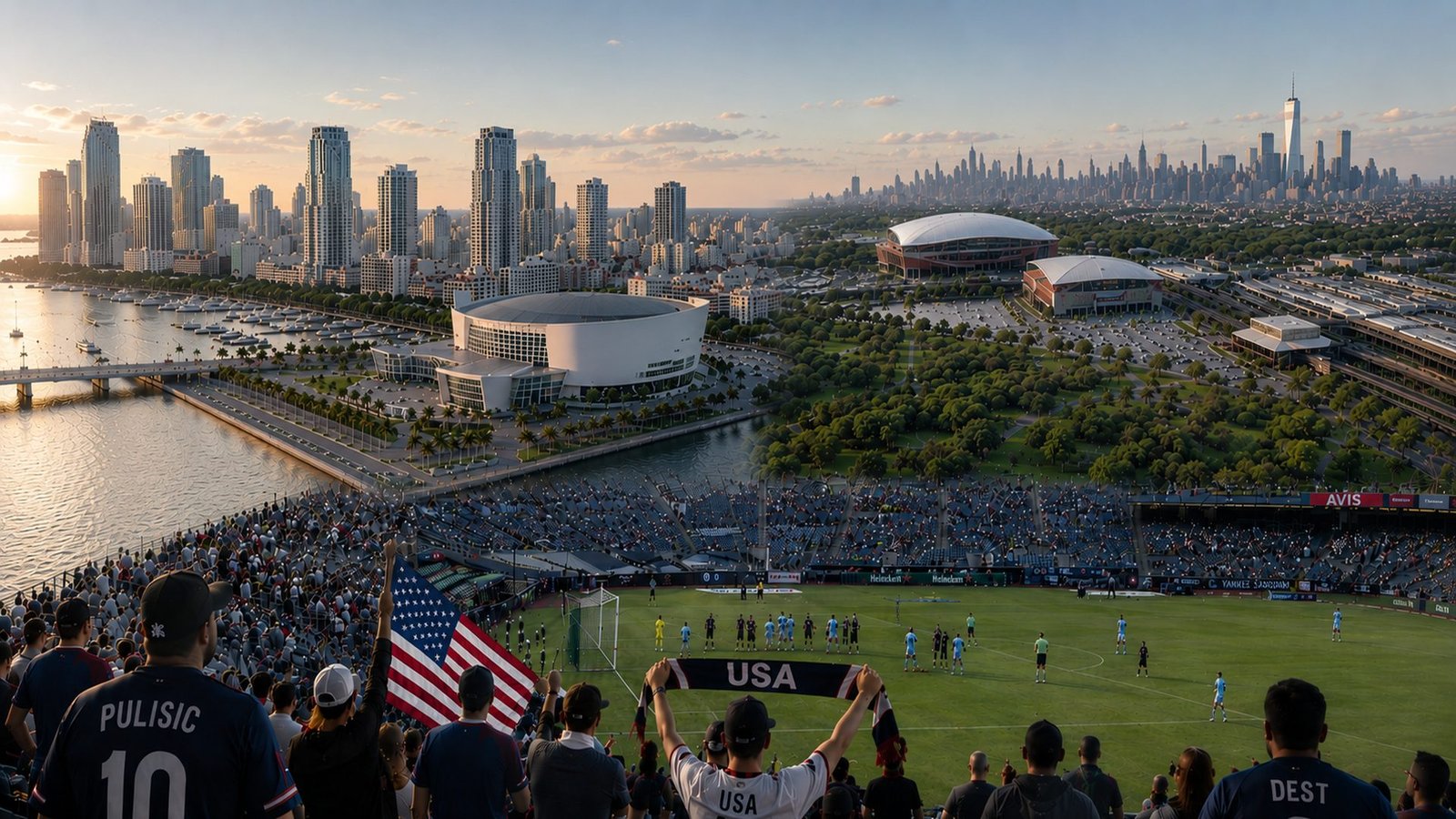
Best US Cities to Visit During World Cup 2026 is one of the most important decisions World Cup travelers will make before booking flights, hotels, and match tickets.
Many travelers will spend thousands of dollars on World Cup 2026 — yet their biggest mistake may happen before they even board their first flight.
The United States is enormous, and that changes almost everything about planning a World Cup trip. Travelers often imagine a compact tournament where host cities feel closely connected. The reality is very different. Flying between matches may require crossing multiple time zones, navigating massive airports, paying inflated hotel prices, and dealing with exhausting summer heat in unfamiliar cities.
At a Glance: Best US Cities for World Cup 2026
| If You Want… | Choose… |
|---|---|
| Nightlife and fan energy | Miami |
| The lowest daily stress | Seattle |
| The best overall balance | Dallas |
| The most iconic experience | New York / New Jersey |
| Tourism plus football | Los Angeles |
Quick takeaway: The best World Cup city is not the same for every traveler. Your budget, energy level, transportation style, and trip pace matter more than hype.
Choosing the best US cities to visit during World Cup 2026 depends far more on transportation, pacing, weather, and hotel logistics than most travelers initially expect. Some fans will build unforgettable trips, while others may burn through their budget and energy before the group stage even ends.
That is why choosing the right US city for World Cup 2026 matters far more than many people expect.
This is not simply about stadiums.
It is about:
- walkability
- transportation
- hotel inflation
- airport stress
- summer weather
- fan atmosphere
- nightlife
- trip pacing
- travel fatigue
This guide explains the best US cities to visit during World Cup 2026 based on realistic travel experience — not just hype.
Who Is This Guide For?
This guide is designed for travelers planning a World Cup 2026 trip in the United States, especially:
- first-time visitors to the USA
- football fans attending multiple matches
- families planning summer travel
- budget-conscious travelers
- couples combining tourism with football
- travelers comparing transportation and hotel costs between host cities
If your goal is to build a realistic World Cup itinerary instead of simply following social media hype, this guide will help you choose the cities that best match your budget, energy level, and travel style.
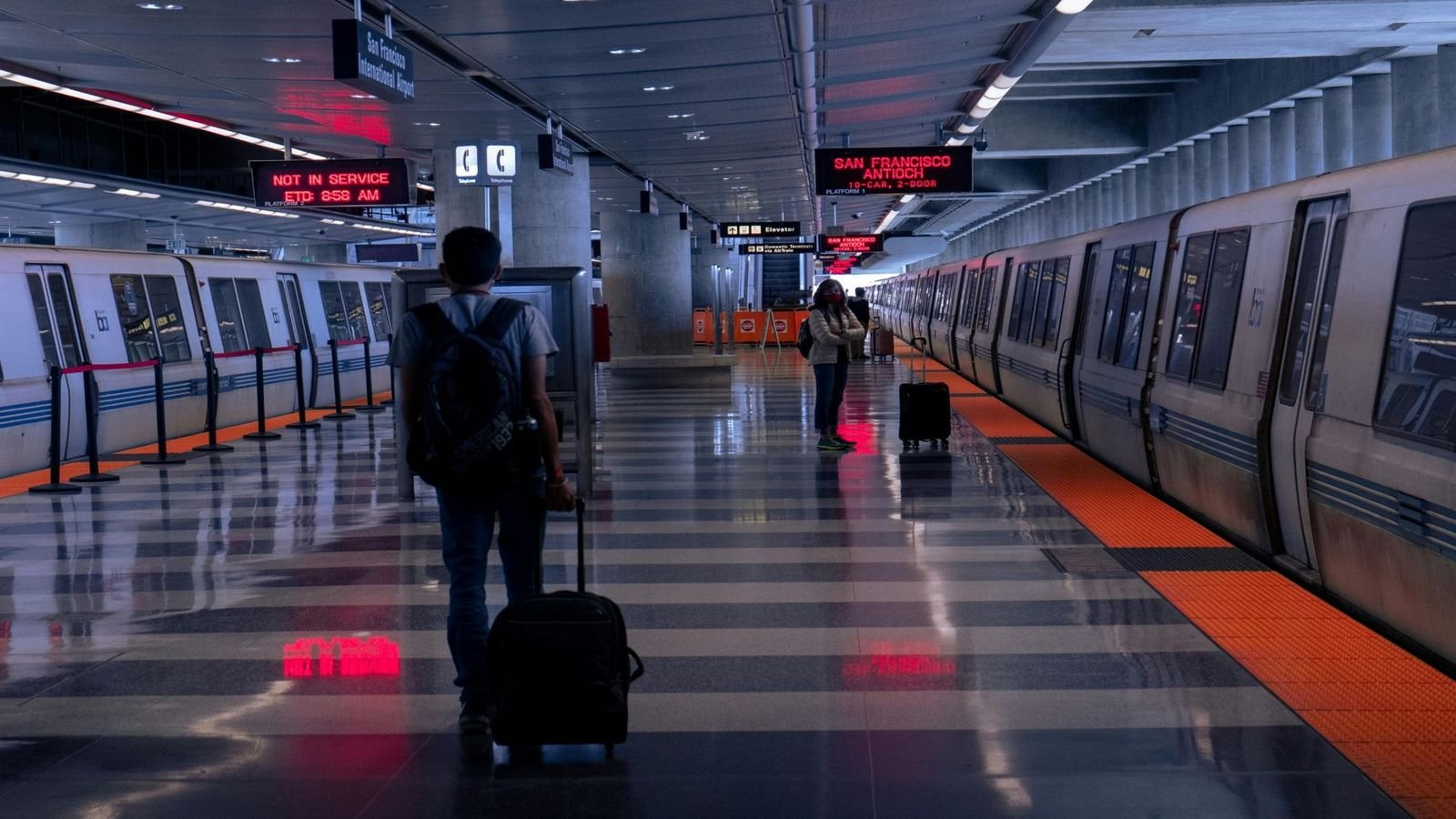
Transportation between World Cup 2026 host cities in the United States may become more exhausting and time-consuming than many travelers initially expect.
Official tournament information, host cities, and stadium updates are available on the official FIFA World Cup 2026 website.
- The Real Truth About World Cup 2026 in the USA
- Best US Cities for World Cup Travelers
- Why Miami Will Be One of the Wildest Cities
- New York and New Jersey Reality
- Dallas: The Most Underrated World Cup City?
- Los Angeles Travel Warnings
- Best Cities by Traveler Type
- Critical Mistakes to Avoid
- Seattle Travel Reality
- A Smarter Way to Plan Your World Cup 2026 Trip
- Final Verdict
- FAQ
The Real Truth About World Cup 2026 in the USA
The biggest misconception about World Cup 2026 is that it will feel like a traditional compact football tournament.
It will not.
The United States version of the World Cup will feel more like a continent-wide travel marathon.
Distances between host cities are massive.
Domestic flights will become expensive very quickly.
Hotel prices in certain cities may double or triple during major match weeks.
Summer temperatures in some locations will become physically draining for travelers not used to American humidity and heat.
Many first-time visitors underestimate how exhausting large US cities can feel when combining:
- crowded airports
- stadium transportation
- hotel movement
- security lines
- public transit confusion
- high walking distances
- late-night match schedules
The smartest World Cup trips in 2026 will not necessarily visit the most famous cities.
They will visit the cities that best match the traveler’s energy, budget, transportation style, and pacing expectations.
Many World Cup 2026 travelers will spend more time moving between cities than they initially expect.
Best US Cities for World Cup 2026 Travelers
| Host City | Best For | Potential Drawback |
|---|---|---|
| Miami | Atmosphere & nightlife | Humidity & hotel prices |
| Dallas | Balanced logistics | Car dependency |
| New York / New Jersey | Iconic experience | Cost & crowds |
| Seattle | Walkability & weather | Distance from other cities |
| Los Angeles | Entertainment & tourism | Traffic exhaustion |
| Atlanta | Airport convenience | Summer heat |
Not every city works for every traveler.
That is the most important thing to understand before booking anything.
Some World Cup visitors want:
- nightlife
- crowd energy
- beach atmosphere
- big fan zones
Others want:
- efficient transportation
- manageable hotel costs
- less stress
- easy airport access
The “best” city depends entirely on the type of trip you are trying to build.
Quick City Selection Guide
| Your Priority | Best US City | Why It Works |
|---|---|---|
| Biggest football atmosphere | Miami | High fan energy, nightlife, international crowds, and beach atmosphere |
| Best overall balance | Dallas | Strong hotel inventory, flight access, and more practical logistics |
| Most iconic experience | New York / New Jersey | Global city energy, public transportation, and unforgettable atmosphere |
| Lowest daily stress | Seattle | Better walkability, cooler weather, and more manageable pacing |
| Tourism plus football | Los Angeles | Major attractions, beaches, entertainment, and longer-stay potential |
If you are still unsure, Dallas and Seattle may be the safest overall choices for travelers who care more about comfort and logistics than hype. Miami and New York are stronger for travelers who want maximum atmosphere and are comfortable with higher prices and heavier crowds.
Best Cities Based on Budget
- Budget-Friendly: Dallas, Houston, and Kansas City generally offer better value, larger hotel inventories, and more manageable travel costs.
- Mid-Range: Seattle and Atlanta may provide a balance between comfort, transportation, and overall trip costs.
- Premium: Miami, New York, and Los Angeles will likely deliver the biggest atmosphere and tourism opportunities, but often at significantly higher prices.
Choosing the right city based on budget may have a bigger impact on your World Cup experience than choosing the city with the most social media hype.
Why Miami Could Become the Most Intense World Cup City
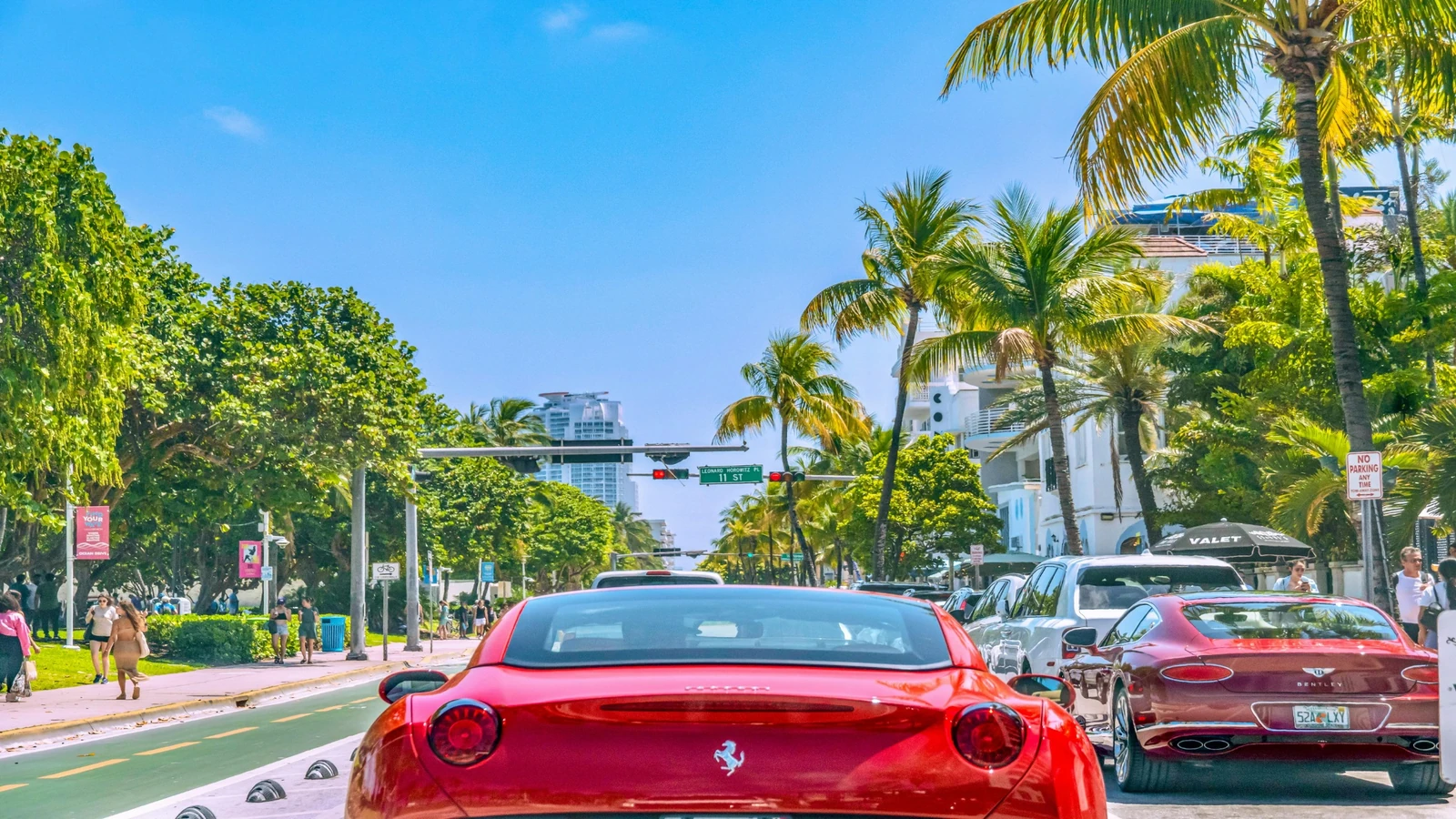
Palm-lined streets, warm weather, and constant activity make Miami one of the most exciting host cities for World Cup 2026, but visitors should also prepare for heavy traffic, humidity, and higher travel costs.
Miami will probably become one of the most exciting cities during World Cup 2026.
It may also become one of the most exhausting.
That contradiction is important.
Miami already operates like a permanent festival city during summer.
Now combine that with:
- international football fans
- inflated hotel prices
- extreme humidity
- nightlife crowds
- limited affordable transportation
- heavy beach tourism
The result could feel incredible for some travelers and overwhelming for others.
Miami is best for:
- young travelers
- friend groups
- nightlife-focused trips
- football atmosphere seekers
- travelers comfortable with higher budgets
Miami is much less ideal for:
- strict budgets
- travelers sensitive to heat
- large family logistics
- people avoiding crowds
During June and July, Miami humidity becomes serious.
Many first-time visitors underestimate how quickly Florida humidity can destroy their energy, especially after several hours moving between crowded stadium zones, transportation lines, and outdoor fan events during the middle of the day.
If your World Cup schedule includes Florida, this Orlando hotel area guide may help if you plan to combine Orlando with Miami before or after matches.
Miami vs Dallas: Which City Is Better for World Cup 2026?
| Category | Miami | Dallas |
|---|---|---|
| Atmosphere | Excellent | Good |
| Nightlife | Excellent | Moderate |
| Transportation Practicality | Moderate | Good |
| Hotel Value | Lower | Better |
| Budget Friendliness | Lower | Better |
For travelers chasing atmosphere, beaches, and nightlife, Miami may feel unmatched. For travelers focused on practicality, transportation logistics, and overall value, Dallas may quietly become the smarter choice.
New York and New Jersey: The Most Iconic — and Most Expensive — World Cup Experience
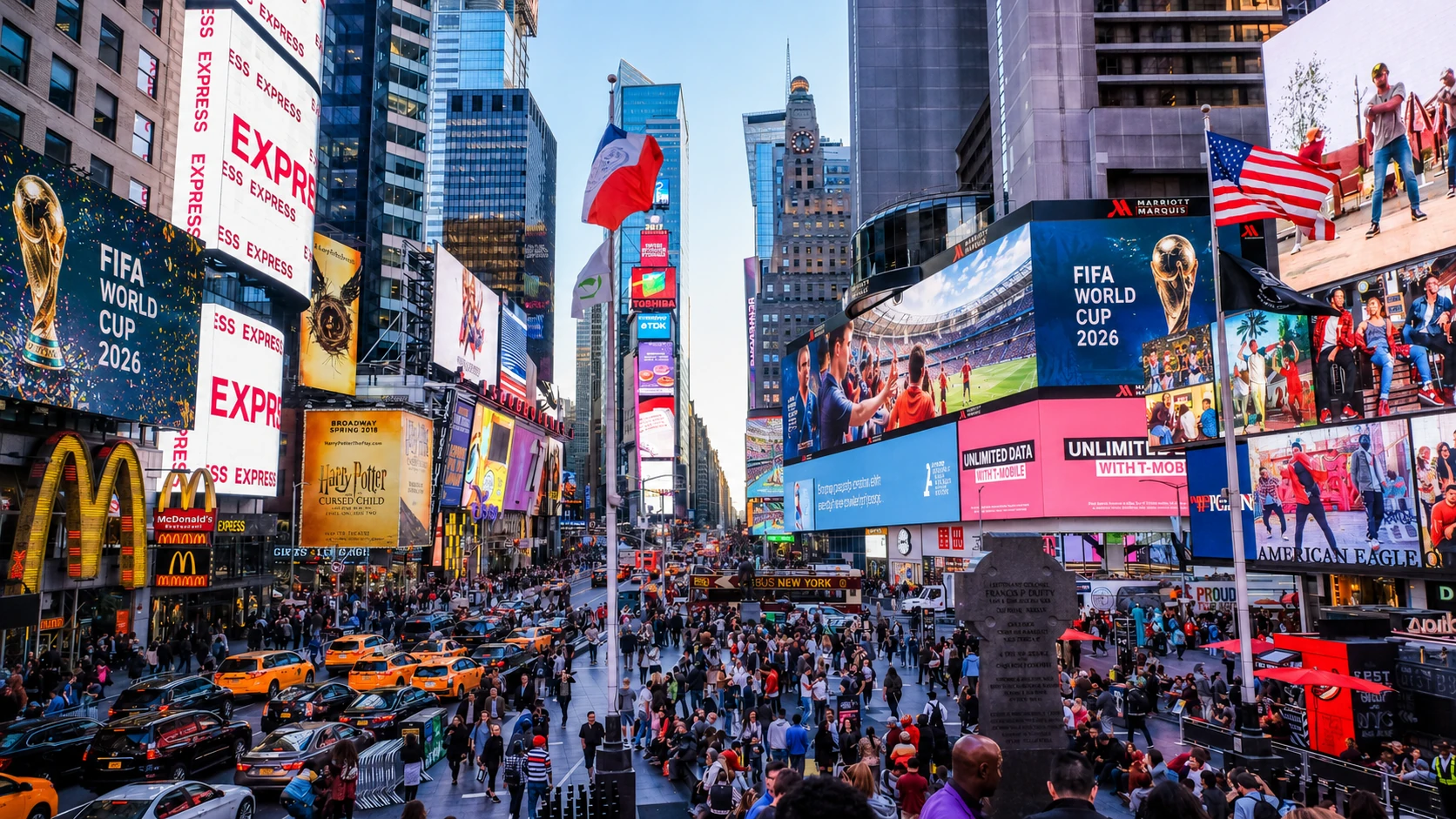
Times Square is expected to become one of the busiest gathering points during World Cup 2026, where international visitors, iconic city landmarks, and football excitement create one of the tournament’s most memorable urban experiences.
For many international visitors, New York automatically feels like the dream World Cup destination.
And honestly?
Parts of it probably will be.
The atmosphere could become unforgettable.
Fan energy will likely be enormous.
The city itself already feels international before adding a World Cup.
But this is also where many travelers may accidentally destroy their budget.
Hotel prices during major match periods could become extreme.
Even normal summer hotel rates in New York are already expensive compared to most American cities.
Add World Cup demand and the situation changes dramatically.
Transportation is also more complicated than many visitors realize.
The stadium itself is actually located in New Jersey, not central Manhattan.
That means many travelers may spend large amounts of time moving between:
- hotels
- train systems
- crowded stations
- fan zones
- stadium transportation routes
Still, New York remains one of the strongest overall World Cup cities for travelers wanting:
- iconic atmosphere
- walkability
- public transportation
- international nightlife
- major tourist experiences
Travelers comparing hotel costs across major American destinations should also consider transportation, accommodation, and seasonal demand before booking.
Dallas Might Be the Smartest Overall World Cup 2026 City
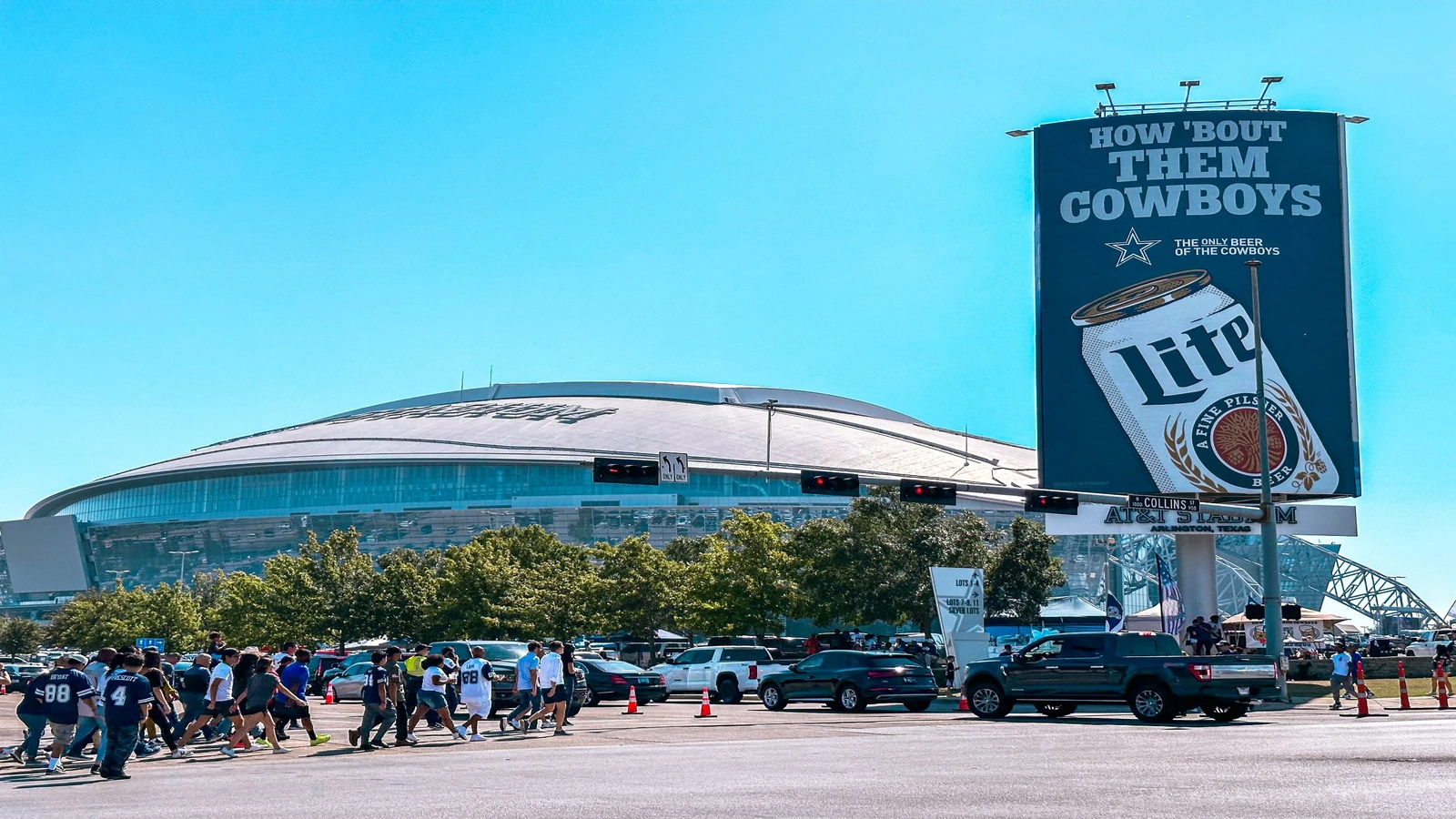
AT&T Stadium is expected to be one of the centerpiece venues of World Cup 2026, while Dallas’ organized road network, hotel availability, and stadium access may make the city one of the most practical destinations for international football fans.
Dallas will probably not receive the same international hype as Miami, Los Angeles, or New York.
And honestly, that may become one of its biggest advantages.
Dallas has something many World Cup travelers will eventually value more than excitement:
operational simplicity.
The city is positioned well for domestic flights, hotel inventory is massive compared to many other host cities, and the overall travel experience may feel more manageable during a tournament expected to overwhelm parts of the country.
That does not mean Dallas is cheap.
Nothing about World Cup 2026 in the United States will feel truly cheap.
But Dallas may offer a better balance between:
- hotel availability
- airport access
- stadium logistics
- food prices
- group travel practicality
- trip flexibility
Dallas may quietly become one of the best US cities to visit during World Cup 2026 for travelers prioritizing logistics and balanced costs.
Especially once schedules start changing between matches, flights, transportation delays, and ticket availability.
The biggest weakness in Dallas is transportation dependency.
Unlike New York or parts of Seattle, Dallas is heavily car-oriented.
Many visitors staying outside central zones may rely on:
- rideshare apps
- rental cars
- long highway travel times
That becomes especially frustrating during major match days.
Traffic around large American stadiums is already difficult under normal conditions.
World Cup crowds may push certain transportation systems to their limit.
Still, Dallas remains one of the strongest overall choices for:
- families
- group trips
- travelers combining multiple matches
- mid-range budgets
- sports-focused travel
And unlike some other host cities, Dallas often feels more spacious and operationally easier to handle.
That becomes even more important during longer tournament trips, when physical and mental fatigue begin to accumulate.
Los Angeles Could Become the Most Frustrating World Cup City
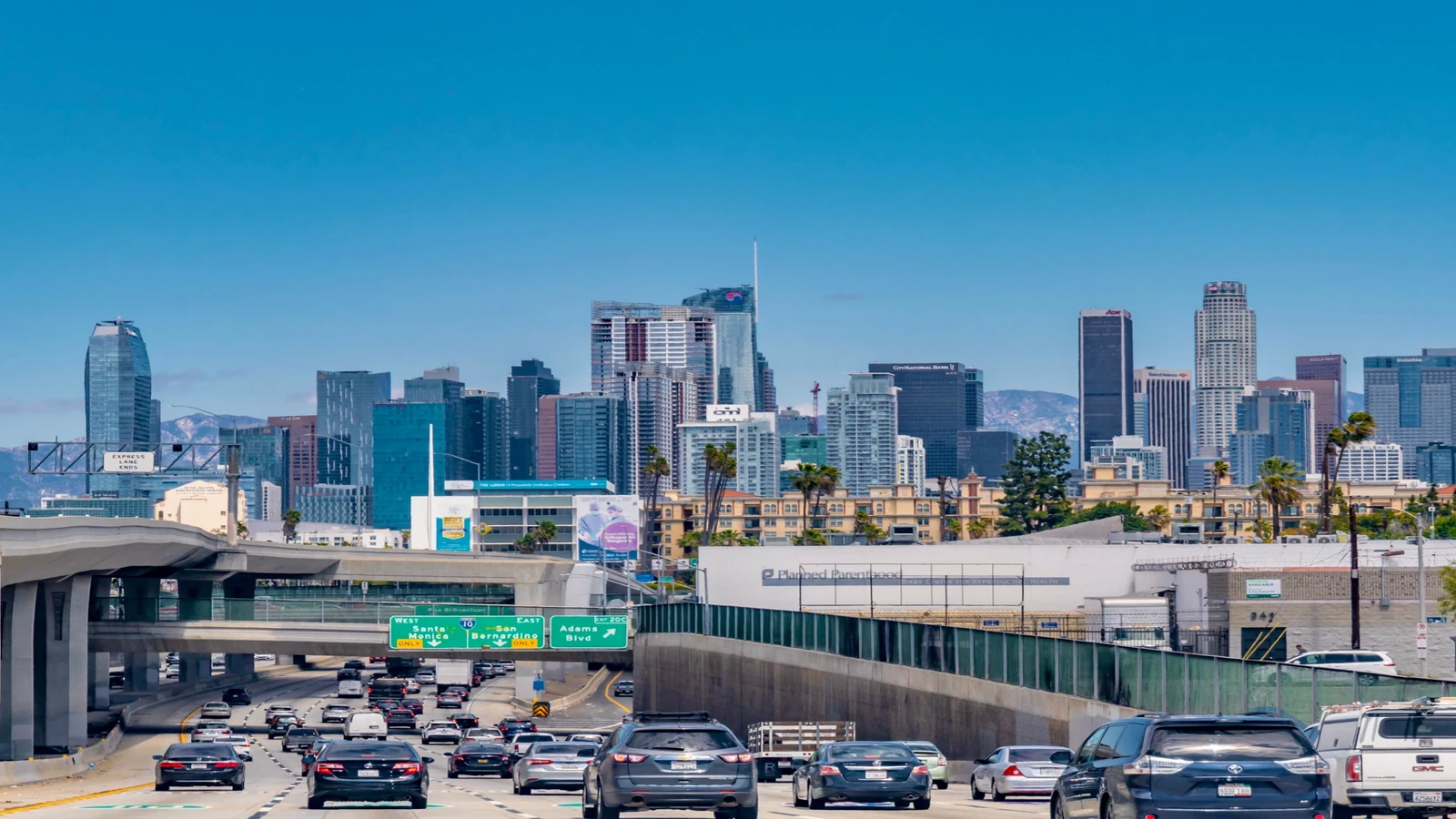
Los Angeles combines world-famous attractions with one of the largest freeway networks in the United States, making transportation planning a key part of any successful World Cup 2026 trip.
This may sound surprising.
But Los Angeles has a real chance of becoming one of the most stressful cities during World Cup 2026.
Not because the city is bad.
Because the scale of Los Angeles can become exhausting very quickly for visitors unfamiliar with Southern California logistics.
Many international travelers imagine Los Angeles as:
- Hollywood
- beaches
- perfect weather
- easy tourism
The reality is far more demanding than most first-time visitors expect.
Los Angeles is enormous.
Traffic can consume hours of the day.
Even experienced American travelers often underestimate how quickly Los Angeles traffic can reshape an entire day’s schedule.
Distances between hotels, tourist zones, airports, and stadium areas often feel much larger than visitors expect.
Some travelers may accidentally spend more time inside cars than enjoying the tournament itself. A hotel that looks “close” on Google Maps can still feel exhausting in Los Angeles once traffic, parking, and stadium congestion start stacking together across multiple days.
That problem becomes even worse during summer tourism season.
World Cup visitors will not be the only people in Los Angeles during June and July.
Regular California tourism already peaks during that period.
Now add:
- football crowds
- international tourism
- concerts
- events
- beach traffic
The city could become physically draining for travelers trying to move constantly between attractions and matches.
Los Angeles works best for:
- longer stays
- comfortable budgets
- travelers renting cars
- people wanting tourism beyond football
- fans planning slower schedules
It is far less ideal for:
- tight schedules
- low budgets
- travelers depending entirely on public transportation
- high-speed multi-city itineraries
Airport congestion may also become one of the biggest hidden stress points.
LAX already handles enormous passenger volume under normal conditions.
World Cup travel pressure could create:
- longer wait times
- higher transportation costs
- extended hotel transfer delays
Travelers planning California during the tournament should build slower schedules than they initially expect.
Seattle Might Quietly Become One of the Best Overall Cities
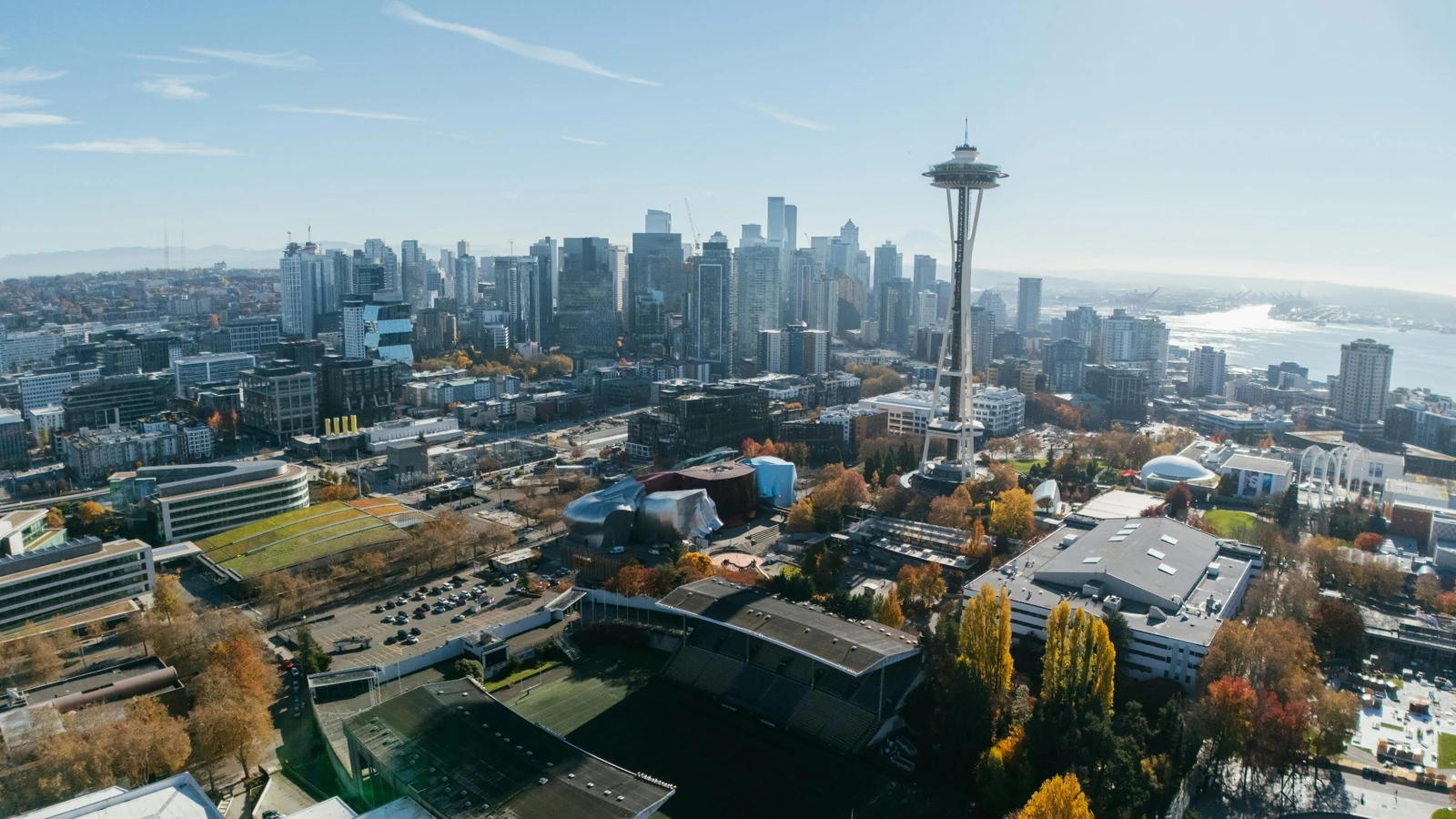
Seattle combines walkable neighborhoods, green public spaces, and a compact downtown, making it one of the most comfortable and balanced host cities for World Cup 2026 travelers.
Seattle will probably receive less global attention than cities like Miami or New York.
That may become one of the smartest advantages for experienced travelers.
Seattle offers something extremely valuable during a long tournament:
breathing room after several demanding travel days.
The city feels more manageable than many larger American destinations.
Public transportation is relatively strong by US standards.
Walkability is better than many travelers expect.
Summer weather is also usually more comfortable compared to:
- Florida humidity
- Texas heat
- East Coast summer conditions
That weather difference becomes much more important after multiple travel days.
Many visitors underestimate how exhausting constant heat exposure can feel during a football tournament.
Seattle works especially well for:
- couples
- solo travelers
- travelers avoiding cars
- fans wanting manageable city pacing
- travelers mixing football with tourism
The biggest weakness is geography.
Seattle sits far from many other host cities.
That means combining Seattle with East Coast matches may become expensive and time-consuming.
Best US World Cup Cities by Traveler Type
| If You Are… | Best City | Why |
|---|---|---|
| Budget Traveler | Dallas | Better hotel availability and easier logistics |
| Family Traveler | Seattle | Manageable pace, cooler weather, and lower daily stress |
| Nightlife Lover | Miami | Atmosphere, beaches, nightlife, and fan energy |
| Public Transport User | New York | Strong transit network and walkability |
| Tourism + Football Traveler | Los Angeles | Combines attractions, beaches, entertainment, and World Cup matches |
Best Cities for Couples
- Seattle
- Miami
- Los Angeles
These cities combine tourism, restaurants, atmosphere, and nightlife more naturally than purely sports-focused destinations.
Best Cities for Families
- Dallas
- Atlanta
- Seattle
Families often need easier logistics, better hotel flexibility, and less transportation chaos.
That matters far more than flashy social media content.
Best Cities for Budget Travelers
- Dallas
- Kansas City
- Houston
Budget travelers should avoid assuming every famous host city is worth the additional cost.
Sometimes lower-profile cities create far better overall travel experiences.
Best Cities for Public Transportation
- New York
- Seattle
- Boston
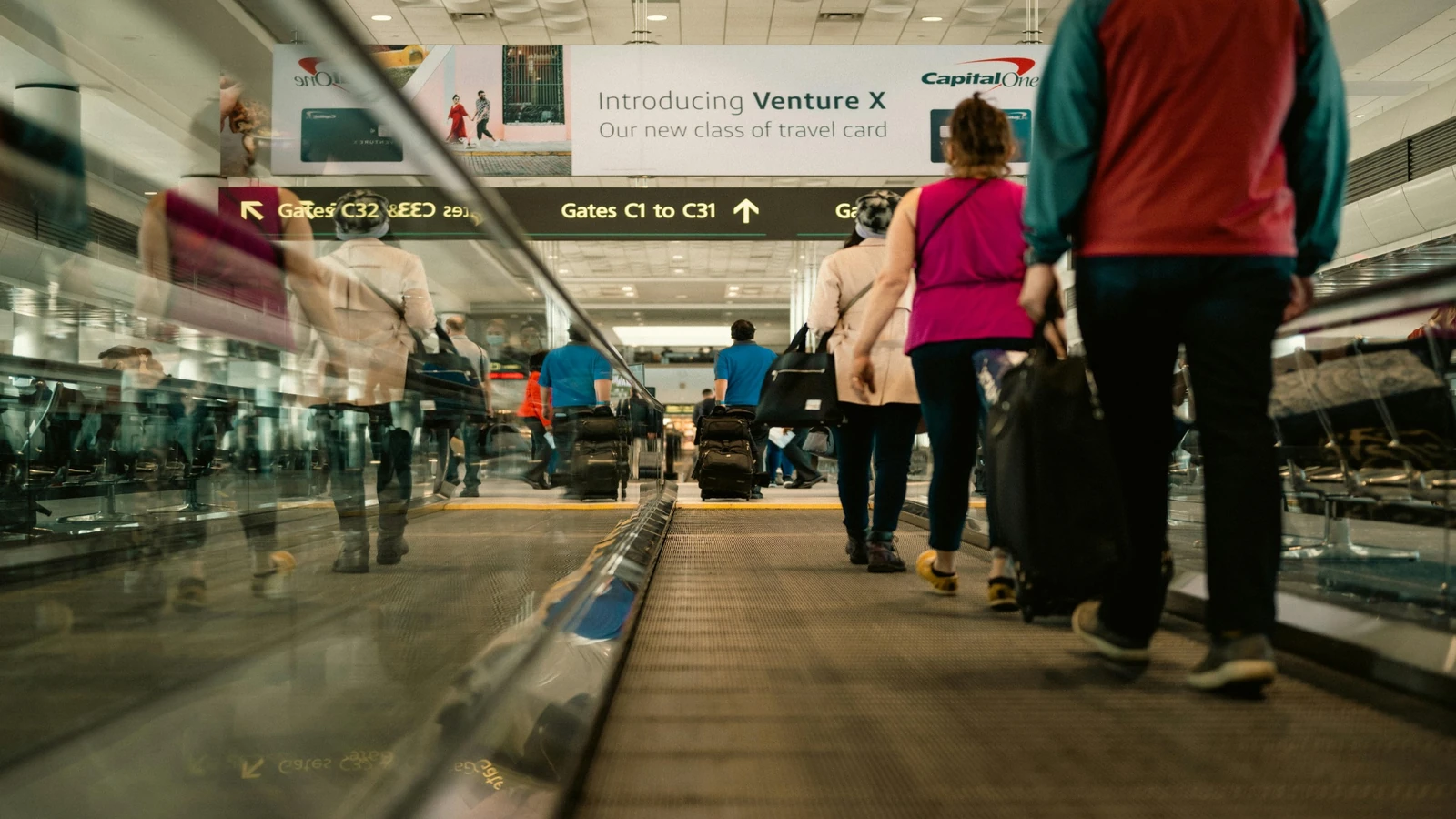
Many World Cup 2026 trips will involve multiple flights, airport transfers, and hotel changes, making transportation planning just as important as choosing the right host city.
Travelers trying to avoid rental cars should think very carefully before choosing highly car-dependent cities during tournament season.
Transportation fatigue becomes real very quickly in the United States.
Many football travelers may also need temporary connectivity while moving between airports, stadiums, hotels, and train systems. Using a travel eSIM before arrival can reduce airport stress significantly, especially during multi-city trips.
Even experienced travelers sometimes forget how mentally exhausting repeated airport transfers can become once sleep disruption, delays, heat, and match schedules start overlapping together.
Travelers building longer football itineraries across multiple destinations may also want to read this Orlando trip planning guide because the pacing mistakes many tourists make in Orlando are surprisingly similar to the mistakes World Cup travelers may make during overloaded tournament schedules.
Critical Mistakes World Cup 2026 Travelers Must Avoid
The biggest travel mistakes during World Cup 2026 will probably not happen inside stadiums.
They will happen before travelers even arrive.
Most problems will come from unrealistic planning.
The United States is simply too large, too expensive, and too logistically complex for careless scheduling during a global event of this size.
Many first-time visitors underestimate how physically exhausting American travel can feel when combining:
- domestic flights
- summer heat
- stadium transportation
- hotel movement
- crowded airports
- constant walking
- time zone changes
That exhaustion accumulates quickly.
The Domestic Flight Reality Many Fans Will Miss
Domestic flights inside the United States may become one of the biggest hidden stress points of World Cup 2026.
On a map, some host cities may look easy to combine. In reality, even a “short” flight day can involve airport transfers, security lines, baggage delays, rideshare waits, hotel check-ins, and several hours of lost energy.
A traveler flying from Miami to New York, Dallas to Seattle, or Los Angeles to Atlanta is not simply taking a quick match-day transfer. They are often building an entire travel day around one movement.
This matters because flight fatigue can affect the rest of the trip. A fan who arrives tired, overheated, delayed, or under-slept may enjoy the next match far less than expected.
For most travelers, the smarter strategy is not to chase every attractive fixture across the country. It is to choose a region, slow the itinerary down, and protect recovery time between major travel days.
Especially for travelers attempting to visit too many cities in a short period.
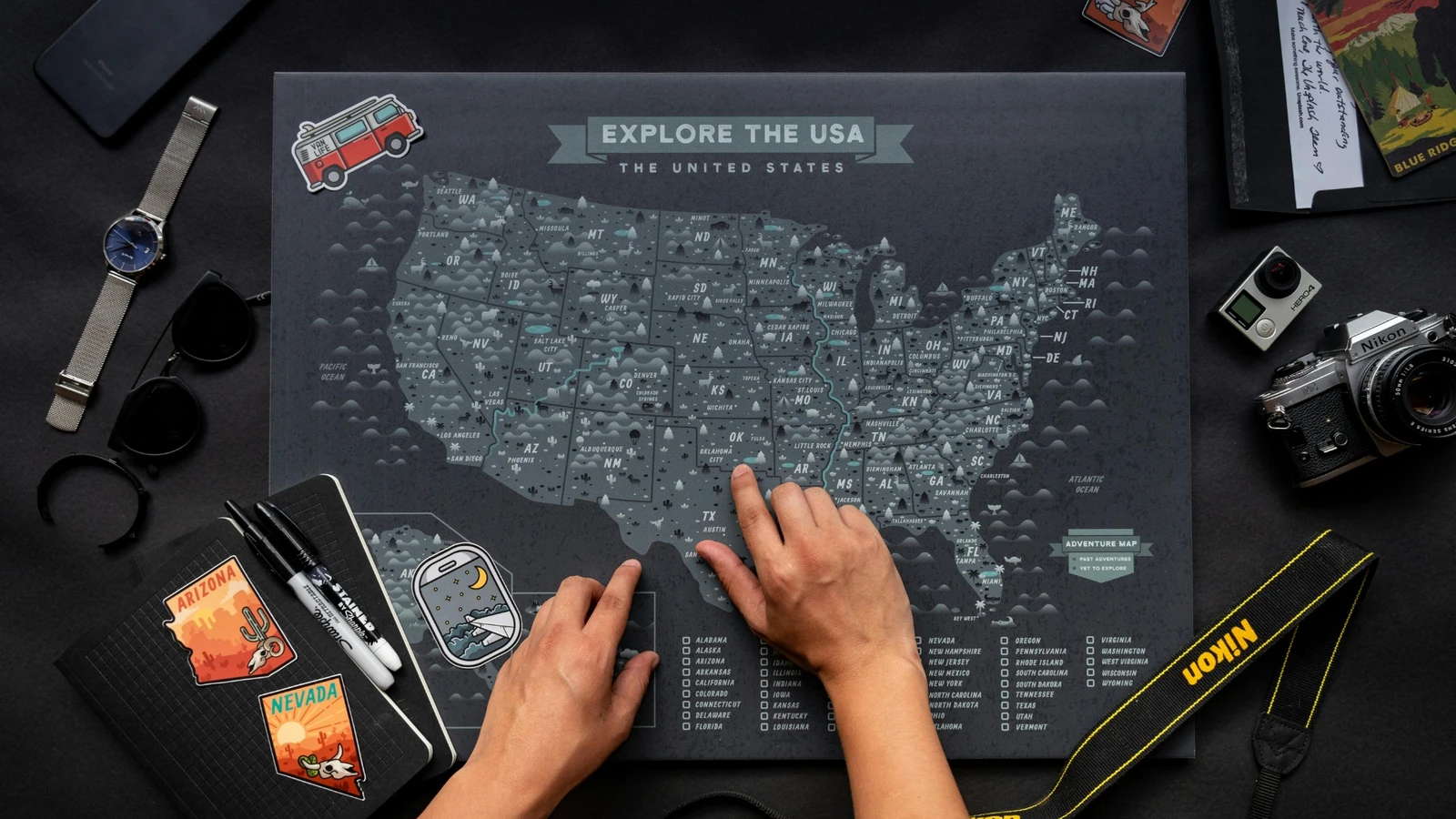
Planning your route across the United States before booking flights and hotels can help create a smoother and more enjoyable World Cup 2026 experience.
Mistake 1: Trying to Visit Too Many Host Cities
This will probably become the single biggest mistake of World Cup 2026.
Many football fans imagine following the tournament across multiple American cities as if they were moving between compact European countries.
The reality is very different.
Flights between host cities can take:
- 3 hours
- 5 hours
- sometimes longer with connections
Now add:
- airport arrival time
- security
- baggage delays
- stadium transfers
- hotel check-ins
Suddenly an “easy travel day” can consume almost the entire day.
Some travelers will spend more time moving than enjoying matches.
The smartest World Cup itineraries will probably focus on:
- one region
- 2–3 cities maximum
- slower pacing
- longer stays per city
That creates a far better overall experience.
Mistake 2: Underestimating Hotel Inflation
Many travelers still have not realized how expensive major American cities become during international events.
World Cup hotel pricing may become extremely aggressive in:
- Miami
- New York
- Los Angeles
- Seattle
Some hotels could double or triple their normal summer rates.
Budget travelers waiting too long may eventually face difficult choices between:
- very high prices
- poor hotel locations
- extremely long transportation times
Mistake 2.5: Booking Before Understanding Your Match Schedule
Some travelers will book flights and hotels before fully understanding how their World Cup tickets affect transportation plans.
Match locations matter enormously in the United States.
A ticket in Miami and another in Seattle may require far more travel time, hotel changes, and transportation costs than many fans initially expect.
Before booking anything, travelers should map out:
- stadium locations
- flight connections
- hotel availability
- ground transportation
- recovery days between matches
The smartest World Cup itineraries are usually built around match logistics first and tourism second.
Booking flexible hotel reservations earlier than usual may become one of the smartest financial decisions for World Cup travelers.
Travelers planning longer multi-city trips may also benefit from luggage storage services between hotel changes, especially during fast stadium transfer days when early check-ins are unavailable.
Mistake 3: Ignoring Summer Weather Reality
American summer weather can become physically intense.
Especially for visitors arriving from cooler climates.
Florida humidity is serious.
Texas heat can feel relentless.
Large stadium crowds increase exhaustion even further.
Many social media travel videos show:
- celebrations
- nightlife
- stadiums
- fan festivals
They rarely show:
- heat exhaustion
- walking fatigue
- transportation delays
- airport stress
- crowded transit systems
- multi-hour outdoor exposure
That physical side of the trip becomes real very quickly.
Especially during afternoon travel periods.
Travelers sensitive to heat should think carefully before building extremely aggressive schedules in:
- Miami
- Dallas
- Houston
- Atlanta
Cooler cities like Seattle or Boston may create much easier daily experiences.
Mistake 4: Choosing Cities Only Because They Are Famous
This mistake happens constantly in American travel.
Some travelers automatically assume:
- New York
- Los Angeles
- Miami
must be the best overall choices.
Sometimes they are.
Sometimes they become exhausting, overpriced, and logistically difficult compared to more balanced cities.
Dallas, Seattle, or even Kansas City may quietly create smoother World Cup experiences depending on the traveler’s personality and priorities.
The smartest trips are usually built around:
- energy management
- realistic transportation
- daily comfort
- budget flexibility
Not social media hype.
The cities creating the best memories are not always the ones generating the biggest headlines.
A Smarter Way to Plan Your World Cup 2026 Trip
The best World Cup trips in the United States will probably feel slower than many travelers initially expect.
That is not a bad thing.
It is realistic.
Trying to rush through:
- multiple flights
- stadiums
- tourist attractions
- hotel changes
- fan events
usually creates exhaustion instead of excitement.
A smarter approach often looks like this:
| Trip Style | Recommended Approach |
|---|---|
| Budget traveler | Focus on 1–2 affordable cities |
| Family trip | Choose easier logistics and slower pacing |
| Football-focused trip | Stay near stadium transportation zones |
| Tourism + football | Combine one major city with one relaxed city |
| Luxury traveler | Book hotels and flights extremely early |
One of the smartest combinations may actually be:
- a high-energy city
- followed by a slower city
For example:
- Miami + Seattle
- New York + Dallas
- Los Angeles + Kansas City
That balance reduces travel burnout significantly.
Travelers comparing transportation options between American cities can also explore schedules and domestic rail routes on the official Amtrak website.
The best US cities to visit during World Cup 2026 are not always the most famous ones on social media.
Quick Recommendations by Traveler Type
- First-Time Visitors: Dallas — the best balance of transportation, hotel availability, and overall logistics.
- Families: Seattle — cooler weather, easier pacing, and lower daily travel stress.
- Budget Travelers: Dallas, Houston, or Kansas City for better overall value.
- Nightlife & Atmosphere: Miami for beaches, fan culture, and unforgettable energy.
- Iconic World Cup Experience: New York / New Jersey for global atmosphere and famous landmarks.
- Tourism + Football: Los Angeles if you have enough time and a comfortable travel budget.
Bottom line: The best World Cup city is not necessarily the most famous one—it is the one that best matches your travel style, budget, and energy level.
Final Verdict: Which US City Is Best for World Cup 2026?
The honest answer is simple: there is no perfect World Cup city for everyone. The best choice depends entirely on your budget, travel style, and willingness to balance excitement with practical logistics.
Miami will probably deliver the biggest atmosphere.
New York will likely feel the most iconic.
Los Angeles may combine tourism and football better than anywhere else.
Seattle could become the easiest city to actually enjoy consistently.
Dallas may quietly become the smartest overall balance between logistics, pricing, transportation, and match practicality.
The best city depends entirely on what type of travel experience you actually want.
The biggest mistake is assuming every host city offers the same travel experience.
Every host city offers a completely different travel experience.
World Cup 2026 may become one of the largest travel events in modern sports history.
Travelers who plan realistically will probably remember it forever.
Travelers who overload their schedules may spend much of the tournament exhausted inside airports and transportation systems.
If your trip style is slower, practical, and logistics-focused, cities like Seattle or Dallas may outperform the famous social media favorites.
If your priority is atmosphere and unforgettable energy, Miami and New York will probably feel unmatched.
For many travelers, the most memorable moments of World Cup 2026 will probably happen outside the stadiums anyway — inside crowded trains, late-night streets, airport terminals, or conversations with fans from completely different parts of the world.
But either way, realistic planning matters more than hype.
For many travelers, World Cup 2026 will be remembered not only for the football, but for the journey between the matches.
During World Cup 2026 in the United States, that single decision may ultimately determine whether your trip becomes an unforgettable football adventure—or an exhausting travel marathon.
FAQ About the Best US Cities for World Cup 2026
Which US city will have the best World Cup atmosphere in 2026?
Miami and New York will likely create the biggest overall football atmosphere because of international tourism, nightlife, and fan density during the tournament.
What is the easiest US World Cup city without a car?
Seattle, New York, and Boston are among the best options for travelers trying to avoid rental cars during World Cup 2026.
Which World Cup 2026 city is best for families?
Dallas and Seattle may offer the best balance of hotel flexibility, transportation practicality, and manageable daily pacing for families.
Will hotels become expensive during World Cup 2026?
Yes. Hotel prices in major host cities could increase dramatically during peak match periods, especially in Miami, Los Angeles, and New York.
Which US World Cup city is best for budget travelers?
Dallas, Houston, and Kansas City may offer better overall value compared to the most internationally famous host cities.
Which US city should first-time World Cup visitors choose?
For many first-time visitors, Dallas and Seattle may offer the best balance of transportation, hotel availability, daily comfort, and manageable travel logistics. While cities like Miami and New York provide incredible atmosphere, they can also be significantly more expensive and exhausting during peak tournament periods.
Is it realistic to visit multiple World Cup cities in one trip?
Yes, but most travelers should avoid trying to visit too many cities. The United States is very large, and domestic flights can consume full travel days once airport transfers, security, baggage, delays, and hotel changes are included. A slower itinerary with two or three cities is usually more realistic.
Should you rent a car during World Cup 2026 in the United States?
It depends on the city. New York, Seattle, and Boston are better for travelers avoiding cars, while Dallas, Los Angeles, Houston, and Kansas City may be more difficult without rideshare apps or rental cars. Match-day traffic and parking should also be considered before renting a car.
Which US World Cup city may be the least stressful?
Seattle may be one of the least stressful options for many travelers because of its cooler summer weather, better walkability, and more manageable city pacing. Dallas may also be practical for travelers who prioritize hotel availability and logistics over iconic scenery.
How many US cities should you visit during World Cup 2026?
Most travelers will likely enjoy the tournament more by focusing on two or three cities maximum rather than attempting aggressive cross-country schedules.