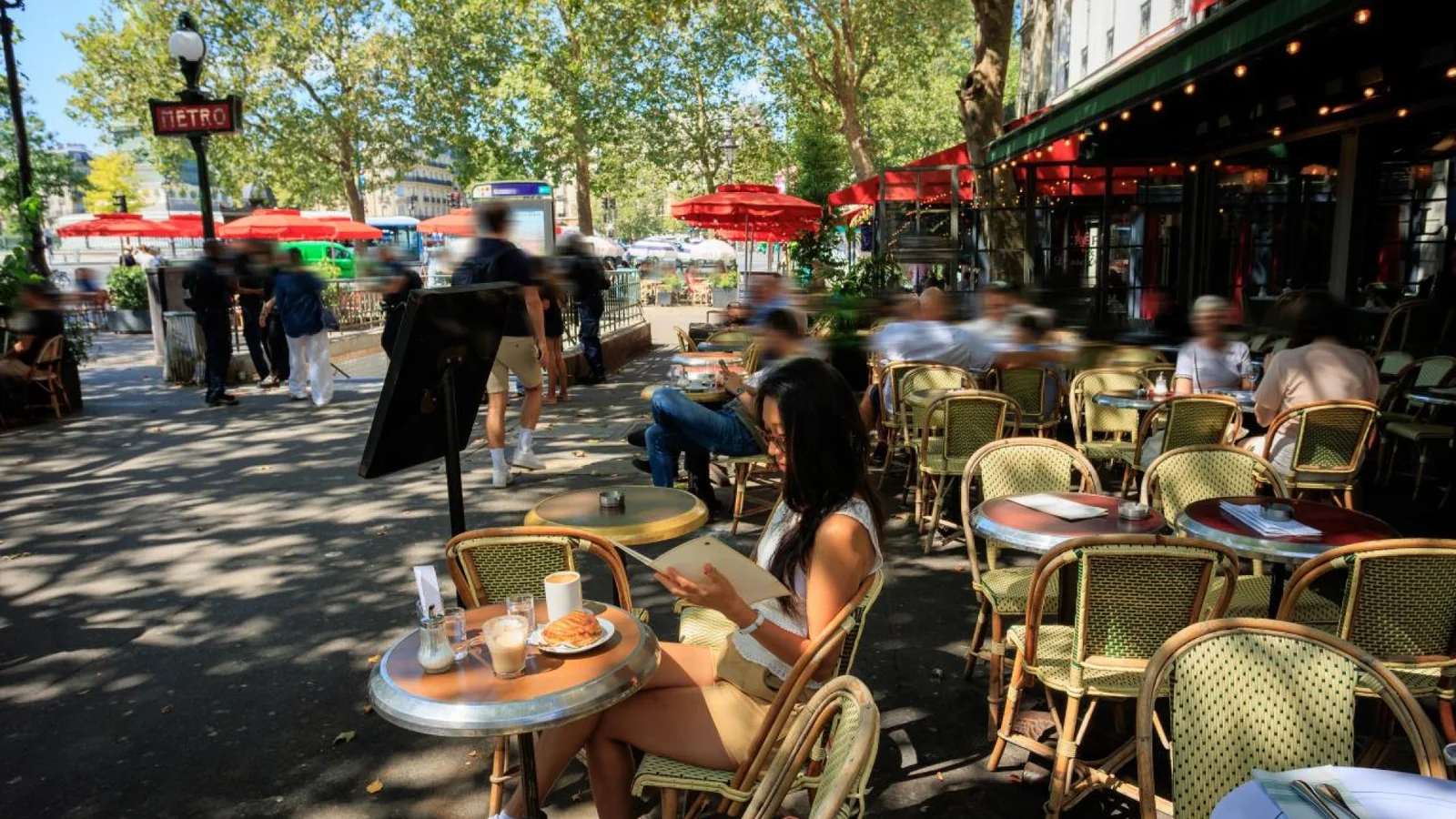
Paris has thousands of cafés, but finding the best cafes in Paris depends on what you actually want from the stop.
A traveler who wants a literary terrace in Saint-Germain is solving a different problem from someone hunting for a precise flat white in Le Marais. A couple who needs forty quiet minutes after a museum has different priorities from a visitor who wants a photogenic Montmartre table before the crowds arrive.
That is why this guide to the best cafes in Paris is organized around decisions rather than a giant ranking. It covers the classic institutions, modern specialty coffee, neighborhood cafés, pastries, people-watching and the practical details that determine whether a café break feels memorable or overpriced.
| Café | Area | Best for |
|---|---|---|
| Café de Flore | Saint-Germain-des-Prés | Iconic atmosphere and literary history |
| Les Deux Magots | Saint-Germain-des-Prés | Classic terrace and people-watching |
| Coutume | 7th arrondissement | Specialty coffee on the Left Bank |
| Ten Belles | Multiple locations | Specialty coffee and baked goods |
| KB Coffee | South Pigalle | Coffee-focused neighborhood stop |
| Boot Café | Le Marais | Tiny, characterful espresso stop |
| Le Consulat | Montmartre | Photogenic old-Paris setting |
TripsCity Insight: The most satisfying Paris café stop is usually the one that matches the next 60 minutes of your day. Do not cross the city for a famous name if a good neighborhood terrace fits your route better.
Best Cafes in Paris: Choose the Right Café for Your Trip
The phrase best cafes in Paris hides two different searches. One is for the Paris people imagine before arriving: scalloped awnings, tiny round tables, newspapers, waiters moving between packed chairs and hours of people-watching. The other is for genuinely excellent coffee: carefully sourced beans, better grinders, filter options and baristas who treat the cup itself as the main event.
Paris now does both. The mistake is expecting the same café to excel equally at history, atmosphere, food, value and specialty coffee.
Classic Paris Cafés: Café de Flore and Les Deux Magots
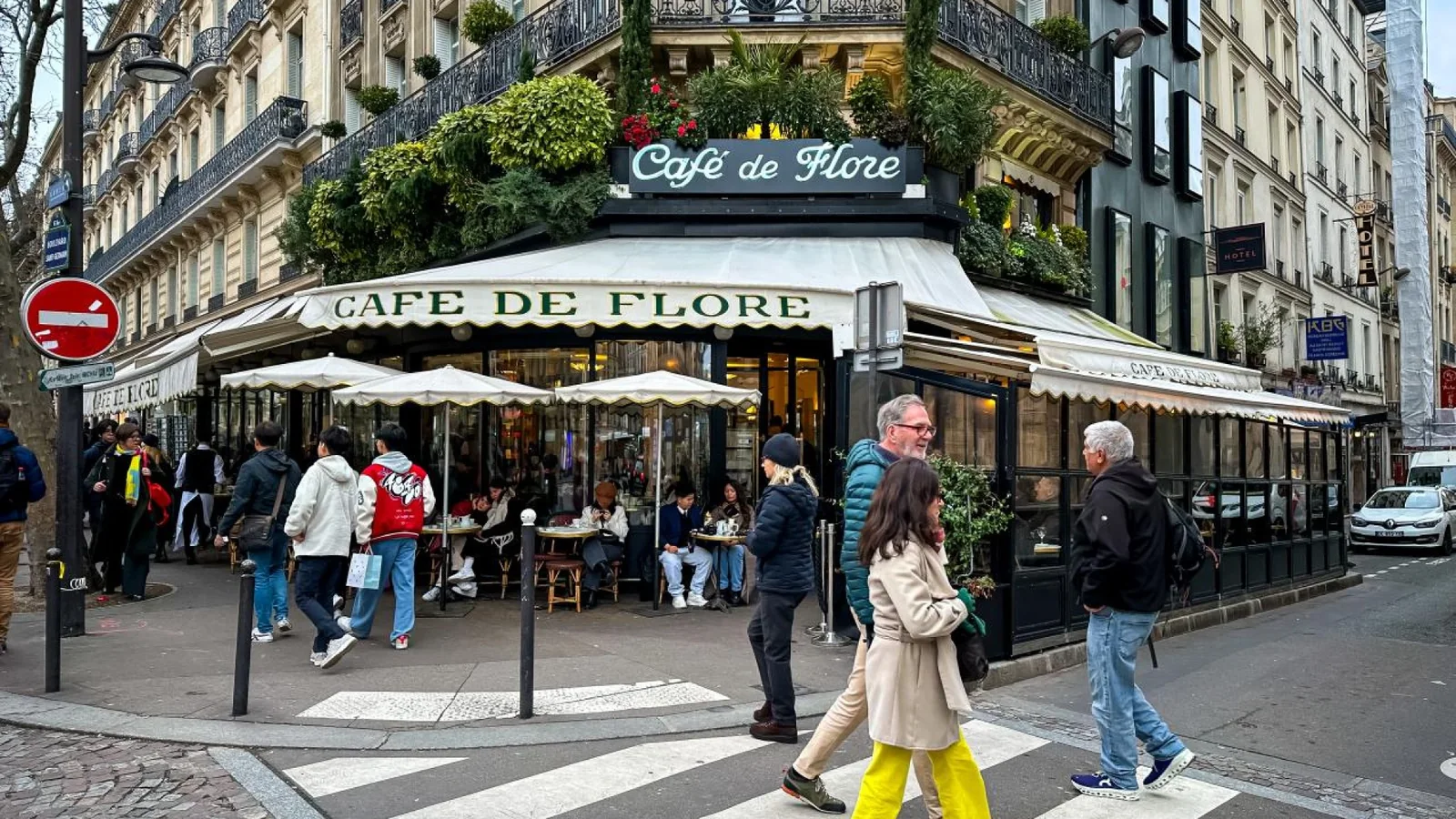
Café de Flore remains one of Saint-Germain-des-Prés’ most recognizable historic café addresses.
Café de Flore and Les Deux Magots sit almost opposite each other in Saint-Germain-des-Prés and remain two of the most recognizable café names in Paris. Their appeal is not based only on espresso. You are paying for location, cultural history, the terrace and the feeling of sitting inside a piece of the Left Bank story.
Café de Flore works best if you want the iconic photograph and the sense of literary Paris. Les Deux Magots, facing Place Saint-Germain-des-Prés, is equally historic and particularly good for watching the movement around the square and church.
Neither should automatically become your everyday breakfast stop. Famous cafés charge a premium, queues can form, and the experience changes sharply depending on time of day. If this is a once-per-trip ritual, that premium may feel reasonable. If your goal is simply a strong espresso before sightseeing, you can find a more efficient option almost anywhere nearby.
Best for: first-time visitors, couples, literary-history fans and travelers who value atmosphere.
Reconsider if: coffee quality per euro is your main priority.
Best Cafes in Paris for Specialty Coffee
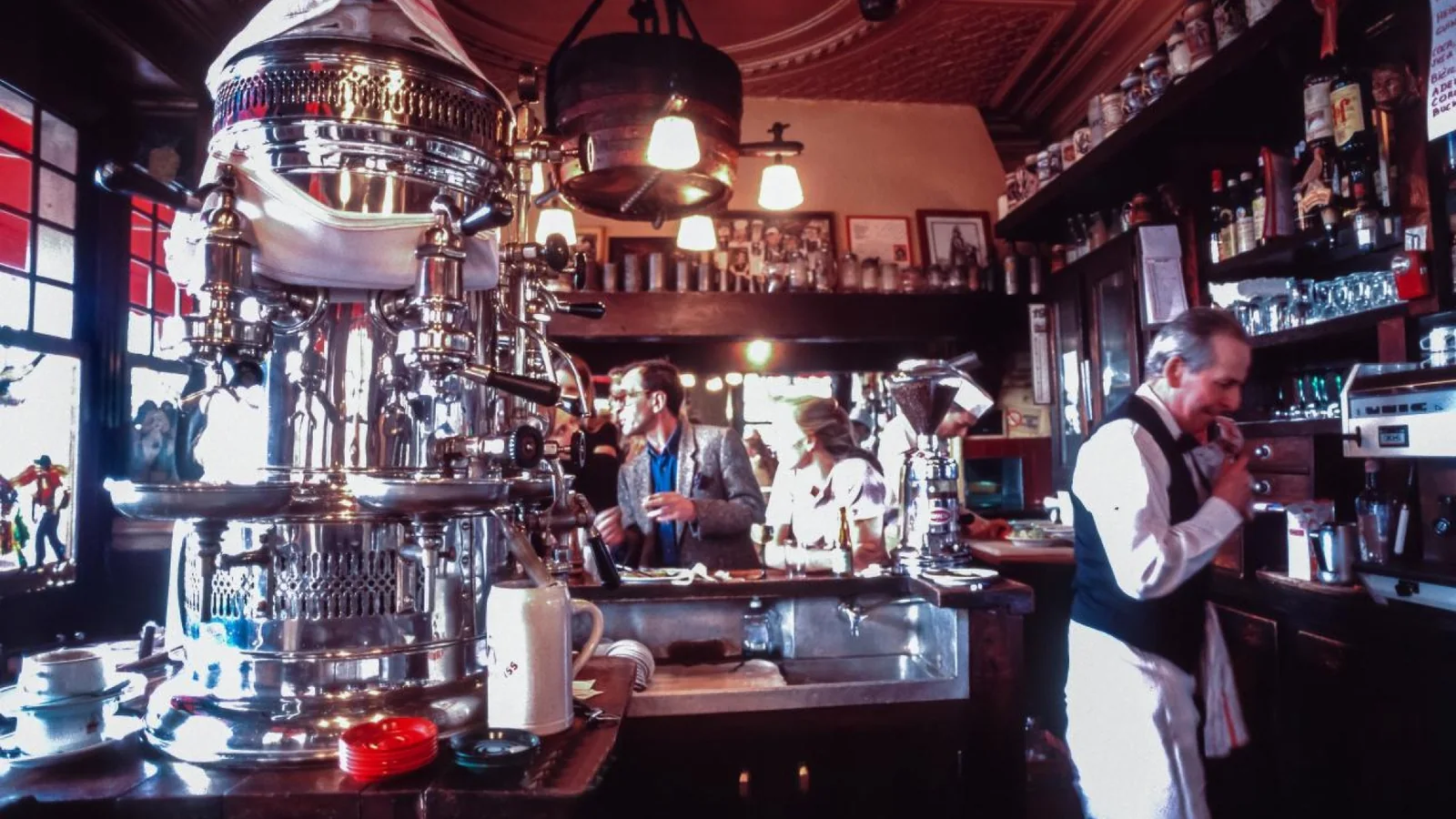
Paris now combines its traditional café culture with a growing specialty-coffee scene.
Paris specialty coffee is no longer a side story. Modern roasters and espresso bars now form a second café culture alongside the traditional zinc-bar model.
Names worth knowing include Coutume on the Left Bank, Ten Belles, KB Coffee, La Caféothèque and smaller independent shops scattered through the 3rd, 4th, 9th, 10th and 11th arrondissements. These places make more sense when the coffee itself matters: espresso balance, filter brews, beans to take home or milk drinks prepared with more precision.
The trade-off is atmosphere. A narrow specialty shop with eight seats may produce a better cup than a grand boulevard café, but it may be a poor place to rest for an hour with shopping bags. Some coffee shops are designed for quick turnover rather than lingering.
Use specialty coffee as a destination only if you care enough about the cup to justify the detour. Otherwise, attach it to a neighborhood you are already exploring. That keeps a 20-minute coffee break from becoming a 70-minute transport project.
Best Cafés in Le Marais
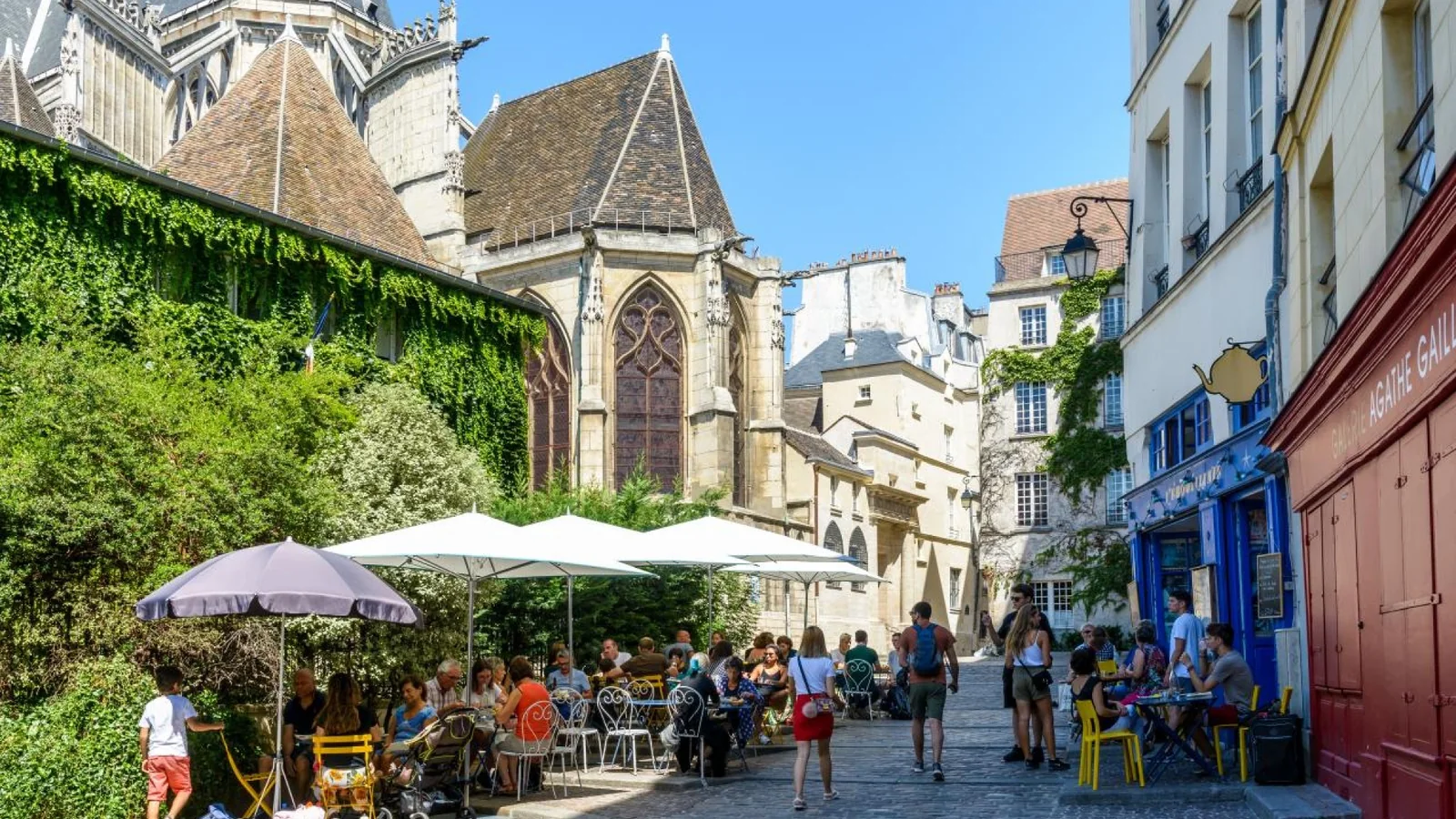
Café terraces in Le Marais fit naturally between boutiques, galleries and neighborhood walks.
Le Marais is one of the easiest districts for combining coffee with the rest of a Paris day. Historic streets, boutiques, galleries, museums and food stops sit close together, so a café break rarely requires a special journey.
For specialty coffee, small shops such as Boot Café and other modern espresso bars fit naturally into a walking route. For atmosphere, the quieter squares and side streets are often more rewarding than choosing the busiest table on a major shopping street.
This is where planning psychology matters. Le Marais encourages “one more street” behavior. You stop for coffee, notice a shop, cross into another courtyard, and suddenly the planned 45-minute break has absorbed two hours. That can be wonderful on a loose day and frustrating when you have a timed museum ticket later.
If cafés are part of a shopping day, our Paris shopping guide explains how to group stops by neighborhood instead of wasting energy crossing the city.
Best Cafés in Montmartre
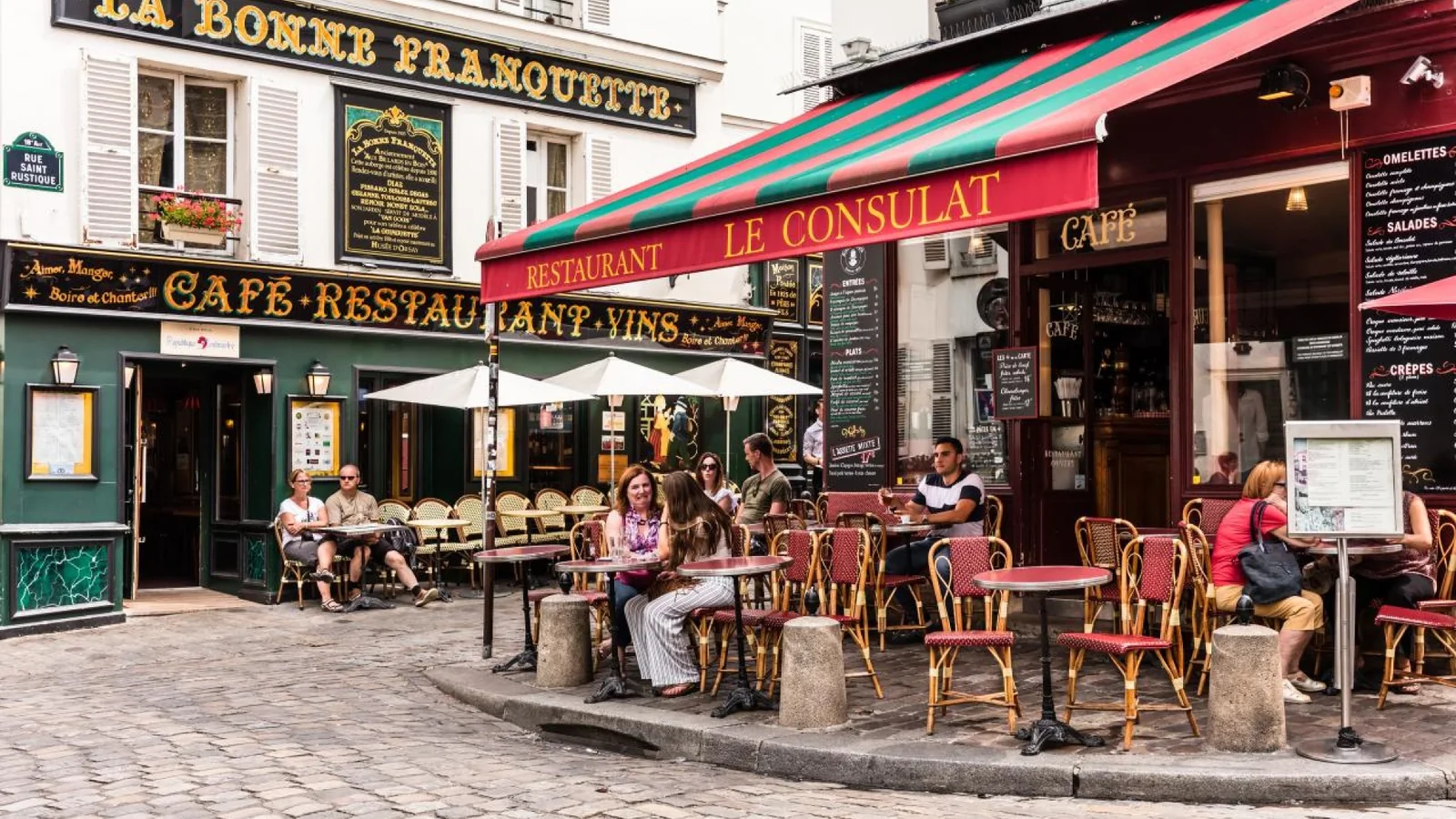
Le Consulat and La Bonne Franquette capture the classic café atmosphere of Montmartre.
Montmartre sells café atmosphere almost too well. Around Place du Tertre and the streets below Sacré-Cœur, terraces compete with postcard views, artists, steep lanes and constant foot traffic.
Le Consulat is one of the district’s most photographed cafés, while La Bonne Franquette carries its own old-Montmartre character nearby. These are places to choose for setting and neighborhood identity rather than because you have scientifically identified the best espresso in the 18th arrondissement.
Timing changes the experience. Earlier in the morning, Montmartre gives you more room to notice the streets. By the middle of the day, the most famous corners can feel like part of the sightseeing circuit. If you want a slow café stop, explore around Abbesses or walk a few streets away from the densest Sacré-Cœur crowds before sitting down.
Montmartre also requires more physical energy than a map suggests. Hills and stairs make a café break genuinely useful rather than decorative. Build the stop after the climb, not before it.
What to Order at Paris Cafés: Coffee, Pastries and the Café Experience
A good Paris café decision is not only about the address. A guide to the best cafes in Paris also has to account for what you order, where you sit and how long you want to stay, because those choices can change both the price and the value of the experience.
Best Cafes in Paris for Coffee and Pastries
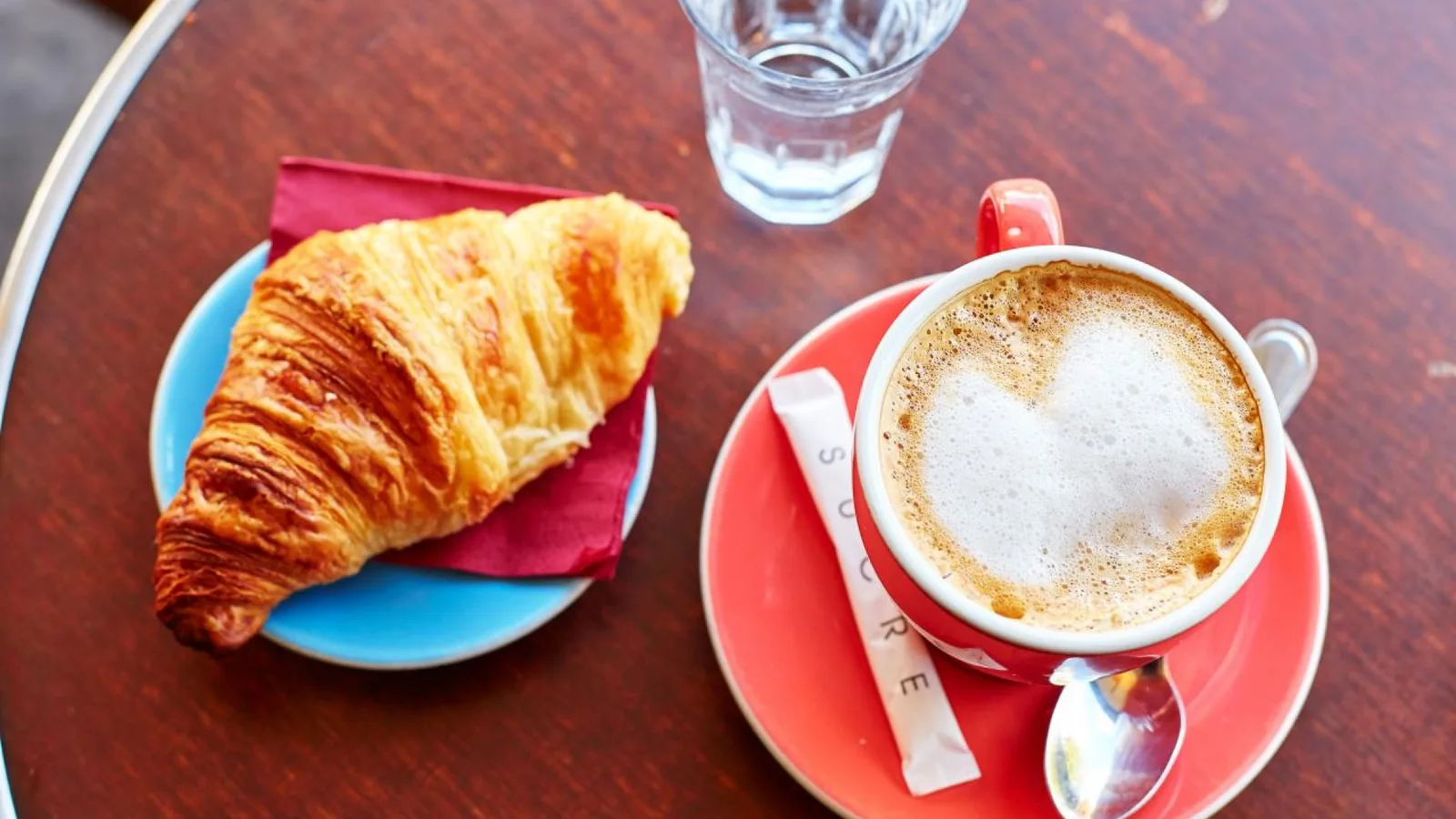
Coffee and a croissant remain one of the simplest ways to start a morning in Paris.
The classic traveler image is simple: coffee, croissant, small round table. It works, but quality varies more than the photograph suggests.
A traditional café may serve a perfectly enjoyable croissant without being a pastry destination. A boulangerie may make the better croissant but offer less comfortable seating. A specialty coffee shop may make the best flat white while treating pastries as secondary. Decide which half of the pairing matters more.
For an uncomplicated morning, a neighborhood café near your hotel often wins because it eliminates travel before the day has started. Order a croissant or tartine with coffee, sit for 20–30 minutes and then begin sightseeing. Save the famous café for the part of the day when its location adds something.
At our August 2026 check, the official Café de Flore menu listed an espresso at €5.50, a café crème at €7 and a croissant at €4. Those prices are useful not because every café costs the same—it does not—but because they show what a famous Saint-Germain address can charge for the setting as well as the product.
Best Cafes in Paris for People-Watching and Atmosphere
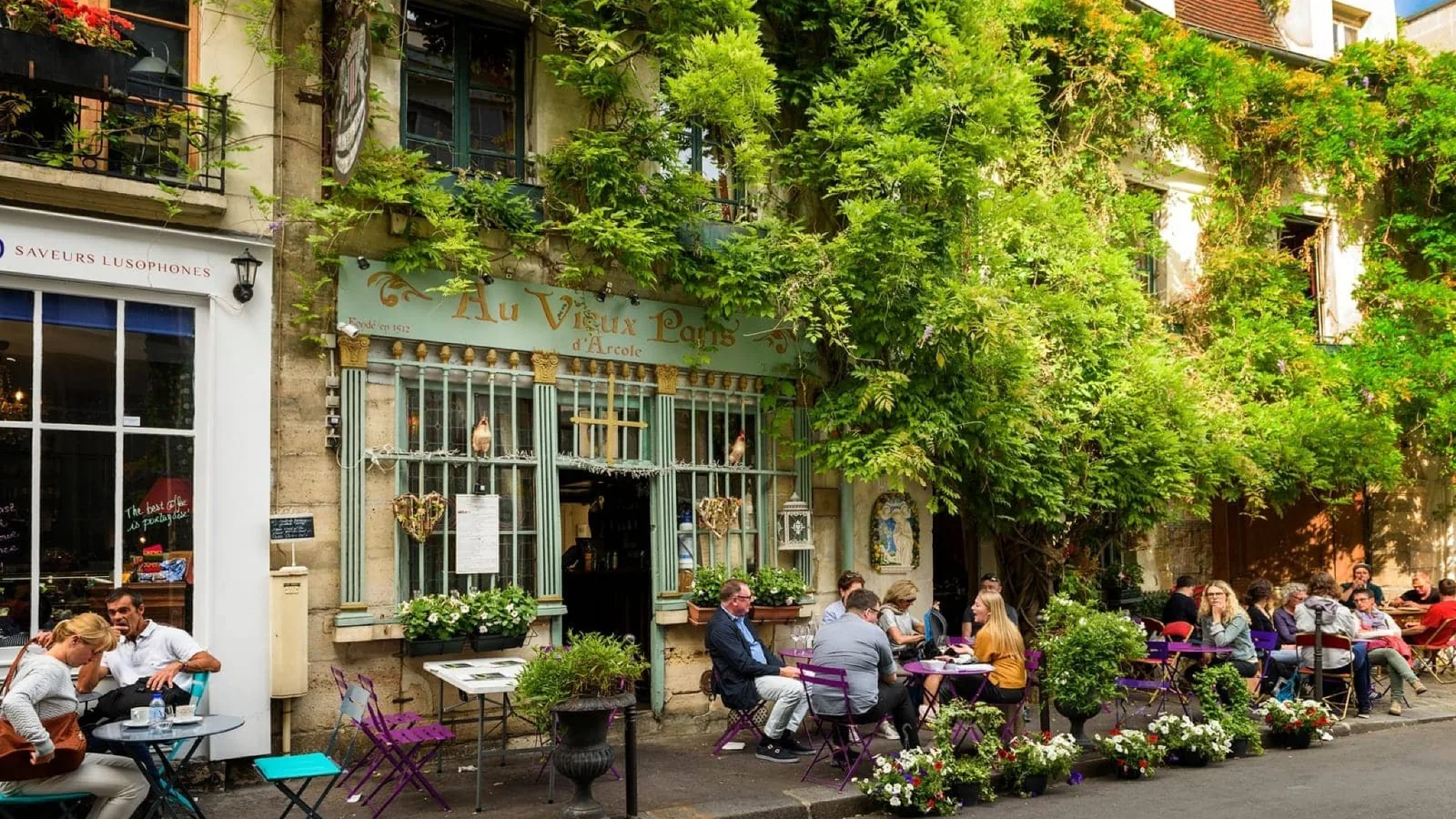
A leafy café terrace where sitting, watching the street and slowing down become part of the Paris experience.
People-watching is one of the few café experiences where the “best seat” can matter more than the “best coffee.” A corner terrace on a pedestrian-heavy street gives you movement, conversation and the changing rhythm of the neighborhood without needing another attraction.
Saint-Germain-des-Prés is the obvious classic choice. Le Marais works well when café time is mixed with shopping and wandering. Around Île de la Cité and the streets near Notre-Dame, a café stop can become a useful recovery point after hours on foot. Montmartre is strongest when you choose a terrace away from the peak crowd flow.
Do not confuse visible crowds with quality. A full terrace can mean the location is good, the weather is good, or simply that every visitor recognizes the name. The more useful question is whether you want to spend the next hour there.
If you would happily sit at the same table even without posting a photograph, the stop is probably serving you rather than the other way around.
When Famous Paris Cafés Are Worth the Premium
Paying more is not automatically a tourist mistake. Sometimes the premium buys exactly what you came for.
A first coffee at Café de Flore, a morning table facing Saint-Germain church, or a drink on a Montmartre terrace can function like a small attraction. You are buying location, history and memory in addition to what is in the cup.
The premium becomes poor value when you expect a famous address to win every category at once. An iconic café does not need to have the city’s best specialty espresso. A specialty roaster does not need a century of literary history. A scenic terrace does not need to be your cheapest breakfast.
| Priority | Choose this | Avoid this mistake |
|---|---|---|
| History and atmosphere | Historic Saint-Germain café | Expecting bargain prices |
| Best coffee quality | Specialty coffee shop | Choosing only by famous façade |
| Rest during sightseeing | Good café already on your route | Crossing Paris for a viral recommendation |
| Photography | Montmartre or classic terrace | Arriving at peak crowd time |
| Breakfast efficiency | Neighborhood café near your hotel | Starting the morning with a long commute |
A Quick Paris Café Ordering Guide
Knowing a few terms removes unnecessary friction. Asking for “un café” normally means a small espresso. A café crème is a larger coffee with milk, while a café allongé is an espresso lengthened with more water. If you simply want water, asking for a carafe d’eau with a meal or other order is more useful than automatically buying bottled water.
Another important detail: café prices can differ depending on where you drink. According to French consumer rules for cafés and bars, establishments must clearly display their prices, with tax and service included. Tipping is therefore optional rather than a second mandatory service charge.
Do not panic about perfect French. A greeting before ordering—bonjour during the day, bonsoir later—matters more to the interaction than memorizing an elaborate coffee script.
TripsCity Insight: In Paris, café value is often measured in time, not milliliters. A €5 coffee that gives you forty restful minutes in the right place can be a better travel decision than a cheaper drink that requires a Metro detour.
How to Choose a Café in Paris Without Falling Into a Tourist Trap
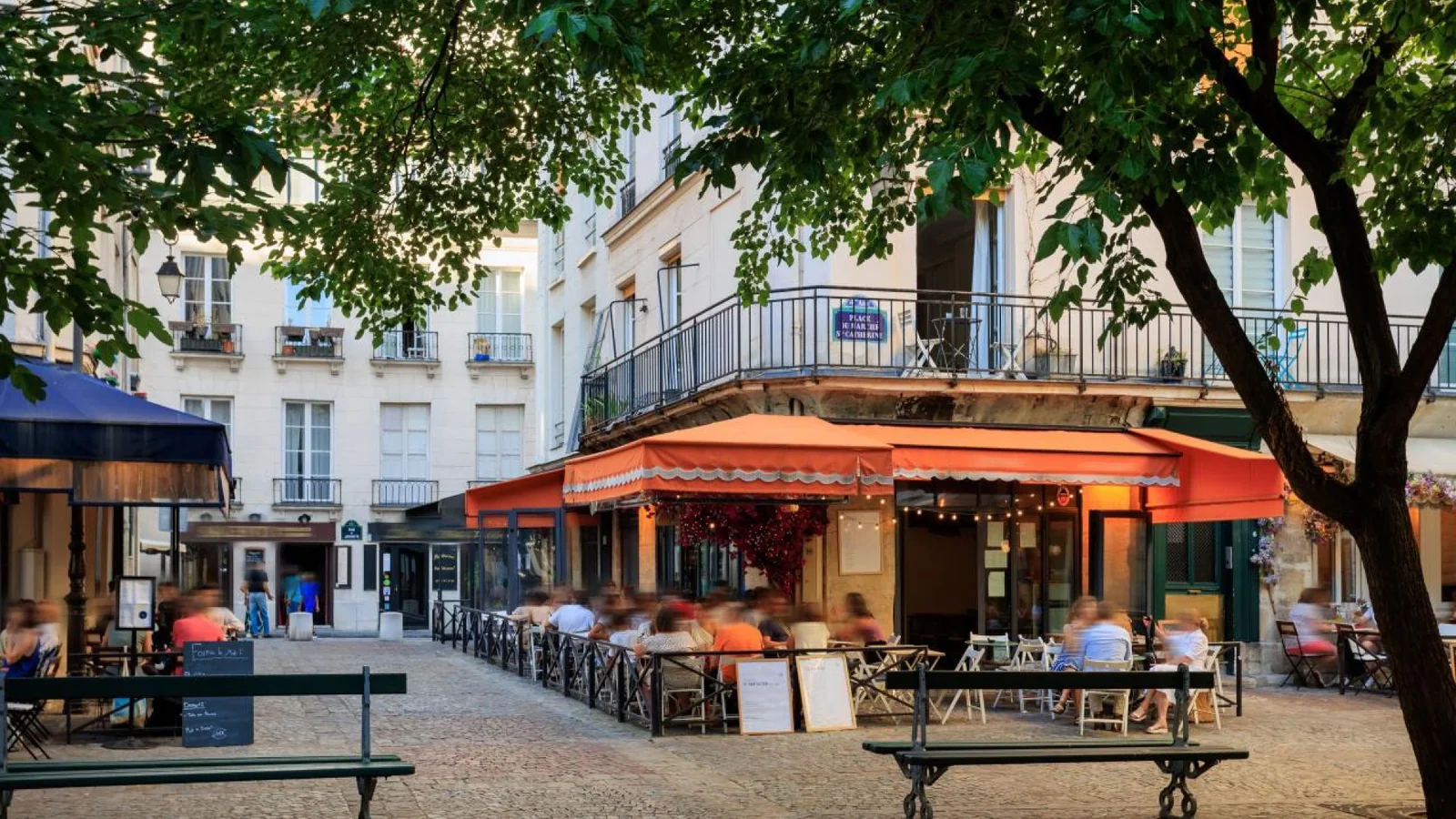
Checking the menu, location and purpose of a café stop can prevent an expensive tourist-trap experience.
The phrase “tourist trap” is overused in Paris. Finding the best cafes in Paris does not mean avoiding every place tourists recognize. A café is not automatically bad because visitors like it, and a local-looking side street is not automatically excellent. The practical problem is paying for something you did not actually value.
Read the Menu Before You Sit Down
Look at the menu and displayed prices before choosing the table. If the price feels too high, walking away is easier before you have ordered. This matters most beside major landmarks, on famous squares and at highly photographed cafés where the location premium can be substantial.
Also look at what the café seems designed to do. A short coffee-focused menu can be a positive sign when you want specialty coffee. A broad brasserie menu makes more sense if you want lunch, dessert and a long sit. Neither format is automatically better; they solve different needs.
Three questions prevent most regret:
- Would I choose this café if the famous landmark were not beside it?
- Am I paying for coffee, food, atmosphere or a rest stop?
- Does this stop fit the route I am already walking?
If you know what you are buying, the decision becomes much easier.
Build Café Stops Into Your Paris Itinerary
Paris café culture works best when it reduces fatigue instead of creating more transport.
After the Louvre or Musée d’Orsay, sitting down can reset the rest of the afternoon. In Montmartre, schedule a café after the uphill section. In Le Marais, attach it to shopping or gallery wandering. On a rainy day, a longer café stop can absorb bad weather without turning the day into dead time.
If you are still planning your route, our Paris 4 Days Itinerary shows how to combine neighborhoods without constantly backtracking, while our Paris transportation guide explains the Metro, RER and buses.
One warning for laptop users: do not assume every attractive café is designed for remote work. Tiny shops, busy lunch periods and crowded terraces may discourage long laptop sessions even when Wi-Fi exists. If working is essential, choose a coffee shop known for seating and stay outside the rush periods.
Best Paris Café Choice by Traveler Type
| Traveler | Best café strategy |
|---|---|
| First-time visitor | One iconic café plus neighborhood stops |
| Coffee enthusiast | Prioritize specialty shops and roasters |
| Couple | Saint-Germain terrace or quieter Marais square |
| Budget traveler | Neighborhood cafés; compare counter and table prices |
| Photographer | Montmartre early morning and classic façades |
| Family | Choose space, toilets and route convenience over fame |
| Remote worker | Modern coffee shop with suitable seating, outside peak hours |
If this is your first trip and you are still deciding how to structure your days, our first-time Paris guide explains what usually surprises new visitors and how to plan around the city’s pace.
FAQ: Best Cafes in Paris
What are the best cafes in Paris for first-time visitors?
For the classic experience, Café de Flore or Les Deux Magots are easy first choices in Saint-Germain-des-Prés. Add a specialty coffee shop or neighborhood terrace later in the trip so you experience more than one side of Paris café culture.
Where can I find the best specialty coffee in Paris?
Le Marais, Canal Saint-Martin, South Pigalle and parts of the 10th and 11th arrondissements have strong concentrations of modern coffee shops. Coutume, Ten Belles, KB Coffee and La Caféothèque are useful names to start with.
Is Café de Flore worth it?
It can be worth it once if you value history, people-watching and the Saint-Germain setting. It is less compelling if your only goal is the strongest coffee-to-price ratio.
How much does coffee cost in Paris?
There is no single Paris price. Neighborhood, fame and where you sit all matter. Traditional cafés may charge less at the counter, while iconic addresses can charge substantially more. Always check displayed prices before ordering.
Do you need to tip at cafés in Paris?
No mandatory extra tip is required because displayed prices include tax and service. A small voluntary tip is appropriate when you particularly appreciate the service.
What should I order at a Paris café?
For the simplest local-style order, ask for “un café” if you want espresso. Choose café crème for a milkier drink, then add a croissant, tartine or pastry if the café’s food looks worthwhile.
Final Verdict: Which Paris Café Should You Choose?
The best café in Paris is not one address. It is the café that matches the experience you want at that point in the day.
Choose Café de Flore or Les Deux Magots when history and atmosphere are the purpose. Choose a specialty shop when the coffee itself is the priority. Use Le Marais for a café woven into shopping and wandering, and Montmartre for scenery—preferably before the biggest crowds arrive.
Most importantly, stop treating café breaks as empty space between attractions. Paris is physically demanding: long walks, Metro stairs, museum hours and crowded streets accumulate. A well-timed café gives you more than caffeine. It gives the next part of the day a better chance of being enjoyable.
That is the version of Paris café culture worth planning for: not collecting famous tables, but knowing when to sit down.