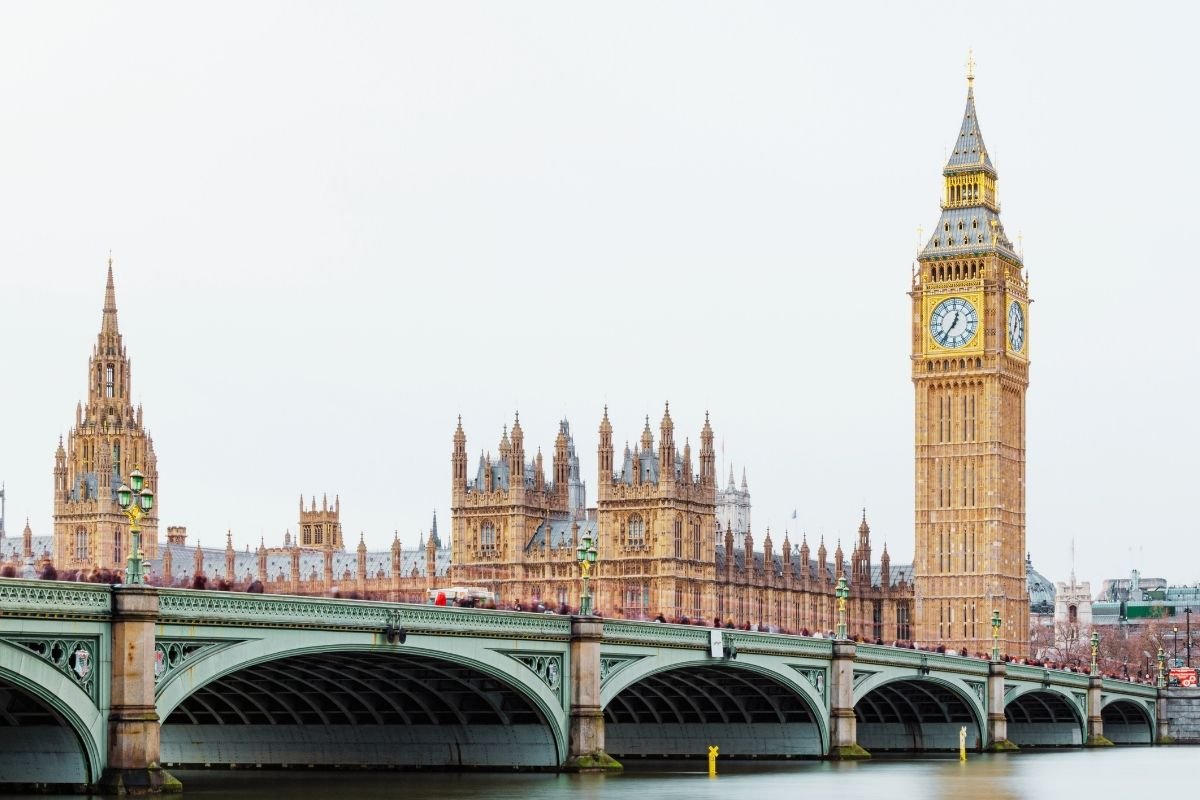
A well-planned London 7 Days Itinerary can start falling apart by Day 4 if you try to maintain the same sightseeing pace you planned before the trip began.
By then, your legs are tired, a morning queue runs long, the weather changes, and suddenly an attraction that looked “20 minutes away” on the map turns into another Tube ride, station walk, and decision.
The truth is that seven days does not give you unlimited time in London. A badly sequenced week can feel more exhausting than a well-planned four-day trip.
This London 7 Days Itinerary is built differently. It groups nearby attractions, gives each day one clear geographic focus, and leaves enough flexibility for queues, weather, transport delays, and normal travel fatigue.
If you’re planning a one week in London itinerary, the goal is not to “see everything.” It is to reach Day 7 still enjoying the city instead of feeling like you spent the week racing between stations.
Planning note: Attraction hours, ticket rules, ceremony schedules, and transport fares can change, so confirm time-sensitive details on official websites before booking.
| At a glance | What to expect |
|---|---|
| Best for | First-time visitors, couples, families, and balanced travelers |
| Daily walking | Medium to high, with most days focused on one main area |
| Prebooking | Prebook only the queue-heavy attractions you consider essential |
| Best base | Zone 1 or 2, close to a well-connected Underground station |
| Flexible day | Day 6 can cover missed attractions, a neighborhood, or one day trip |
Quick navigation:
Day 1 |
Day 2 |
Day 3 |
Day 4 |
Day 5 |
Day 6 |
Day 7 |
FAQ

A successful week in London depends on realistic daily routes, smart sequencing, and enough flexibility for queues and weather.
How to Use This London 7 Days Itinerary
- Build around one daily anchor: Protect the attraction that matters most, then add nearby stops only when time and energy allow.
- Judge distance by the full journey: A place that looks close on the map can still mean a long station walk, platform change, and another walk at the other end.
- Adjust the pace to your group: Families should shorten long walking loops, couples may prefer slower neighborhood time, and first-time visitors should protect the major landmarks rather than chasing every optional stop.
- Keep Day 6 flexible: Use it to recover a missed attraction, respond to bad weather, slow the trip down, or take one day trip if the rest of the week has gone smoothly.
Your accommodation choice affects all seven days. A cheaper hotel farther out can save money at booking, but a long station walk or awkward connection can turn that saving into a daily time penalty.
Before booking, compare the exact hotel location, station walk, and routes to Westminster, the West End, South Kensington, and the Tower area.
Compare hotels in London’s best-connected areas
Where to Stay in London |
How to Get Around London
TripsCity Tip: A good seven-day itinerary should become easier to adjust as the week goes on, not harder to follow.
London 7 Days Itinerary: Daily Overview
| Day | Main area | Core plan | Pace |
|---|---|---|---|
| Day 1 | Westminster + South Bank | Landmarks, river walk, and one major attraction | Moderate |
| Day 2 | Royal London + West End | Parks, royal sights, and one classic street loop | Moderate |
| Day 3 | South Kensington | One museum and a nearby park or neighborhood | Light |
| Day 4 | City of London + Tower area | Old London, one interior, and the riverside | Moderate–High |
| Day 5 | One neighborhood route | Camden, Shoreditch, or Greenwich | Moderate |
| Day 6 | Flexible | Missed attraction, neighborhood, indoor day, or day trip | Your choice |
| Day 7 | Near your departure route | One short final loop with luggage and travel buffer | Light |
London 7 Days Itinerary — Day 1: Westminster and the South Bank
Day 1 of this London 7 Days Itinerary starts with Westminster’s major landmarks, followed by one of two simple routes. Choose your main attraction before crossing the river so you do not waste time walking back and forth.
Closest stations: Westminster and Waterloo.
08:30 – 10:00 | Westminster Landmarks
Begin around Big Ben, the Houses of Parliament, Westminster Bridge, and the exterior of Westminster Abbey. Starting early gives you calmer streets, easier photographs, and more flexibility for the rest of the day.
10:00 – 12:30 | Choose Your Day 1 Route
- Westminster Abbey: Best for royal and religious history. Visit before crossing Westminster Bridge.
- Churchill War Rooms: Best for a focused indoor history experience close to Westminster.
- London Eye: Cross Westminster Bridge and remain near the western end of the South Bank.
- Tate Modern: Cross Westminster Bridge, walk east along the South Bank, have lunch along the route, and visit the museum in the afternoon.
Choose one route only. As a result, your choice determines where you should have lunch and how far east you continue during the afternoon.
Many of London’s most popular attractions use timed entry or have limited availability during busy periods. Booking essential tickets before arrival can help you keep your itinerary flexible without losing time in queues.
12:30 – 13:30 | Lunch Along Your Route
If you chose Westminster Abbey or Churchill War Rooms, eat near Westminster before crossing the river. If you chose the London Eye or Tate Modern route, have lunch along the South Bank and continue in the same direction.
13:30 – 16:30 | Continue Along the Route You Chose
If you stayed in Westminster: Cross Westminster Bridge after lunch, pass the London Eye and Jubilee Gardens, and finish around Waterloo or the nearby riverside.
If you chose the London Eye: Continue east along the South Bank after your visit. Walk only as far as your energy allows rather than treating Tate Modern as another required attraction.
If you chose Tate Modern: Visit the museum after lunch, then finish near Millennium Bridge, Bankside, or Blackfriars without returning to Westminster.
16:30 – 18:00 | Flexible Finish
Use the final part of the day for a short riverside walk, coffee, or an early return to your accommodation. If queues were longer than expected, skip the extra walk rather than crossing London for another attraction.
TripsCity Tip: Decide between a Westminster interior and a South Bank attraction before crossing the river. That single choice keeps Day 1 geographically simple.
London 7 Days Itinerary — Day 2: Royal London and the West End
Day 2 combines London’s royal landmarks with one classic West End neighborhood. Keep the morning around St James’s Park and Buckingham Palace, then choose one compact area for the afternoon.
Closest stations: St James’s Park, Green Park, and Victoria.
08:45 – 12:00 | St James’s Park, Buckingham Palace, and the Optional Guard Ceremony
Begin with a walk through St James’s Park, then continue toward Buckingham Palace, The Mall, and the surrounding royal streets.
If the Changing of the Guard is a priority, check the official schedule before visiting because ceremony dates can change. Arrive early for a reasonable viewing position and allow the royal morning to continue until around midday.
If you skip the ceremony, continue toward Green Park, Piccadilly, or Trafalgar Square earlier and enjoy a longer West End afternoon.
Check the official Changing of the Guard schedule
12:00 – 13:00 | Continue Through Royal London
Continue toward Green Park, Piccadilly, or Trafalgar Square, depending on the West End route you plan to explore later.
Walk between nearby stops instead of using the Underground for a single short journey. After all, central stations often involve long corridors, stairs, and busy exits.
13:00 – 14:00 | Lunch Near Your Afternoon Route
Choose lunch close to the West End area you plan to visit next. This keeps the itinerary compact and prevents an unnecessary cross-city detour.
14:00 – 17:00 | Choose One West End Loop
- Covent Garden: Choose this for historic streets, shops, performers, and a classic central atmosphere.
- Soho and Chinatown: Go here for food, lively streets, and a higher-energy afternoon.
- Regent Street and Carnaby: This route works well for architecture, shopping streets, and a controlled central walk.
Choose one loop only. Combining all three areas in the same afternoon usually creates more walking than enjoyment.
17:00 – 18:00 | Flexible Finish
If you still have energy, add a short café stop, Trafalgar Square, or another nearby street. However, if the morning was crowded or the group is tired, finish without adding another district.
TripsCity Tip: Day 2 works best when the royal morning flows naturally into one West End neighborhood.
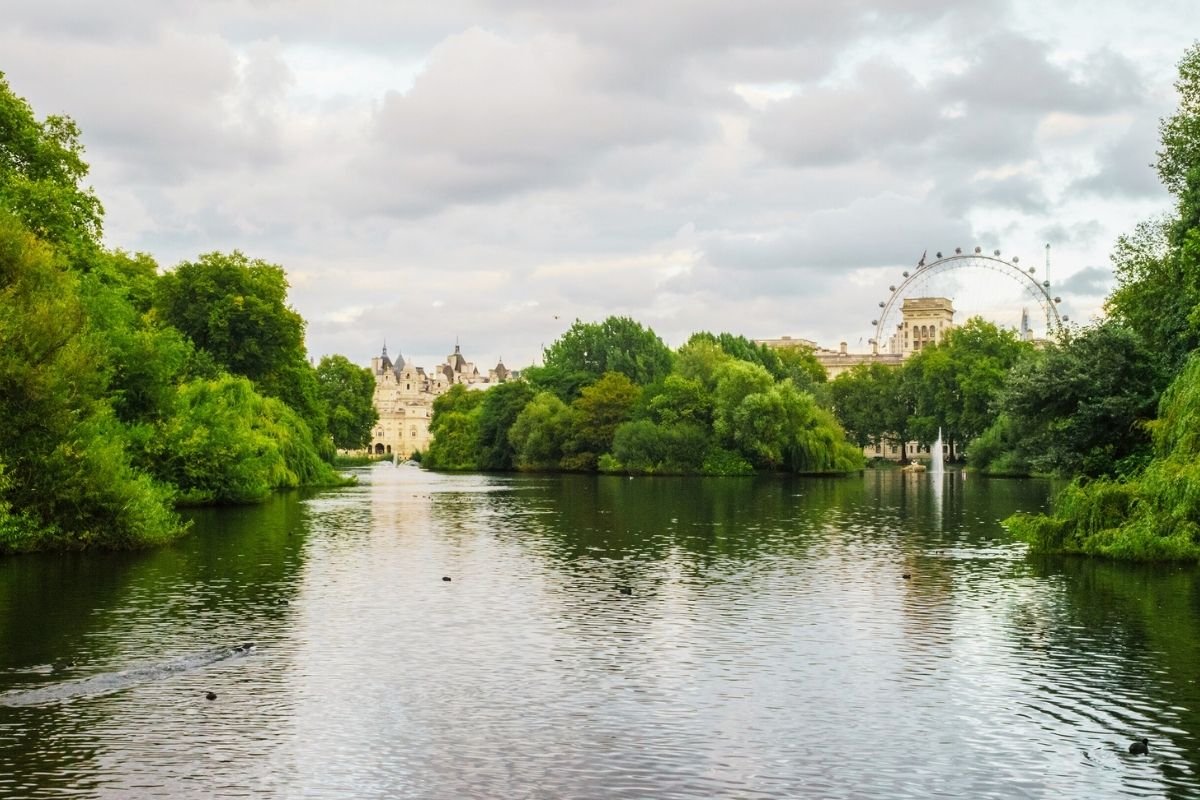
Start Day 2 with the royal parks and finish with one compact West End route.
London 7 Days Itinerary — Day 3: South Kensington Museums
Day 3 of the London 7 Days Itinerary is deliberately lighter because this is often when a one-week trip starts to feel physical. Two days of stations, stairs, standing, and long walks can catch up with you even when the itinerary looked comfortable on paper.
Use South Kensington as a recovery day without wasting it: visit one major museum, take a real lunch break, and keep the afternoon within the museum district, Hyde Park, Knightsbridge, or nearby Chelsea.
Closest stations: South Kensington and Gloucester Road.
Family adjustment: If you are traveling with children, one museum plus a park or early finish is usually enough. Trying to complete several large museums in one day often creates more fatigue than value.
09:30 – 12:30 | Choose One South Kensington Museum
- Natural History Museum: A strong choice for first-time visitors, families, and impressive architecture.
- Victoria and Albert Museum: Choose this for design, decorative arts, fashion, and a calmer visit.
- Science Museum: Families who prefer technology and interactive exhibits may enjoy this most.
Choose one museum rather than trying to complete all three. Each collection is large enough to fill several hours, so focus on the sections that interest you most.
12:30 – 13:30 | Lunch Near South Kensington
Take a proper lunch break close to the museum district. Keeping lunch nearby saves time and leaves the afternoon flexible.
13:30 – 16:30 | Choose One Nearby Finish
- Kensington Gardens: Walk toward the Albert Memorial, Italian Gardens, or Kensington Palace area.
- Hyde Park: Choose a short route near the Serpentine rather than a long park crossing.
- Knightsbridge: Explore nearby streets and see the Harrods exterior or make a short visit inside.
- Chelsea: Continue toward quieter streets, cafés, and residential architecture.
Instead, if the weather is poor, extend your museum visit or explore a small section of one neighboring museum rather than crossing London for another indoor attraction.
16:30 – 18:00 | Finish Early or Stay Nearby
Use the final part of the day for coffee, a short walk, or an early return to your accommodation. Ending at 17:00 instead of forcing another attraction is not wasted time if it means you start Day 4 with more energy.
TripsCity Tip: Keep Day 3 inside South Kensington, Hyde Park, or the nearby Chelsea and Knightsbridge area.
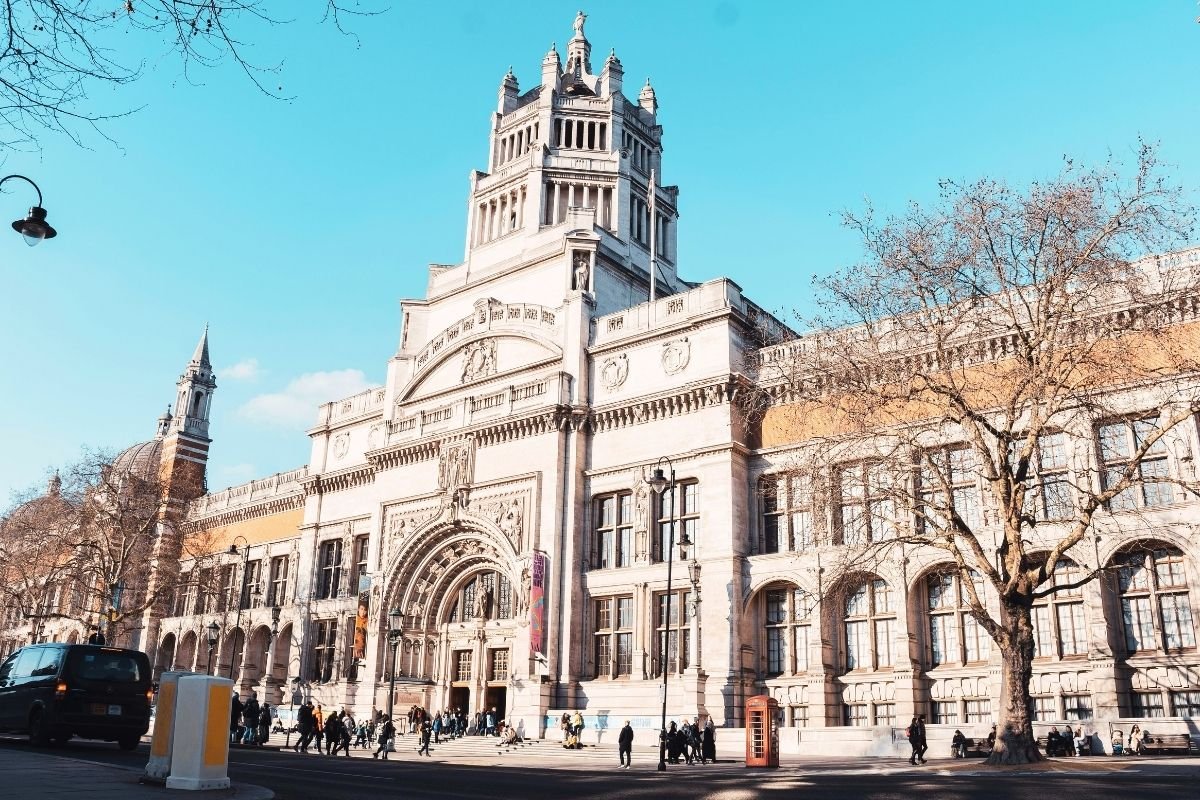
Choose one South Kensington museum, then keep the afternoon close and relaxed.
London 7 Days Itinerary — Day 4: The City of London and Tower Bridge
Day 4 follows a simple eastbound route from St Paul’s Cathedral through the historic City of London and toward the Tower of London. Visit St Paul’s first if you want to go inside, then continue east without retracing your steps.
Closest stations: St Paul’s, Bank, Monument, and Tower Hill.
08:45 – 10:30 | Start at St Paul’s Cathedral
Begin with the exterior of St Paul’s Cathedral and the surrounding streets. If the cathedral interior is one of your priorities, visit it now before continuing east through the City.
If you prefer a shorter morning, see the cathedral from outside and begin the walking route without entering.
10:30 – 12:30 | Walk East Through the City of London
Continue from St Paul’s toward two or three nearby stops such as Guildhall, the Bank area, the Bank of England Museum, Leadenhall Market, or the Monument.
Choose only the stops that interest you most. As a result, walking between them keeps the route moving naturally toward Tower Hill and avoids unnecessary Underground journeys.
12:30 – 13:30 | Lunch Near Monument or Tower Hill
Have lunch near the eastern end of the City route. That way, you remain close to the Tower of London and Tower Bridge for the afternoon.
13:30 – 16:30 | Choose One Tower-Side Experience
- Tower of London: Best for the full historic experience. Allow several hours and consider booking ahead.
- Tower Bridge Exhibition: Best for a shorter paid visit with bridge and river views.
- Outside-only route: Walk around the Tower, cross Tower Bridge, and continue along a short section of the Thames path.
Check current opening hours and ticket rules before visiting:
Compare Tower of London ticket options
Official Tower of London tickets and prices
16:30 – 18:00 | Riverside Finish
Finish around Tower Bridge, St Katharine Docks, or the nearby Thames path. After a full historic day, avoid adding another distant neighborhood.
TripsCity Tip: Visit St Paul’s before walking east, then choose either the Tower of London or Tower Bridge Exhibition as the main afternoon attraction.
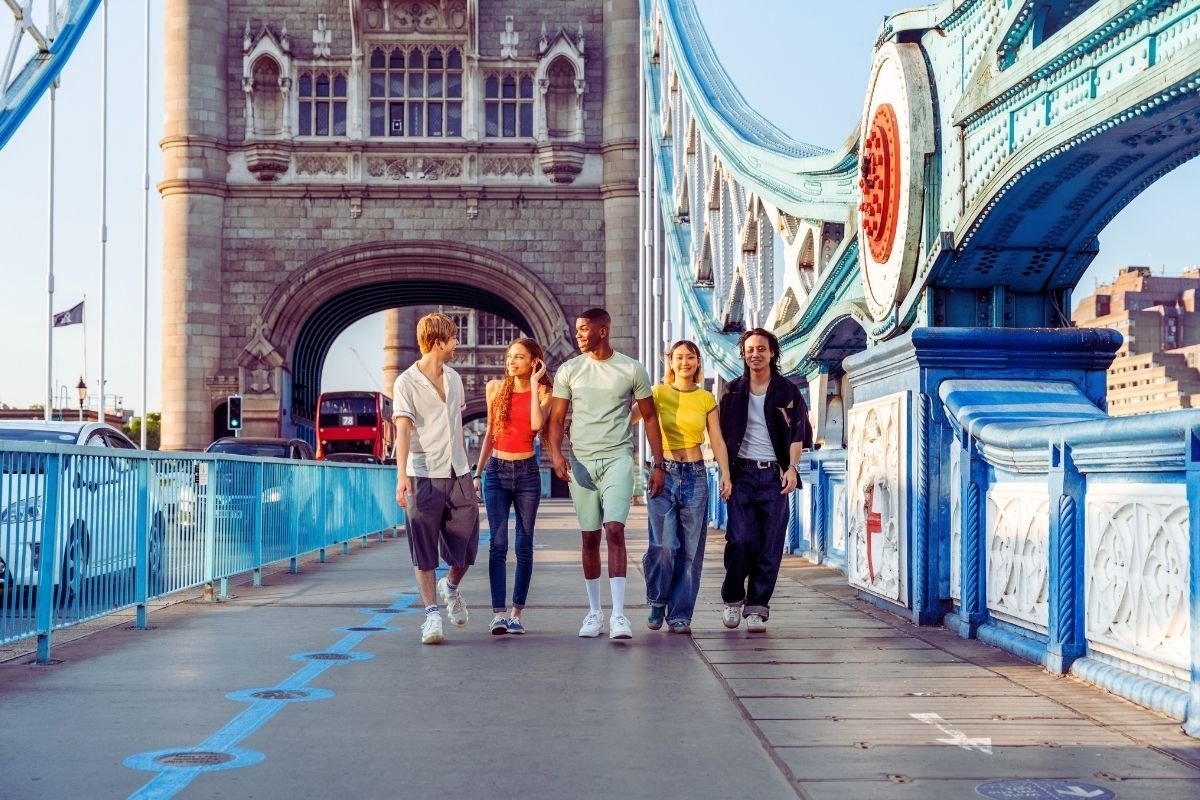
Begin at St Paul’s Cathedral, walk east through the City, and finish with one Tower-side experience.
London 7 Days Itinerary — Day 5: Markets and Neighborhoods
By Day 5, you have already covered most of the heavy first-trip sightseeing. This is the right moment to stop treating London as a checklist and spend several hours inside one neighborhood.
Pick the atmosphere that fits your trip: Camden for market energy, Spitalfields and Shoreditch for street life and independent shops, or Greenwich for a calmer mix of riverside scenery, history, and green space.
09:30 – 13:00 | Pick the Neighborhood That Fits Your Mood
- Camden, Regent’s Canal, and Primrose Hill: Explore Camden Market, walk a short section of Regent’s Canal, and finish with the view from Primrose Hill. Use Camden Town or Chalk Farm station.
- Spitalfields, Brick Lane, and Shoreditch: Start at Old Spitalfields Market, continue through Brick Lane, and explore a short Shoreditch street-art route. Use Liverpool Street or Shoreditch High Street station.
- Greenwich Market, the Riverside, and Greenwich Park: Explore Greenwich Market, see the Cutty Sark area from outside, walk along the riverside, and continue toward Greenwich Park if the weather is comfortable. Use Cutty Sark DLR or Greenwich station.
These are three different day experiences, not stops on the same sightseeing route. Moving between them would trade neighborhood time for transport, so stay with the one that best matches your energy and interests.
13:00 – 14:00 | Lunch in the Same Neighborhood
Choose lunch near your morning route. Each area has market food and nearby cafés, so there is no need to cross London for a specific restaurant.
14:00 – 17:00 | Continue the Route You Chose
For Camden: Continue toward Primrose Hill or take a short walk along the edge of Regent’s Park.
In Spitalfields: Remain around Brick Lane, Shoreditch, or Hoxton for street art, independent shops, and cafés.
For Greenwich: Continue toward Greenwich Park, the Royal Observatory area, or take a short riverside walk. However, if the weather is poor, remain around the market and nearby maritime attractions instead of adding a distant district.
Finish when the area begins to feel complete rather than traveling across London for another attraction.
TripsCity Tip: Day 5 is designed to show a different side of London. One neighborhood explored properly is more rewarding than several areas rushed together.
London 7 Days Itinerary — Day 6: A Flexible Day or Day Trip
Day 6 is the pressure-release valve in this London 7 Days Itinerary. By now, you know what the week actually feels like rather than what you expected before arrival.
Use this day according to what your trip needs most:
- First-time visitors who missed a major sight: return to one priority attraction.
- Travelers facing bad weather: build an indoor museum day in central London.
- Couples or slower travelers: spend the day in Notting Hill, Hampstead, or another neighborhood without a strict schedule.
- Travelers who feel satisfied with London already: take one day trip to Windsor, Oxford, or Bath.
- Families with tired children: keep the day local rather than forcing a long excursion simply because the itinerary allows one.
Therefore, use Day 6 to simplify the week rather than turn it into another overloaded sightseeing day.
Option 1: Visit One Missed Attraction
Return to one area and choose one priority attraction, such as Westminster Abbey, the London Eye, St Paul’s Cathedral, Sky Garden, or a South Kensington museum you skipped.
Keep the rest of the day close to that attraction instead of collecting missed stops from across London.
Option 2: Choose an Indoor Central London Day
For poor weather, visit either the British Museum or the National Gallery, then add one nearby area such as Covent Garden, Seven Dials, Soho, or Trafalgar Square.
One major museum is enough. Trying to combine several large museums usually creates more fatigue than value.
Option 3: Explore One Neighborhood
- Notting Hill and Holland Park: Best for colorful streets, Portobello Road, cafés, and a relaxed park finish.
- Hampstead Village and Hampstead Heath: Best for historic streets, local atmosphere, and outdoor views.
Choose one neighborhood only and allow time for lunch and an unhurried walk.
London 7 Days Itinerary: Option 4 – Take One Day Trip
- Windsor: Choose it for royal history and a relatively simple journey from London.
- Oxford: Consider this option for university architecture and a walkable historic center.
- Bath: This is the better fit when Georgian architecture justifies a longer full-day excursion.
Check train times, opening hours, and return options before leaving London. Do not combine two destinations in one day.
TripsCity Tip: Day 6 should solve a gap in your itinerary, not create another overloaded sightseeing day.
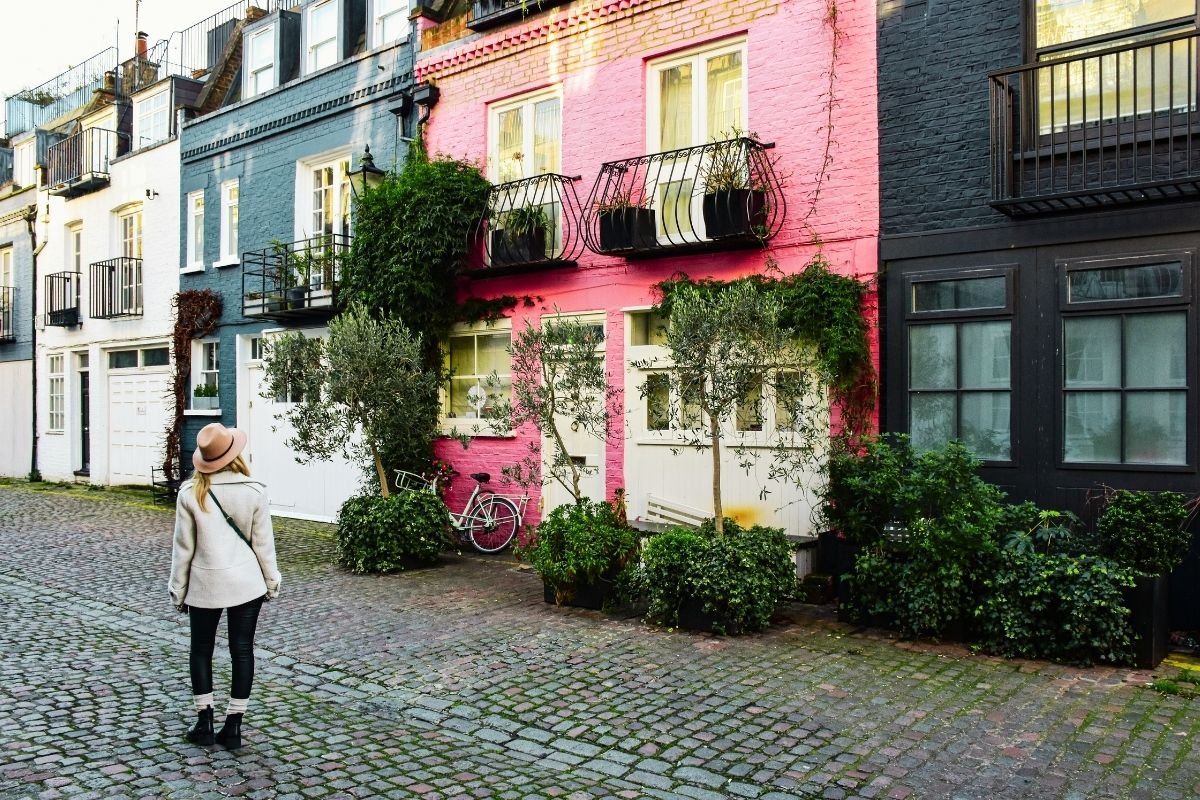
Use Day 6 for one missed attraction, one neighborhood, an indoor plan, or a single day trip.
One Week in London Itinerary — Day 7: A Simple Final Day
Plan your final day around check-out, luggage, and departure time. Choose one short route close to your hotel, storage point, or departure station.
If your accommodation cannot hold your bags, you can compare nearby storage options:
Check luggage storage options in London
10:00 – 13:00 | Choose One Final Route
- Westminster and St James’s Park: Pick this route for one final view of Big Ben, Westminster Bridge, and central London.
- Marylebone and Regent’s Park: A calmer alternative with cafés, quieter streets, and a relaxed final walk.
- Notting Hill: This makes most sense when your accommodation or departure route is in west London.
- Indoor option: Visit either the British Museum or National Gallery if the weather is poor and you have enough time.
Do not choose a major attraction with unpredictable queues unless you have a late departure.
13:00 Onward | Lunch and Departure
Eat close to your luggage or departure station, then leave enough time to collect your bags and handle transport delays. Airport and mainline station journeys often take longer once walking, transfers, and luggage are included.
TripsCity Tip: The best final-day route is the one that moves you naturally toward your departure.
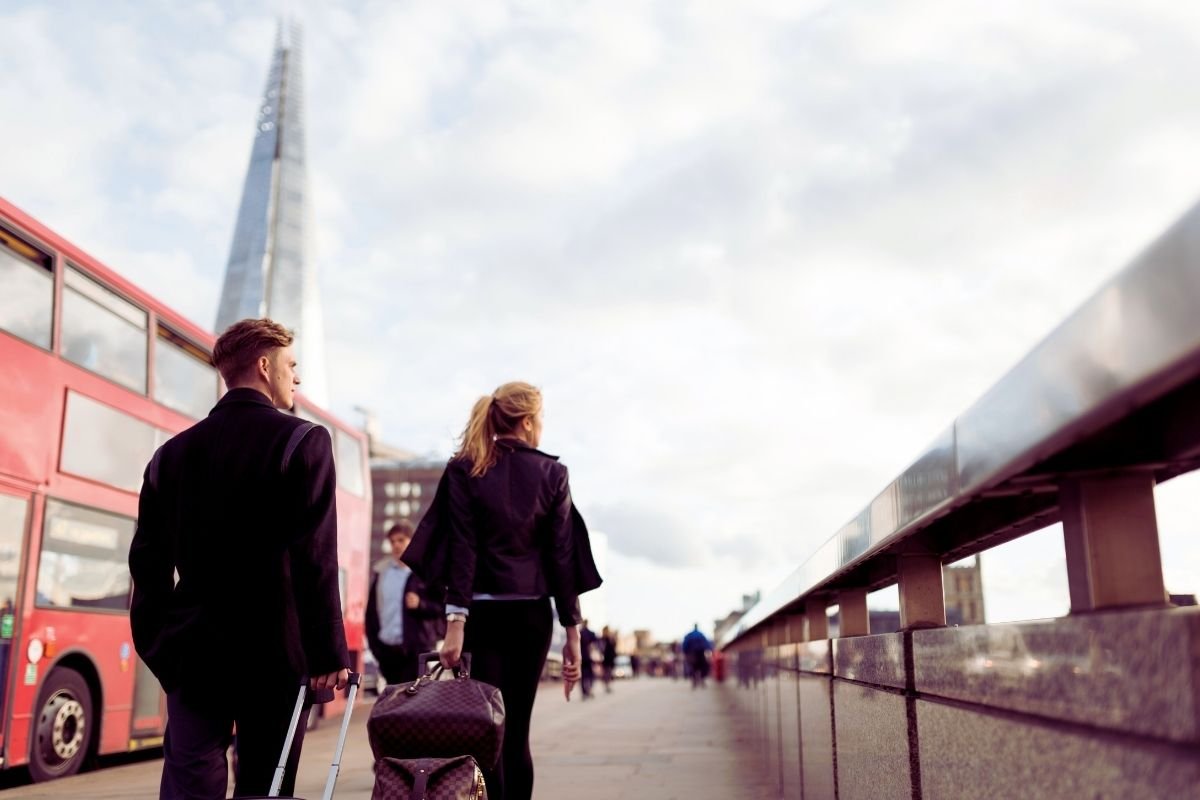
Keep the final day short and leave enough time for luggage and transport.
Transport and Budget Tips for a London 7 Days Itinerary
Most sightseeing in this itinerary takes place in central London. Using contactless payment or Oyster pay as you go is usually simpler than buying a separate ticket for every journey.
| Transport cost | Current adult rate | What it means |
|---|---|---|
| Zones 1–2 daily cap | £8.90 | The maximum charged for covered pay-as-you-go journeys during one travel day |
| Zones 1–2 weekly cap | £44.70 | Applies during a fixed Monday-to-Sunday period |
| Bus or tram fare | £1.75 per journey | Bus- and tram-only travel has a £5.25 daily cap |
Always touch in and out with the same card, phone, watch, or Oyster card. Switching between a physical card and a phone means the journeys may not count toward the same daily or weekly cap.
Travel outside Zones 1–2, airport journeys, and day trips can increase your total transport cost. Some airport routes, including the Tube and Elizabeth line to Heathrow, can count toward fare capping, while express airport trains may follow different fare and capping rules. Check the specific route before traveling, especially if your seven days do not fall within one Monday-to-Sunday period.
If you prefer a fixed-price transfer after a long flight, booking an airport transfer in advance can make arrival easier, especially when traveling with luggage or family.
Compare London airport transfer options
Check current Transport for London fare caps
For attractions, choose one major paid experience on the days that matter most and balance it with free museums, parks, markets, and neighborhood walks. This keeps the budget predictable without weakening the itinerary.
TripsCity Tip: Use the same payment method throughout the week, and check airport and day-trip fares separately because capping rules depend on the service you choose.
More London Guides for Your Trip
These guides cover the practical decisions that need more detail than a day-by-day itinerary:
- Plan your first London trip with the complete travel guide — for essential planning, neighborhoods, attractions, and common first-time questions.
- Estimate your London travel budget — for accommodation, food, transport, and attraction costs.
- Review practical London safety advice — for crowded transport, common scams, personal belongings, and nighttime travel.
Final Thoughts: Is One Week in London the Right Length?
For most first-time visitors, seven days is enough to see London’s major landmarks, spend meaningful time in museums and neighborhoods, and still leave room for weather, queues, or one slower day.
The week works best for travelers who are comfortable walking, willing to group attractions by area, and happy to leave some famous places for another trip.
If you prefer very slow mornings, travel with young children, or want several long museum visits, keep the same structure but remove one optional stop from the heavier days. If you want to include a day trip, use Day 6 rather than squeezing it between major London sightseeing days.
Ultimately, the goal of this London 7 Days Itinerary is not to prove how much you can fit into one week. It is to give you enough structure to see a lot of London while still having the freedom to change the plan when the real trip does not behave like the itinerary on your screen.
London 7 Days Itinerary FAQ
Is 7 days too much for London?
No. Seven days gives first-time visitors enough time to see major landmarks, explore several neighborhoods, visit museums, and include a flexible day without rushing across the city every day.
Where should first-time visitors stay for a 7-day London trip?
Choose accommodation in Zone 1 or a well-connected part of Zone 2, ideally within a short walk of an Underground station. A practical base with direct or one-change routes is usually more useful than a cheaper hotel that creates a long daily commute.
How many attractions should I plan each day?
For most travelers, one main attraction and one nearby secondary stop are enough. Add a third activity only when it fits naturally into the same area and the day is still running comfortably.
What should I book in advance for a week in London?
Prebook attractions with limited entry slots or consistently long queues, such as the Tower of London, Westminster Abbey, Sky Garden, or a major viewpoint. Avoid filling the entire week with timed reservations because weather and delays can change your plans.
Can I include a day trip in a London 7 Days Itinerary?
Yes. Use Day 6 for one destination such as Windsor, Oxford, or Bath. Choose one destination, check return transport in advance, and avoid adding major London sightseeing after you return.
How much walking should I expect during a 7-day London trip?
Expect a medium to high amount of walking, even when using the Underground. Keeping each day inside one main area reduces unnecessary steps, station changes, and repeated journeys across the city.
What is the biggest mistake travelers make during a week in London?
The biggest mistake is assuming that seven days allows unlimited flexibility. Scattered daily routes, too many timed tickets, and distant hotel locations can gradually turn the week into long commutes and rushed sightseeing.