
Is Paris good in winter? For many travelers, yes—but the season feels very different from the spring-and-summer image of Paris. The days are shorter, the weather is colder and sometimes wet, and you spend more time moving between outdoor sights and warm indoor spaces.
The season works especially well for travelers whose version of Paris already includes museums, cafés, food, architecture, shopping, historic neighborhoods, and evening lights. It is less suitable for visitors who want gardens in full color, picnics, terrace dining, long daylight hours, or a sightseeing schedule built around being outdoors from morning until late evening.
The important point is that winter Paris is not a weaker copy of summer Paris. It is a different type of trip. If you plan for that difference instead of fighting it, the season can feel calmer, more atmospheric, and easier to enjoy at a slower pace.
Quick answer: Paris is worth visiting in winter if you are comfortable with cold, occasional rain, and shorter daylight. December is best for festive atmosphere, January suits travelers who want a quieter cultural city break, and February gives you a little more daylight while still feeling wintry. Major attractions remain busy, but many everyday streets and neighborhoods can feel calmer outside holiday periods.
Last updated: September 2026.
Disclosure: TripsCity may earn a commission from selected booking links at no extra cost to you.
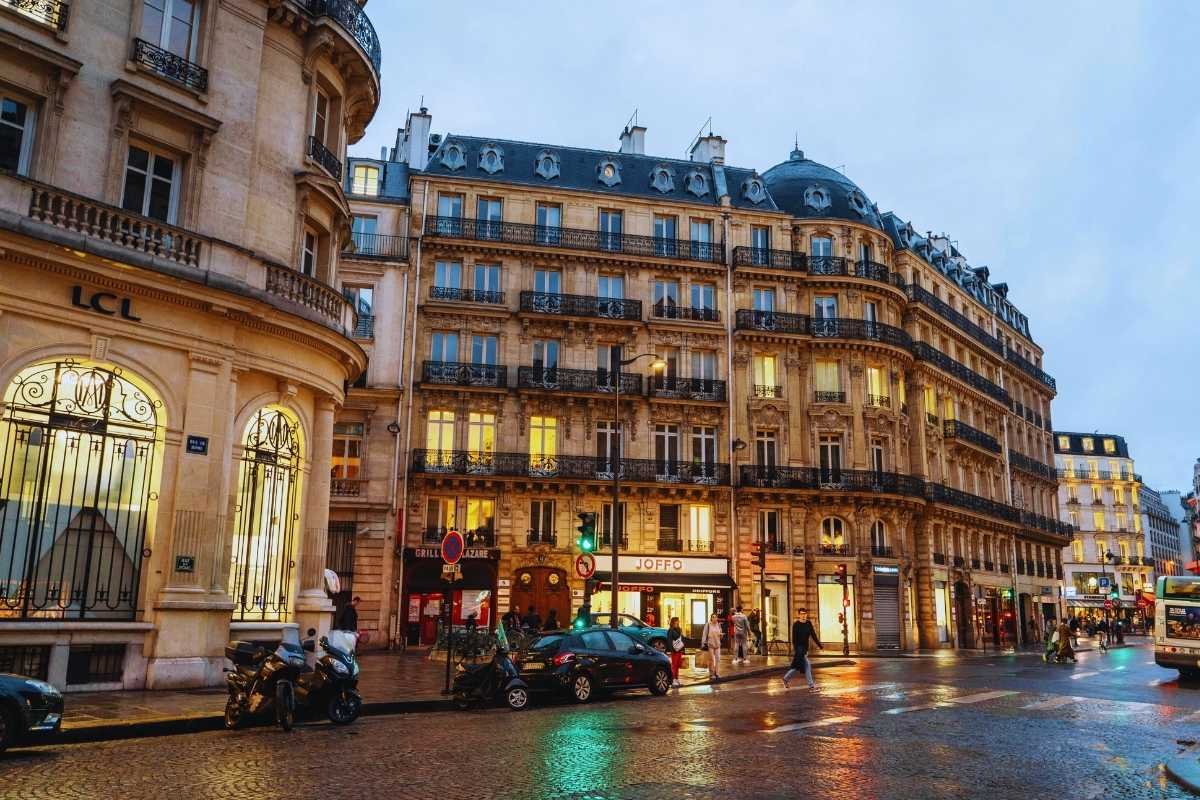
Winter Paris feels less like one long sightseeing day and more like a sequence of outdoor moments connected by warm indoor stops.
Is Paris Good in Winter? What the Season Really Feels Like
The biggest adjustment is pace. A summer itinerary can absorb long walks, late sunsets, outdoor meals, and spontaneous detours without much thought. In winter, the same day may feel much heavier once cold air, damp shoes, early darkness, and time spent warming up are added.
That does not mean you need to hide indoors. It means outdoor time becomes more deliberate. A walk through Montmartre, along the Seine, or through the Latin Quarter can still be a highlight, but it works better when you know where the next café, museum, church, shop, or covered space is.
Paris Winter Weather Is Usually More Damp Than Extreme
Paris winters are generally cold and changeable rather than consistently severe. According to Paris je t’aime, average winter lows are around 3°C to 4°C and average highs around 8°C to 9°C across December, January, and February. Rain continues through the season, while lasting snow is uncommon.
The practical problem is often moisture and exposure rather than the headline temperature. Ten minutes outside can feel easy; forty minutes standing near a monument in wind or drizzle can feel very different. Waterproof footwear, layers, and a compact umbrella usually matter more than dressing for extreme cold.
Check the official Météo-France forecast shortly before each sightseeing day, especially when you have long outdoor walks or viewpoints planned.
December, January, and February Create Different Trips
| Month | Best for | Main trade-off |
|---|---|---|
| December | Christmas atmosphere, lights, seasonal experiences | Holiday dates can be busy and expensive |
| January | Museums, cafés, shopping, quieter sightseeing | Short daylight and a more subdued feel |
| February | A balance of winter atmosphere and slightly longer days | Weather is still firmly wintry |
December makes the most sense when festive Paris is part of the reason you are traveling. Decorations, illuminated shopping streets, seasonal displays, Christmas experiences, and New Year energy give the city a stronger sense of occasion. The trade-off is demand: Christmas and New Year should not be treated like quiet low season.
January suits travelers who care more about museums, food, shopping, neighborhoods, and everyday Paris than festive events. The city feels more firmly like a winter city break, which makes indoor anchors and shorter outdoor walks especially useful.
February remains cold, but gradually improving daylight can make the balance between indoor and outdoor sightseeing easier. It can work well if you want winter atmosphere without planning the whole trip around Christmas.
Shorter Daylight Changes the Shape of the Day
Short daylight affects more than photography. It changes when outdoor attractions feel most worthwhile. In winter, the brighter middle of the day is valuable for river walks, viewpoints, gardens, neighborhood photography, and places where natural light matters.
Later in the afternoon, the city naturally shifts toward museums, shopping, cafés, galleries, dinners, performances, and illuminated landmarks. This is not a limitation if you expect it. The problem comes when a July-style itinerary is copied directly into January.
Winter Does Not Mean Empty Paris
Another expectation worth correcting is crowd size. Winter can reduce pressure in some streets, neighborhoods, and accommodation markets, especially outside holiday periods, but famous attractions do not become empty.
The Louvre, Eiffel Tower, major exhibitions, and popular weekend experiences can still be busy. Christmas and New Year can bring strong demand, and school holidays or major events can change the feel of particular dates.
The advantage is not “Paris without tourists.” It is that the overall rhythm can feel calmer when fewer people are trying to maximize long outdoor days.
Why Visit Paris in Winter — and What Are the Trade-Offs?
The strongest reason to choose winter is not simply price or crowd avoidance. It is that the season rewards a different travel style: fewer major stops, more indoor culture, shorter neighborhood walks, longer meals, and less pressure to keep moving until late evening.
The Best Part of Paris in Winter Is the Slower Rhythm
A museum morning, warm lunch, neighborhood walk, café break, and evening dinner can feel like a complete winter day. You do not need six attractions to justify the trip.
This rhythm works especially well for travelers who enjoy depth over coverage. Instead of crossing the city repeatedly, you can spend more time in one area and let nearby streets, shops, churches, galleries, and food stops become part of the experience.
That slower pace is also useful when the weather changes. If rain arrives, you are adjusting one part of the day rather than rescuing a schedule built around four outdoor reservations.
Museums and Indoor Attractions Become Natural Anchors
Winter makes Paris’s indoor strengths more valuable. The Louvre, Musée d’Orsay, Musée de l’Orangerie, churches, galleries, covered passages, department stores, and temporary exhibitions can absorb several hours without making you feel that good weather is being wasted.
Do not assume winter removes the need for reservations. Major museums can still be busy on weekends, holiday dates, and popular exhibition periods. If one attraction matters a lot, protect it with a timed entry when available.
You can compare Louvre ticket options or review Paris Museum Pass options if they fit your itinerary.

Winter makes long indoor cultural visits feel like part of the season rather than an escape from it.
Is Paris Cheaper in Winter?
Sometimes, but not automatically. Accommodation may offer better value outside Christmas, New Year, school holidays, major events, and high-demand weekends. That can make winter attractive for flexible travelers.
However, attraction tickets, public transport, and restaurant prices do not become cheaper simply because the season changes. Winter can also create different expenses: more Metro rides, longer café stops, additional indoor attractions, or the occasional taxi when cold rain makes a long evening journey unattractive.
The useful comparison is the complete stay cost, not only the nightly room rate. A cheaper hotel far from the areas you plan to visit can create more transport time and make it harder to return for a midday break.
For a broader spending breakdown, use our Paris Budget Guide. You can also compare Paris hotel prices with Trip.com for your actual winter dates.
Walking Still Matters, but You Do Not Need to Force It
Paris remains a walkable city in winter. The difference is that the value of a walk changes with the weather. Twenty minutes between nearby attractions can be enjoyable; a long cross-city route in cold rain may simply drain energy you would rather spend at the destination.
Use walking for nearby streets and neighborhoods, then let the Metro or bus handle longer connections when conditions are poor. A route planner may suggest that two places are technically walkable, but “possible” is not always the same as “worth it” on a wet January evening.
For the wider transport system, use our How to Get Around Paris guide and check live service information on the official RATP website.
Neighborhood Choice Matters More in Bad Weather
Winter favors areas where outdoor and indoor experiences sit close together.
Le Marais works well because museums, cafés, shops, food stops, and historic streets are tightly packed. Saint-Germain-des-Prés gives you cafés, bookshops, galleries, churches, and compact Left Bank walks. The Latin Quarter mixes historic streets with museums, bookshops, churches, and affordable food. Montmartre remains atmospheric, but hills and wet pavement can make it more tiring than it looks on a map.
The same logic applies to your hotel. You do not need the most famous address in Paris, but a useful Metro connection, nearby restaurants, reliable heating, and a manageable evening walk become more valuable when the weather is cold.
Compare areas in our Where to Stay in Paris guide.
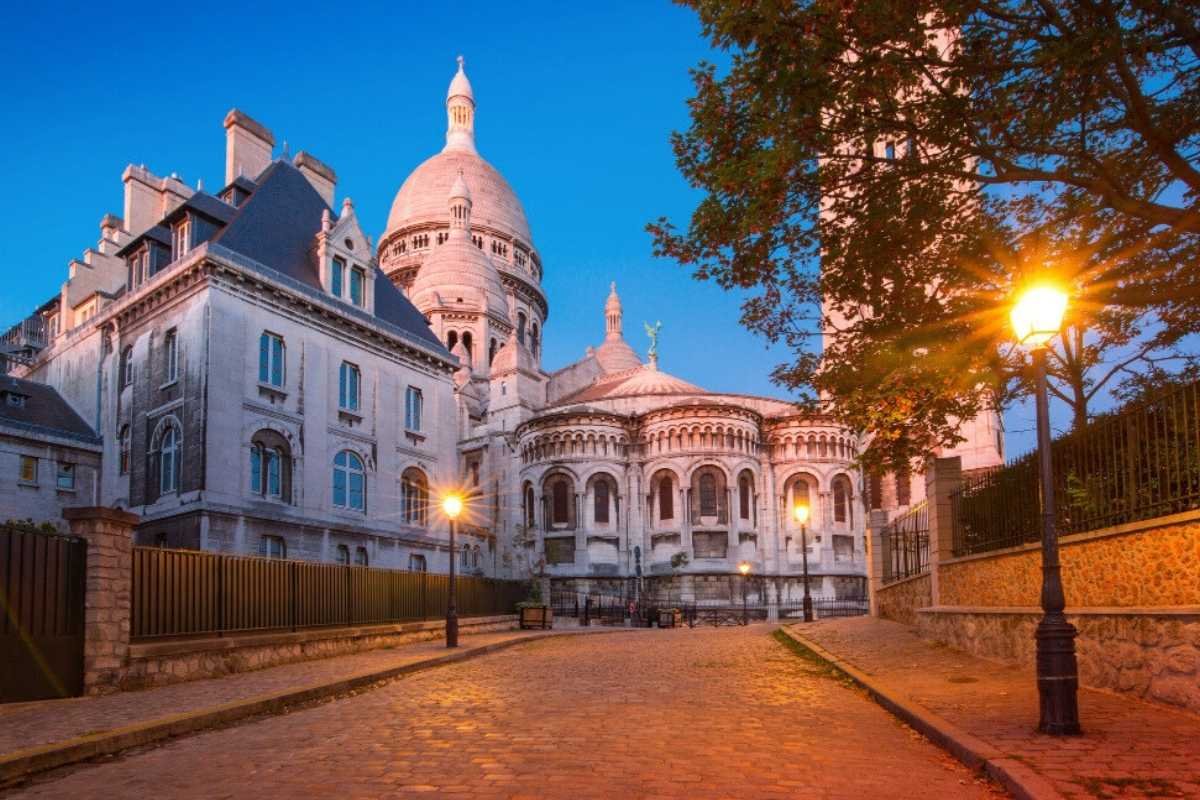
Compact neighborhoods with cafés and indoor stops are easier to enjoy when winter weather changes quickly.
Who May Prefer Another Season?
Winter is a weaker fit if your ideal Paris trip depends on gardens, outdoor dining, picnics, long evenings beside the Seine, warm-weather photography, or spending most of every day outside.
It may also be less comfortable for travelers who strongly dislike cold rain, families whose children need long outdoor play periods, or visitors determined to complete a very dense first-time checklist.
That does not make winter a bad season. It simply means the trade-offs are working against the experiences you value most. In that case, spring or early autumn may match your priorities better.
Who Is Paris in Winter Best For?
Whether Paris is good in winter depends less on the city than on the traveler. The same cold day can feel atmospheric to one person and restrictive to another.
First-Time Visitors Can Enjoy Winter With the Right Expectations
A first trip can work very well in winter if your priority list starts with the Louvre, Eiffel Tower, Notre-Dame area, cafés, architecture, food, Montmartre, shopping, and historic neighborhoods.
You will still see the city’s major icons. What changes is the amount of time you comfortably spend outside and the number of major stops that fit naturally into one day.
If your first-visit dream is mostly about gardens, terraces, picnics, riverbanks, and warm evening walks, another season may feel more complete.
Repeat Visitors Often Get More From the Season
Repeat visitors usually have less pressure to see every famous sight. That makes winter especially easy to enjoy.
You can spend half a day in one museum, revisit a favorite neighborhood, explore covered passages, try a new restaurant, or use a rainy afternoon for shopping without feeling that the trip is being wasted.
Couples and Solo Travelers Fit the Winter Rhythm Well
Couples who enjoy meals, cafés, architecture, evening lights, museums, and slower sightseeing can find winter naturally appealing. The romantic part is not guaranteed snow; it is having enough flexibility to stop when you want instead of racing between landmarks.
Solo travelers also benefit from flexibility. Museums, bookstores, cafés, markets, galleries, and neighborhood walks are easy to shorten, extend, or replace when the weather changes.
Families Should Plan Around Energy Rather Than Temperature
Children may handle cold weather well for a while and then lose patience quickly once rain, waiting, hunger, and tired legs arrive together.
A family winter day works better when warm indoor resets are predictable. A museum in the morning, lunch, a compact neighborhood walk, and another indoor activity can be easier than a chain of outdoor landmarks spread across Paris.
Strollers also make Metro stairs and wet pavement more noticeable, so simple routes become more valuable.
What a Realistic Winter Day in Paris Looks Like
| Time | What Usually Works | Why |
|---|---|---|
| Morning | Major museum or indoor landmark | Use your freshest energy for the main visit |
| Midday | Lunch and neighborhood walking | Use the brighter part of the day outdoors |
| Afternoon | Gallery, shopping, covered passage, café | Keep weather-flexible options nearby |
| Evening | Dinner, illuminated landmark, short walk | Enjoy Paris after dark without excessive outdoor exposure |
This is not a mandatory itinerary. It shows the basic winter logic: alternate exposure and comfort. A successful winter day rarely needs constant movement across Paris.
TripsCity Insight: Winter becomes easier when warmth, daylight, and distance are treated as planning resources. The strongest day is not necessarily the one with the most attractions; it is the one where bad weather never takes control of the trip.
Paris in Winter FAQ
Is Paris worth visiting in winter?
Yes, if museums, food, cafés, architecture, shopping, historic neighborhoods, and cultural attractions matter more to you than warm weather and long outdoor days. Winter changes the rhythm of Paris without removing most of its major experiences.
Is Paris very cold in winter?
Paris is generally cold rather than extremely cold. Damp weather, wind, and long periods outside can make it feel colder than the forecast suggests, so layers and waterproof footwear are useful.
Does it snow in Paris?
Snow can occur, but it is not reliable enough to plan a trip around. Cold rain, damp conditions, and gray skies are more useful expectations for winter planning.
Is December or January better for Paris?
Choose December if festive lights, seasonal events, and Christmas atmosphere are important. Choose January if museums, cafés, shopping, and a quieter post-holiday city matter more.
Is February a good time to visit Paris?
Yes, especially if you want winter atmosphere with gradually improving daylight. The weather is still cold, but combining indoor and outdoor sightseeing can become a little easier.
Is Paris cheaper in winter?
It can be on some dates, especially for accommodation outside major holiday periods and events. Do not assume the entire trip will be cheaper, because transport, food, and attraction prices do not automatically fall in winter.
Can you walk around Paris in winter?
Yes. Short neighborhood walks remain one of the best parts of the city. Use public transport for longer connections when cold, rain, or darkness makes an extended walk less appealing.
Is Paris in winter good for first-time visitors?
Yes, if your main priorities work year-round. Travelers whose dream trip depends heavily on gardens, terraces, picnics, and long warm evenings may prefer another season.
Final Answer: Is Paris Good in Winter?
Is Paris good in winter? Yes—but it is best understood as its own version of the city, not as a discounted version of summer.
Winter suits travelers whose idea of Paris already includes museums, cafés, architecture, food, shopping, historic neighborhoods, cultural attractions, evening lights, and shorter outdoor walks. For them, colder weather changes the pace without removing the experiences that matter most.
December is strongest for festive atmosphere, January for a quieter cultural city break, and February for travelers who want the winter mood with slightly more daylight.
If you need long evenings outside, gardens in full season, picnics, terrace dining, or warm-weather wandering to feel that you have experienced Paris properly, another season will probably fit better.
The decision is therefore simple: choose winter if trading some outdoor freedom for a slower, more indoor-friendly Paris sounds appealing rather than restrictive. If it does, the colder months can deliver a trip that feels focused, atmospheric, and far less rushed.