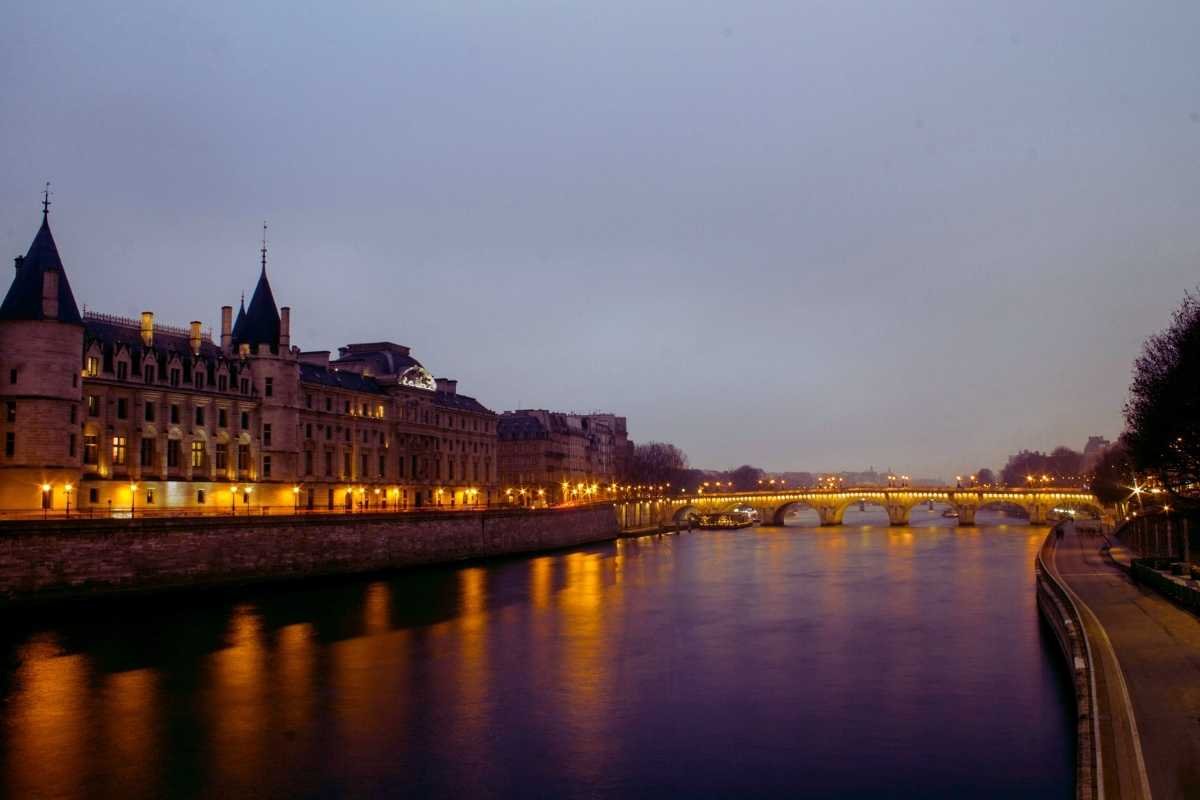
A realistic Paris winter budget depends on more than hotel and museum prices. December and January also change how often you use public transport, how long you stay outdoors, where you eat, and how much you spend simply to stay comfortable.
This guide breaks down the costs that matter most: accommodation, transport, food, attractions, seasonal premiums, and the small winter expenses that are easy to underestimate.
The truth most travelers discover too late is simple: winter does not automatically make Paris cheap. It changes where your money goes. A lower hotel rate can be offset by more Metro rides, longer café stops, indoor attractions, airport transfers, and small comfort purchases that barely exist in a warm-weather itinerary.
December and January should not be budgeted the same way. Christmas and New Year can increase demand sharply, while ordinary January dates often give travelers more flexibility. The goal is to help you choose the winter trip you can comfortably afford rather than chase the lowest possible number.
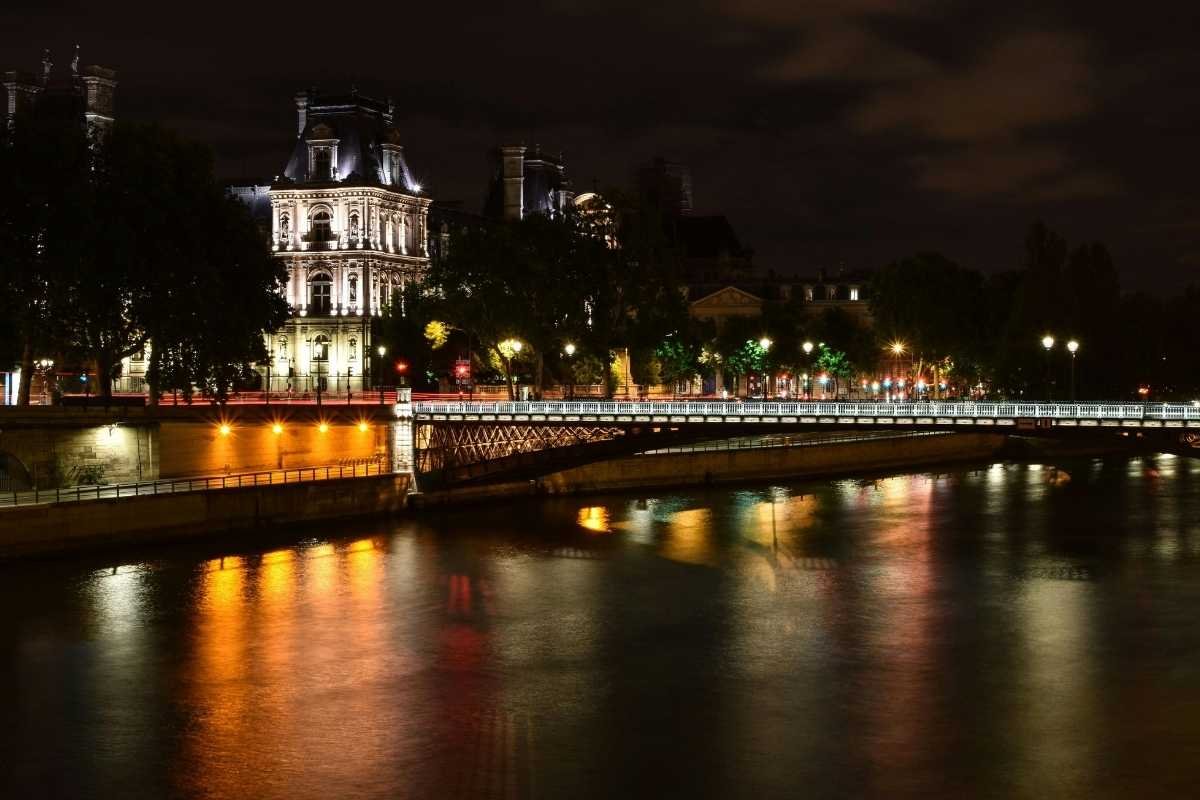
Paris in winter: fewer crowds, softer light, and a budget that behaves differently than in high season.
Quick Answer: How Much Should You Budget for Paris in Winter?
As a rough planning guide, a careful Paris winter budget is around €80–€120 per person per day, a balanced trip is closer to €150–€220, and comfort-focused travel can reach €250+ per day.
These ranges follow the same assumptions used in the budget table below and exclude flights, major shopping, and unusually expensive special events.
Usually easier to budget: ordinary January dates after the holiday period.
Usually more expensive: Christmas week and New Year’s Eve, when accommodation and seasonal experiences can behave very differently from the rest of winter.
December vs January: Which Is Cheaper?
Winter prices in Paris depend heavily on your exact dates. Early December can be relatively calm, but demand rises around Christmas and New Year’s Eve, particularly for centrally located hotels and special-event experiences.
January usually brings a different pattern once the holiday period ends. Travelers who care more about museums, neighborhoods, and everyday Paris than Christmas events may find it easier to control accommodation and activity costs.
Weather also affects spending. Cold or wet days can mean more Metro rides, longer café breaks, and a stronger preference for indoor attractions, so a realistic winter budget should leave room for comfort as well as basic travel costs.

In winter, every extra kilometer you walk or every café you enter is not just about time – it is part of your budget story.
Paris Winter Budget by Travel Style
Use these as planning bands rather than fixed prices. Accommodation dates, room sharing, and paid activities can move the total considerably.
| Travel style | Rough daily planning range | What it usually requires |
|---|---|---|
| Careful budget | €80–€120 | Hostel or shared accommodation, public transport, inexpensive meals, and mostly free or selective paid attractions |
| Balanced | €150–€220 | Room costs shared between two travelers, regular public transport, one sit-down meal, and selected major attractions |
| Comfort-focused | €250+ | Central accommodation, more restaurant meals, taxis, tours, and convenience spending |
These are rough planning examples rather than live quotes. Always compare accommodation for your exact dates before setting the final trip budget.
What Changes Your Winter Budget the Most?
- Your dates: Christmas and New Year can behave very differently from ordinary January weeks.
- Hotel location: a cheaper room far from your plans can increase transport costs and winter travel time.
- Food habits: frequent cafés and unplanned restaurant stops add up quickly in cold weather.
- Paid attractions: museums, tours, cruises, and day trips can become a large share of the daily total.
- Convenience: taxis, transfers, luggage storage, and last-minute bookings often cost more than planning ahead.
For broader planning, see our Paris Budget Guide and Paris transport guide.
Accommodation: The Biggest Winter Expense
Accommodation usually has the greatest influence on your total budget because it is difficult to reduce once the trip begins. Your exact dates and location matter more than chasing a particular star rating.
Holiday demand can push prices higher around Christmas and New Year’s Eve, while ordinary January dates may offer more flexibility. Compare the same neighborhood across several dates before assuming that winter automatically means cheap hotels.
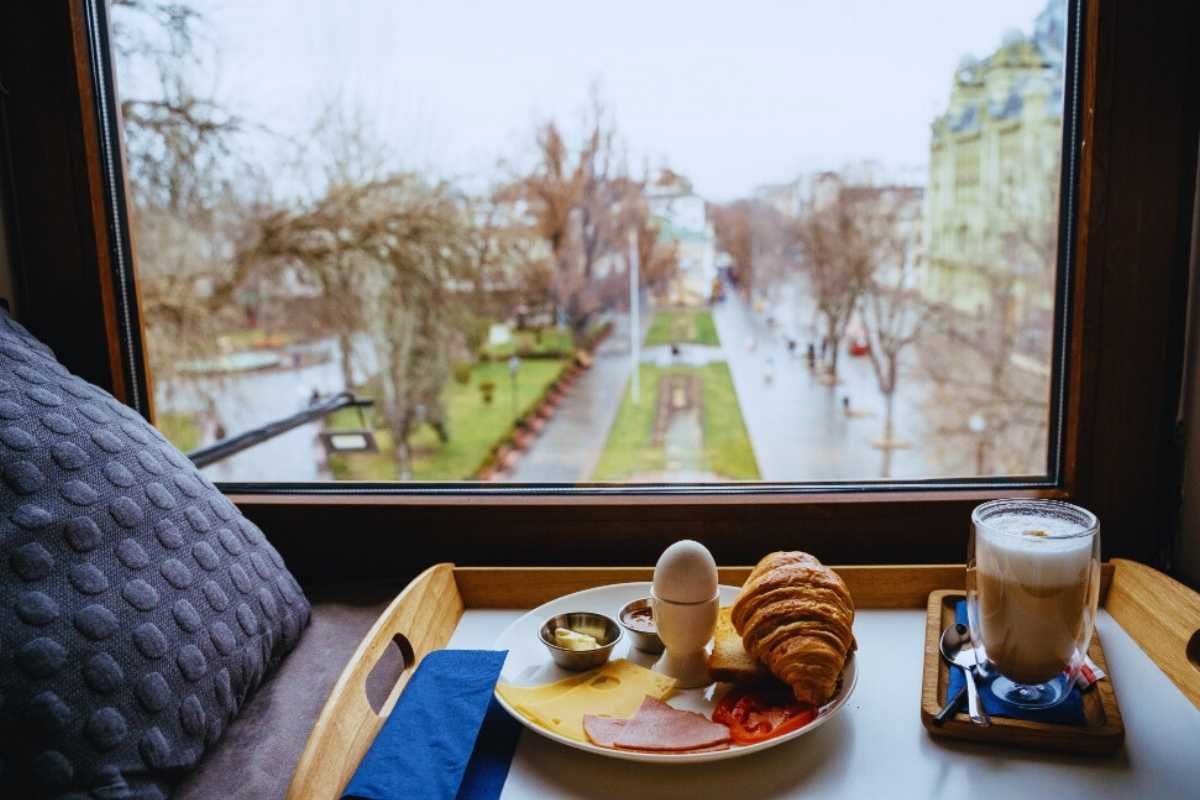
In winter, location and reliable transport access can matter more than unnecessary hotel extras.
A hotel close to a useful Metro line can also reduce long cold walks and make evening plans easier. That can justify paying slightly more for location if the alternative creates extra transport, long transfers, or repeated taxi use.
See our Where to Stay in Paris guide before choosing your area.
Do Not Forget the Paris Tourist Tax
The room rate is not always the final accommodation cost. Paris applies a tourist tax based on the type and classification of accommodation, charged per adult and per night.
For 2026, the official Paris schedule includes approximately:
| Hotel category | 2026 tourist tax per adult / night |
|---|---|
| 2-star | €3.25 |
| 3-star | €5.53 |
| 4-star | €8.45 |
| 5-star | €11.70 |
That difference matters over a longer stay. Always check whether the tourist tax is already included in the amount shown by the booking platform or will be collected separately at the property.
You can verify current rates through the official Paris tourist-tax platform.
When flexibility matters, compare cancellation conditions as carefully as the nightly rate. You can compare Paris hotel options for your exact dates.
Transport Costs in Winter
Cold and wet weather can make public transport more valuable than it feels when planning the trip from home. A realistic winter budget should assume that you may use the Metro or bus more often than during warmer months.
For 2026, the standard Metro–Train–RER ticket costs €2.55, while a Bus–Tram ticket costs €2.05. A dedicated public transport journey between Paris and Charles de Gaulle or Orly Airport costs €14.
Travelers making several journeys in one day can also compare the €12.30 Navigo Day Pass, although airport journeys are excluded. For longer stays, the all-zone Navigo Week costs €32.40, but its calendar-week structure means it does not automatically suit every arrival date.
Do not buy a pass only because it sounds convenient. Estimate how many journeys you expect to make and compare that number with the pass price.
Check the latest rules through Île-de-France Mobilités, then compare the practical options with our How to Get Around Paris guide.
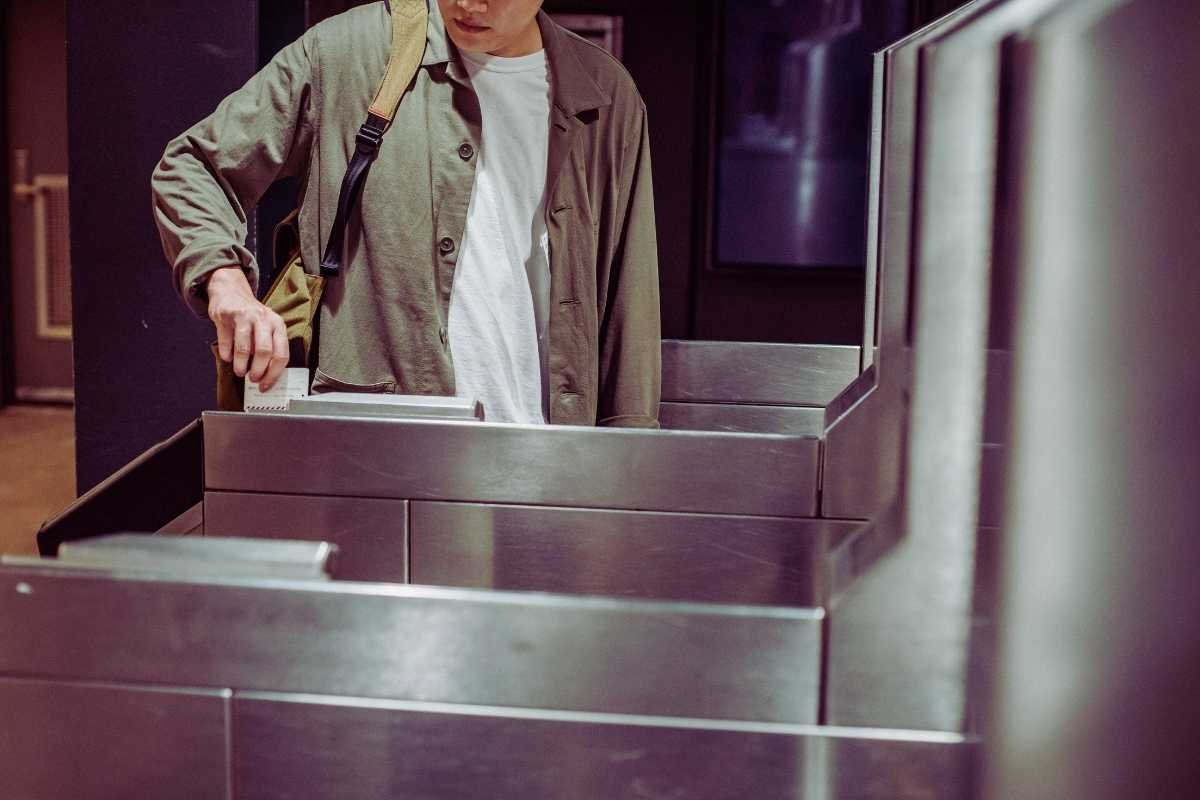
Public transport can protect both your budget and your energy during cold-weather sightseeing.
Airport Transport Deserves Its Own Budget Line
Do not hide the airport journey inside your ordinary daily transport estimate. Arrival and departure can cost much more than a normal Metro journey, especially if you choose a taxi or private transfer.
Compare the public transport option, official taxi cost, and pre-booked transfer before arrival. The best choice depends on your airport, luggage, arrival time, group size, and where you are staying.
Our Paris Airport Transfer Guide explains the main choices. Travelers who prefer a pre-arranged ride can also compare pre-booked transfer options.
Food Costs in Paris During Winter
Cold weather can make food spending less predictable because cafés and restaurants also become places to warm up. The easiest solution is to decide in advance where you will spend more and where you will keep meals simple.
A simple bakery breakfast can often fit around €4–€7, while a neighborhood sit-down lunch is more realistically budgeted around €20–€30 per person. Treat these as rough planning ranges and check current menus in the area where you are staying.

A planned warm lunch can provide both a meal and a useful break from winter sightseeing.
A practical pattern is a simple breakfast, one proper warm meal, and a lighter meal later in the day. Planning one or two special dinners in advance can also prevent tired, last-minute choices in heavily touristed areas.
Christmas markets are best treated as an experience rather than your everyday food plan. Seasonal drinks and snacks are part of the fun, but repeated market meals can raise the daily total quickly.
For more detail, see our Paris Food Guide.
Activities and Attractions: Spend Where It Matters
Winter naturally shifts more sightseeing indoors, which makes museums and major monuments a larger part of the budget. The important question is not how many tickets you can buy, but which paid experiences will add the most value to your trip.
A useful winter strategy is to choose one major paid anchor for a sightseeing day rather than automatically stacking two or three expensive attractions together.
For example, a Louvre morning can be followed by a neighborhood walk, covered passage, café break, or another low-cost activity rather than another large museum immediately afterward. This gives you a warmer indoor anchor without turning every cold day into a high-ticket day.
If you plan several major museums, compare individual admission prices with a pass before buying. A pass only saves money when your actual itinerary uses it enough.

Museums become natural anchors for cold or wet winter sightseeing days.
You can compare Paris Museum Pass options, but check the attractions you genuinely plan to visit before purchasing.
Outdoor attractions need different planning. For the Eiffel Tower, a timed booking can reduce unnecessary waiting outdoors; see our Eiffel Tower guide.
How to Lower a Paris Winter Budget Without Making the Trip Worse
The most effective savings usually come from changing the structure of the trip rather than removing everything enjoyable.
Group Sightseeing by Neighborhood
Moving repeatedly between distant parts of Paris wastes time and can increase transport or taxi spending. A day focused on one area usually gives you more useful sightseeing with fewer paid transitions.
Choose Where Comfort Is Worth Paying For
A slightly better hotel location may save more than a cheaper room that requires inconvenient journeys every morning and night. The same logic applies to food: one planned warm meal can be better value than several random café stops caused by cold and fatigue.
Mix Paid Anchors With Low-Cost Time
Not every hour needs a ticket. Neighborhood walks, covered passages, markets, architecture, churches, river views, and window-shopping can fill the space between paid attractions when the weather cooperates.
Do Not Prepay Everything
Advance booking is useful when a popular attraction requires a timed entry or when availability matters. It is less useful when it removes all flexibility from a winter itinerary. Leave enough space to change a day if rain, cold, or fatigue makes the original plan unattractive.
TripsCity Insight: A good winter budget does not eliminate comfort. It decides in advance which comforts are worth paying for and prevents the rest from becoming accidental spending.
Hidden Winter Costs to Budget For
Small expenses rarely destroy a Paris budget individually. The problem is repetition.
- Accommodation taxes: check whether local taxes are included in the displayed hotel total or collected separately.
- Luggage and storage: lockers or storage services can add unexpected costs on arrival and departure days.
- Extra winter clothing: forgotten gloves, socks, umbrellas, or water-resistant footwear can become expensive purchases when you need them immediately.
- Unplanned transport: bad weather can turn a planned walk into an extra ride or taxi.
- Warm-up spending: one unplanned coffee is minor, but repeated café stops can become a real daily budget category.
- Last-minute indoor activities: cold or heavy rain can tempt you to buy attraction tickets that were never part of the original plan.
- Poor last-minute decisions: unofficial taxis, tourist-trap restaurants, and rushed bookings often cost more than simple advance planning.
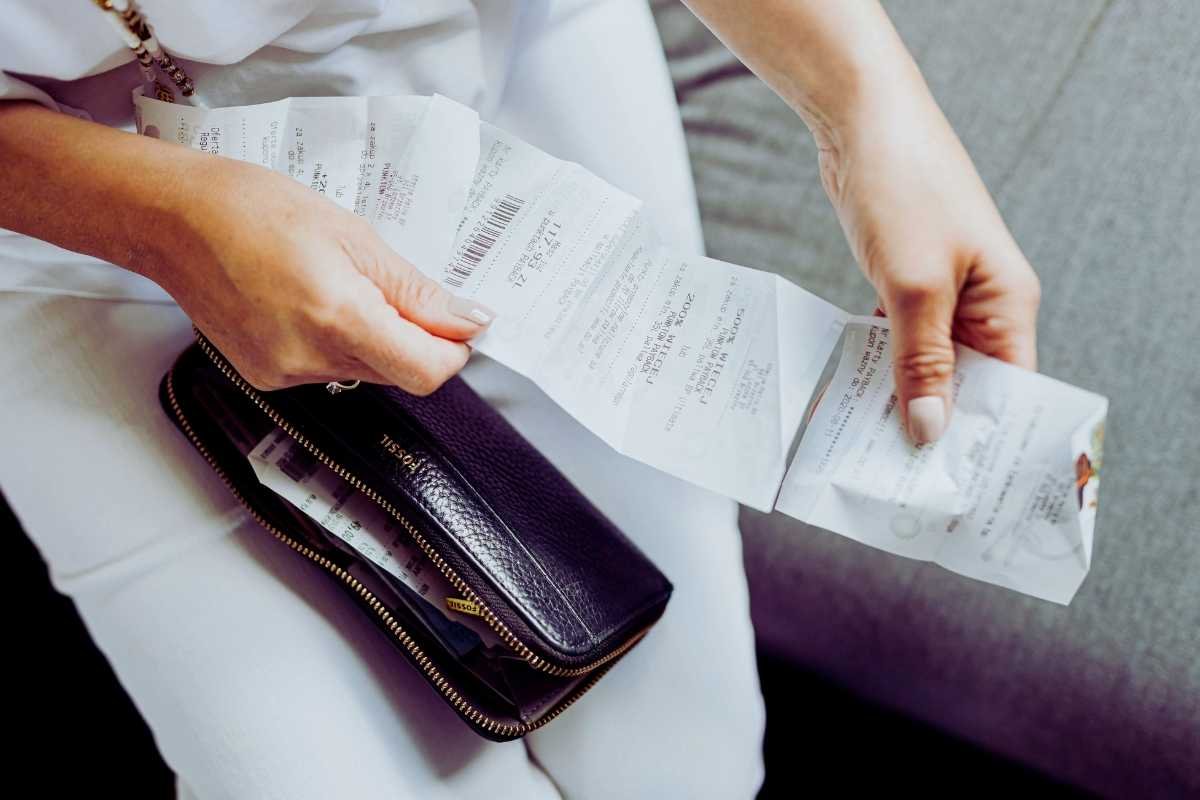
Small repeated expenses can matter more than one obvious splurge.
Keep a small daily buffer instead of trying to predict every euro. If that buffer is not needed, it stays in your pocket. If the weather changes your plans, you can adapt without feeling that one taxi or warm indoor stop has broken the entire trip budget.
Our Paris Safety Guide and Airport Transfer Guide can also help prevent avoidable spending mistakes.
Paris Winter Budget FAQ
Is Paris cheaper in January than December?
Often, especially after the holiday period. Christmas and New Year can increase accommodation and event demand, while ordinary January dates may give travelers more flexibility. Always compare your exact dates.
Can you visit Paris in winter on a low budget?
Yes, but a low-budget trip requires clear trade-offs: simpler accommodation, public transport, inexpensive meals, free attractions, and selective paid sights rather than frequent tours and restaurant meals.
What usually costs the most on a winter Paris trip?
Accommodation is usually the largest fixed cost. Your exact dates and hotel location can have a greater effect on the total than small savings on meals or individual Metro rides.
Does cold weather increase travel costs in Paris?
It can. Travelers may use public transport more often, spend additional time in cafés or indoor attractions, and pay for convenience when long outdoor walks become uncomfortable.
Are museums good value in winter?
They can be, especially when they become substantial parts of cold or wet sightseeing days. A museum pass only makes financial sense if your planned attractions justify its cost.
Are Christmas markets and New Year’s Eve worth the extra cost?
They can be if those experiences are central to your trip. Treat seasonal events as a dedicated budget category rather than expecting them to fit into an ordinary daily spending plan.
Final Verdict: Building a Realistic Paris Winter Budget
Paris in winter is not automatically cheap. Your dates, accommodation, transport habits, food choices, and paid attractions matter far more than the season alone.
The strongest budget is not the lowest possible number. It is one that leaves enough room for the winter conditions you are actually likely to experience: more transport, warm breaks, indoor activities, and occasional convenience spending.
If saving money is the priority, compare non-holiday January dates first. If Christmas or New Year is the reason for the trip, budget for that seasonal premium intentionally rather than treating it as an unexpected expense.
Plan the largest costs before arrival, leave a modest buffer for the small ones, and spend more on the experiences that actually define the trip you want.