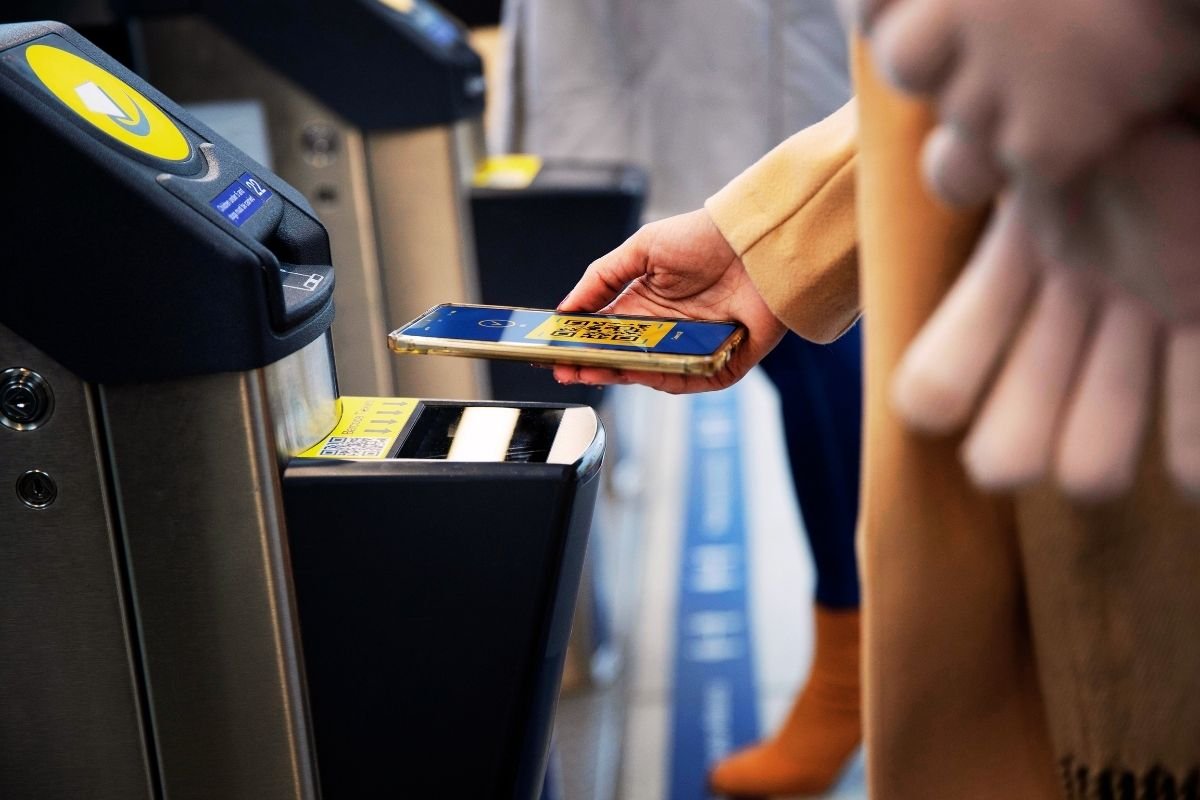
London public transport costs in 2026 are easier to control than they first appear. For most visitors staying in central London, the number to remember is £8.90: that is the adult pay-as-you-go daily cap for Zones 1–2.
If your sightseeing spreads farther out, the daily cap rises to £10.50 for Zones 1–3, £12.80 for Zones 1–4, and £16.30 for Zones 1–6. Bus and tram travel has a separate daily cap of £5.25.
That means you usually do not need to calculate every Tube ride before leaving your hotel. Use the same contactless card, phone or Oyster card consistently, touch in and out correctly, and TfL automatically applies the relevant cap as you travel.
The expensive mistakes happen when visitors mix payment methods, forget to touch out, misunderstand zones, or buy a pass before knowing how much they will actually travel.
This guide explains the real 2026 fares first, then shows how Oyster, contactless, daily caps, buses and Travelcards change what you actually pay.
This guide is TripsCity-style on purpose: not a cute list of ticket types, but the actual system that controls what you pay, where you accidentally overpay, and how to build a transport habit that keeps your days calm.
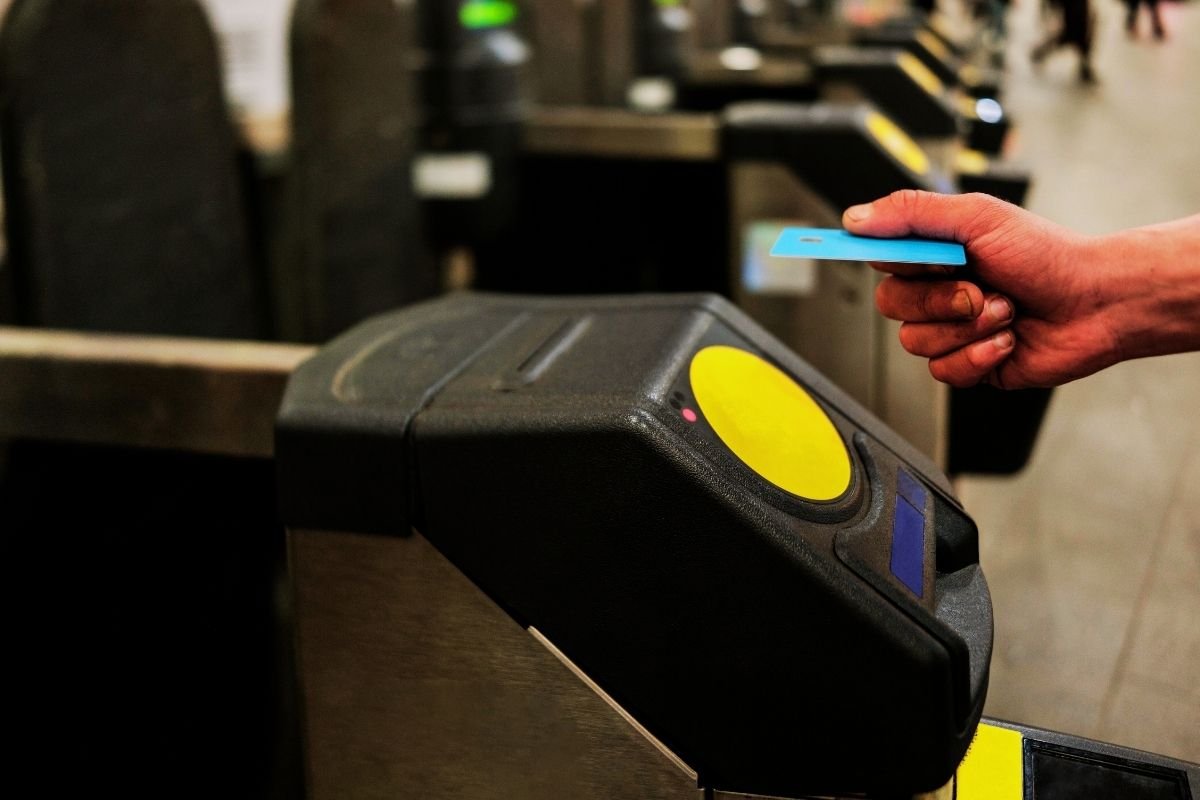
A London gate is where most “cost mistakes” begin: one inconsistent payment or one incomplete journey can break capping and trigger extra charges.
London Public Transport Costs in 2026: Quick Answer
For most adult visitors using pay as you go, these are the numbers that matter most:
| Travel area | 2026 daily cap | Monday–Sunday cap |
|---|---|---|
| Zones 1–2 | £8.90 | £44.70 |
| Zones 1–3 | £10.50 | £52.50 |
| Zones 1–4 | £12.80 | £64.20 |
| Zones 1–5 | £15.30 | £76.40 |
| Zones 1–6 | £16.30 | £81.60 |
| Bus and tram only | £5.25 | £24.70 |
Most first-time sightseeing itineraries remain mainly inside Zones 1–2, so £8.90 per adult per day is the most useful starting point for a central London transport budget.
You do not need to buy a special daily ticket to receive the cap. It is applied automatically when you use the same eligible pay-as-you-go payment method throughout the transport day.
TripsCity Insight: Think in daily caps first and individual fares second. That gives you a much more realistic London transport budget.
For broader trip planning, see our Complete Travel Guide to London, including where to stay, how to structure sightseeing days and how transport fits into the bigger itinerary.
London Public Transport Costs: Tube, Bus and Daily Cap Prices
The simplest way to understand London public transport costs in 2026 is to compare individual pay-as-you-go fares with the daily cap you may reach on a busier sightseeing day.
| Journey or limit | Peak | Off-peak |
|---|---|---|
| Zone 1 Tube journey | £3.10 | £3.00 |
| Zones 1–2 Tube journey | £3.60 | £3.10 |
| Zones 1–3 Tube journey | £3.90 | £3.30 |
| Zones 1–4 Tube journey | £4.80 | £3.60 |
| Zones 1–5 Tube journey | £5.30 | £3.80 |
| Zones 1–6 Tube journey | £5.90 | £4.00 |
| Bus or tram Hopper fare | £1.75 | |
| Zones 1–2 daily cap | £8.90 | |
| Bus and tram daily cap | £5.25 | |
This is why the daily cap matters. Two or three central London rail journeys can already account for much of the £8.90 Zones 1–2 daily cap, while visitors making only one or two journeys may spend less than the cap.
Peak and off-peak pricing matters most when you do not travel enough to reach a cap. For a full sightseeing day with several journeys, the relevant daily cap is usually the easier number to use when building your budget.
Always check official TfL fare information close to your travel date because fares and rules can change.
London Daily Caps in 2026: Oyster and Contactless
A daily cap is the maximum amount TfL normally charges for eligible pay-as-you-go journeys within the zones you use during one transport day.
- Zones 1–2: £8.90 per day
- Travel across Zones 1–3: £10.50 per day
- For Zones 1–4: £12.80 per day
- Zones 1–5: £15.30 per day
- Travel across Zones 1–6: £16.30 per day
- Bus and tram only: £5.25 per day
The TfL transport day runs from 04:30 until 04:29 the following morning, rather than resetting at midnight.
Oyster and contactless both use capping, but you must use the same payment identity throughout your journeys if you want TfL to calculate the cap correctly.
A physical bank card and the same card stored on your phone or smartwatch can be treated as different payment devices.
On the Tube, DLR, London Overground, Elizabeth line and rail services, touch in at the start and touch out at the end. On buses and trams, you normally touch in only.
TripsCity Insight: If you stay mainly in central London, budget around the £8.90 Zones 1–2 cap instead of trying to calculate every Tube ride separately.
London Public Transport Costs: Oyster vs Contactless vs Travelcard
For most adult visitors, contactless and Oyster pay as you go use the same basic fare and capping system. The better option therefore depends more on convenience and your personal situation than on a dramatically different fare.
Contactless
Contactless is usually the easiest option if your bank card, phone or smartwatch works in the UK without expensive foreign transaction fees. You touch in and out and TfL calculates the appropriate fare automatically.
The important rule is consistency: if you start with your physical card, keep using that card. If you start with your phone, keep using your phone.
Oyster
Oyster is useful if you do not want to use your bank card for every journey, if your foreign card is unreliable, or if you qualify for a discount that needs to be loaded onto an Oyster card.
Each adult traveller needs their own Oyster card or contactless payment method.
Travelcard
A Travelcard can make sense for travellers with a fixed and consistently heavy travel pattern, but short-stay visitors should compare its price with pay-as-you-go capping before buying.
For example, the Monday–Sunday cap for Zones 1–2 is £44.70. A visitor who travels less on some days may spend less with pay as you go.
Best default for most visitors: use one contactless payment method consistently unless you have a specific reason to choose Oyster.
For route planning, interchange advice and a fuller breakdown of Tube, bus, Oyster and contactless travel, see our How to Get Around London guide.
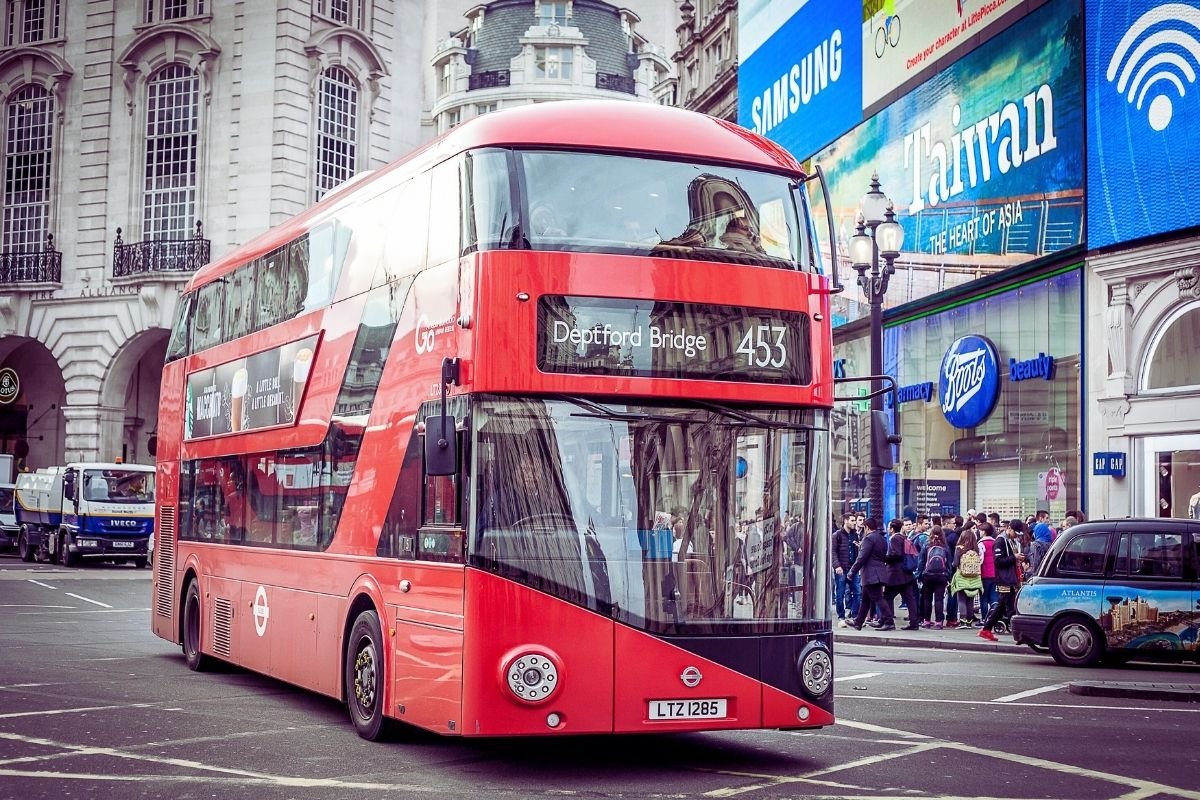
Buses are often the calm option when you’re tired. But the real win is using them inside the cap logic, not as a panic alternative.
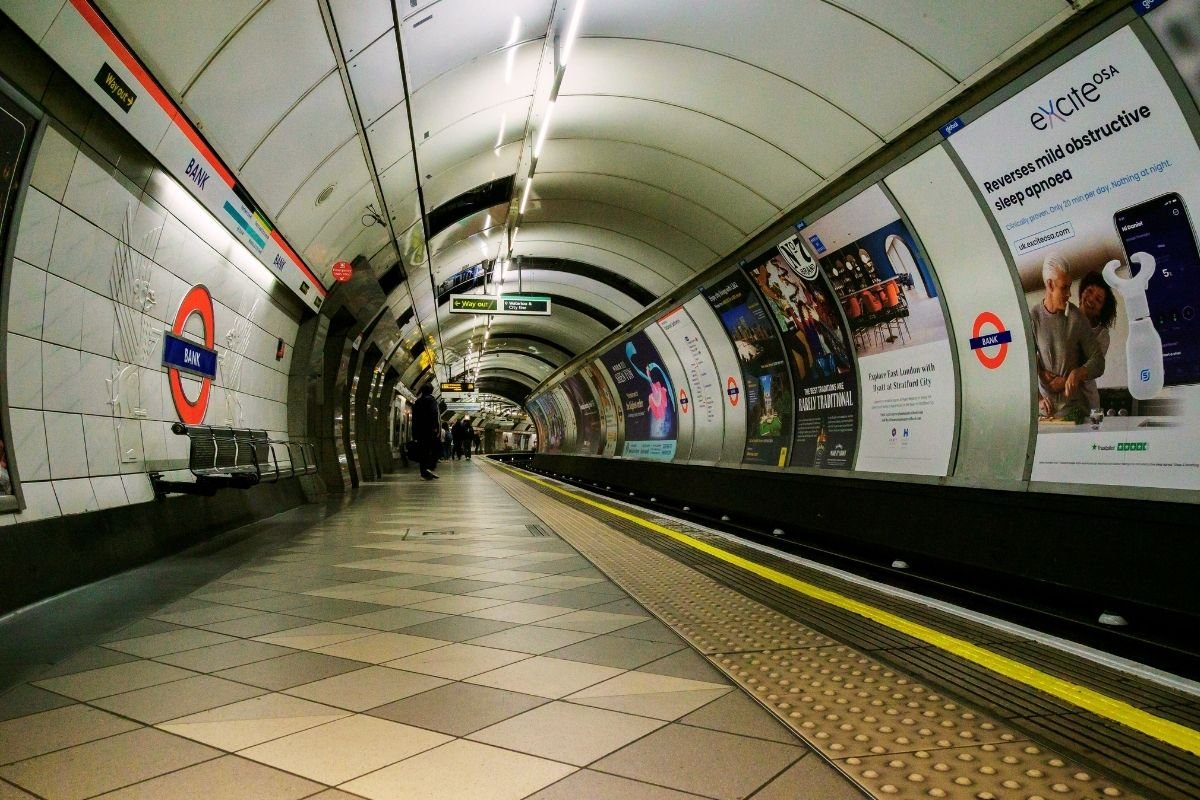
In London, the expensive part is rarely the train. It’s the interchange: extra walking, missed connections, and the tired decisions that follow.
London Public Transport Costs: Which Option Fits Your Trip?
First-Time Visitors
If you are staying in or near central London and sightseeing mainly across Zones 1–2, pay as you go with contactless or Oyster is usually the simplest choice. The £8.90 daily cap gives you a predictable ceiling on busy sightseeing days.
Budget Travellers
Buses can be particularly useful on low-cost travel days. The standard Hopper fare is £1.75, while the bus and tram daily cap is £5.25.
If your itinerary works well by bus, a bus-heavy day can cost substantially less than repeatedly travelling by rail across several zones.
Families
Do not automatically assume every family member needs the same adult ticket setup. Children may qualify for free or discounted travel depending on their age and the service used.
Check TfL’s current child fare rules before buying adult-style passes for everyone. Families still choosing a base can also compare calmer, lower-friction neighborhoods in our Best Areas to Stay in London for Families guide.
Visitors Staying Five to Seven Days
Weekly capping becomes more relevant on longer trips. For Zones 1–2, the Monday–Sunday cap is £44.70.
The Monday–Sunday rule is important because weekly capping is not simply a rolling seven-day limit.
Visitors Going Beyond Central London
If you regularly travel into Zones 3–6, build your transport budget around the higher zonal cap rather than assuming every sightseeing day will remain at the Zones 1–2 rate. This matters especially for hotels farther from central London or itineraries that include outer-zone attractions.

When your brain is tired, the best “cost decision” is often the calm decision. Buses keep you moving without the interchange tax.
London Public Transport Costs (2026): The Mistakes That Quietly Break Capping
This is the section that actually saves money, because it targets what tourists do wrong in real life—not what they “should” do on paper.
Mistake 1: Mixing payment identities.
Phone in the morning, card in the evening, watch “just once.” Your brain thinks it’s the same bank. London’s system prices by the same identity. Mix it and you can break the “one-day logic” you thought you were using.
Mistake 2: Incomplete journeys on rail.
If you don’t tap out, the system can’t price properly and you can be charged as if you took the most expensive version of that journey. This happens most on tired evenings when you stop paying attention.
Mistake 3: Planning by attractions instead of clusters.
When your day is scattered, your transport becomes scattered. Even if you’re capped, you end the day exhausted—then you spend on repairs (food you didn’t plan, extra rides, paid shortcuts).
Mistake 4: Buying a pass before you’ve chosen your base.
A pass can be fine in the right situation. But buying it before base choice often creates “movement pressure.” You move because you paid, not because the day is logical. That’s how London becomes tiring, even when it’s “covered.”
Mistake 5: Treating the bus as a last-resort panic option.
Buses work best when they’re planned as part of your system, not used as emotional rescue after a bad interchange.
When a Fixed-Price Airport Transfer Can Make Sense
Public transport is usually the cheaper way to reach central London from the airport, but cheapest is not always the only consideration after a flight.
A fixed-price transfer can make sense if you arrive late, travel with young children or heavy luggage, have limited mobility, or simply want a door-to-door journey without learning the transport network immediately after landing.
Compare the transfer price with your rail option before booking. The advantage here is convenience and predictability, not a claim that private transport is cheaper than public transport.
Check a fixed-price London airport transfer
London Public Transport Costs: How Much Should You Budget?
For most visitors, London public transport costs are easiest to budget when sightseeing stays mainly inside Zones 1–2. The £8.90 daily cap gives you a simple maximum-style transport budget for a busy central London day.
| Trip length | Maximum-style Zones 1–2 budget | What many visitors actually pay |
|---|---|---|
| 3 sightseeing days | Up to £26.70 | Often lower if one day involves little transport |
| 5 sightseeing days | Up to £44.50 | Very close to the weekly Zones 1–2 cap |
| 7 days within one Monday–Sunday period | Up to £44.70 | Weekly capping becomes more important |
These figures do not mean you automatically pay the full cap every day. Instead, TfL charges individual fares until your eligible journeys reach the relevant cap.
If you make only one or two journeys, you may spend less.
Airport travel and days spent outside central London should be calculated separately because they can change the zones and fares involved.
Simple budgeting rule: for a busy central sightseeing day, use £8.90 as your adult Zones 1–2 ceiling. For quieter days, expect to pay less. To place transport inside your full daily spending plan, see our London Budget Guide, which breaks down accommodation, food, attractions, transport and repair spending together.
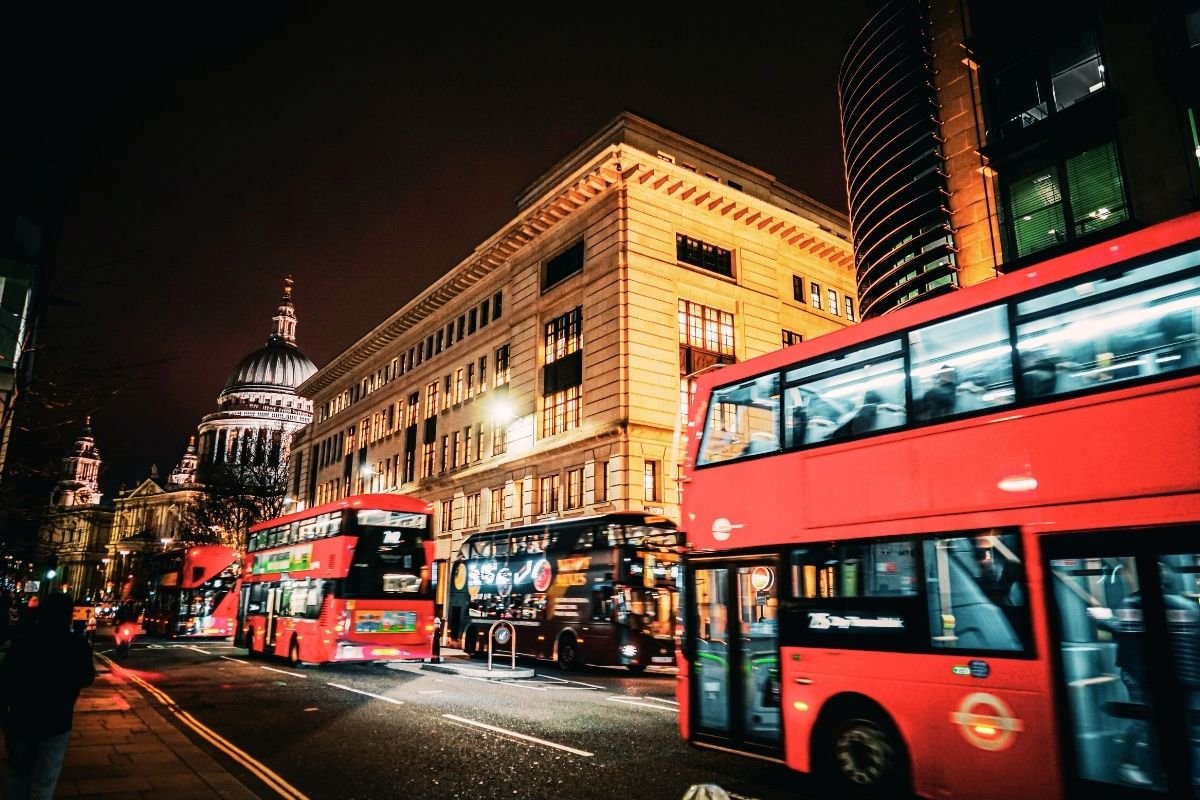
The cheapest transport day is often the calmest one: fewer changes, more buses, and no repair spending.
Heathrow and London Public Transport Costs: Why Day 1 Feels Wrong
Most London transport budgets feel wrong for one reason: airport travel distorts the first and last day.
On normal sightseeing days, capping makes costs feel controlled. Airport days are different. You’re tired. Bags make every connection more awkward, and the temptation to choose the quickest option gets stronger. That makes it easier to spend more simply to end the friction. And airport journeys often sit outside the mental model tourists use for “daily travel.”
TripsCity rule: treat airport travel as a separate line item, not part of your “daily cap comfort.” Even if the system caps you later, the airport journey is still the moment most visitors feel the money shock.
Also: airport pricing can change. Don’t build a 2026 budget from a random blog number you saw once. Use official TfL pages close to your date, especially for Heathrow journeys and zone rules.
Official TfL sources: Because London fares can change, verify prices close to your travel date using TfL’s official pages:
What London Transport Caps Do Not Cover
Daily and weekly caps make eligible TfL travel much easier to budget, but they do not mean that every form of transport in London becomes free once you reach your cap.
Services and costs outside normal capping can include Heathrow Express, London River Bus services, the London Cable Car, taxis and private transfers. These should be treated as separate items in your trip budget.
You can also create extra costs through incomplete rail journeys. If you fail to touch in or touch out correctly, TfL may be unable to calculate the correct journey fare and a maximum fare can apply.
TripsCity Insight: Use the daily cap to budget normal sightseeing travel, then keep airport expresses, river transport, taxis and other special journeys in a separate transport allowance.
The Practical Planning Order (So Costs Stay Predictable)
London gets expensive when you decide in the wrong order. Here is the order that makes costs behave:
1) Choose your base first. A base that forces multiple changes every morning is a daily cost pattern, not an inconvenience. If your base is wrong, every “cap” day still feels exhausting, and exhaustion is what triggers overspending. If you have not chosen your area yet, use our Where to Stay in London guide to compare bases by transport simplicity, daily friction and return time.
2) Commit to one payment identity. One card OR one phone OR one Oyster. Keep it consistent. London caps disciplined travellers. It penalises mixed tokens.
3) Build days by clusters. One main area per day plus a nearby secondary. When you cluster, you reduce interchanges. Fewer interchanges mean less fatigue. And when fatigue drops, you stop buying repairs.
4) Design one bus-heavy day on purpose. Not as a failure. As a strategy. A bus-heavy day keeps you moving above ground when your brain doesn’t want stations anymore.
5) Separate airport travel from daily rhythm. Treat it as a distortion line item. Plan it cleanly. Airport chaos is where tourists lose discipline first.
The One-Minute Audit That Prevents “Why Did I Pay So Much?”
Most people only notice problems when the trip is over. Do this quick audit once per day (it takes one minute):
• Same payment identity all day? If not, tomorrow becomes “discipline day.”
• Any rail journey without a clear tap-out? A missed tap-out means you should expect a mess and tighten behaviour.
• Did you cross the city twice? That’s not transport—it’s planning. Fix tomorrow’s cluster.
• Was a taxi necessary because you were tired? If yes, tomorrow needs a bus-heavy recovery plan.
This is not obsessive. This is how you stop London from turning into a silent leak.

The cheapest London movement is usually the most structured: cluster days reduce interchanges, and fewer interchanges reduce repair spending.
London Transport Costs: The Bottom Line
For most first-time visitors staying mainly in central London, the simplest 2026 transport plan is pay as you go with one consistent Oyster card or contactless payment method.
Remember three numbers: £8.90 for the Zones 1–2 daily cap, £5.25 for the bus and tram daily cap, and £44.70 for the Zones 1–2 Monday–Sunday cap.
You may spend less on quieter days because TfL charges individual fares until you reach the relevant cap. Trips into outer zones, airport journeys and services outside normal capping should be budgeted separately.
Therefore, for most visitors, there is no need to hunt for a complicated transport pass. Understand your zones, use the same payment method consistently, touch in and out correctly, and let TfL’s capping system do most of the calculation for you.
London Public Transport Costs FAQ
What is the London daily cap for Zones 1–2 in 2026?
The adult pay-as-you-go daily cap for Zones 1–2 is £8.90. Once eligible journeys reach the cap during the same transport day, further eligible travel within those zones normally does not increase your charge.
What is the London bus daily cap in 2026?
The adult bus and tram daily cap is £5.25. The standard Hopper fare is £1.75.
Is Oyster cheaper than contactless in London?
For most adult visitors using standard pay-as-you-go travel, Oyster and contactless use the same basic fare and capping structure. Contactless is generally easier unless you need an Oyster-specific discount or prefer not to use a bank card.
What is the weekly cap for Zones 1–2?
The adult Monday–Sunday pay-as-you-go cap for Zones 1–2 is £44.70.
When does the London daily cap reset?
The TfL transport day runs from 04:30 to 04:29 the following morning, rather than midnight to midnight.
Can I use my phone and physical bank card on the same day?
You should avoid switching between them if you want all journeys to count toward the same cap. A physical card and the same card stored on a phone or smartwatch can be treated as different payment devices.
Do I touch out on London buses?
No. Buses and trams normally require you to touch in only. For the Tube, DLR, London Overground, Elizabeth line and most rail journeys using pay as you go, touch in at the start and touch out at the end.
How much should I budget per day for transport in central London?
For a busy adult sightseeing day mainly inside Zones 1–2, £8.90 is the most useful maximum-style budget because it matches the daily cap. If you make only one or two journeys, you may spend less.