
This London Budget Guide 2026 estimates roughly £110–£205 per person per day for a budget-conscious trip, around £180–£325 for a balanced first-time visit, and about £270–£490 for a more comfortable travel style. These planning ranges include accommodation, food, local transport, average sightseeing costs and a small flexible buffer, but not flights to London.
Your actual total depends most on accommodation and paid attractions. Transport is usually a smaller part of the budget. Meanwhile, London’s free museums, parks, markets and walkable neighborhoods make it possible to balance expensive sightseeing days with much cheaper ones.
| Travel style | Per person / day | 3 days | 5 days | 7 days |
|---|---|---|---|---|
| Budget-conscious | £110–£205 | £330–£615 | £550–£1,025 | £770–£1,435 |
| Balanced first trip | £180–£325 | £540–£975 | £900–£1,625 | £1,260–£2,275 |
| Comfort-focused | £270–£490 | £810–£1,470 | £1,350–£2,450 | £1,890–£3,430 |
These are broad planning ranges built from the main daily cost categories below. Hotel rates, major events, school holidays, theatre tickets and the number of paid attractions can still move the final cost significantly.
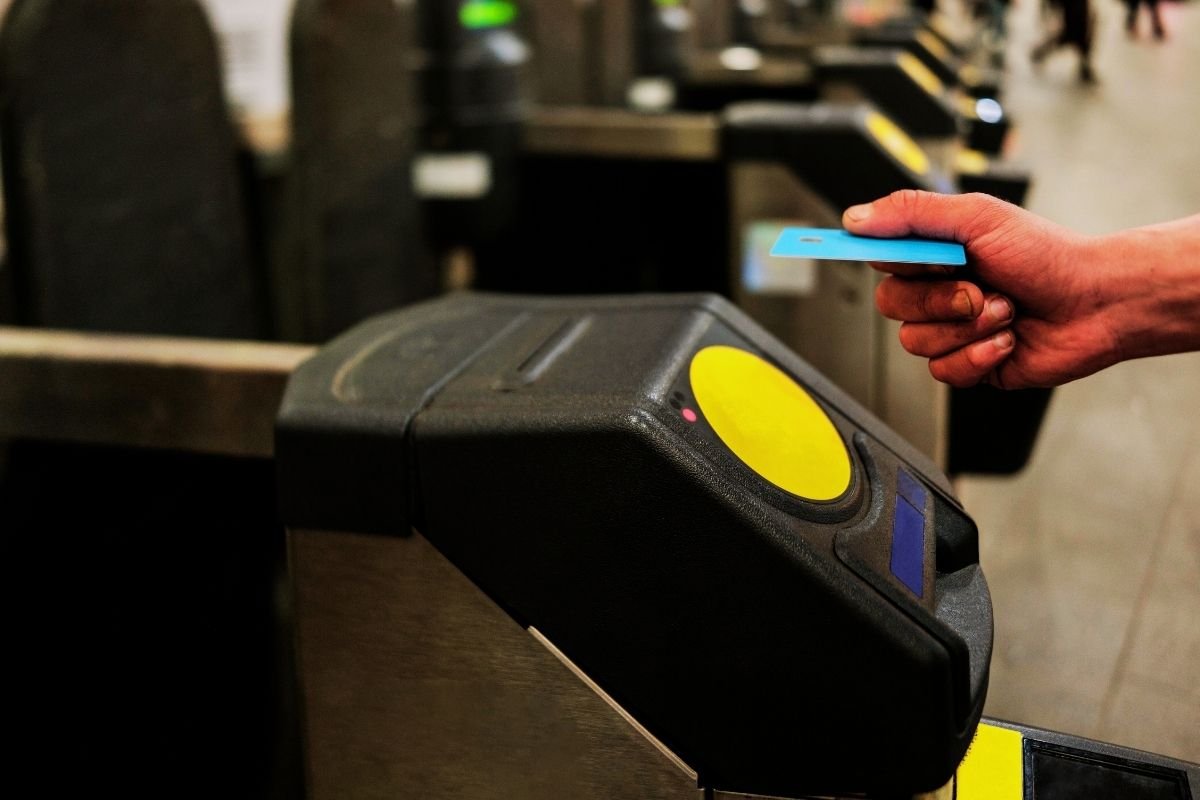
Transport is usually one of the more predictable parts of a London budget when you use the same payment method consistently.
London Budget Guide 2026: What Your Daily Budget Needs to Cover
A useful London budget has five parts: accommodation, food, transport, paid sightseeing and flexible spending. Four are relatively straightforward to estimate. However, flexible spending is the category travelers most often forget.
| Cost | Budget-conscious | Balanced | Comfort-focused |
|---|---|---|---|
| Accommodation per person | £70–£120 | £110–£190 | £170–£280 |
| Food | £20–£35 | £30–£55 | £45–£85 |
| Local transport | £6–£12 | £8–£15 | £10–£20 |
| Average paid sightseeing | £10–£25 | £20–£45 | £30–£70 |
| Flexible buffer | £5–£12 | £10–£20 | £15–£35 |
TripsCity Insight: Keep a small flexible buffer for an extra ride, an unexpectedly expensive meal or a convenience purchase on a tiring day. We call this “repair spending.” It is useful as a buffer, but it should not become the whole budget strategy.
London Budget Guide 2026: Accommodation Costs
Accommodation is usually the biggest variable in a London budget. A cheaper room can save a substantial amount, but location still matters. A hotel that requires awkward daily journeys can add time and transport complexity to every sightseeing day.
You do not need to stay beside Big Ben or Covent Garden. Instead, look for a property with straightforward access to the Underground, Elizabeth line, major rail connections or the sightseeing areas you expect to use most.
Before booking, compare the nightly saving with the actual journey from the hotel to your likely sightseeing areas. As a result, a slightly more expensive room with a direct route can sometimes be better value than the cheapest room on the map.
If you are still deciding which part of the city makes sense for your trip, our Where to Stay in London guide compares different bases with location and daily travel in mind.
You can also compare London hotels by price, neighborhood and transport access.
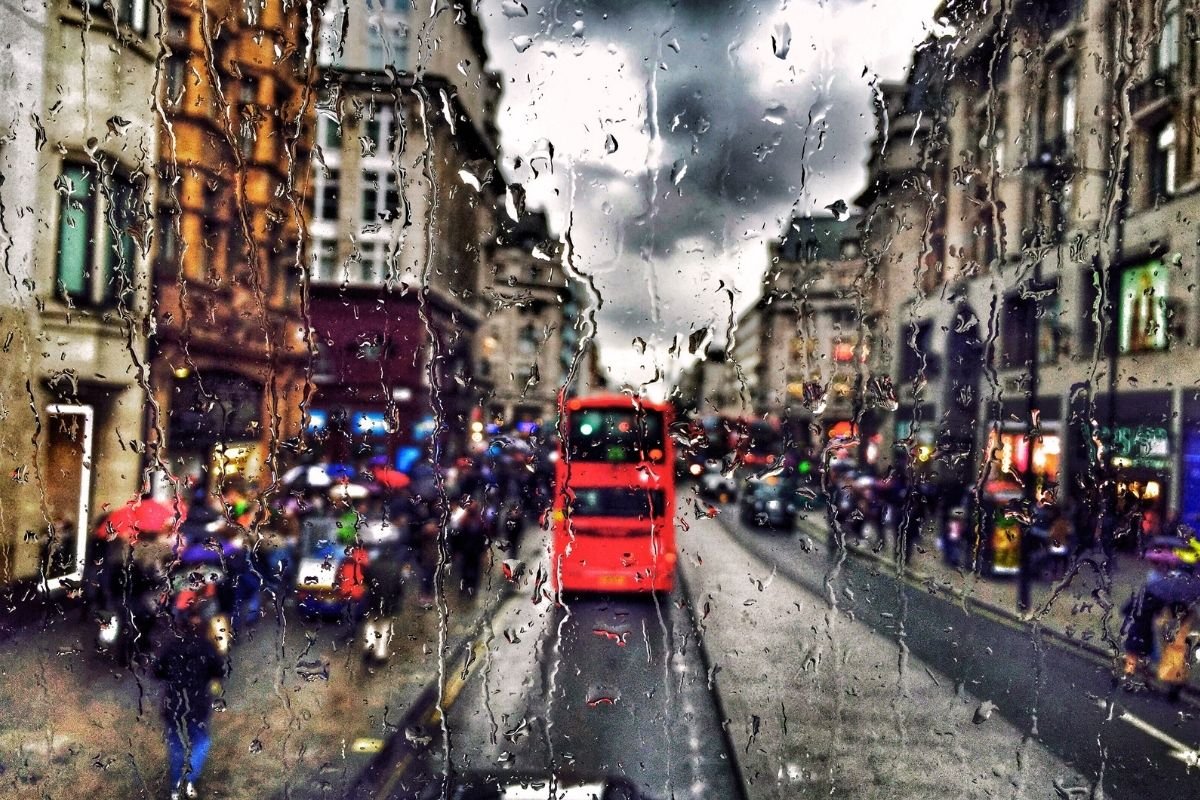
A well-connected hotel can make bad-weather days easier without requiring an expensive central address.
London Budget Guide 2026: Transport Costs
Transport is important, but it is rarely the largest part of a London trip budget. In fact, visitors who spend most of their time in central areas can normally keep daily movement much more predictable than accommodation or attraction costs.
The key rule is to use the same eligible contactless card, device or Oyster card consistently. Otherwise, mixing payment methods can interfere with journey matching and capping.
London fares and caps can change, so use the official TfL fare finder when you need a current journey price.
For the full explanation of daily caps, Oyster, contactless and fare rules, see our London Public Transport Costs guide. For practical route planning and interchange advice, our How to Get Around London guide covers the movement side in more detail.
Food and Attraction Costs | London Budget Guide 2026
Food spending changes quickly with travel style. A budget-conscious visitor using supermarkets, bakeries, markets and casual meals can keep costs relatively low. However, sit-down restaurants, drinks and several restaurant meals a day move the total upward much faster.
Paid sightseeing works in a similar way. London has enough free museums, parks and neighborhoods that you do not need a paid attraction every few hours. Therefore, decide which experiences matter enough to buy, then let free sightseeing fill part of the itinerary.
This is one reason daily budgets should be treated as a range rather than a fixed number. One day may include an expensive attraction and dinner. Another might consist mostly of a free museum, neighborhood walking and public transport.
TripsCity Insight: Do not judge a London hotel or attraction only by its individual price. Look at what it does to the rest of the day. The best-value choice is often the one that prevents several smaller costs later.
London Budget by Traveler Type
The same daily budget does not work equally well for a solo traveler, a couple or a family. For example, accommodation sharing, food choices, children’s needs and the value of convenience can change the numbers significantly.
| Traveler type | Useful planning range | Main budget pressure |
|---|---|---|
| Budget traveler | £110–£205 per person/day | Accommodation and paid sightseeing |
| Balanced couple | £180–£325 per person/day | Hotel, dining and shared paid experiences |
| Family: 2 adults + 1 child | About £360–£620 per family/day | Accommodation, food, convenience and attractions |
| Comfort-focused traveler | £270–£490 per person/day | Central accommodation, dining and convenience |
London Budget Tips for Couples
Couples can share accommodation costs, but restaurants, theatre and paid experiences can raise the daily total quickly. Therefore, decide which evenings or attractions deserve the higher spend instead of treating every day as a special-occasion day.
A simple way to control the budget is to group sightseeing geographically. As a result, this leaves room for spontaneous stops without repeatedly crossing London or rushing between reservations.
London Budget Tips for Families
Families should budget for convenience as well as tickets. Snacks, easier routes, occasional taxis and the need to return to the hotel can matter more than saving a few pounds on an individual attraction.
Choose shorter sightseeing blocks and avoid stacking several timed attractions on the same day. In addition, London’s free museums and parks give families flexibility without another admission cost.
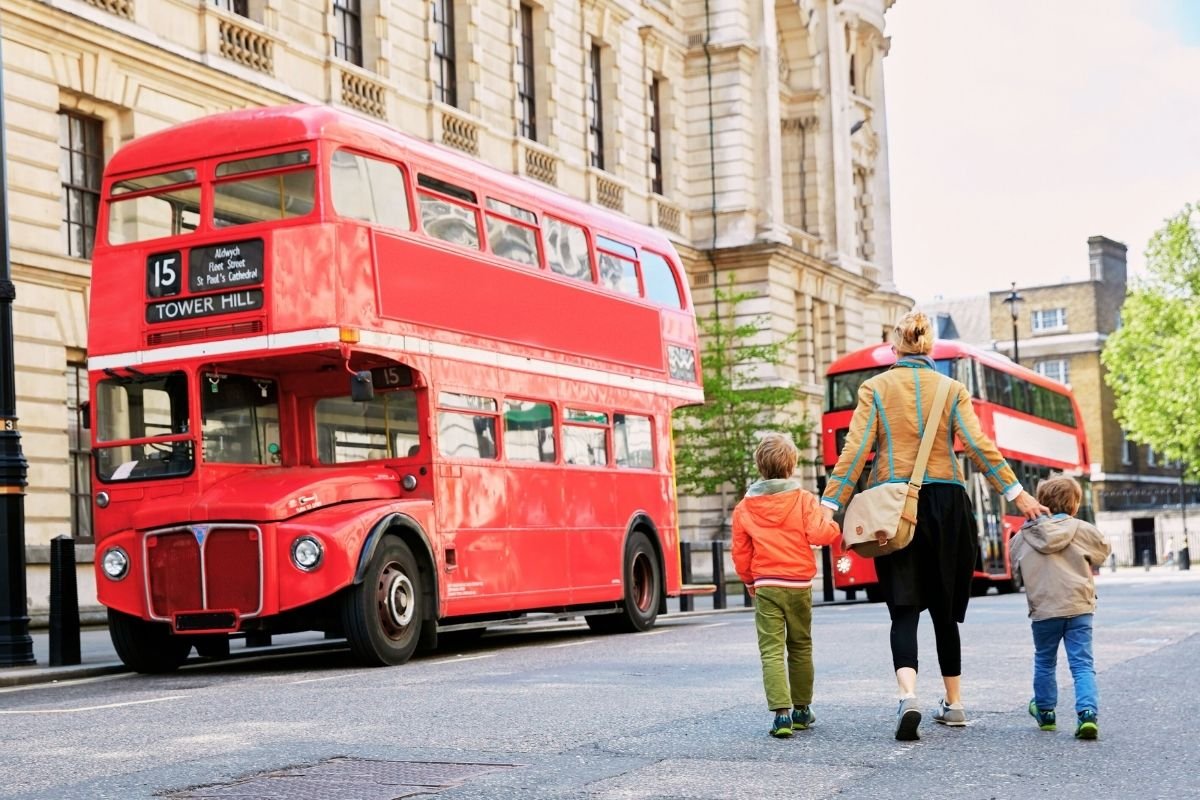
Simple transport days can be more valuable to families than squeezing another attraction into the itinerary.
London Budget Tips for Budget Travelers
The strongest savings usually come from accommodation, free sightseeing and limiting expensive attractions. In practice, those decisions matter more than trying to make every meal or Tube journey as cheap as possible.
Use London’s free national museum collections, parks, markets and walkable neighborhoods as real parts of the itinerary. For example, they can replace several paid sightseeing blocks without making the trip feel incomplete.
Comfort-Focused Travelers
Paying more for comfort can make sense when it removes a problem you already know matters to you. That might mean a better-connected hotel, direct airport transport, a specific timed attraction or reliable mobile data.
If you need mobile data for maps, transport and digital tickets, you can compare a travel eSIM for London before departure.
TripsCity Insight: Saving money in London is easier when you decide where you are willing to spend more. Protect your priorities first, then economize on the parts of the trip that matter less to you.
How to Keep Your London Budget Under Control
The best London savings come from a few large decisions rather than dozens of tiny sacrifices. A sensible hotel location, realistic sightseeing schedule and selective use of paid attractions usually matter more than constantly searching for the cheapest coffee or Tube journey.
Build Sightseeing Days by Area
London is large enough that a badly organized day can create unnecessary travel. Combine places that fit naturally together—for example, Westminster with South Bank, or the Tower of London with Tower Bridge and nearby parts of the City.
As a result, grouping nearby sights saves time first and money second. In addition, it makes the itinerary easier to change when weather or energy does not cooperate.
Use Free London as Real Sightseeing
Free museums should not be treated as filler between expensive attractions. Instead, London’s major collections, parks and neighborhoods can provide several of the strongest hours of a trip without another admission charge.
The British Museum visitor information is one example to check when planning a free museum block.

Free museum collections can balance days that include expensive paid attractions.
Do Not Buy Every Paid Attraction in Advance
Reserve experiences that genuinely matter to you, especially when a specific date or time is important. Meanwhile, keep the rest of the itinerary flexible. A trip filled with reservations can become expensive before you even arrive, and it leaves little room for free sightseeing.
Five London Budget Mistakes That Cost More Than Expected
1. Choosing accommodation only by nightly price.
Check the actual transport route to your sightseeing areas before assuming the cheapest hotel is best value.
2. Crossing London repeatedly in the same day.
Grouping attractions by area reduces unnecessary travel and makes each day easier.
3. Stacking too many paid attractions.
London has enough free sightseeing that every major block does not need a ticket.
4. Leaving food decisions until everyone is exhausted.
A simple plan for breakfast, lunch and dinner reduces expensive convenience choices.
5. Budgeting to the exact pound.
Leave room for weather changes, an extra ride, a more expensive meal or another small unexpected cost.
5-Day Spending Pattern | London Budget Guide 2026
You do not need five identical spending days. Instead, alternating higher-cost and lower-cost days makes a London budget easier to control.
| Day | Budget pattern | Typical approach |
|---|---|---|
| Day 1 | Low to moderate | Arrival, local walking and a simple meal near the hotel |
| Day 2 | Higher | One major paid attraction plus nearby sightseeing |
| Day 3 | Lower | Free museum, park or neighborhood day |
| Day 4 | Moderate to higher | Another priority attraction, theatre or special meal |
| Day 5 | Flexible | Markets, walking, museums or a day trip if the wider budget allows |
For the broader sightseeing structure behind this approach, see our Complete Travel Guide to London 2026.
London Budget: Arrival and Departure Costs People Forget
The first and last day can create costs that do not appear in a normal sightseeing budget. Airport transport, an early meal, luggage storage or several hours between hotel checkout and an evening departure can all change the total.
If your accommodation will not hold luggage and you have a long gap before check-in or after checkout, you can compare luggage storage locations in London. However, use your hotel’s free luggage storage instead when it is available.
Before You Book: London Budget Checklist
- Set a daily budget range rather than one exact number.
- Calculate accommodation separately because it is usually the biggest variable.
- Check the real transport route from your hotel before booking it.
- Choose your priority paid attractions before buying passes or tours.
- Mix expensive sightseeing days with free museum, park or neighborhood days.
- Keep a small buffer for weather, food and unexpected convenience costs.
- Recheck current transport fares, hotel rates and attraction prices shortly before travel.
London Budget Guide 2026 FAQ
London Budget Guide 2026: How Much Money Do You Need Per Day?
A useful planning range is roughly £110–£205 per person per day for a budget-conscious trip, £180–£325 for a balanced first visit and £270–£490 for a comfort-focused trip. These ranges include accommodation and ordinary daily travel costs but exclude flights to London.
London Budget Guide 2026: How Much for Five Days?
Using the ranges in this guide, five days is roughly £550–£1,025 per person on a budget-conscious trip, £900–£1,625 for a balanced trip and £1,350–£2,450 for a comfort-focused visit. Hotel season and paid attractions can move the total significantly.
What is the biggest cost of a London trip?
Accommodation is usually the largest variable for most visitors. Restaurant choices and paid attractions can then have a much larger effect on the total than ordinary public transport.
Can you visit London on a budget?
Yes. London is expensive in some categories, particularly accommodation and major paid attractions. However, free national museum collections, parks, markets and walkable neighborhoods can fill large parts of an itinerary without another admission fee.
Is it cheaper to use Oyster or contactless in London?
The best option depends on your circumstances and fare eligibility. Many adult visitors use contactless successfully, while Oyster remains useful in some situations. Use the same payment method consistently and check our London Public Transport Costs guide for the current fare rules.
How can I reduce my London budget without missing the main experience?
Save first on the structural costs. Choose sensible accommodation, group sightseeing by area, use free museums and parks as real attractions and pay only for the experiences you genuinely value. Cutting every small purchase matters less than controlling the largest decisions.
Final Verdict: How Much Should You Budget for London?
London does not have one correct daily budget. For practical planning, start around £110–£205 per person per day for a budget-conscious trip, £180–£325 for a balanced first visit, or £270–£490 for a more comfort-focused stay, excluding flights.
Accommodation is usually the biggest variable, while restaurant choices and paid attractions can move the total much faster than ordinary public transport. For that reason, control the structural costs first rather than trying to save a few pounds on every small purchase.
For most travelers, the safest approach is to choose a realistic daily range, add flights separately and keep a small contingency for unexpected spending. In addition, mix higher-cost attraction days with free museums, parks and neighborhood sightseeing, and the overall budget becomes much easier to control.
Once you know your budget, continue with our Complete Travel Guide to London 2026, How to Get Around London and London Public Transport Costs to turn the numbers into an actual itinerary.