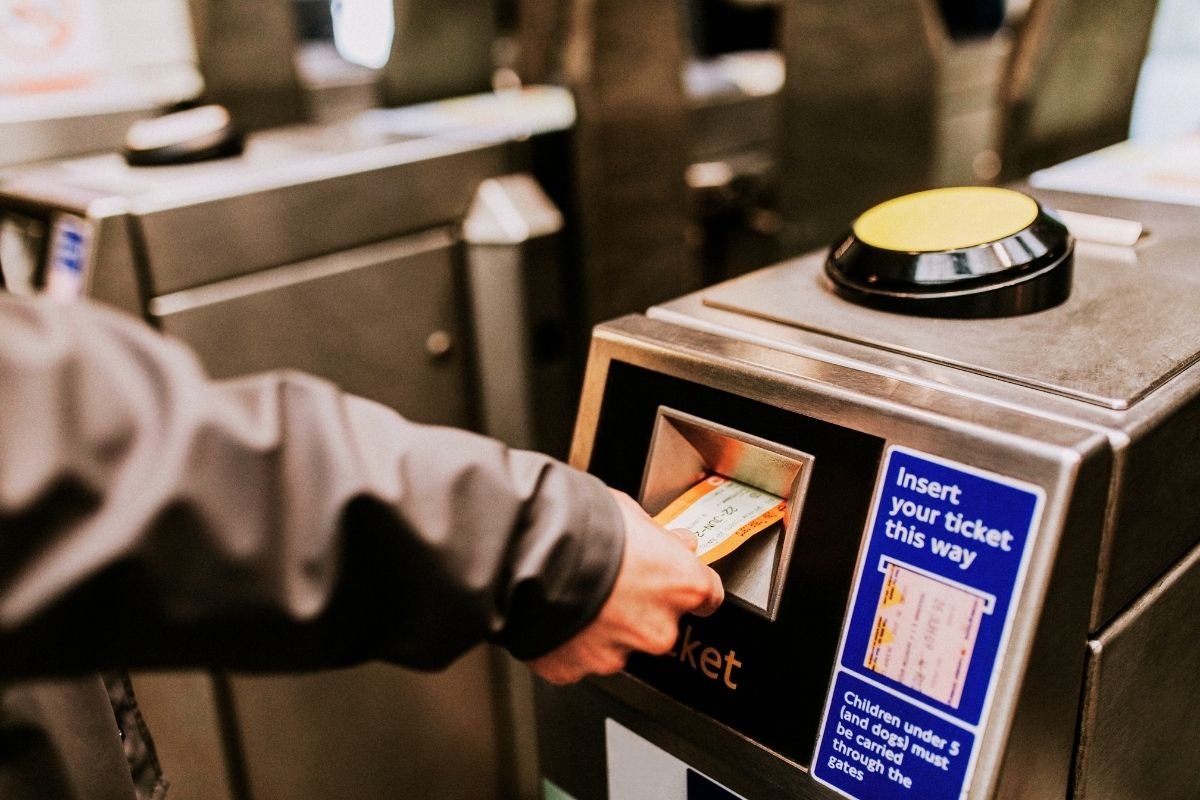
Is London expensive? Yes. Accommodation, major attractions, eating out, and convenience spending can make London one of the more demanding city breaks to budget for.
However, the useful question is not simply whether London is expensive. It is which parts of the trip make it expensive for you — and which costs can actually be controlled.
Quick Answer: Is London Expensive for Tourists?
London is expensive when: accommodation is booked badly, paid attractions are stacked without a plan, meals are chosen under time pressure, and transport becomes a series of reactive decisions.
London is more manageable when: you choose a practical base, understand your transport routine, mix free and paid experiences, and decide in advance where spending more genuinely improves the trip.
The key idea: London becomes particularly expensive when you repeatedly pay for convenience to fix problems that better planning could have prevented.
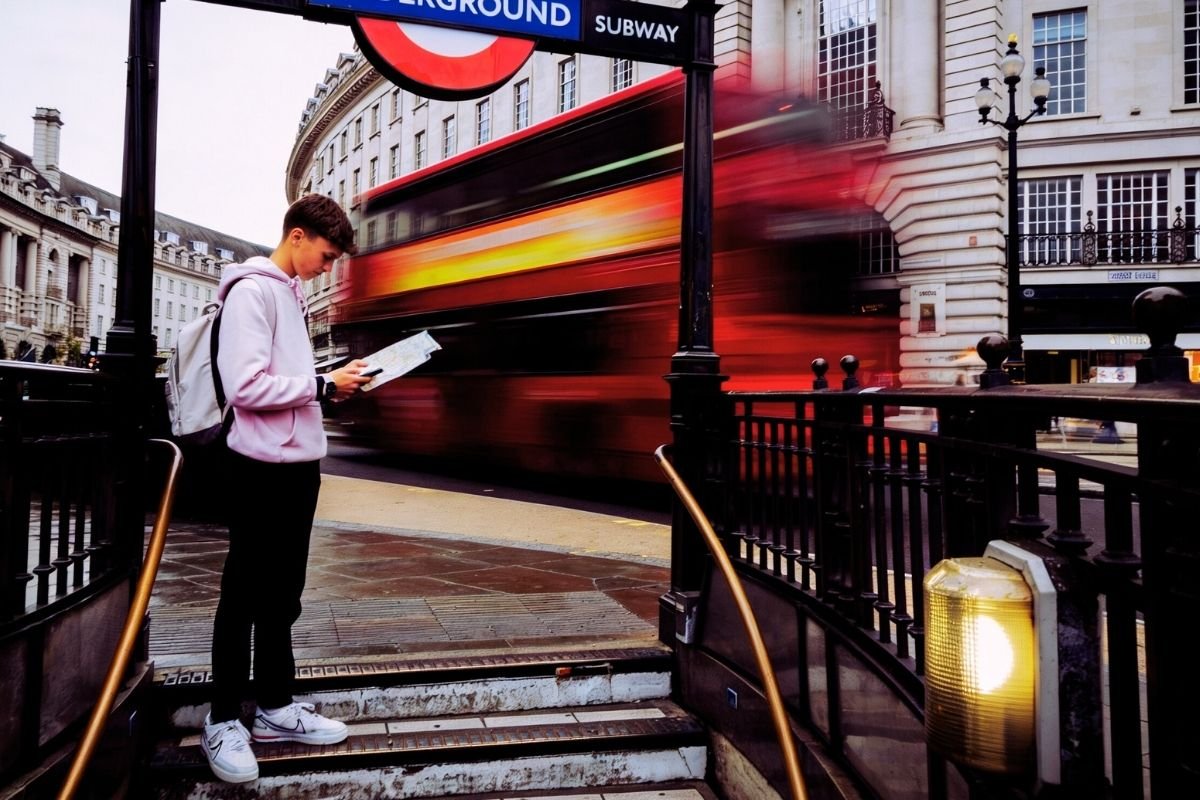
London becomes harder to budget when small logistical problems turn into repeated convenience spending.
Why London Can Feel More Expensive Than You Expected
London has obvious high-cost categories: hotels, attraction tickets, restaurants, theatre, and transport. However, many travelers also overspend through smaller decisions made when they are tired, hungry, late, or unsure what to do next.
A badly located hotel may save money on the room but increase transport and food spending. Similarly, an overloaded sightseeing day can lead to last-minute rides, rushed meals, or paid shortcuts. A vague attraction plan can turn into buying whatever ticket is still available rather than the experience you actually wanted.
Think of these as repair costs: money spent not because something was important to the trip, but because the original plan stopped working.
This is also the main difference between this article and our London Budget Guide. If you need daily spending ranges and trip-budget calculations, use that guide. Here, the focus is different: why London starts to feel expensive and which travel decisions cause the cost to rise.
For broader itinerary, neighborhood, and sightseeing planning, use our Complete Travel Guide to London.
What Actually Makes London Expensive?
Accommodation Has an Effect Beyond the Room Price
A hotel decision affects more than the nightly rate. Location influences how often you use transport, whether you can return for a break, where you eat, and how much convenience spending appears later in the day.
For example, a cheaper room far from your main sightseeing areas is not automatically good value. Compare the saving against commute time, transport complexity, and the likelihood that you will spend more elsewhere simply because returning to the hotel is inconvenient.
If you are still comparing bases, you can compare London hotel prices and flexible options.
Transport Becomes Expensive When the Day Is Poorly Planned
London transport still costs money, but it is relatively predictable when you understand contactless payment, Oyster, zones, and fare capping before the trip.
Therefore, the bigger problem is often not the price of one normal journey. It is unnecessary movement: crossing the city repeatedly, choosing inconvenient routes, or paying for faster alternatives because the itinerary has stopped working.
TfL explains how pay-as-you-go caps work on its official fare-capping page.
For the full practical system, see our How to Get Around London guide and London Public Transport Costs guide.
Paid Attractions Become Expensive When Everything Feels Essential
London has enough famous paid attractions to make sightseeing expensive very quickly. However, the solution is not avoiding paid attractions altogether. Decide which experiences genuinely matter to you, then build the rest of the day around free museums, parks, markets, neighborhoods, viewpoints, and walking routes.
For example, check the official Tower of London ticket page before deciding whether that experience deserves a place in your itinerary rather than relying on an old generic attraction estimate.
If organized sightseeing suits your trip, compare London tours and timed experiences, but choose them as planned anchors rather than adding tickets impulsively.
Food Gets Expensive When Convenience Chooses for You
London can accommodate several eating styles, but food becomes harder to control when every meal is chosen beside an attraction at the moment you are already hungry.
Instead, a simple breakfast, a planned lunch area, and one restaurant or food experience that actually matters to you is usually easier to manage than treating every meal as another sightseeing event.
Accommodation, transport, attractions, and food interact with each other — which is why one weak decision can affect several parts of the budget.
Why London Feels More Expensive for Some Travelers Than Others
The same London trip does not create the same financial pressure for everyone. For example, couples may spend more on dining and entertainment, while families are more exposed to convenience costs caused by fatigue, larger accommodation needs, and complicated journeys.
Instead of asking which traveler type spends the most, it is more useful to identify where each type is most likely to lose control of spending.
| Traveler Type | Where Spending Usually Rises | Best Control Strategy |
|---|---|---|
| Couples | Hotels, dining, theatre and multiple paid experiences | Choose a few meaningful shared experiences instead of upgrading every day |
| Families | Larger rooms, transport convenience, food and fatigue-driven changes | Plan shorter days with fewer transfers and reliable meal breaks |
| Budget travelers | Accommodation and repeated small purchases | Use free attractions, walking, simple food routines and predictable transport |
| Comfort-focused travelers | Premium accommodation, taxis, dining and upgraded tickets | Spend for meaningful convenience instead of paying premium prices reactively |
Couples: Too Many “Special” Experiences Add Up
London becomes expensive for couples when every day turns into a special occasion. One planned dinner, theatre night, or major attraction can feel memorable. However, several premium experiences stacked together can make the total rise surprisingly fast.
Therefore, choose the experiences that actually deserve the upgrade instead of automatically turning accommodation, meals, attractions, and evenings into premium purchases.
Families: Fatigue Can Become a Hidden Expense
Families face a different problem: fatigue changes plans. When children need food, rest, or a simpler route, convenience often becomes more valuable than the cheapest possible option.
As a result, an overloaded itinerary can create extra transport, unplanned meals, and last-minute changes. Fewer transfers, shorter sightseeing blocks, and reliable meal breaks can protect both energy and spending.
Budget Travelers: Small Purchases Matter More Than Expected
London can still work for travelers who need to control spending because many major museums, neighborhoods, parks, markets, and walking experiences do not require expensive tickets.
However, the challenge is not simply avoiding paid attractions. Accommodation choices and repeated small purchases — snacks, drinks, unnecessary transport, convenience-store stops, and spontaneous tickets — can gradually weaken an otherwise sensible plan.
Comfort-Focused Travelers: Pay More Where It Actually Helps
Paying more is not automatically wasteful. A better-located hotel, a convenient timed attraction, or an easier journey can genuinely improve a trip.
On the other hand, repeatedly buying taxis, premium tickets, and last-minute upgrades simply because the day became chaotic is different. The goal is to pay for intentional comfort rather than expensive solutions to avoidable problems.
If you need actual daily spending ranges for these travel styles, continue to our London Budget Guide. That guide handles the numbers; here, the focus is on what causes each travel style to become expensive.

London does not affect every travel budget in the same way.
Five Mistakes That Make London More Expensive
1. Choosing Accommodation by Price Alone
A cheap room can still be poor value if reaching your main plans requires long or awkward journeys every day.
Therefore, compare accommodation price with location, transport connections, and how often you realistically expect to return during the day. Saving on the room matters less if the location repeatedly creates other costs.
2. Learning London Transport One Journey at a Time
Constantly deciding how to pay, which ticket to use, or whether another transport product would have been cheaper creates unnecessary friction.
Instead, understand the basic system before arrival and keep your routine simple. Our How to Get Around London and London Public Transport Costs guides cover the practical details without turning this article into another transport-cost guide.
3. Buying Attractions Without Priorities
Spontaneity works well for neighborhoods and free sightseeing. However, it is less useful when a specific high-demand attraction genuinely matters to you.
Decide which paid experiences are priorities before the trip. Then, leave enough flexibility around them to enjoy London without feeling that every famous attraction requires another ticket.
4. Waiting Until You Are Hungry to Think About Food
The problem is not that every London restaurant is expensive. Instead, the problem is having no meal strategy when you are standing beside a major attraction and need food immediately.
Know roughly where lunch fits into the day and which meals you are happy to keep simple. That way, convenience does not make every food decision for you.
5. Ignoring Arrival and Departure Logistics
First and last days often create unnecessary spending because luggage, hotel timing, airport transfers, and fatigue reduce your options.
For this reason, keep these days lighter and decide in advance what will happen with bags and transport. If luggage storage or a private transfer genuinely solves a logistical problem, it becomes a planned expense rather than an emergency purchase.
You can compare London luggage-storage locations or compare London airport-transfer options when either service makes sense for your arrival or departure.

Small planning mistakes become more expensive when they happen under time pressure.
How to Make an Expensive London Trip More Manageable
You do not need a minute-by-minute itinerary or an extreme money-saving strategy. Instead, a few structural decisions can prevent the situations that make London unnecessarily expensive.
Step 1: Decide What Kind of London Trip You Actually Want
A landmark-heavy trip usually involves more paid tickets and fixed times. In contrast, a neighborhood-heavy trip can rely more on walking, markets, parks, free museums, and flexible sightseeing.
Trying to maximize both styles at the same time often creates overloaded days. Therefore, decide which experiences matter most before filling every available hour.
Step 2: Choose Your Base Before Building the Itinerary
Once accommodation is decided, build sightseeing around routes that actually make sense from that location.
Otherwise, you can create an attractive itinerary on paper and discover after arrival that every day requires excessive travel, inconvenient meal stops, or expensive shortcuts.
Step 3: Combine Paid Anchors With Free Sightseeing
Paid anchor: one important experience with a ticket or fixed time.
Free layers: nearby museums with free entry, parks, neighborhoods, markets, viewpoints, architecture, and walking routes.
For example, one major ticketed attraction can become the anchor for a day while nearby free experiences fill the remaining hours. This lets you spend on experiences you genuinely value without turning every stop into another purchase.
If a day trip is one of your priorities, you can compare London day-trip options. If theatre matters more, compare London and West End experiences.
Step 4: Plan a Real Break Before You Need One
A proper midday break makes the second half of the day easier to control. In addition, it reduces the likelihood of buying transport, food, or tickets simply because everyone is too tired to continue the original plan.
This matters particularly for families and travelers trying to fit several major sights into a short visit.
Step 5: Keep Your Phone Functional
Maps, transport information, mobile tickets, opening hours, and last-minute route changes often depend on having reliable mobile data.
For this reason, sort out connectivity before you need it. If your existing mobile plan does not include suitable UK data, you can compare UK eSIM options.
The point is not that an eSIM makes London cheaper. Rather, reliable access to maps and transport information can make it easier to avoid poorly informed decisions when plans change.
Step 6: Keep Arrival and Departure Days Simple
Avoid building your most important paid attraction around an uncertain arrival. Similarly, make luggage and departure transport part of the final-day plan instead of treating them as problems to solve after checkout.
The first and last days are often less predictable than the middle of the trip, so flexibility can be more valuable than squeezing in another reservation.
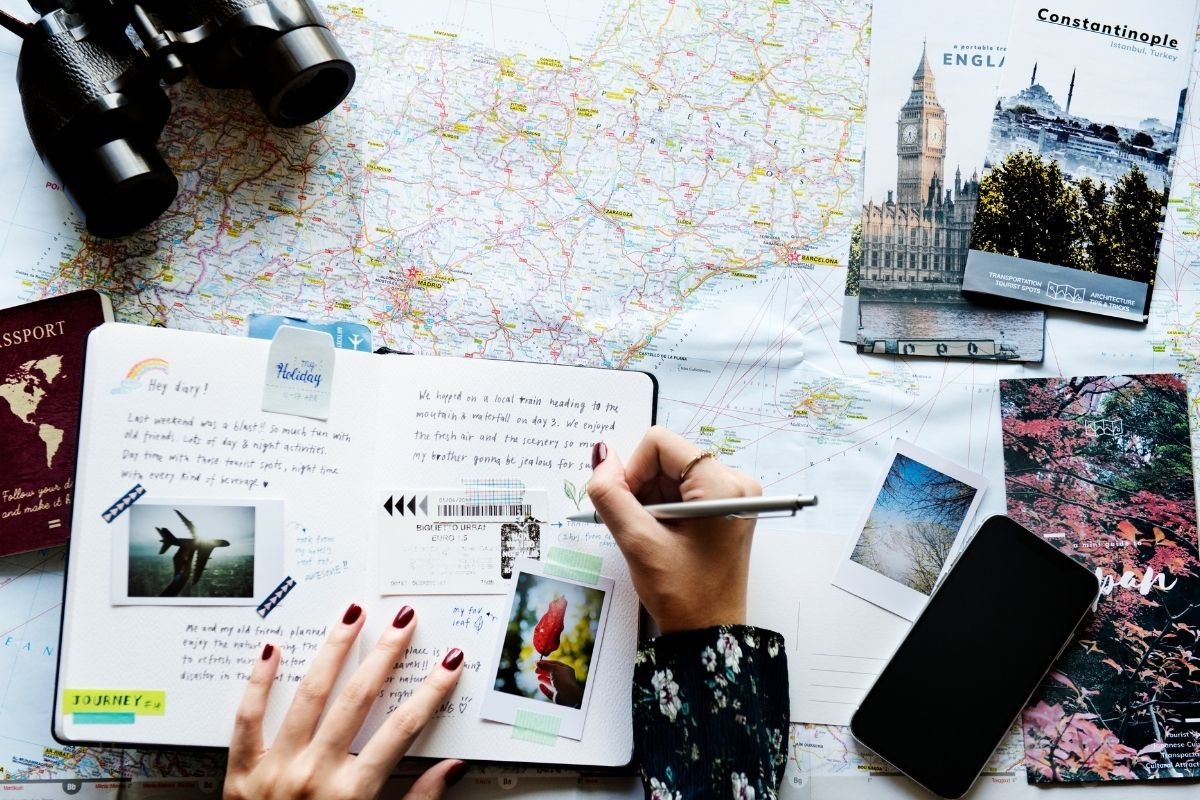
A few fixed priorities surrounded by flexible sightseeing can keep both the day and the budget manageable.
Final Verdict: Is London Expensive for Tourists?
Yes, London is an expensive city for many tourists, particularly when accommodation, several major paid attractions, restaurant meals, and convenience spending are combined.
However, the price of London is only part of the story. Two visitors can experience the same city very differently depending on where they stay, how they organize sightseeing, which experiences they pay for, and how often they need expensive solutions to problems created during the day.
A well-located base, predictable transport routine, sensible meal planning, and deliberate mix of free and paid sightseeing will not make London cheap. Instead, they help ensure that more of your money goes toward experiences you actually wanted rather than fixing avoidable logistical problems.
If your next question is how much money you should actually plan for each day, continue with our London Budget Guide. That article covers daily spending ranges and trip-budget calculations; this guide explains why London becomes expensive in the first place.
Is London Expensive? FAQ
Is London expensive for tourists?
Yes. Accommodation, major paid attractions, eating out, and convenience spending can make London an expensive city break. However, how expensive it feels depends heavily on where you stay, how you organize your days, and which experiences you choose to pay for.
Why is London so expensive for tourists?
Accommodation is one of the biggest pressure points, but the total can rise further through paid attractions, restaurant meals, inefficient transport, and last-minute convenience spending. In particular, poorly structured days can create extra costs that were not part of the original plan.
Can you visit London without spending a lot on attractions?
Yes. London has major museums with free entry as well as parks, markets, neighborhoods, architecture, and walking experiences that do not require expensive tickets. Therefore, visitors can choose a few paid priorities and build substantial parts of the trip around free sightseeing.
What makes tourists overspend in London?
Common causes include choosing accommodation by price alone, buying attractions without priorities, planning meals too late, making unnecessary journeys, and ignoring arrival or departure logistics. As a result, money can disappear into convenience rather than experiences the traveler genuinely wanted.
Is London expensive for families?
London can be particularly challenging for families because larger accommodation, food, transport convenience, and fatigue-related changes can all increase spending. For this reason, shorter sightseeing blocks, fewer transfers, and planned meal breaks can be especially useful.
How much money do I need per day in London?
The answer depends on accommodation, travel style, food choices, and the number of paid experiences you include. For detailed daily spending ranges and multi-day calculations, see our London Budget Guide.