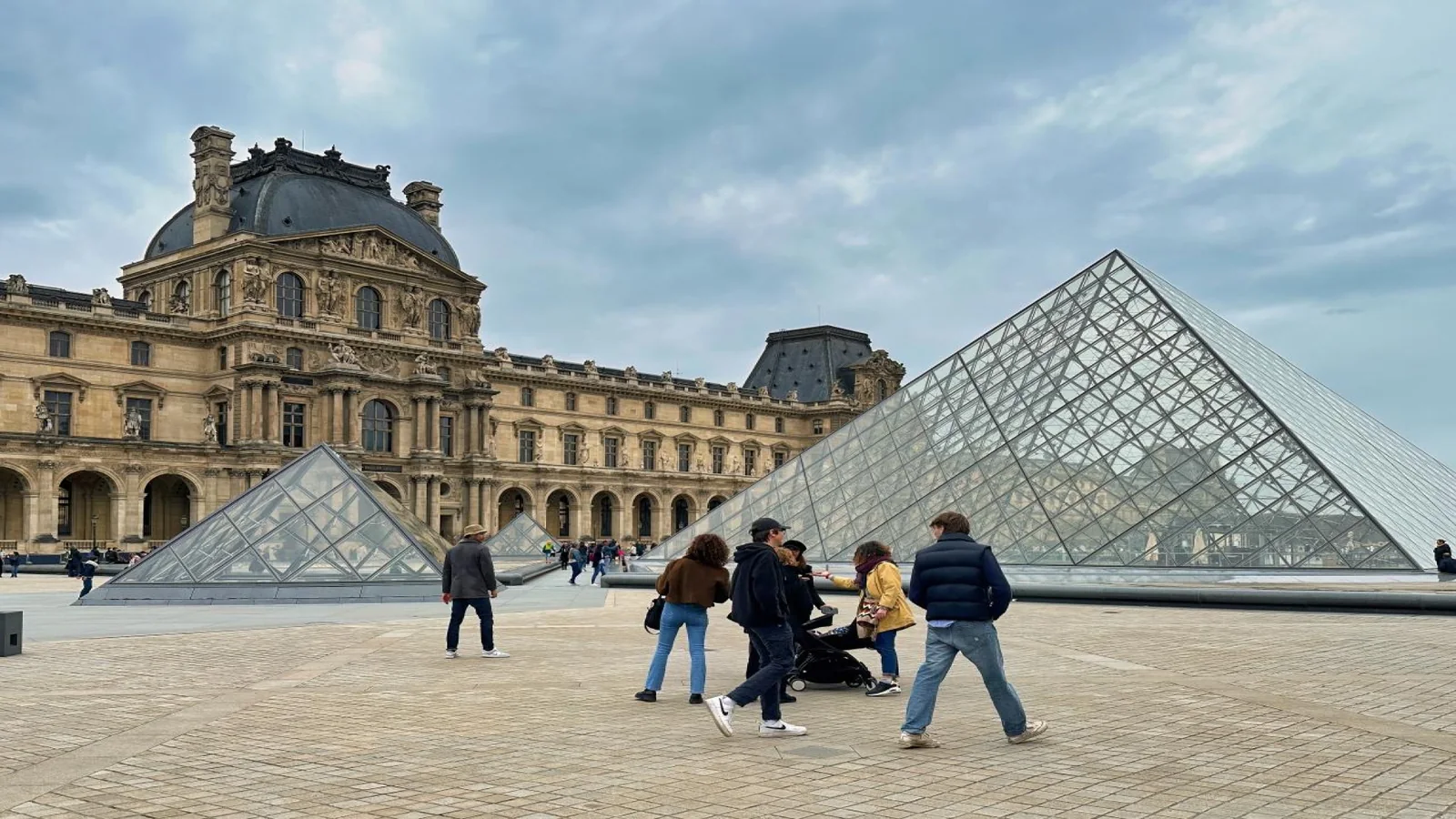
This Louvre Museum guide helps first-time visitors plan a smarter trip to one of the world’s greatest cultural landmarks while avoiding the mistakes that leave many travelers overwhelmed.
Many visitors arrive expecting a magical experience, only to spend hours in security lines, follow the crowds toward the Mona Lisa, rush through endless galleries, and leave exhausted. The problem isn’t the museum—it’s arriving without a realistic plan.
The Louvre displays around 30,000 works across roughly 70,000 square meters of exhibition space, which means seeing everything in one visit is impossible. The best approach is to decide what matters most before you arrive.
This guide explains what to see, how long to stay, which entrances to use, when to visit, whether a guided tour is worthwhile, and how to experience the Louvre without museum fatigue.
Is the Louvre Museum Worth Visiting?
For most first-time visitors, yes—but not simply because it houses the Mona Lisa.
Few museums combine world-famous art, ancient civilizations, royal history, and palace architecture on the same scale. The building itself is part of the experience, with galleries and former royal spaces that reveal centuries of French and European history.
However, the Louvre is not the best choice for every traveler. Visitors who prefer smaller museums, Impressionist art, or a slower cultural experience may enjoy Musée d’Orsay or Musée Rodin more.
If you’re still deciding, our Best Museums in Paris guide compares the city’s top options and helps you choose the museum that best fits your interests.
Who Should Visit the Louvre?
The Louvre is best suited to first-time visitors, art lovers, history enthusiasts, couples planning a cultural day, and families with older children who can comfortably spend several hours exploring selected highlights.
- Art lovers will find Renaissance paintings, classical sculpture, and celebrated masterpieces.
- History enthusiasts can explore ancient civilizations, royal collections, and French heritage.
- Couples and families can combine a shorter museum visit with the Tuileries Garden, the Seine, or Palais Royal.
Travelers with very limited time, young children who tire quickly, or little interest in museums may prefer a smaller Paris museum instead.
Quick Answer: Is the Louvre Right for Your Trip?
| If You… | Recommendation |
|---|---|
| Are visiting Paris for the first time | Make the Louvre a priority. |
| Prefer Impressionist art | Consider Musée d’Orsay instead. |
| Only have half a day | Follow a short highlights route. |
| Are visiting with young children | Plan a shorter visit with breaks. |
| Want a complete first visit | Allow three to four hours. |
What to See at the Louvre Museum Without Trying to See Everything
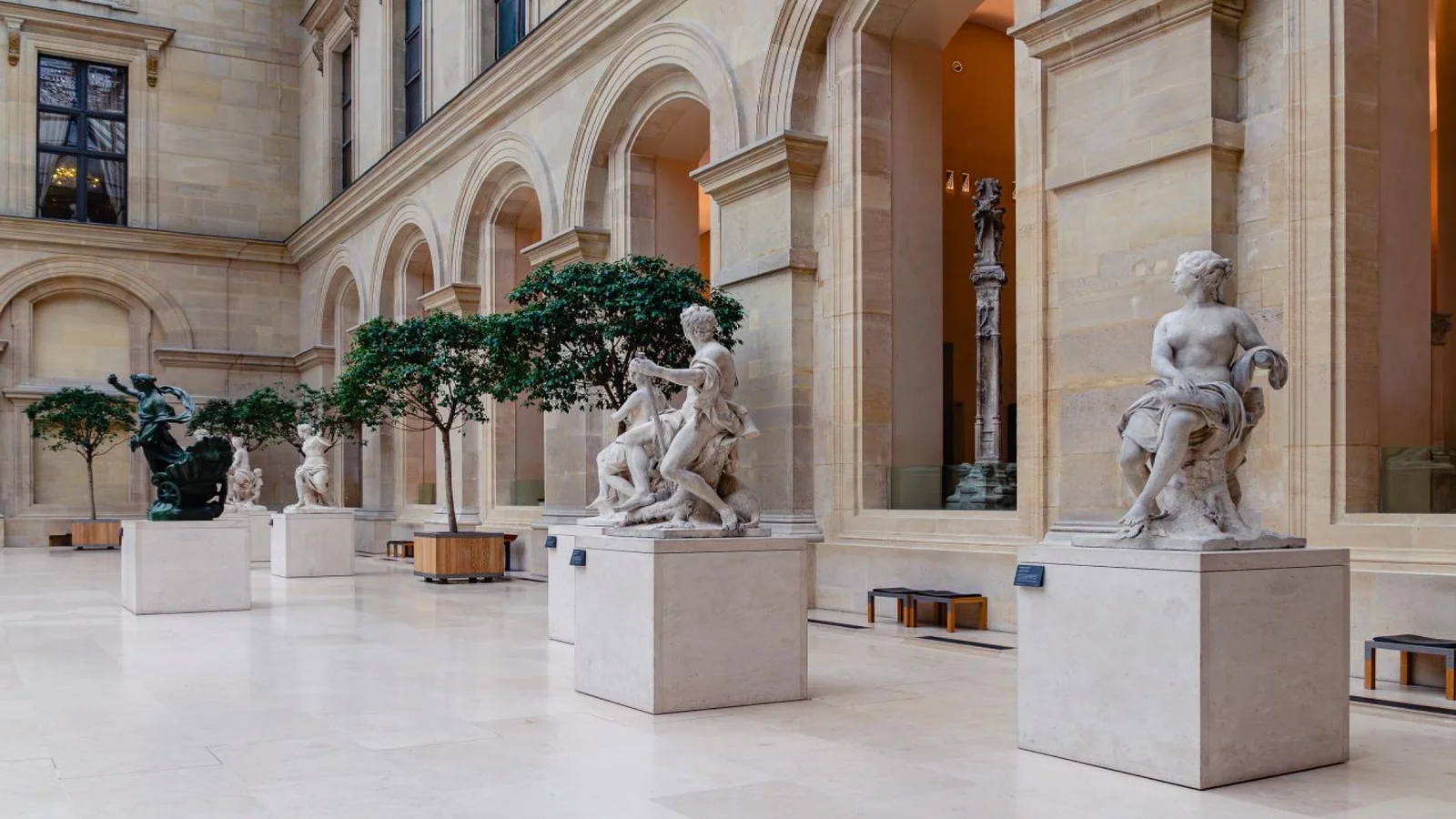
The Louvre’s sculpture galleries showcase masterpieces alongside the museum’s elegant historic architecture.
Trying to see everything is one of the biggest mistakes first-time visitors make. With around 30,000 works on display across multiple wings and floors, planning matters far more than speed.
Focus on the masterpieces that genuinely interest you, while leaving time to enjoy the palace’s grand halls, staircases, and decorated ceilings. Some of the Louvre’s most memorable spaces are part of the building itself.
Mona Lisa at the Louvre
Leonardo da Vinci’s Mona Lisa is the Louvre’s most famous attraction and draws crowds throughout the day. The painting is smaller than many visitors expect, but seeing it remains a defining part of a first Louvre visit.

The Mona Lisa is the Louvre’s most famous artwork and attracts large crowds throughout the day.
Winged Victory of Samothrace
Displayed dramatically at the top of the Daru staircase, this ancient Greek sculpture is one of the Louvre’s greatest masterpieces and is usually easier to appreciate than the crowded Mona Lisa.
Venus de Milo
The Venus de Milo is one of the world’s most recognizable sculptures and an essential stop for visitors interested in classical Greek art.
The Coronation of Napoleon
Often overlooked by visitors rushing toward the Mona Lisa, Jacques-Louis David’s enormous painting offers a striking glimpse into French history and Napoleon’s reign.
The Louvre Museum Palace
Long before becoming a museum, the Louvre was a royal palace. Its corridors, apartments, ceremonial halls, and decorated ceilings are part of the experience rather than simply a backdrop for the art.
Don’t Miss the Richelieu Wing
The Richelieu Wing is often calmer than the busy Denon Wing and contains French sculptures, decorated galleries, and impressive rooms that many first-time visitors miss. It is one of the best areas for travelers who prefer quieter discoveries over crowded highlights.
Quieter Louvre Galleries Worth Exploring
If the Mona Lisa area feels too crowded, do not assume the entire Louvre is the same. Some collections receive far less foot traffic and can give you a much calmer experience.
For example, the Islamic Art galleries offer a completely different atmosphere from the busiest Renaissance rooms, while the Mesopotamian Antiquities section gives you space to explore early civilizations without following the main tourist flow.
In addition, parts of the French painting collections and less famous rooms in the Richelieu and Sully wings can feel noticeably quieter than the main highlights route.
Therefore, if crowds start to feel overwhelming, use one of these quieter sections as a reset rather than leaving the museum too early.
- Islamic Art: detailed objects, architecture and decorative arts in a calmer setting.
- Mesopotamian Antiquities: ideal for travelers interested in early civilizations and ancient writing.
- French painting galleries: often easier to explore slowly than the most famous Italian rooms.
- Richelieu Wing side galleries: useful when the Denon Wing feels too crowded.
TripsCity Tip: The Louvre becomes much easier to enjoy when you alternate one famous highlight with one quieter gallery instead of staying in the busiest route for the entire visit.
Photography and What to Bring to the Louvre
Photography can be part of the Louvre experience, but it should not become the experience. Taking a few photos of the spaces or artworks that matter most to you is usually more rewarding than trying to document every gallery.
Meanwhile, comfort matters more than many first-time visitors expect. The museum involves a lot of walking, standing and moving between large wings, so what you bring can affect how long you actually enjoy the visit.
- Comfortable shoes: expect much more walking than a normal museum visit.
- A light bag: keep your belongings simple and easy to manage.
- Water: useful during a long visit, especially if you plan to stay for several hours.
- Minimal valuables: carrying less makes moving through crowded galleries easier.
As a general rule, take the photos you genuinely want, then put the phone away for a while. The Louvre is easier to remember when part of the visit is experienced without a screen.
Louvre Museum Entrances Explained
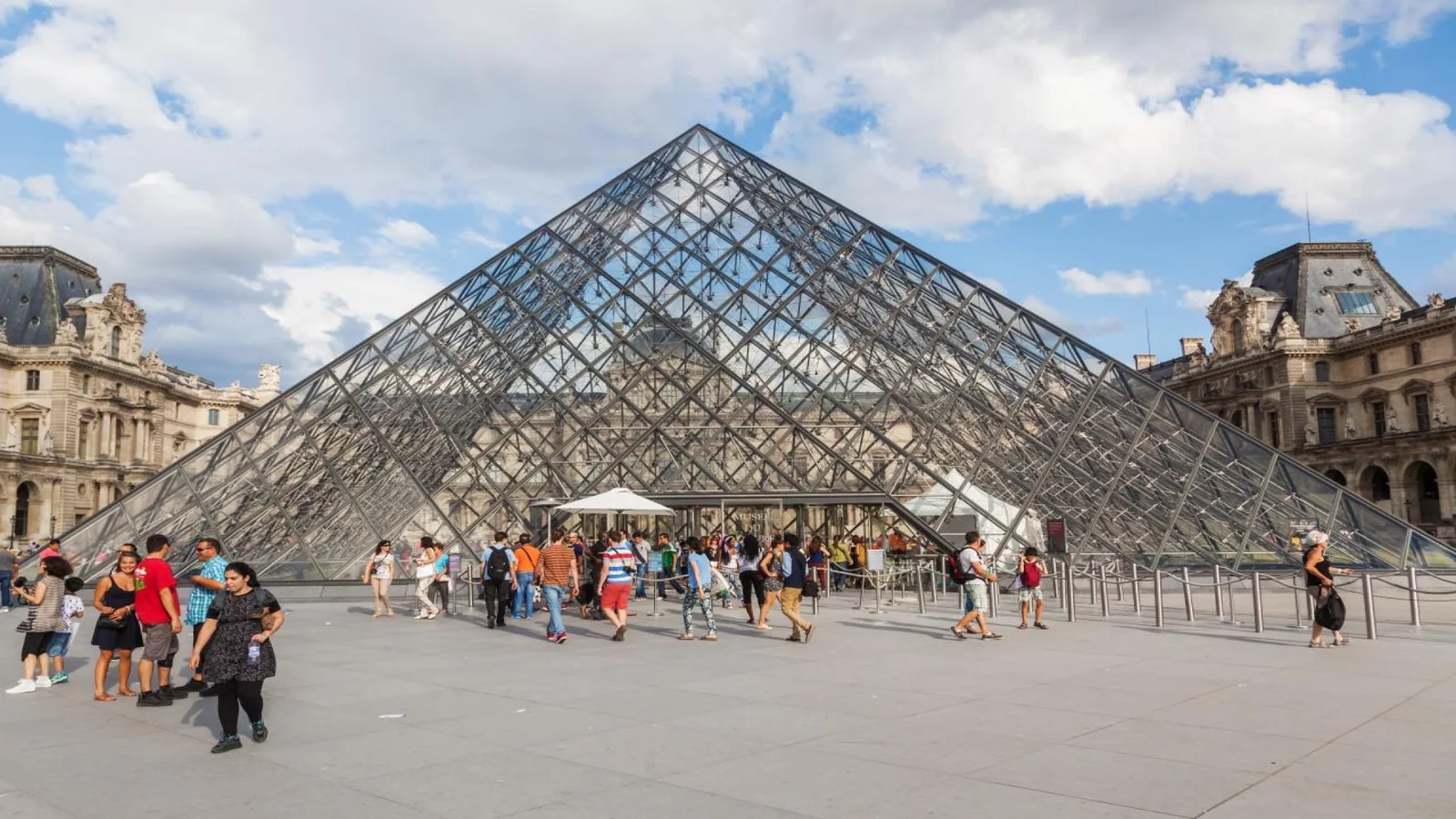
The Pyramid Entrance is the Louvre Museum’s main entrance and the busiest access point for visitors.
Not every Louvre entrance is available to every visitor, so choosing one before arrival can save confusion.
Pyramid Entrance
The Pyramid is the main entrance for individual visitors, with separate queues for timed tickets, visitors without tickets, and priority access. It is iconic but often busiest from late morning onward.
Carrousel Entrance
Located underground in the Carrousel du Louvre shopping complex, this entrance is convenient during rain, cold, or extreme heat and is available to ticket holders, groups, and eligible members.
Richelieu Entrance
The Richelieu Entrance is not a general entrance for individual visitors. It is mainly reserved for registered or guided groups, event attendees, selected members, and accredited professionals.
Porte des Lions
Porte des Lions is available only to visitors who already hold a ticket. It closes at 6 p.m., with last entry at 5 p.m., remains closed on Tuesdays, and does not provide equipment loans.
For most first-time visitors, the Pyramid or Carrousel entrance is the most practical choice. Check the official Louvre entrance map shortly before your visit because access conditions can change.
How to Buy Louvre Museum Tickets
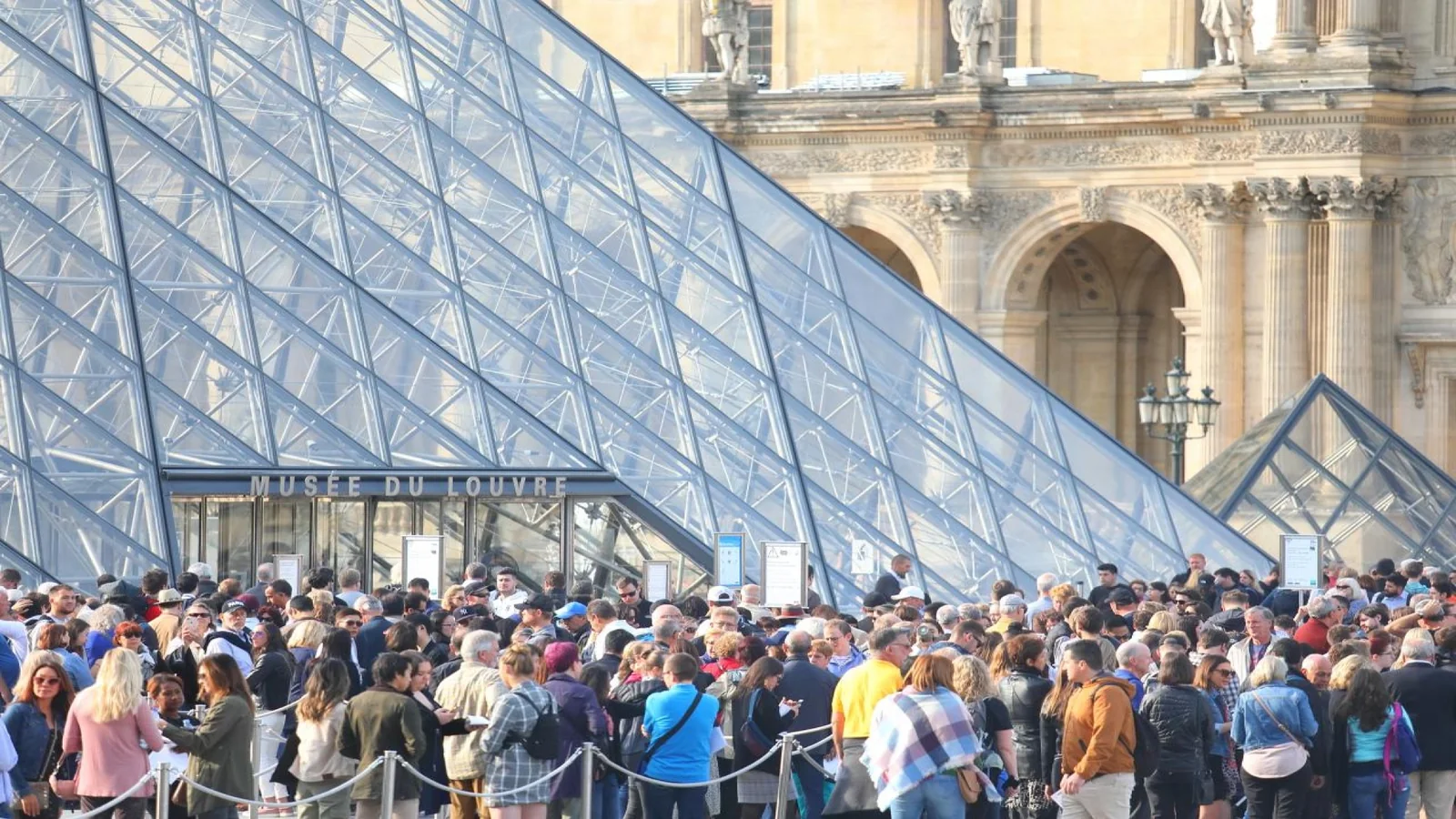
Booking a timed-entry ticket in advance can help visitors avoid sold-out time slots and reduce unnecessary waiting at the Louvre.
Current admission prices: tickets cost €22 for eligible EEA citizens or residents and €32 for visitors outside this category. Admission is free for visitors under 18 and eligible EEA visitors aged 18 to 25 with valid documents.
Booking advice: reserving a timed entry in advance is strongly recommended, including for visitors who qualify for free admission, especially during busy travel periods.
The Louvre uses timed-entry tickets, and popular slots can sell out several days in advance. Booking through the official Louvre ticketing service is the safest option, although limited on-site availability may remain during quieter periods.
Skip-the-line tickets do not bypass mandatory security screening; they generally provide reserved admission at a selected time. Travelers who prefer guided tours or bundled options can also book a Louvre ticket or guided experience through Klook.
| Ticket Option | Best For |
|---|---|
| Official Louvre Ticketing Service | Standard admission and timed-entry tickets. |
| Klook | Guided tours, bundles, and simpler booking. |
| On-Site Ticket Office | Quieter periods when tickets remain available. |
Free Admission and Re-Entry Rules at the Louvre
Some visitors can enter the Louvre for free. Admission is free for visitors under 18 and for eligible European Economic Area residents or citizens under 26 with valid proof of eligibility.
In addition, the Louvre offers free admission to all visitors on the first Friday of each month after 6 PM, except in July and August, as well as on July 14. Booking a timed slot is mandatory for the free Friday evening, so check the official ticketing service when reservations are released.
One important rule: leaving the museum ends your visit. Re-entry with the same ticket is not allowed, so finish the galleries, cafés, shops and other areas you want to visit before exiting.
Therefore, first-time visitors should plan breaks inside the museum rather than expecting to leave for lunch and return later.
How Long Should You Spend at the Louvre Museum?
| Available Time | Recommended Plan |
|---|---|
| 2 Hours | Follow a focused highlights route. |
| 3–4 Hours | The best option for most first-time visitors. |
| Full Day | Best for art lovers exploring quieter collections and exhibitions. |
Most visitors should plan three to four hours. Staying longer can lead to museum fatigue, so leave while you still have enough energy to enjoy the Tuileries Garden, Palais Royal, or a nearby café.
Best Hours to Visit the Louvre Museum
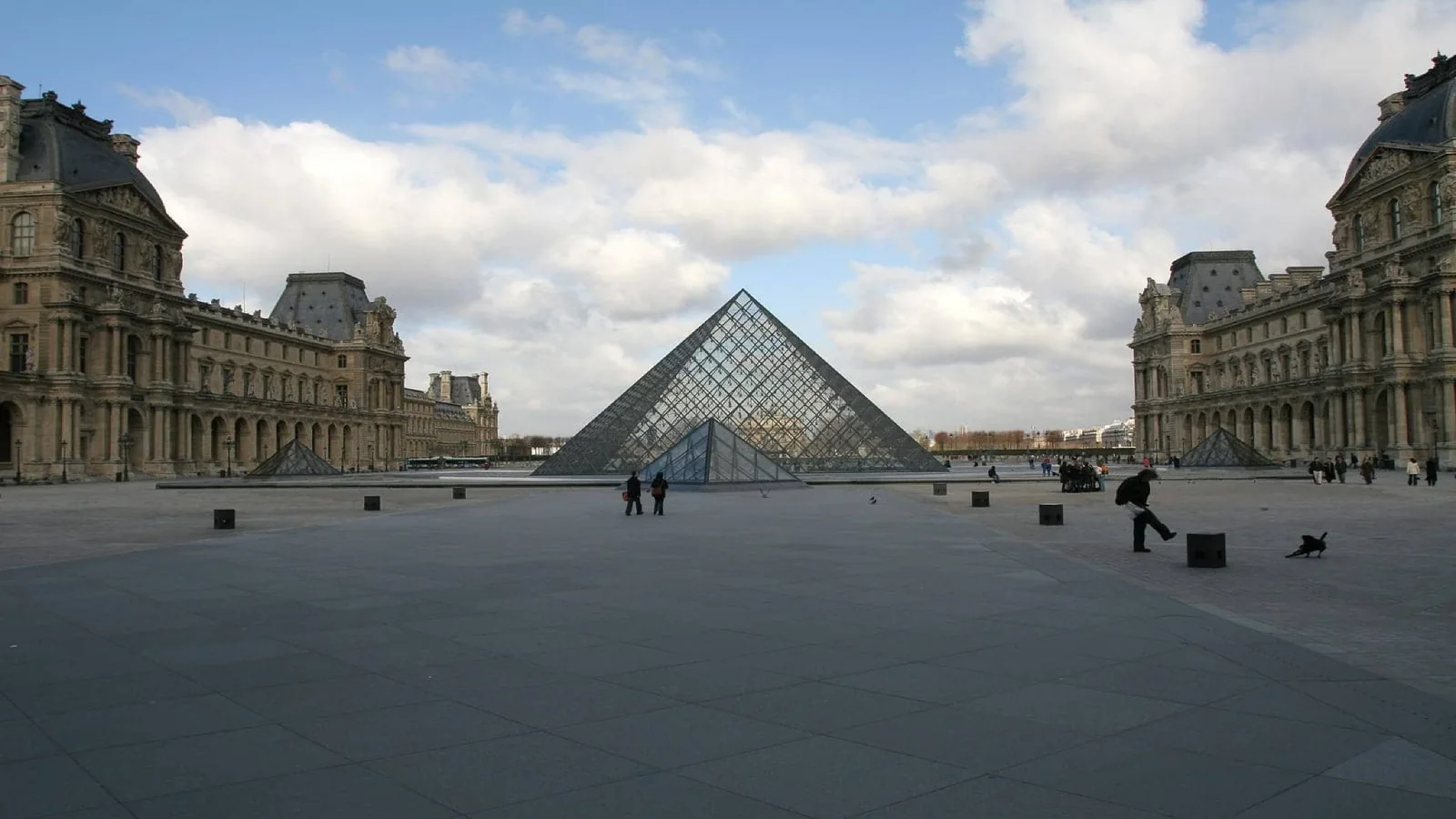
The Louvre courtyard is noticeably calmer during quieter hours, making early visits more comfortable for first-time visitors.
The Louvre is open from 9 a.m. to 6 p.m. on Monday, Thursday, Saturday, and Sunday, and until 9 p.m. on Wednesday and Friday. It is closed every Tuesday. Last admission is one hour before closing, and the galleries begin clearing 30 minutes before closing.
| Day | Opening Hours |
|---|---|
| Monday | 9 a.m. to 6 p.m. |
| Tuesday | Closed |
| Wednesday | 9 a.m. to 9 p.m. |
| Thursday | 9 a.m. to 6 p.m. |
| Friday | 9 a.m. to 9 p.m. |
| Saturday | 9 a.m. to 6 p.m. |
| Sunday | 9 a.m. to 6 p.m. |
The first hour after opening usually offers the shortest queues and calmest galleries. Late morning is the busiest period, while late afternoon can feel more relaxed but leaves less time inside. Check the official Louvre hours and admission page before your visit.
Is the Louvre Worth Visiting at Night?
Yes, especially if you prefer a calmer museum experience. The Louvre stays open later on Wednesday and Friday, which can make an evening visit a useful alternative to the busiest late-morning hours.
However, a late visit works best when you arrive with a focused plan. You have less time before the galleries begin closing, so choose a few priority collections instead of trying to cover the entire museum.
In practice, evening hours are especially useful for travelers who want to see the major highlights and then spend time in quieter galleries once daytime crowds begin to thin.
The illuminated Pyramid and courtyard also make the exit itself part of the experience, particularly if you continue with an evening walk toward the Seine or Tuileries Garden.
How to Get to the Louvre Museum
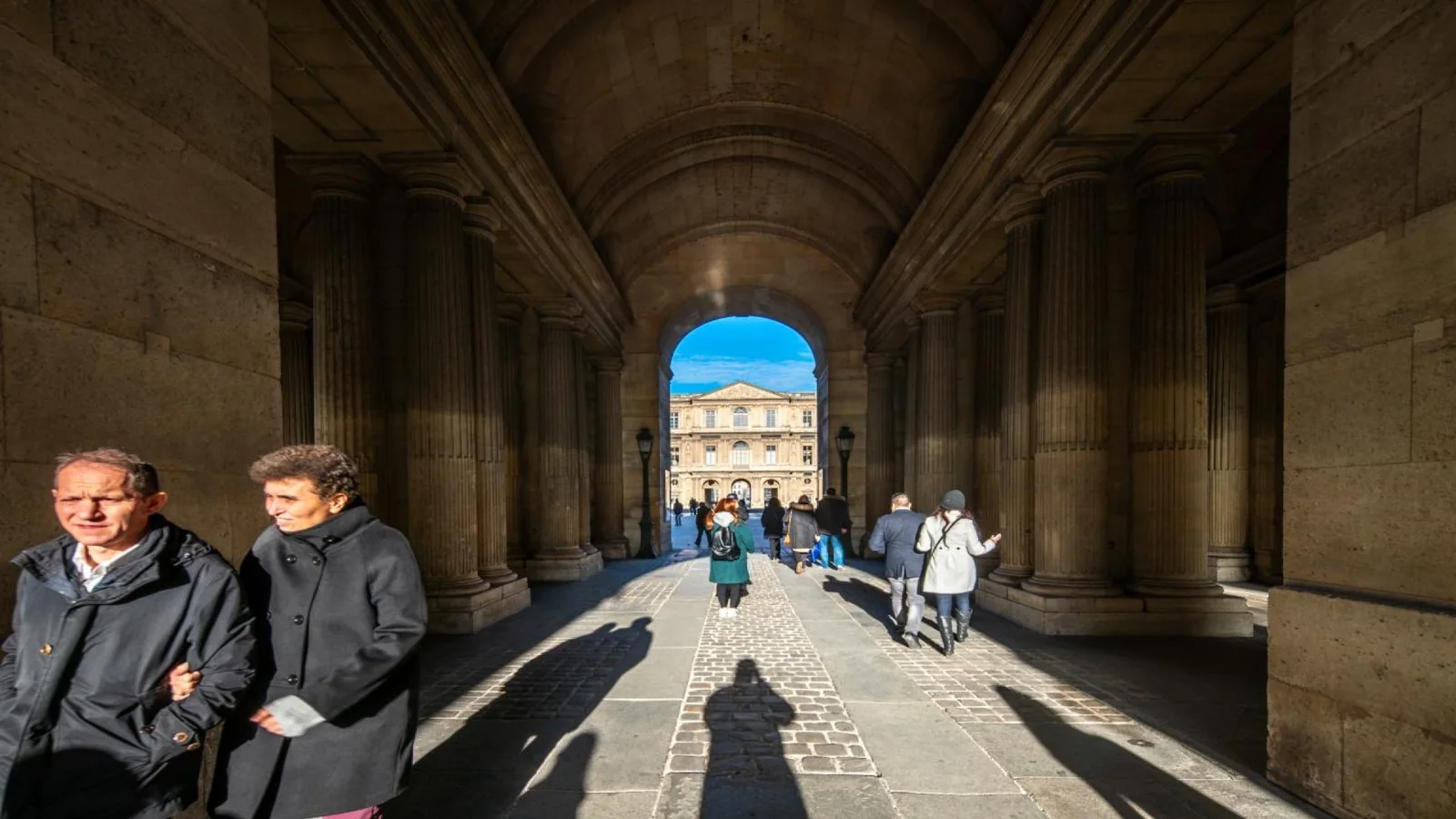
One of the pedestrian walkways leading to the Louvre Museum in central Paris.
The Louvre is centrally located and easy to reach by Metro, bus, taxi, or on foot.
- Metro: Palais Royal – Musée du Louvre on Lines 1 and 7 is the closest station.
- Bus: Several routes stop within a short walk of the museum.
- Walking: The Louvre is within walking distance of the Seine, Palais Royal, Tuileries Garden, and Place de la Concorde.
- Taxi or Ride Service: Useful for families and visitors with limited mobility, although traffic may be slow.
If you’re already exploring central Paris, walking can be faster than entering and navigating the Metro. For routes, fares, and transport options, see our How to Get Around Paris guide.
Is a Guided Tour of the Louvre Museum Worth It?
A guided tour can be worthwhile for first-time visitors with limited time or little knowledge of European art. It provides context for the major masterpieces and helps you navigate directly to the highlights.
Independent exploration is better for repeat visitors or travelers who prefer setting their own pace and discovering quieter galleries.
For an organized first visit, you can book a Louvre guided tour through Klook.
Visiting the Louvre Museum With Kids
Families should focus on a few highlights, take regular breaks, and finish before younger children become tired.
Strollers are allowed, and free pushchairs or front-worn baby carriers can be borrowed from the visitor assistance area beneath the Pyramid. Large strollers may not fit in every lift.
Useful Family Services Inside the Louvre
In addition, families can use the Studio area for a break, where children may find games, books and activities designed to make the museum easier to enjoy at a slower pace.
Folding chairs can also be borrowed inside the museum, which can be useful when younger children need a rest during a longer visit.
Therefore, families do not need to treat the Louvre like a nonstop three-hour walk. A shorter route with one or two planned breaks usually works better.
Louvre Museum Accessibility
Visitors with disabilities and one accompanying person receive free admission and priority access with valid supporting documents.
Wheelchairs, folding stools, walking sticks, pushchairs, baby carriers, and mobility equipment can be borrowed free of charge beneath the Pyramid in exchange for identification.
Lifts are available through the Pyramid and Carrousel entrances, but temporary works may affect some routes. Check the official Louvre accessibility information before visiting.
Louvre Museum Money-Saving Tips
- Book online: securing a timed entry in advance reduces the risk of finding your preferred time unavailable.
- Check free-admission eligibility: some visitors qualify for free entry, so review the official conditions before buying a ticket.
- Compare passes carefully: a sightseeing or museum pass only saves money when you will genuinely use enough included attractions.
- Avoid questionable ticket sellers: use the official Louvre ticketing service or reputable booking platforms.
Do not assume the Paris Museum Pass automatically saves money. An individual Louvre ticket is usually better value if this is your only major museum, while the pass becomes worthwhile when visiting several participating attractions within consecutive days.
List the attractions you genuinely plan to visit and compare their individual prices before buying any pass.
Common Louvre Museum Mistakes to Avoid
- Trying to see every gallery in a single visit.
- Visiting the Louvre and Musée d’Orsay on the same day.
- Arriving without a timed-entry reservation during busy seasons.
- Following crowds instead of following your interests.
- Skipping breaks and experiencing museum fatigue.
- Leaving the museum without exploring the palace itself.
Remember, the Louvre rewards curiosity—not speed.
How to Fit the Louvre Into Your Paris Itinerary
The Louvre works best as the cultural highlight of your day rather than the entire day itself.
Many travelers enjoy spending the morning inside the museum before continuing to the Tuileries Garden, Palais Royal, or nearby cafés. Others combine an afternoon visit with an evening walk along the Seine.
If you’re still organizing your schedule, our How Many Days in Paris Is Enough? guide explains how to balance museums with neighborhoods, cafés, and the experiences that make Paris unforgettable.
Quick Planning Checklist
If you’re visiting the Louvre for the first time, this simple checklist can help you avoid the most common mistakes and make the most of your visit.
- ✓ Book your timed-entry ticket several days in advance, especially during peak travel seasons.
- ✓ Arrive early to enjoy quieter galleries and shorter security lines.
- ✓ Choose one entrance before you arrive instead of deciding on the spot.
- ✓ Wear comfortable shoes—the museum is much larger than most visitors expect.
- ✓ Focus on the masterpieces that genuinely interest you rather than trying to see everything.
- ✓ Allow at least three to four hours for a comfortable first visit.
- ✓ Leave enough energy to enjoy the Tuileries Garden or nearby cafés after your museum visit.
Following these simple tips will almost always lead to a more enjoyable Louvre experience than trying to fit every gallery into a single visit.
Most visitors don’t regret spending more time at the Louvre—they regret arriving without a plan.

The Louvre Pyramid at sunset offers one of the most iconic views in Paris and perfectly captures the museum’s timeless appeal.
Final Verdict: Is the Louvre Worth Visiting?
Without question.
But the Louvre isn’t memorable because you managed to see every famous artwork.
It’s memorable because you experienced one of the world’s greatest museums in a way that matched your interests, your pace, and your trip.
Choose quality over quantity.
Take your time.
Leave room to enjoy Paris beyond the museum walls.
Do that, and the Louvre will almost certainly become one of the highlights of your visit to France.
Frequently Asked Questions
How long should I spend at the Louvre?
Most first-time visitors enjoy spending three to four hours exploring the museum’s highlights, while art enthusiasts can easily spend an entire day.
Should I buy Louvre tickets in advance?
Yes. Booking timed-entry tickets online is highly recommended, especially during busy travel seasons.
Is a guided tour worth it?
For first-time visitors with limited time, a guided tour often provides a more enjoyable and efficient experience than exploring independently.
Can I visit the Louvre with children?
Yes. A shorter visit focused on the museum’s highlights, combined with regular breaks, usually creates the best experience for families.
Is photography allowed inside the Louvre?
Photography and video for personal use are allowed in the permanent collections, but flash, lighting equipment, and selfie sticks are prohibited. Some temporary exhibitions may restrict photography or video.
Can I leave and re-enter the Louvre on the same ticket?
No. Louvre admission tickets are valid throughout the day, but every exit is final and re-entry is not permitted.
Is the Louvre closed on Tuesdays?
Yes. The Louvre Museum is closed every Tuesday. Opening hours and temporary closures can change, so visitors should check the official museum website before arriving.
Can I bring a large bag or suitcase into the Louvre?
No. Large bags and suitcases are not permitted. Smaller belongings may be placed in the free lockers, but items larger than 55 × 35 × 20 centimeters are not accepted.