Montmartre Paris Guide: Best Things to Do, Walking Route & Local Tips
Montmartre Paris looks compact on a map. On the ground, it is a hill of steep streets, staircases, cobblestones, crowded viewpoints and small detours that can turn a relaxed visit into an exhausting one.
That is why the best way to experience Montmartre is not to collect as many famous sights as possible. It is to move through the neighborhood in the right order.
Quick answer: allow around 3–4 hours for a strong first visit. That gives you enough time for Sacré-Cœur, Place du Tertre, the quieter streets behind the basilica, the vineyard area, Rue de l’Abreuvoir and Abbesses without spending the whole afternoon checking your phone.
Montmartre is in Paris’s 18th arrondissement, on the Right Bank. Sacré-Cœur is the obvious landmark, but the neighborhood becomes more interesting once you move away from the basilica forecourt and into the smaller streets where its old village geography is easier to feel.
If you are still building the rest of your trip, our first-time Paris planning guide can help you organize the city by neighborhood instead of crossing Paris unnecessarily. This guide stays focused on exploring Montmartre itself.
| Decision | Best choice for most visitors |
|---|---|
| How long to spend | 3–4 hours |
| Best efficient start | Anvers + funicular to Sacré-Cœur |
| Best quieter start | Abbesses |
| Best time for fewer crowds | Early morning |
| Main must-see | Sacré-Cœur plus the streets behind it |
| Best paid cultural stop | Musée de Montmartre |
TripsCity Insight: In Montmartre, route order matters more than distance. Saving one unnecessary climb can improve your afternoon more than adding one extra attraction.
Montmartre Paris Attractions: What to See and What Is Actually Worth Your Time
Montmartre occupies the famous hill in the 18th arrondissement and still carries traces of the independent village that existed before it became part of Paris. Its narrow streets, surviving windmills, uneven street plan and elevated position make it feel noticeably different from the formal boulevards and monumental avenues farther south.
That geography is also the reason visitors underestimate the neighborhood. A place that looks five minutes away on a map may involve a steep staircase or another climb. Treat Montmartre as a walking experience, not a collection of map pins.
Sacré-Cœur: One of the Essential Montmartre Paris Attractions
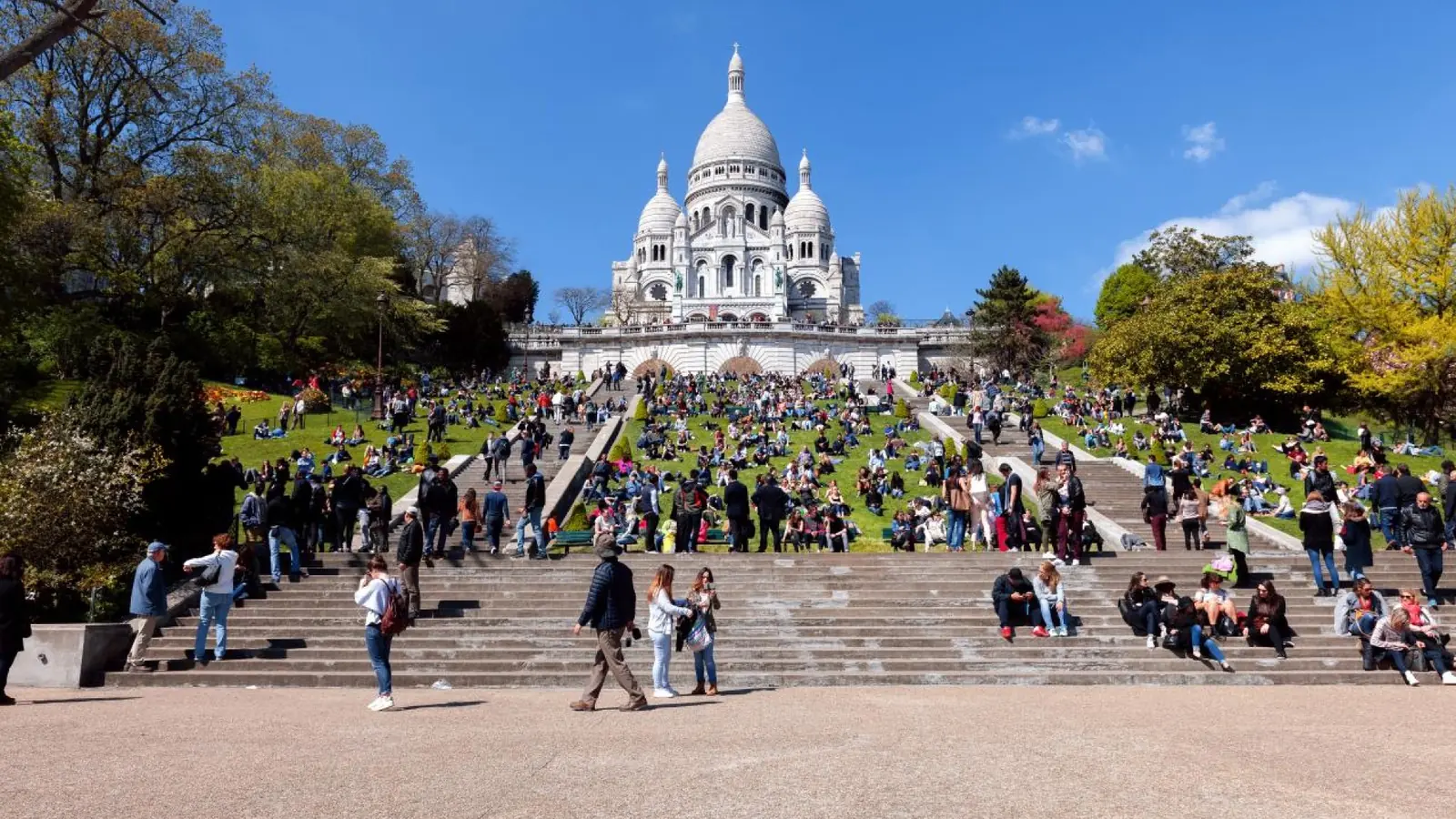
Sacré-Cœur and its hillside steps form the visual heart of Montmartre and one of the neighborhood’s busiest visitor areas.
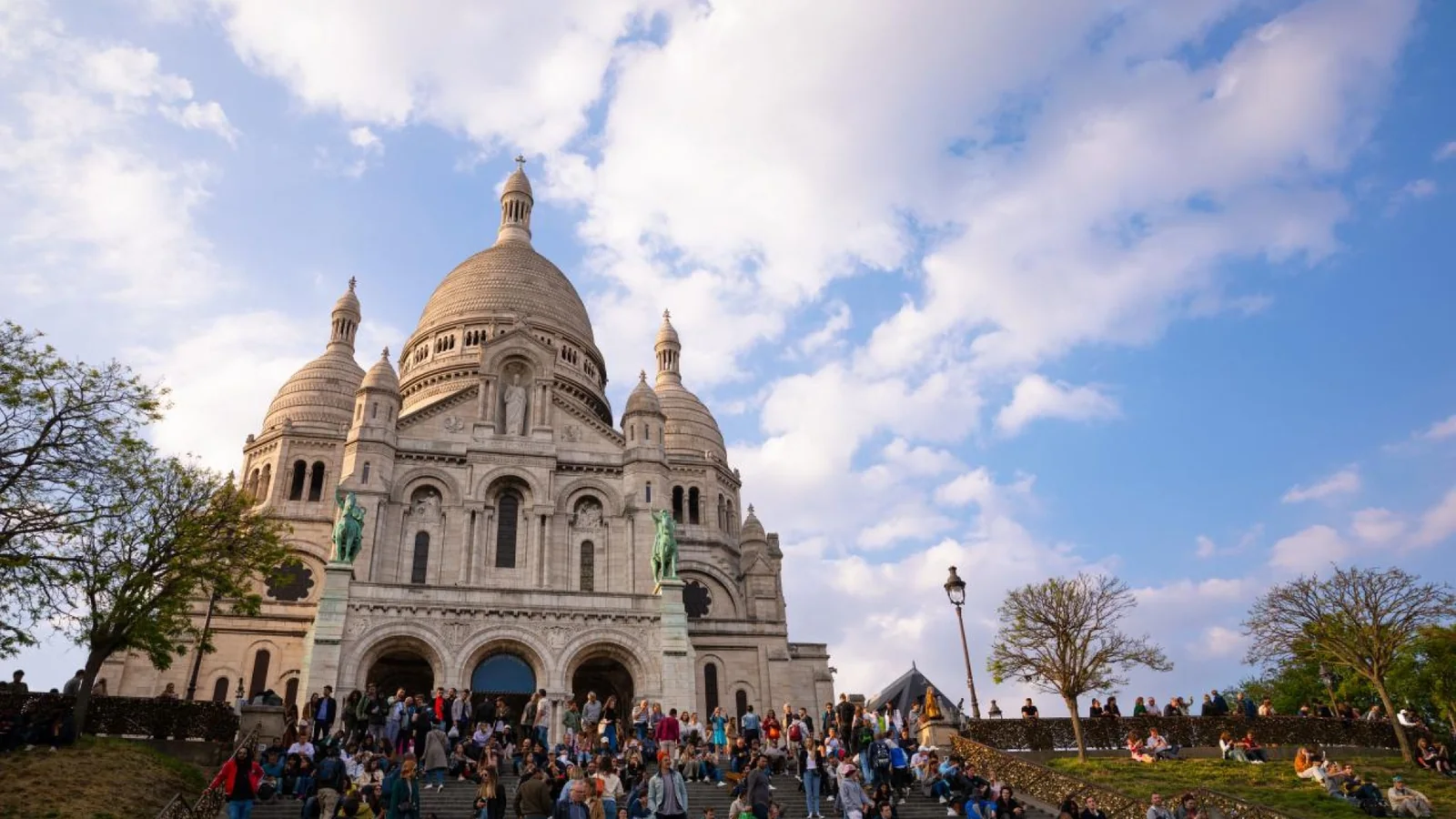
The Basilica of Sacré-Cœur is the natural starting point for most first-time visitors. Its hilltop forecourt gives you a broad panorama across Paris, while the white Romano-Byzantine basilica has become the visual symbol of Montmartre.
Entry to the basilica itself is free. According to the official Sacré-Cœur visitor information, it is open every day from 6:30 a.m. to 10:30 p.m., and visitor traffic is heaviest from roughly 10:30 a.m. to 5 p.m.
That creates an easy decision. If photography, space and a calmer atmosphere matter most, arrive early. If you come during the busiest hours, do not judge the entire neighborhood by the crowd on the steps. A few streets behind Sacré-Cœur can feel completely different.
The biggest mistake is treating the basilica as both the beginning and end of Montmartre. See the panorama, visit the interior if you want to, then keep going around the hill instead of immediately walking back toward Anvers.
Place du Tertre: A Famous Montmartre Paris Attraction Worth Seeing
A short walk from Sacré-Cœur brings you to Place du Tertre, the square associated with painters and portrait artists.
It is no hidden discovery. Expect artists, cafés, portraits, visitors and a lot of movement. But dismissing it because it is touristy misses the point: Place du Tertre is part of the modern identity of Montmartre and connects naturally with the district’s much older artistic history.
You do not need an hour here unless you want a portrait or meal. For many travelers, 15–20 minutes is enough before continuing toward Rue Cortot, where the crowds often begin to loosen.
Musée de Montmartre: One of the Best Things to Do in Montmartre
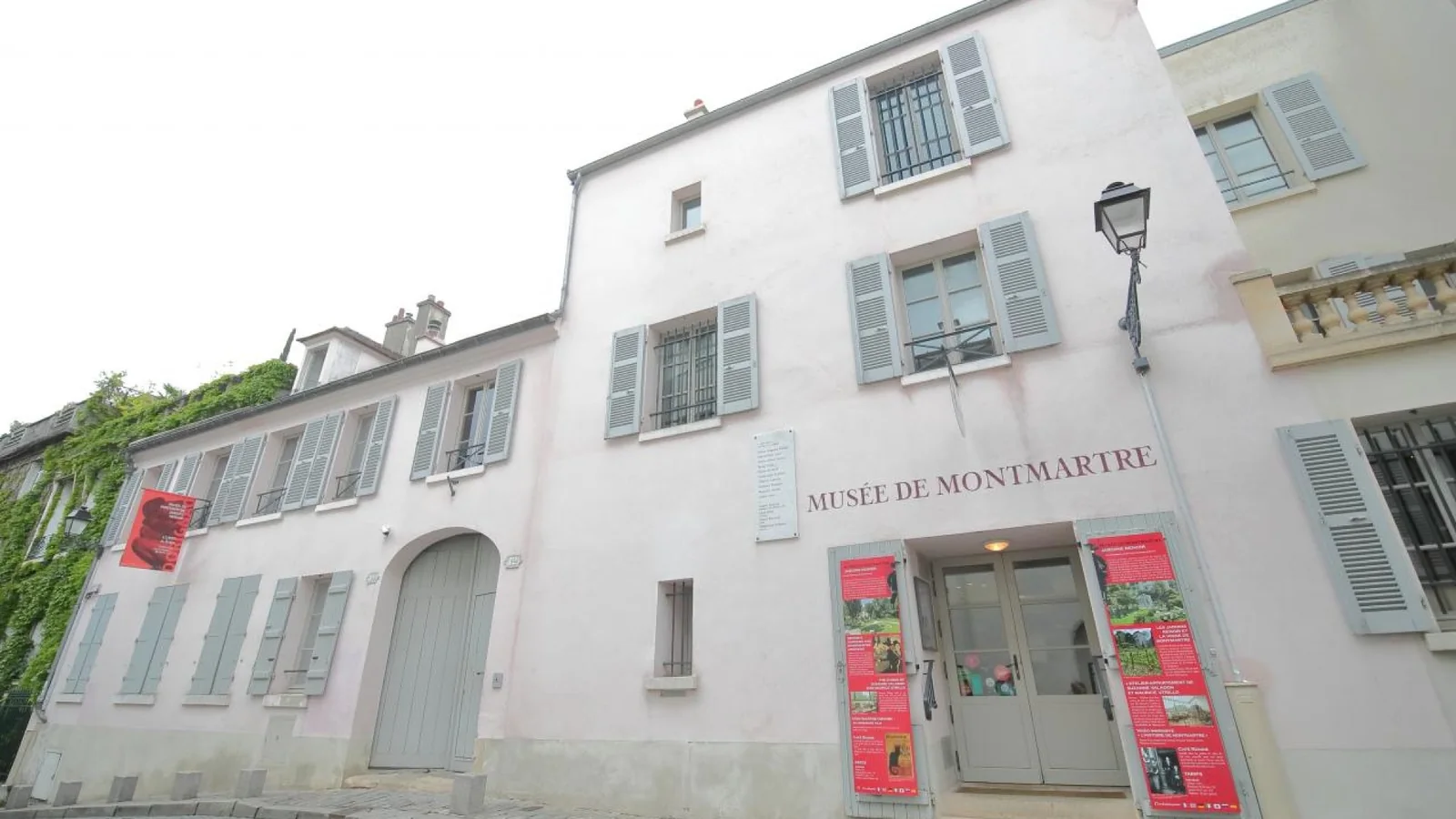
Musée de Montmartre explores the neighborhood’s artistic history from its historic setting on Rue Cortot.
If you want one paid Montmartre attraction, Musée de Montmartre adds more context than another viewpoint. Its collections explore the artistic life of the hill, and the site includes historic studios and gardens connected with figures such as Renoir and Suzanne Valadon.
According to the official Musée de Montmartre visitor information, the museum is open daily from 10 a.m. to 7 p.m.. Standard adult admission is currently €16 during exhibition periods.
Choose it if: the artistic history of Montmartre matters to you and you have at least half a day.
Skip it if: you only have 90 minutes and mainly want the streets, views and Sacré-Cœur.
One small logistical detail matters: the museum does not have a luggage room or cloakroom. Montmartre is already awkward with heavy bags, so this is a poor attraction to save for the hours between hotel checkout and your flight.
Rue de l’Abreuvoir and Clos Montmartre: Things to See Beyond the Crowds
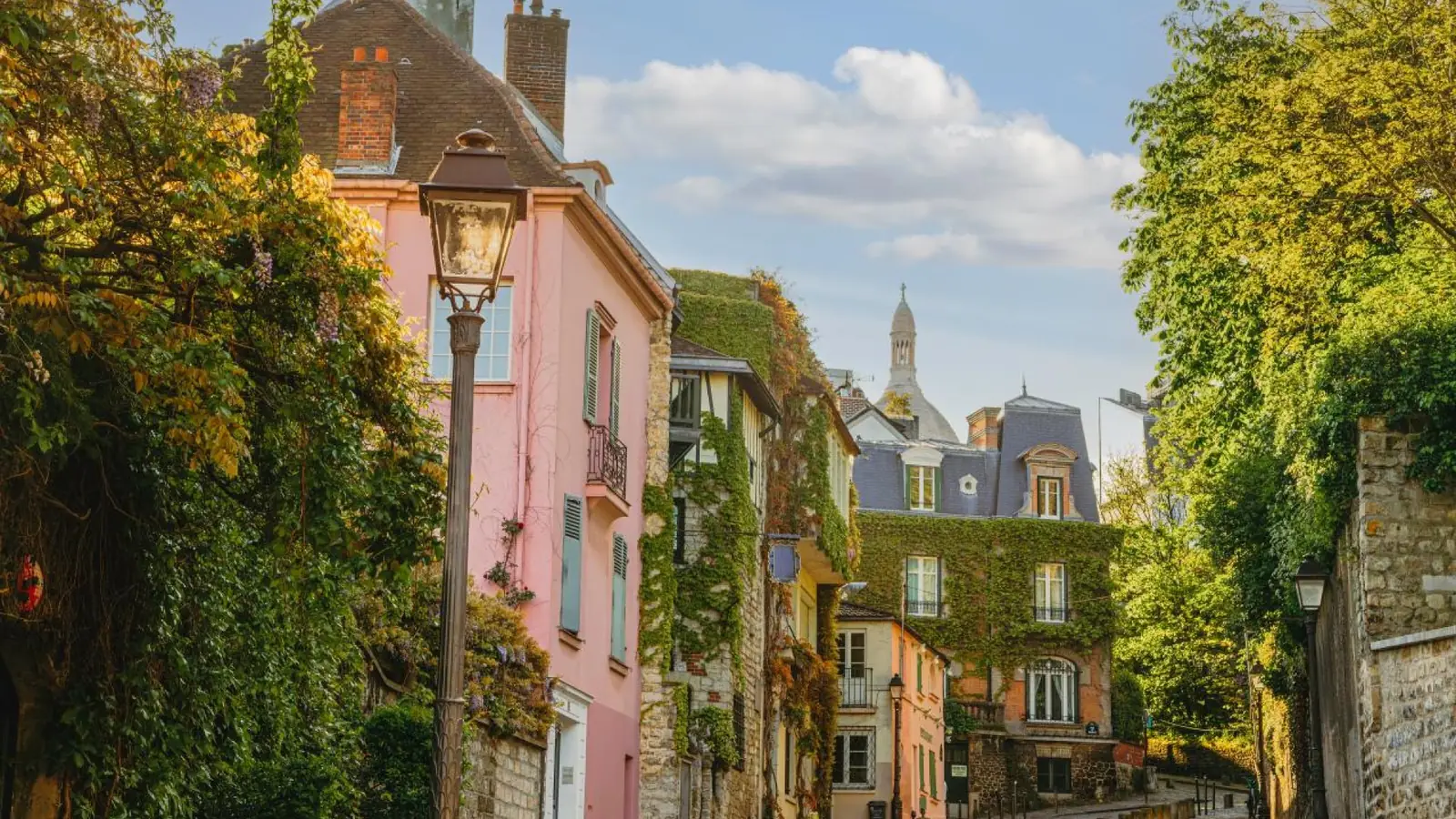
Rue de l’Abreuvoir combines historic houses, cobblestones and the quieter village-like atmosphere of Montmartre.
Some of the best things to do in Montmartre are not really attractions at all.
Walk past Clos Montmartre, the small vineyard that preserves part of the hill’s wine-growing history, then continue toward Rue de l’Abreuvoir and the streets around La Maison Rose.
The vineyard itself is normally entered only as part of organized visits, so do not build your day around getting inside. Its real value on a first visit is how naturally it fits into the walk between Rue Cortot and the northern side of the hill.
Rue de l’Abreuvoir is one of the neighborhood’s classic photo locations. At peak hours, however, it can feel more like a photo queue than a hidden Paris street. Give it a few minutes, enjoy the setting, and continue. Montmartre becomes better when you stop expecting every famous corner to deliver a major experience.
Moulin de la Galette, Abbesses and the Lower Neighborhood
Continue west toward Moulin de la Galette and Rue Lepic. The surviving windmill is a reminder of the more rural Montmartre that existed before the modern city grew around it.
From there, the neighborhood naturally flows toward Abbesses. Place des Abbesses, the Wall of Love and the surrounding streets give you a different Montmartre: less dominated by one monument and more connected to cafés, shops and everyday neighborhood life.
If shopping is part of your plan, keep it as a natural stop rather than turning this guide into another shopping itinerary. Our Paris Shopping Guide compares Montmartre with Le Marais, Haussmann and other shopping areas in much more detail.
Moulin Rouge can be added at the end by continuing downhill toward Boulevard de Clichy. Seeing its famous red windmill from outside is easy. Booking a cabaret show is a separate evening decision and does not need to be forced into the same sightseeing window.
Best Montmartre Paris Walking Route: A Smart 3–4 Hour Plan
The best Montmartre walking route solves the hill before it solves the sightseeing.
If you begin at the bottom, climb to Sacré-Cœur, wander across the summit, descend toward Abbesses and then discover that something you saved is uphill again, a short neighborhood suddenly becomes a workout.
For most first-time visitors, the easier strategy is simple: get to the top first, then let the walk gradually move sideways and downhill.
Stop 1: Anvers and the Montmartre Funicular
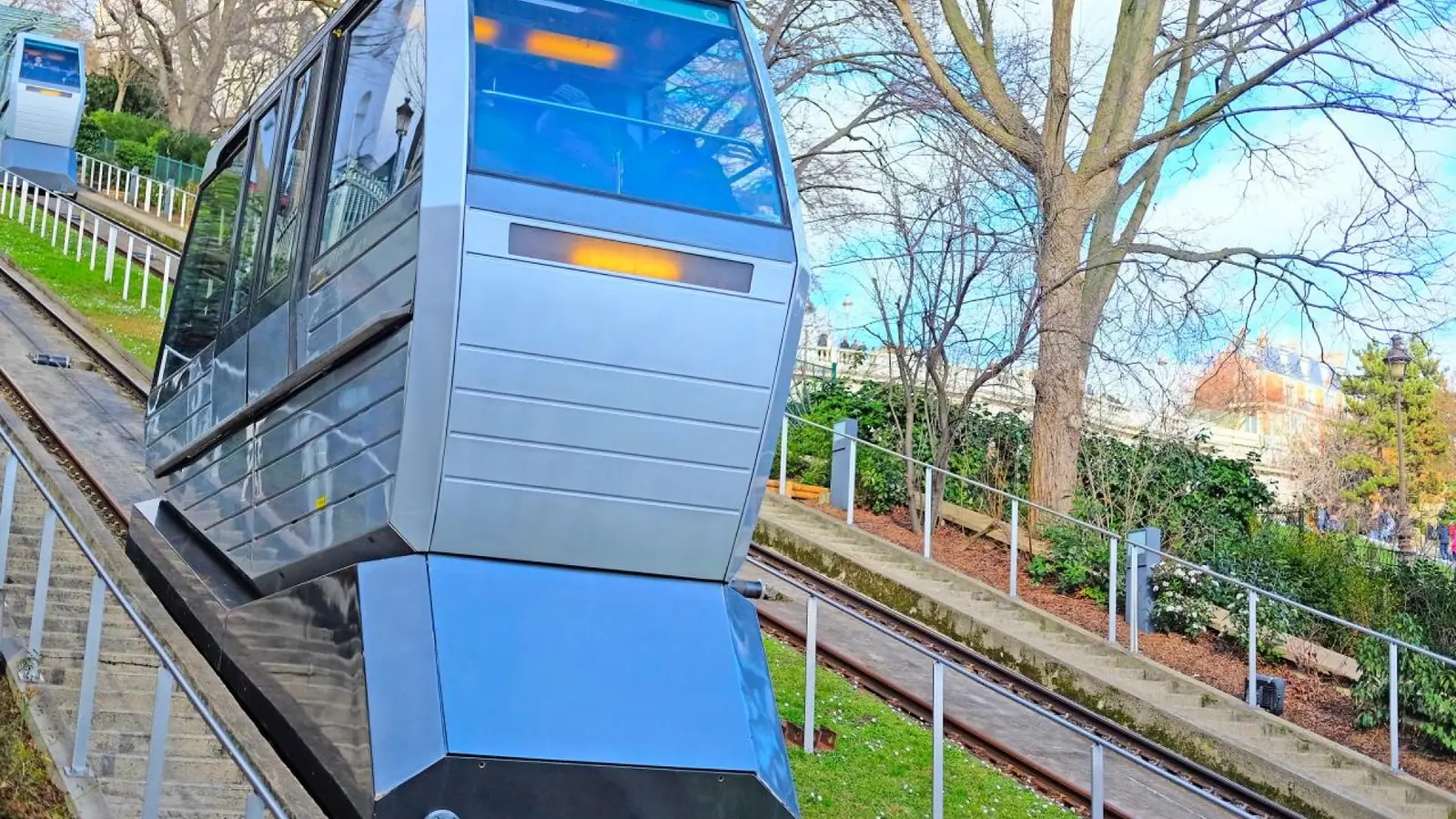
The Montmartre funicular provides a quick alternative to climbing the steep steps toward Sacré-Cœur.
Take Metro Line 2 to Anvers, then walk toward Square Louise Michel at the foot of Sacré-Cœur.
You can climb the long staircase, but you do not earn a better view for arriving exhausted. The Montmartre funicular removes the main ascent in a very short ride.
A separate funicular journey currently costs €2.55. According to RATP’s official fare information, you can pay directly with a contactless bank card, phone or compatible smartwatch. Accepted transport passes and tickets can also be used depending on what you already have.
For a traveler planning several more hours of walking, preserving your legs at the beginning is often worth more than the small fare.
Stop 2: Sacré-Cœur and the Best Montmartre Paris View
Allow around 30–45 minutes for the forecourt and basilica. You may need less early in the morning and more during busy periods.
Do not rush the panorama simply because another attraction is waiting. This is one of the reasons you came up the hill. Take the photograph, put the phone away for a minute, then continue around the basilica rather than descending the way you arrived.
Stop 3: Place du Tertre
Walk toward Saint-Pierre de Montmartre and Place du Tertre.
If you only want to see the artists, one loop around the square is enough. If you want a portrait, agree on the price and format before the artist begins. If lunch is the priority, remember that a famous square sells location as well as food.
You can often make a calmer restaurant decision by continuing several streets farther. For broader food planning, use our Best Restaurants in Paris guide rather than choosing only because hunger caught you beside a landmark.
Stop 4: Rue Cortot, the Museum and the Vineyard
Leave the busiest streets toward Rue Cortot.
If this is a half-day visit, enter Musée de Montmartre here. If you are trying to keep the entire route close to three hours, continue outdoors toward Clos Montmartre.
This is also a useful point for a fatigue check. If someone is already tired, cut one of the later detours now. Montmartre rewards slow walking more than completing an arbitrary list.
Stop 5: Rue de l’Abreuvoir and Moulin de la Galette
Walk from the vineyard area toward Rue de l’Abreuvoir, then continue west toward Moulin de la Galette.
The distances are not huge, but this section is where the route begins to feel less like moving between major attractions. Curving streets, changes in elevation and residential buildings become part of the experience.
Photographers should remember that famous Montmartre streets change dramatically with crowd levels. A slightly less perfect early-morning light can produce a much better photograph than golden-hour light behind twenty people waiting for the same angle.
Stop 6: Rue Lepic, Abbesses and the Wall of Love
Follow Rue Lepic toward Abbesses. Film fans can notice locations connected with Amélie, while everyone else can simply enjoy the gradual shift from postcard Montmartre to a busier neighborhood of cafés, bakeries and shops.
Finish around Place des Abbesses and the nearby Wall of Love. This gives you a natural place for a coffee or bakery stop and puts you beside Metro Line 12 when you are ready to leave.
If your next destination requires several transfers, check the route before entering the nearest station automatically. A few extra downhill minutes can occasionally produce an easier connection.
Our Paris transportation guide explains the wider Metro and ticket system if Montmartre is only one part of your sightseeing day.
Optional Extension: Moulin Rouge and Pigalle
If you still have energy, continue downhill from Abbesses toward Boulevard de Clichy and Moulin Rouge.
This works particularly well as an ending because you are not climbing again. It also reveals another layer of Montmartre: the summit is associated with churches, artists and panoramic views, while the streets below connect the neighborhood to cabaret and nightlife history.
| Time available | Best plan |
|---|---|
| 90 minutes | Funicular → Sacré-Cœur → Place du Tertre → short hilltop walk |
| 3–4 hours | Full route from Anvers to Abbesses |
| Half day | Add Musée de Montmartre and a relaxed café stop |
| Limited mobility / young children | Use funicular and reduce steep detours |
TripsCity Insight: A good Montmartre route should become physically easier as the visit continues. If your second half requires more climbing than your first, your stop order is probably working against you.
Should You Start at Abbesses Instead?
Yes, if atmosphere matters more than efficiency.
Starting at Abbesses lets you see the Wall of Love, Rue des Abbesses and Rue Lepic before reaching the summit. The route feels more organic because Montmartre gradually reveals itself as you climb.
The trade-off is physical. You are deliberately walking uphill through much of the first half.
Choose Abbesses first if you enjoy wandering and slopes do not bother you. Choose Anvers plus the funicular if you want the more efficient first-time route.
The sights barely change. Your energy level does.
How to Visit Montmartre Paris: Timing, Transport, Safety and Local Tips
Montmartre is popular enough that when you visit can change the experience almost as much as what you see.
A weekday morning and a sunny weekend afternoon can feel like two different neighborhoods even though the buildings, views and walking route are identical.
Best Time to Visit Montmartre Paris for Fewer Crowds
Early morning is the strongest choice for lighter crowds, photography and easier walking.
You can see Sacré-Cœur before the busiest visitor period, move through Place du Tertre more comfortably and reach the narrow streets before many organized groups fill the hill.
Late afternoon and early evening are better if atmosphere matters more than space. Cafés become livelier and the changing light can make the city view memorable, but you will share it with more people.
Midday is not a reason to skip Montmartre. It simply requires different expectations. Instead of spending twenty minutes fighting for one famous photo angle, spend more of your time behind the basilica and around Rue Cortot, Rue de l’Abreuvoir and Abbesses.
Spring and autumn are especially comfortable walking seasons. Summer heat can make the slopes feel harder than expected, while winter rain turns pretty cobblestones into something you actually need to watch under your feet.
How to Get to Montmartre Paris by Metro
There is no Metro station called “Montmartre.” The right station depends on your route.
- Anvers — Line 2: best for the classic Sacré-Cœur approach and funicular.
- Abbesses — Line 12: best for cafés, the Wall of Love and a neighborhood-first walk.
- Lamarck–Caulaincourt — Line 12: useful for the quieter northern side and Musée de Montmartre.
- Blanche or Pigalle: useful when Moulin Rouge is part of the same visit.
Do not automatically choose the station closest to one attraction. Choose the station that produces the easiest overall walking direction.
Is Montmartre Paris Safe?
Montmartre is one of Paris’s busiest tourist areas and is generally straightforward to visit with normal big-city awareness.
The practical concern is crowded-space theft rather than some special danger unique to Montmartre. Paris je t’aime, the official Paris tourism office, advises visitors to keep valuables secure and stay alert for pickpockets in busy tourist areas.
Keep your bag closed and in front of you when crowds become dense. Do not leave a phone loosely accessible while concentrating on a photograph, and be cautious with unsolicited street interactions or unofficial sellers.
At night, the summit, restaurant streets and Abbesses can remain lively. The character changes as you move down toward Pigalle and Boulevard de Clichy, so travelers who prefer quieter evenings may simply choose the Metro once sightseeing is finished rather than continuing without a plan.
Montmartre With Children or Limited Mobility
Generic advice to “just wander” is less useful when someone in the group struggles with stairs.
Use the funicular for the main ascent and shorten optional detours. Sacré-Cœur also provides an accessible entrance and lift from 35 Rue du Chevalier de la Barre for visitors with reduced mobility.
The surrounding neighborhood remains more complicated. Historic streets include slopes, stairs, cobbles and uneven surfaces, so accessibility at the basilica does not mean the entire Montmartre walking route is step-free.
With children, schedule the break before everyone needs it. A tired child at the top of the hill can turn your planned “relaxed wandering” into another hour of negotiations and staircases.
Eating, Shopping and Staying in Montmartre
You could create separate guides for all three, which is exactly why they should not take over this one.
For food, avoid letting hunger make the decision for you at the busiest tourist square. Walking a few streets beyond Place du Tertre gives you more time to compare what actually fits your budget and mood.
For shopping, Abbesses and the surrounding streets are better places to browse naturally during the route. Our Paris Shopping Guide covers Montmartre’s role in a wider shopping trip.
Montmartre can also be a romantic place to stay, but a hotel’s exact street matters. A beautiful room high on the hill may also mean carrying luggage up slopes repeatedly. Compare that trade-off in our Where to Stay in Paris guide before choosing the neighborhood only for its view.
Common Montmartre Mistakes
- Zigzagging across the hill: build one directional route instead.
- Treating every famous street as a major attraction: many are better as part of the walk.
- Arriving hungry at the busiest square: tired decisions are rarely the best-value decisions.
- Wearing poor walking shoes: cobbles and slopes make small footwear problems bigger.
- Ignoring fatigue: use the funicular or shorten the route before the visit becomes work.
- Combining Montmartre with too many distant sights: the neighborhood loses its appeal when you are constantly checking the time.
Montmartre Paris FAQ
What is Montmartre in Paris?
Montmartre is a historic hill and neighborhood in Paris’s 18th arrondissement, famous for Sacré-Cœur, panoramic views, artistic history, winding streets and its former village character.
What are the best things to do in Montmartre?
For a first visit, prioritize Sacré-Cœur, Place du Tertre, Rue Cortot, Clos Montmartre, Rue de l’Abreuvoir, Moulin de la Galette and Abbesses. Add Musée de Montmartre if art and neighborhood history are priorities.
How long do you need in Montmartre?
Around 3–4 hours is ideal for most first-time visitors. Ninety minutes works for the summit highlights, while a half day gives you time for the museum, café breaks and slower exploration.
What arrondissement is Montmartre in?
Montmartre is in the 18th arrondissement in northern Paris.
Is Montmartre worth visiting?
Yes, especially on a first trip. Its combination of views, artistic history and hilly neighborhood streets offers a noticeably different experience from the Louvre, Eiffel Tower and central boulevards.
Is Sacré-Cœur free to visit?
Yes. Entry to the basilica itself is free. Separate experiences such as access to the dome have their own arrangements.
What is the best Metro station for Montmartre?
Use Anvers for the classic Sacré-Cœur approach, Abbesses for a neighborhood-first route, or Lamarck–Caulaincourt for the quieter northern side.
Final Verdict: Is Montmartre Worth Your Time?
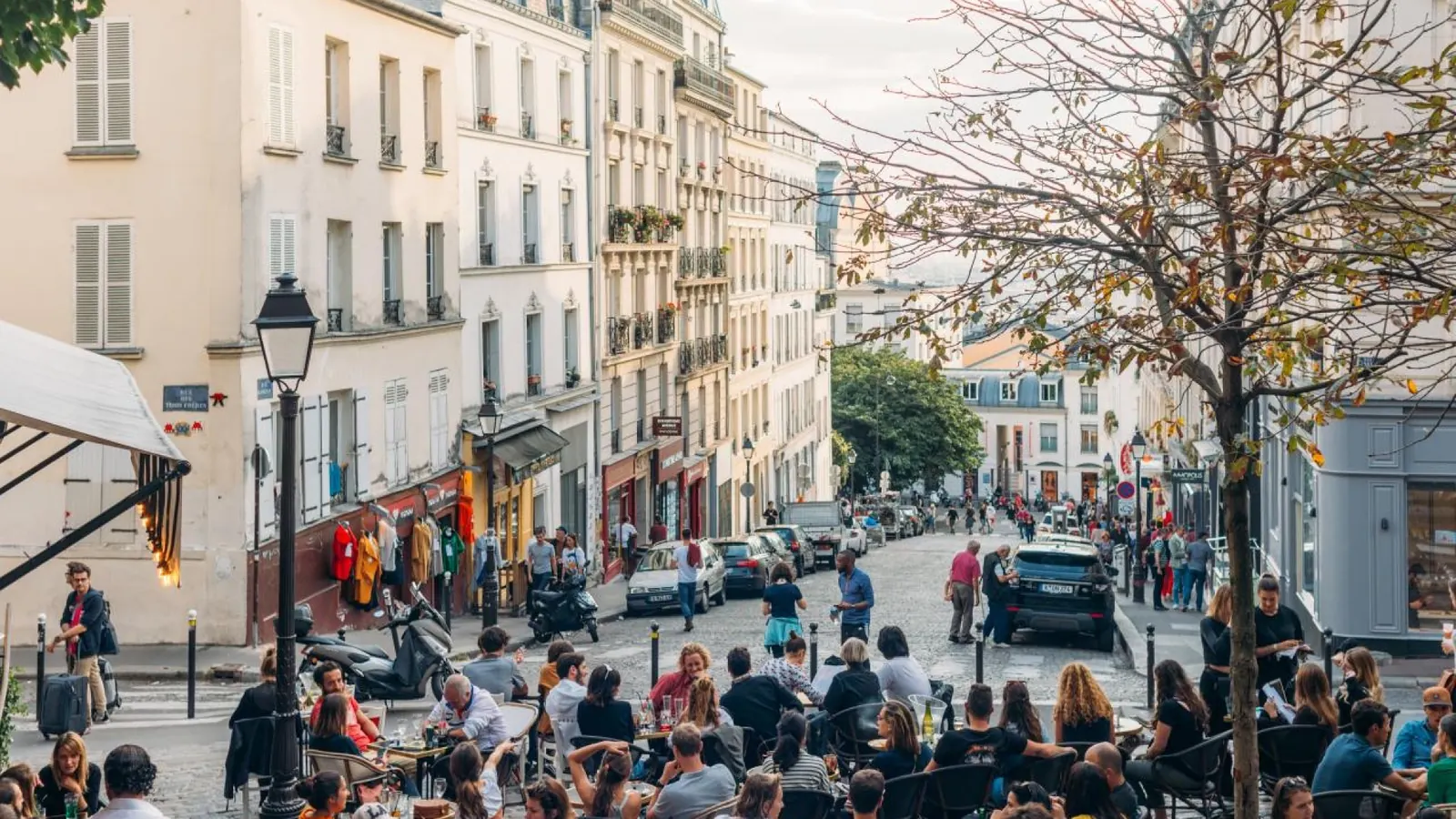
Café terraces and busy neighborhood streets capture the atmosphere that makes Montmartre worth exploring beyond its landmarks.
Montmartre deserves dedicated time on a first Paris itinerary, but not because every corner is a “hidden gem.” Its strength is the contrast packed into one small hill: the panorama at Sacré-Cœur, the busy artists around Place du Tertre, quieter streets behind the summit, traces of vineyards and windmills, then the everyday energy around Abbesses and the nightlife edge near Pigalle.
The mistake is trying to complete Montmartre.
There is nothing to complete. Choose the sights that match your interests, start at the right elevation, keep moving mostly in one direction and leave enough space for one stop you did not plan.
That is when Montmartre works best—not as another Paris checklist, but as a neighborhood where the walk itself becomes part of what you came to see.