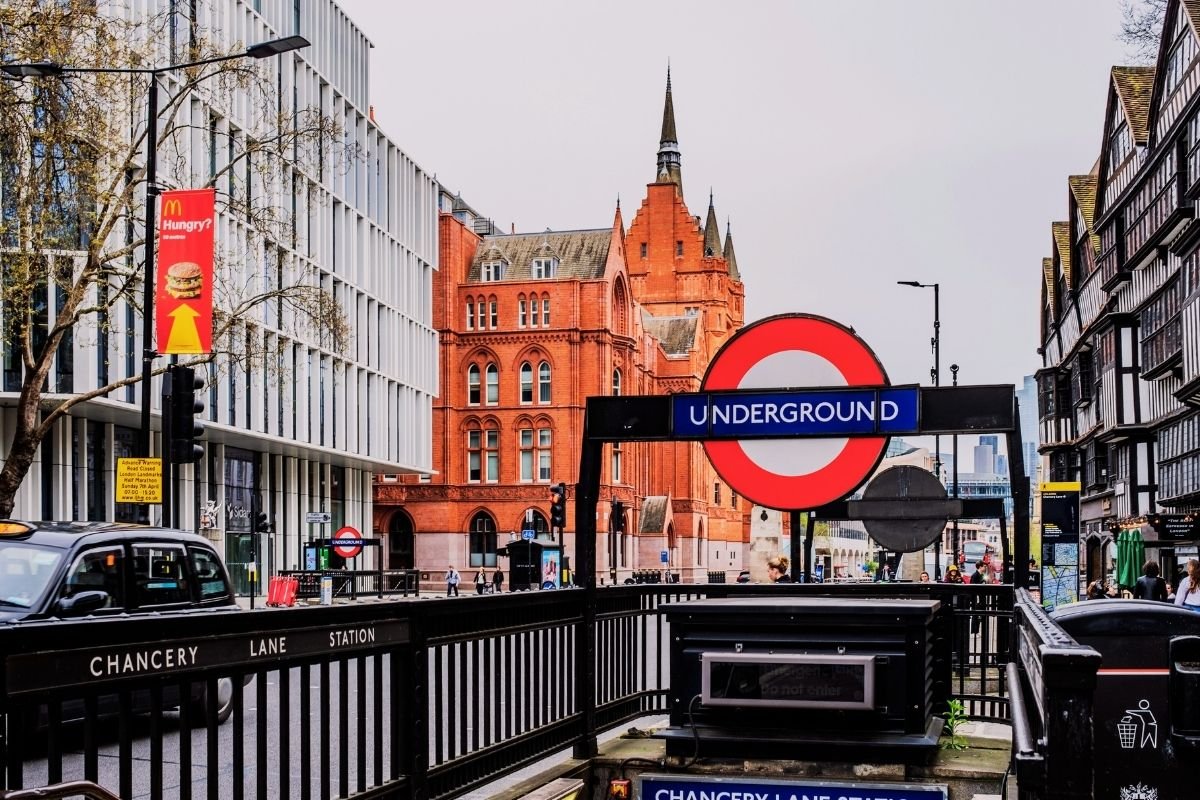
If you’re searching for Best Areas to Stay in London Near a Station (Easy Access), you’re not asking for “a nice neighborhood.” You’re asking for a base that doesn’t quietly steal your trip.
Here’s the first-timer truth: London rarely breaks your day with one big disaster. It breaks it with small friction—the wrong station exit, the “3-minute walk” that becomes 12, the station that looks simple but has a tunnel maze, the route that needs two line changes when you’re tired.
And that’s why “near a station” is not enough. London has 11 Underground lines, hundreds of stations, and some of the biggest interchanges in Europe. Two hotels can be the same “distance” from a station… but one gives you clean movement, and the other makes you commute inside the station itself.
So this guide does one thing: it helps you pick a base by station logic—not by vibes.
If you want to reality-check routes instead of guessing, use:
TfL Journey Planner.
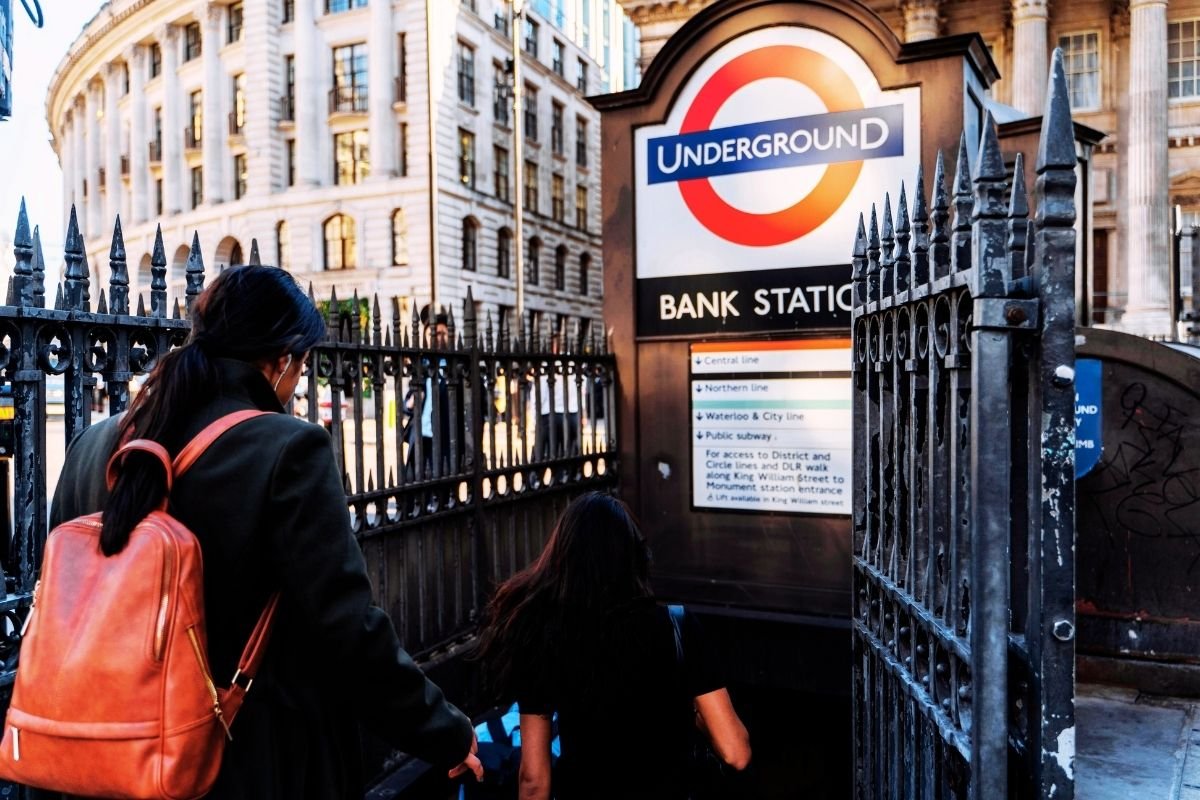
Easy access isn’t “near a station.” It’s near the station—with a route that stays simple when you’re tired.
Easy access in London: the definition that actually matters
For first-timers, “easy access” means you can do three things without paying a daily tax:
- Start the day clean: you can reach the core with one direct line (or one simple change).
- Return clean: late afternoon is when confusion gets expensive—wrong platforms, long corridors, and “let’s just take a faster option.”
- Walk to the platform without drama: the hotel → correct entrance → platform path matters more than the neighborhood name.
If you want the movement foundation that stops micro-mistakes (wrong exits, unnecessary line changes), keep this open while you plan:
How to Get Around London (2026): Tube, Buses, Oyster & Contactless.
If you’re arriving with luggage, your first hour decides the tone of the whole trip. A messy arrival is how people start late and spend days “catching up”:
London Airport Transfer Guide 2026: Heathrow, Gatwick, Stansted, Luton & City.
The decision rule: choose an “anchor station,” not just an area
When you stay near an anchor station, your days feel coherent. When you stay near a “random station,” your trip becomes a chain of small repairs.
An anchor station is a station that gives you reliable, simple access to the places first-timers actually visit—without forcing constant changes.
Use this rule:
- Best-case: one line into the core.
- Acceptable: one easy change at a station that feels simple.
- Red flag: two changes (or one change inside a confusing mega-interchange) — this is how time disappears daily.
If you haven’t picked a base yet and want the bigger “where to sleep so London feels easy” logic, start here:
Where to Stay in London (2026): The Base That Makes London Feel Easy.

Anchor station logic is the real shortcut: fewer changes, cleaner returns, and less daily friction.
The 4 first-timer tests (so you don’t pick a station that looks good on a map)
Test 1: Can you reach the icon core without a commute?
Your first two days usually include Westminster, a Thames walk, and at least one major indoor block. If your base requires multiple changes to reach the core, you’ll pay that cost every morning.
Test 2: Does the station feel simple at 08:30 and at 18:30?
Some stations are powerful but mentally heavy: many exits, long corridors, confusing junctions. That’s fine when you’re fresh. It’s not fine when you’re tired and carrying bags.
Test 3: Is the hotel-to-platform path genuinely short?
“3 minutes to the station” is often marketing math. In real life, crossings, crowds, and the correct entrance turn “close” into a daily walk tax.
Test 4: Will your returns be clean after a long day?
This is where first-timers lose time: you return tired, miss the right exit, walk the wrong direction, and the day ends with frustration instead of closure.
Best areas to stay in London near a station (easy access): the short list
This is the shortlist that works for first-timers because it’s built around strong anchors—simple routes, fewer changes, and reliable returns.
| Base area | Anchor station | Why it stays easy |
|---|---|---|
| Victoria / St James’s / Westminster edge | Victoria / St James’s Park / Westminster | Core access without a “morning commute” feeling |
| South Bank / Waterloo | Waterloo | Thames spine access + strong connections without constant changes |
| Bloomsbury / King’s Cross edge | King’s Cross St Pancras / Russell Square | Flexible routing with multiple lines (good for varied plans) |
| Paddington / Bayswater edge | Paddington | Practical for arrivals + clean west/central access when chosen correctly |
Base #1: Victoria / St James’s / Westminster edge (the “start clean” base)
This base works because it removes the first-timer pressure: you don’t begin Day 1 with a commute. You begin it inside the core.
Best for: first-timers who want icons to feel dense, not scattered.
Feels like: calm mornings, short moves, fewer “where are we?” moments.
Watch for: don’t book “near Victoria” and end up on the wrong side of long crossings. Your goal is easy station access, not “technically close.”
If your trip is built around a coherent flow (icons → river spine → clean returns), this base matches perfectly:
London 4 Days Itinerary (2026): The Calm Plan That Actually Flows.
Base #2: South Bank / Waterloo (the anchor that keeps London coherent)
Waterloo is powerful because it helps you run London like a spine, not a zigzag. When your day has a river line, you’re less likely to get lost, less likely to over-transfer, and more likely to finish days calm.
Best for: travelers who want a strong “London feel” day after day without constant station stress.
Watch for: “near Waterloo” can still mean a daily walk tax if your hotel forces you into awkward underpasses or long approaches. Pick the side that keeps access clean.
Next, we’ll lock the exact station picks inside each base (what feels easy in real life), the “looks-close-but-isn’t” traps, and the bases you should avoid if you’re optimizing for calm, first-timer movement.
Base #3: Bloomsbury / King’s Cross edge (the flexible hub base that saves you when plans change)
This is the base for first-timers who want London to stay forgiving. Not because it’s “prettier,” but because you’re sitting near one of the city’s biggest connectivity hubs—meaning you can reroute cleanly when a day shifts.
Human truth: first trips change in real life. You start late. Rain hits. Someone gets tired. You abandon one stop. A flexible hub base is what keeps those changes from turning into chaos.
Best for: travelers who want options without feeling like they’re constantly commuting.
Feels like: “we can reach anything,” without the panic of complicated transfers.
Watch for: big hubs can be mentally heavy. If you’re the type who hates crowds and long corridors, don’t place your hotel where every return feels like a maze. You want hub connectivity, not hub exhaustion.
If you’re arriving by train (or you want a base that makes departures clean), this zone can be a smart choice. But don’t guess your connections—test them once and commit.
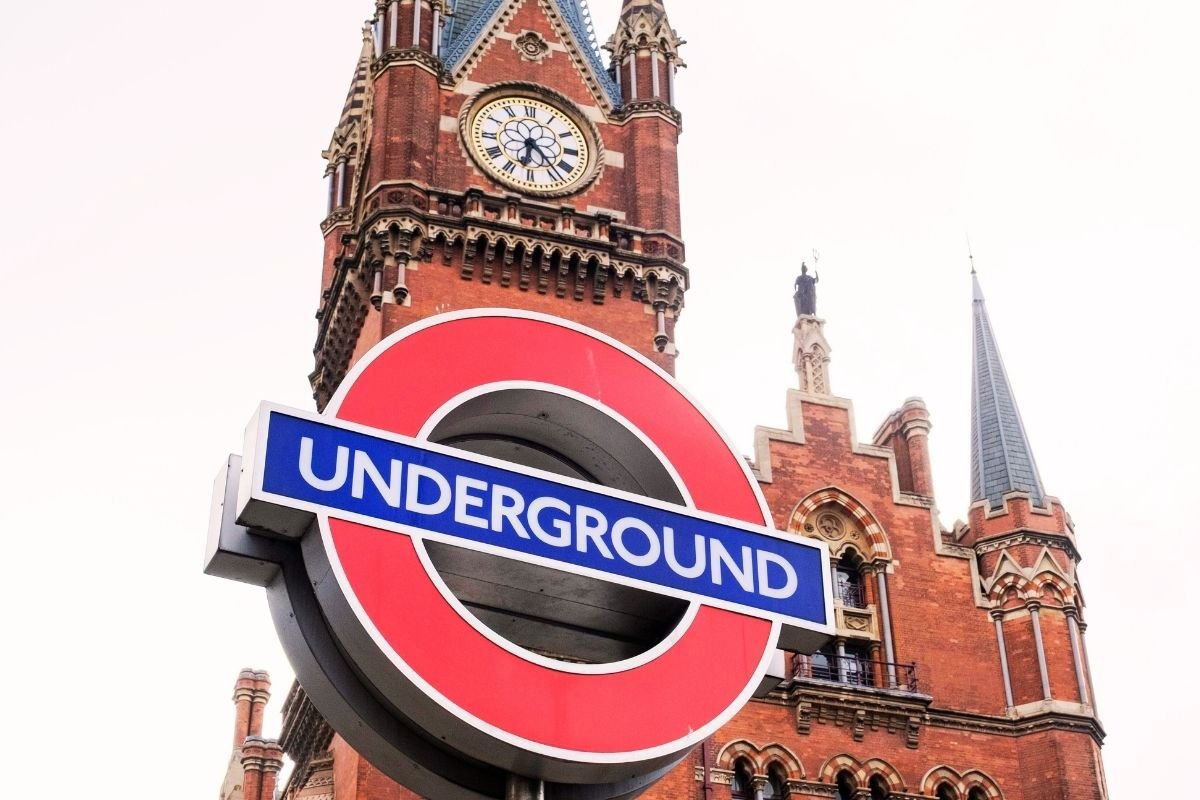
A flexible hub base only works when it feels calm in real life: simple paths, clear returns, and no daily maze.
The King’s Cross base rule (so it stays easy, not overwhelming)
- Choose the “edge,” not the deep center: being slightly outside the busiest pinch points often feels calmer while staying connected.
- Prefer hotels with a simple station path: your daily win is not the neighborhood name—it’s the door-to-platform simplicity.
- Avoid two-change routes as your default: this base only works when it lets you stay flexible with one clean move.
If your itinerary is icon-heavy early, then more flexible later, this base pairs well with a structured plan:
London 4 Days Itinerary (2026).
Base #4: Paddington / Bayswater edge (the practical base—only if you choose it correctly)
Paddington gets recommended a lot because it’s practical. But here’s the honest version: it can be excellent or it can be a daily friction tax depending on how you choose it.
Why it can work: you get clean access to central routes, and it’s often a comfortable “arrival/departure” base for certain travelers.
Why it can fail: you book something that’s “near Paddington” but the real path to the platform is awkward, or you’re forced into routes that make you change lines when you’re tired.
Best for: travelers who want a practical base with straightforward movement and a calmer west-side feel.
Watch for: don’t let “close to Paddington” trick you. The daily experience matters: crossings, entrances, and the correct access point.
The Paddington base rule (simple): test your two most common routes
Before you commit, test:
- Hotel → your Day 1 start (usually Westminster / the Thames spine)
- Hotel → your late-day return (because tired returns are where confusion costs you)
If both routes stay clean (one line or one simple change), Paddington works. If not, choose a different anchor base and save your legs.
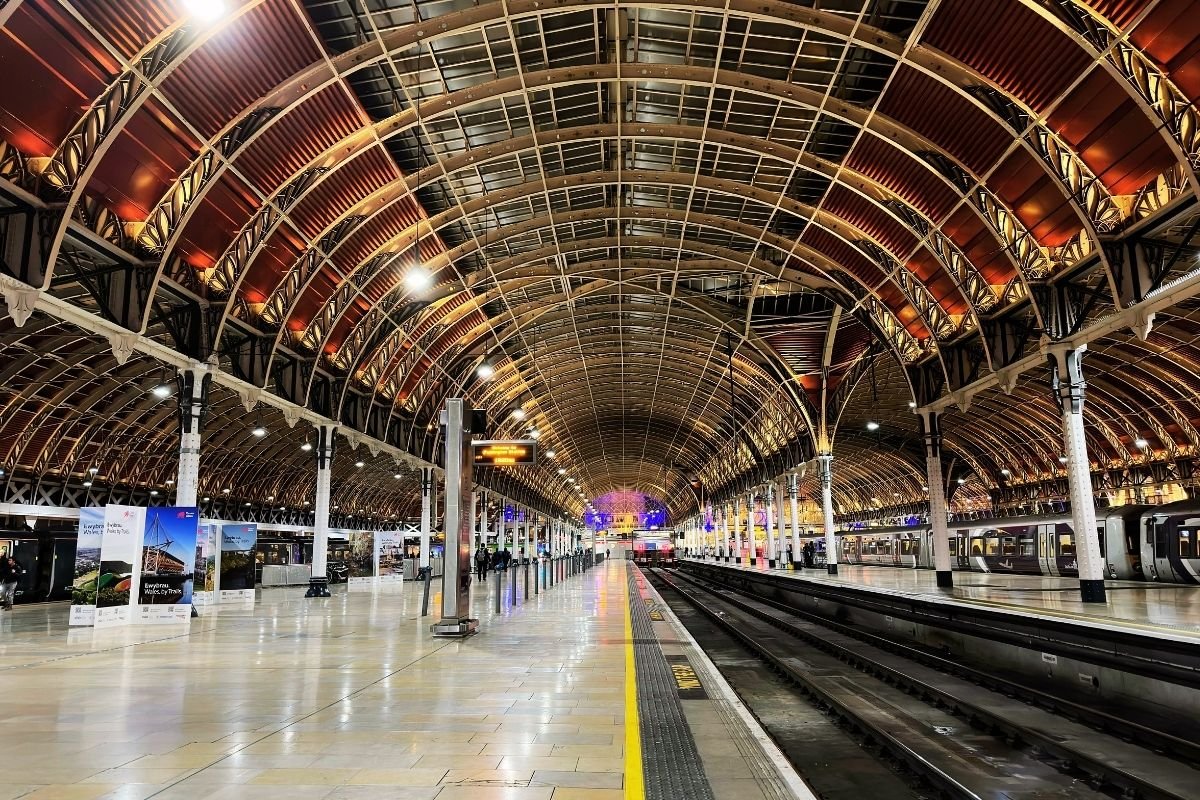
Paddington can be excellent—or a daily friction tax. The difference is the door-to-platform reality.
The “looks close but isn’t” traps (the mistakes first-timers repeat)
Most bad base choices happen for the same reasons. These are the traps that look fine online and feel expensive in real life.
Trap 1: “Near a station” but the station is the wrong kind of station
Some stations are not good anchors. They might be small, poorly connected, or force you into awkward changes. You don’t want a station. You want an anchor.
Trap 2: “Central” but you pay with noise and weak sleep
If you don’t sleep well, you don’t tour well. A base can be central and still bad for first-timers if it kills your sleep and makes Day 2 feel heavier. Your base should reduce friction, not add it.
Trap 3: Two line changes becomes your “normal”
Two changes once is fine. Two changes as your daily normal is not. That’s when the trip becomes commuting and small repairs: wrong platform, missed connection, extra walking, then the day collapses quietly.
Trap 4: The daily “walk tax” (hotel-to-platform friction)
People underestimate this because they only do it once in their imagination. In reality you do it 8 times in a 4-day trip (morning out + evening back). A 10-minute walk tax becomes a whole attraction’s worth of time.
The decision shortcut: the 20-second checklist
If you want the fastest way to decide, use this checklist. If you can say “yes” to most of it, your base will feel easy.
- One clean route to the core (or one simple change)
- Simple returns after a long day
- Short door-to-platform path (no daily hike)
- Low confusion station (especially for first-timers)
- Sleep-friendly street (calm enough to recover)
If you haven’t decided yet and want the broader base logic (not just station access), this is the clean overview:
Where to Stay in London (2026).
Where a smart affiliate link actually fits (without turning the trip into a paid marathon)
If you pick a base with clean station access, your days stay stable. The only time a paid “anchor” is worth it is when it protects a vulnerable window—late morning queues, a rainy day compression, or the one attraction you truly don’t want to gamble on.
If you want one timed-entry London anchor to protect your most fragile day window (choose one, not many), this is the only type of affiliate link that fits naturally:
reserve one timed-entry London attraction for the day you expect the worst queues.
Rule: one protected anchor when it saves time. Everything else stays flexible. That’s how London stays enjoyable instead of exhausting.
FAQ (Practical, No-Fluff)
1) Is staying “near a station” always a good idea in London?
No. It’s only good if it’s the right station: clean routes, simple exits, and returns that don’t become a maze when you’re tired.
2) What’s the best station type for first-timers?
A station that gives you one clean route into the core and doesn’t force two changes. The best base is the one that keeps mornings and returns simple.
3) What’s the biggest mistake people make when choosing an area?
Choosing by name instead of by movement. “Nice neighborhood” doesn’t matter if you commute every morning, lose time in corridors, and end days exhausted.
4) How do I test a hotel quickly before booking?
Test two routes: hotel → Westminster (or your Day 1 start) and hotel → return at 18:30. If both are clean, it’s a good station-base. If not, skip it.
5) If I’m only in London for a short trip, does base choice matter more?
Yes. The shorter the trip, the more every station mistake hurts. A clean base makes London feel smaller and calmer immediately.
The areas that “sound smart” but quietly break first-timers
You don’t lose your trip by choosing a “bad” area. You lose it by choosing an area that forces daily repairs: extra changes, awkward returns, long station corridors, and the kind of small confusion that turns into fatigue.
1) Far-out “cheap deals” (the hidden commuting tax)
A cheaper hotel far out looks like savings. In real life, it often becomes a tax you pay twice per day: time, energy, and the slow mental drain of repeating the same commute.
Rule: if your base routinely needs two changes to reach your core days, it’s not a deal. It’s a slow leak.
2) “Near a station” but the station isn’t an anchor
Some stations are real anchors. Others are just… stations. If you need a specific chain of transfers every time you move, you’ll start avoiding going back to the hotel (no reset), then the whole day becomes fragile.
3) Stations that feel simple on paper but heavy in real life
Big interchanges can be powerful, but they can also be mentally heavy: long corridors, multiple levels, and exits that don’t feel intuitive when you’re new.
Human truth: what feels “fine” at 09:00 can feel awful at 18:30 when your legs are done. Your base has to work in both moods.
The return-home test (the most overlooked part of “easy access”)
Most base guides focus on how you leave in the morning. That’s only half the story. Your base decision should be built around the return—because that’s when mistakes happen.
Return-home rule: choose a base where your typical return is either:
- One direct line, or
- One change that feels obvious (same platform logic, not a maze).
If your base needs two changes on the way back, you’ll feel it by Day 2. That’s when people start paying for “easy fixes” because they’re too tired to deal with the system.
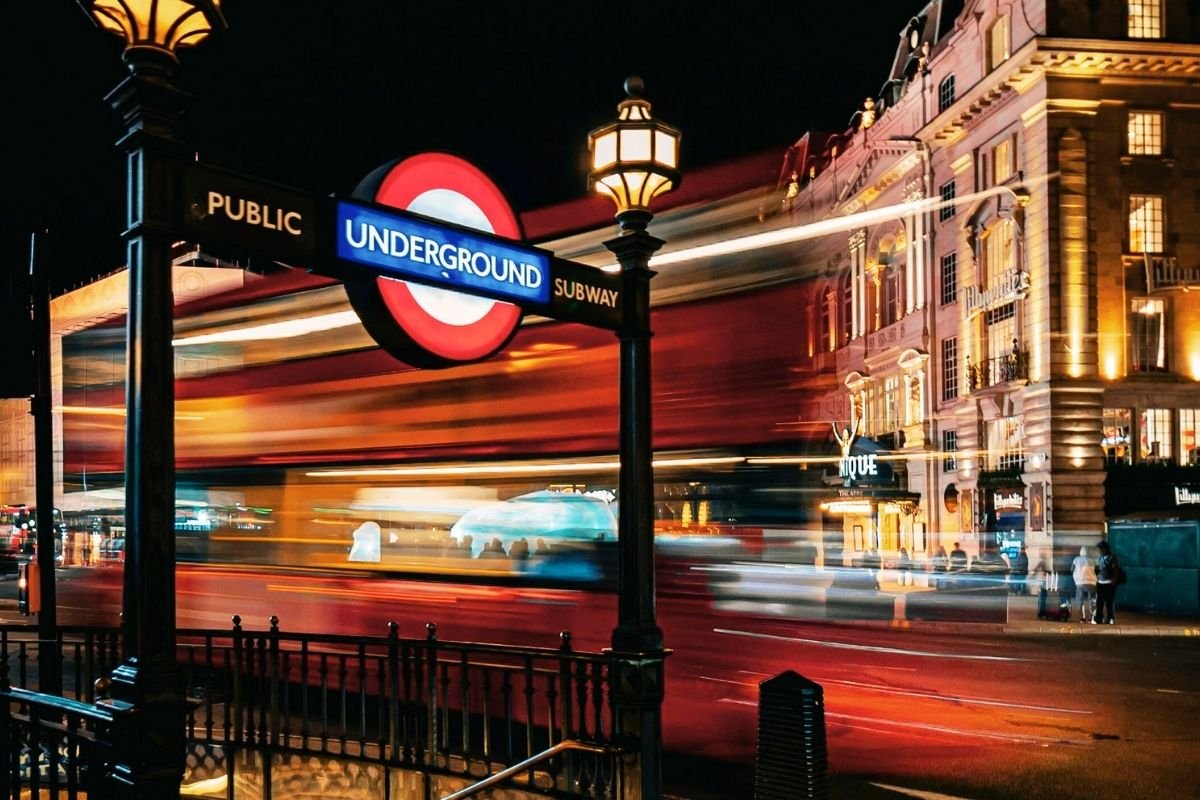
The return-home test is the real test. If it’s clean at 18:30, your base is a winner.
Which base fits which trip style (quick decision map)
This is the fast way to choose without overthinking:
- If your plan is icon-heavy (Westminster + Thames spine early): pick a base that starts the core clean (Victoria / Westminster edge) so Day 1 feels dense, not scattered.
- If you want London to feel coherent with low getting-lost risk: choose a river-spine-friendly base (South Bank / Waterloo) and let the city unfold in one line.
- If you expect plans to change (late starts / weather / energy swings): pick a flexible hub base (King’s Cross edge) so reroutes don’t break the day.
- If you want practical comfort but still need clean access: Paddington can work—only if your two common routes stay simple.
If you’re building your full plan around a calm flow (one spine per day + buffer), this pairs naturally with:
London 4 Days Itinerary (2026).
The “hotel listing reality” section (so you don’t get tricked)
Booking platforms are not lying—you’re just reading them like a map, not like real life.
What “3 minutes to the station” usually hides
- You might be 3 minutes from an entrance, not the correct entrance.
- The platform may still be a long walk inside the station.
- Crossings and crowds add minutes you don’t see on a listing.
What you should look for in reviews (the human signals)
- “Easy to get around” (good sign — usually means returns felt simple)
- “Long walk to the Tube” (red flag — daily walk tax)
- “Confusing station / many exits” (red flag for first-timers)
- “Noisy at night” (red flag — poor sleep makes London feel heavier)
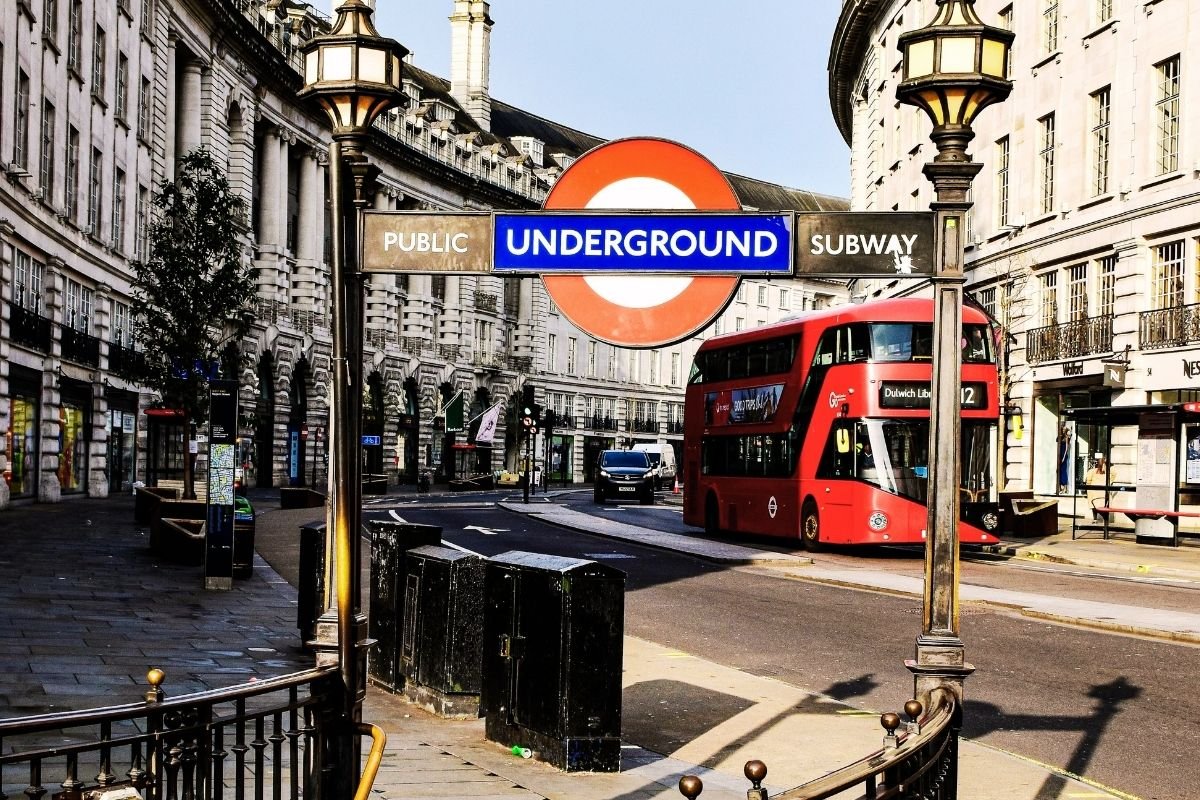
The best bases don’t just move well—they let you sleep well. Good sleep keeps London light.
The booking checklist (copy/paste decision)
Use this before you hit “reserve.” If you can’t tick at least 4 of these, keep looking.
- One clean route to the icon core (or one simple change)
- Return-home is simple after a long day
- Hotel-to-platform path feels genuinely short
- Area feels calm enough to sleep and reset
- Station exits feel intuitive (not a daily puzzle)
If you want the broader “base logic” (not just station access), this is the clean overview:
Where to Stay in London (2026): The Base That Makes London Feel Easy.
FAQ (Practical, No-Fluff)
1) Is Zone 1 always the best choice for easy access?
No. Zone 1 can still be high friction if your station is confusing or your daily routes require awkward changes. Easy access is about clean movement, not the zone number.
2) What’s better: a smaller station close by, or a big hub a bit farther?
For first-timers, prefer the option that makes your daily routes simpler. A small station is only good if it’s a true anchor for your routes. A hub is only good if it doesn’t exhaust you on returns.
3) What’s the #1 mistake people make when they “optimize for stations”?
They optimize for distance, not friction. A hotel can be “near” a station and still feel annoying every day if the entrance is awkward, the station is confusing, or returns require multiple changes.
4) How do I know my base will still feel good by Day 3?
Test the return-home route. If it stays simple when you imagine yourself tired, carrying bags, and not wanting to think—then it’s a good base.
5) If I’m traveling with a family (or anyone who gets tired fast), what should I prioritize?
Prioritize clean returns and short hotel-to-platform access. When energy drops, people don’t make “smart” choices—they make “easy” choices. A low-friction base prevents that.