
A Paris 4 Days Itinerary gives first-time visitors enough time to see the essential landmarks without turning every day into a race across the city.
The quick answer: spend Day 1 around the Eiffel Tower and Arc de Triomphe, Day 2 around the Louvre and historic center, Day 3 in Montmartre, then use Day 4 for either Versailles or a slower neighborhood day inside Paris.
The biggest decision is Day 4. Versailles is worth a full day if royal history and the palace are priorities. However, staying in Paris gives you more time for Le Marais, Place des Vosges and neighborhoods that do not fit naturally into the first three days.
| Day | Main Route | Pace |
|---|---|---|
| Day 1 | Trocadéro → Eiffel Tower → Seine → Arc de Triomphe → Champs-Élysées | Iconic first day |
| Day 2 | Louvre → Tuileries → Seine → Notre-Dame → Latin Quarter | Museum + historic center |
| Day 3 | Montmartre → Sacré-Cœur → Place du Tertre → quieter streets | Slower neighborhood day |
| Day 4 | Versailles OR Le Marais → Place des Vosges → Canal Saint-Martin | Full day trip or local Paris |
TripsCity Insight: Four days works best when you choose what not to do. Protect one major experience each day, then let lower-priority stops remain flexible.
Disclosure: This guide contains affiliate links. If you book through one of them, TripsCity may earn a commission at no extra cost to you.
Paris 4 Days Itinerary: Quick Plan, Costs and Before You Start
This Paris 4 Days Itinerary is designed primarily for a first trip. Therefore, the route prioritizes the Eiffel Tower, Louvre, historic center and Montmartre while avoiding unnecessary backtracking between opposite sides of Paris.
Day 1 stays in western Paris. Day 2 moves east from the Louvre toward Île de la Cité and the Latin Quarter. Afterward, Day 3 slows down in Montmartre, while Day 4 becomes the main decision point of the trip.
2026 Paris Transport Costs for Four Days
In 2026, a standard Metro-Train-RER journey costs €2.55, while a Bus-Tram journey costs €2.05.
The all-zone Navigo Day pass costs €12.30. Meanwhile, Navigo Week costs €32.40 for all zones and can be attractive if most of your four-day visit falls within the same calendar week.
| Transport Option | 2026 Price | Best Use |
|---|---|---|
| Metro-Train-RER | €2.55 | Occasional Metro, train or RER journeys |
| Bus-Tram | €2.05 | Individual bus or tram journeys |
| Navigo Day | €12.30 | Transport-heavy sightseeing day |
| Navigo Week | €32.40 | Frequent travel within one Monday–Sunday week |
The weekly rule matters because Navigo Week is valid from Monday through Sunday, not for seven flexible days after purchase. For example, a Thursday-to-Sunday trip may fit the pass well, while a Friday-to-Monday visit crosses two calendar weeks.
See our Paris transport guide for a detailed comparison, or check the current fares through Île-de-France Mobilités.
Which Paris Attractions Should You Reserve First?
You do not need to reserve every hour. Instead, book the attractions that can determine the structure of an entire day.
Eiffel Tower: if you want to go up, choose your time before finalizing Day 1. The official Eiffel Tower guidance also makes an important distinction: third-party tickets advertised as “priority” or “skip-the-line” do not provide special privileges beyond normal reserved e-ticket access.
Louvre: advance time-slot booking is strongly recommended. More importantly, the museum states that an advance reservation is the only way to guarantee entry.
Versailles: if you choose the Day 4 excursion, secure the Palace time slot first and organize the gardens and Trianon around it.
Use the official Eiffel Tower ticket office, the official Louvre visitor information and the official 2026 Versailles ticket information when checking current conditions.
Where Should You Stay for Four Days in Paris?
With only four days, convenient transport matters more than being beside one specific landmark.
The 1st, 4th, 5th and 6th arrondissements give first-time visitors easy access to many central sights. Parts of the 9th are also practical because they connect well with central Paris and Montmartre.
The 7th works particularly well if the Eiffel Tower is a major priority. However, you will usually travel farther for the Louvre, historic center and Le Marais.
Compare neighborhoods in our Where to Stay in Paris guide. If you are ready to compare accommodation, you can also check current Paris hotel options on Trip.com.
How Much Should You Plan Each Day?
A useful rule is one major timed attraction plus one geographic area.
For example, the Eiffel Tower can anchor Day 1 and the Louvre can anchor Day 2. Montmartre then works better as a neighborhood day rather than another sequence of reservations.
Most importantly, do not judge the itinerary by how many attraction names fit into it. Four strong days with logical routes will usually feel more complete than four exhausting days built around a checklist.
For broader planning, use our Paris trip planning guide and Things to Do in Paris guide.
Paris 4 Days Itinerary: Days 1–2
The first half of this Paris 4 Days Itinerary covers the major first-trip landmarks. Nevertheless, the two days have different rhythms: Day 1 focuses on western Paris and viewpoints, while Day 2 combines the Louvre with the historic center.
Paris 4 Days Itinerary Day 1: Eiffel Tower, Seine and Arc de Triomphe

Start with Trocadéro and the Eiffel Tower before moving through western Paris.
Morning: Trocadéro and Eiffel Tower
Start around Trocadéro for the classic Eiffel Tower view, then walk through the gardens and cross Pont d’Iéna toward the tower.
If you only want exterior views, around 45–60 minutes can be enough. However, going up the Eiffel Tower changes the day significantly, so allow roughly two or three hours once security, elevators and time on the viewing levels are included.
- Metro: Trocadéro or Bir-Hakeim
- Best photo points: Trocadéro terrace, Pont d’Iéna and Champ de Mars
- Planning priority: secure your tower time before arranging the afternoon
Check official tickets first. If official availability does not fit your plans, you can also compare current Eiffel Tower guided visit options.
Late Morning: Seine and Champ de Mars
After the tower, avoid immediately racing toward another major attraction. Instead, use part of the late morning for Champ de Mars or a short Seine walk.
Thirty to forty-five minutes is enough for most visitors. This lighter section also gives you room to recover if security or elevator queues at the tower took longer than expected.
Afternoon: Arc de Triomphe
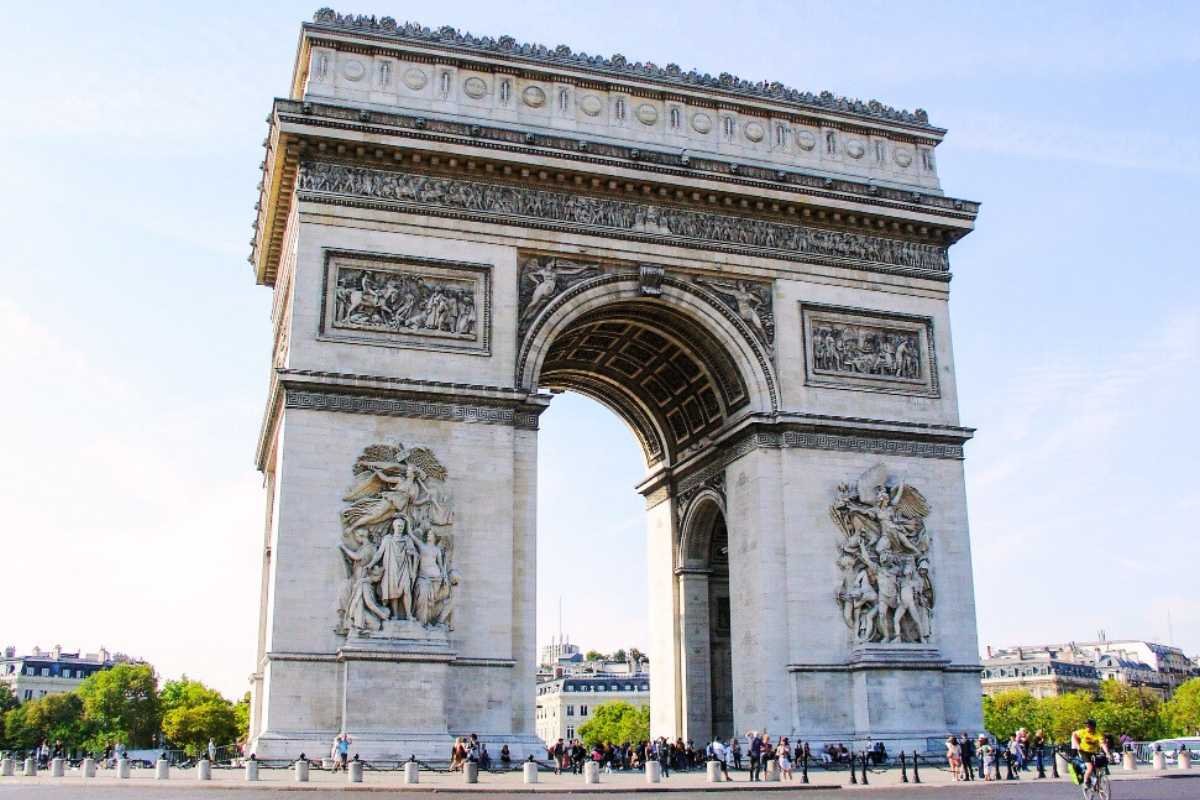
The Arc de Triomphe rooftop gives a different perspective from the Eiffel Tower.
Continue toward Charles de Gaulle–Étoile for the Arc de Triomphe.
Always use the underground passage to reach the monument instead of attempting to cross the traffic circle. If you climb to the rooftop, allow around 45–60 minutes for most visits.
You can check current Arc de Triomphe rooftop ticket options.
Evening: Champs-Élysées
Finish Day 1 with part of the Champs-Élysées rather than treating the entire avenue as another major attraction.
If the Eiffel Tower took longer than expected, shorten this section first. As a result, you protect the experiences that matter most without ending the first day exhausted.
Day 2: Louvre, Tuileries, Seine, Notre-Dame and Latin Quarter
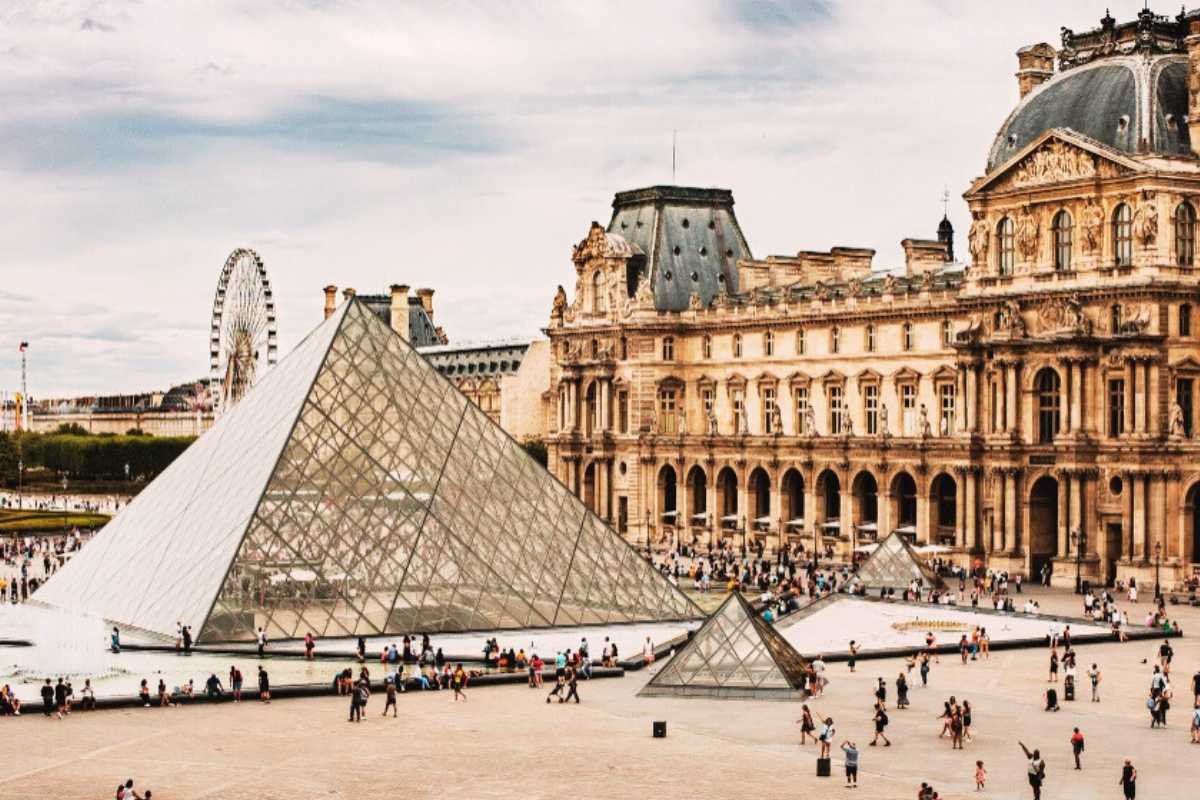
Keep the Louvre focused so there is still time for Paris’s historic center.
Morning: Louvre Museum
Begin Day 2 at the Louvre, but decide your priorities before entering.
A focused first visit might include the Mona Lisa, Winged Victory of Samothrace, Venus de Milo and one additional collection that genuinely interests you. For most first-time visitors following this route, around 2.5–3 hours is a practical target.
- Metro: Palais Royal–Musée du Louvre
- Suggested visit: around 2.5–3 hours
- Best strategy: choose priority works or collections before arrival
You can compare current Louvre ticket options. For entrances, visit length and planning advice, see our Louvre Museum guide.
Midday: Tuileries Garden
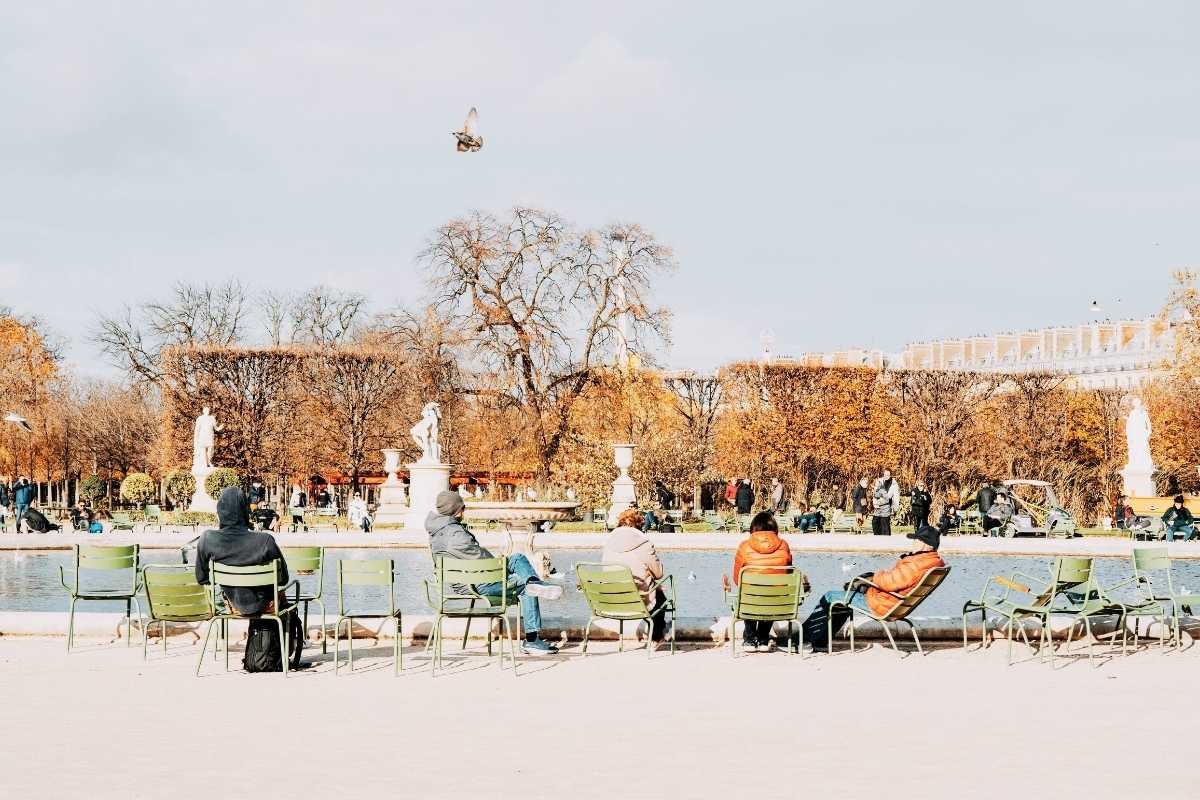
Use the Tuileries as an outdoor break rather than another sightseeing task.
After leaving the museum, spend around 30–60 minutes in the Tuileries.
Have lunch, sit near one of the ponds or simply walk through part of the garden. Although the stop looks light on paper, it creates useful recovery time after several hours indoors.
Afternoon: Pont des Arts and the Seine
Continue toward Pont des Arts, then follow the Seine east toward Pont Neuf and Île de la Cité.
This section connects the Louvre naturally with the historic center. Therefore, there is little reason to add another Metro journey unless weather, mobility or fatigue makes walking uncomfortable.
Late Afternoon: Notre-Dame and Île de la Cité
Continue toward Notre-Dame Cathedral. General cathedral entry is free, and an optional free reservation can help reduce waiting.
You can also visit spontaneously without a reservation, although queues vary. Most importantly, ordinary cathedral access should not require a paid third-party ticket.
Check the official Notre-Dame reservation information close to your visit.
Evening: Latin Quarter or an Optional Seine Cruise
Cross to the Left Bank and finish in the Latin Quarter with dinner, cafés, bookstores or a simple evening walk.
If you still have enough energy, a one-hour Seine cruise can work as an optional ending. However, do not force it into the schedule if the Louvre or Notre-Dame took longer than planned.
You can compare current Seine sightseeing cruise options, or use our Seine River Cruise guide for departure areas and timing.
Paris 4 Days Itinerary: Days 3–4, Alternatives, Practical Tips and FAQ
The second half of this Paris 4 Days Itinerary becomes more flexible. Day 3 slows down in Montmartre, while Day 4 asks the most important question of the trip: should you spend your final day at Versailles or keep exploring Paris itself?
Paris 4 Days Itinerary Day 3: Montmartre and Sacré-Cœur

Day 3 slows the pace after two landmark-heavy sightseeing days.
Montmartre deserves more than a quick Sacré-Cœur photograph. The neighborhood works best when you treat its streets, cafés and viewpoints as part of the experience rather than obstacles between attractions.
Morning: Abbesses and Montmartre Streets
Start around Abbesses and gradually work your way uphill.
You can pass the Wall of Love, stop at a bakery and explore smaller streets before approaching Sacré-Cœur. This route also spreads the climb over more time instead of sending you directly up the steepest streets.
Midday: Sacré-Cœur Basilica
The main basilica is free to enter. In addition, the terrace outside provides a broad city view without requiring another ticket.
The dome is a separate experience if you want a higher viewpoint. Otherwise, save your energy for the surrounding neighborhood.
Afternoon: Place du Tertre and Quieter Montmartre
Continue toward Place du Tertre, where portrait artists work around the square.
Afterward, move beyond the busiest streets toward Rue de l’Abreuvoir, La Maison Rose and the vineyard area. Rather than trying to photograph every famous corner, keep the route loose and stop where the neighborhood feels interesting.
Optional Evening: Stay in Montmartre or Continue to Opéra
The original route continued through Pigalle and all the way to Opéra. That is possible, but it should not be mandatory after several hours of uphill walking.
If you still have energy, head toward Opéra for dinner, department stores or an evening walk. Otherwise, stay around Abbesses or Rue Lepic and finish Day 3 there.
This is also a good day for a guided neighborhood experience if you prefer more historical context. You can compare Montmartre walking tour options.
Day 4 Option A: Full-Day Trip to Versailles
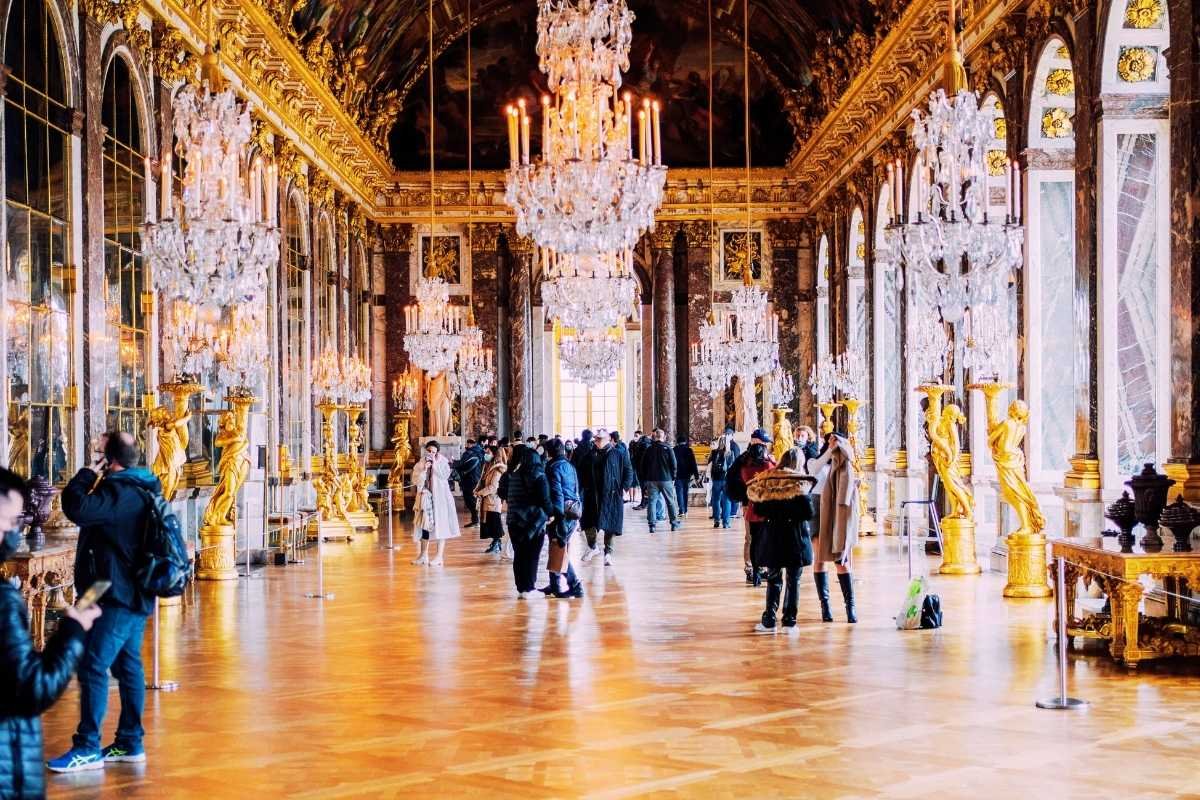
Choose Versailles if the palace and French royal history are major priorities.
Versailles is not automatically the correct Day 4 choice. It is worth the trip when the Palace, Hall of Mirrors and royal estate are experiences you genuinely want to see.
However, travel, security and the size of the estate mean Versailles consumes most of the day. On a four-day first visit, that trade-off matters.
Morning: Palace and Hall of Mirrors
Leave Paris early enough to reach Versailles before your reserved entry time.
The RER C to Versailles Château Rive Gauche is one common route. Nevertheless, check live transport information on the morning of the trip because planned works or disruptions can affect service.
Inside the Palace, prioritize the State Apartments and Hall of Mirrors rather than attempting to give every room the same amount of time.
For 2026, the official Passport costs €25 in low season and €35 in high season and includes the whole estate. The Palace portion uses a fixed entry time.
Check the official Versailles 2026 ticket information, or compare current Versailles ticket and tour options.
Afternoon: Gardens, Grand Canal and Optional Trianon
After the Palace, continue through the gardens toward the Grand Canal.
If your energy is still good, add the Grand Trianon, Petit Trianon and Queen’s Hamlet. However, these areas create another substantial walking block and should remain optional.
Seasonal Musical Gardens and Musical Fountains events can affect garden access conditions. Therefore, check the official ticket details for your exact date.
Evening: Return to Paris and Stop
Do not schedule another major attraction after Versailles.
A relaxed dinner near your hotel is usually more useful than trying to squeeze another famous sight into the final hours of an already demanding day.
Day 4 Option B: Stay in Paris for Le Marais and Canal Saint-Martin
For many first-time visitors, staying in Paris can be just as good a decision.
Choose this version if you care more about neighborhoods, cafés and city atmosphere than royal history. It also gives you a noticeably slower final day after the Eiffel Tower, Louvre and Montmartre.
Morning: Le Marais
Start in Le Marais and explore without a rigid sequence of reservations.
Walk the historic streets, browse shops or bakeries and gradually continue toward Place des Vosges. Musée Picasso is available if art remains a priority, but another museum is not required.
Midday: Place des Vosges
Use Place des Vosges as a natural lunch or recovery stop.
The square gives you time to sit beneath the arcades before moving north. Consequently, this version of Day 4 feels very different from a full Versailles excursion.
Afternoon: Canal Saint-Martin
Continue toward Canal Saint-Martin and walk along Quai de Valmy or Quai de Jemmapes.
The canal, footbridges and cafés work best without exact time blocks. Stop when something looks appealing instead of treating the area like another list of required landmarks.
Evening: Keep the Final Hours Flexible
Have dinner near the canal, return toward Le Marais or simply end the trip earlier.
The advantage of skipping Versailles is not that you can replace it with another overloaded sightseeing schedule. The benefit is having one day where Paris itself becomes the experience.
Which Day 4 Option Is Better for You?
| Choose Versailles If… | Stay in Paris If… |
|---|---|
| Royal history is a major interest | Neighborhood atmosphere matters more |
| The Hall of Mirrors is a priority | You want more time in Le Marais |
| You enjoy palaces and formal gardens | You want less transport and structure |
| You do not mind a long excursion | You already feel tired after three days |
| You expect to return to Paris later | This may be your only Paris visit for years |
Neither decision is wrong. The mistake is treating Versailles as compulsory simply because it appears in many Paris itineraries.
Art-Focused Alternative for Day 4
If neither Versailles nor Le Marais feels right, an art-focused Left Bank day is another strong option:
Musée d’Orsay → Saint-Germain-des-Prés → Luxembourg Gardens → Panthéon or Latin Quarter.
This route works especially well for travelers who want more Impressionist art after the Louvre. Moreover, it stays geographically coherent instead of scattering individual attractions across Paris.
Should You Buy the Paris Museum Pass?
Possibly, but calculate it from the attractions you genuinely plan to enter.
This itinerary can include several covered sights, including the Louvre, Arc de Triomphe and Versailles. On the other hand, buying the pass and then adding museums simply to justify its price can make a four-day trip unnecessarily exhausting.
Compare current prices and reservation rules in our Paris Museum Pass guide.
What Should You Cut If the Schedule Runs Late?
| Problem | Best Adjustment |
|---|---|
| Eiffel Tower takes longer than expected | Shorten Champs-Élysées |
| Louvre runs long | Reduce the Seine walk or skip the optional cruise |
| Montmartre feels tiring | Skip Opéra and stay in Montmartre |
| Versailles becomes exhausting | Skip part of Trianon |
| You choose the Paris Day 4 option but feel tired | Finish around Le Marais and skip Canal Saint-Martin |
Missing an optional stop does not mean the itinerary failed. In fact, protecting your main experiences usually creates a better trip than completing every line of the schedule.
Common Mistakes on a Four-Day Paris Trip
Trying to see everything. Four days is enough for a strong first trip, not for every famous museum and neighborhood.
Booking attractions too close together. Security, navigation, meals and Metro delays can easily consume the buffer between reservations.
Believing every “skip-the-line” claim. Timed entry can help, but security procedures still apply. The Eiffel Tower specifically notes that third-party priority tickets do not provide privileges beyond the standard reserved e-ticket.
Automatically adding Versailles. A full-day excursion has a real opportunity cost on a four-day visit.
Walking every possible journey. Walking is part of Paris, but using the Metro for longer transfers can preserve energy for neighborhoods where walking actually adds value.
Leaving no recovery time. Lunch, gardens and cafés are part of a realistic itinerary rather than empty space.
Final Verdict: Is This Paris 4 Days Itinerary Realistic?
Yes. This updated Paris 4 Days Itinerary works because each day has a clear geographic purpose and the final day remains a genuine choice rather than a mandatory excursion.
Day 1 covers western Paris, Day 2 connects the Louvre with the historic center and Day 3 slows down in Montmartre. Finally, Day 4 lets you choose between Versailles and more time inside Paris based on what actually matters to you.
That decision support is more useful than pretending one itinerary is perfect for every traveler.
TripsCity Verdict: Four days is enough for an excellent first Paris trip when you prioritize the experiences you care about and accept that some good attractions belong on the next visit.
Paris 4 Days Itinerary FAQ
Is four days enough for a first trip to Paris?
Yes. Four days gives first-time visitors enough time for the Eiffel Tower, Louvre, historic center, Montmartre and either Versailles or an additional neighborhood day at a realistic pace.
Should I visit Versailles during a four-day Paris trip?
Visit Versailles if the Palace, Hall of Mirrors and royal history are high priorities. Otherwise, staying in Paris for Le Marais and other neighborhoods can provide a broader first experience of the city.
What transport pass is best for four days?
It depends on your travel dates and how often you use public transport. Navigo Week costs €32.40 for all zones in 2026 but runs from Monday through Sunday, while individual Metro-Train-RER journeys cost €2.55.
Should I book the Eiffel Tower and Louvre in advance?
Yes if they are priorities. A timed Eiffel Tower ticket can determine Day 1, while the Louvre strongly recommends time-slot booking and states that advance booking is the only way to guarantee entry.
Is Notre-Dame open to visitors?
Yes. Notre-Dame is open to visitors and ordinary cathedral entry is free. An optional free reservation can reduce waiting but is not required.
Should I include Musée d’Orsay?
Include it if Impressionist art is a priority. The easiest approach is to use the art-focused Day 4 alternative rather than squeezing another museum into Day 2.
Where should I stay for a four-day itinerary?
Central areas such as the 1st, 4th, 5th and 6th arrondissements are particularly convenient, although a well-connected hotel farther out can also work if the Metro route is simple.
How much should I budget for four days in Paris?
Accommodation will usually create the biggest variation. Separate your budget into hotel, food, transport, attractions and optional experiences, then use our Paris Budget Guide for a more detailed calculation.
Can I add Disneyland Paris?
Yes, but replace an entire Paris day rather than adding Disneyland to an existing sightseeing schedule. On a four-day first visit, that usually means choosing between Disneyland, Versailles and one full neighborhood day.
If you decide four days feels too short, continue with our Paris 5 Days Itinerary.
Last updated: September 2026.