
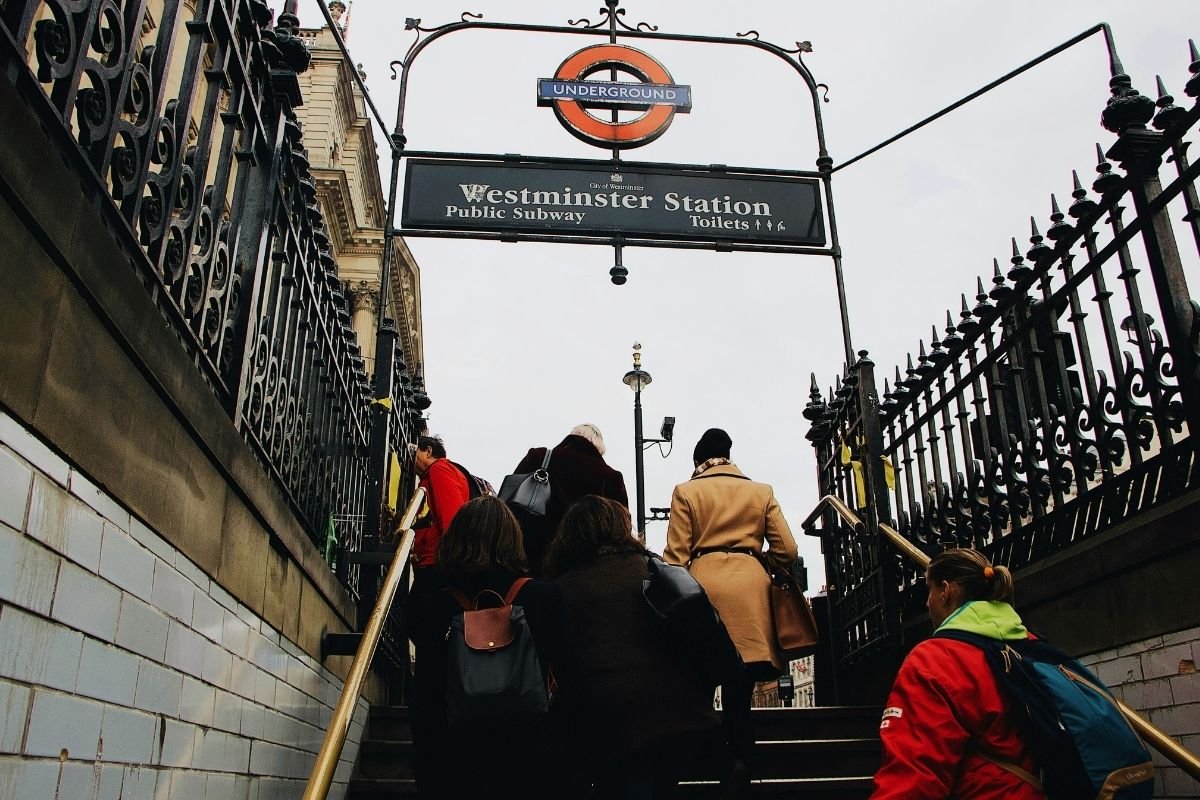
London begins at the exit: pace, distance, and micro-decisions that quietly shape the entire day.
Complete Travel Guide to London 2026: The Shocking Truth Most Guides Avoid
Most city guides warn you about “overplanning.” London is not that city.
London does not punish you for having a full day. London punishes you for having a day with no spine.
A vague plan sounds harmless: “Big Ben in the morning, maybe a museum, maybe a market, we’ll see.” In London, that softness becomes movement waste. You drift into the wrong part of the city at the wrong time. You cross areas without meaning to. You miss timed windows you didn’t even know existed. You end up buying convenience in small desperate bursts: an extra ride, a last-minute entry upgrade, a rushed meal because you’re late, a taxi that feels justified because you’re tired.
That is how London becomes “expensive” for travellers who didn’t book luxury.
Not because London always overcharges. Because London makes you pay for repair.
Complete Travel Guide to London 2026: What London Gives You, and What It Takes From You
London is one of the most functional tourist cities in Europe. The language barrier is minimal for many visitors. Wayfinding is generally clear. The transport network is deep enough that you can recover from mistakes, which matters more than people think on day three when fatigue starts making you careless.
London also gives you value where other capitals charge: major national collections can be free, and the British Museum explicitly states that tickets to the permanent collection are free.
But London takes payment in a different currency: distance management.
This is not a single compact core you casually “cover.” It is a city of strong areas separated by time. And the trap is thinking you can treat those areas like casual neighbourhood hops. Two line changes sounds fine in the morning. It feels completely different at 6:30 pm when your feet are done, a platform is crowded, and your “one more thing” is across the river again.
London is not harsh. It’s consistent. It rewards structure because structure reduces friction.
Complete Travel Guide to London 2026: Who This London Guide Is For
This guide is for travellers who want London to feel controlled even on a tired day.
If you want London to work, you need to be willing to decide a few things early: where you sleep, how you move, and which two experiences must not fail.
This guide is for you if: you want days that are clustered instead of scattered; you want a realistic budget that survives bad weather and fatigue; you’d rather protect time than chase quantity.
You should rethink London (or tighten expectations) if: you refuse timed planning and rely on spontaneous drift as a travel identity; you want a small-city rhythm where most highlights sit in one compact loop; you hate using transport systems and expect to walk almost everything.
London can still be worth it. But it requires a specific kind of traveller: someone who accepts that structure here is not “boring.” Structure is what buys freedom.
Complete Travel Guide to London 2026: The Numbers That Change Your Trip
London becomes calmer the moment you stop thinking in single rides and start thinking in caps.
Transport for London (TfL) explains fare capping for pay-as-you-go travel on Tube, DLR, London Overground, Elizabeth line and most National Rail within the zones you travel. For many first-time itineraries that stay central, the adult “Zone 1 and 2” daily cap is shown as £8.90.
Now add the first-day trap: Heathrow.
TfL’s Elizabeth line page states that travel between Zone 1 and Heathrow costs £13.90 (and also cites fast journey times to Paddington).
Here’s the critical 2026 detail most guides won’t say clearly: there were public announcements in December 2025 indicating that Elizabeth line fares between Zone 1 and Heathrow were planned to rise from £13.90 to £15.50 from March 2026.
That matters because tourists are the ones most likely to feel it on single journeys. So if your itinerary includes Heathrow at the start or end of your trip, you don’t build your budget on a number you saw once in a random blog. You check it close to your travel date.
| Decision point | What it affects in real London travel | Reality to plan around |
|---|---|---|
| Central travel discipline (Zone 1–2) | How much your day bleeds into transport | Adult daily cap shown as £8.90 |
| Airport entry (Heathrow ↔ Zone 1) | How tired you are before the trip even begins | TfL states £13.90; planned rise to £15.50 from March 2026 announced |
| Free culture leverage | How you balance paid anchors with high-value “free hours” | British Museum permanent collection tickets are free |
Numbers like these do not exist to scare you. They exist to prevent imaginary budgeting—the kind that collapses the moment you’re tired and start paying for convenience.
Complete Travel Guide to London 2026: Base, Radius, and Two Anchors
If you remember only one concept from Part 1, make it this:
London is a radius city.
Your base (where you sleep) defines your radius: how far you can push before London starts charging you in transfers, delays, and fatigue. A “cheap room” that costs you two line changes every morning is not cheap. It is an energy debt you repay daily.
So TripsCity uses a London-specific system:
Base: choose a location that reduces line changes and makes your first hour easy.
Radius: build each day around one main area plus one nearby secondary area. London rewards depth, not scattering.
Two anchors: book only two timed experiences that would hurt to miss. Not everything. The goal is to protect time, not to turn your week into a paid checklist.
And this is the only moment where a booking link fits naturally without feeling like advertising: if it’s truly one of your two anchors, you protect the hour.
Reserve a timed-entry slot for one London “anchor” (flexible cancellation)
Complete Travel Guide to London 2026: One Official Link You Should Use (And Why)
London planning gets worse when you consume too many opinions. You need fewer sources and sharper decisions.
This is the one official page that should sit behind your entire transport plan, because it explains the rule London uses to charge you less when you travel consistently:
When you understand caps, you stop arguing with London and start using London’s system.

London becomes cheaper and calmer when you plan by clusters and interchanges, not by random attraction lists.
Complete Travel Guide to London 2026: How This London Series Will Work on TripsCity
This is the first London article, so I’m not going to fake internal links that don’t exist yet. Instead, I’m going to tell you exactly how we’re building the London funnel—because London is a city where the order of planning decisions matters.
Day 2 is about the system. Not “tips.” The system. We’ll publish: How to Get Around London (2026): The System That Saves Your Day (Tube, Buses, Oyster & Contactless). That guide will translate the map into habits: what to do before you descend into a station, how to avoid transfer mistakes, and when buses beat the Tube for sanity.
On the same day we’ll publish: London Public Transport Costs Explained (2026): Daily Caps, Passes & The Mistakes That Cost You. This is where we will go deeper than most travel blogs: not just prices, but the hidden cost patterns—peak timing, wrong zones, Heathrow assumptions, and why “one extra stop” can cascade into a paid repair day.
Day 3 is about money reality. We’ll publish: London Budget Guide 2026: What You REALLY Spend Per Day (Real Numbers) and Is London Expensive for Tourists in 2026? The Honest Cost Reality. London budgeting only works when it includes fatigue costs—because tired travellers spend differently than optimistic travellers.
Also on Day 3: London Safety Guide 2026: Safe Areas, Common Scams & Night Travel Rules. Not fear. Rules. London is broadly safe, but night movement has patterns: where you can relax, where you keep your phone away, and how to avoid “easy target” behaviour around stations.
Day 4 and Day 5 are about your base. Because in London, the wrong base doesn’t just annoy you—it changes what the city costs you. We’ll publish: Where to Stay in London (2026): The Base That Makes London Feel Easy, then narrow it into decision guides: Best Areas to Stay in London for First-Time Visitors (2026): Calm, Connected, Not Complicated, Best Areas to Stay in London for Families (2026): The Calm vs The Chaos, and Where to Stay in London on a Budget (2026): What Works, What Backfires.
That is the funnel. Not because we want more articles. Because London punishes the traveller who tries to decide everything at once.
In PART 2, we’ll break London down by traveller type—couples, families, budget travellers, comfort seekers—and we’ll name the mistakes that destroy each profile. Then we’ll build a practical plan spine that survives fatigue, weather, and crowds (including the exact periods when major museums warn they expect to be busy).
Complete Travel Guide to London 2026: The City-Type Breakdown (Who London Rewards, Who It Exhausts)
London is not a “one-template” city.
Two travellers can do the same attractions and leave with completely different memories. One says London felt smooth and surprisingly calm. The other says it felt expensive, tiring, and constantly “far.” The difference is rarely taste. It is nearly always structure: base choice, daily radius, and how many times you force your body into repair mode.
So in Part 2, we are not doing generic tips. We are doing traveller types—because London punishes different weaknesses depending on who you are and how you move.

London is not one city experience — it changes based on your base, your pace, and how fragile your day becomes when plans stay vague.
London for Couples: The City That Feels Romantic Only When Your Day Has a Spine
Couples usually arrive with the most dangerous London plan: a plan built on mood.
It sounds beautiful: “We’ll walk, we’ll wander, we’ll stop when it feels right.” And London can absolutely deliver that—but only after you lock two things down: your base and your anchors.
The couple-version of London fails when you spend your best hours doing logistics. If you wake up, hesitate, and then decide “maybe we go here,” you lose the morning to transfers. Then you arrive at the main landmark late, queues have thickened, and suddenly you’re buying speed. That is how a romantic trip turns into quiet irritation.
The winning London pattern for couples is not “packed.” It is protected:
One area per day (plus one nearby second stop). Not a city-wide sampler. London’s emotional energy drops fast when you’re constantly “on the move.”
Two anchors max for the whole trip. Everything else stays flexible. When your anchors are protected, the rest of the day can drift without collapsing.
Also—use free culture strategically. A free museum hour is not just a budget tactic; it’s a pressure valve. The British Museum’s official visit page states that tickets to the permanent collection are free.
London for Families: The City That Rewards Predictable “Returns”
Families don’t lose money in London. They lose momentum. And momentum is more valuable than any ticket.
The family version of London breaks in predictable places: long station corridors, multiple line changes, and “just one more stop” decisions that ignore how quickly kids get done. London is not hard with children because it is unfriendly. It’s hard because it’s large, and large cities punish tired bodies.
The family win is built on one concept: returnability.
Your base must allow a clean return without two complicated transfers. If your hotel requires a long interchange every time you go back, you’ll avoid returning—and then you’ll push too long—and then the day collapses.
Families should also avoid stacking “queue experiences” on the same day. London has attractions where the line is part of the risk, not just an inconvenience. The best family strategy is to book one timed attraction day and balance it with free/low-friction culture the next day.
This is where our upcoming London funnel matters. When the next articles publish—How to Get Around London (2026) and London Public Transport Costs Explained (2026)—they’ll be written specifically for this family reality: how to reduce transfers, how to choose bus vs Tube, and how to prevent “small mistakes” from becoming a tired-child crisis.
London Budget Traveller 2026: The City That Punishes “Cheap” Bases More Than Cheap Meals
Budget travellers often focus on the wrong savings target.
They fight over a £4 difference in a meal, then book a base that forces two line changes every morning. That decision quietly costs more than the meal ever did—because it increases fatigue, and fatigue triggers spending: extra rides, paid shortcuts, and “I don’t care, let’s just take a taxi” moments.
London budget success is not about suffering. It’s about using the city’s own design against the costs.
Start with transport discipline. TfL’s official capping page shows adult daily caps for pay-as-you-go travel across relevant services; Zone 1 and 2 is shown as £8.90 for an “One Day Anytime” cap. That number matters because it defines how expensive “moving too much” becomes. If your plan forces you to cross the city repeatedly, you are basically buying London twice in the same day.
Then apply the second budget rule: free culture hours must sit in your prime time. Don’t waste your best daylight “saving money” in the wrong area. Use free museums centrally as anchors of calm, not as filler.
Budget London is also where you should be brutally honest about ticket priorities. Some attractions are iconic—but they are also “paid thresholds.” If an experience is not truly top priority, do not buy it out of guilt. London has enough free depth that you do not need to pay for your identity as a tourist.
Comfort Seekers: The London 2026 Strategy for People Who Hate Logistics
Some travellers do not want to “learn the city.” They want the city to carry them.
That is a valid travel style—but London only supports it if you pay in the right places.
Comfort seekers should not pay everywhere. They should pay to remove the two frictions that ruin London for them:
1) Uncertainty queues. If standing in line creates anxiety and ruins your mood, you choose one timed-entry attraction and lock it down. The London Eye’s official entry ticket page shows standard tickets “online from £29” with a walk-up price shown as £39 (per adult). That price gap is not a “deal.” It is London telling you: certainty has a cost, and last-minute costs more.
2) Fragile day one. Comfort-first travellers lose London on arrival day when they are tired and forced to navigate a new system immediately. Day one is where you either enter London cleanly—or spend the first night feeling you already messed up.
In our upcoming piece London Budget Guide 2026: What You REALLY Spend Per Day, we will quantify this properly: comfort travellers don’t “spend more” because they like luxury. They spend more because they buy stability when they’re tired. The goal is to buy stability deliberately—once—rather than accidentally—every day.
Complete Travel Guide to London 2026: The Anchor Cost Reality (Why London Feels Expensive)
London feels expensive when your plan is vague because you end up paying for the city’s most costly category: time protection.
To make this tangible, here is the simplest truth table you should hold in your head:
| Category | What it does to your day | London reality example (official) |
|---|---|---|
| Free culture anchor | Gives you high-value hours without purchase pressure | British Museum permanent collection: free |
| Timed skyline anchor | Protects one iconic hour from queues/uncertainty | London Eye standard tickets shown “online from £29” (walk-up £39) |
| Heritage “big ticket” anchor | High-impact, but price-sensitive to peak timing | Tower of London prices shown from £35.80 (Adult) |
This table is not here to push paid attractions. It is here to show why vague plans hurt: if you drift, you end up stacking paid thresholds on tired hours. If you structure, you choose one threshold on purpose and let the rest of London be free and breathable.
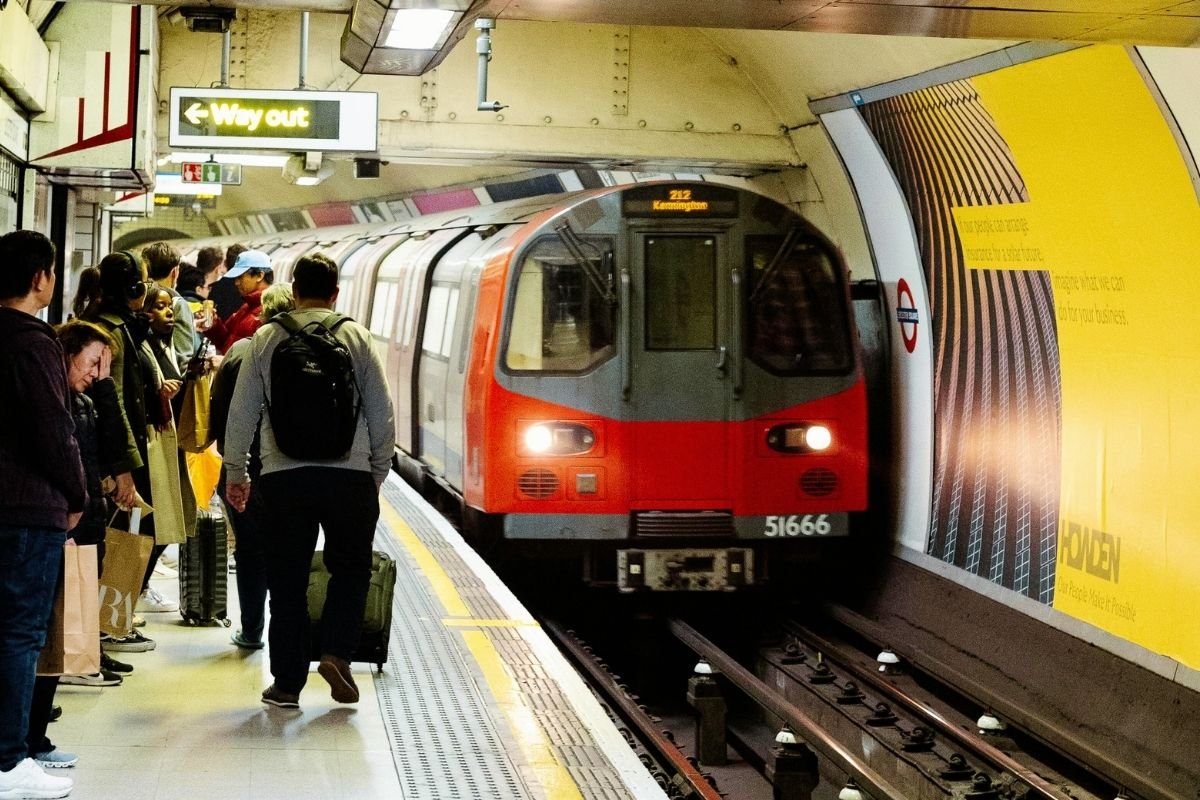
London’s real cost is repair: queues, late arrivals, and tired decisions that force you to pay for convenience.
Deadly London Mistakes by Traveler Type (The Ones That Quietly Break the Trip)
Couples’ deadly mistake: letting every day start with a debate. London mornings decide the tone. If your first hour is indecision, the city becomes a catch-up chase.
Families’ deadly mistake: choosing a base that makes returning “hard.” If you cannot return easily, you overextend, and your day collapses in public—usually near a station when everyone is hungry.
Budget travellers’ deadly mistake: saving money in the wrong category (food) while spending it in the expensive category (movement). A cheap base that forces extra transfers is not a saving. It is an invisible ticket you buy daily.
Comfort seekers’ deadly mistake: refusing any structure, then paying for structure in panic. London will sell you shortcuts all day. The trick is to buy stability once, early, not repeatedly, late.
Two Smart Booking Links (Only Where They Actually Make Sense)
I’m keeping this disciplined. Two links only in Part 2. Both exist for one reason: to prevent repair spending.
1) If your base choice is still undecided: use one clean “search” link to check stays in areas that reduce line changes and keep your radius stable. This is not about hotels. It is about preventing daily transfer debt.
Check stays in a well-connected base area (filter by Underground access)
2) If you want one day outside London: don’t turn it into a transport puzzle. A day trip works when it is protected as a single unit (transport + schedule handled), so London doesn’t steal the evening from you.
Book one full-day trip outside London (transport + schedule handled)
In PART 3, we stop analysing and build the operational plan: the exact structure of a London week that survives crowds, fatigue, and weather—plus the “fatal mistakes” section in full, a practical step-by-step planning order, and a tight FAQ that answers the real questions travellers ask when the trip becomes fragile.
Complete Travel Guide to London 2026: The Operational Plan (What To Decide, In What Order)
London becomes “hard” when you try to decide everything at once.
The strong way to plan London is not to collect ideas. It is to build a sequence of decisions where each choice makes the next choice easier. That sequence is what stops repair spending.
This Part 3 is the plan spine. Not a list of 50 things. A structure that survives a tired day, a rainy afternoon, and a crowded station without turning your trip into a constant catch-up chase.

A London plan that works is built around clusters and buffers — not attraction quantity.
Step 1: Choose Dates Like an Adult (Weather Is Not the Only Factor)
London’s “best time” is not one month. It depends on what you can tolerate: crowds, prices, and the kind of day you want.
Summer gives longer daylight and easier walking, but it also concentrates demand. December gives atmosphere, but it also compresses time: earlier darkness, colder waits, and heavier reliance on indoor anchors.
If you want a London that feels calm, your best strategy is not to chase perfect weather. It is to avoid peak density weeks where every decision becomes a queue.
If you’re unsure, use one official reference page (not random opinion threads) to sanity-check what London feels like across seasons before you lock flights.
Official seasonal overview: Best time to visit London (Visit London)
Step 2: Pick Your Base Before You Pick Your Attractions
This is the decision that separates a smooth London trip from a constant transport puzzle.
Your base is not a hotel choice. It is a movement decision. It decides how quickly you can start your day, how easily you can reset when energy drops, and whether “going back to rest” is a realistic option or a fantasy.
If your base forces two line changes every morning, you will pay for it twice: first in time, then in fatigue. And fatigue is what makes you spend.
When our London accommodation guides publish, they’ll be written from this exact reality:
Where to Stay in London (2026): The Base That Makes London Feel Easy
Best Areas to Stay in London for First-Time Visitors (2026): Calm, Connected, Not Complicated
Best Areas to Stay in London for Families (2026): The Calm vs The Chaos
Where to Stay in London on a Budget (2026): What Works, What Backfires
Step 3: Choose Two Anchors (Then Stop Buying Certainty Everywhere)
London has dozens of paid thresholds. Your mistake would be turning your whole trip into one long purchase chain.
Your goal is to protect only what would genuinely hurt to miss.
That usually means two anchors across the trip:
Anchor A: one iconic timed experience that shapes your memory (your skyline hour, your historic site, your “this is London” moment).
Anchor B: one structured day that removes complexity (a day trip, a guided block, or one high-friction attraction that becomes easy when timed).
Everything else should be built from free culture, walkable streets, and low-friction hours that let London breathe.
If you’re about to book a third “must-do,” pause and ask a harder question: is this a true priority, or is it fear of missing out dressed as planning?
Step 4: Build Your Days as Clusters (London Punishes Cross-City Ping-Pong)
London planning should feel like drawing circles, not drawing lines.
A circle is a day where everything is close enough that you can adapt. A line is a day where one delay snaps the next booking.
Here is the TripsCity clustering model (not as a checklist — as a planning logic):
Westminster / Whitehall / St James’s is one cluster: it’s your London “institutional spine.”
South Bank is another cluster: it’s a pressure-release day, built on walking and views rather than complicated transfers.
The City / Tower area is a third: history and density, where timed-entry protects you from crowd compression.
Kensington / museums is a fourth: indoor depth that saves you when weather turns.
When you cluster like this, London stops feeling far. Not because it got smaller — because you stopped forcing your day to stretch.
Step 5: Decide Your Transport Rules Once (Then Let the Cap Work for You)
Most visitors waste mental energy because they keep re-deciding transport all day: Tube now? bus later? walk? taxi? That indecision is part of the London tax.
Instead, create a simple rule-set before you arrive:
Rule 1: If it’s within a clean walk and the weather is tolerable, walk. London rewards walking because it reduces transfers.
Rule 2: If a journey requires more than one interchange, ask if you’re scattering your day. Often the transport “problem” is actually a planning problem.
Rule 3: Treat bus rides as a sightseeing tool when you’re tired. A bus can be slower — but it can also keep your day kind.
Our next London transport guides are designed to make these rules practical:
How to Get Around London (2026): The System That Saves Your Day (Tube, Buses, Oyster & Contactless)
London Public Transport Costs Explained (2026): Daily Caps, Passes & The Mistakes That Cost You
Step 6: Protect Day 1 (Because London Is Most Expensive When You’re Tired)
Day 1 is where vague trips start breaking.
You arrive tired. You make one wrong exit. You carry their luggage longer than you planned. You miss a check-in window or arrive too early and have to “kill time” in the wrong area. Then you spend, not because you wanted to — because you needed the day to stop feeling fragile.
There are two clean ways to protect Day 1:
Option A (system-based): use the transport network and keep Day 1 local. Your first day is not for crossing London twice. It’s for entering the city, eating, and resetting.
Option B (certainty-based): if you land late, travel with family, or simply want a clean arrival without cognitive work, pre-book a fixed-price transfer so Day 1 doesn’t start with problem-solving.
Pre-book a fixed-price airport transfer (useful for late arrivals or family travel)
Step 7: Budget Like London Budgets You (Base + Movement + Repair)
Most tourists budget London like a tidy spreadsheet: “hotel, food, transport, tickets.”
London does not spend like that. London spends in waves—especially when you get tired.
So when you build your London budget, include the category people forget:
Repair spending. The money you spend when the day slips: extra rides, paid upgrades, rushed meals, “just get us there” decisions.
That’s why our money sequence is deliberate:
London Budget Guide 2026: What You REALLY Spend Per Day (Real Numbers)
Is London Expensive for Tourists in 2026? The Honest Cost Reality
Those articles will give exact daily number ranges by traveler type. For this main guide, the key idea is simpler: if your plan is clustered and your base is right, you can stay stable even with a moderate budget. If your plan is scattered, London will make a moderate budget feel like it’s failing.
Step 8: The “Deadly Mistakes” Checklist (Read This Before You Book Anything Else)
This is where I try to stop you from making the classic London errors that feel small on paper and brutal in real life.
Deadly mistake #1: Building a day that crosses London twice.
This is the fastest way to turn London into a transport city instead of a place you experience.
Deadly mistake #2: Booking timed tickets on a day with fragile movement.
If you have a timed-entry, you need buffer before it — because London delays are not dramatic, they are cumulative.
Deadly mistake #3: Choosing a “cheap base” that is expensive in line changes.
A base that requires complicated interchanges will cost you daily. Not just in minutes — in the decisions you make when you’re exhausted.
Deadly mistake #4: Treating free museums as filler instead of anchors.
Free culture is not a backup plan. It is a strategic anchor that saves you money and stabilizes the day when crowds spike.
Deadly mistake #5: Forgetting night movement rules.
London is broadly safe, but your risk profile changes at night around transport hubs. The answer is not fear — it is rules: awareness, phone discipline, and avoiding tired wandering.
When you want that safety reality in full, use:
London Safety Guide 2026: Safe Areas, Common Scams & Night Travel Rules

London becomes easy when you protect one hour, leave buffers, and let the rest of the day breathe.
Complete Travel Guide to London 2026: A Practical 5-Day Spine That Works for Most First-Timers
This is not a full itinerary. It is a spine. You can adjust details without breaking the structure.
Day 1 (Arrival + Reset): stay local to your base. One short walk, one simple meal, early sleep. No cross-city landmark chasing. The win is waking up ready.
Day 2 (Institutional London cluster): Westminster area in the morning, then one nearby secondary stop. This is a “timed morning” day if you use an anchor.
Day 3 (Museum / indoor depth day): one museum-heavy cluster. This is your weather-proof day and your budget-friendly day.
Day 4 (City / heritage density): historic London where lines can get heavy. If this is one of your anchors, protect the hour with timed entry and leave buffer.
Day 5 (South Bank + decompression): walking, views, and flexible stops. This is where London feels human again.
If you want a day trip, don’t “add it.” Replace Day 5 or Day 3 depending on your energy profile. London trips fail when you only add and never replace.
Two-Link Discipline (Final Booking Link for the Right Traveler Only)
Part 3 gets only one more booking link. Two total in this part, as promised.
This one is for a specific traveler: the person who wants simplicity and hates constant ticket math.
If your plan is paid-attraction heavy (several major ticketed sites), a pass-style option can reduce decision fatigue. But if your plan is museum-and-walk heavy, it can backfire because you will feel pressured to “earn” the pass.
Check a London pass option (only if your itinerary is paid-attraction heavy)
The Direct Decision (No Soft Ending)
If you can commit to three things—a connected base, clustered days, and two protected anchors—London will reward you. It will feel deep, functional, and surprisingly calm for a city of its size.
If you refuse structure and insist on drifting across the whole map, London will not “punish” you emotionally. It will punish you practically: you will spend more, walk more without meaning to, and end most days feeling like you were always on your way to London instead of in London.
So decide honestly:
If you want freedom, build structure first. That is the London trade.
FAQ: London 2026 Planning Questions That Actually Matter
1) Is London worth it in 2026 if I only have 2-3 days?
Yes, but only if you cluster aggressively. A short London trip fails when you try to “sample the whole city.” Choose one core cluster per day and protect one anchor hour. Two days can still feel complete if your base is right and movement is disciplined.
2) What is the single biggest mistake first-time visitors make in London?
They treat the map like a compact core. London is a network. If you plan a day with attractions in far-separated areas, you convert your trip into transfers. The fix is not “more planning.” The fix is clustering.
3) Should I book attractions in advance, or stay flexible?
Both. Book only two anchors in advance (the experiences you truly care about). Then keep the rest flexible so the trip can adapt to weather, crowds, and energy. The worst approach is booking everything, then spending the week rushing between time slots.
4) Is it better to use Tube or buses?
Use both, but with rules. Tube is speed. Buses are often calmer when you’re tired and can turn transport into sightseeing. Your choice should depend on transfers: if a Tube route requires complex interchanges, buses or walking may protect your energy better.
5) How do I stop London from feeling “too expensive”?
Stop repair spending. The city becomes expensive when you pay repeatedly for fixes: taxis because you planned scattered days, upgrades because you arrived late, convenience food because you missed your window. A connected base and clustered days reduce those costs more than any “cheap eats” strategy.