If you’re searching “is Orlando expensive for tourists in 2026?” you’re not asking for a hot take. You’re asking because you can already feel the budget pressure building before you even land: hotel choices, transport choices, and the fear that Orlando is the kind of place where “small” costs silently stack.
Quick answer: Orlando can feel expensive when your days are scattered across zones and you stack transport costs (parking + tolls + rideshare fixes). It rarely destroys your budget with one single price—it drains it through leaks: a parking fee here, a toll there, an extra rideshare because the day got scattered, a “quick snack” that becomes a habit because heat and fatigue change how you move.
So the real question isn’t just “Is Orlando expensive?”
It’s: what makes Orlando expensive fast… and how do you keep your trip feeling stable instead of constantly paying to “repair the day”?
Snippet-ready: This guide breaks down Orlando travel costs in 2026 using a TripsCity system: a fast Cost Snapshot, the 3 swing factors that change your total fast, a cluster plan (so you don’t cross the city blindly), the most common hidden fees in the U.S., and a clean decision path you can follow immediately.
Cost Snapshot: Typical Orlando Daily Budget (2026)
These are practical ranges designed for planning—not perfect accounting. Orlando costs move a lot depending on season, hotel base, and how many ticket-heavy days you do.
But most tourists don’t need perfect math to make a good decision. They need a safe range that prevents shock—then they need a system that stops leaks.
| Traveler type | Typical range (per day) | Where the money usually goes |
|---|---|---|
| Budget traveler | $120–$220/day | Lower-cost lodging + simple meals + one tight zone + minimal paid add-ons |
| Mid-range | $220–$420/day | Better hotel base + car/rideshare + parking/tolls + some paid attractions |
| Family (2 adults + 2 kids) | $450–$850/day | Hotel space + transport + meals + parking + “one big day” pressure |
Range boundaries: Ranges typically include lodging + meals + local transport. Ticket-heavy theme park days can push totals higher. Flights are not included.
Reality check (TripsCity rule): Orlando becomes “expensive” when you combine spread + transport stacking + ticket pressure without time-caps. The city isn’t always expensive by default—your day structure makes it expensive fast.
The 3 Biggest Swing Factors (What Changes Your Cost Fast)
If two tourists visit the same city and one says “Orlando wasn’t that expensive” while the other says “Orlando drained us,” it’s usually because of three swing factors—not because they lived in different universes.
- Hotel base (your “home cluster”): Staying in a base that matches your plan reduces repairs. A “cheap hotel” in the wrong base can cost more through rideshares, tolls, and lost time.
- Transport pattern (one cluster vs cross-city): One tight zone days feel controlled. Cross-city days trigger paid fixes: parking, tolls, rideshare, and “comfort spending.”
- Ticket-heavy days: Even if you only do one major paid day, the pressure around it often creates extra spending (food inside, upgrades, “we can’t waste today” decisions).
Translation: You don’t need to eliminate spending. You need to eliminate unplanned spending.
How to Use This Guide in 60 Seconds
Don’t read this like a travel essay. Use it like a decision tool.
- Step 1: Pick your reality: car or no car.
- Step 2: Choose ONE base cluster for today (Downtown / Winter Park / International Drive / Theme Park Corridor).
- Step 3: Add ONE controlled add-on (a short loop, a calm park reset, or a time-capped evening atmosphere block).
- Step 4: Use an exit trigger: crowds spike, legs get tired, weather shifts, or spending drift starts—exit clean.
Note: A “cheap” Orlando day is rarely about finding the cheapest place. It’s about preventing the day from collapsing into paid repairs.
The Clean Decision (Pick One Path)
This is the part most tourists wish they had before the trip: a decision that removes daily overthinking.
✅ Path A — First time in Orlando (lowest stress)
Base: Downtown or Winter Park
Why it works: These are the zones where you can actually move without paying to keep the day alive. Walkability reduces “fix costs.”
How to run it: One walkable anchor + one nearby add-on + buffer + exit clean.
✅ Path B — Theme parks are the core of the trip (expect higher spend)
Base: Theme Park Corridor (Disney/Universal area)
Why it works: You reduce the “double-cost day” effect (tickets + transport stacking) by staying close to your heavy days.
How to run it: Park day = one big day. Add-ons must be time-capped, not “let’s see more.”
✅ Path C — You want Orlando without the expensive feeling
Base: Tight clusters rotation (Downtown + Winter Park)
Why it works: You get “real travel days” without buying your way into feeling satisfied.
How to run it: One strong free/low-cost anchor day + one controlled evening loop (optional) + one true rest buffer.
Quick navigation: Cost snapshot | 3 swing factors | Use in 60 seconds | Cost clusters | Hidden costs | Car vs rideshare | Money-saving rules | Checklist | FAQ
Why Orlando Feels Expensive: It’s Not One City (It’s Clusters)
One of the biggest Orlando misunderstandings is treating it like a single walkable “center,” the way people treat many European cities.
Orlando is built differently. It’s a city of zones. And the cost isn’t just inside the zones—it’s in the jumps between them.
TripsCity model: Run Orlando as 4 cost clusters. Then cap the day inside one cluster. That’s how you turn “Orlando is expensive” into “Orlando is manageable.”
- Cluster A — Downtown Orlando: walkable anchor days (the budget stabilizer)
- Cluster B — Winter Park: calm “nice day” without needing tickets
- Cluster C — International Drive: atmosphere zone that becomes expensive if you don’t time-cap it
- Cluster D — Theme Park Corridor: Disney/Universal corridor (highest risk for stacking costs)
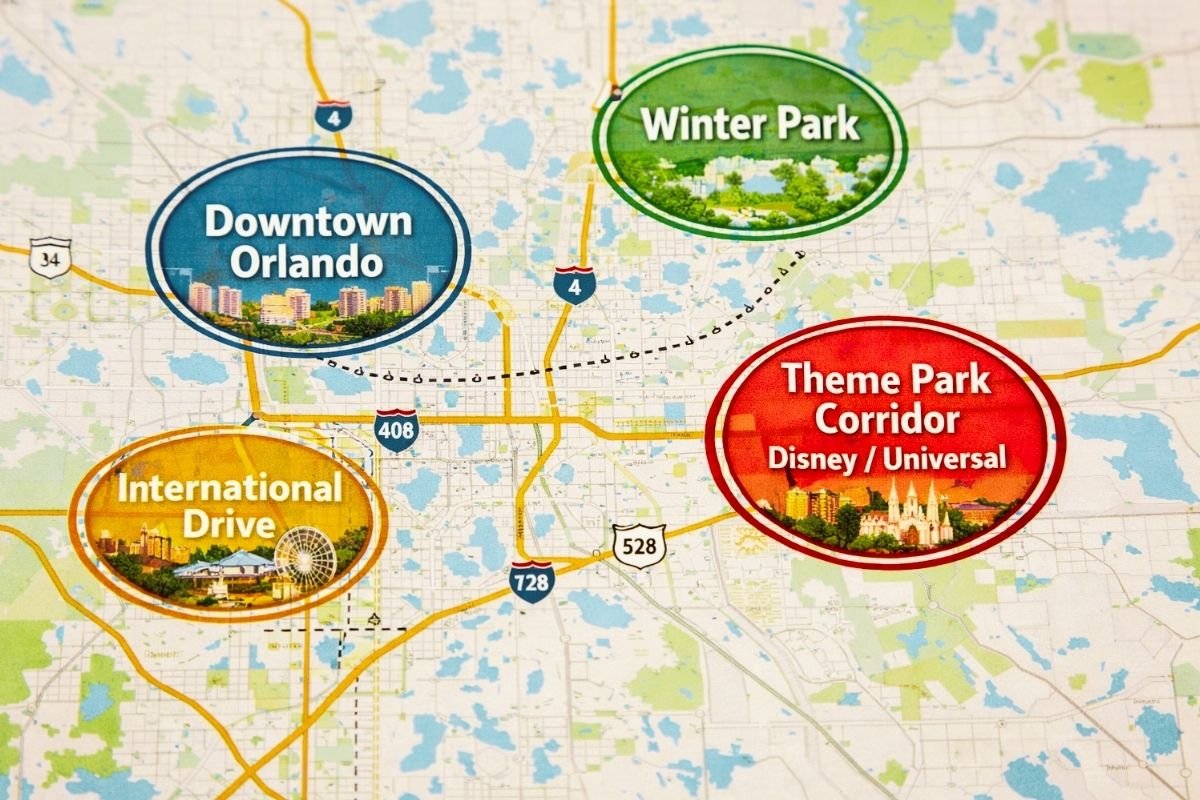
Orlando gets expensive when your day crosses zones. Keep it inside one cluster to stop leaks.
Here’s what happens to most tourists in real life:
They start with a plan that looks simple. Then a small delay happens—heat, rain, crowd friction, a wrong turn, a long wait. The day starts feeling “fragile.” And fragile days trigger spending: an extra rideshare, paid parking to save time, a “quick fix” meal, an upgrade to reduce stress. None of it feels big in the moment. Together, it’s the expensive feeling.
Cluster A: Downtown Orlando (Walkable Budget Stability)
What this cluster solves: the “we’re spending money just to keep moving” problem.
Downtown is where Orlando stops feeling like an endless driving puzzle. It’s not that everything is free—it’s that your day doesn’t require constant paid repairs.
How to run it tomorrow (real, copyable plan):
- Anchor: Lake Eola loop (60–120 minutes). Keep it clean and complete it before adding anything.
- Add-on (choose ONE): a tight murals/streets texture loop or a short calm green reset nearby.
- Buffer: sit, cool down, and decide the next step while you’re still stable—this prevents “comfort spending.”
- Exit trigger: the moment you think “let’s drive to another area real quick,” stop. That’s how Downtown days turn into expensive days.
Cost reality: Downtown usually has fewer toll triggers and fewer forced rideshare moments. This is why it’s a strong base for budget-sensitive tourists.
Cluster B: Winter Park (Park Avenue Calm + Scenic Loop)
What this cluster solves: the “we need something nice today” problem—without turning it into a ticket day.
Winter Park is the clean “human day” in an Orlando trip. It’s the kind of place where you can feel like you actually traveled—without needing to buy your way into meaning.
How to run it tomorrow (real, copyable plan):
- Arrive: Park Avenue area.
- Core loop: a calm stroll + photo blocks (90–150 minutes). Let the neighborhood do the work—don’t force distance.
- Add ONE: a scenic loop (short garden/quiet paths) or a Rollins-area walk if you want extra texture.
- Exit trigger: the moment you feel like adding a far second zone to “make the day bigger.” Winter Park is valuable because it stays calm.
Cost reality: Winter Park days feel less expensive because they reduce impulse spending. You’re not constantly solving discomfort with purchases.
Cluster C: International Drive (Time-Capped Atmosphere Block)
What this cluster solves: the desire for energy and “Orlando tourist vibes” without turning the night into micro-spending.
International Drive isn’t automatically expensive. It becomes expensive when you treat it like a “hangout zone” with no time boundary. That’s when the day starts bleeding money through small decisions.
How to run it correctly:
- Set a hard cap: 60–120 minutes.
- Choose ONE goal: one walk loop + one photo moment. Not “let’s see everything.”
- Exit trigger: the first moment you feel bored/tired and start spending to create entertainment.
Cost reality: This cluster’s danger is not one big expense. It’s the slow drip of “quick fixes.” The cap is the strategy.
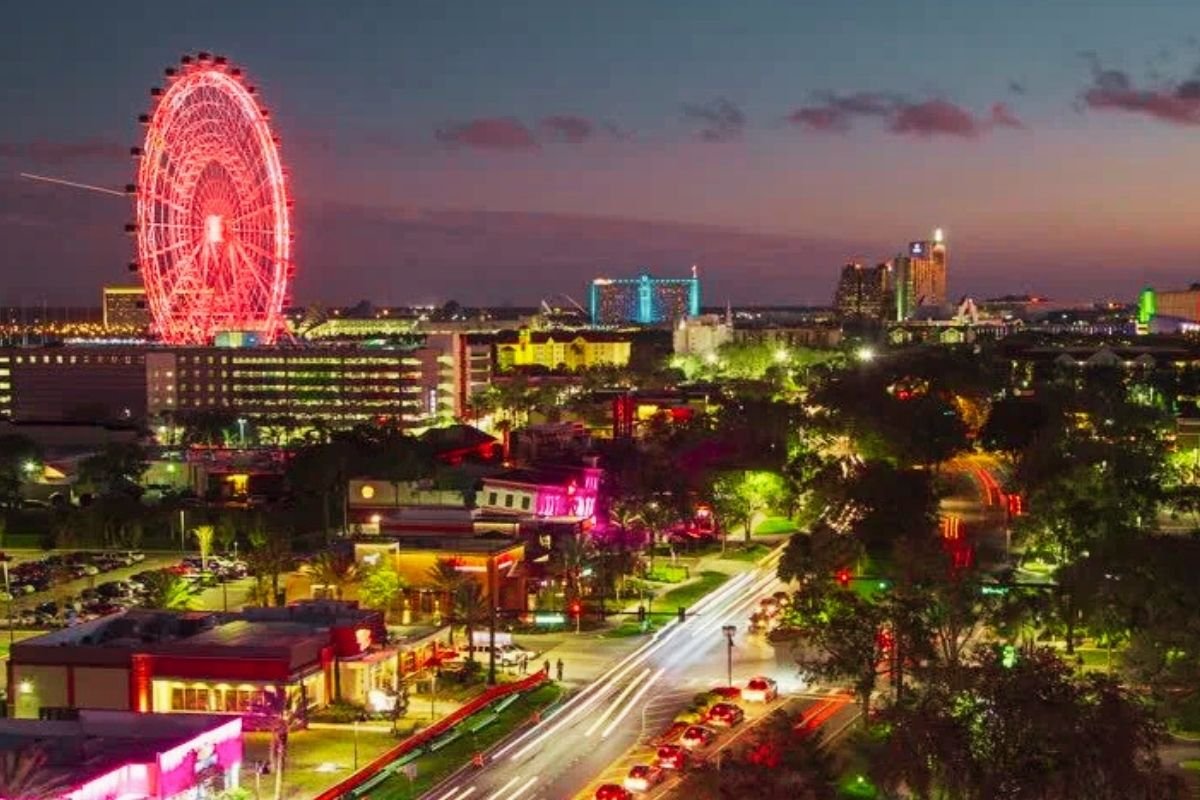
International Drive works when you cap it. It fails when you “hang out” without a plan.
Cluster D: Theme Park Corridor (Disney/Universal Area)
This is where Orlando becomes expensive for most first-timers, because one decision triggers multiple cost layers at once:
- Tickets (obvious)
- Parking (often treated as “surprise money”)
- Transport stacking (car + tolls + rideshare fixes)
- Time pressure (“we can’t waste this day” spending)
How to keep it controlled: treat it like a single-purpose day. Park days are heavy. When you stack a second major zone on the same day, you don’t get “more Orlando.” You get more spending.
Hidden Costs Tourists Get Shocked By in the U.S. (Orlando Included)
A lot of tourists don’t call Orlando expensive because the headline prices are insane.
They call it expensive because the U.S. pricing system includes “extras” that don’t always show up the way people expect—especially if you’re coming from places where taxes are usually included and tipping isn’t a constant factor.
If you don’t plan for these, you’ll feel tricked—even if the trip is still within a normal budget range.
Snippet-ready (clean list):
- Taxes added at checkout (not always included in listed prices)
- Resort / hotel fees (property fees, parking fees, “amenity” fees)
- Tipping culture (small tips stack across the day)
- Parking as a daily tax (even when entry is “free”)
- Tolls on routes that look “normal” on the map
Smart check (2 official sources only): If your plan includes toll roads or bus days, verify basics once—then stop thinking about it.

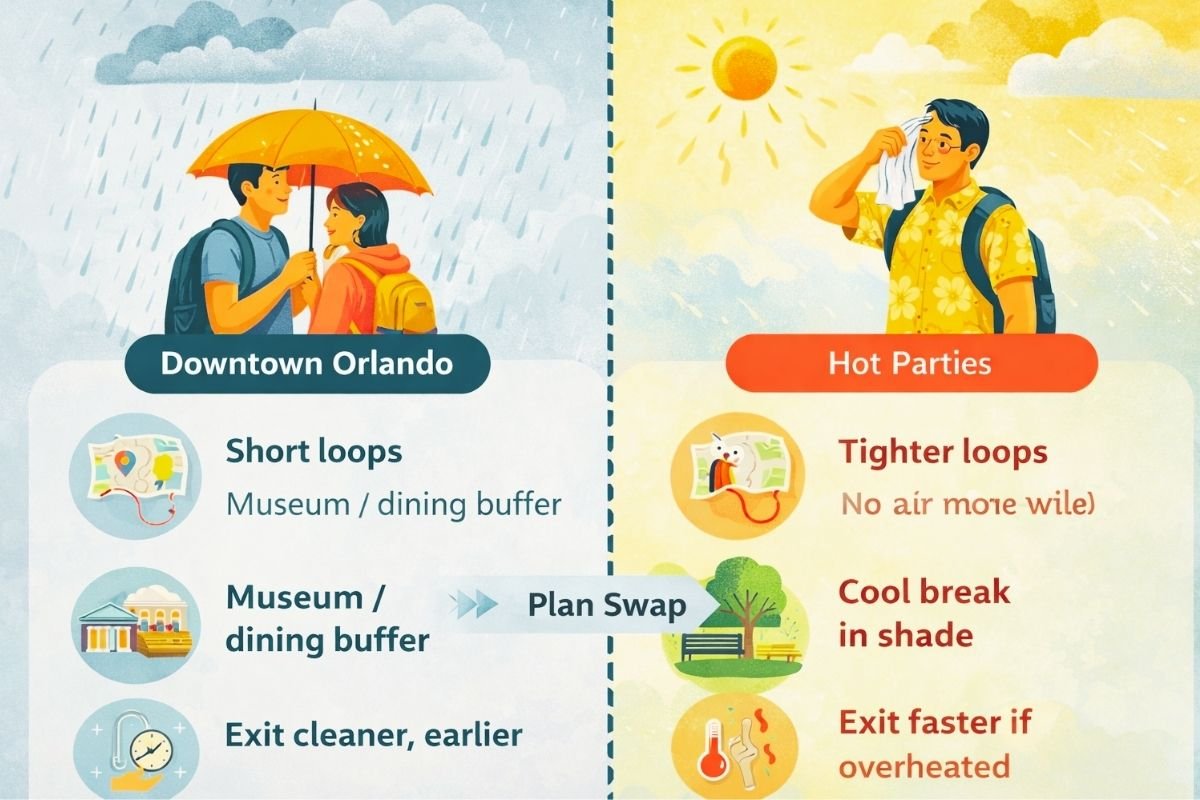
Weather changes movement. A good plan swaps without adding distance.
Car vs Rideshare in Orlando: Which One Is Cheaper?
People ask this like there’s a universal winner. There isn’t.
The winner is the transport style that matches your day shape. If your plan is tight and you stay inside one cluster, rideshare/no-car can feel cleaner. If your plan is scattered and you keep crossing the city, a car can look cheaper—but it often becomes expensive through parking and tolls if you’re not careful.
Your day pattern Usually cheaper Why One walkable cluster (Downtown or Winter Park) Rideshare / no-car You avoid parking and you’re not doing “fix drives” Two far zones in one day Car (sometimes) But only if you plan the day tightly and accept parking/tolls Theme park corridor days Depends Parking can hit hard; rideshare can stack fast—choose one approach and cap add-ons Reality check (TripsCity rule): The most expensive Orlando move is mixing both: renting a car and using rideshare repeatedly because the plan is scattered. That’s transport stacking—the #1 budget leak.
The 7 Rules That Keep Orlando From Feeling Expensive
These rules look simple, but they work because they target the real problem: leaks, not “prices.”
- Rule 1: One cluster per day. Two far zones = a leak day.
- Rule 2: Time-cap atmosphere zones (International Drive, big retail loops).
- Rule 3: Build a buffer block (heat, queues, tired legs) so you don’t buy comfort all day.
- Rule 4: Decide your parking reality upfront. Paid parking shouldn’t surprise you.
- Rule 5: Don’t “repair” the day by driving farther when you’re already tired.
- Rule 6: Expect U.S. extras (taxes/fees/tips). Budget a small buffer line.
- Rule 7: Plan one free/low-cost anchor day to stabilize the trip.
Low-cost anchor (internal link): If you want a clean reset day that doesn’t collapse into spending, use our Orlando system here:
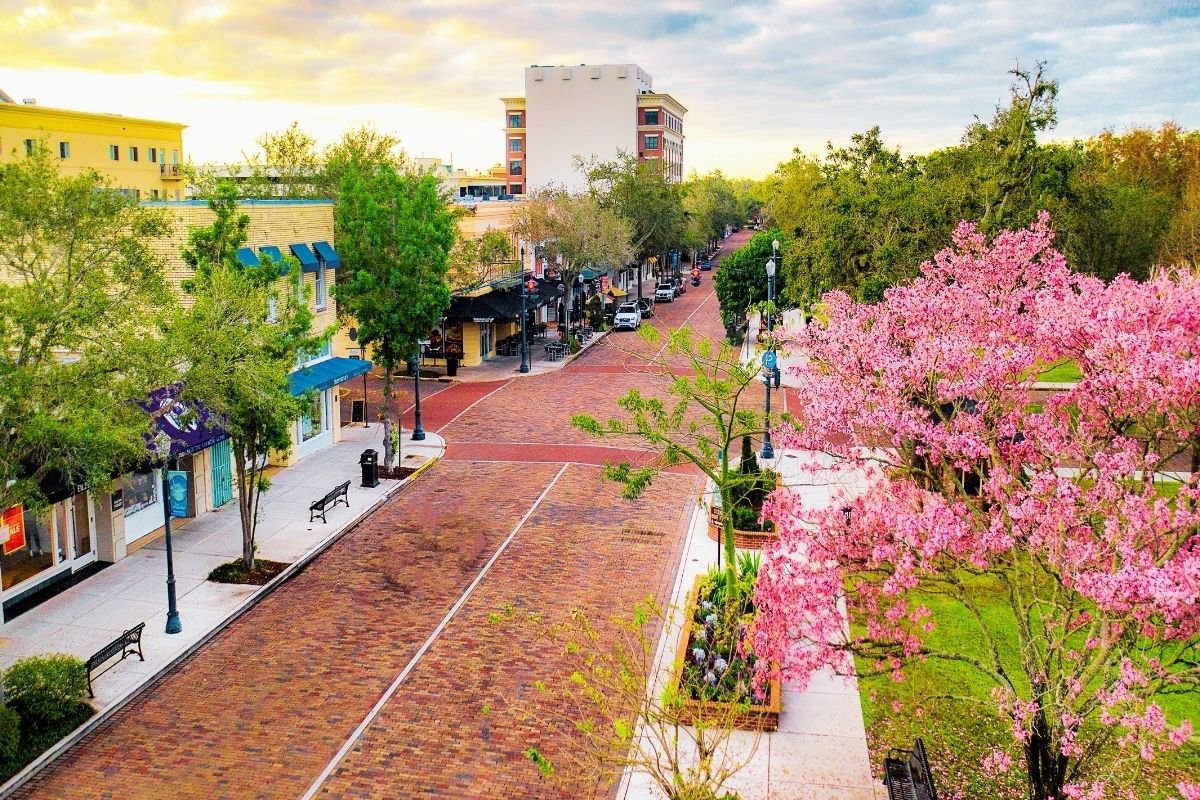
Things to Do in Orlando for Free (Clusters + mini itineraries).Winter Park feels “less expensive” because it doesn’t force constant paid fixes.
Quick Checklist (Before You Lock Your Plan)
- My day stays inside one cluster (no two far zones).
- I picked one transport style for the day (car or rideshare — not both).
- Atmosphere zones are time-capped (60–120 minutes).
- I built a buffer block (heat/queues/crowds) so comfort spending doesn’t drive the plan.
- I’m budgeting a small extras line (taxes/fees/tips + parking/tolls).
FAQ: Is Orlando Expensive for Tourists in 2026?
Is Orlando expensive compared to other U.S. tourist cities?
It can be, mainly because Orlando is spread out and tourist days often trigger transport stacking (car + parking + tolls + rideshare fixes) on top of paid attractions.
What is a realistic daily budget for Orlando in 2026?
Typical planning ranges: budget $120–$220/day, mid-range $220–$420/day, family (2+2) $450–$850/day. Hotel base + transport pattern + ticket-heavy days are the biggest swing factors.
What are the biggest hidden costs in Orlando?
Parking, tolls, taxes/fees at checkout, resort fees, and tipping. These “extras” are what surprise first-timers and make Orlando feel more expensive than expected.
How can I do Orlando without it feeling expensive?
Run the city in clusters: choose one base zone per day, time-cap atmosphere areas, build buffer blocks, and plan at least one free/low-cost anchor day to stabilize spending.
Is renting a car cheaper than rideshare in Orlando?
It depends on your day shape. Tight walkable cluster days often favor no-car. Multi-zone days sometimes favor a car—but only if you accept parking/tolls and plan tightly.