
Is Paris good in winter? Yes for many travelers, but the colder months create a very different Paris trip from spring or summer. Days are shorter, the weather is colder and often damp, and sightseeing works better when outdoor walks are balanced with museums, cafés, covered spaces and other warm stops.
The more useful question is not whether winter Paris is simply “good” or “bad.” It is whether the season matches the type of trip you want. Travelers who already care about museums, food, architecture, shopping, historic neighborhoods and evening lights often adapt easily.
Visitors dreaming mainly about gardens in full color, picnics, terraces and long evenings outside may find another season more satisfying.
Winter Paris is not a cheaper or weaker version of summer Paris. It has its own rhythm. If you plan around shorter daylight, weather changes and slower movement instead of trying to reproduce a July itinerary, the city can feel atmospheric, focused and noticeably less rushed.
Quick Answer: Is Paris Good in Winter and Is It Worth Visiting?
Yes. Paris is worth visiting in winter if museums, cafés, food, architecture, shopping and cultural attractions matter more to you than warm weather and long outdoor days.
Go in winter if: you enjoy indoor culture, quieter everyday streets, structured sightseeing days and neighborhood exploration, and you do not mind adjusting plans around rain or cold.
Consider another season if: long daylight, outdoor wandering, gardens, terrace dining and weather flexibility are central to the Paris trip you imagine.
Month by month: December is strongest for festive atmosphere, January works well for a quieter cultural city break, and February provides slightly more daylight while still feeling distinctly wintry.
Last updated: September 2026.
Disclosure: TripsCity may earn a commission from selected booking links at no extra cost to you.
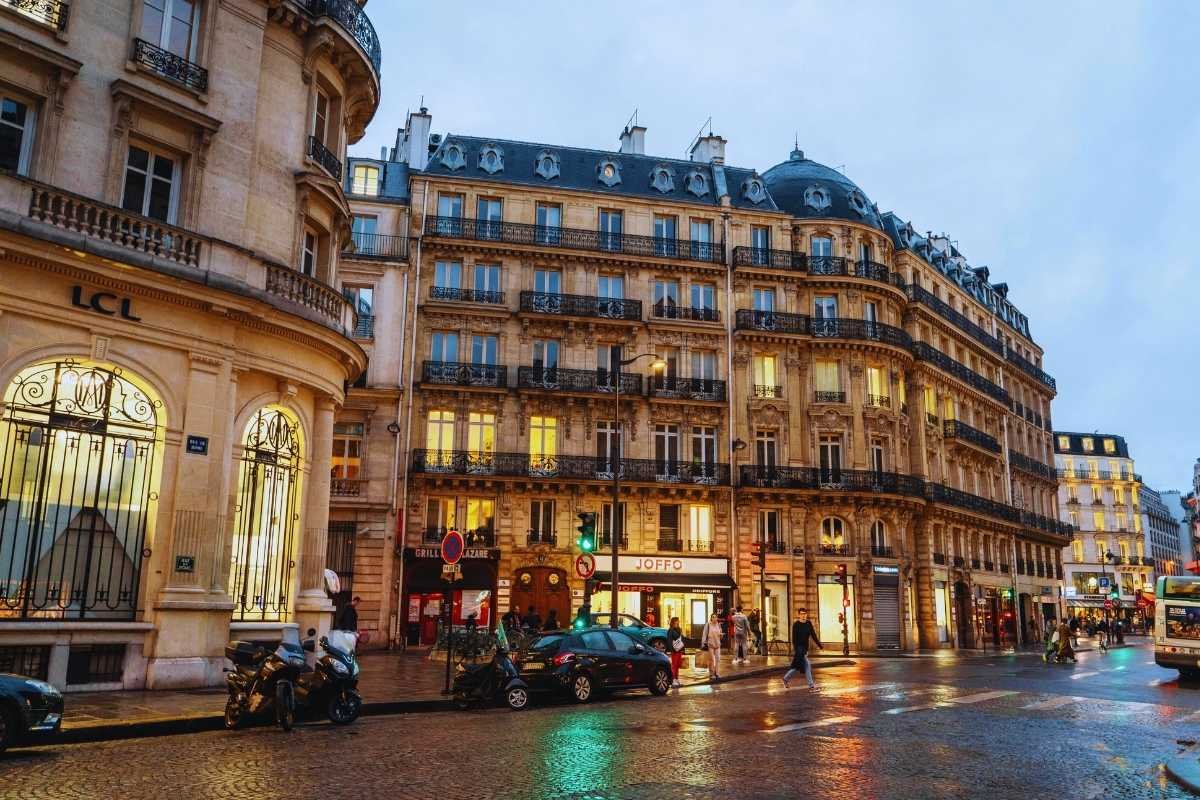
Winter Paris works best as a sequence of outdoor moments connected by warm indoor stops rather than one continuous sightseeing day.
Is Paris Good in Winter? What the City Really Feels Like
The biggest adjustment is pace.
A summer itinerary can absorb long walks, late sunsets, outdoor meals and spontaneous detours without much thought. In winter, the same route can feel noticeably heavier once cold air, damp shoes, early darkness and time spent warming up are added.
That does not mean you need to spend the trip indoors. It means outdoor time becomes more deliberate.
A walk through Montmartre, along the Seine or through the Latin Quarter can still be one of the best parts of the day.
The difference is that it works better when a café, museum, church, shop or covered space is nearby instead of another long exposed walk across the city.
Winter Paris Rewards Fewer, Better-Placed Stops
The season naturally encourages a more focused itinerary. Instead of trying to collect five or six major attractions, one museum, one neighborhood and a well-timed indoor break can already create a satisfying day.
This is where winter can actually improve a trip for some travelers. Shorter days discourage unnecessary cross-city movement and make it easier to spend more time inside one neighborhood rather than treating Paris like a checklist.
Repeat visitors often adapt to this quickly because they feel less pressure to cover every famous landmark.
First-time visitors can enjoy the same rhythm as long as they accept that winter rewards prioritization more than volume.
Paris Winter Weather and Daylight: What Changes the Trip?
Winter Weather Is Usually More Damp Than Extreme
Paris winters are generally cold and changeable rather than consistently severe. Average winter lows are roughly 3°C to 4°C, while typical highs are around 8°C to 9°C across December, January and February.
Rain remains possible throughout the season, while lasting snow is uncommon.
The practical issue is often exposure rather than the headline temperature. Ten minutes outside can feel comfortable; forty minutes standing near a monument in wind or drizzle can feel completely different.
Water-resistant footwear, layers and a compact umbrella are therefore often more useful than preparing for extreme cold.
Check the official Météo-France forecast shortly before each sightseeing day, particularly when you have viewpoints, river walks or other long outdoor sections planned.
Shorter Daylight Changes When You Should Be Outside
Winter daylight affects more than photography. It changes when outdoor sightseeing delivers the most value.
The brighter middle of the day is usually the better window for river walks, viewpoints, gardens, neighborhood photography and other places where natural light matters.
Later in the afternoon, the city naturally becomes better suited to museums, covered passages, shopping, cafés, galleries, dinner and illuminated landmarks.
The mistake is not visiting Paris when days are short. The mistake is copying a long summer itinerary directly into January and expecting the same pacing.
December vs January vs February in Paris
| Month | Best for | Main trade-off |
|---|---|---|
| December | Christmas atmosphere, lights and seasonal experiences | Holiday dates can be busy and expensive |
| January | Museums, cafés, shopping and quieter everyday sightseeing | Short daylight and a more subdued atmosphere |
| February | Winter atmosphere with gradually improving daylight | Weather is still firmly wintry |
Best for Festive Paris: December
December makes the most sense when seasonal Paris is part of the reason you are traveling. Decorations, illuminated shopping streets, Christmas experiences and New Year energy give the city a stronger sense of occasion.
The important trade-off is demand. Christmas and New Year should not be treated like a quiet low-season period.
Hotels, major attractions and popular seasonal experiences can still attract strong demand.
January: Better for a Quieter Cultural Trip
January suits travelers who care more about museums, food, shopping, neighborhoods and everyday Paris than festive events.
It feels more clearly like a winter city break, so indoor anchors and compact walking routes become especially useful. The shorter daylight window is the main compromise.
February: Winter With a Little More Daylight
February remains cold, but gradually improving daylight can make it easier to balance indoor and outdoor sightseeing.
It is a useful choice if you want the winter version of Paris without building the trip around Christmas or New Year.
Does Winter Mean Paris Is Empty?
No. Winter can reduce pressure in some streets, neighborhoods and accommodation markets outside holiday periods, but the major attractions do not suddenly become empty.
The Louvre, Eiffel Tower, major exhibitions and popular weekend experiences can remain busy.
Christmas, New Year, school holidays and major events can also change crowd levels significantly.
The real advantage is not “Paris without tourists.” It is that everyday movement around the city can feel calmer when fewer visitors are trying to maximize long outdoor sightseeing days.
TripsCity Insight: winter Paris works best when daylight, warmth and distance are treated as limited planning resources. Protect the brightest hours for outdoor experiences and let indoor Paris carry the colder parts of the day.
Is Paris Worth Visiting in Winter? Pros and Cons That Actually Matter
Whether Paris is worth visiting in winter depends less on the temperature than on how you like to travel.
One of winter’s biggest advantages is not simply lower crowds or cheaper hotels. The real benefit is the different rhythm the season encourages: fewer major stops, more indoor culture, shorter neighborhood walks and longer meals.
The main disadvantages are equally practical. Shorter daylight, rain, wind and cold outdoor waits reduce how much spontaneous walking feels enjoyable.
Winter also makes poor route planning more noticeable because unnecessary transfers and long returns to the hotel feel heavier when it is dark or wet.
| Winter Advantage | Winter Trade-Off |
|---|---|
| More natural time for museums, cafés and indoor culture | Less daylight for outdoor sightseeing |
| Some streets and neighborhoods can feel calmer outside holidays | Major attractions can still be busy |
| Slower days encourage better geographic grouping | Rain and wind make long walks less predictable |
| Winter atmosphere can suit food, architecture and evening lights | Convenience spending can rise when weather changes plans |
The Biggest Advantage Is the Slower Rhythm
A museum morning, warm lunch, compact neighborhood walk, café break and evening dinner can feel like a complete winter day in Paris.
You do not need six attractions to justify the trip.
This style works especially well for travelers who prefer depth over coverage. Instead of crossing Paris repeatedly, you can spend more time in one area and let nearby streets, churches, galleries, shops and food stops become part of the experience.
The slower rhythm also makes weather changes easier to absorb.
If rain shortens one outdoor section, you are adjusting one part of the day instead of rescuing an itinerary built around several distant outdoor stops.
Museums and Indoor Paris Become Strengths, Not Backup Plans
Winter makes Paris’s indoor attractions more valuable. The Louvre, Musée d’Orsay, Musée de l’Orangerie, churches, galleries, covered passages, department stores and temporary exhibitions can anchor several hours.
That does not mean every winter trip needs to become a museum marathon. The stronger strategy is to use one substantial indoor experience as the backbone of the day and build a smaller outdoor route around it.
Major attractions can still be busy on weekends, holiday dates and popular exhibition periods, so winter should not be treated as a guarantee of empty museums or walk-in access.

Winter makes substantial indoor attractions feel like a natural part of the trip rather than an escape from the weather.
Is Paris Cheaper in Winter?
Sometimes, but not automatically.
Accommodation may offer better value outside Christmas, New Year, school holidays, major events and high-demand weekends.
That can make winter attractive for travelers with flexible dates.
However, attraction tickets, public transport and restaurant prices do not automatically become cheaper because the season changes.
Winter can also create different expenses. Poor weather may lead to more Metro rides, longer café stops, additional indoor activities or the occasional taxi.
A better comparison is therefore the total cost of the stay, not only the hotel rate.
A cheaper hotel far from your main sightseeing areas can lose part of its value when every day includes extra transport time and every evening ends with a longer journey in cold or wet conditions.
For the broader spending picture, use our Paris Budget Guide.
If you are comparing specific winter dates, you can also compare Paris hotel prices.
Affiliate disclosure: TripsCity may earn a commission from qualifying bookings at no extra cost to you.
Walking and Getting Around Paris in Winter
Paris remains a walkable city in winter, but the value of a walk changes with the conditions.
Twenty minutes between nearby attractions can be enjoyable. A long cross-city route in cold rain may simply use energy that would be better spent at the destination.
Use walking for compact neighborhoods and nearby sights, then let the Metro or bus handle longer connections when the weather is poor.
A route planner may show that two places are technically walkable. That does not automatically mean the walk will be enjoyable on a wet January evening.
The practical winter rule is simple: walk for atmosphere, use transport to remove unnecessary distance.
For the wider transport system, use our How to Get Around Paris guide and check current service information on the official RATP website.
Where You Stay Matters More in Winter
Winter favors areas where indoor and outdoor experiences sit close together.
Le Marais works well because museums, cafés, shops, food stops and historic streets are tightly packed.
Saint-Germain-des-Prés combines cafés, bookshops, galleries, churches and compact Left Bank walks.
The Latin Quarter offers historic streets, museums, bookshops, churches and food options within relatively compact routes.
Montmartre remains atmospheric, but hills and wet pavement can make it more tiring than it appears on a map.
The same logic applies to the hotel itself. You do not need the most famous address in Paris, but reliable heating, useful transport and nearby restaurants become more valuable when the weather is cold.
A manageable evening walk can matter just as much as the room price.
For a full neighborhood comparison, use our Where to Stay in Paris guide.
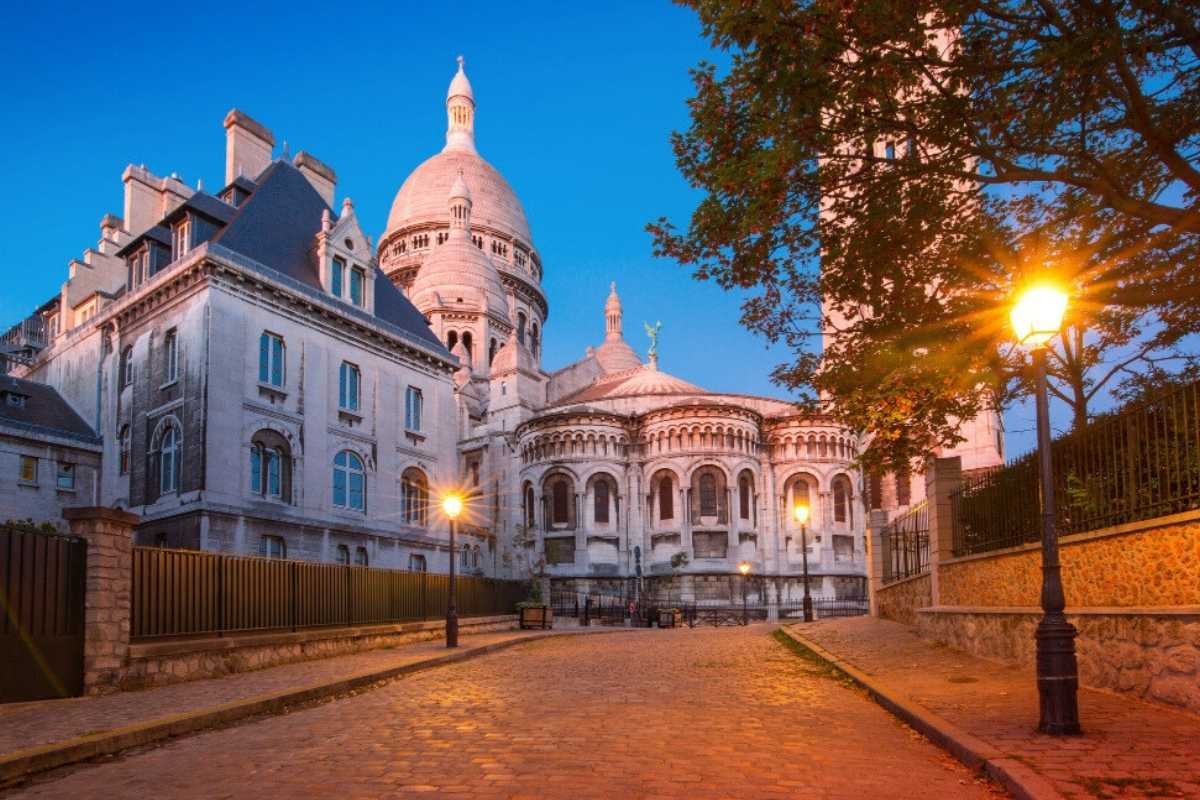
Compact neighborhoods become more valuable when cafés, museums and transport are close enough to shorten cold or wet walks.
When Paris in Winter May Not Be Worth It
Winter is a weaker choice when the experiences you value most depend heavily on daylight, outdoor comfort and spontaneous walking.
You Want Long Outdoor Days
If your ideal Paris trip means spending most of the day outside, wandering through gardens, river walks, terraces and neighborhoods without thinking about darkness or weather, spring or early autumn may fit you better.
You Strongly Dislike Changing Plans for Weather
Winter conditions can change the balance of a day. Rain may shorten a walk, wind can make a viewpoint less comfortable, and a wet afternoon may push you toward an indoor activity earlier than expected.
Travelers who enjoy flexible planning usually handle this easily.
Visitors who want every day to follow a fixed outdoor schedule may find the season frustrating.
Your Hotel Is Far From the Areas You Want to Explore
A lower room price can become less attractive if every evening requires a long, cold return journey.
In winter, location and simple transport connections can be worth more than a small accommodation saving because they reduce the friction you experience every day.
You Need Bright Weather to Enjoy Paris
Clear winter days happen, but grey skies, rain and damp conditions are realistic possibilities.
If bright weather strongly affects whether a destination feels enjoyable to you, another season gives you better odds of longer outdoor days and more weather flexibility.
TripsCity Verdict: winter does not make Paris automatically better or worse. It simply changes which parts of the city become easier to enjoy and which travel habits become harder to maintain.
Who Is Paris in Winter Best For?
Whether Paris is good in winter depends less on the city itself than on the traveler.
The same cold and grey day can feel atmospheric to someone who enjoys museums, cafés and compact neighborhood walks.
Another traveler may feel restricted because gardens, terraces and long outdoor evenings are central to the trip they imagined.
First-Time Visitors Can Still Have an Excellent Winter Trip
A first visit to Paris can work very well in winter when your priorities include the Louvre, Eiffel Tower, Notre-Dame area, architecture, food, cafés, shopping, Montmartre and historic neighborhoods.
You will still experience the major icons. What changes is how many major stops fit comfortably into one day and how long you want to remain outdoors between them.
A first-time visitor who accepts three or four well-chosen experiences instead of trying to complete a dense sightseeing checklist can enjoy winter much more.
If your dream first trip is mainly about gardens, picnics, terraces, riverbanks and long warm evening walks, another season may feel more complete.
Repeat Visitors Often Get Even More From Winter
Repeat visitors usually feel less pressure to collect famous sights, which makes the winter rhythm particularly easy to enjoy.
You can spend several hours inside one museum, revisit a favorite neighborhood, explore covered passages or choose a restaurant deliberately.
A rainy afternoon can turn into shopping without making you feel that the trip has gone off-plan.
Winter becomes less about completing Paris and more about spending time inside it.
Couples and Solo Travelers Match the Winter Rhythm Well
Couples who enjoy meals, cafés, architecture, museums, evening lights and slower sightseeing can find winter naturally appealing.
The romantic side of winter Paris is not guaranteed snow. It is the freedom to stop for a long meal or café break without feeling that good weather and daylight are being wasted.
Solo travelers have a similar advantage. Museums, bookstores, cafés, markets, galleries and neighborhood walks can be shortened, extended or replaced easily when weather or energy changes.
Families Need to Plan Around Energy, Not Just Temperature
Children may tolerate cold weather perfectly well for an hour and then lose patience quickly once rain, hunger, waiting and tired legs arrive together.
A winter family day works better when warm resets are predictable.
A museum in the morning, lunch, a compact outdoor walk and another indoor activity can be easier than connecting several outdoor landmarks across Paris.
Strollers can also make Metro stairs, wet pavement and repeated transfers more noticeable, so simpler routes become more valuable.
For the broader family planning approach, use our Paris With Kids guide.
Paris Winter Mistakes That Make the Trip Harder Than It Needs to Be
Most disappointing winter trips are not ruined by one day of bad weather.
Problems usually come from planning the city as if the season has no effect on daylight, distance or energy.
Planning Every Day Like Summer
A long sequence of outdoor landmarks may look efficient on a map but feel completely different once cold rain, darkness and waiting time are added.
Build each day around one important anchor, then keep the surrounding activities close enough that weather does not destroy the entire route.
Stacking Too Many Outdoor Stops Together
Several outdoor stops in a row can work on a dry, mild day. They become much less attractive when wind or rain arrives.
Alternate longer outdoor periods with museums, meals, cafés, covered passages or another substantial indoor reset.
Choosing the Cheapest Hotel Without Considering Winter Friction
A hotel that saves a small amount each night may not feel like a bargain when every morning begins with a long transfer and every evening ends with a cold journey back across the city.
Winter gives extra value to straightforward Metro access, nearby food and a manageable final walk.
Crossing Paris Repeatedly in the Same Day
Unnecessary Metro changes and cross-city journeys cost more than minutes.
They interrupt the rhythm of the day and make weather delays harder to absorb.
Group attractions geographically whenever possible.
Planning Only for Good Weather
A winter itinerary should still produce a useful day when rain changes the outdoor portion.
You do not need two complete itineraries. One nearby indoor alternative is usually enough to keep the day intact.

A good winter itinerary still works when rain shortens one of the outdoor sections.
Should You Visit Paris in Winter? A Simple Decision Checklist
Paris is probably a good winter destination for you if most of these statements sound right:
- Museums, architecture, food, cafés, shopping and indoor culture appeal to you.
- A focused itinerary sounds better than trying to see everything in one day.
- Shortening an outdoor walk when the weather changes does not bother you.
- Grey or rainy days would not make you feel that the trip has been ruined.
- Neighborhood atmosphere and slower sightseeing are important to you.
- Gardens, terraces and long daylight are not essential to your idea of Paris.
Another season is probably a better fit if long outdoor walks, gardens in full color, terrace dining, late sunsets, picnics and weather flexibility are essential parts of the trip you want.
TripsCity Decision: choose winter because the winter version of Paris appeals to you, not simply because you expect an empty or dramatically cheaper city.
What a Realistic Winter Day in Paris Looks Like
A strong winter itinerary does not require complicated scheduling.
The basic pattern is to alternate exposure and comfort while using the brighter part of the day deliberately.
| Time | What Usually Works | Why |
|---|---|---|
| Morning | Major museum, monument or timed attraction | Use your freshest energy for the main visit |
| Midday | Lunch and a compact neighborhood walk | Use the brighter part of the day outdoors |
| Afternoon | Gallery, shopping, covered passage or café | Keep weather-flexible options nearby |
| Evening | Dinner, illuminated landmark and short walk | Enjoy Paris after dark without excessive outdoor exposure |
This is not a mandatory itinerary. It shows the winter logic.
Start with one meaningful anchor. Add one nearby outdoor route.
Use a warm break before fatigue becomes a problem, then keep the final activity easy to reach from your hotel.
One or two bookings are normally enough.
Leaving part of the day flexible gives you room to respond to weather, energy and the amount of time each neighborhood actually deserves.
Paris in Winter FAQ
Is a Winter Trip to Paris Worth It?
Yes, especially if museums, food, cafés, architecture, shopping, historic neighborhoods and cultural attractions matter more to you than warm weather and long outdoor days.
Winter changes the rhythm of Paris without removing most of its major experiences.
First-Time Visitors: Is Winter a Good Time for Paris?
Yes. First-time visitors can still see the major landmarks and museums, but the itinerary works better with fewer major stops per day and more flexibility around weather and daylight.
How Cold Does Paris Get in Winter?
Paris is generally cold rather than extremely cold. Damp weather, wind and long periods outside can make it feel colder than the forecast suggests.
Layers and water-resistant footwear are useful.
Does It Snow in Paris During Winter?
Snow can occur, but it is not reliable enough to plan a trip around.
Cold rain, damp weather and grey skies are more realistic conditions to prepare for.
Winter Crowds: Is Paris Less Busy?
Some periods outside Christmas, New Year, school holidays and major events can feel calmer than peak season.
Famous attractions such as the Louvre and Eiffel Tower can still have busy time slots and queues.
December vs January: Which Month Is Better?
Choose December if festive lights, seasonal atmosphere and Christmas experiences matter most.
January is better suited to travelers prioritizing museums, cafés, shopping and a quieter post-holiday city break.
February in Paris: Is It a Good Time to Visit?
Yes. February still feels like winter, but gradually improving daylight can make the balance between outdoor sightseeing and indoor activities easier.
Winter Prices: Is Paris Cheaper?
It can be cheaper for accommodation on some dates outside major holidays and events.
Transport, restaurants and attraction prices do not automatically decrease in winter.
Can You Walk Around Paris in Winter?
Yes. Compact neighborhood walks remain one of the best ways to experience Paris.
Use public transport for longer connections when rain, cold or darkness makes an extended walk less worthwhile.
What Are the Biggest Disadvantages of Visiting Paris in Winter?
The main disadvantages are shorter daylight, rain or wind, less comfortable outdoor waiting and reduced flexibility for long outdoor sightseeing days.
Who May Prefer Another Season?
Travelers who want gardens, terraces, picnics, long evening walks, warm-weather photography and consistently comfortable outdoor conditions may prefer spring or early autumn.
Final Verdict: Is Paris Good in Winter and Is It Worth Visiting?
Yes — Paris can be very good in winter, and for the right traveler it is absolutely worth visiting.
The season works particularly well when your idea of Paris already includes museums, cafés, architecture, food, shopping, historic neighborhoods, cultural attractions and evening lights.
December is strongest for festive atmosphere.
January suits a quieter cultural city break.
February gives you the winter mood with gradually improving daylight.
Winter becomes a weaker choice when the experiences you value most require long daylight, gardens in full season, picnics, terrace dining and warm evenings outside.
The key is not to judge winter Paris against summer Paris.
Choose winter if trading some outdoor freedom for a slower, more indoor-friendly and more focused version of Paris sounds appealing rather than restrictive.
Last updated: September 2026.