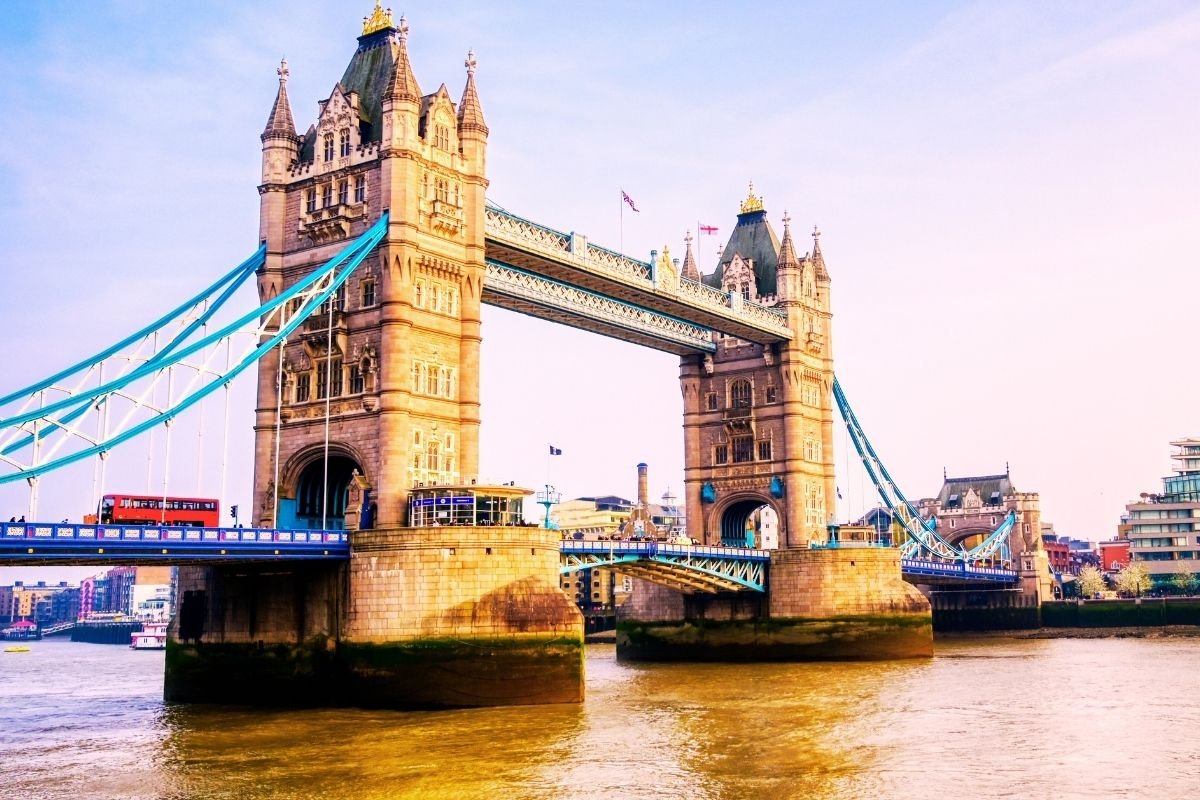
Last updated September 2026. This London 2 Days Itinerary (2026) reflects current attraction and transport information, but opening hours, ticket availability and travel conditions can change, so confirm important bookings before your trip.
This London 2 Days Itinerary (2026) gives first-time visitors a realistic route through the city’s biggest highlights without spending the weekend crossing London unnecessarily.
On Day 1, explore Buckingham Palace, St James’s Park, Westminster, Big Ben and the South Bank before finishing around Trafalgar Square and Covent Garden. On Day 2, start around the Tower of London and Tower Bridge, continue through Borough Market and Bankside, then finish with the City of London or a free museum.
Two days is not enough to see everything, so this itinerary prioritizes the places that combine well geographically. You can include one major paid attraction each day or follow a mostly free version by focusing on outdoor landmarks, walks and museums.
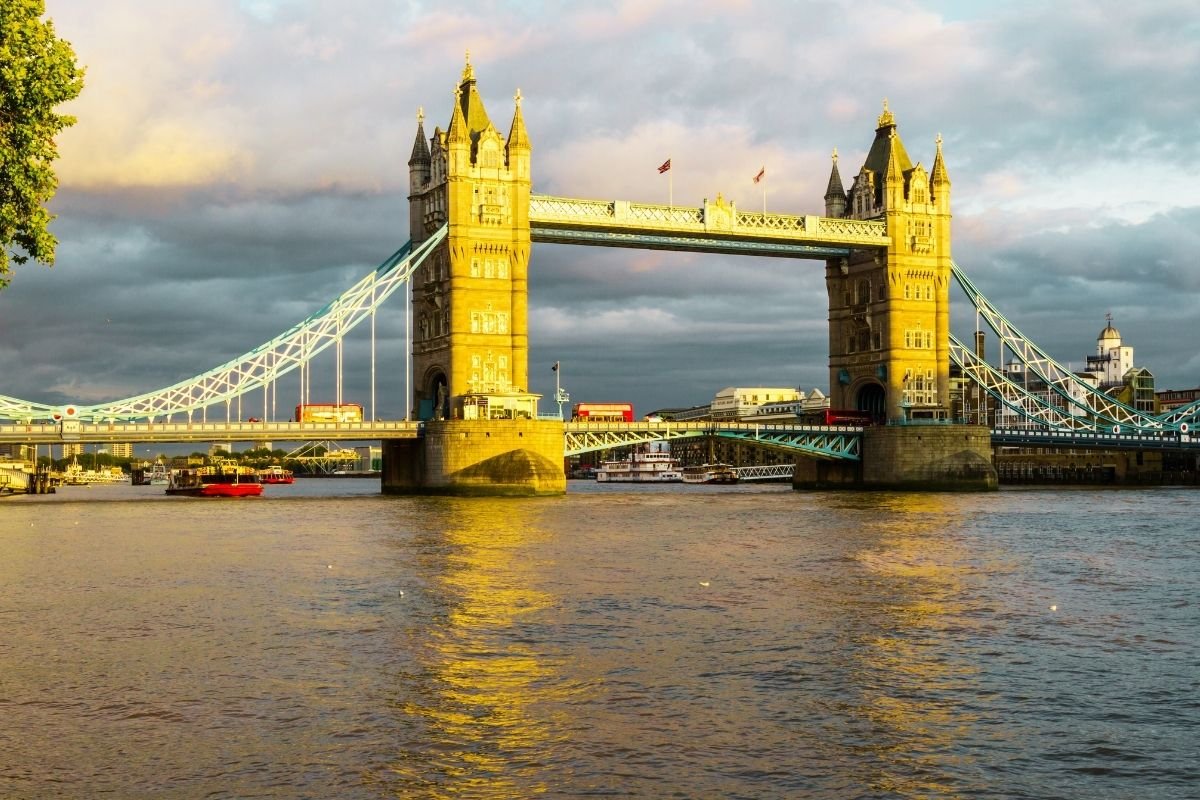
Tower Bridge is one of the major landmarks included in this two-day London itinerary.
London 2 Days Itinerary (2026) at a Glance
| Day | Morning | Afternoon | Evening |
|---|---|---|---|
| Day 1 | Buckingham Palace, St James’s Park, Westminster | Big Ben, Westminster Bridge, South Bank | Trafalgar Square, Covent Garden and the West End |
| Day 2 | Tower of London and Tower Bridge | Borough Market, Bankside and Millennium Bridge | City of London, Tate Modern or a flexible Thames finish |
TripsCity Insight: With only two days in London, location matters more than the number of attractions on your list. Two or three nearby highlights usually create a better day than five sights connected by repeated Tube journeys.
Is This London 2 Days Itinerary Enough for First-Time Visitors?
Two days is enough for a strong first introduction to London, but not for every major attraction. Prioritize Westminster and the Thames on one day, then Tower Hill and the historic City on the other. Save neighborhoods such as Camden, Greenwich and Notting Hill for a longer trip unless one of them is a personal priority.
If you are still choosing accommodation, our guide to where to stay in London explains which areas make short sightseeing trips easier. For transport, see our London public transport guide.
London 2 Days Itinerary (2026): Day 1 — Westminster, Buckingham Palace and South Bank
Day 1 covers London’s royal and political landmarks first, then moves toward the Thames and central West End. Most of the route can be walked, with one optional paid attraction in Westminster.
| Time | Stop | Plan |
|---|---|---|
| 08:30–09:30 | Buckingham Palace & St James’s Park | Outdoor sightseeing |
| 09:30–11:00 | Westminster Abbey | Optional paid visit |
| 11:00–12:00 | Big Ben, Parliament & Westminster Bridge | Outdoor landmarks |
| 12:00–13:00 | South Bank | Lunch and river views |
| 13:00–15:00 | South Bank walk | London Eye exterior, Thames views and cultural landmarks |
| 15:00–17:30 | Trafalgar Square & Covent Garden | Free sightseeing, National Gallery optional |
| Evening | West End | Dinner, Soho or an optional show |
London 2 Days Itinerary Day 1: Buckingham Palace and St James’s Park
Start near Buckingham Palace before central London becomes busier. See the palace exterior, then walk through St James’s Park toward Westminster.
If seeing the Changing of the Guard is important to you, check the official schedule before your visit rather than assuming it takes place every day. The ceremony can also draw large crowds, so build extra time around it.
09:30–11:00 — Westminster Abbey or a Free Westminster Walk
Westminster Abbey is the strongest paid attraction to place into the first morning if British royal history is a priority. Reserve enough time for the visit and avoid adding another major ticketed attraction immediately afterward.
If you prefer a mostly free itinerary, skip the interior and spend additional time around Parliament Square, the Abbey exterior and nearby government buildings.
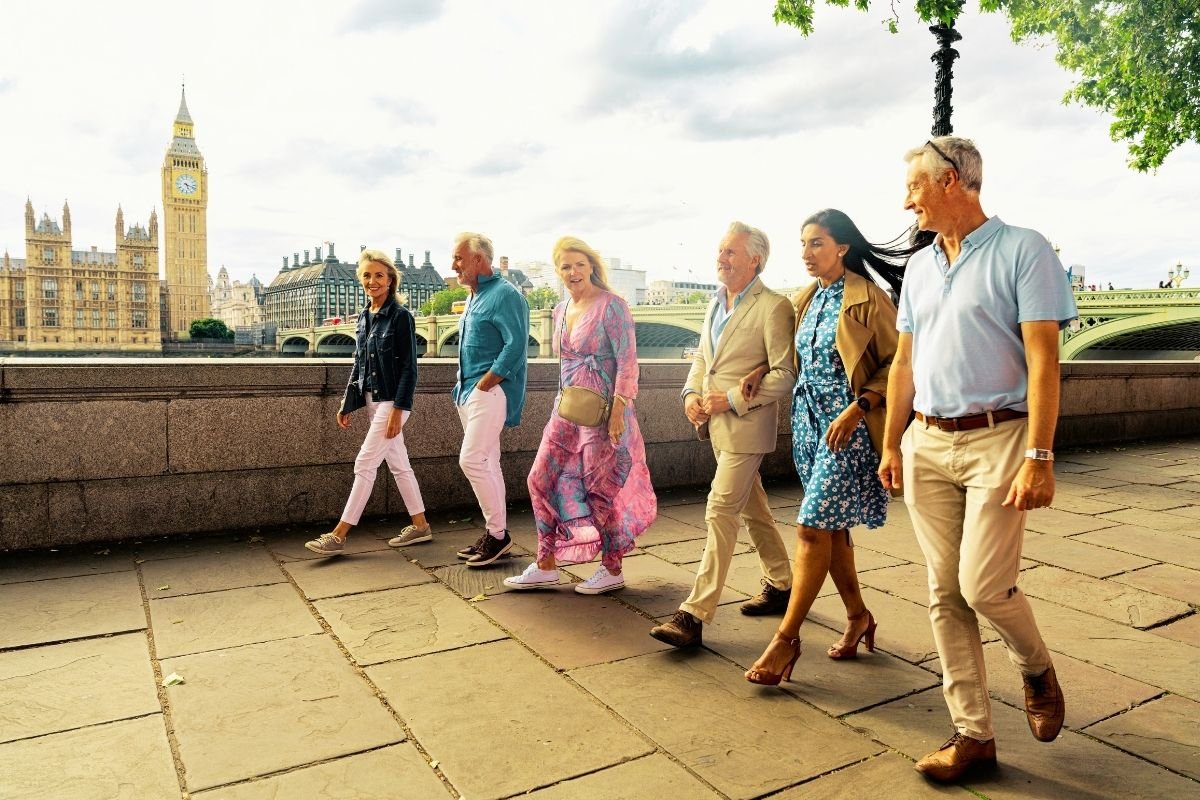
Westminster places several of London’s best-known landmarks within a relatively compact walking area.
11:00–12:00 — Big Ben, Parliament and Westminster Bridge
Continue to Big Ben and the Houses of Parliament, then cross Westminster Bridge for one of the easiest classic views of the London skyline.
There is no need to rush this section. The landmarks are close together, so allow time for photographs before continuing along the South Bank.
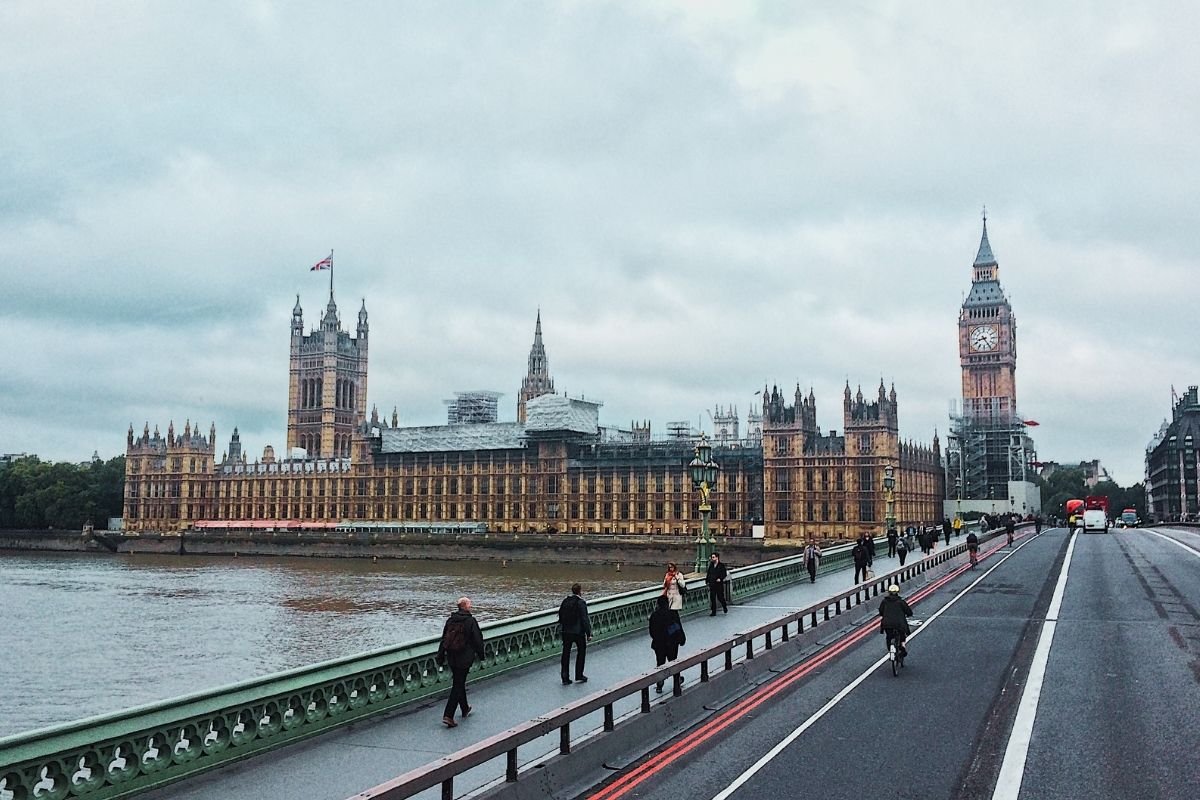
Westminster and the Thames work naturally as part of the same sightseeing route.
12:00–13:00 — Lunch on or Near the South Bank
Stay near the river for lunch instead of travelling across London for a restaurant on the other side of the city. This keeps the afternoon flexible and reduces unnecessary transport.
13:00–15:00 — Walk the South Bank
Spend the early afternoon walking east along the South Bank. You can see the London Eye from outside, enjoy views across the Thames and stop around the Royal Festival Hall or National Theatre area.
You do not need to walk all the way to Tower Bridge today. Day 2 already covers the eastern Thames, so ending this section around Waterloo Bridge keeps the two days better balanced.
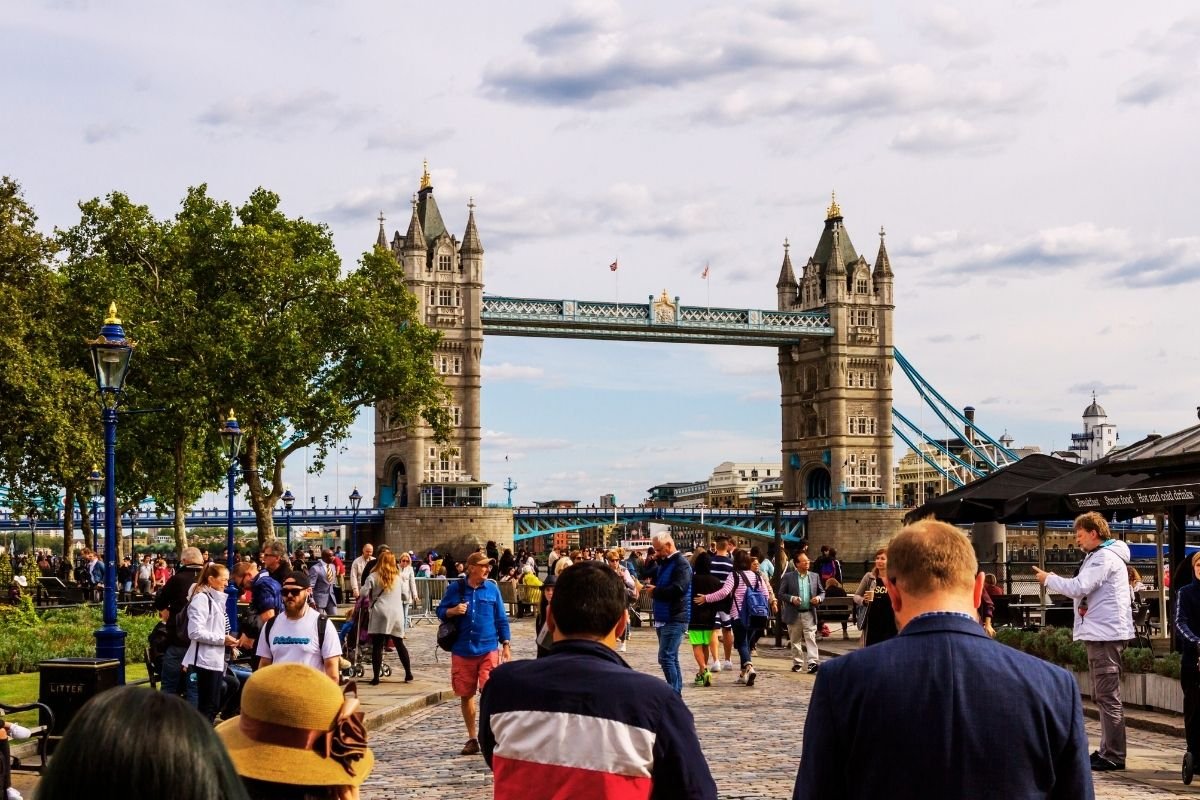
Keeping nearby sights together reduces the amount of time spent moving between different parts of London.
15:00–17:30 — Trafalgar Square, National Gallery and Covent Garden
Cross toward Trafalgar Square for the second part of the afternoon. The National Gallery offers free general admission to its permanent collection and works well as an indoor option if the weather changes.
From Trafalgar Square, continue on foot to Covent Garden. Explore the Piazza, nearby streets and Seven Dials, then decide whether to stay in the area for dinner or continue into Soho.
Evening — Covent Garden, Soho or the West End
Keep the evening flexible. Covent Garden and Soho both provide plenty of restaurants and atmosphere without another sightseeing schedule. If a West End show is one of your priorities, book it in advance and treat it as the final activity of Day 1.
London 2 Days Itinerary (2026): Day 2 — Tower of London, Tower Bridge and the City
Day 2 focuses on eastern central London, where several major historic sights sit close to the Thames. Start with the Tower of London if you want one major paid attraction, then continue on foot toward Tower Bridge, Borough Market, Bankside and the City.
| Time | Stop | Plan |
|---|---|---|
| 09:00–11:30 | Tower of London | Optional major paid attraction |
| 11:30–12:15 | Tower Bridge | Exterior views and Thames walk |
| 12:15–13:30 | Borough Market | Lunch |
| 13:30–15:00 | Bankside & Millennium Bridge | River walk and free sights |
| 15:00–16:30 | Tate Modern or St Paul’s area | Free museum or historic City walk |
| 16:30 onward | City of London | Leadenhall Market, St Dunstan or booked skyline view |
London 2 Days Itinerary Day 2: Tower of London
If you want to visit the Tower of London, make it the first major attraction of Day 2. It is one of London’s highest-value historic sights for first-time visitors, and starting early leaves the afternoon available for nearby areas rather than another cross-city journey.
Opening times vary by date, so use the first practical admission window for your day and check the official Tower of London visitor page before travelling.
If you do not want another paid attraction, skip the interior and begin with Tower Hill, the Tower exterior and the riverside instead.
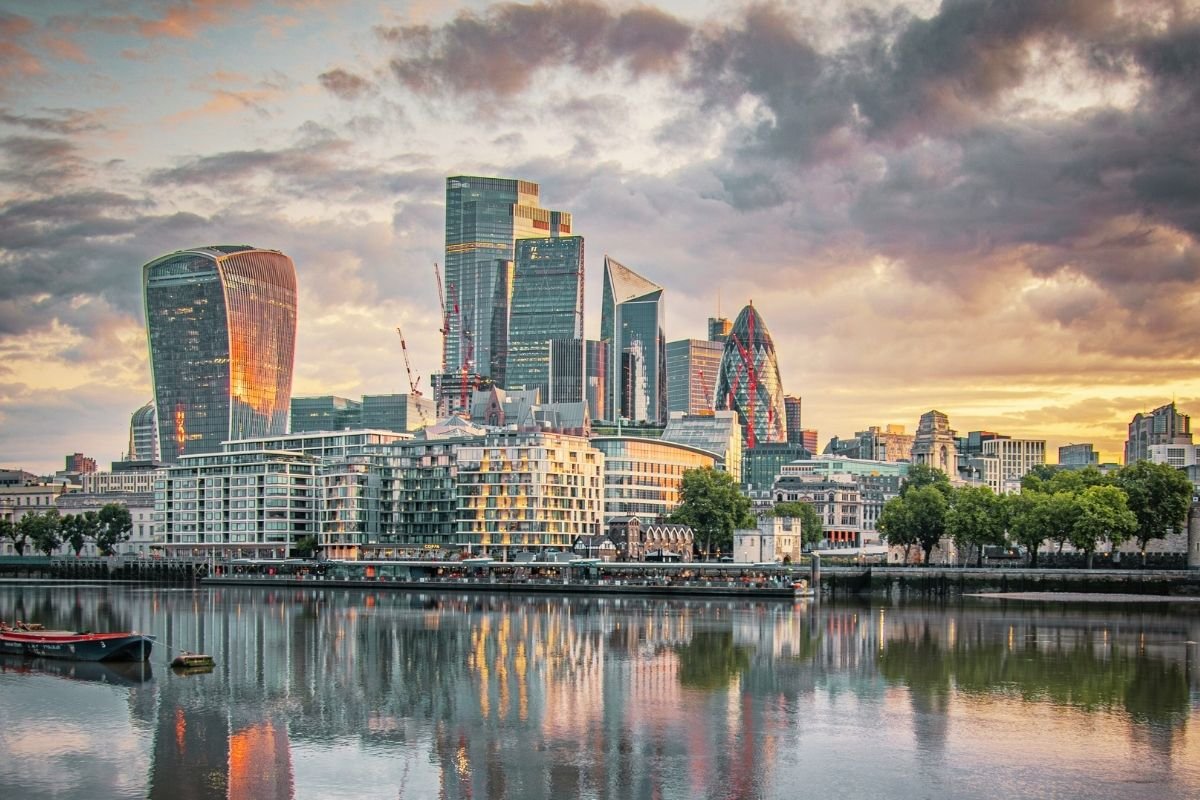
Starting Day 2 in the historic City keeps several major sights within the same part of London.
11:30–12:15 — Tower Bridge
Walk toward Tower Bridge after the Tower of London. The bridge exterior and riverside viewpoints are free, so you can enjoy the landmark without adding another ticketed attraction.
If you want to visit the Tower Bridge Exhibition itself, allow additional time and reduce one of the afternoon stops rather than squeezing everything into the schedule.
12:15–13:30 — Borough Market
Cross toward London Bridge and Borough Market for lunch. The market is convenient because it sits naturally between Tower Bridge and the Bankside section of the itinerary.
It can become busy around lunchtime, so flexibility helps. You do not need a specific restaurant reservation for the itinerary to work.
13:30–15:00 — Bankside and Millennium Bridge
Continue west along the Thames through Bankside. This section takes you past Shakespeare’s Globe, Tate Modern and Millennium Bridge while keeping the route almost entirely walkable.
Cross Millennium Bridge for one of the classic approaches toward St Paul’s Cathedral, or stay on the south side if you prefer a museum visit.
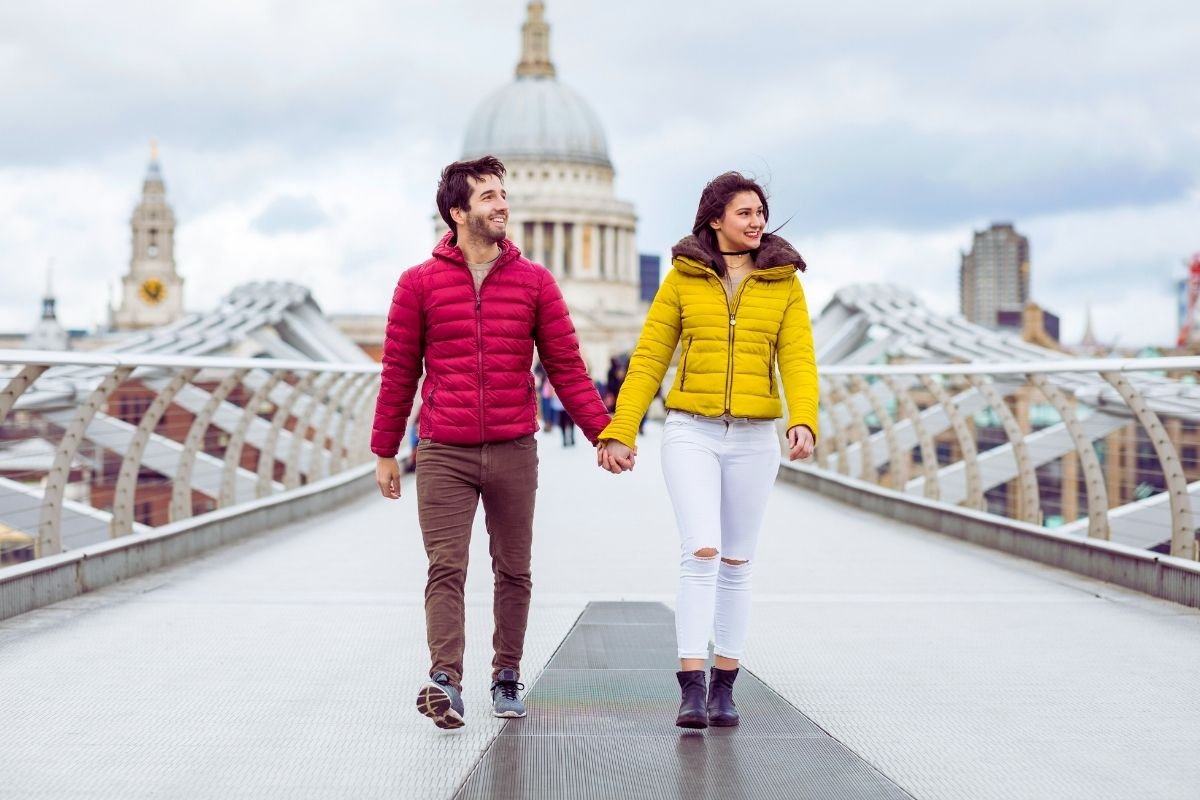
The afternoon combines the Thames, Bankside and the historic City without requiring repeated cross-London transfers.
15:00–16:30 — Choose Tate Modern or the St Paul’s Area
Choose Tate Modern if you want an indoor break or modern art. General admission to the permanent collection is free.
Choose St Paul’s and the City if you would rather stay outdoors. You can see St Paul’s Cathedral from outside, explore nearby streets and continue toward the historic financial district.
16:30 Onward — Finish in the City of London
Use the final part of Day 2 for a flexible City walk. Leadenhall Market and St Dunstan-in-the-East are useful free stops, while Sky Garden can work as a final viewpoint if you already have a reservation.
Do not add a distant neighborhood simply because you have an hour or two left. After two full sightseeing days, a flexible final walk or dinner near your current area is usually more useful than another long Underground journey.
What Should You Book in Advance for Two Days in London?
You do not need reservations for every stop in this itinerary. Booking too many fixed-time attractions can make a short trip harder to manage.
Book Early If These Are Priorities
- Westminster Abbey: useful to reserve if you plan to visit the interior on Day 1.
- Tower of London: reserve your preferred date and admission window if this is the main paid attraction on Day 2.
- West End show: book ahead if a particular production or seating area matters to you.
- Sky Garden: reserve ahead if you want to use it as the final viewpoint on Day 2.
If you want to compare timed-entry sightseeing options, you can browse London attraction tickets and guided experiences.
Rainy-Day Version of This London 2 Day Itinerary
Rain does not require rebuilding the entire itinerary. Keep the same general area and replace longer outdoor sections with nearby indoor attractions.
Rain on Day 1
Keep Westminster, then shorten the South Bank walk and spend more time inside the National Gallery near Trafalgar Square. This allows you to continue toward Covent Garden without travelling to another part of London.
Rain on Day 2
Keep the Tower of London if you already have tickets, then shorten the outdoor Thames sections and use Tate Modern as the main indoor afternoon stop.
Avoid moving across London simply to find a different museum. The best rainy-day replacement is usually the one already close to your planned route.
Transport Tips for a Two-Day London Trip
Most of this itinerary is designed around walking, but you will still use public transport to reach the starting point or return to your hotel. Contactless payment is usually the simplest option for visitors who already have an eligible contactless card or mobile wallet.
Always use the same physical card or device for each journey so TfL can calculate fares and eligible daily caps correctly. Check live routes with the official TfL Journey Planner.
For fares, Oyster, contactless and daily caps, see our London public transport costs guide.
Where to Stay for Your London 2 Days Itinerary
With only two sightseeing days, a central or well-connected hotel can save more useful time than choosing a cheaper room that requires long journeys every morning and evening.
Areas such as Westminster, Victoria, Covent Garden, South Bank, London Bridge and parts of the City can all work well depending on your budget and arrival airport.
Compare the trade-offs in our where to stay in London guide. If you are arriving and sightseeing on the same day, also check our London airport transfer guide before finalizing your first-day start time.
Frequently Asked Questions About Spending 2 Days in London
Is two days in London enough for first-time visitors?
Yes, two days is enough for a strong introduction to London if you focus on central areas. You can cover Westminster, Buckingham Palace, the South Bank, Covent Garden, Tower Bridge, Tower Hill and part of the historic City without trying to see every major neighborhood.
What are the must-see attractions in London in two days?
For most first-time visitors, the priorities are Buckingham Palace, Big Ben, Westminster, the Thames, Tower Bridge and the Tower of London. Covent Garden, Borough Market and one major museum fit naturally around those landmarks.
Should I visit the Tower of London or Westminster Abbey?
If possible, include one on each day. Westminster Abbey fits naturally into Day 1, while the Tower of London fits Day 2. If your budget or schedule allows only one, choose according to whether royal and religious history or castles and the Crown Jewels interest you more.
Can I do this London itinerary without paying for attractions?
Yes. Skip the interiors of Westminster Abbey and the Tower of London and focus on outdoor landmarks, the South Bank, Tower Bridge, parks, markets and free museums such as the National Gallery and Tate Modern.
What if I start late?
Do not try to catch up by adding faster transport between every stop. Remove one optional attraction instead. On Day 1, shorten the museum or Covent Garden section; on Day 2, skip either the Tower interior or the final City stop.
Final Verdict: Is This London 2 Day Itinerary Realistic?
Yes. Two days in London is enough for a rewarding first visit when you concentrate on the city’s central landmarks instead of trying to cover every famous neighborhood.
Day 1 gives you the royal and political side of London through Buckingham Palace, Westminster, Big Ben, the Thames and Covent Garden. Day 2 shifts east for the Tower of London, Tower Bridge, Borough Market, Bankside and the historic City.
If you have extra time, add one attraction that matters personally rather than expanding the route across London. If you have less time, keep the same geographic structure and remove an optional interior visit.
That balance gives first-time visitors the major London experience while leaving enough flexibility for meals, weather, queues and the unexpected stops that often become part of the trip.