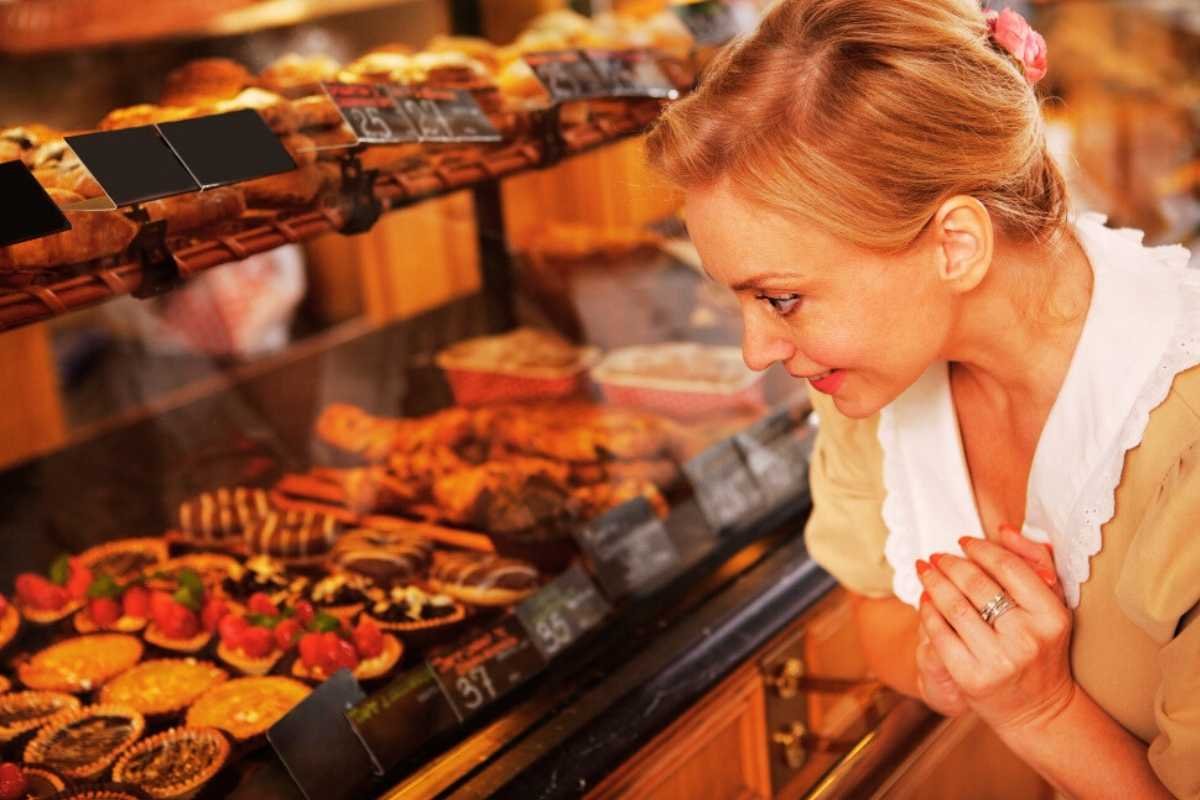
This Paris Food Guide is about the food side of the trip itself: what to eat, how much meals can cost, how to use bakeries and markets, and which dining habits first-time visitors should understand before they arrive.
The quick answer: a practical food-planning range for many visitors is roughly €40–€90 per person per day, depending on how often you choose bakeries, simple lunches, drinks and full restaurant dinners. You can spend less with basic meals, while premium dining can push the total much higher.
The easiest way to control both cost and time is not to make every meal a major event. Keep some meals simple, choose one or two food experiences that genuinely matter, and let the rest support the sightseeing plan.
Paris Food Guide: Quick Answer
- Daily planning range: roughly €40–€90+ per person
- Easy breakfast: bakery pastry, bread and coffee
- Useful main meal: lunch when a good formule or menu du jour fits your day
- Food worth trying: bread, pastries, cheese, traditional French dishes and market products
- Flexible food stop: a bakery, pâtisserie or food market
- Tipping: additional tipping is optional
- Water: ask for “une carafe d’eau” if you want ordinary tap water with a restaurant meal
Disclosure: This guide contains affiliate links. If you book through one of them, TripsCity may earn a commission at no extra cost to you.
This guide deliberately does not rank restaurants or dining neighborhoods. For restaurant selection, areas, romantic meals, family options and restaurant budgets, use our Best Restaurants in Paris guide.
Paris Food Guide: What to Eat, Meal Costs and Daily Strategy
The most useful way to budget for food in Paris is to separate meals by purpose. A quick breakfast before a museum does not need the same budget as a dinner you have been looking forward to for weeks.
Paris Food Guide: How Much Should You Budget for Food?
The numbers below are planning ranges, not fixed citywide prices. A bakery, café and full-service restaurant can charge very different amounts for food that technically belongs to the same meal category.
| Meal | Rough Planning Range | Typical Approach |
|---|---|---|
| Breakfast | €4–€10 | Bakery pastry, bread, coffee or a simple breakfast |
| Lunch | €11–€25 | Sandwich, market food, lunch formula or casual sit-down meal |
| Dinner | €20–€45+ | Casual French meal or a more complete restaurant dinner |
| Daily food budget | About €40–€90+ | Depends on drinks, restaurant frequency and premium experiences |
Use these figures to estimate the trip, then check the current menu when a specific meal matters financially. For accommodation, attractions and transport, see our Paris Budget Guide.
Breakfast: Keep It Simple When the Morning Is Busy
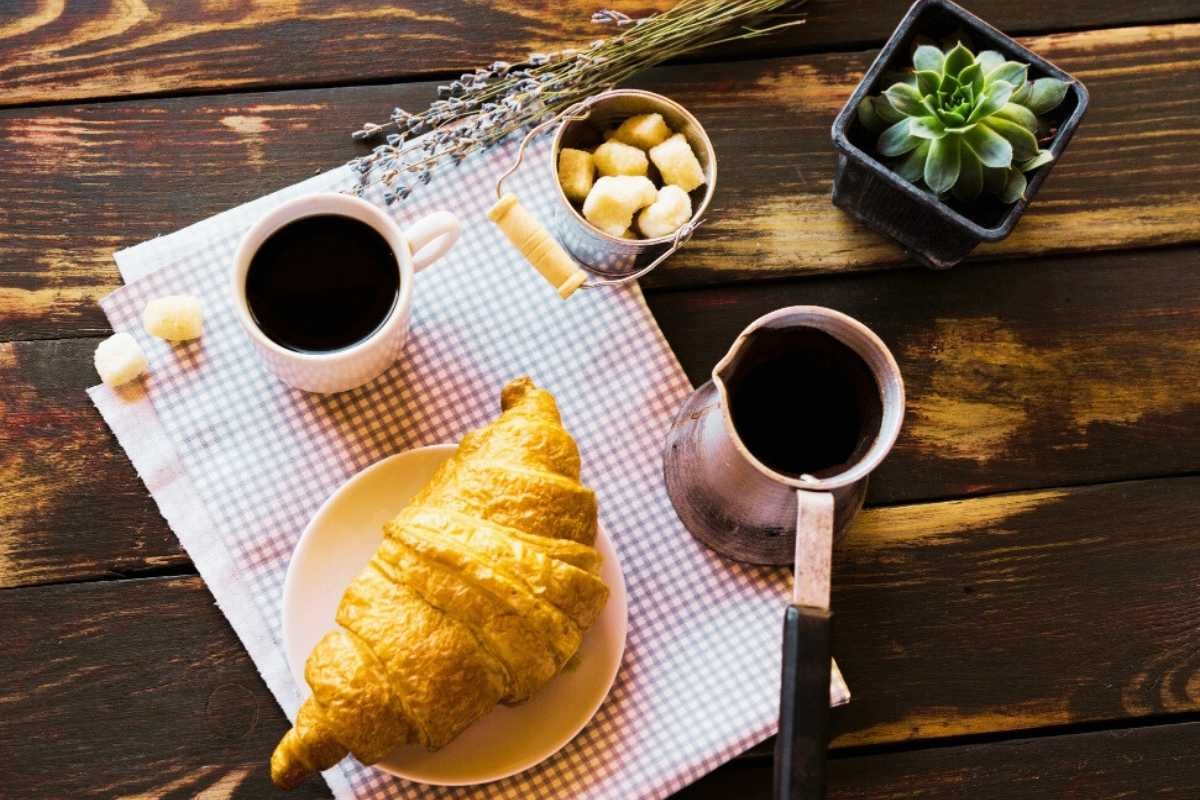
A simple bakery breakfast can protect both your food budget and your sightseeing time.
A Paris breakfast can be as simple as bread, a croissant or pain au chocolat and coffee. That works especially well when you have a timed museum entry or want to use the quieter morning hours for sightseeing.
If your hotel includes breakfast and you genuinely want it, use it. Otherwise, a bakery stop gives you more flexibility than building every morning around a long café meal.
Lunch Can Be the Smartest Sit-Down Meal
Lunch is a useful time to spend more intentionally. Some restaurants offer a formule or menu du jour, which can give you a defined meal without turning dinner into the only time you ever sit down properly.
This does not mean lunch is automatically cheap. Read what is included, compare it with what you actually want, and avoid ordering a set menu simply because it looks like a deal.
A substantial lunch can also make a lighter evening meal feel completely normal rather than like a compromise.
Dinner: Decide Whether It Is the Experience
Dinner costs can rise quickly once drinks, dessert and more time at the table are added. That can be worth it when dinner itself is one of the experiences you planned for the trip.
However, not every evening needs a formal reservation. After a long museum or walking day, a simple meal can be the better decision. If you want restaurant-specific advice, that is where our Best Restaurants in Paris guide takes over.
What Food Should You Actually Try?
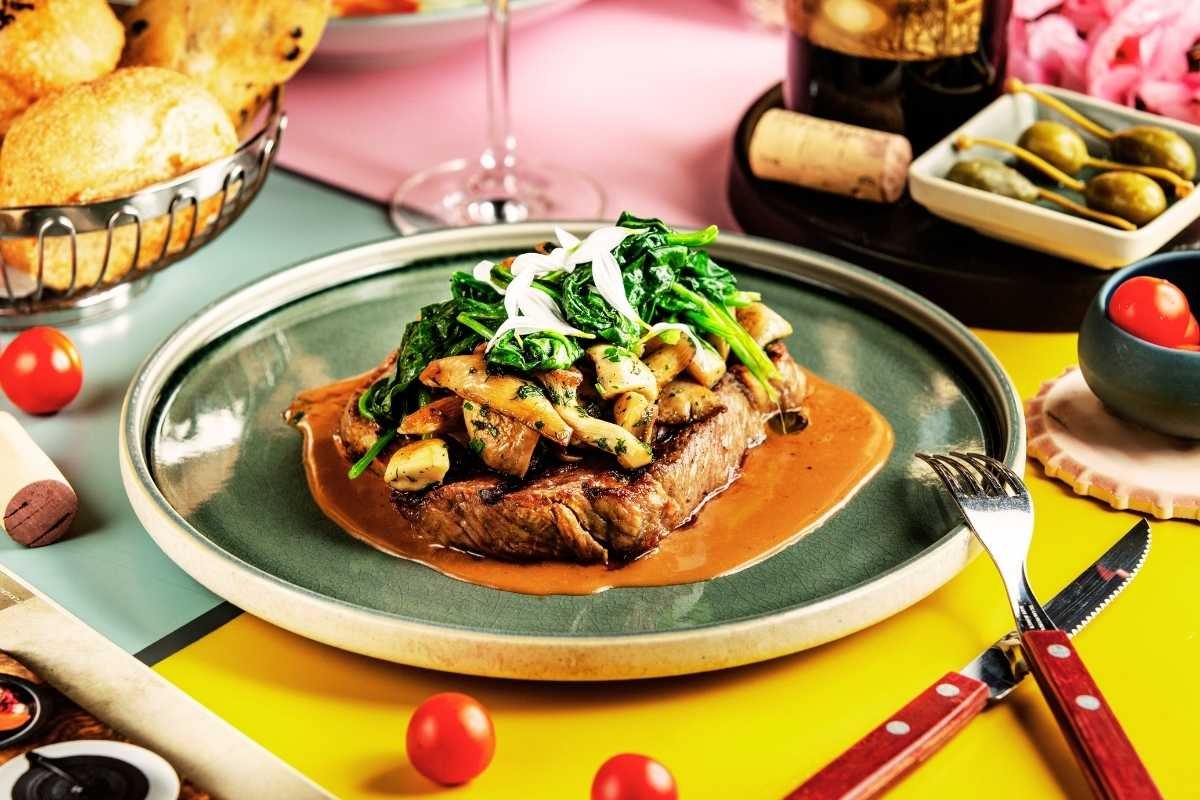
Mix everyday foods with one or two traditional meals instead of following a huge must-eat checklist.
A good food trip does not require twenty compulsory dishes. It is more useful to try several different parts of French food culture and choose the ones that actually appeal to you.
- Bakery staples: baguette, croissant, pain au chocolat and other fresh baked products.
- Pâtisserie: tarts, chocolate, macarons, mille-feuille and seasonal pastries.
- Cheese: buy a small selection if you want to taste several varieties without a formal tasting.
- Traditional meal: choose a French dish that genuinely interests you rather than ordering something only because it is famous.
- Market food: bread, cheese, fruit and prepared food can become an easy lunch or picnic.
The goal is variety, not completion. One bakery breakfast, a market stop, a traditional meal and a memorable pastry can show you more than forcing a famous dish into every meal.
TripsCity Insight: Decide which meal is the experience before the day begins. When every breakfast, lunch and dinner must be “special,” both the budget and itinerary become harder to control.
Paris Food Guide: Bakeries, Markets and Food Experiences
Some of the strongest food experiences in Paris happen outside formal restaurants. Bakeries, pâtisseries, markets and specialty shops let you explore French food without building the entire trip around restaurant reservations.
Paris Food Guide: How to Use Bakeries
Bakeries are useful because they solve several different problems. They can provide breakfast, bread for a picnic, sandwiches or savory items for lunch, and pastries when you want something small rather than another full meal.
That flexibility matters on heavy sightseeing days. If you have a timed attraction at noon, an elaborate lunch may not fit. A bakery keeps the schedule moving without reducing every quick meal to generic fast food.
Boulangerie vs Pâtisserie
A boulangerie centers on bread and baked products, while a pâtisserie focuses more heavily on pastries and desserts. Many businesses sell elements of both, so visitors do not need to turn the distinction into a strict rule.
The practical question is what you need. For bread, breakfast or a simple savory item, think bakery. For a deliberate dessert stop, a pâtisserie may give you a wider selection.
Why Paris Food Markets Are Worth Using
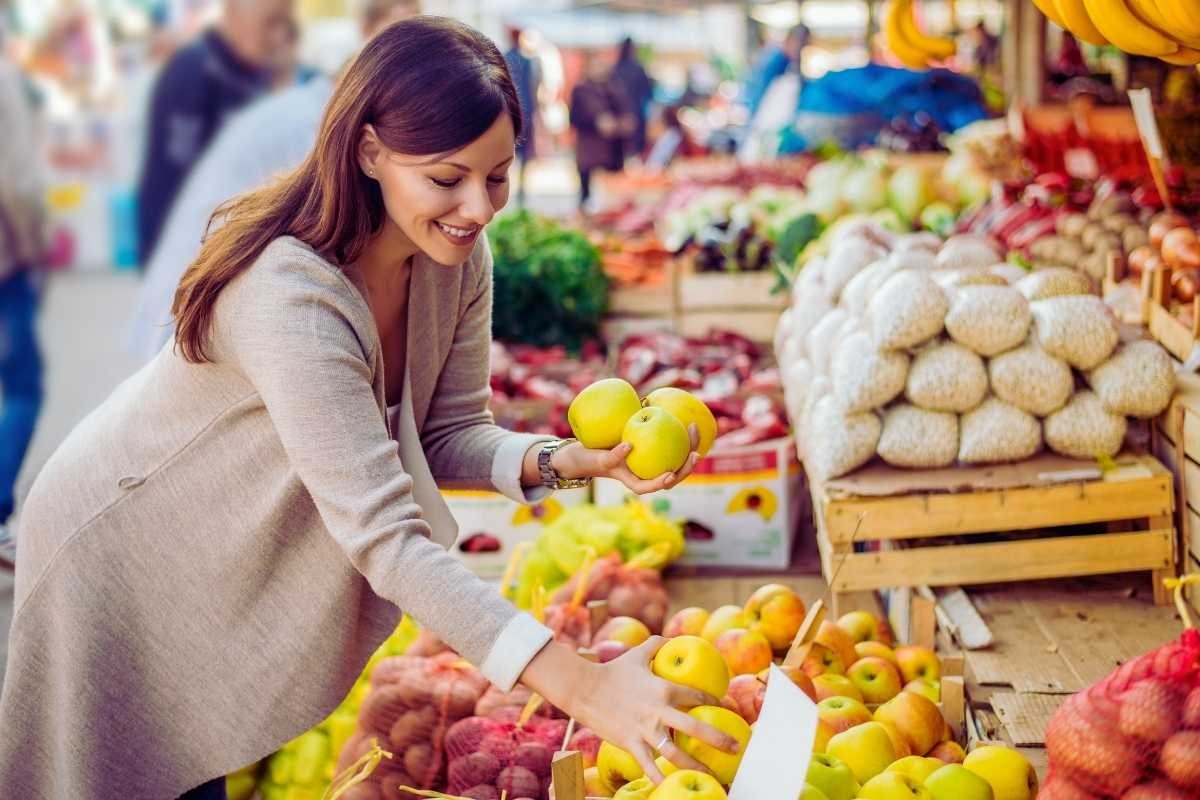
Food markets can work as sightseeing, shopping and a flexible meal stop in the same visit.
Markets show another side of Paris food because they are built around ingredients and everyday shopping, not only finished restaurant dishes. Depending on the market, you may find fruit, vegetables, bread, cheese, meat, desserts and prepared food.
For current market information, use the Paris Tourist Office and check opening days before building a market into the itinerary.
Turn a Market Visit Into Something Useful
A market works best when it does more than fill an itinerary slot. You can build a picnic, replace one restaurant meal with prepared food, buy a small cheese selection or simply browse ingredients that may not appear on a tourist-focused menu.
Still, do not assume every market is automatically cheap. Specialty products and central locations can carry premium prices. Buy because the food is useful or interesting, not because anything sold from a stall must be a bargain.
Picnics: Good Idea, Wrong Day
A Paris picnic can be an easy way to combine food with outdoor time, especially when you already plan to visit a garden or spend time along the Seine.
On the other hand, a picnic makes less sense when rain is likely, food must be carried for hours or the day is packed with indoor attractions. Respect posted rules in gardens and public spaces rather than assuming food or alcohol is allowed everywhere.
Specialty Shops and Food Souvenirs
Cheese shops, chocolate shops and other specialist businesses can make sense when one product interests you more than a full tasting menu.
For edible souvenirs, think about shelf life, luggage restrictions and refrigeration before buying. A product that survives the trip home is more useful than one chosen only because the packaging looks Parisian.
Are Paris Food Tours Worth It?
A food tour can be useful when you want several tastings plus explanation about ingredients, food history or neighborhood culture in one block of time.
It is most valuable when you are paying for the context as well as the food. If your main goal is simply eating as cheaply as possible, a guided tour is usually the wrong tool.
First-time visitors can compare a Le Marais food tour. Travelers more interested in baking can compare a bakery and pastry walking experience, while cheese-focused visitors can compare a cheese tasting experience.
Fit Food Around the Sightseeing Day
| Type of Day | Food Strategy | Why It Works |
|---|---|---|
| Early attraction day | Quick bakery breakfast | Protects the quieter morning sightseeing window |
| Large museum day | Flexible lunch before or after the museum | Museum visits can take longer than expected |
| Walking-heavy day | Market, bakery or simple lunch | Keeps the schedule flexible |
| Slower day | Long lunch or food experience | Lets food become part of the attraction |
| Dinner-priority day | Simple daytime meals | Protects both appetite and budget for the evening |
If you are still deciding which sightseeing experiences deserve space in the trip, use our Things to Do in Paris guide.
Food Planning With Children
Families often benefit from flexible food options rather than three formal meals at exact times. A bakery breakfast, portable snack and adaptable lunch make it easier to react when a child gets hungry earlier than expected or when a museum visit ends late.
A simple meal at the right time can protect the rest of the day better than an impressive meal when everyone is exhausted. For the wider family itinerary, see our Paris With Kids guide.
TripsCity Insight: Paris food is not limited to restaurants. Use bakeries for convenience, markets for flexibility, pâtisseries for deliberate treats and food tours when context matters as much as the tasting.
Paris Food Guide: Dining Etiquette, Dietary Needs and FAQ
French dining becomes easier once you understand a few practical habits. Most are simple, but knowing them before the first meal prevents visitors from confusing cultural differences with poor service or unexpected charges.
Start With Bonjour
Greeting staff when you enter a bakery, shop, café or restaurant is a small but useful habit. A simple Bonjour during the day or Bonsoir later in the evening is enough.
Service and Tipping in Paris
Restaurant prices in France include the applicable service charge. An additional tip is optional, not a mandatory percentage that must automatically be added to the bill.
If the service was especially good, you can leave something extra. However, travelers should not assume they need to add another large percentage simply because tipping works that way at home.
For current consumer rules, check the French government restaurant guidance.
How to Ask for Tap Water
With a restaurant meal, you can ask for ordinary tap water instead of automatically ordering bottled water.
The useful phrase is:
Une carafe d’eau, s’il vous plaît.
This means a carafe of ordinary tap water. Bottled mineral or sparkling water is a separate product and can be charged.
Ask for the Bill When You Are Ready
The bill may not arrive immediately after the plates are cleared. When you are ready to leave, ask:
L’addition, s’il vous plaît.
This is normal and gives you more control over the end of the meal.
Understand Menu and Formule Language
A menu can refer to a fixed combination of courses, while a formule may combine selected items at a set price. What is included varies, so read the offer rather than assuming every lunch deal works the same way.
The practical rule is simple: compare what is included with what you actually want to eat.
Dietary Requirements: Verify the Individual Business
Paris has options for many dietary preferences, but strict requirements should be confirmed directly with the business serving you.
Vegetarian travelers: can usually find suitable dishes, although sauces, stocks or garnishes may still need checking when the restriction is strict.
Gluten-free travelers: should distinguish between a dish with no obvious gluten ingredient and food prepared with controls suitable for someone who must avoid cross-contact.
Travelers seeking halal food: should verify the individual business or certification rather than assuming a cuisine type or neighborhood guarantees halal preparation.
Food allergies: deserve direct communication. Do not rely only on an online review or photo when exposure could cause a serious reaction.
Useful Food Words to Recognize
| French | Meaning | Why It Helps |
|---|---|---|
| Boulangerie | Bakery | Useful for bread and many quick food options |
| Pâtisserie | Pastry shop / pastry products | Useful when desserts are the priority |
| Formule | Set combination | Can simplify lunch choices |
| Menu du jour | Menu of the day | May provide a defined daily offering |
| Sur place | Eat here | Useful when ordering bakery or takeaway food |
| À emporter | Take away | Useful for portable meals or snacks |
| L’addition | The bill | Useful when you are ready to leave |
Paris Food Guide Mistakes First-Time Visitors Can Avoid
- Making every meal formal: this raises both spending and scheduling pressure.
- Ordering bottled water automatically: ask for a carafe of tap water if that is what you want.
- Assuming a market is always cheaper: specialty products can still carry premium prices.
- Following a huge must-eat checklist: choose foods according to your actual taste.
- Ignoring dietary verification: confirm important restrictions with the individual business.
- Using a food guide as a restaurant ranking: restaurant selection belongs in our separate Best Restaurants guide.
A Simple Daily Food Plan
- Morning: bakery or hotel breakfast.
- Midday: proper lunch when it fits the sightseeing route.
- Afternoon: pastry, coffee or market stop only when you actually want it.
- Evening: alternate more deliberate dinners with simpler meals.
On another day, reverse the priorities: eat lightly at lunch and make dinner the main food experience. The point is that every meal does not need the same budget or level of planning.
Final Verdict: How to Use This Paris Food Guide
The strongest Paris Food Guide strategy is not finding one perfect restaurant or completing a list of famous dishes. It is understanding the different ways food can fit into the trip.
Use bakeries when speed matters, markets when flexibility and ingredients interest you, pâtisseries when you want a deliberate treat, and a longer meal when food itself deserves part of the day.
Then keep restaurant-specific decisions separate. If you need help choosing dining areas, restaurant styles, romantic meals, family options or restaurants by budget, continue to our Best Restaurants in Paris guide.
TripsCity Verdict: Spend more when food is the experience. Keep it simple when food is supporting the experience. Paris gives you enough variety to do both in the same trip.
Paris Food Guide FAQ
How much should I budget per day for food in Paris?
A rough range of about €40–€90 per person per day can work as a planning starting point for many travelers. The total depends heavily on restaurant frequency, drinks and premium meals.
What food should I try on a first trip?
Start with a mix of experiences: fresh bread or pastries, a cheese or market stop, one traditional French meal and a pâtisserie dessert. That gives you variety without forcing a huge checklist.
Is lunch or dinner better for a main meal?
Either can work. Lunch can be useful when a daytime formule suits your plans, while dinner makes more sense when the evening meal itself is an important experience.
Do you need to tip in Paris restaurants?
An additional tip is optional. Service is included in restaurant pricing, so travelers do not need to automatically add a large mandatory-style percentage.
Can you get tap water with a restaurant meal?
Yes. Ask for “une carafe d’eau” when you want ordinary tap water rather than purchasing bottled water.
Are Paris food markets worth visiting?
Yes if you are interested in fresh products, prepared food, ingredients or an informal food experience. They can also provide picnic or lunch items, although they are not automatically cheaper than every shop.
Are Paris food tours worth it?
They can be worthwhile when tastings, explanation and food culture are part of what you want. They make less sense when your only goal is minimizing the cost of a meal.
Where should I eat in Paris?
Restaurant location and selection are intentionally outside the main scope of this article. Use our Best Restaurants in Paris guide for dining areas, restaurant styles and restaurant-specific budget decisions.
For wider trip planning, continue with our Paris Budget Guide, Things to Do in Paris and Paris With Kids guide.
Last updated: September 2026.