Paris Tourist Traps That Look Innocent (But Waste Your Day): Paris Doesn’t Scam You—It Bleeds Your Hours
Paris tourist traps rarely announce themselves.
They look like normal travel life: a “quick photo,” a “nearby café,” a “we’ll buy tickets there,” a “we’ll come back later.”
And the reason they hurt isn’t money first.
It’s time.
Because in Paris, the day doesn’t fail with one big mistake. It fails with ten small leaks: the wrong entrance, the wrong exit, the wrong queue, the wrong “this will be fast” assumption. Each leak is small. Then suddenly it’s 4:58 PM and your plan is fragile.
Paris doesn’t punish tourists for not knowing the city.
Paris punishes mess.
Mess means: starting the day empty, stacking cross-city moves, letting queues decide your mood, and trying to “repair time” when you’re already tired.
This TripsCity guide is a reality filter: the innocent-looking traps, why they waste your day, and the day system that makes most traps stop working on you.

The worst Paris tourist traps don’t feel risky. They feel “normal”—until the day turns into repairs.
How to Spot Paris Tourist Traps Before They Happen
A real Paris tourist trap isn’t just overpriced.
It’s a choice that steals a large block of your day while pretending it’s a small decision.
It hides inside innocent sentences:
• “It’s close—let’s walk.”
• “We’ll just see what we feel like.”
• “We can buy tickets there.”
• “We’ll eat near the monument.”
• “We’ll come back later.”
And when the day breaks, most first-timers don’t say: “We made a sequencing mistake.”
They say: “Paris is exhausting.”
Usually it’s not Paris. It’s the day logic.
If you want the bigger map of these traps, this internal guide pairs perfectly:
Paris Travel Mistakes to Avoid (2026): The Real Traps That Steal Your Best Hours
Paris Tourist Traps #1: Starting the Day With No Anchor
This is the quiet trap that creates the rest.
You leave at 11:20 thinking: “We’ll just walk and see.”
At first it feels free. Then the city starts asking for decisions every two minutes: which bridge, which side street, which Metro entrance, which line, which exit, which direction. You don’t notice the cost—because each choice is tiny.
Then it’s 1:15 PM and you still haven’t anchored the day.
Now hunger runs decisions. Now you pick the next place based on proximity, not quality. Now you hit a line, and tired you doesn’t “wait calmly.” Tired you repairs the day with money and shortcuts.
That’s not failure. That’s physics in a dense city.
Paris Tourist Traps #2: The Icon-Hopping Corridor Day
Eiffel Tower → Louvre → Île de la Cité → Montmartre.
It looks efficient. It isn’t.
It’s a cross-city zigzag where the real cost isn’t the distance. The cost is the edges: security lines, entrances, exits, crowds, Metro corridors, transfers, wrong exits that spit you out on the wrong side of the street—then another detour—then another “we’ll fix it.”
You don’t feel that cost at 10:40 AM.
You feel it at 6:10 PM when the return is messy and the city feels “faster than you.”
TripsCity rule: Paris rewards area days. Paris punishes corridor days.
Paris Tourist Traps #3: “We’ll Buy Tickets There” for Big Places
Buying on-site isn’t always wrong.
But in Paris, it creates the worst pressure combination: queue time + decision fatigue.
Picture it: you arrive “quickly” at a major place. The line is longer than your brain expected. It’s not dramatic—just slow. And suddenly you can feel the day tightening around you.
That’s when people waste days: they pivot without a plan. They buy a random alternative. They take a taxi. They overpay—not because they love spending, but because they’re trying to buy back time.
If you want to protect time with 1–2 timed anchors across the whole trip, use a single page that gathers timed-entry options instead of opening ten tabs:
Paris timed-entry tickets & guided options
Part 2 gives the other “innocent traps” that hit hardest on day two—and the fixes that still feel human.
Paris Tourist Traps That Look Innocent: The Midday Traps That Kill Day Two
Day one gets people with “no anchor.”
Day two gets people with repair mode: they wake up thinking they’ll fix yesterday by doing more, moving faster, stacking more icons.
But the city doesn’t reward speed when the sequence is wrong. It rewards stability.
Paris Tourist Traps #4: Eating Right Beside the Monument
This trap feels harmless: you’re hungry, you’re near something famous, so you sit down right there.
The cost isn’t only money.
The cost is a bad reset: loud, crowded, slow service when you needed speed, mediocre food when you needed comfort, and a location that keeps your nervous system inside the busiest zone of the day.
Fix: Eat near the anchor, but one or two streets away from the icon. Same area. Less friction. Better reset.
Paris Tourist Traps #5: “We’ll Come Back Later” (The Density Lie)
Paris looks close on maps. That creates the illusion you can “return later” easily.
But “later” is when you’re tired.
Later is when the line is worse, the weather is colder or wetter, your battery is lower, and your patience is thinner. The city doesn’t change. You change.
Fix: If it matters, attach it to a morning anchor. Don’t postpone important things to the tired hours.
Paris Tourist Traps #6: Transfer-Heavy Metro Routes (Transfer Fatigue)
Paris is fast underground.
The fatigue comes from transfers: long corridors, crowded platforms, wrong exits, then re-routing while standing still in public with your brain already tired.
Fix: late in the day, choose the clean route—not the clever one.
If you want movement to feel calmer across the trip, keep this internal reference open:
How to Get Around Paris (Metro Logic That Prevents Lost Tourist Moments)

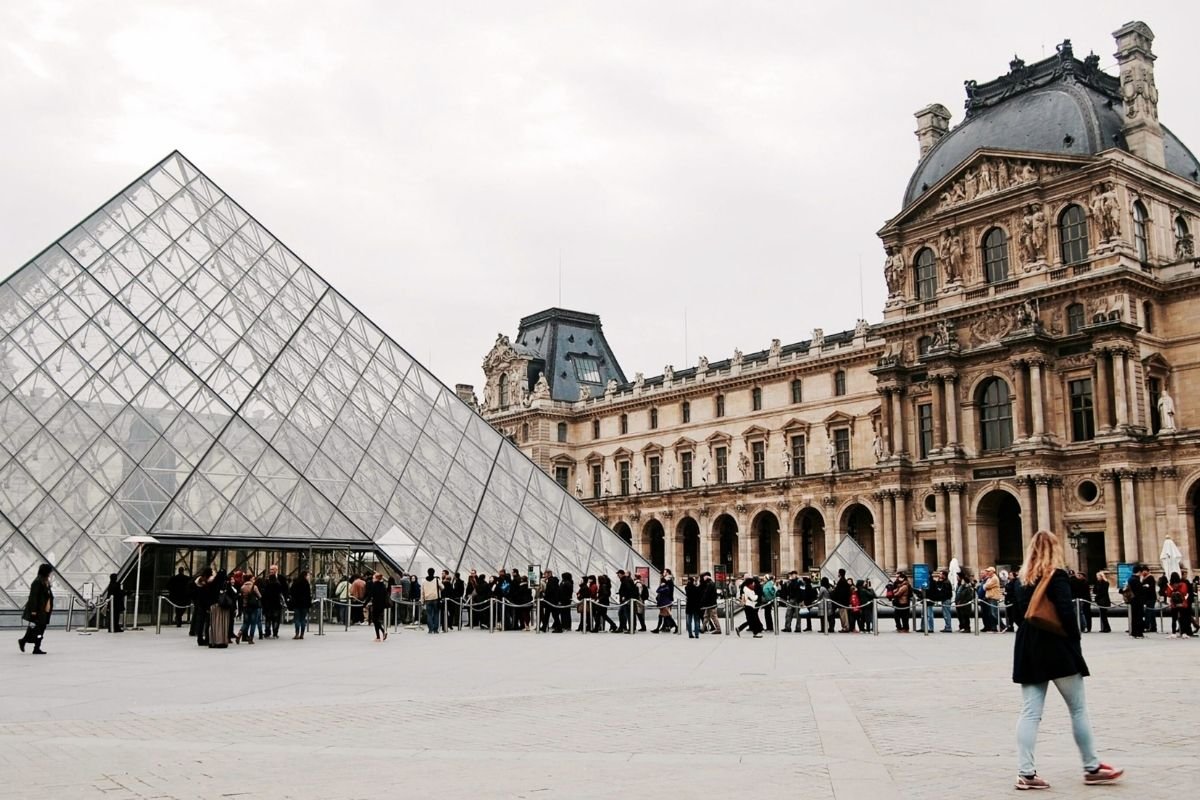
One long queue doesn’t only steal time. It steals the quality of every decision you make after it.
Paris Tourist Traps #7: Montmartre as a “Quick Add-On”
Montmartre can be beautiful.
It can also be a fatigue trap if you do it at peak hours, hungry, and without a clean return plan.
It’s not the hill. It’s the sequence: crowd drift + stairs + photo stops + then transport confusion when you’re already depleted.
Fix: do Montmartre early, or treat it as a zone-day—never as a “quick add-on.”
Paris Tourist Traps #8: The “Free Viewpoint Loop”
Chasing viewpoints across the city is not “free.”
It costs the most expensive thing in Paris: usable hours.
Fix: one viewpoint per day, attached to the area you’re already exploring.
For an official visitor baseline (better than random summaries), use:
Paris je t’aime (Official Paris Tourist Office)
Part 3 gives you the anti-trap day system and the tired-day test that makes choices easy.
Paris Tourist Traps Reality Fix: The Day System That Keeps Paris From Stealing Time
You don’t avoid Paris tourist traps by memorizing lists.
You avoid them by running a day system that makes traps hard to enter.
Step 1: The Day Spine (Repeat This All Trip)
1) One morning anchor (museum/monument/experience).
2) One nearby walk (45–90 minutes, not cross-city).
3) One seated reset (warm + quiet + slow brain).
4) A clean return route decided early.
This spine protects you from the real causes of wasted days: decision fatigue, queue panic, and late-day transport confusion.
Step 2: The Tired-Day Test (The Honest Filter)
Before you commit to any plan, ask:
Will this still feel good at 6:30 PM when I’m tired?
If the answer is no, it’s not a “bad place.”
It’s a bad sequence for a tired human in a dense city.
Step 3: Repair Moves (When the Day Starts Breaking)
Paris doesn’t collapse because one thing goes wrong.
It collapses because you respond with panic fixes.
Use these instead:
Repair A: Reduce the decision. One action, not five options.
Repair B: Change the environment. Step aside, go inside, sit, then decide.
Repair C: Protect the next hour. Don’t save the whole day—save the next hour.
Repair D: Make the return easy. Choose the cleaner route, not the clever one.

Paris feels easy when you plan one reset before your body forces it. That’s the anti-trap advantage.
Final Answer
Paris tourist traps don’t always look like traps.
The worst ones look like a normal day.
Paris stays beautiful when your day stays stable: one anchor, one nearby walk, one reset, one clean return.
When you do that, most “innocent” traps simply stop working on you.
FAQ: Paris Tourist Traps That Look Innocent (But Waste Your Day)
What are the most common Paris tourist traps for first-timers?
Starting the day with no anchor, icon-hopping across the city, buying on-site tickets for big attractions, eating right beside monuments, and transfer-heavy Metro routes late in the day.
Are Paris tourist traps always scams?
No. Most are time traps—choices that quietly waste hours through queues, drift, and bad sequencing.
How do I avoid wasting a day in Paris?
Use the day spine: one morning anchor, one nearby walk, one seated reset, and a clean return route decided early.
Disclosure: Some links on this page may be affiliate links at no extra cost to you.