
Where to stay in Paris depends on what you want from the trip, not simply which neighborhood is closest to a famous landmark. For most first-time visitors, the Louvre and Tuileries area offers the easiest central base. Le Marais works especially well for travelers who want restaurants, shopping and historic streets, while Saint-Germain-des-Prés suits visitors looking for a more classic Left Bank atmosphere.
Travelers watching their accommodation budget should compare the Latin Quarter, Bastille and parts of Montmartre, while couples often prefer Saint-Germain, the 7th arrondissement or Montmartre. Families usually benefit most from a well-connected area with simple Metro access, nearby restaurants and fewer long transfers at the beginning and end of each day.
Quick answer: Best areas to stay in Paris by traveler type
- First-time visitors: Louvre & Tuileries
- Couples: Saint-Germain-des-Prés or the 7th arrondissement
- Families: the 7th arrondissement or Saint-Germain-des-Prés
- Budget-conscious travelers: Latin Quarter, Bastille or parts of Montmartre
- Food, shopping and nightlife: Le Marais or Bastille
- Atmosphere and views: Montmartre
The best choice also depends on the trade-off you are willing to make. Staying beside the Louvre can reduce sightseeing travel but usually costs more, while choosing a less central neighborhood can lower hotel prices but add Metro time to every day. A practical location near useful transport connections is often more valuable than choosing a famous street with an inconvenient route.
This 2026 guide compares the main Paris neighborhoods by location, traveler type, convenience, typical price level and potential downsides so you can choose a base that matches the trip you are actually planning.
Last updated: September 2026.
Disclosure: This guide contains affiliate links. If you book through one of them, TripsCity may earn a commission at no extra cost to you.

Best Areas to Stay in Paris: Quick Decision Guide
Paris has 20 administrative districts, called arrondissements, arranged from the historic center outward. You can find official information about the arrondissement system on the City of Paris website. The arrondissement number matters, but it should not be your only booking criterion. Two hotels in the same arrondissement can offer very different access to Metro stations, restaurants and the sights you actually plan to visit.
How Paris Arrondissements Affect Your Stay
As a general planning rule, the central arrondissements make sightseeing easier but often come with higher accommodation prices. Areas farther from the historic core can offer better value, but the quality of the location depends heavily on the nearest Metro connections and how often you expect to cross the city.
- Central Paris: strongest for first-time visitors who want to walk to major attractions and reduce daily transport.
- Mid-central neighborhoods: often provide a better balance between local atmosphere, restaurants, nightlife and access to sightseeing.
- Outer neighborhoods: can provide more accommodation for the money, but a low room rate is less useful if every sightseeing day requires long or inconvenient transfers.

Best Areas to Stay in Paris at a Glance
| Area | Best for | Price feel | Why choose it | Main trade-off |
|---|---|---|---|---|
| Louvre & Tuileries — 1st | First-time visitors and short stays | High | Excellent central location with many major sights within walking distance | You usually pay a premium for the location |
| Eiffel Tower — 7th | Couples, families and quieter stays | High | Elegant streets, landmark views and a calmer evening atmosphere | Less nightlife and not the most convenient base for every attraction |
| Le Marais — 3rd & 4th | Food, shopping and neighborhood atmosphere | Mid-range to high | Central, highly walkable and packed with restaurants, cafés and historic streets | Some streets can feel busy or noisy in the evening |
| Latin Quarter — 5th | Travelers seeking central location and better value | Mid-range | Historic Left Bank setting with restaurants, universities and strong sightseeing access | Room sizes can be small and lively streets may be noisy |
| Saint-Germain-des-Prés — 6th | Couples and travelers wanting classic Paris atmosphere | High | Elegant Left Bank streets, cafés, shopping and useful central access | Accommodation can be expensive for the room size |
| Montmartre — 18th | Atmosphere, views and travelers comparing lower hotel rates | Budget to mid-range | Distinctive neighborhood character with scenic streets and Sacré-Cœur nearby | Hills, stairs and extra travel time to some central attractions |
| Bastille & 11th | Nightlife, food and value-conscious travelers | Budget to mid-range | Lively local atmosphere with restaurants, bars and good transport connections | Fewer major tourist landmarks within immediate walking distance |
TripsCity Insight: Do not choose a Paris hotel by arrondissement number alone. Compare the exact Metro station, the attractions you will visit most often and the total accommodation price. Saving on the room can be a poor trade if you add long transfers to every day of the trip.
Best Paris Neighborhoods and Arrondissements to Stay In
The best neighborhoods to stay in Paris offer very different versions of the same trip. A central hotel can reduce transport and make short stays easier, while a neighborhood with more restaurants, nightlife or lower accommodation prices may be worth a slightly longer journey to major sights.
Louvre & Tuileries — Best for First-Time Visitors and Short Stays

Best for: first-time visitors, short Paris trips and travelers who want to minimize daily transport.
The Louvre and Tuileries area in the 1st arrondissement is one of the easiest bases for sightseeing. You can walk to the Louvre, Palais Royal, the Seine, Tuileries Garden and several central neighborhoods without beginning every day on the Metro.
This location becomes especially useful on a short trip. When you only have two or three full sightseeing days, being able to return to your hotel between attractions or walk to an evening plan can save more time than choosing a cheaper room farther from the center.
Main trade-off: convenience usually comes with higher accommodation prices. The area can also feel busy around major attractions, and travelers looking for a strong local nightlife scene may prefer Le Marais or the 11th arrondissement.
Booking advice: compare the total room price with the amount of transport time the location could save. A more expensive central hotel can make sense for a short stay, while travelers staying a week may find better overall value elsewhere.
Eiffel Tower and the 7th Arrondissement — Best for Couples and a Quieter Stay

Best for: couples, families and travelers who prefer elegant streets and quieter evenings.
Staying in the 7th arrondissement puts you close to the Eiffel Tower, Champ de Mars, the Seine and several major museums. The neighborhood generally feels more residential than the busiest parts of central Paris, which can be appealing after a full sightseeing day.
The strongest reason to stay here is not simply the Eiffel Tower view. It is the combination of landmark access, attractive streets and a calmer base that still keeps you inside central Paris.
Main trade-off: the 7th is not automatically the most convenient neighborhood for every sightseeing plan. Depending on the exact hotel and Metro station, reaching areas such as Le Marais, Montmartre or parts of the Right Bank can require more travel than staying near the Louvre or a major central interchange.
Booking advice: do not pay a large premium only for the words “Eiffel Tower area.” Check the exact address, nearest Metro station and whether the room actually includes the view advertised before comparing prices.
Le Marais — Best for Food, Shopping and Neighborhood Atmosphere
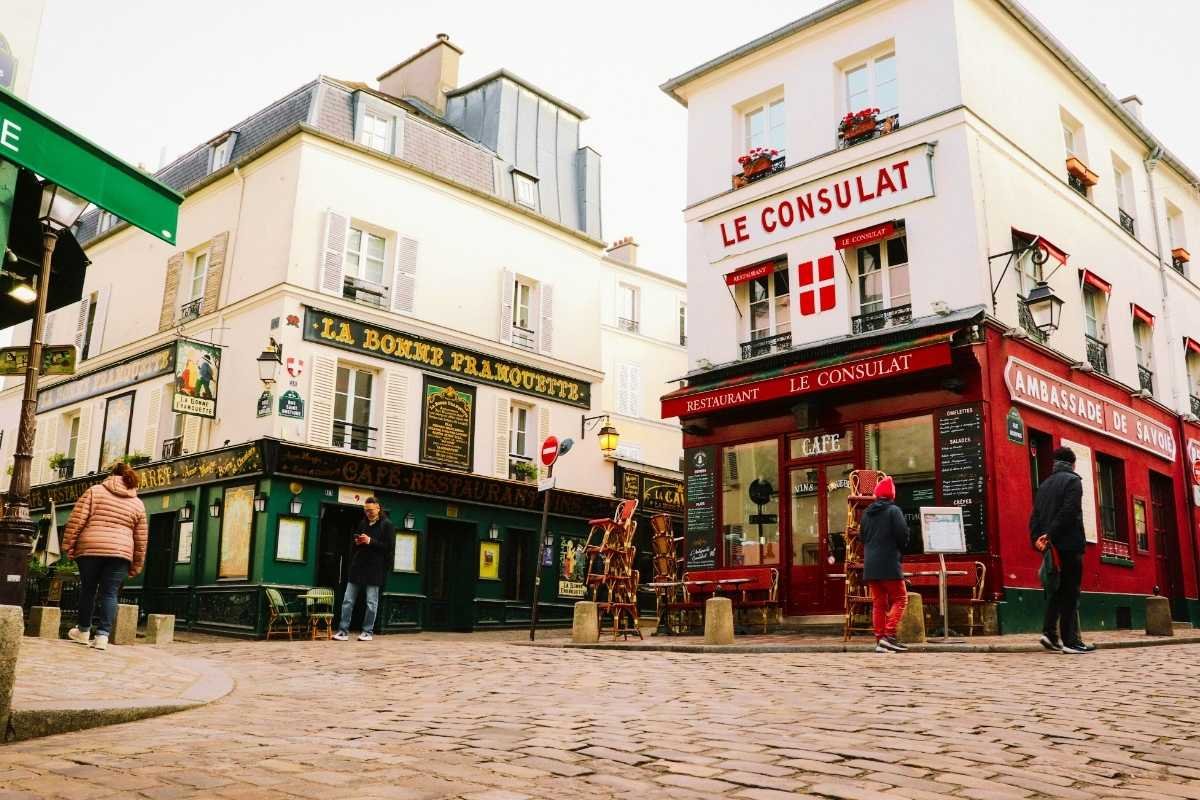
Best for: food lovers, shoppers, couples, repeat visitors and travelers who want lively streets close to central sightseeing.
Le Marais spans parts of the 3rd and 4th arrondissements and combines historic streets with cafés, restaurants, boutiques, museums and easy access to the Seine and central Paris. It is one of the strongest choices for travelers who want the area around their hotel to remain interesting after the main sightseeing stops are finished.
Unlike a base chosen mainly for one landmark, Le Marais works well as a neighborhood experience. You can spend an evening walking to dinner, browsing shops or exploring nearby streets without needing to build every outing around a Metro journey.
Main trade-off: popular streets can be busy, and rooms in historic buildings may be smaller than travelers expect. Noise also varies considerably from one street to another, so the exact hotel location matters more than the neighborhood name alone.
Booking advice: travelers who want nightlife and restaurants nearby can stay closer to the livelier streets, while light sleepers should compare reviews for street noise and choose a quieter side street.
Latin Quarter — Best for Left Bank Atmosphere and Central Value

Best for: first-time visitors, younger travelers and visitors seeking a central Left Bank base.
The 5th arrondissement combines historic streets, cafés, universities and easy access to Notre-Dame and the Seine. Its advantage is often value relative to location, not that every hotel is cheap.
Main trade-off: lively streets can be noisy and older buildings may have small rooms or limited lift access. Check recent reviews and the walking distance to a useful Metro or RER station.
Saint-Germain-des-Prés — Best for Classic Paris and Couples

Best for: couples, first-time visitors and travelers who value cafés, shopping and classic Left Bank atmosphere.
Saint-Germain-des-Prés offers elegant streets, restaurants, boutiques and easy access to the Seine and Luxembourg Gardens. It is central enough for sightseeing while giving evenings a strong neighborhood feel.
Main trade-off: accommodation can be expensive for the room size. Paying the premium makes most sense when you plan to use the neighborhood itself rather than treating the hotel only as a place to sleep.
Montmartre — Best for Atmosphere, Views and a Different Side of Paris

Best for: couples, photographers, repeat visitors and travelers who prioritize neighborhood character.
Montmartre offers distinctive streets, cafés, viewpoints and Sacré-Cœur, and accommodation can sometimes offer better value than the most expensive central districts.
Main trade-off: hills, stairs and extra travel time to some central attractions. Check the walking route between the hotel and Metro before booking, especially if you will carry luggage or return late after sightseeing.
Bastille and the 11th Arrondissement — Best for Food, Nightlife and Better Value
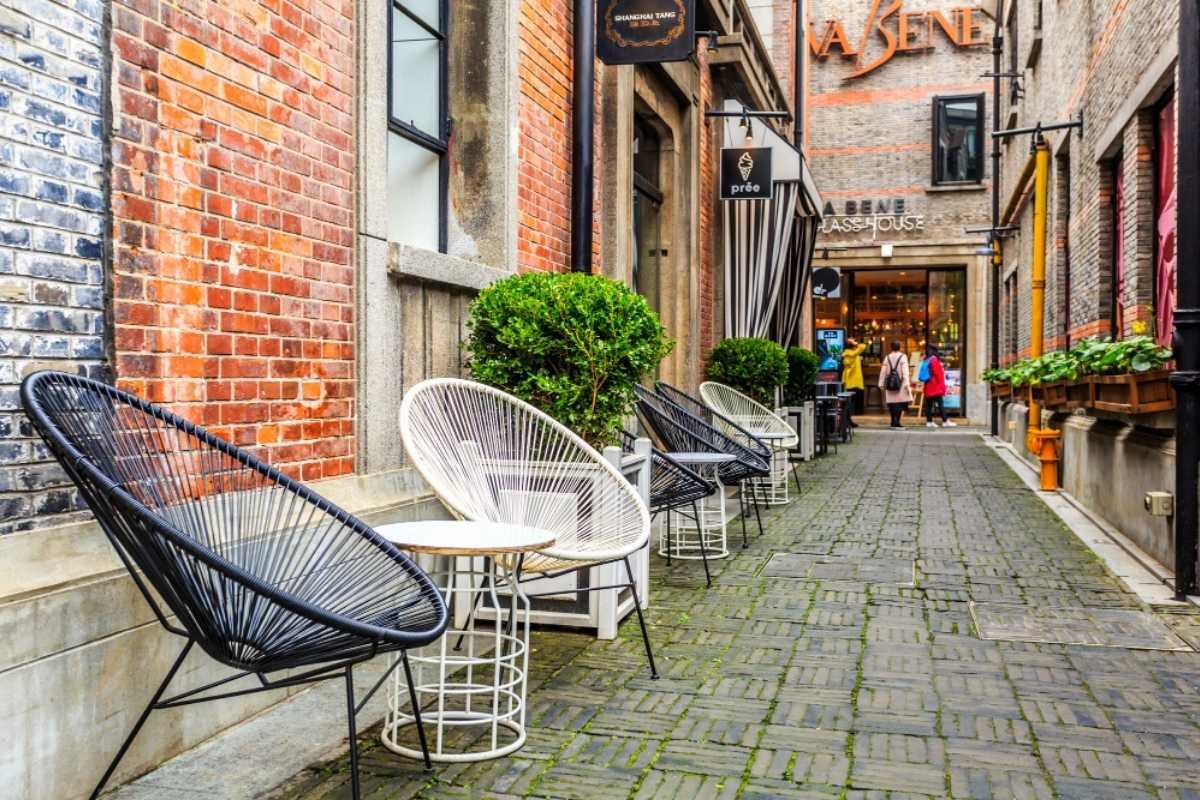
Best for: younger travelers, food and nightlife lovers, repeat visitors and value-conscious stays.
Bastille and the 11th offer restaurants, bars, markets and active evening streets with useful transport links to central Paris. The area can work especially well on longer stays when you want plenty of dining options near the hotel.
Main trade-off: fewer major sights are immediately walkable, so you will use public transport more often. Prioritize a convenient Metro station and check recent reviews for nighttime noise.
Where to Stay in Paris by Traveler Type
If you already know the kind of trip you want, this table is the fastest way to narrow your options without repeating the neighborhood descriptions above.
| Traveler type | Best areas to consider | Why they work | What to watch for |
|---|---|---|---|
| First-time visitors | Louvre & Tuileries, Saint-Germain, Le Marais | Central locations reduce transport and keep major sights easier to reach | Hotel prices can be higher than in less central neighborhoods |
| Couples | Saint-Germain, 7th arrondissement, Montmartre | Strong atmosphere, attractive streets and easy evening options | Some of the most romantic areas carry premium room rates |
| Families | 7th arrondissement, Saint-Germain, central Latin Quarter | Useful access to restaurants, attractions and transport | Check room size and sleeping configuration carefully |
| Budget-conscious travelers | Bastille & 11th, parts of Montmartre, Latin Quarter when rates are favorable | Potentially better value while remaining connected to central Paris | Do not save on the room only to add long daily journeys |
| Food and nightlife travelers | Le Marais, Bastille & 11th | Restaurants, bars and evening activity stay close to the hotel | Street noise can vary significantly |
| Solo travelers | Le Marais, Latin Quarter, Saint-Germain | Walkable streets, nearby cafés and convenient central access | Prioritize the exact street, transport connection and recent reviews |
TripsCity Insight: First-time visitors usually benefit most from centrality, families from easy logistics, couples from atmosphere, and budget travelers from the best balance between room price and daily transport.
How to Choose Where to Stay in Paris
Choosing where to stay in Paris is a balance between hotel price, exact location, transport convenience and room quality. A famous arrondissement is not automatically the best base if the hotel is far from useful transport, while a slightly less central property can be excellent value when it gives you a simple route to the places you plan to visit most.
Balance Hotel Price With Location and Metro Access
Central accommodation often costs more because it can save sightseeing time. That premium is easier to justify on a short trip; on a longer stay, a less central hotel may offer better value if the Metro connection is simple.
Before booking, check the exact address, walking time to the nearest Metro or RER station and routes to the attractions you expect to visit most. A cheaper room that adds awkward transfers to every day is not always the cheaper trip.
For fares, ticket options and practical navigation, see our transport guide.
Check Room Size, Noise and Building Access
Recent hotel reviews can reveal differences that the neighborhood name cannot. Pay particular attention to:
- Room size and sleeping configuration: especially for families.
- Lift access: older buildings may have small lifts or none at all.
- Street noise: important in nightlife areas or above restaurants and bars.
- Air conditioning: worth confirming for warmer travel periods.
- Walking route: hills and stairs matter in areas such as Montmartre.
Book the Best Location You Can Justify
Paris hotel prices change by date, demand and property, so compare several suitable neighborhoods once your dates are reasonably firm. If central prices are too high, move outward gradually while protecting useful transport access instead of jumping immediately to the cheapest listing.
If you are ready to compare accommodation, you can check current rates and availability on Trip.com.
Common Mistakes to Avoid
- Booking mainly for a landmark view instead of the overall location.
- Choosing by arrondissement number without checking the exact street.
- Focusing on nightly price while ignoring daily transport time.
- Skipping recent reviews about noise, room size or building access.
TripsCity Insight: Check the route from the hotel to the three places you expect to visit most. If all three journeys are awkward, the room rate is probably not the bargain it first appears to be.
FAQ: Where to Stay in Paris
What is the best area to stay in Paris for first-time visitors?
The Louvre and Tuileries area is one of the easiest bases for a first trip because it is central and keeps several major sights within walking distance. Saint-Germain-des-Prés and Le Marais are strong alternatives if you want more neighborhood atmosphere.
Which arrondissement is best to stay in Paris?
There is no single best arrondissement for every traveler. The 1st favors sightseeing convenience, the 6th classic Left Bank atmosphere, the 7th quieter stays near the Eiffel Tower, and the 3rd and 4th Le Marais restaurants, shopping and historic streets.
Where should families stay in Paris?
Families should compare the 7th arrondissement, Saint-Germain-des-Prés and central parts of the Latin Quarter. Prioritize suitable room space, nearby food options and a simple transport route over staying directly beside one landmark.
Where should I stay in Paris on a budget?
Bastille and the 11th arrondissement, parts of Montmartre and some Latin Quarter properties are useful areas to compare. Hotel prices vary by date and property, so judge value together with the transport time required to reach your main sights.
Is it better to stay near the Eiffel Tower or the Louvre?
Choose the Louvre area for maximum central sightseeing convenience, especially on a short first visit. Choose the 7th arrondissement if you prefer quieter surroundings and easy access to the Eiffel Tower and western central Paris.
How important is Metro access when choosing a Paris hotel?
Very important. Check the exact hotel address, walking time to the nearest station and routes to the attractions you expect to visit most. A well-connected hotel outside the most famous streets can be more practical than a poorly connected property in a prestigious area.
Final Verdict: Where Should You Stay in Paris?
For most first-time visitors, Louvre & Tuileries is the easiest all-around base. Choose Saint-Germain-des-Prés for classic Left Bank atmosphere, Le Marais for food and lively streets, the 7th arrondissement for quieter evenings near the Eiffel Tower, Montmartre for character and views, or Bastille and the 11th for nightlife and better-value options.
Whichever area you choose, compare the exact hotel location, transport connection, room quality and total price rather than booking by neighborhood name alone.
Next, use our transport guide, our sightseeing guide, and our trip planning guide to build the rest of your trip.