
Paris events in January 2027 give the month a much busier cultural calendar than the phrase “low season” suggests. Winter sales begin early in the month under the current French timetable, Maison&Objet follows in mid-January, and Paris Fashion Week Menswear and Haute Couture Week make the second half of the month particularly active.
For ordinary visitors, the useful question is not how many events you can attend. Many fashion and design events are professional or invitation-based. What matters is knowing which events are public, which dates may affect hotel and restaurant demand, and which experiences are genuinely worth adding to a winter sightseeing trip.
Quick answer: the biggest confirmed Paris events in January 2027 include Maison&Objet from January 14–18, Paris Fashion Week Menswear from January 19–24, Haute Couture Week from January 25–28, and the Festival Mondial du Cirque de Demain from January 21–24. Paris Opera also has several confirmed January productions. Winter sales are expected to begin January 6 under the current national rule, although the final annual dates should still be confirmed before travel.
Last updated: September 2026.
Disclosure: TripsCity may earn a commission from selected booking links at no extra cost to you.
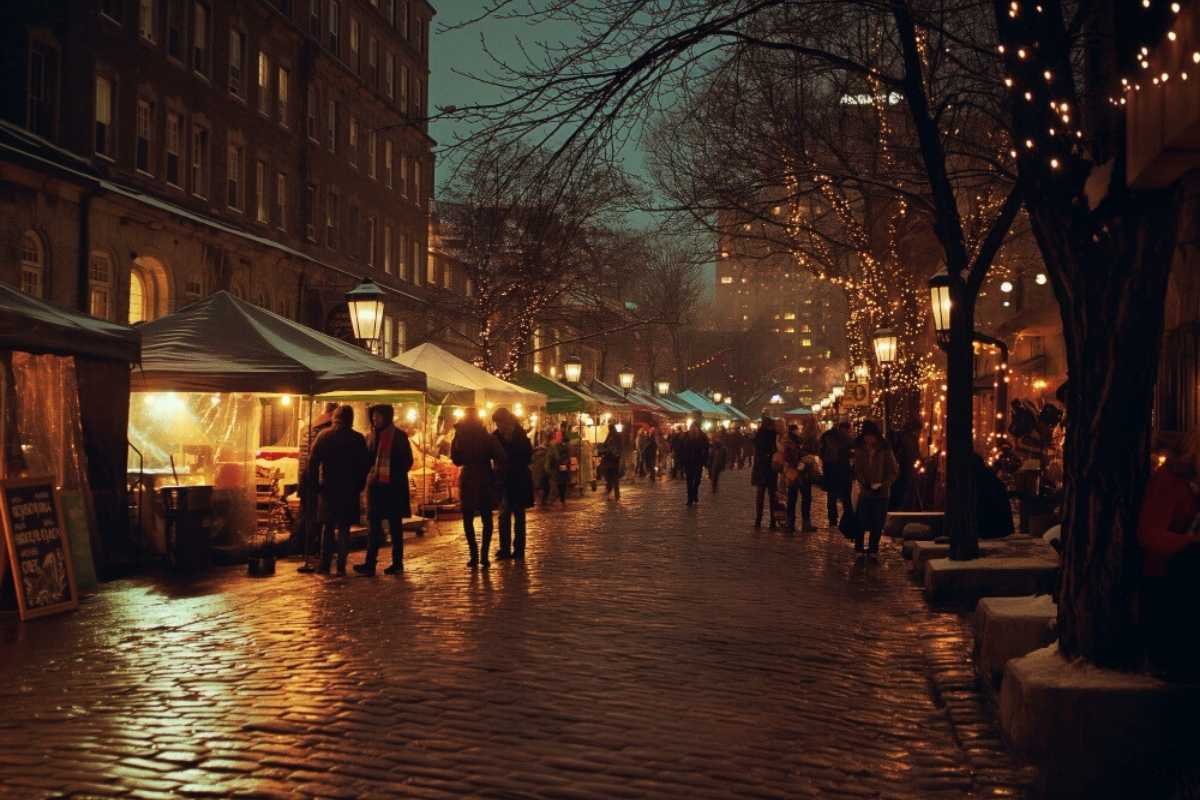
January combines quieter winter streets with a surprisingly active indoor cultural calendar.
Best Paris Events in January 2027: Confirmed Dates and Highlights
January is not empty after New Year. Several major event periods are already confirmed, and many of them overlap during the second half of the month.
| Event | 2027 dates | What travelers should know |
|---|---|---|
| Paris winter sales | Expected from January 6 | Useful for shoppers; department stores and major retail districts can become much busier. |
| Maison&Objet Paris | January 14–18 | Major professional design fair at Paris Nord Villepinte; more relevant to tourists as a demand and transport factor. |
| Paris Fashion Week Menswear | January 19–24 | Official fashion calendar; many shows are not normal public-ticket attractions. |
| Festival Mondial du Cirque de Demain | January 21–24 | Public ticketed festival at Cirque Phénix in Paris’s 12th arrondissement. |
| Haute Couture Week | January 25–28 | High-profile fashion period with concentrated industry activity. |
| Opera, ballet and exhibitions | Throughout January | Several confirmed performances are already available, while some exhibition calendars will continue to develop. |
Paris Winter Sales: The Most Visible Event for Many Visitors
For an ordinary traveler, the winter sales may have more direct impact than Fashion Week.
French winter sales follow a national legal timetable. Under the current rule, they begin on the second Wednesday of January unless that date falls after January 12, in which case they start on the first Wednesday. That makes January 6, 2027 the expected start date under the current rule.
The annual dates should still be checked before departure through Service-Public, the official French government information service.
If shopping matters to you, treat it as a real activity rather than a five-minute detour. The Haussmann department-store district and other central retail areas can become busy, particularly on weekends and later in the day.
If shopping is not a priority, you do not need to redesign your sightseeing itinerary around the sales.
Maison&Objet Paris: January 14–18, 2027
Maison&Objet Paris is officially scheduled for January 14–18, 2027 at Paris Nord Villepinte.
This is an international design and lifestyle trade fair rather than a normal tourist attraction. Most leisure travelers should think of it as planning context rather than a must-see event.
The fair can bring additional professional visitors to the Paris region and increase activity around relevant business hotels, restaurants and transport connections. If your trip overlaps these dates, that does not mean central Paris will suddenly become overwhelmed.
Travelers interested in design should check access requirements before assuming they can simply arrive as ordinary sightseeing visitors.
Official dates and visitor information are available from Maison&Objet.
Paris Fashion Week Menswear: January 19–24, 2027
The Fédération de la Haute Couture et de la Mode has confirmed Paris Fashion Week Menswear Fall/Winter 2027–2028 from Tuesday, January 19 through Sunday, January 24.
Paris Fashion Week creates much more online attention than direct tourist access. Many official shows and related industry events operate through invitations, professional accreditation or restricted access rather than standard public tickets.
For most visitors, Fashion Week matters because it changes the atmosphere around particular hotels, restaurants, fashion districts, event venues and nightlife rather than because you will spend the week attending runway shows.
You can follow confirmed seasons through the official FHCM calendar.
Haute Couture Week: January 25–28, 2027
Haute Couture Week begins immediately after Menswear, running from January 25–28, 2027.
This creates an unusually concentrated fashion period in the second half of January. Again, the effect is not uniform across all of Paris. A first-time visitor staying in the Latin Quarter and visiting museums can still follow a normal sightseeing itinerary.
The practical lesson is simply to avoid assuming that every January date behaves like a completely quiet winter week.
TripsCity Insight: Fashion Week does not turn all of Paris into an event zone. Treat it as a local demand and scheduling factor rather than rebuilding an ordinary sightseeing trip around an industry calendar.
Paris events in January 2027 give the month a much busier cultural calendar than the phrase “low season” suggests. Winter sales begin early in the month under the current French timetable, Maison&Objet follows in mid-January, and Paris Fashion Week Menswear and Haute Couture Week make the second half of the month particularly active.
For ordinary visitors, the useful question is not how many events you can attend. Many fashion and design events are professional or invitation-based. What matters is knowing which events are public, which dates may affect hotel and restaurant demand, and which experiences are genuinely worth adding to a winter sightseeing trip.
Quick answer: the biggest confirmed Paris events in January 2027 include Maison&Objet from January 14–18, Paris Fashion Week Menswear from January 19–24, Haute Couture Week from January 25–28, and the Festival Mondial du Cirque de Demain from January 21–24. Paris Opera also has several confirmed January productions. Winter sales are expected to begin January 6 under the current national rule, although the final annual dates should still be confirmed before travel.
Last updated: September 2026.
Disclosure: TripsCity may earn a commission from selected booking links at no extra cost to you.
January combines quieter winter streets with a surprisingly active indoor cultural calendar.
Best Paris Events in January 2027: Confirmed Dates and Highlights
January is not empty after New Year. Several major event periods are already confirmed, and many of them overlap during the second half of the month.
| Event | 2027 dates | What travelers should know |
|---|---|---|
| Paris winter sales | Expected from January 6 | Useful for shoppers; department stores and major retail districts can become much busier. |
| Maison&Objet Paris | January 14–18 | Major professional design fair at Paris Nord Villepinte; more relevant to tourists as a demand and transport factor. |
| Paris Fashion Week Menswear | January 19–24 | Official fashion calendar; many shows are not normal public-ticket attractions. |
| Festival Mondial du Cirque de Demain | January 21–24 | Public ticketed festival at Cirque Phénix in Paris’s 12th arrondissement. |
| Haute Couture Week | January 25–28 | High-profile fashion period with concentrated industry activity. |
| Opera, ballet and exhibitions | Throughout January | Several confirmed performances are already available, while some exhibition calendars will continue to develop. |
Paris Winter Sales: The Most Visible Event for Many Visitors
For an ordinary traveler, the winter sales may have more direct impact than Fashion Week.
French winter sales follow a national legal timetable. Under the current rule, they begin on the second Wednesday of January unless that date falls after January 12, in which case they start on the first Wednesday. That makes January 6, 2027 the expected start date under the current rule.
The annual dates should still be checked before departure through Service-Public, the official French government information service.
If shopping matters to you, treat it as a real activity rather than a five-minute detour. The Haussmann department-store district and other central retail areas can become busy, particularly on weekends and later in the day.
If shopping is not a priority, you do not need to redesign your sightseeing itinerary around the sales.
Maison&Objet Paris: January 14–18, 2027
Maison&Objet Paris is officially scheduled for January 14–18, 2027 at Paris Nord Villepinte.
This is an international design and lifestyle trade fair rather than a normal tourist attraction. Most leisure travelers should think of it as planning context rather than a must-see event.
The fair can bring additional professional visitors to the Paris region and increase activity around relevant business hotels, restaurants and transport connections. If your trip overlaps these dates, that does not mean central Paris will suddenly become overwhelmed.
Travelers interested in design should check access requirements before assuming they can simply arrive as ordinary sightseeing visitors.
Official dates and visitor information are available from Maison&Objet.
Paris Fashion Week Menswear: January 19–24, 2027
The Fédération de la Haute Couture et de la Mode has confirmed Paris Fashion Week Menswear Fall/Winter 2027–2028 from Tuesday, January 19 through Sunday, January 24.
Paris Fashion Week creates much more online attention than direct tourist access. Many official shows and related industry events operate through invitations, professional accreditation or restricted access rather than standard public tickets.
For most visitors, Fashion Week matters because it changes the atmosphere around particular hotels, restaurants, fashion districts, event venues and nightlife rather than because you will spend the week attending runway shows.
You can follow confirmed seasons through the official FHCM calendar.
Haute Couture Week: January 25–28, 2027
Haute Couture Week begins immediately after Menswear, running from January 25–28, 2027.
This creates an unusually concentrated fashion period in the second half of January. Again, the effect is not uniform across all of Paris. A first-time visitor staying in the Latin Quarter and visiting museums can still follow a normal sightseeing itinerary.
The practical lesson is simply to avoid assuming that every January date behaves like a completely quiet winter week.
TripsCity Insight: Fashion Week does not turn all of Paris into an event zone. Treat it as a local demand and scheduling factor rather than rebuilding an ordinary sightseeing trip around an industry calendar.
How January Events Affect Your Paris Trip
The real value of checking Paris events in January 2027 before travel is not to create a busier itinerary. It is to avoid surprises.
Major dates can affect hotel demand, shopping districts, restaurant availability and individual transport routes even when you never attend the event itself.
Second-Half January Needs Slightly More Attention
The event concentration from January 14 through January 28 is unusual enough to notice:
- Maison&Objet: January 14–18;
- Paris Fashion Week Menswear: January 19–24;
- Festival Mondial du Cirque de Demain: January 21–24;
- Haute Couture Week: January 25–28.
This does not mean hotel prices will automatically rise everywhere or that attractions will become packed. It means comparing accommodation early is more sensible if your dates overlap major professional events.
Choose your base using our Where to Stay in Paris guide rather than selecting a hotel solely because it appears geographically close to one event.
Use the Two-Anchor Rule on Event Days
If you have an evening performance, keep the day simple.
A useful structure is:
- one daytime anchor: a museum, major attraction or neighborhood;
- one evening anchor: the performance or scheduled event.
Cafés, meals, short walks and smaller sights can fill the space between them without creating another deadline.
This protects you from turning a winter day into four fixed appointments connected by rushed Metro journeys.
Location Matters Almost as Much as the Event
Before buying a performance ticket, check three things: the venue, the finishing time and the route back to your hotel.
A great event at the opposite end of Paris may still be worth it, but that travel should be part of the decision rather than something discovered at 11 PM.
If two performances interest you equally, the one that works naturally with your daytime neighborhood or accommodation may create the better overall experience.
For Metro and ticket planning, use our How to Get Around Paris guide.
How Different Travelers Should Use the Event Calendar
Couples: one evening performance can pair naturally with dinner and a shorter daytime itinerary. Avoid stacking several reservations simply because January evenings are cold.
Families: public events can work well, but travel time and finishing time matter. One substantial indoor attraction or performance is usually easier than several fixed bookings across different parts of Paris.
Budget travelers: decide which paid event matters most. January still offers museums, neighborhoods and plenty of ordinary sightseeing without requiring a ticketed experience every day.
Solo travelers: January can be particularly flexible because museum visits, performances, cafés and neighborhoods are easy to rearrange around one ticketed event.
Common January Event-Planning Mistakes
Assuming Fashion Week is a normal tourist attraction. Many official runway events require industry access or invitations. Confirm public access before building a day around anything connected to the fashion calendar.
Booking several timed activities back to back. Winter transport, queues and slower meals create enough variables that tightly packed reservations add unnecessary stress.
Ignoring event geography. Maison&Objet at Paris Nord Villepinte is very different from attending an evening performance at Palais Garnier. Always look at the venue, not just the event name.
Treating winter sales as a quick detour. If shopping matters, give it a defined time block. If it does not, there is little reason to sacrifice your best sightseeing hours to crowded stores.
Booking an evening event without checking the return route. Know how you expect to get back before purchasing the ticket.
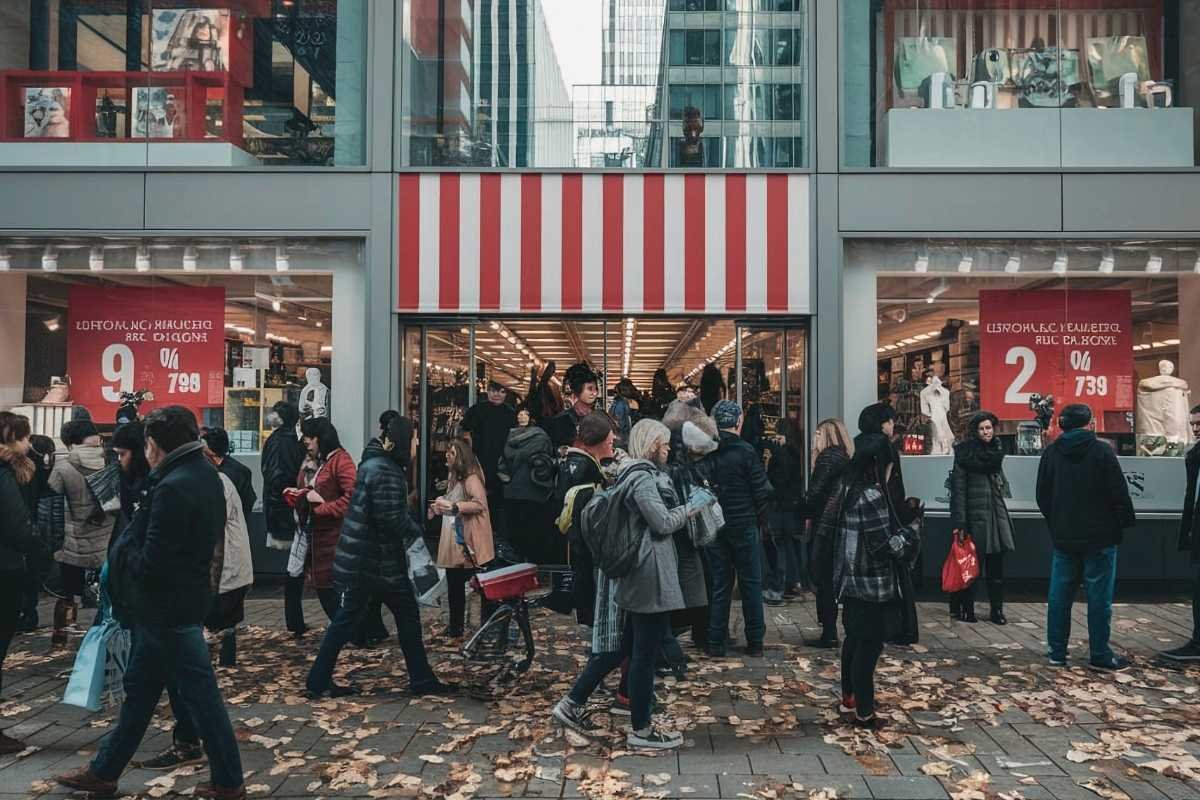
January can feel quiet citywide while individual shopping and event districts remain extremely active.
Paris Events in January 2027 FAQ
What are the biggest Paris events in January 2027?
Confirmed highlights include Maison&Objet from January 14–18, Paris Fashion Week Menswear from January 19–24, the Festival Mondial du Cirque de Demain from January 21–24, and Haute Couture Week from January 25–28. Winter sales are also expected to begin January 6 under the current French rule.
Can tourists attend Paris Fashion Week?
Do not assume official runway shows are ordinary public-ticket events. Many fashion shows and related industry activities require invitations, accreditation or professional access. Check the access rules of a specific event before making plans around it.
When are the Paris winter sales in 2027?
Under the current national rule, the 2027 winter sales are expected to begin January 6 and run for four weeks. The official annual dates should still be confirmed before travel.
Is Maison&Objet open to tourists?
Maison&Objet is primarily a professional design and lifestyle trade event. Check the official visitor requirements before assuming leisure visitors can enter under the same conditions as a normal public exhibition.
More Questions About Paris Events in January 2027
What public event can tourists attend in January 2027?
The Festival Mondial du Cirque de Demain is one confirmed public ticketed option, running January 21–24. Paris Opera also has confirmed ballet and opera performances throughout January.
Will Fashion Week make Paris crowded?
Its impact is concentrated rather than citywide. Hotels, restaurants and particular fashion or event districts may become more active, while ordinary sightseeing in many other parts of Paris can continue normally.
Should I book January events before arriving?
Book performances or limited-capacity experiences that genuinely matter to you. There is usually no need to reserve every museum or activity before the trip.
Is January good for cultural events in Paris?
Yes. The month combines fashion, design, ballet, opera, circus, exhibitions, theatre and museums, making indoor culture particularly easy to integrate into a winter trip.
Final Answer: Are Paris Events in January 2027 Worth Planning Around?
Paris events in January 2027 are worth checking before you book, but they do not need to dominate the vacation.
Winter sales give ordinary visitors an early-month activity, Maison&Objet adds professional design traffic in mid-January, and Fashion Week, the circus festival and Haute Couture make the second half of the month especially active.
For most travelers, the best approach is to choose one or two public cultural experiences that genuinely improve the trip, note the major industry dates that may affect demand, and leave the rest of Paris flexible.
That gives you the benefit of January’s event calendar without turning a winter holiday into a sequence of reservations and deadlines.