
Paris Winter Packing List 2026–2027: What You Actually Need
A practical Paris packing list for winter should focus on removable layers, a weather-resistant coat, comfortable water-resistant shoes, a scarf, gloves and a compact day bag. Add a small umbrella, power bank and a few cold-weather comfort items, and most visitors are covered for normal December, January and February sightseeing.
The important thing is not packing the heaviest clothes you own. Paris winter days often involve repeated switches between cool or damp streets, public transport, heated museums, cafés and shops. Clothing that can be added or removed easily usually works better than one extremely bulky outfit.
Quick packing priorities:
- Weather-resistant winter coat
- 2–3 removable tops or sweaters for layering
- Comfortable water-resistant walking shoes or boots
- Warm socks
- Scarf and touchscreen-friendly gloves
- Optional hat for colder or windy days
- Compact umbrella
- Zipped crossbody bag or small daypack
- Power bank and charging cable
- Lip balm and hand cream
This guide explains what to pack, what you can leave at home and how to adjust the list for a short trip, a full week, families and travelers who want to dress well without sacrificing comfort.
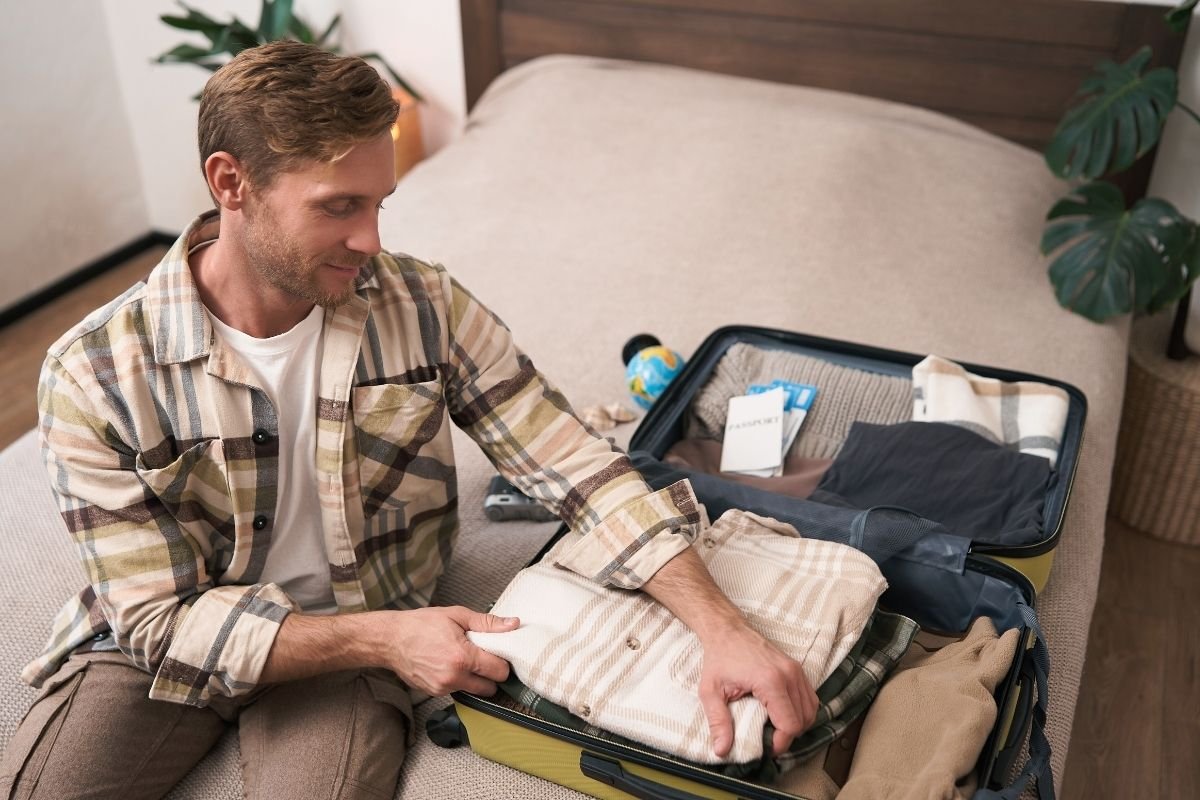
A Paris winter suitcase works best when a small number of pieces can be layered and reused.
Paris Packing List: Winter Weather to Expect
Paris winters are generally more about cool, damp and changeable conditions than extreme snow. Rain, wind and long periods of walking matter more to most visitors than preparing for Alpine weather.
That is why layers and weather resistance are more useful than simply adding bulk. A sweater that works under your coat but can come off comfortably inside a museum is more versatile than wearing several heavy pieces at once.
Check Météo-France shortly before departure because the actual forecast should decide whether you need an extra thermal layer, stronger rain protection or lighter clothing.
Complete Paris Packing List for Winter
Use this as the core list, then adjust quantities for the length of your trip.
| Category | What to pack | Why it matters |
|---|---|---|
| Outerwear | 1 warm weather-resistant coat | Your main protection from cold, wind and light rain |
| Layers | 2–3 long-sleeve tops + 1–2 sweaters or mid-layers | Easy to adjust between streets and heated interiors |
| Bottoms | 2–3 comfortable trousers or jeans | Choose pieces that can be reworn and work with the same shoes |
| Footwear | 1 main water-resistant walking pair + optional backup | Wet or uncomfortable shoes can affect an entire sightseeing day |
| Socks | Warm everyday socks + at least one spare pair | A dry backup is useful after rain |
| Accessories | Scarf, gloves and optional hat | Easy warmth without adding another bulky layer |
| Rain | Compact umbrella or hooded outer layer | Useful for changeable winter weather |
| Day bag | Zipped crossbody or small daypack | Keeps essentials accessible while walking and using public transport |
| Electronics | Phone charger, power bank and appropriate plug adapter | Maps, tickets and reservations often depend on your phone |
| Comfort items | Lip balm, hand cream and tissues | Small but useful during cold weather and indoor heating |
TripsCity Insight: the best winter suitcase is not the warmest one. It is the one that lets you walk comfortably, stay dry and remove a layer without carrying half your wardrobe through a museum.
Paris Packing List: What to Wear in Winter
Choose a Coat That Works in Rain and Wind
You will probably wear your coat every sightseeing day, so choose one that is warm enough for the forecast, blocks wind reasonably well and can handle light rain.
A wool coat, insulated coat or weather-resistant winter jacket can all work. The right choice depends on how cold you normally feel and the forecast for your dates. A hood is useful, but a compact umbrella can cover lighter rain if you prefer a coat without one.
Use Layers Instead of One Extremely Heavy Outfit
A simple winter combination is:
- Light base layer or long-sleeve top
- Sweater, cardigan or other removable mid-layer
- Winter coat
This makes it easier to remove one layer on the Metro or inside museums, then add it again when you return outside.
Travelers who feel the cold strongly can add a thin thermal base layer on colder days. You do not necessarily need thermal clothing for every day of a normal Paris winter trip.
Prioritize Comfortable, Water-Resistant Shoes
Footwear is one of the most important parts of a Paris winter packing list. You may spend hours walking across pavement, stairs and Metro corridors, including on wet days.
Choose walking shoes or ankle boots that are already comfortable, have useful grip and can tolerate rain better than delicate fashion shoes.
You usually do not need dedicated snow boots for Paris. A comfortable water-resistant walking shoe is more versatile unless the forecast specifically calls for unusual snow or icy conditions.
Pack a Scarf, Gloves and Optional Hat
A scarf and gloves add warmth without filling much suitcase space. Touchscreen-friendly gloves are particularly useful because visitors frequently use phones for maps, tickets and photos.
A hat or beanie is optional but useful when the forecast is colder or windy.
Keep the Day Bag Small and Secure
A zipped crossbody bag or compact daypack works well for most sightseeing days. Leave enough room for gloves, umbrella, power bank and any layer you remove indoors.
Carry a charging cable and power bank because maps, transport information and digital tickets can make the phone one of the most important tools in your day bag.
If you need mobile data immediately after arrival, you can compare an eSIM option for Paris. It is optional; hotel Wi-Fi and your existing roaming plan may already cover what you need.
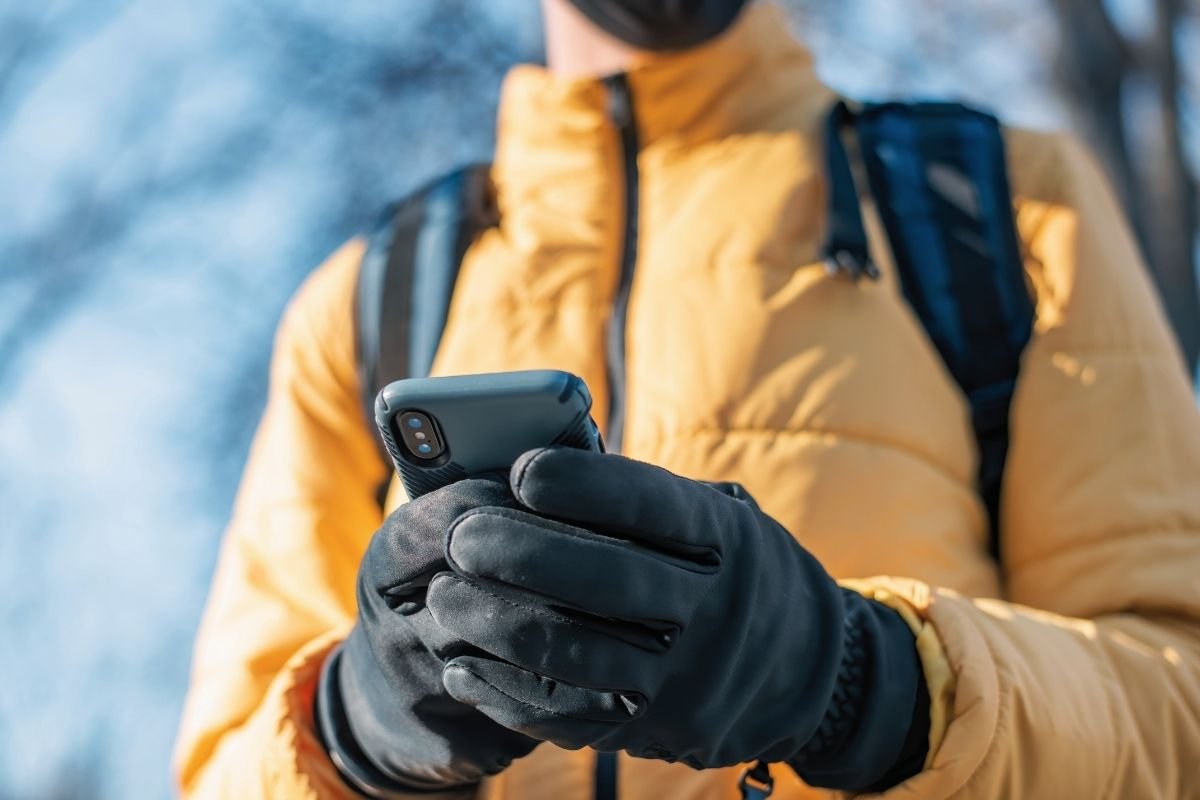
A strong winter packing system is built around transitions: dry feet, wind protection, hands-free carry, and power for maps and tickets.
Paris Packing List by Trip Length and Traveler Type
Paris Packing List for a 3–5 Day Winter Trip
You can usually travel with one coat, one main pair of walking shoes, 2–3 tops, 1–2 mid-layers and 2–3 bottoms that mix easily. Add underwear, socks, winter accessories and one slightly dressier option if you have a special dinner or event.
Paris Packing List for a Full Week in Winter
You do not need seven completely different outfits. Add extra underwear and socks, another top or sweater and a backup footwear option if suitcase space allows. Repeating neutral, compatible pieces is usually easier than packing an outfit for every day.
For Families
Children benefit from dry backups more than extra fashion choices. Spare socks and gloves are useful because small items can get wet or disappear during long sightseeing days.
A compact family day bag should also leave room for snacks, tissues and any layer a child removes indoors.
For Travelers Who Want to Dress Up
Paris does not require formal clothing for ordinary sightseeing. Pack one evening outfit or dressier top if you have a restaurant, opera or special event where you want it.
There is little benefit in carrying several pairs of delicate shoes that you will avoid wearing whenever the streets are wet.
Paris Packing List: What Not to Bring in Winter
- Brand-new walking shoes: winter is not the time to discover that a pair rubs after several hours.
- Several bulky coats: one reliable outer layer usually takes less space and works more consistently.
- Too many unique outfits: mix-and-match layers are easier to reuse.
- Delicate shoes as your main footwear: rain and long walking days can make them impractical.
- An oversized day bag: carrying unnecessary weight through Metro stations and museums becomes tiring.
- Extreme snow gear without checking the forecast: normal Paris winter conditions do not automatically require ski-level clothing.
Arrival-Day Packing and Luggage Tips
Your packing plan should also account for the hours before hotel check-in and after check-out. Carrying a suitcase through Metro stations, wet streets and crowded attractions can make an otherwise useful half-day difficult.
If your arrival and hotel check-in are several hours apart, luggage storage can be useful. You can compare luggage storage locations in Paris if leaving your bags at the hotel is not possible.
Keep the items you may need immediately after arrival in your personal bag rather than your checked suitcase:
- Warm removable layer
- Phone charger or power bank
- Gloves and scarf in colder weather
- Any medication you need
- Travel documents and hotel details
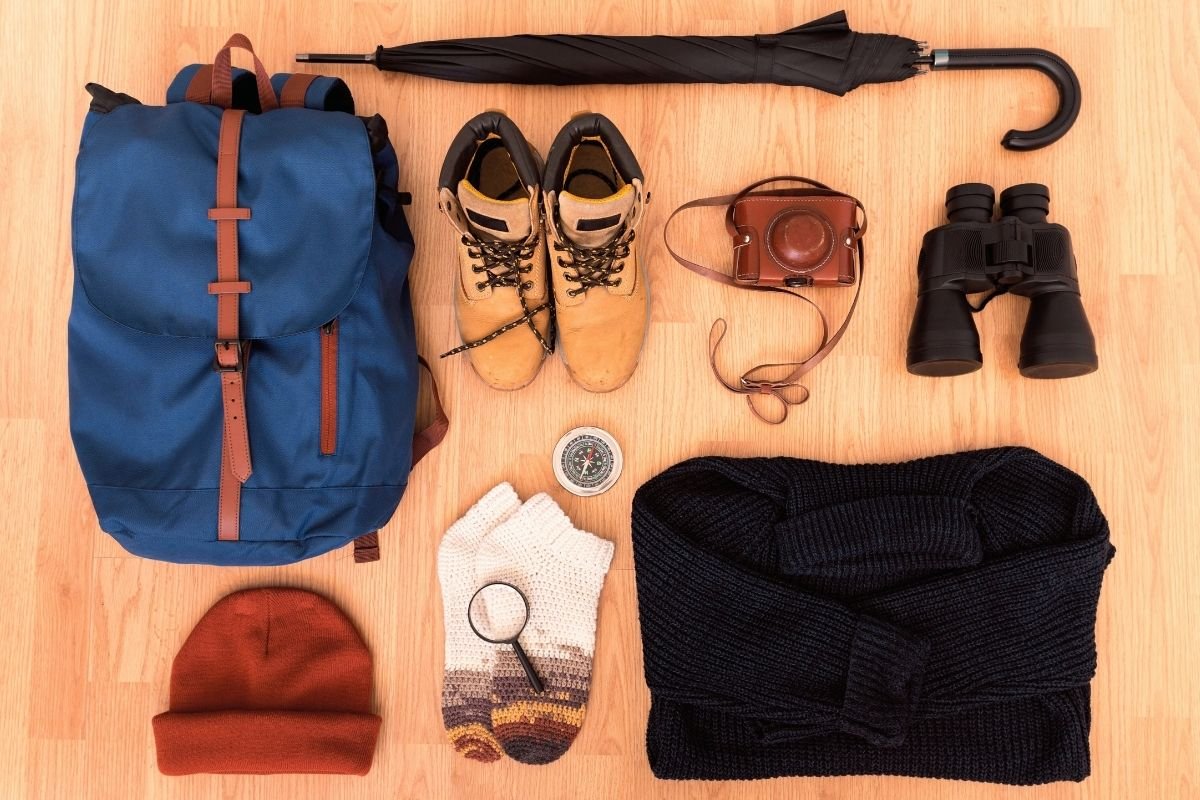
A compact set of winter essentials is more useful than filling the suitcase with several bulky alternatives.
Useful Guides Before You Finish Packing
Your suitcase should match the type of Paris trip you are actually planning. These guides can help with the decisions that affect what you carry each day:
- Where to Stay in Paris — useful for understanding how much walking and transport your location may require.
- How to Get Around Paris — useful when deciding how practical heavy luggage or large day bags will be.
- Paris Winter Budget Guide — for accommodation, food, transport and winter-trip costs.
- Best Time to Visit Paris — compare winter conditions with other seasons.
Common Paris Winter Packing Mistakes
Packing One Heavy Outfit Instead of Layers
A very heavy sweater under a very heavy coat may feel comfortable outdoors but become uncomfortable on public transport or inside heated buildings.
Better: use removable layers and adjust them during the day.
Choosing Shoes for Appearance Alone
Paris involves substantial walking for many visitors. Rain can also leave pavement wet, so uncomfortable or delicate shoes can become a problem quickly.
Better: wear a pair you have already tested for long walking days and choose reasonable water resistance and grip.
Bringing Too Many Bulky Pieces
Several coats, thick sweaters and multiple heavy shoes consume suitcase space quickly and may still leave you wearing the same comfortable combination most days.
Better: build several outfits from a smaller group of compatible layers.
Forgetting Dry Backups
Extra socks take almost no space but can be particularly useful after rain. Families should also consider spare gloves for children.
Ignoring the Forecast Until You Arrive
A generic winter list cannot predict your exact travel week. Check the forecast several days before departure and make the final adjustments then.

A small group of compatible layers usually works better than packing a separate heavy outfit for every day.
Final Paris Packing List Check Before You Leave
Use these three steps before closing the suitcase.
Three to Five Days Before Departure
Check the Paris weather forecast and lay out your main coat, walking shoes, layers and winter accessories. This is the right time to add or remove thermal clothing depending on the expected conditions.
The Night Before
Confirm that your phone charger, power bank, travel documents, medication and first-day winter accessories are accessible without unpacking the entire suitcase.
A useful personal-item setup includes:
- Charging cable and power bank
- Medication and essential documents
- Scarf or light warm layer
- Lip balm and tissues
- Gloves if the forecast is cold
Before Leaving for the Airport
Leave some free suitcase space if possible. Winter clothing is bulky, and a completely packed suitcase becomes harder to manage if you buy anything during the trip.
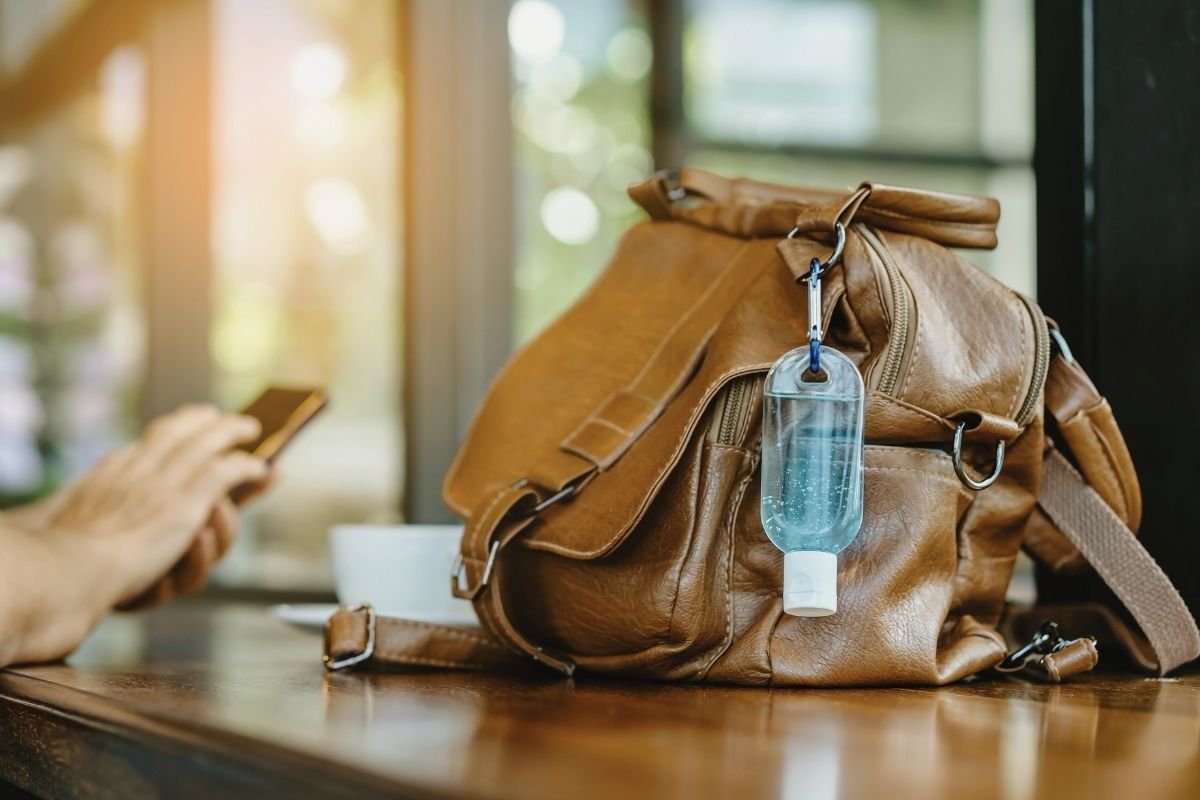
Keep frequently used winter items together so they remain easy to reach during sightseeing days.
Final Verdict: What Should You Pack for Paris in Winter?
For most travelers, the best Paris winter packing strategy is simple: one reliable coat, removable layers, comfortable water-resistant shoes, warm accessories and a small day bag.
Do not pack as though every winter day will be extremely cold, and do not pack entirely for photos. Build a wardrobe that can handle walking, light rain and heated indoor spaces, then adjust it using the actual forecast shortly before departure.
A smaller set of compatible clothes usually gives you more useful combinations than several bulky outfits that only work once.
Paris Packing List for Winter FAQ
How many outfits should I pack for 3–5 days in Paris in winter?
For most travelers, 2–3 tops, 1–2 sweaters or mid-layers and 2–3 bottoms can work when the pieces mix easily. Add one coat, walking shoes, socks, underwear and winter accessories.
Do I need snow boots for Paris in winter?
Usually not. Comfortable water-resistant walking shoes or boots with reasonable grip are more useful for typical Paris winter sightseeing. Check the forecast before departure in case unusual snow or ice is expected.
What shoes should I wear in Paris in winter?
Choose shoes that are comfortable for long walking days, tolerate wet pavement and have useful grip. Avoid making brand-new or delicate shoes your only sightseeing pair.
Should I wear thermal clothing in Paris?
Thermal layers can be useful for travelers who feel the cold strongly or when the forecast is particularly cold. They are not automatically necessary for every winter day because you will also spend significant time inside heated buildings.
Should I pack an umbrella for Paris in winter?
A compact umbrella is useful, especially if your coat does not have a hood. Check the weather forecast before leaving each day because rain conditions can change.
Can I dress stylishly in Paris during winter and still stay comfortable?
Yes. Start with comfortable walking shoes and functional outerwear, then use compatible colors, scarves, sweaters and one dressier option if needed. You do not need to choose between looking presentable and packing practically.