
Is Paris good for first-time travelers? Yes. Paris is one of the strongest choices for a first major European city trip, but it rewards travelers who accept one reality early: you cannot experience everything at once.
The city is not difficult because it is enormous or impossible to navigate. The real challenge is density. Famous attractions, Metro stations, security checks, long walks, meal decisions and crowded streets can place dozens of small choices inside a single sightseeing day.
That is why two first-time visitors can see almost the same landmarks and come home with completely different opinions. One feels that Paris was exciting and surprisingly manageable. The other remembers queues, tired legs and constantly checking the clock.
The difference is usually not the attraction list. It is how much friction the plan creates between those attractions.
Quick Answer: Is Paris Good for First-Time Travelers?
Yes. Paris is especially good for first-time travelers who want famous landmarks, world-class museums, historic neighborhoods, cafés, architecture and a city where simply walking between planned stops can become part of the experience.
Paris is a weaker first-trip fit if: you dislike crowds, fixed attraction times, long walking days or making some plans before arrival.
The easiest first-visit rule: choose one major priority for the day, keep the rest geographically close, and leave enough room for the city itself.
Last updated: September 2026.
Disclosure: TripsCity may earn a commission from selected booking links at no extra cost to you.
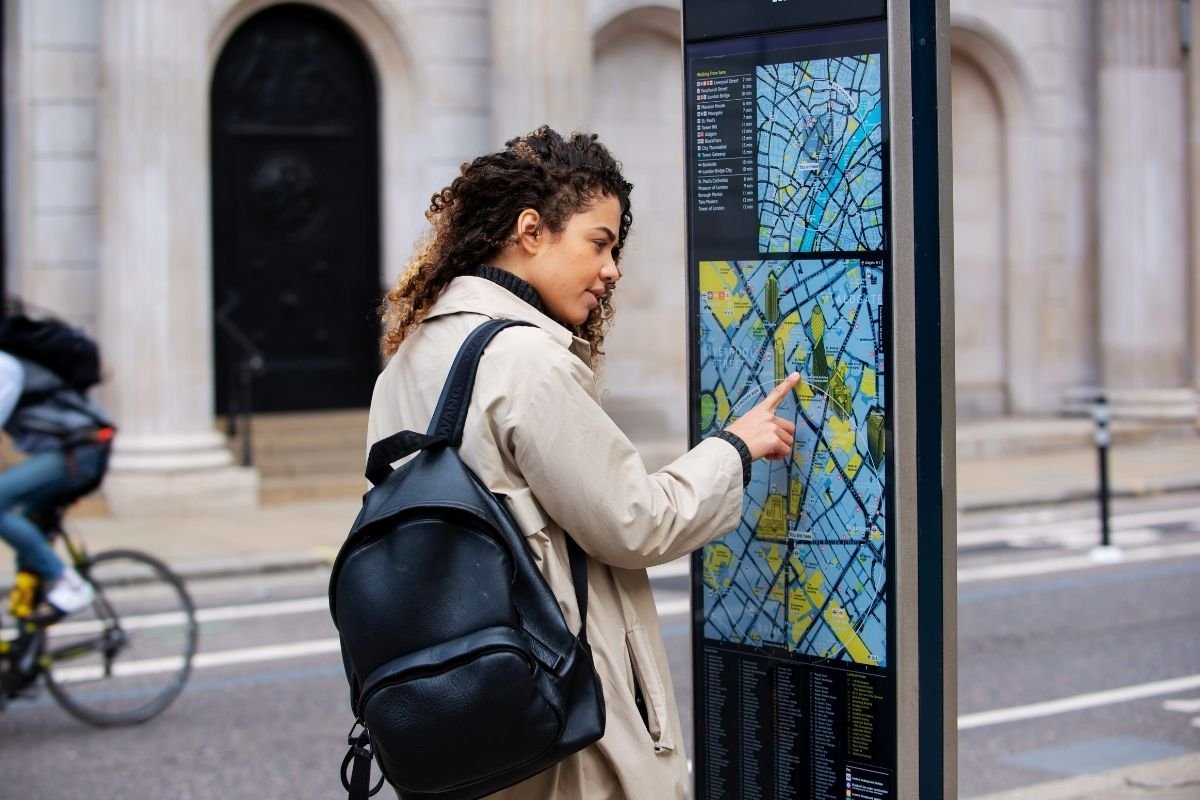
The first Paris adjustment is rarely a major problem. It is learning how quickly small decisions about direction, timing and distance can accumulate.
What Paris Actually Feels Like on a First Visit
The first few hours can feel deceptively easy. You recognize names before you arrive: Eiffel Tower, Louvre, Seine, Notre-Dame, Montmartre. On a map, many of them appear close enough to combine.
Then real city time begins.
A Metro journey includes walking to the station, finding the correct platform, changing lines and choosing an exit. A museum reservation includes security, orientation and the inevitable moment when you realize the building is much larger than your plan allowed for.
Even a simple lunch can take longer than expected when everyone reaches the same tourist area hungry at the same time.
None of this means Paris is badly organized. It means that transition time is part of sightseeing time.
Paris Is Dense Rather Than Impossible
First-time visitors sometimes interpret early confusion as proof that Paris is difficult. Usually it is just unfamiliarity.
The Metro network is extensive, central Paris contains many walkable areas, and major tourist districts are used to international visitors. The challenge is learning when walking remains enjoyable and when another twenty minutes will simply make the next attraction feel harder.
A useful first-day goal is therefore not “master Paris.” It is simply to understand your own pace inside Paris.
Notice how long a major museum actually takes you. Pay attention to how your legs feel after several Metro staircases, and consider whether you enjoy crossing neighborhoods on foot or prefer using transport between them.
That information improves every later day of the trip.
What Surprises First-Time Travelers Most About Paris?
You Lose More Time Between Attractions Than Expected
First-time plans often show only the attraction itself: two hours at the Louvre, one hour around the Eiffel Tower, then Montmartre.
The invisible time is what changes the day: getting there, walking from the station, security, finding the correct entrance, bathroom breaks, food and deciding what comes next.
This is why a geographically clean day usually feels better than a more impressive-looking checklist.
The Walking Adds Up Faster Than the Map Suggests
Paris is highly walkable, but museum floors, Metro corridors and station stairs all count toward the same tired legs.
A beautiful twenty-minute walk in the morning can feel completely different after six hours of sightseeing.
Comfortable shoes help, but route design matters more. Save long walks for neighborhoods where the walk itself is part of what you came to experience.
The Famous Moment Is Often Shorter Than the Experience Around It
You may spend ten minutes taking in an Eiffel Tower viewpoint but remember the nearby walk, the bakery stop or the evening streets just as clearly.
That is one reason first visits improve when every hour is not reserved in advance.
The major sights matter. So does leaving enough space between them for Paris to feel like a city rather than a queue of appointments.
Feeling Briefly Lost Is Normal
A Metro exit can place you on a different side of a large intersection from the one you expected. For a minute, nothing looks familiar.
That moment feels bigger when you are tired, but it is usually a navigation problem measured in minutes rather than a genuine trip problem.
If movement is the part of Paris that worries you most, use our How to Get Around Paris guide for the detailed Metro, walking and transport logic. This article intentionally does not duplicate it.

Crowds matter, but the bigger first-time lesson is learning how queues and transitions change the pace of a day.
Is Paris Easy for First-Time Visitors?
Paris is easier than many nervous first-time travelers expect, but less forgiving than a small city break.
You do not need fluent French, perfect navigation skills or an hour-by-hour itinerary. You do need enough structure to protect the parts of the trip that matter most.
For official visitor information, practical updates and current city guidance, use the official Paris tourism website.
| First-Time Concern | Reality | What Helps |
|---|---|---|
| Getting lost | Usually a short navigation delay, especially around large Metro stations | Check the route before leaving the station and avoid re-planning the whole day |
| Seeing enough | Trying to see everything usually creates the worst first trip | Choose priorities rather than collecting landmarks |
| Language | Tourist-facing areas handle international visitors constantly | Basic courtesy and a few French words help more than perfect French |
| Museums and attractions | The biggest sites can still require planning and patience | Protect the few attractions that truly matter to you |
| Walking fatigue | It usually appears gradually rather than all at once | Keep evenings lighter after demanding sightseeing days |
The First-Time Skill That Matters Most Is Prioritizing
A first trip becomes difficult when every famous place is treated as mandatory.
The Louvre may be essential for one traveler and unnecessary for another. Montmartre may be a highlight for someone who loves street atmosphere but less important to a visitor focused on art museums and central historic areas.
Paris improves when you stop asking, “What must every tourist see?” and start asking, “Which experiences would I genuinely regret missing?”
Those become your protected priorities. Everything else becomes flexible.
Who Is Paris Best For on a First Trip?
Travelers Who Want Famous Sights and Real Neighborhoods
Paris works particularly well when you want both sides of a city trip.
You can have a major museum or monument in the morning and spend the afternoon in Le Marais, Saint-Germain, the Latin Quarter or another neighborhood where the experience is less about one attraction and more about the streets around you.
Museum and Architecture Travelers
If major museums, historic churches, monumental architecture and layered city history are already high on your list, Paris gives you unusually strong options without needing to leave the city.
The danger is overloading the schedule because so many important places compete for the same limited days.
Couples and Solo Travelers
Both groups benefit from flexibility.
Couples can change pace around meals, evening walks or one person becoming tired earlier than expected. Solo travelers can shorten or extend museums and neighborhoods without negotiating every decision with a group.
Families Who Accept a Slower Rhythm
Paris can work very well for families, but children usually expose an overloaded itinerary faster than adults do.
Long museum visits, repeated Metro transfers, hunger and standing in queues can combine quickly.
For the detailed family version, use our Paris With Kids guide. This page keeps the focus on the general first-time decision.
Who May Find Paris Less Enjoyable as a First Destination?
Paris may not be the easiest choice if your ideal city break requires almost no advance planning, minimal queues and the freedom to change every major decision at the last minute.
It can also frustrate travelers who judge a trip mainly by how many famous attractions they complete each day.
The city becomes much more rewarding once you accept that a slower afternoon is not wasted time.
A Simple First-Trip System That Keeps Paris Manageable
You do not need a detailed itinerary inside this article. TripsCity already has dedicated itinerary and trip-length pages for that.
What you need here is a simple decision system that works regardless of whether you stay three days or a full week.
Protect One Important Experience
Each sightseeing day should have a clear priority: the experience that would make the day feel worthwhile even if something else gets cut.
That might be a museum, monument, guided experience or simply a neighborhood you have wanted to explore for years.
Keep the Next Decision Nearby
After the priority, choose something geographically easy rather than immediately crossing Paris because another famous attraction happens to be on your list.
This is where first-time plans become calmer. You reduce transport decisions while gaining more time to actually notice the area you are already in.
Know How You Are Getting Back Before You Are Exhausted
Late-day navigation feels harder because tired travelers make slower decisions.
You do not need to schedule the evening. Just know whether your return is a simple Metro ride, a direct bus, a manageable walk or something more complicated.
A good base makes this easier, but this article does not need to become a neighborhood guide. Compare areas separately in our Where to Stay in Paris guide.
A useful first-time plan protects a few priorities without turning every hour into an appointment.
How Long Should a First-Time Paris Trip Be?
Trip length matters, but it belongs to its own search intent.
If you are currently deciding between three, four, five or more days, use our How Many Days in Paris Is Enough? guide.
For this article, the only rule you need is simple: the shorter the trip, the more selective your priorities must become.
Do not turn a suitability article into an itinerary calculator. Decide first whether Paris fits your travel style; then decide how many days to give it.
What Should First-Time Travelers Book Ahead — and What Should Stay Flexible?
The best first trip is neither completely spontaneous nor completely reserved.
Advance planning is most useful when missing a specific experience would genuinely disappoint you or when a timed entry protects a large part of the day.
Neighborhood walks, café time, shopping, parks and many smaller stops are usually better kept flexible.
Protect High-Priority Attractions
If the Eiffel Tower, Louvre or another major attraction is central to your trip, check its official booking system before arrival rather than assuming your preferred time will remain available.
Third-party tours can make sense when the guide, meeting point or logistics add real value, but they should solve a problem rather than simply fill the schedule.
If you want to compare timed-entry or guided options for a major Paris attraction, you can check current Paris ticket and tour options.
Leave Ordinary Paris Unbooked
You do not need a reservation for every enjoyable hour.
One of the most useful things a first-time visitor can discover is that an unplanned hour is not automatically wasted.
It may become a slower lunch, an unexpected street, a bakery stop or simply the recovery time that keeps the evening enjoyable.
Do First-Time Travelers Need to Worry About Paris Travel Mistakes?
You should understand the major mistakes, but this page should not repeat an entire mistakes article.
The first-time lesson is simply this: most problems come from small planning decisions stacking together rather than one dramatic failure.
For accommodation mistakes, unofficial tickets, airport transport, itinerary overload, food traps and other specific errors, continue to our Paris Travel Mistakes to Avoid guide.
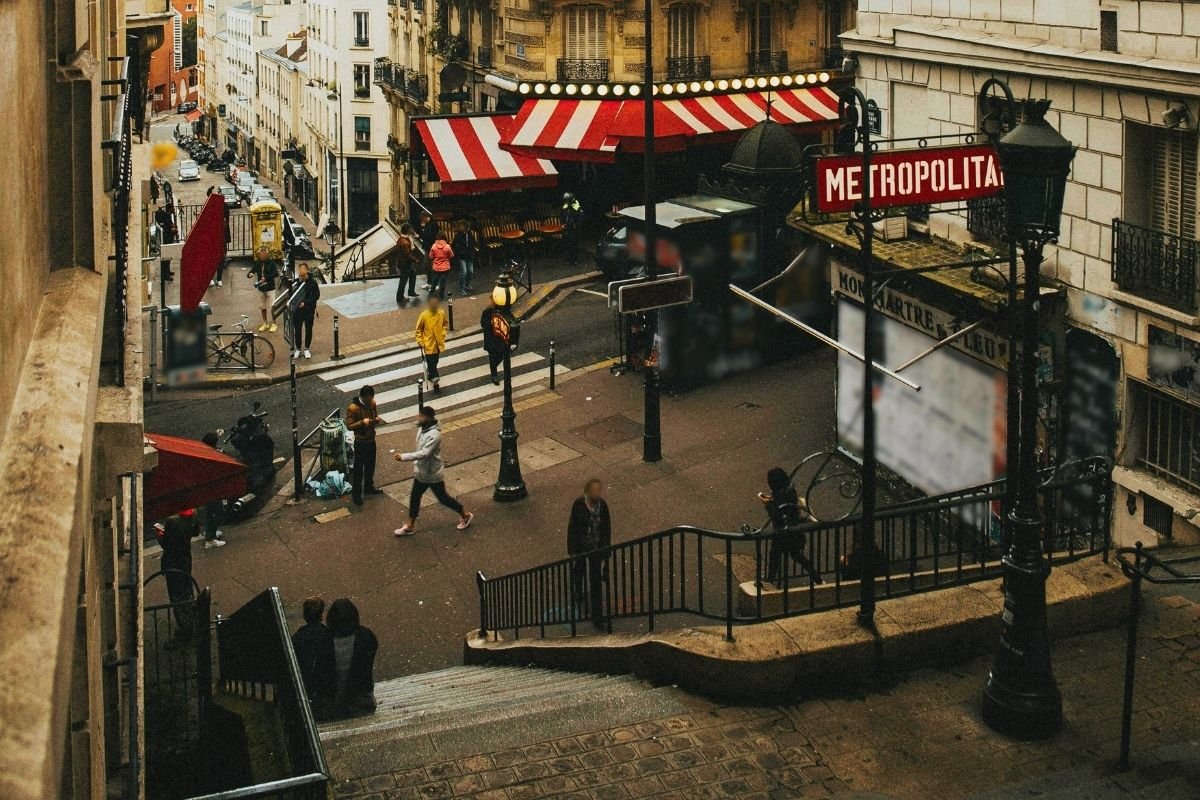
A first visit feels easier when the next meal, transport option and return route never become emergency decisions.
What Makes Paris Worth It for a First-Time Traveler?
The answer is not that Paris has more famous attractions than other cities.
Its strength is how many different versions of the trip can exist inside the same visit.
A major museum can feel intense and formal in the morning. A nearby neighborhood can feel slow and ordinary in the afternoon. The Seine can become the simplest part of the day after hours spent making decisions indoors.
This contrast is why Paris often works so well as a first major city trip.
You do not need to understand the whole city to enjoy it. You need enough structure to stop logistics from dominating the experience.
Paris for First-Time Travelers FAQ
Is Paris beginner-friendly for first-time visitors?
Yes. Paris has extensive tourist infrastructure, public transport and major attractions used to international visitors. The main adjustment is learning to leave enough time for walking, queues and transitions.
Do I need to speak French on a first trip to Paris?
No. Basic French courtesy is useful, especially greetings, but tourist-facing areas regularly serve international visitors. A translation app can handle the occasional situation where English is not enough.
Is Paris overwhelming for first-time travelers?
It can feel overwhelming when too many major attractions are placed into the same day. A simpler plan built around a few priorities usually feels much easier.
Should a first-time visitor stay near the Eiffel Tower?
Not automatically. The best base depends on the rest of your plans, evening preferences and transport needs. Use the dedicated Where to Stay in Paris guide for that decision.
Is the Paris Metro difficult for first-time visitors?
The network can look complicated initially, but most visitors adjust quickly. Large stations, transfers and exits create more confusion than the basic concept of using the Metro itself.
Should first-time visitors book every major attraction?
No. Protect the attractions that genuinely matter to you and leave enough unstructured time for neighborhoods, meals and changes in energy.
Is Paris a good first European city?
Yes, particularly for travelers who prioritize art, architecture, famous landmarks, food and historic neighborhoods. Visitors wanting a more relaxed beach-oriented or highly spontaneous trip may prefer a different first destination.
Final Verdict: Is Paris Good for First-Time Travelers?
Yes. Paris is very good for first-time travelers when expectations match the reality of the city.
You will probably walk more than expected. Transitions will take longer than they appear on the map. A few famous attractions may require more planning than you hoped.
None of that prevents Paris from being an excellent first trip.
The city becomes much easier once you stop treating every famous sight as an obligation and start protecting the experiences that matter most to you.
Plan the important parts. Keep nearby time flexible. Accept that one slow afternoon can improve the rest of the trip.
Paris does not need to be completed on a first visit. It only needs to feel worth returning to.
Last updated: September 2026.