
Choosing the right Heathrow to Central London transfer can make your first hour in the city either simple or unnecessarily tiring. The fastest train is not always the fastest way to your hotel, and the cheapest ticket is not always the easiest journey with luggage.
That is why choosing a Heathrow to Central London transfer should start with your hotel area, not the airport departure board.
For most visitors, the Elizabeth line offers the best overall balance. Heathrow Express is fastest to Paddington, the Piccadilly line is the cheapest rail option, and a taxi or private transfer becomes more attractive when luggage, children, mobility needs or a late arrival make public transport awkward.
Quick answer: Heathrow to Central London
- Fastest to Paddington: Heathrow Express — about 15 minutes from Terminals 2 & 3.
- Best overall for many visitors: Elizabeth line — direct to several useful Central London stations.
- Cheapest rail option: Piccadilly line — from £5.90 off-peak to or through Zone 1.
- Easiest with heavy luggage: Taxi or pre-booked private transfer.
- Best rule: Choose the route that gives you the simplest final connection to your hotel.

Your hotel area and luggage matter as much as the advertised airport journey time when choosing a Heathrow transfer.
Heathrow to Central London Options at a Glance
There are four practical choices for most travelers: Heathrow Express, the Elizabeth line, the Piccadilly line, and a taxi or private transfer. The important difference is not only speed. Each route reaches London in a different way.
| Option | Typical Journey | Current Cost | Main London Reach | Best For |
|---|---|---|---|---|
| Heathrow Express | About 15 min from T2 & T3 to Paddington | From £10 in advance; standard single costs more | Paddington | Maximum speed and west-central stays |
| Elizabeth line | About 28 min to Paddington; longer to stations farther east | £15.50 between Heathrow and Zone 1 | Paddington, Bond Street, Tottenham Court Road, Farringdon, Liverpool Street | Best overall balance for many visitors |
| Piccadilly line | Roughly 50 min to Central London | From £5.90 off-peak to or through Zone 1 | South Kensington, Green Park, Piccadilly Circus, King’s Cross | Lowest-cost rail option |
| Taxi / private transfer | Usually 30–60+ min depending on traffic | Variable | Direct to your accommodation | Families, heavy luggage and awkward arrivals |
Heathrow Express officially runs every 15 minutes and takes about 15 minutes between Heathrow Terminals 2 & 3 and Paddington. Advance Discounted Singles can start from £10 when bought early enough. Check current fares on the official Heathrow Express website.
The Elizabeth line takes around 28 minutes between Heathrow and Paddington and continues across Central London. TfL currently lists the pay-as-you-go fare between Heathrow and Zone 1 at £15.50. You can check current service information on the official TfL Heathrow Elizabeth line page.
The Piccadilly line remains the budget choice. Heathrow currently lists off-peak journeys to or through Zone 1 from £5.90, with a typical Central London journey of about 50 minutes. Current details are available on the official Heathrow Underground page.
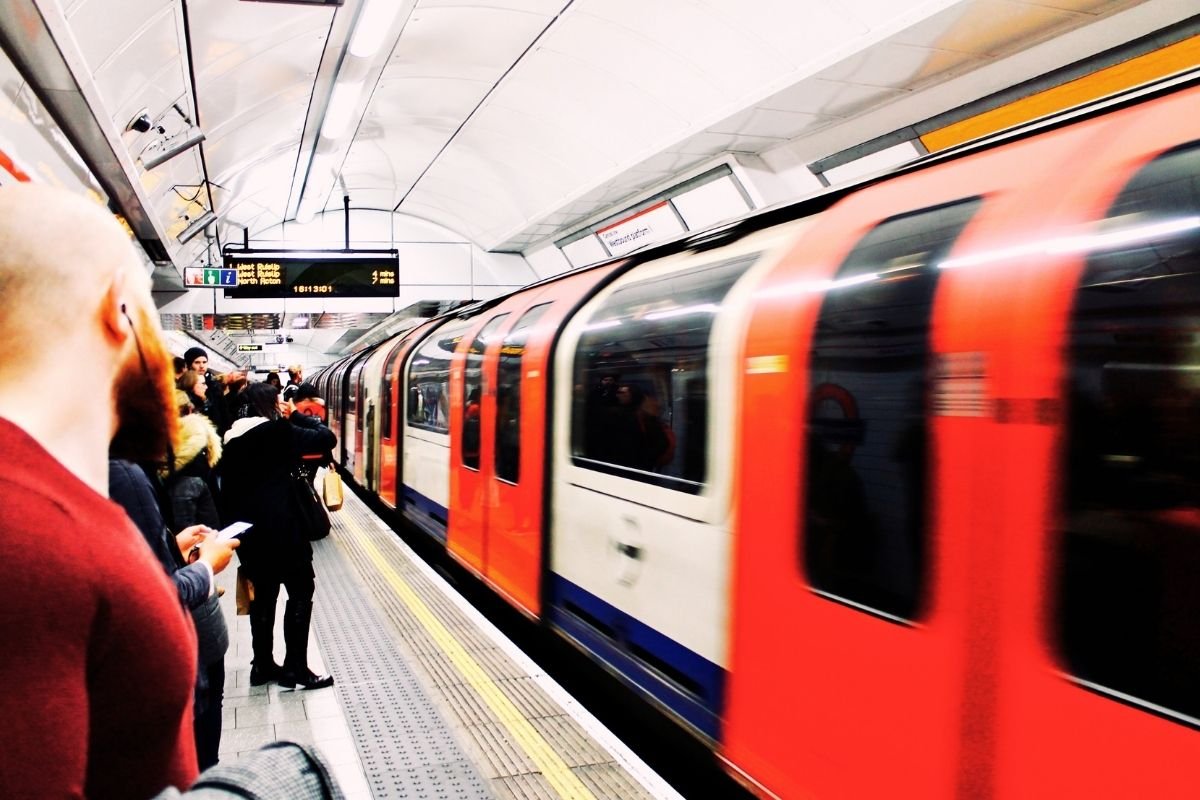
The Elizabeth line is often the easiest compromise between speed, price and useful Central London stops.
Heathrow to Central London: Choose by Your Hotel Area
The phrase “Central London” hides a major planning problem. Paddington, Soho, South Kensington, Liverpool Street and King’s Cross are all central enough for visitors, but the easiest Heathrow route can be completely different for each area.
Start with where you are sleeping, then work backward toward Heathrow.
- Paddington or Bayswater: compare Heathrow Express with the Elizabeth line. Both reach Paddington directly.
- Bond Street, Soho or Tottenham Court Road: check the Elizabeth line first because it can remove the need to change at Paddington.
- Farringdon, Liverpool Street or the City: the Elizabeth line is particularly convenient because it continues directly across London.
- South Kensington, Green Park or Piccadilly Circus: the Piccadilly line can be surprisingly practical because it may take you close to the hotel without an interchange.
- King’s Cross/St Pancras: the Piccadilly line offers a direct route, although the Elizabeth line plus an onward connection may still be faster in some situations.
- Hotel requiring several changes: compare a private transfer before assuming public transport is automatically better.
This is why door-to-door time matters more than the airport-to-station headline. Reaching Paddington in 15 minutes is impressive, but less useful if another complicated journey begins the moment you arrive.
If you have not chosen your accommodation yet, our Where to Stay in London guide can help you compare the main visitor areas before you decide how to arrive.
For a broader comparison of Heathrow, Gatwick, Stansted and the other airports, see our London Airport Transfer Guide.
Heathrow to Central London: Fastest, Cheapest and Best-Value Options
The easiest way to choose is to stop looking for one universal winner. Heathrow Express, the Elizabeth line and the Piccadilly line each solve a different problem.
Fastest: Heathrow Express
Heathrow Express is the fastest rail option to Paddington. The journey from Terminals 2 & 3 takes about 15 minutes, trains normally run every 15 minutes, and Terminal 5 adds several minutes to the journey.
Its biggest advantage is simplicity. There are no intermediate stops between Heathrow Central and Paddington, and the trains have luggage space designed for airport passengers.
The price changes the value calculation. Heathrow Express currently lists a standard single at £26, while Advance Discounted Singles can start from £10 when booked sufficiently early. That means the service can range from excellent value to a substantial premium depending on when you buy.
Choose Heathrow Express when: your hotel is near Paddington or Bayswater, you have booked a good advance fare, or the shortest possible airport rail journey matters more than reaching another part of Central London directly.
Reconsider it when: Paddington is only the beginning of another long Tube connection. In that case, the Elizabeth line may take longer from Heathrow to Paddington but still get you to your final area with less effort.
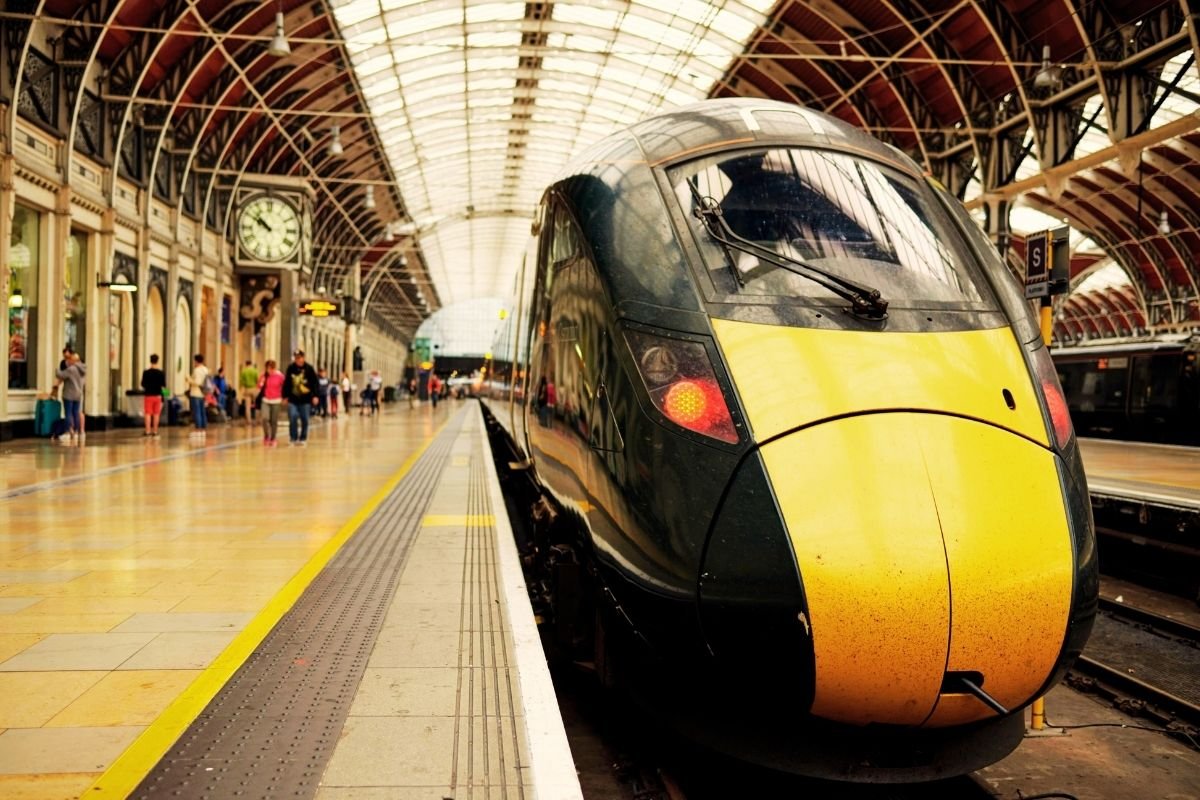
Heathrow Express is strongest when Paddington is already a useful final hub for your hotel.
Best Overall for Many Visitors: Elizabeth Line
The Elizabeth line is the option I would check first for many Central London hotels. It gives you a fast airport journey while continuing beyond Paddington to Bond Street, Tottenham Court Road, Farringdon and Liverpool Street.
That through-service is the key advantage. A traveler staying near Soho or Tottenham Court Road may avoid the extra Tube journey that would follow Heathrow Express. Someone staying around the City can continue even farther east without treating Paddington as a compulsory interchange.
TfL currently lists six Elizabeth line trains per hour serving Heathrow. All six call at Terminals 2 & 3, while service patterns to Terminal 4 and Terminal 5 differ. Therefore, always check the departure board for your terminal instead of assuming every Heathrow train follows the same branch.
The £15.50 Zone 1–Heathrow fare is more than the Piccadilly line, but the time saving and wider Central London reach can justify the difference quickly, especially with luggage.
Choose the Elizabeth line when: your hotel is near one of its central stations, you want a faster journey than the Tube, or removing an interchange matters more than finding the absolute cheapest fare.
Cheapest: Piccadilly Line
The Piccadilly line is the cheapest rail option from Heathrow into Central London. Heathrow currently lists off-peak fares from £5.90 for journeys reaching or passing through Zone 1.
The trade-off is time. A typical journey into Central London takes around 50 minutes, and the Underground can feel less comfortable with large suitcases during busy periods.
However, slower does not always mean worse. The Piccadilly line serves South Kensington, Green Park, Piccadilly Circus and King’s Cross directly. If your hotel is close to one of those stations, staying on one train may be easier than paying more for a faster airport leg followed by another interchange.
Choose the Piccadilly line when: budget matters most, you are traveling reasonably light, and your accommodation is close to the line.
Reconsider it when: you have several large bags, a stroller, limited mobility, or your hotel still requires additional changes after leaving the Piccadilly line.

A cheaper airport ticket works best when the route to your hotel remains simple after you reach Central London.
Taxi or Private Transfer: When Paying More Makes Sense
A private transfer is rarely the cheapest way into London, but price is not the only consideration after a long flight.
Families with young children, travelers with several large suitcases, people with mobility concerns, and visitors arriving at awkward hours may value a direct door-to-door journey more than a lower rail fare.
The calculation is particularly worth doing for groups. Four individual rail journeys plus an onward taxi from a Central London station can narrow the price difference more than a solo traveler might expect.
Traffic is the main weakness. A road transfer can be quick when conditions are good and frustrating when they are not, so do not choose a car because you assume it is always faster than rail.
If you want to compare a pre-booked car with the rail options, you can compare Heathrow transfer options with KiwiTaxi.
How Should You Pay for the Train or Tube?
For most visitors, contactless payment is the simplest option on the Elizabeth line and London Underground. Oyster is also supported, but there is usually no reason to buy an Oyster card purely for a single Heathrow journey if your contactless bank card or supported device works normally in London.
Use the same payment method to touch in and out. Switching cards or devices during the same journey can cause the system to treat the taps separately.
Heathrow Express accepts contactless and Oyster as well, but advance tickets can be much cheaper than simply arriving and paying the standard fare. If Heathrow Express is your preferred option, check the advance price before travel rather than treating contactless as the automatic choice.
For daily caps, Oyster, contactless and wider fare planning, see our London Public Transport Costs guide.
Heathrow to Central London With Luggage or a Late Arrival
A route that works perfectly at 2 p.m. can become a bad choice close to midnight. Flight delays, terminal differences and the final journey from the London station to your hotel all matter more late in the evening.
What If You Land Late at Heathrow?
The safest rule is simple: check the live service for your terminal on the day you travel. Do not build a late-arrival plan around a timetable you saved weeks earlier.
The Piccadilly line normally operates between roughly 05:00 and 23:30, while Night Tube service runs through the night on Friday and Saturday. However, Heathrow states that Night Tube does not serve Terminal 4, so terminal location can change the late-night plan.
The Elizabeth line and Heathrow Express follow different operating schedules, and engineering work can also affect evening journeys. Therefore, a flight scheduled to land late should always have a backup option.
If public transport would leave you with several changes after a delayed arrival, you can compare pre-booked Heathrow transfers with GetTransfer.

Late arrivals deserve a backup plan because rail and Tube operating patterns are not identical across Heathrow terminals.
Luggage Can Change the Best Route
A transfer that looks easy on a map can feel very different with two suitcases. Long station corridors, busy platforms and unnecessary interchanges create most of the frustration.
Heathrow Express provides dedicated luggage space, which is useful for travelers carrying larger bags. The Elizabeth line also works well with luggage because it can remove a Central London interchange for many hotel areas.
The Piccadilly line remains perfectly usable with normal luggage, but crowded periods and longer Underground journeys can make it less comfortable. If you have a stroller or multiple large cases, compare the entire route rather than focusing only on ticket price.

Large bags make station changes more important, so reducing unnecessary interchanges can be worth paying slightly more.
What About Step-Free Access?
If mobility or step-free access matters, the Elizabeth line is particularly useful. TfL states that all Elizabeth line stations are step-free from street to platform, while the central section and Heathrow also provide level access between platform and train.
That does not mean every onward Underground connection is equally accessible. Check the complete journey, especially if you need lifts at the final station.
Use TfL’s official step-free access information before travel.
Do You Need Mobile Data When You Land?
You can make the journey without buying a local SIM at the airport, but working mobile data is useful for live service changes, walking directions and finding the correct hotel exit after you reach Central London.
Save your hotel address offline before the flight. If you want data ready as soon as you land, you can compare UK eSIM options with Yesim.
How to Choose Your Heathrow Transfer in 60 Seconds
If you do not want to compare every detail, use this decision sequence:
- Is your hotel near Paddington or Bayswater? Compare Heathrow Express and the Elizabeth line. Heathrow Express wins when the extra speed is worth the fare.
- Are you staying near Bond Street, Soho, Tottenham Court Road, Farringdon or Liverpool Street? Check the Elizabeth line first because it may take you there without a change.
- Are you near South Kensington, Green Park, Piccadilly Circus or King’s Cross and traveling light? The Piccadilly line can be the strongest budget option.
- Do you have children, several large bags or mobility concerns? Favor the route with the fewest changes, even if another option is slightly cheaper.
- Are you landing very late? Check live service before leaving the terminal and keep a private-transfer backup if the remaining public transport is awkward.
For most first-time visitors who do not yet have a strong preference, the Elizabeth line is the best place to start the comparison. It is fast, reaches several useful Central London stations directly, and usually avoids paying a premium simply for the shortest ride to Paddington.
Heathrow to Central London FAQ
What is the fastest way from Heathrow to Central London?
Heathrow Express is the fastest rail service to Paddington, taking about 15 minutes from Terminals 2 & 3. It is most useful when Paddington also works well for your hotel.
What is the cheapest way from Heathrow to Central London?
The Piccadilly line is the cheapest rail option. Off-peak journeys from Heathrow to or through Zone 1 currently start from £5.90, although the trip takes longer than Heathrow Express or the Elizabeth line.
Is the Elizabeth line better than Heathrow Express?
For many hotels, yes. Heathrow Express is faster to Paddington, but the Elizabeth line continues directly to Bond Street, Tottenham Court Road, Farringdon and Liverpool Street. If one of those stations is closer to your hotel, the Elizabeth line can produce an easier door-to-door journey.
Is Heathrow Express worth the extra cost?
It can be, especially if you book a low advance fare or stay near Paddington. It is harder to justify when you pay the full standard fare and still need another long connection after reaching London.
Can I use contactless from Heathrow to London?
Yes. Contactless payment is accepted on the Elizabeth line, Piccadilly line and Heathrow Express. Use the same card or device for the complete pay-as-you-go journey.
What should I do if I land at Heathrow late at night?
Check the live service for your exact terminal before leaving the airport. The Piccadilly line, Elizabeth line and Heathrow Express do not share identical operating hours, and late-night service can also vary by terminal and day of the week.
Final Verdict
For most visitors, the Elizabeth line is the strongest all-round Heathrow to Central London option. It combines a relatively fast journey with direct access to several useful central stations.
Heathrow Express remains the clear speed winner for Paddington. The Piccadilly line remains the budget winner, especially when your hotel is already near one of its central stations. A private transfer becomes more attractive when luggage, children, accessibility or a late arrival makes multiple rail changes harder than they are worth.
The best route is not the one with the shortest advertised time. It is the one that gets you from your Heathrow terminal to your actual hotel with the fewest unnecessary problems.