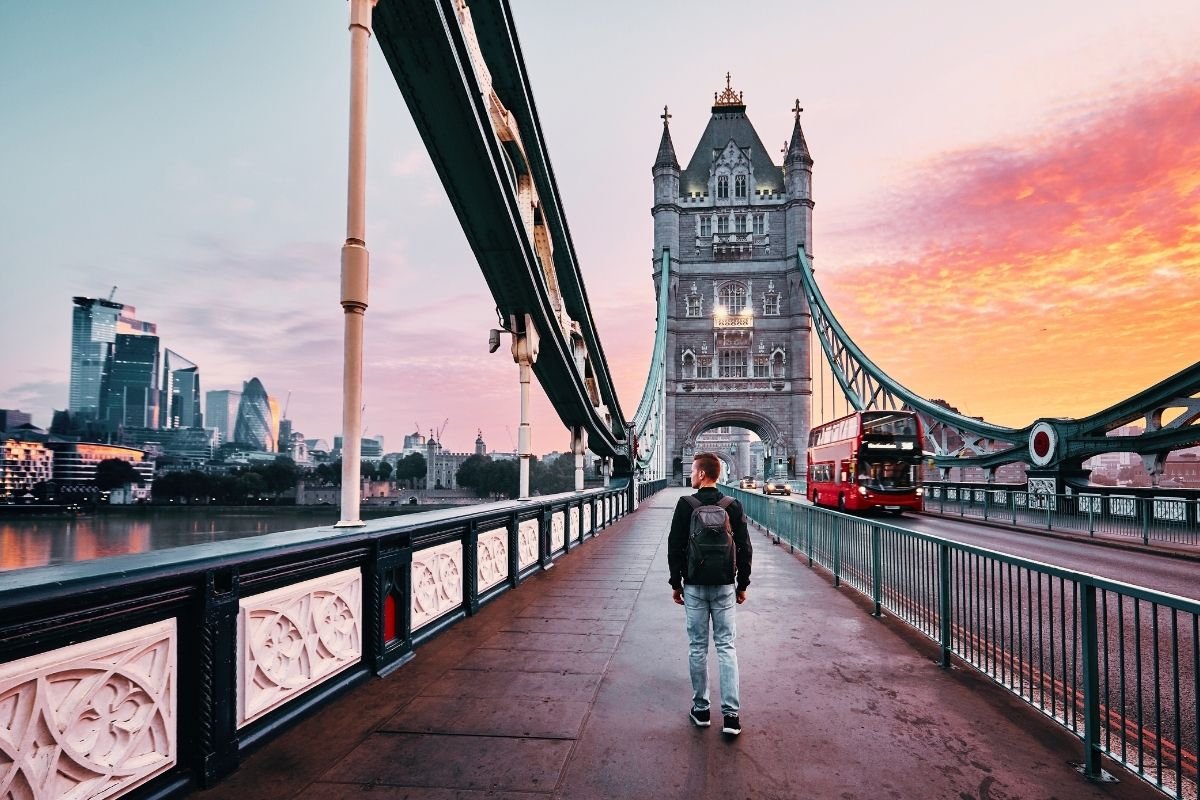
If you have one day in London, you don’t need more ideas. You need a London 1 Day Itinerary (2026) that doesn’t crack under pressure.
London doesn’t ruin one-day trips with one big mistake. It ruins them with a chain of small frictions: the queue that steals your morning, the station exit that sends you the wrong way, the “we’ll just improvise” decision that turns into paid fixes, and the slow fatigue that makes you choose the easiest option instead of the smart one.
This London 1 Day Itinerary (2026) is built for real travel behavior: you land (or wake up) slightly rushed, you underestimate how fast time disappears, and London punishes vague plans. So we’re not doing a “top 10.” We’re doing a day that stays stable.
The structure is simple on purpose: two protected anchors, one walking spine, and one reset pocket. You’ll still get the icons, but you’ll get them in an order that keeps your timing intact—so the day feels like London, not like a repair mission.
If you’re arriving the same day, make your first hour clean. A messy airport-to-hotel transfer is how people start late and spend the whole day chasing time. Use this before you lock your morning:
London Airport Transfer Guide 2026: Heathrow, Gatwick, Stansted, Luton & City.
And if you still haven’t chosen your base, don’t underestimate it. In a one-day trip, a “slightly inconvenient” hotel becomes a time leak:
Where to Stay in London (2026): The Base That Makes London Feel Easy.
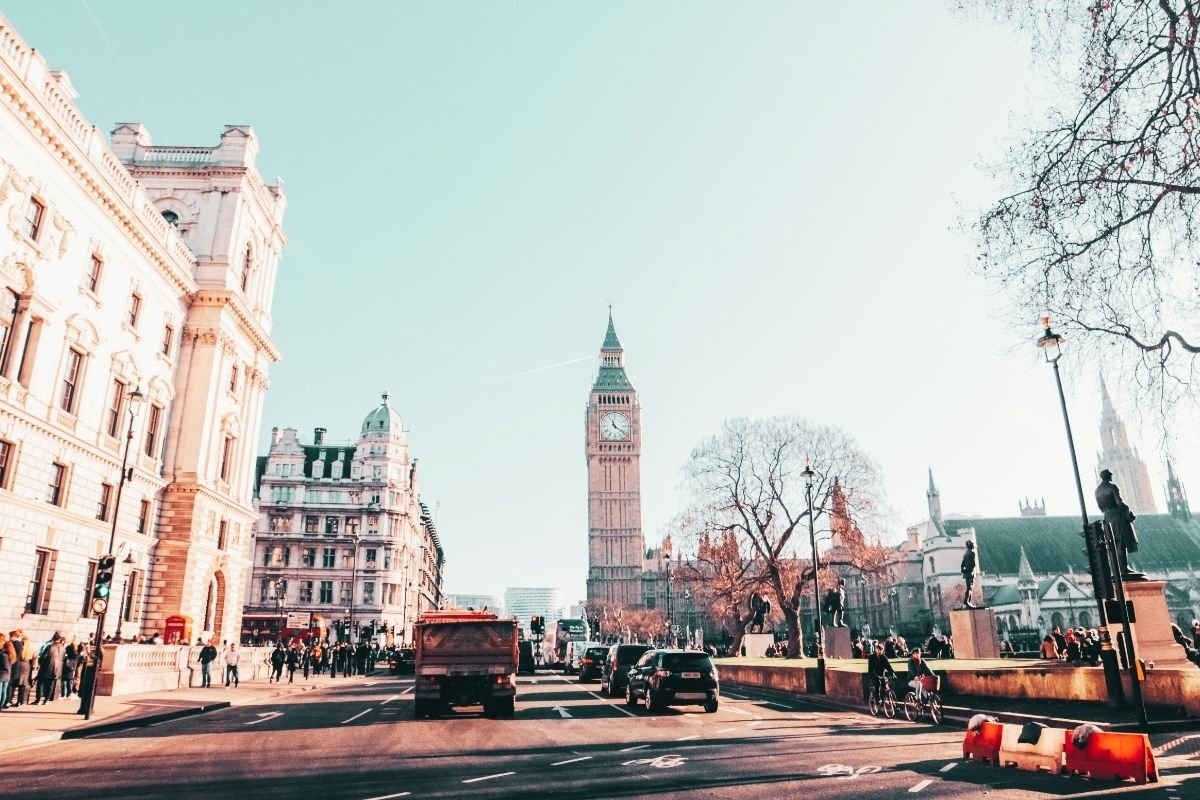
A one-day London plan survives when the first hour is clean: low friction, simple walking, and no wasted transfers.
The one-day rule: protect two anchors, not the whole day
Most people try to “do everything” in a day, then London punishes them with queues and transit friction. The stable strategy is simpler:
Anchor 1 (morning): one timed entry you protect.
Anchor 2 (late afternoon): one timed entry you protect.
Walking spine: a connected route between them that doesn’t force backtracking.
Reset pocket: one calm break that prevents fatigue decisions.
This is where a single timed-entry anchor makes sense—because you’re not buying your whole day, you’re protecting the two moments that keep everything else from collapsing:
choose one timed-entry anchor ticket for London.
For transport, keep it simple: use contactless/Oyster and don’t overthink fares mid-day. If you want the official explanation from the source (so you don’t guess wrong on the spot), use this:
TfL guide: how to pay for travel (contactless & Oyster).
London 1 Day Itinerary (2026): the stable shape of the day
We’re going to run London like a clean loop. Not “zig-zag icons,” but a route that keeps you in one logical corridor and saves your legs for the parts that matter.
Corridor: Westminster → St James’s Park → Buckingham area → Trafalgar/Covent Garden → (Afternoon anchor) → river walk finish.
Why this works: you start with outdoor icons that don’t break your clock, then you place the paid/timed pieces at the moments where queues would otherwise steal the day.
08:00–09:15 — Westminster start (icons without friction)
Start at Westminster because it gives you maximum “London impact” with almost zero complexity. You get Big Ben, Parliament, and the river atmosphere without committing to a long queue before your brain is fully online.
Walk the bridge viewpoint, take your photos early, and keep moving. The mistake here is lingering until crowds rise, then starting your day already behind.
09:15–11:15 — Morning anchor (choose ONE and protect it)
This is where most one-day plans break: people leave the morning “open,” then they get eaten by the first big queue. Instead, pick one morning anchor and protect it with timed entry.
Option A (history-heavy): a major historic site as your first anchor.
Option B (classic London interior): a landmark that feels “worth it” even if weather turns.
Whatever you pick, the rule is the same: arrive 15–20 minutes early, don’t gamble on walk-up lines, and don’t stack a second big queue right after it. Your day is one chain—break one link and everything shifts.
11:15–12:15 — Walking spine through St James’s Park (the “day saver”)
After your anchor, don’t jump into another indoor funnel. Walk through St James’s Park. This is your buffer builder: it resets your energy, keeps the trip feeling open, and prevents that “we’re tired, let’s pay for convenience” pattern.
If you want to pass Buckingham area, do it as a flow moment, not a time sink. The point is to keep momentum without turning the middle of the day into a slow crowd fight.
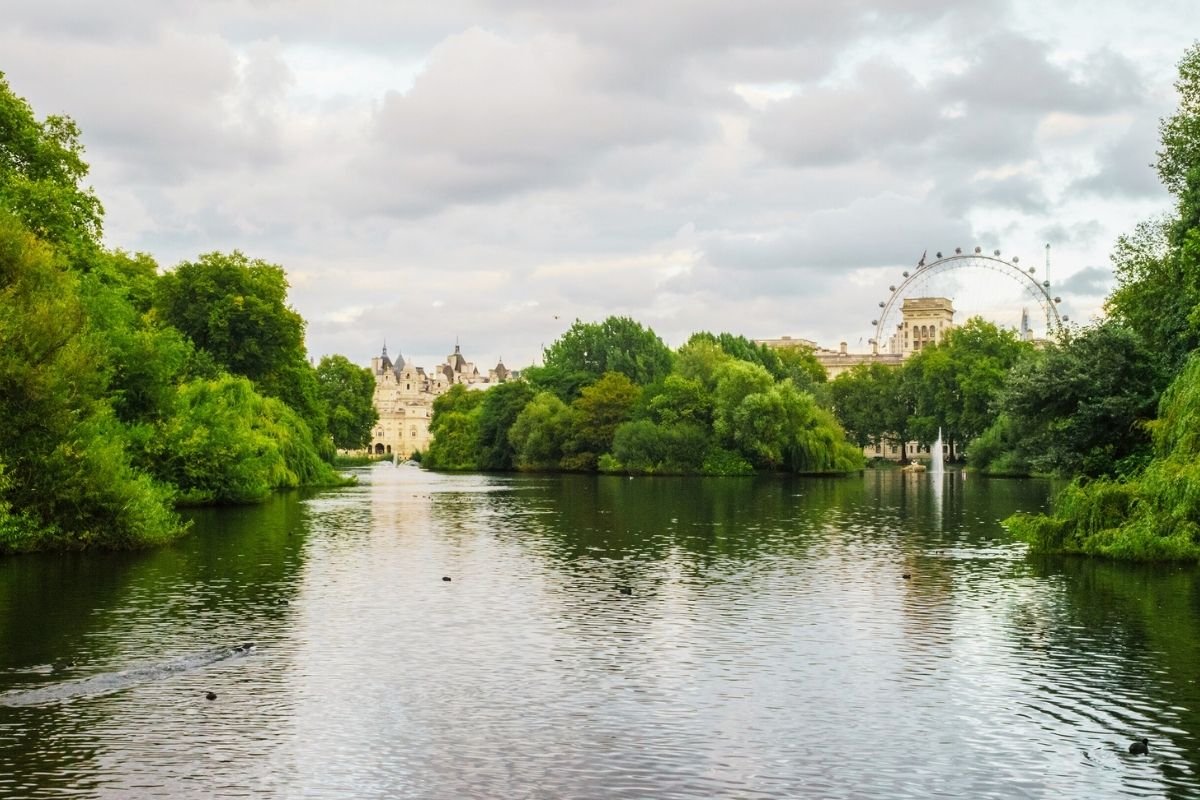
A reset pocket is not “extra.” It’s what stops fatigue decisions that quietly destroy one-day plans in London.
12:15–13:30 — Lunch in a tight zone (don’t commute your own day away)
Lunch is where people lose an hour without noticing. Keep it inside the same corridor—Trafalgar/Covent Garden area works because it keeps you close to the afternoon route.
Don’t choose lunch based on hype. Choose it based on speed + location + recovery. A one-day plan survives when lunch restores you instead of dragging you into a queue or a long detour.
If you want a hotel-base shortcut for future trips (so you don’t repeat the same friction), this is the type of booking link that fits naturally:
compare London hotels by location and transport links.
In PART 2, we’ll run the afternoon block (the second protected anchor), the clean finish that feels “London” without chaos, and the exact order that keeps commuting minimal.
PART 1 built the day’s skeleton: one corridor, two protected anchors, and one reset pocket so London doesn’t turn into a repair mission.
Now PART 2 runs the afternoon and evening in the same TripsCity way: stable timing, minimal commuting, and choices that still feel like “London” without letting queues and friction steal your last hours.
13:30–14:15 — The “don’t break the day” transfer (one simple move only)
After lunch, your goal is not to “go somewhere famous.” Your goal is to set up your second anchor without bleeding time.
If your afternoon anchor is near a major hub, keep it simple: one direct line or one clean walk. If the route requires multiple changes, it’s a fragile move—and fragile moves are where you arrive late and lose your slot.
If you’re unsure about the city’s movement logic (because it affects every micro decision today), keep this as your foundation:
How to Get Around London (2026): Tube, Buses, Oyster & Contactless.
14:15–16:15 — Afternoon anchor (this is where London usually steals time)
This is the second “protected” piece of the day. In real London behavior, the afternoon is where lines get heavier and your energy gets lower—which is exactly why your second anchor should be a timed-entry choice, not an improvisation.
Pick one anchor. Not two. If you stack two paid funnels back-to-back, you’ll either rush or you’ll collapse into paid fixes (taxis, last-minute upgrades, skipping what you already paid for).
Keep it simple: one timed-entry anchor that protects the afternoon without turning the day into a paid marathon:
book one timed-entry London experience for your afternoon slot.
The key is not what you pick. The key is that it fits your corridor and doesn’t require heavy transfers to reach the finish.
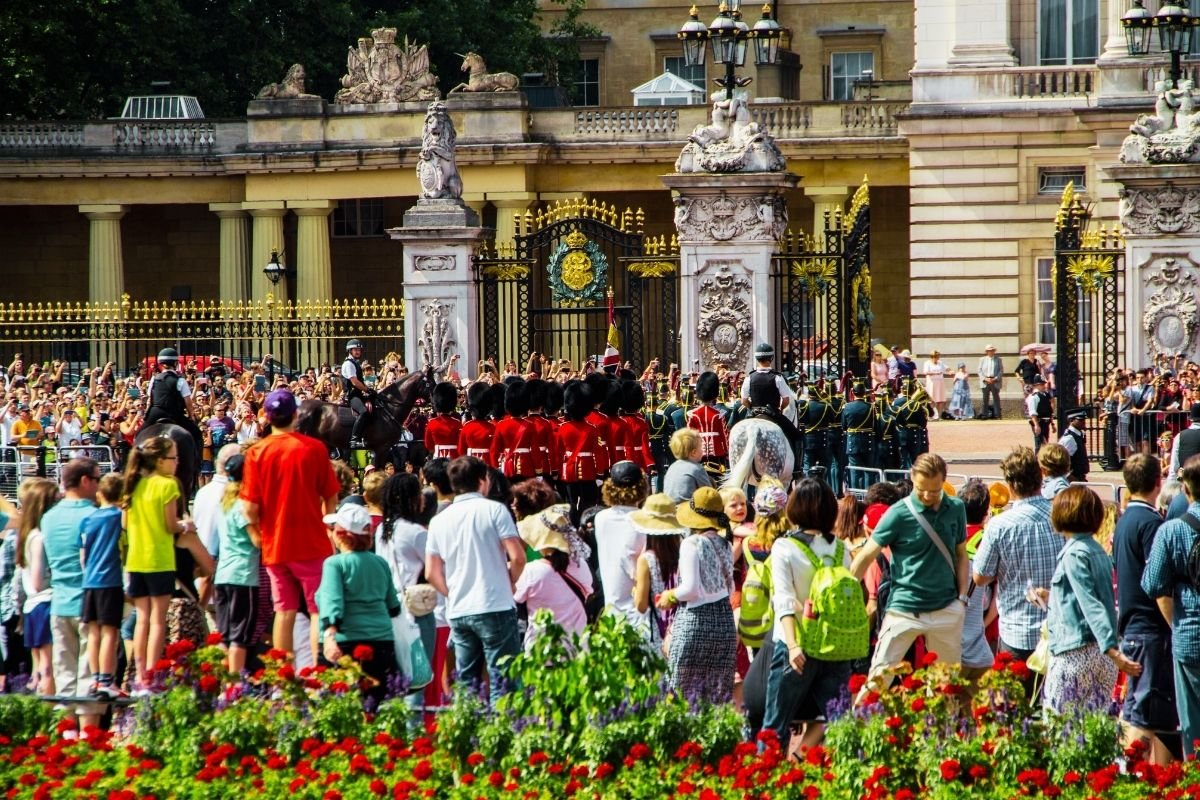
In a one-day trip, afternoon queues are where London steals hours. A single timed-entry anchor protects the day from collapsing.
What to avoid in the afternoon (this is where one-day itineraries die)
1) Two-zone jumps: going far across the city for “one more sight” looks fine on maps and backfires in real time.
2) Double-queue stacking: one long indoor funnel after another is how you finish the day exhausted and reactive.
3) Late slot gambling: arriving late to a timed entry creates panic decisions and repair spending.
16:15–17:15 — The “London feels like London” walk (low friction, high reward)
After your anchor, don’t do another funnel. This is where you take London’s payoff in the cheapest way: a connected walk that makes the city feel cinematic without tickets or queues.
Keep it simple: walk toward the river corridor and let the city do the work. Your goal is not maximum distance. Your goal is maximum “London” per minute without draining your battery (literal and mental).
If you want a clean reset while you’re moving, plan a short stop that doesn’t trap you in a line. The point is to keep rhythm, not to add another time sink.
17:15–18:30 — Dinner strategy (your last hours are fragile)
One-day trips often end badly because people treat dinner like an afterthought—then they end up commuting to it, queuing for it, or choosing a place that kills their energy.
Choose dinner by zone + speed. Stay close to your finish corridor so you don’t waste the last daylight (or the last good energy) inside trains and station corridors.
If your hotel is far and you’re returning later, this is where base selection matters—because a friction base turns the end of the day into a commute:
Where to Stay in London (2026): The Base That Makes London Feel Easy.

The best one-day finish in London is low-friction: a river walk corridor that feels big without costing time or energy.
18:30–20:00 — The clean finish (no pressure, no panic)
The finish should feel like relief, not like a race.
If you still have energy, keep it outdoor and simple. If you’re tired, don’t force one last “must-do.” That’s when people start paying for convenience and ending the day annoyed.
And if you’re traveling tomorrow, protect your morning by keeping tonight clean. London punishes late-night complexity with slow starts.
In PART 3, we’ll give you the exact “choose-your-version” swaps (rain plan vs clear plan, first-timer vs repeat visitor, winter short-day vs summer long-day), plus a practical FAQ so the itinerary stays executable, not just readable.
PART 1 built the skeleton. PART 2 ran the afternoon without letting London steal time. Now PART 3 gives you the swaps—because the one-day plan only “wins” when it matches the version of London you actually landed into.
London doesn’t break one-day itineraries with one big problem. It breaks them with small mismatches: a rainy day treated like a walking day, a winter day treated like a summer day, a first-timer plan overloaded with “icons,” or a repeat-visitor plan that accidentally becomes a commute.
This section is the fixes. Clean swaps. No extra complexity.
London 1 Day Itinerary (2026): the one rule that keeps the whole day stable
Your day must stay inside one connected corridor.
If you remember nothing else: don’t zigzag across London. You can do “a lot” in one day, but only if your movement stays coherent. The moment you start crossing zones for “one more thing,” you start paying with time, energy, and repair decisions.
If you want the full base-and-movement logic that makes one-day planning easier, keep these two foundations ready:
Movement system: How to Get Around London (2026): Tube, Buses, Oyster & Contactless
Base strategy: Where to Stay in London (2026): The Base That Makes London Feel Easy
London 1 Day Itinerary (2026): Rain plan swap (how to keep the day alive without queues)
Rain doesn’t ruin London. Rain compresses London. Everyone has the same idea at the same time: go indoors. That’s how you end up stuck in corridors and lines, watching the clock bleed.
So your rain plan is not “more museums.” Your rain plan is one indoor anchor + one indoor-friendly loop, then get back outside in short windows when the weather eases.
Rain swap rules:
1) Keep only one timed-entry anchor (afternoon is usually safest).
2) Replace long walking stretches with short “pocket walks” between nearby clusters.
3) Avoid stacking indoor funnels back-to-back. That’s how you lose half the day.
If you want a clean “protect the slot” move on a rain day, this is where one booked anchor prevents panic choices:
choose one timed-entry London slot so the afternoon doesn’t collapse.
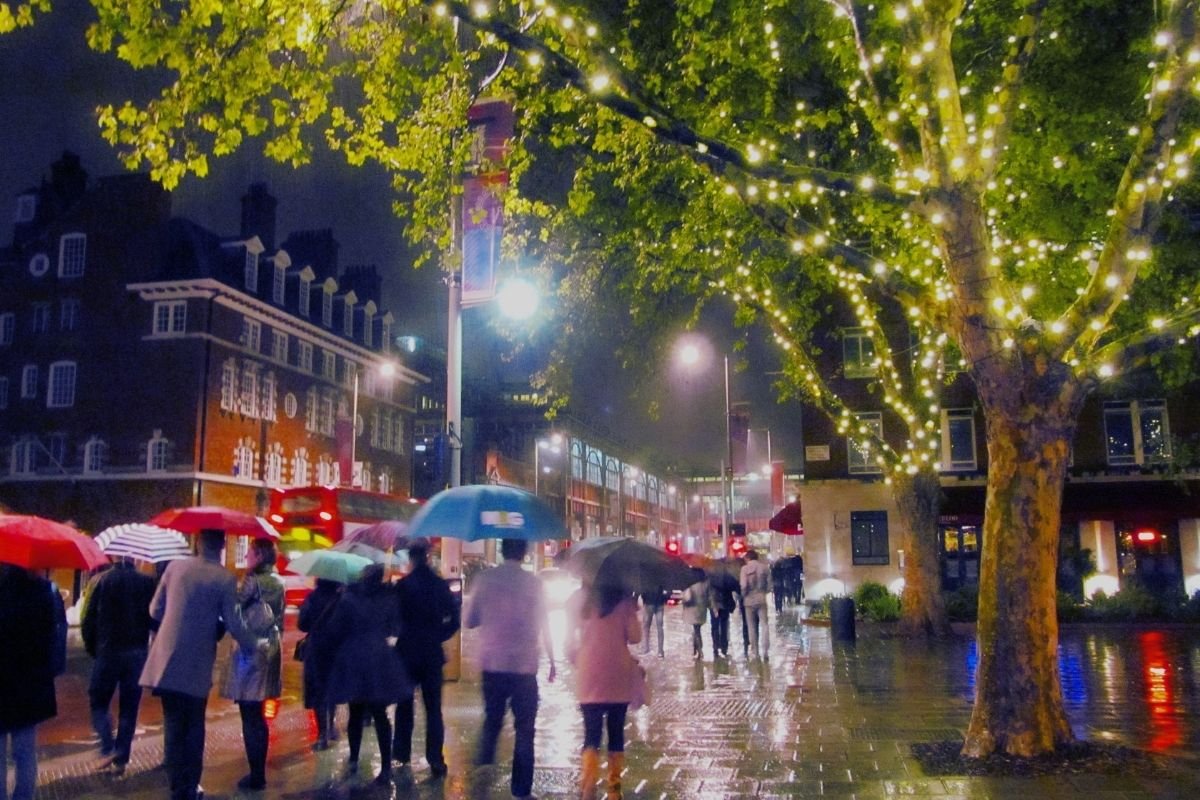
Rain days don’t break plans because they’re wet. They break plans because everyone compresses indoors and time disappears in queues.
London 1 Day Itinerary (2026): Winter short-day swap (the plan that still works when darkness comes early)
Winter London is not “bad.” It’s just less forgiving if you start late.
Short-day London punishes two habits: late starts and wide movement. You lose daylight buffer, then you rush, then you make mistakes, then you pay for convenience.
Winter swap rules:
1) Start earlier than you want to.
2) Cluster tighter than you think you need to.
3) Put the “most important” anchor earlier in the day so you’re not racing darkness.
If your one-day visit happens in a short-day window, you’ll feel the difference immediately: the city closes faster, and your plan needs fewer moving parts.
London 1 Day Itinerary (2026): Summer long-day swap (how to use daylight without burning your energy)
Summer gives you daylight advantage, but it also gives you pressure. The mistake is using long days to add more commuting.
Use the extra daylight to slow down inside the same corridor: more time for neighborhoods, river walk rhythm, and resets. Not more “cross-city trophies.”
Summer swap rules:
1) Keep the same corridor, just widen the walking window.
2) Protect energy with one reset pocket (park, calm street loop).
3) Anchor earlier if you hate crowds, because summer afternoons get heavier.
London 1 Day Itinerary (2026): Choose your version (pick one, don’t mix)
This is where most people break the day: they try to run two versions of London in one day.
Version A — First-timer, iconic, clean: two anchors max, corridor stays tight, no cross-city jumps.
Version B — Repeat visitor, neighborhoods, calm: one anchor max, longer walks, more “London mood,” less funnel time.
Version C — Budget-protecting day: fewer paid fixes, fewer transport hops, more walkable loops.
If you want the budget logic that stops one-day trips from bleeding money in “repairs,” keep this ready:
London Public Transport Costs Explained (2026).
London 1 Day Itinerary (2026): The mistake that ruins the finish
The finish ruins itself when you try to “force one more major thing” at the exact moment your energy drops.
That’s when you start paying for relief: faster rides, last-minute tickets, longer rides to “fix” timing, and choices that feel expensive because you’re no longer deciding calmly.
The best finish is low-friction and local to your corridor. London doesn’t need a dramatic ending. It needs a clean ending.
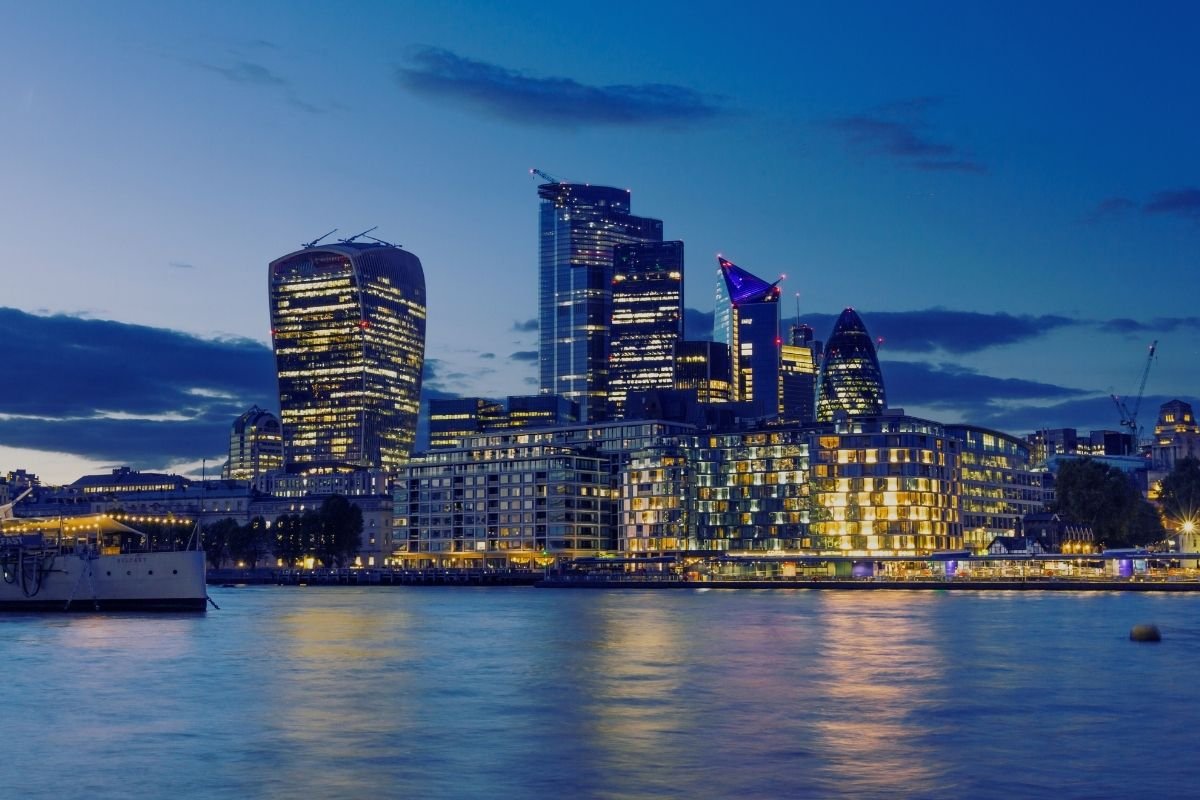
A one-day plan survives when the ending is low-friction. The city feels bigger when you stop fighting it.
FAQ (Practical, Real-Arrival Questions)
1) What is the best starting point for a London 1 day itinerary in 2026?
The best starting point is the one that keeps you inside one corridor from the beginning. Start near a major hub that matches your morning block so you don’t waste the first hour on transfers.
2) Can I do London in one day without rushing?
Yes—if you keep the plan tight: one corridor, one or two anchors max, and a real reset pocket. The day breaks when you zigzag across the city or stack queues.
3) What if I don’t want to book anything in advance?
Then protect the day by reducing “queue risk”: keep movement simple, choose flexible blocks, and avoid stacking indoor funnels. On high-pressure days, one timed-entry anchor prevents the afternoon from collapsing.
4) What is the best London 1 day itinerary for winter?
Start earlier, cluster tighter, and place your most important block earlier in the day. Winter days punish late starts because darkness removes your buffer.
5) What is the biggest mistake people make on a one-day London plan?
Cross-city jumps. They look small on maps and become expensive in real time—corridors, transfers, missed timing, and repair spending.