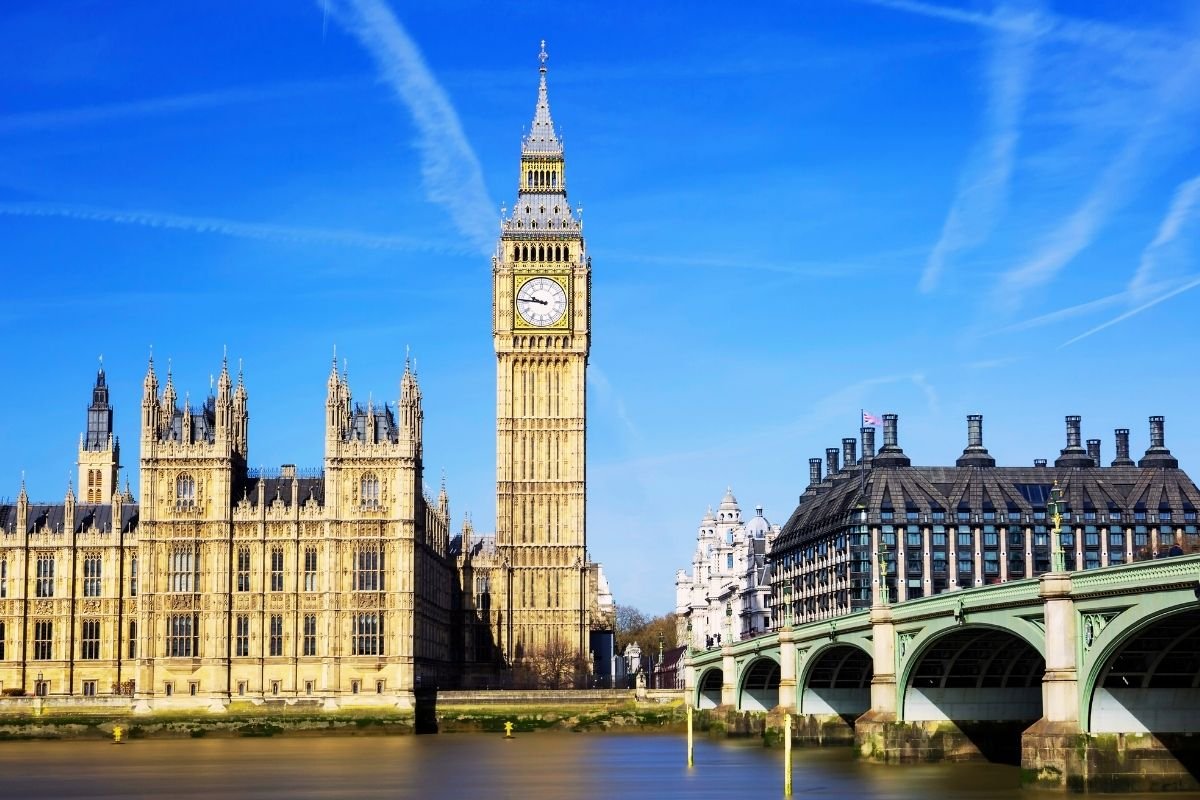
A London 5 day itinerary gives first-time visitors enough time to see the city’s major sights, explore several neighborhoods, visit a museum, and still leave room for a flexible final day. The mistake is assuming five days means you can fit everything in.
This itinerary avoids that trap by grouping each day geographically, limiting unnecessary Tube journeys, and building in enough flexibility for queues, weather, and tired legs.
Quick answer: five days is enough for a strong first trip to London. The plan below covers Westminster, the South Bank, Royal London, South Kensington, the City and Tower area, plus a choice between Greenwich, Camden, or a carefully planned day trip on Day 5.
| At a glance | What this plan is built for |
|---|---|
| Pace | Balanced (calm mornings + controlled afternoons) |
| Daily walking | Medium–High (protected with buffers) |
| Prebook priority | Day 4 (Tower) + 1 major museum (only if you want a timed exhibit) |
| Best base | Zone 1–2, short station walk, direct/one-change routes |
Station-walk rule: For a five-day trip, prioritize a short walk between your hotel and the nearest useful station. An extra 12–15 minutes each way may seem minor, but repeated twice a day for five days it becomes a noticeable part of your trip.
Quick navigation: Day 1 | Day 2 | Day 3 | Day 4 | Day 5 | FAQ

London is not a city you “wing” for five days. The itinerary has to survive fatigue, queues, and wrong turns.
London 5 Day Itinerary at a Glance
| Day | Core Area | Day Anchor | Secondary Anchor | Buffer Purpose |
|---|---|---|---|---|
| Day 1 | Westminster + South Bank | The “London core” spine | River sequence + one viewpoint moment | Absorb queues + keep day coherent |
| Day 2 | Royal London + West End edge | Parks + royal spine | Classic streets loop | Prevent over-stacking after Day 1 |
| Day 3 | South Kensington + one neighborhood | Museum anchor | Neighborhood reset walk | Energy recovery (avoid day-3 collapse) |
| Day 4 | City + Tower side | Old London walk | Tower side finish + riverside close | Control walking load + queue risk |
| Day 5 | Flexible (your ending) | Greenwich OR Camden | Parks/market finish | Keep last day from turning messy |
What should you prebook? Prioritize the Tower of London on Day 4, any timed museum exhibition you specifically want to see, and a Day 5 day trip only if you have committed to one destination. Avoid prebooking every part of the itinerary; flexibility is what keeps these five days workable.
London 5 Day Itinerary Budget: Daily Planning Ranges
London travel budgets break for two reasons: people underestimate daily friction, and they overestimate how much they can “push” their day.
For this London 5 day itinerary, use the following daily costs as planning ranges rather than fixed promises:
| Category | Planning Anchor (Per Person / Per Day) | What Usually Breaks It |
|---|---|---|
| Transport (pay-as-you-go cap mindset) | £8.90/day for Zones 1–2; £10.50 for Zones 1–3; £12.80 for Zones 1–4 | Staying far out or bouncing across the city repeatedly |
| Food (typical range) | ~£25–£60/day depending on style | Convenience spending because the plan is too tight |
| Attractions | ~£0–£60/day depending on choices | Buying tickets to “repair” a day you lost to queues |
Note: These are planning ranges for central sightseeing days (often Zone 1–2). Always check current fare caps before you travel.
For more detailed planning, see our London Budget Guide and Is London Expensive? guide.
For transport specifically, see London Public Transport Costs, and check the official TfL fare capping page for current fare information.
Even if you are not traveling on a tight budget, inefficient movement can still cost you time and money. A well-organized route usually makes a bigger difference than trying to squeeze more stops into each day.
If you want the full transport logic for the Tube, buses, Oyster and contactless payments, read our How to Get Around London guide.
If you still need to choose a convenient base, see our Best Areas to Stay in London for First-Time Visitors guide.
2
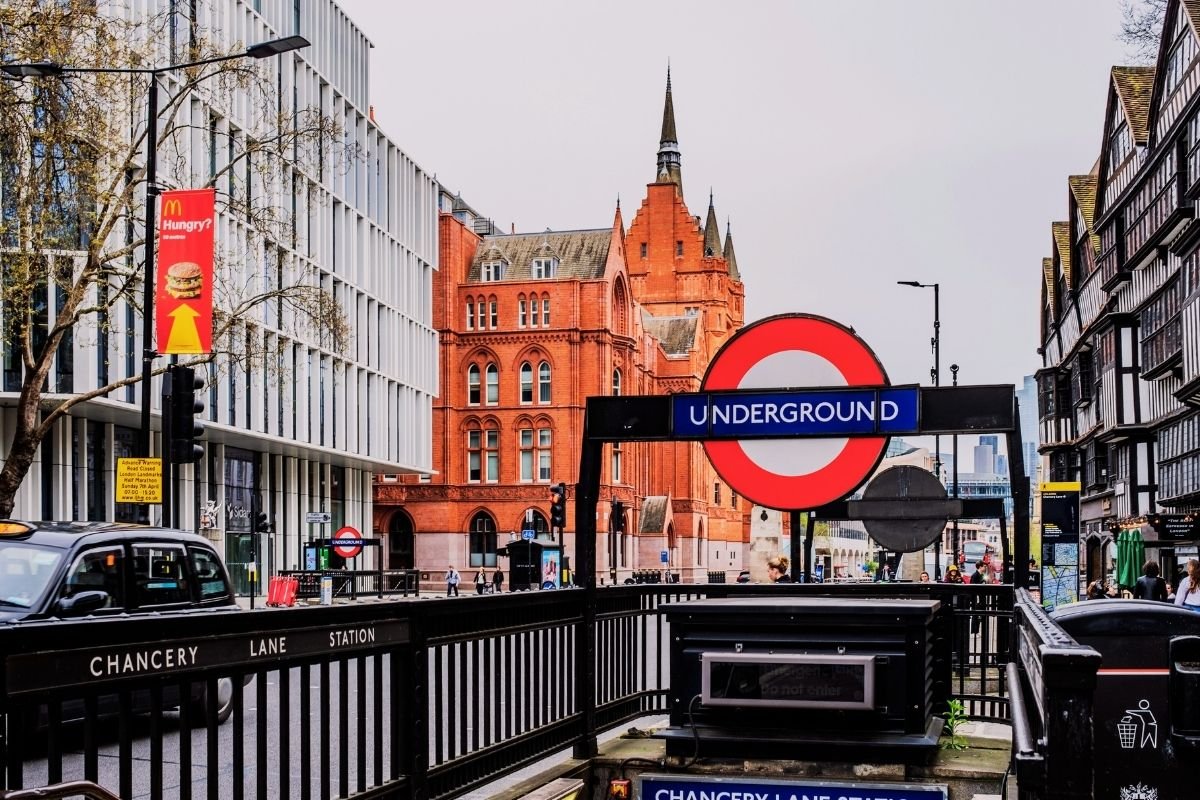
Your real London address is the station you can reach easily. A good base turns a 5-day itinerary into a smooth sequence.
London 5 Day Itinerary – Day 1: Westminster & South Bank
Day 1 of this London 5 day itinerary starts with Westminster and the South Bank, using one compact route so you can see major sights without wasting your best energy on unnecessary transport.
Closest stations: Westminster, Waterloo.
08:30 – 09:30 | Start early at Westminster
This is where tourists either win or lose the day. Early hours are calmer, photo-friendly, and emotionally easier. You want London to feel “big,” not “crowded.”
09:30 – 12:30 | Walk the South Bank
This is one of the most important choices on Day 1: follow a walkable river sequence to reduce transport changes and unnecessary decisions. The route stays simple, and you save more energy for the afternoon.
12:30 – 13:30 | Lunch near your next stop (no transport detour)
Keep lunch near your next stop rather than making a separate transport detour. A simple meal nearby leaves more time and energy for the afternoon.
13:30 – 16:00 | Choose One Strong Afternoon Anchor
Option A (Viewpoint): London Eye or Sky Garden (choose 1).
Use this when the weather is decent and you want a “reward moment” without scattering the day.
Option B (History): Westminster Abbey or Churchill War Rooms (choose 1).
Use this when you want one deep interior stop that feels meaningful, not random.
Option C (Museum): Tate Modern (best if you’re already staying on the river rhythm).
Use this when you want an indoor anchor that doesn’t force complicated transport.
16:00 – 18:30 | Flexible Time on the South Bank
This block exists so the itinerary survives reality. If queues were longer than expected, you absorb the delay here. Tired travelers can simply end the day early without guilt. When everything runs on schedule, add a calm extra loop nearby.
Day 1 cut rule (when things go wrong): cut the extra stop, not the sequence. London is not a city where “adding one more thing” is free.
London 5 Day Itinerary – Day 2: Royal London & Classic Streets
Day 2 of this London 5 day itinerary focuses on Royal London and a compact West End finish. The goal is to keep the route walkable and avoid turning a simple day into a chain of unnecessary Tube rides.
Closest stations: St James’s Park, Green Park.
Today’s priorities: Buckingham Palace area + St James’s Park + Trafalgar Square or Covent Garden.
08:45 – 09:30 | Start in St James’s Park
Begin with a short walk through St James’s Park before moving into the royal sights. It gives you an easy start to the day and keeps Buckingham Palace, the park, and the next stops within one compact walking area.
Allow around 45 minutes unless you want a slower breakfast or longer walk.
09:30 – 11:30 | Buckingham Palace & the Royal London Walk
Continue toward Buckingham Palace and keep this part of the morning mostly outdoors. That preserves your schedule and lets you decide whether any interior visit is worth the extra time.
Decision rule: if an unexpected queue threatens the rest of the morning, keep moving rather than forcing an attraction simply because it was on the original plan.
11:30 – 12:30 | Walkable transition (do not Tube for one stop)
This is one of the biggest hidden mistakes: people jump on the Tube for a one-stop move and lose time to stairs, platforms, and exits. If the next section is walkable, protect the rhythm and stay above ground.
12:30 – 13:30 | Lunch near the next anchor (no detours)
Eat close to your next afternoon area rather than crossing London for a specific restaurant. A simple meal near Covent Garden, Soho, or your chosen afternoon loop keeps the route efficient and leaves more time for the afternoon.
13:30 – 16:30 | Choose One Classic London Streets Loop
Option A (Classic): Covent Garden loop (clean, walkable, iconic).
Keep it tight: Covent Garden Piazza → Neal’s Yard → Seven Dials → end early while the day still feels clean.
Option B (Dense vibe): Soho + Chinatown daylight loop (tight radius, high energy).
Keep it tight: Piccadilly Circus edge → Chinatown gates → Leicester Square → short finish, no extra neighborhood.
Option C (Shopping corridor, controlled): Oxford Street + Regent Street short loop (no drifting).
Keep it controlled: Regent Street curve → Carnaby area (optional) → stop before “just one more street” starts.
The right way: one loop that feels iconic, then one indoor stop if needed.
The wrong way: three loops stitched together because everything sounded close.
16:30 – 18:30 | Flexible Finish
Keep the final two hours flexible. If earlier stops took longer than expected, use this time to finish without rushing. If the day stayed on schedule, add one nearby stop, café break, or short evening walk.
Day 2 cut rule: If you’re behind schedule, cut the extra loop. Do not cut the park + royal sequence. That’s the spine of the day.
Need mobile data in London? Reliable navigation is useful for Tube routes, walking directions, and last-minute schedule changes. If you need an eSIM before arriving, compare London eSIM options with Yesim.
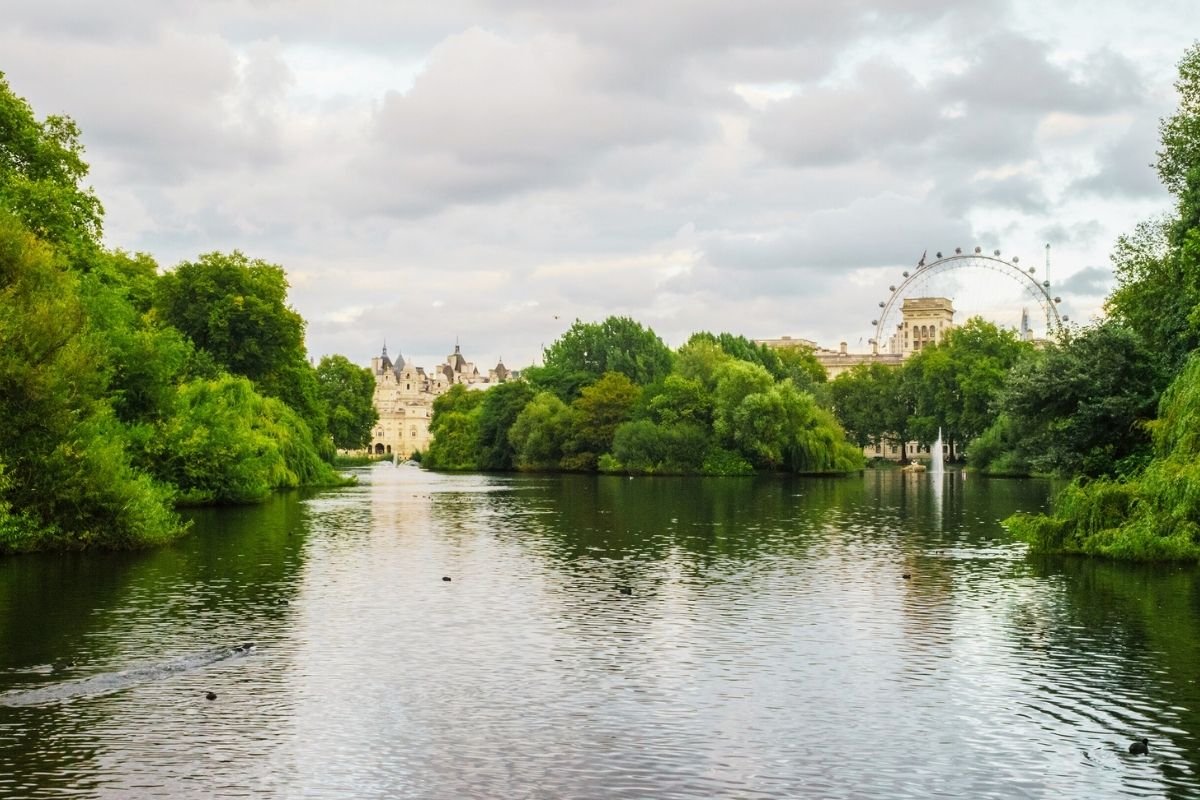
Day 2 works when you start with calm. Parks aren’t “extra” in London—they are a stability tool.
London 5 Day Itinerary – Day 3: South Kensington Museums
Day 3 of this London 5 day itinerary deliberately runs at a slower pace. Choose one major South Kensington museum, take a proper lunch break, and use the afternoon for one nearby neighborhood or park rather than another packed sightseeing list.
Closest stations: South Kensington, Gloucester Road.
09:30 – 12:30 | Choose One South Kensington Museum
Classic first-timer: Natural History Museum (choose this if you want “wow” without needing deep art focus).
For design and culture: Victoria and Albert Museum (choose this if you want variety and calmer pacing).
Families and interactive visits: Science Museum (choose this if you’re traveling with kids or you want lighter, interactive momentum).
Pick one “anchor museum” and give it a clean block. Add a smaller adjacent wing or a short second stop only if your energy is strong.
Why this matters: trying to “see a bit of everything” usually turns into slow wandering and mental fatigue. One strong museum visit is more manageable than rushing between several collections.
If you want the deeper transport logic behind moving between museum zones without turning it into a day of transfers, see our How to Get Around London guide.
12:30 – 13:30 | Lunch and a Proper Break
This is not a “quick bite.” It’s a reset. If you rush lunch on Day 3, you pay for it in the afternoon with sloppy movement and zero patience for crowds.
13:30 – 16:30 | Choose One Easy Afternoon Route
Classic streets: Notting Hill-style loop (beautiful, but keep it tight and don’t chase “perfect photos” across the city).
For a greener afternoon: Kensington Gardens / Hyde Park edges (best recovery texture after museums).
For the easiest finish: a short local loop near your museum base (small radius, fewer choices, calmer brain).
If it rains: extend the museum visit and shorten the outdoor afternoon rather than crossing the city for a replacement attraction.
16:30 – 18:30 | A Gentle Finish
Day 4 has more walking and “old London” energy. So the smart move is ending Day 3 before you feel the crash. A five-day itinerary is not won by squeezing every minute—it’s won by arriving at Day 4 with legs still alive.
Day 3 cut rule: If you’re tired, cut the second museum. Keep the neighborhood reset short. Your recovery matters more than “one more room.”
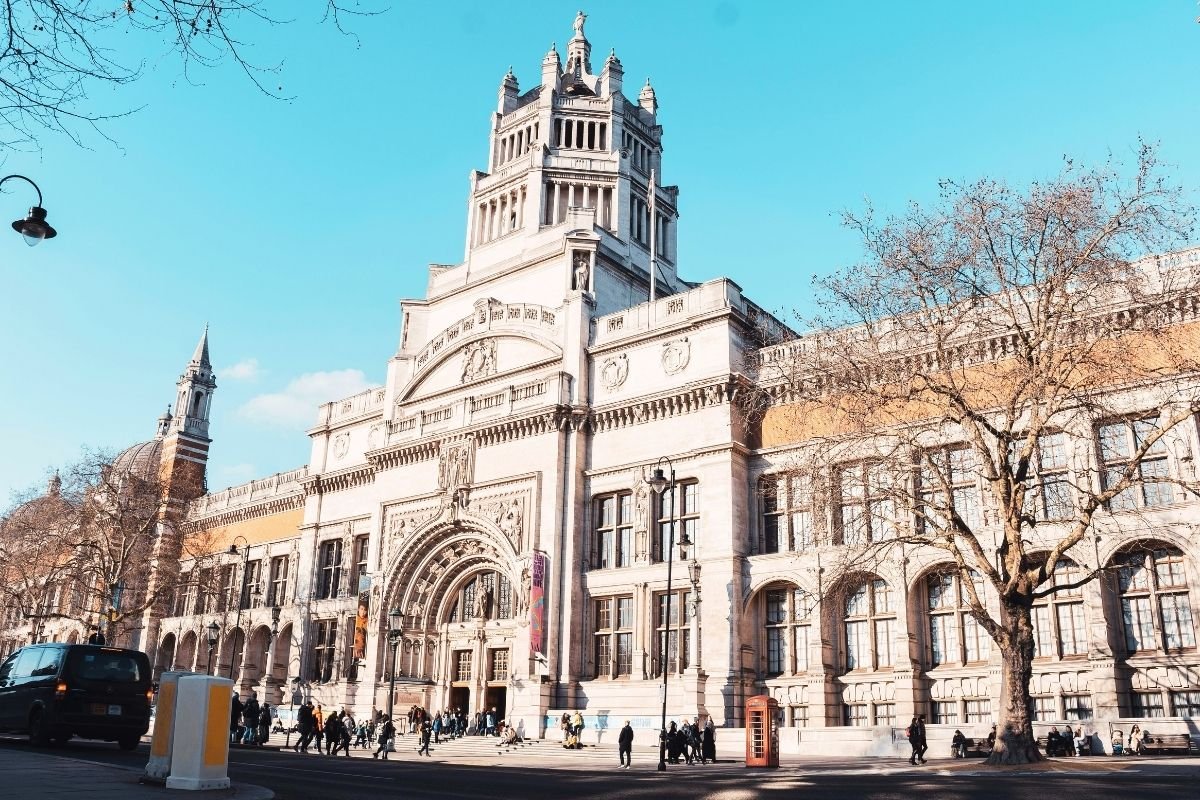
Day 3 is the recovery engine. Museums are powerful in London—but only if you choose one anchor and keep the afternoon simple.
London 5 Day Itinerary – Day 4: Tower of London & the City
Day 4 of this London 5 day itinerary connects the historic City of London with the Tower area in one logical eastward route. Start around St Paul’s, continue through the old City, then spend the afternoon around the Tower of London and Tower Bridge.
Closest stations: St Paul’s, Tower Hill.
Morning highlights (choose 2–3): St Paul’s Cathedral (outside/inside) + Millennium Bridge view + Leadenhall Market or Monument area.
08:45 – 10:45 | Walk the Historic City of London
Start early because the City feels cleaner, calmer, and easier to read before the crowd density rises. This block should be walk-first. The City rewards walking because the moments are close—but the exits and station logic can waste time if you bounce underground for no reason.
TripsCity rule for the City: choose 2–3 highlights max in this block. The mistake is “we’ll just keep drifting.” Drifting is how the morning disappears.
City walk picks (choose 2–3, not all):
Start with St Paul’s exterior + Millennium Bridge view.
Alternatively, explore Leadenhall Market + a short Bank/Monument walk.
If your legs are tired, choose a tight riverside segment instead.
10:45 – 12:15 | Choose One Interior or Low-Commitment Stop
For one major interior: St Paul’s Cathedral.
For a shorter local stop: Leadenhall Market + a nearby indoor option (quick, contained, low friction).
If you prefer to stay outside: skip the interior visit and protect your afternoon Tower-side timing.
This is the point to choose based on your actual time and energy rather than forcing another attraction into the schedule.
If you want one meaningful interior stop, do it now while your energy is still stable. However, if the queue threatens your midday window, switch to a shorter indoor option and keep the rest of the route on schedule.
If it rains: move the indoor stop earlier and shorten the outdoor City walk.
12:15 – 13:15 | Lunch reset (near the transition, not across the map)
Day 4 collapses when lunch becomes a detour. Eat close to where you already are, then transition with purpose. You’re protecting the afternoon, not chasing the “best lunch.”
13:15 – 16:30 | Tower of London & Tower Bridge
Option A (Full experience): Tower of London (commit to a real time block).
Want to compare London attraction options? Compare London experiences on Klook.
Option B (Lighter ticketed add-on): Tower Bridge Exhibition (shorter, still “iconic”).
Option C (Outside-only): bridge + riverside loop only (best when legs are tired and you want coherence more than content).
This is the section that needs discipline, because it’s where you’ll be tempted to buy your way out of timing problems.
Important: this is not the time to add another cross-city “must-see.” Day 4 is heavy enough on its own.
16:30 – 18:30 | Finish Along the Thames
Keep the final part of the day simple: one riverside ending that does not require another complicated transport move.
If you want a lower-effort finish, end with a short Thames riverside walk or cruise rather than adding another cross-city attraction.
Day 4 cut rule: If you’re behind schedule, cut the extra bridge-side loop. Do not cut your buffer. Buffer is what keeps your ending calm instead of chaotic.
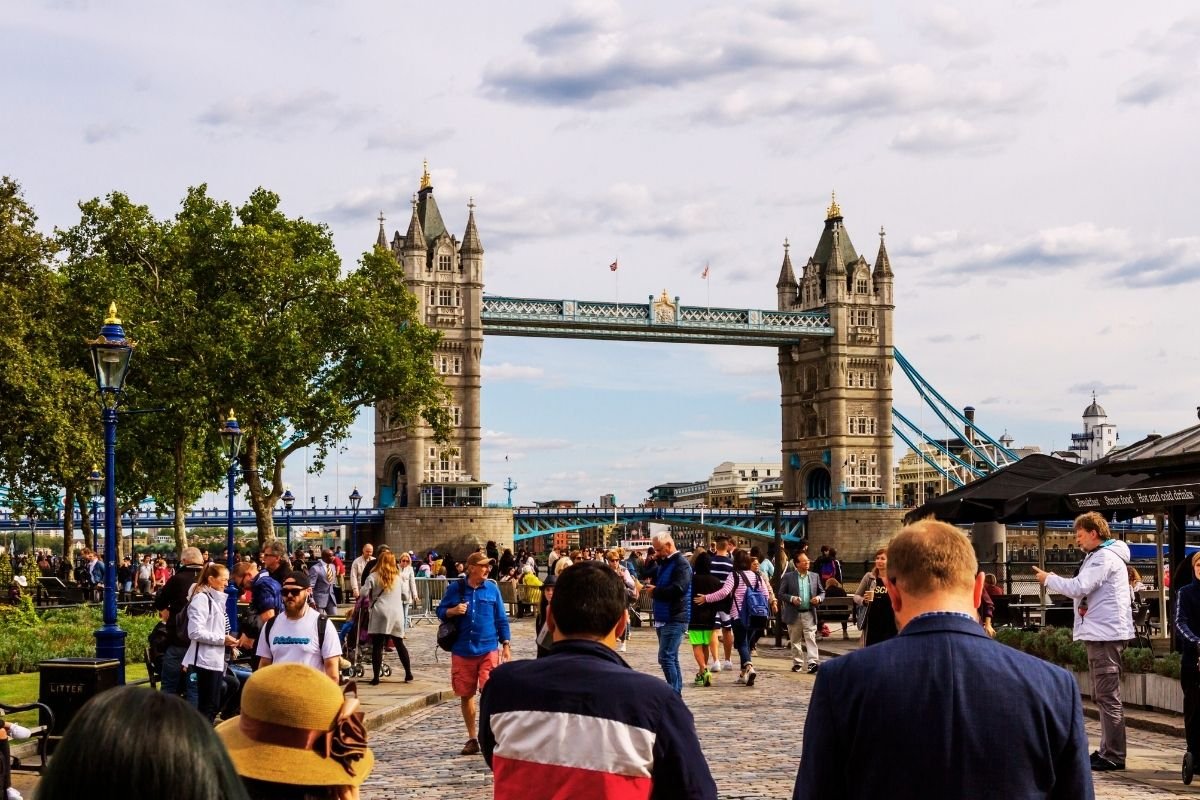
Day 4 works when you treat the Tower side as a single block, not a “maybe” list. One story. One finish.
Official Tower planning + ticket info is here:
Historic Royal Palaces: Tower of London tickets & prices.
London 5 Day Itinerary – Day 5: Greenwich, Camden or a Day Trip
The final day of this London 5 day itinerary stays focused on one area. Choose Greenwich for a calmer scenic finish, Camden for markets and energy, or one structured day trip if your departure schedule allows it.
Day 5 rule: do not combine these options. One clear route makes the final day far easier to manage around check-out, luggage, and onward travel.
Closest stations (if you choose Greenwich): Cutty Sark, Greenwich.
Closest stations (if you choose Camden): Camden Town, Chalk Farm.
Option 1: Greenwich for a Calm, Scenic Final Day
09:30 – 12:30 | Greenwich core loop (keep it walkable, keep it calm)
12:30 – 13:30 | Lunch reset (don’t rush; it’s your last day)
13:30 – 16:30 | One scenic block + one optional indoor stop if weather shifts
16:30 – 18:00 | Return clean, no panic movement
Greenwich core picks (keep it to 2–3): Greenwich Park viewpoint + Cutty Sark area + Painted Hall (only if you want one indoor stop).
This track wins because it feels different from the central days. It gives your trip contrast. Contrast is what makes London feel “complete,” not repetitive.
Option 2: Camden Market + a Green Finish
10:00 – 13:00 | Market block (do it earlier; it gets heavier later)
13:00 – 14:00 | Lunch
14:00 – 17:00 | Green reset finish (park loop, calm walking)
17:00 – 18:30 | Return, pack, end clean
Camden core picks (keep it to 2–3): Camden Market (early) + Regent’s Canal short walk or Primrose Hill finish (one green ending, not two).
This track fails only when people turn it into three neighborhoods. Keep it tight: one market block, one green finish.
Option 3: One London Day Trip
Day trips are seductive because they sound like “extra value.” But a day trip on Day 5 can also destroy your ending if your timing is weak.
Use this rule: If your base is far, your luggage situation is messy, or you’re flying early the next day—skip the day trip. Finish London properly instead.
If you prefer a structured excursion rather than planning the transport yourself, compare London tours and day-trip options on Klook.
Rain Plan for a London 5 Day Itinerary
| If it rains… | Swap to… |
|---|---|
| Day 1 | Indoor near South Bank (museum/gallery block) + short covered walk |
| Day 2 | One indoor West End stop + tighter classic loop |
| Day 3 | Extend the museum + short covered neighborhood move |
| Day 4 | Move the indoor stop earlier; keep Tower side controlled |
| Day 5 | Choose an indoor option in Greenwich/Camden; keep the radius small |
What to Do With Your Luggage on Day 5
If you check out before your sightseeing day ends, avoid carrying bags around London unless necessary. Luggage changes walking speed, makes stairs harder, and limits what you can comfortably do before your train or flight.
If you need to keep your day clean after check-out, you can check luggage storage options here:
luggage storage options in London.
Day 5 is not a “bonus day.” It’s an ending. Protect it by removing friction—especially luggage friction.
London Safety Tips for a 5-Day Trip
By the last two days, your pattern changes: you’re more relaxed, more confident, and sometimes less alert.
London is generally safe for tourists, but tired travelers become predictable targets for small scams and bad decisions—especially around transport hubs and late movement.
If you want the clean safety rules (safe areas, common scams, and how to move at night), use:
London Safety Guide 2026: Safe Areas, Common Scams & Night Travel Rules.
5 Mistakes to Avoid on a London 5 Day Itinerary
1) Don’t place a major paid or queue-heavy attraction into the day without protecting enough time for it.
Popular attractions can absorb more time than expected, so give them a dedicated block instead of squeezing them between several other stops.
2) Don’t let the hotel be a daily commuting tax.
If you haven’t booked yet, stop and do the base logic properly:
Where to Stay in London (2026): The Base That Makes London Feel Easy.
3) Don’t attempt three neighborhoods in one afternoon.
London is not built for that unless you enjoy transport puzzles.
4) Don’t let rain create hesitation.
Have swaps ready. Rain days punish indecision.
5) Don’t “repair” a lost hour by adding another far stop.
Tighten the loop. End calm. That’s how the trip stays high quality.
Final Thoughts: Is 5 Days Enough for London?
Yes. This London 5 day itinerary gives first-time visitors enough time for the major sights, museums, and neighborhoods if you group attractions by area and avoid treating every famous place as mandatory.
This itinerary gives you four structured sightseeing days and one flexible final day. Keep the daily priorities clear, shorten optional stops when necessary, and choose only one Day 5 route. That balance lets you see a large part of London without turning the trip into a race between stations.
FAQ: London 5 Day Itinerary
Is 5 days enough for a first-time London trip?
Yes—if your sequence is clean. Five days is enough for icons, museums, neighborhoods, and one flexible day without turning the trip into constant commuting.
What’s the best base for this London 5 day itinerary?
The best base is the one that keeps most trips to the core direct or one clean change, with a short station walk. A “nice” area with awkward transport will drain your days.
Do I need an Oyster card, or is contactless enough?
For most tourists, contactless works well. The key is understanding pay-as-you-go rules and staying within simple zone patterns so transport stays predictable.
What should I prebook to protect my schedule?
Prebook any stop that can create heavy queues and timing uncertainty. The goal isn’t booking everything—it’s protecting the parts that can collapse your afternoon.
Should I add a day trip during a 5-day visit?
Only if you’re disciplined: one destination, early departure, and a clean return. If your base is far or your last day is a logistics day, keep Day 5 local instead.
What’s the biggest mistake first-timers make in London?
Over-stacking and bad sequence: bouncing across the city, trusting “near station” without checking walk minutes, and trying to repair lost time by adding more stops.
How many attractions per day is realistic in London?
For most first-timers, 2–3 real anchors is the maximum that still feels good: one main anchor, one secondary anchor, and one optional “bonus” only if the day stayed on time. More than that usually becomes a transport-and-queue day.
Is it better to group days by area?
Yes. London rewards clustering. When you group by area, you reduce line changes, reduce hesitation, and protect your best hours from being eaten by station exits and re-routing.
What zone should first-timers stay in for this itinerary?
Zone 1–2 is usually the simplest choice for a first visit if your hotel is close to a useful station. A well-connected Zone 2 hotel can be more practical than a more central property with a long walk or awkward transfers.