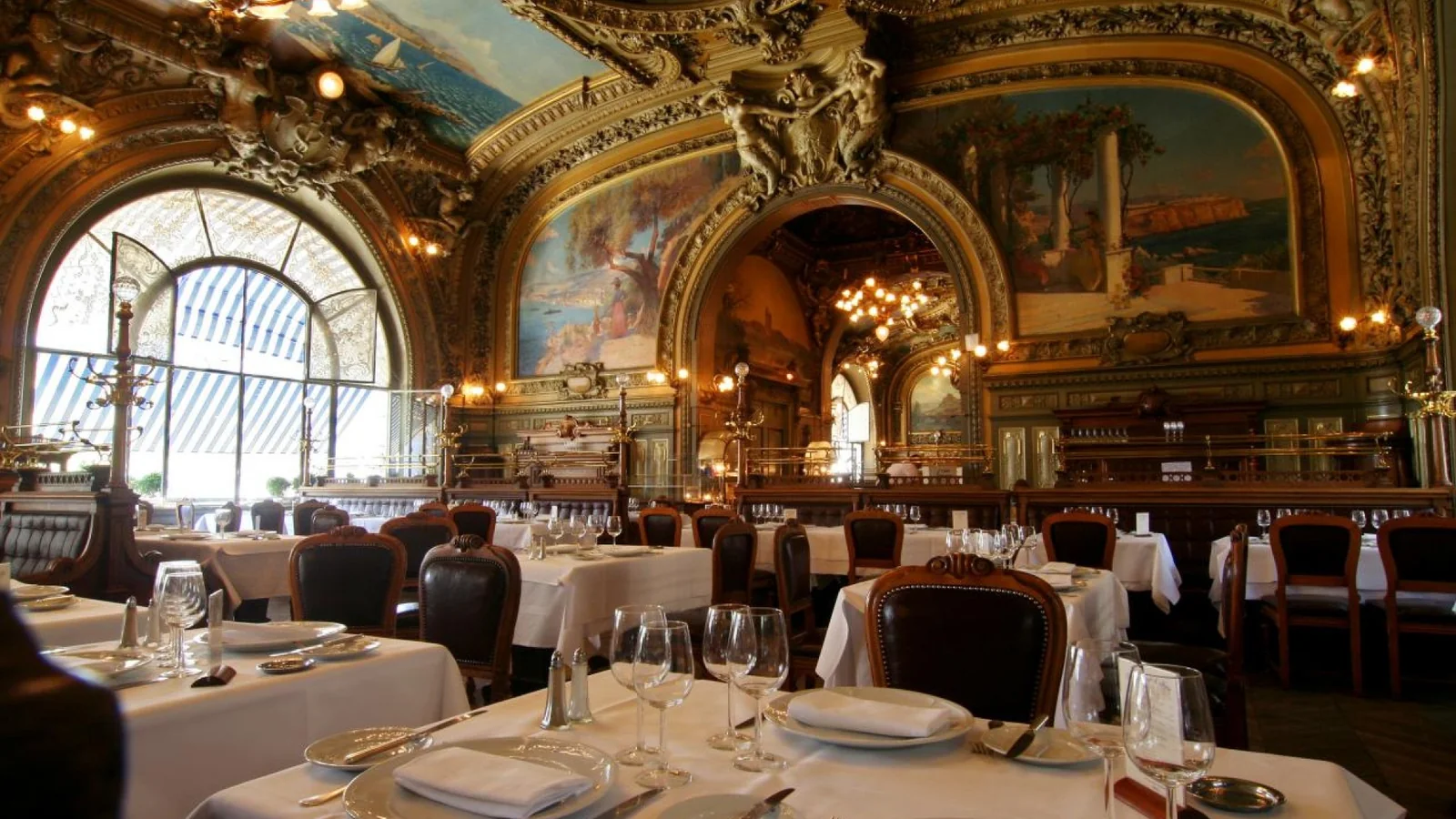
Michelin restaurants in Paris can cost anywhere from €68 for a one-star lunch to more than €600 for a three-star tasting menu before drinks. That enormous gap is why choosing a restaurant by star count alone can become an expensive mistake.
For most travelers, the best Michelin restaurants in Paris are not automatically the restaurants with the most stars. The better question is what you want the meal to do for your trip: introduce you to Michelin dining, become a special evening, fit around sightseeing, or stand as one of the main reasons for visiting Paris.
Quick answer: For most first-time visitors, a one-star Michelin lunch offers the best balance of food quality, price and itinerary flexibility.
Freshness note: Michelin distinctions, prices and booking rules in this guide were checked in August 2026. Menus and reservation terms can change, so always confirm the restaurant’s live information before paying.
If you want casual bistros, neighborhood restaurants or everyday dining, use our Best Restaurants in Paris guide. For broader food costs, bakeries and what to eat, see our Paris Food Guide. Here, we focus specifically on Michelin dining, from star levels and real prices to reservations and choosing the right experience for your trip.
| Traveler goal | Strong fit | Planning price |
|---|---|---|
| First Michelin meal | Granite | Lunch from €68 |
| Modern food-focused experience | Septime | Lunch €85; dinner €135 |
| Historic Paris splurge | Tour d’Argent | Five-course menu €390 |
| Eiffel Tower occasion | Le Jules Verne | Lunch €180; tasting menus from €295 |
| Three-star destination dinner | Le Cinq | Tasting experience €640, excluding drinks |
TripsCity Insight: For a first Michelin experience in Paris, start with the meal format, not the star count. A one-star lunch can deliver serious cooking with less cost, less time pressure and fewer compromises elsewhere in your itinerary.
Michelin Restaurants in Paris: What the Stars Actually Mean
The Michelin system is often misunderstood because it looks like a luxury rating. It is not. Michelin stars focus on the cuisine: ingredient quality, technical mastery, harmony of flavors, the chef’s personality and consistency. Décor and service may influence how much you enjoy the evening, but they do not decide the star.
What One, Two and Three Michelin Stars Mean
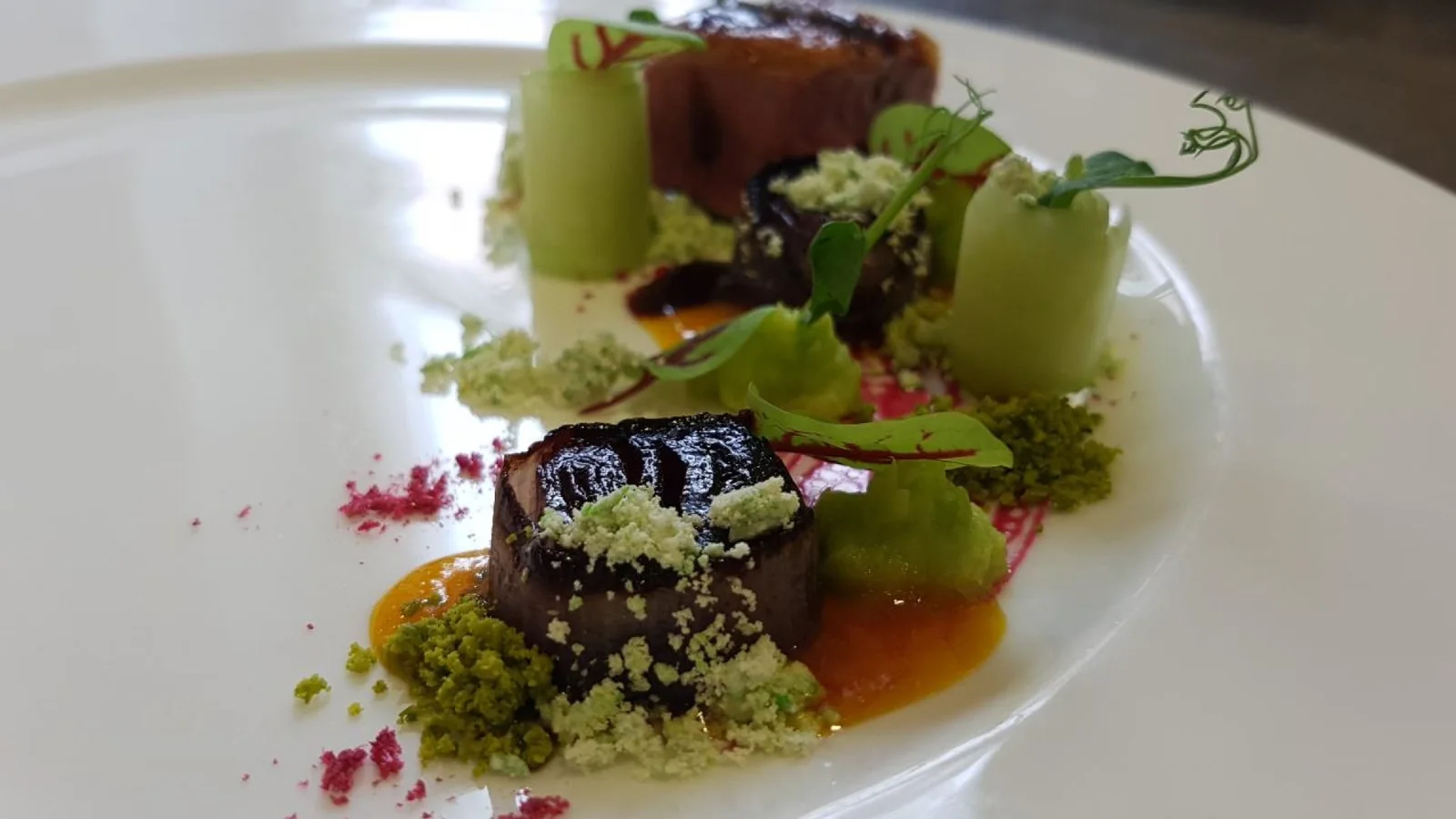
Michelin stars focus on the quality of the cooking, with technique, consistency and ingredients at the center of the experience.
According to the official Michelin Guide, one star means high-quality cooking worth a stop; two stars mean excellent cooking worth a detour; and three stars mean exceptional cuisine worth a special journey.
| Michelin level | What it signals | What it means for a traveler |
|---|---|---|
| 1 Star | Worth a stop | A strong entry point that can fit into a normal Paris day |
| 2 Stars | Worth a detour | Plan part of the itinerary around the meal |
| 3 Stars | Worth a special journey | Treat the restaurant as a destination and major travel expense |
The crucial point is that star count does not create a fixed price band. Tour d’Argent currently has one star and a five-course menu at €390, while Granite also has one star and lists lunch from €68. Both are one-star restaurants, but they serve very different budgets and travel moods.
That is why searches such as “cheapest Michelin-starred restaurant in Paris” need more than a list. The star describes Michelin’s view of the cooking, not what you will pay or how formal the experience will feel.
1-Star vs 2-Star vs 3-Star: Which Level Fits Your Trip?

The difference between Michelin levels is not simply luxury; the distinction reflects the quality and significance of the cooking.
One-star restaurants are usually the smartest starting point for first-time Michelin diners. Lunch is especially useful because it can fit between sightseeing blocks without turning the entire day into a dining schedule. Granite, in the 1st arrondissement, is a good example: its location makes it realistic to pair with the Louvre, Palais Royal or a central Seine walk.
Two-star restaurants deserve more deliberate planning. Le Jules Verne is the clearest case because the restaurant sits inside the Eiffel Tower. If both Michelin dining and the monument matter to you, the combination can reduce itinerary friction. If you only want to visit the tower, paying a premium for the restaurant may not add enough value.
Three-star restaurants belong in a different budget category. Le Cinq’s current tasting experience is €640 per person before drinks. At that level, the meal is not just “dinner”; it is one of the major paid experiences of the trip.
Are Michelin Restaurants in Paris Worth It for First-Time Visitors?
Yes, when the meal has a clear purpose. Michelin dining makes sense if food is one of the reasons you travel, you are celebrating something, you want to experience French fine dining as a cultural event, or you have deliberately protected the time and budget for a long meal.
It makes less sense when the reservation forces you to rush the Louvre, skip an attraction you care about more, cross Paris twice to change clothes, or spend beyond a budget that will bother you when the bill arrives.
For many first-time visitors, the sweet spot is not “the highest star count.” It is one carefully chosen Michelin lunch or dinner that fits the rest of the trip without fighting it.
Best Michelin Restaurants in Paris by Travel Style
Paris has too many starred restaurants for a giant list to be useful. The better approach is to match the restaurant to the traveler. The five choices below cover distinct decisions: a first Michelin lunch, contemporary fine dining, historic Paris, an Eiffel Tower occasion and a full three-star splurge.
Granite: Best for a First Michelin Lunch
Granite is one of the easiest Michelin restaurants to recommend to a first-time diner because its menu structure gives you control. The restaurant currently lists lunch from €68, then progressively longer menus at higher prices, including an €88 Signature Lunch and larger tasting formats.
That matters because you can experience a Michelin-starred kitchen without committing to the longest menu. Its location at 6 rue de Bailleul in the 1st arrondissement is equally practical: a morning near the Louvre, Palais Royal or the Seine can flow into lunch without a long cross-city transfer.
Granite currently serves lunch and dinner Monday to Friday and is closed on weekends, so it fits a weekday itinerary better than a Saturday celebration.
Best for: travelers who want a genuine one-star experience with a manageable entry price, central location and limited disruption to sightseeing.
Septime: Best for Contemporary Michelin Dining
Septime suits travelers who care more about modern, food-focused dining than palace-style formality. Its current summer menu lists a five-step lunch at €85 and a seven-step dinner at €135, with optional wine pairings.
The important detail is the booking system. Septime currently opens reservations every day at 10:00 for the following three weeks. That is more useful than the usual advice to “book early.” If Septime matters to your trip, count back roughly 21 days from your preferred date and keep a backup date available.
This is also a good example of planning psychology: do not let one difficult restaurant reservation control the entire itinerary. Protect the meal you want, but keep enough flexibility that a sold-out evening does not force you to rearrange two days of Paris.
Best for: travelers who want contemporary one-star dining and are comfortable planning around a competitive reservation window.
Tour d’Argent: Best for Historic Paris and a Major Splurge
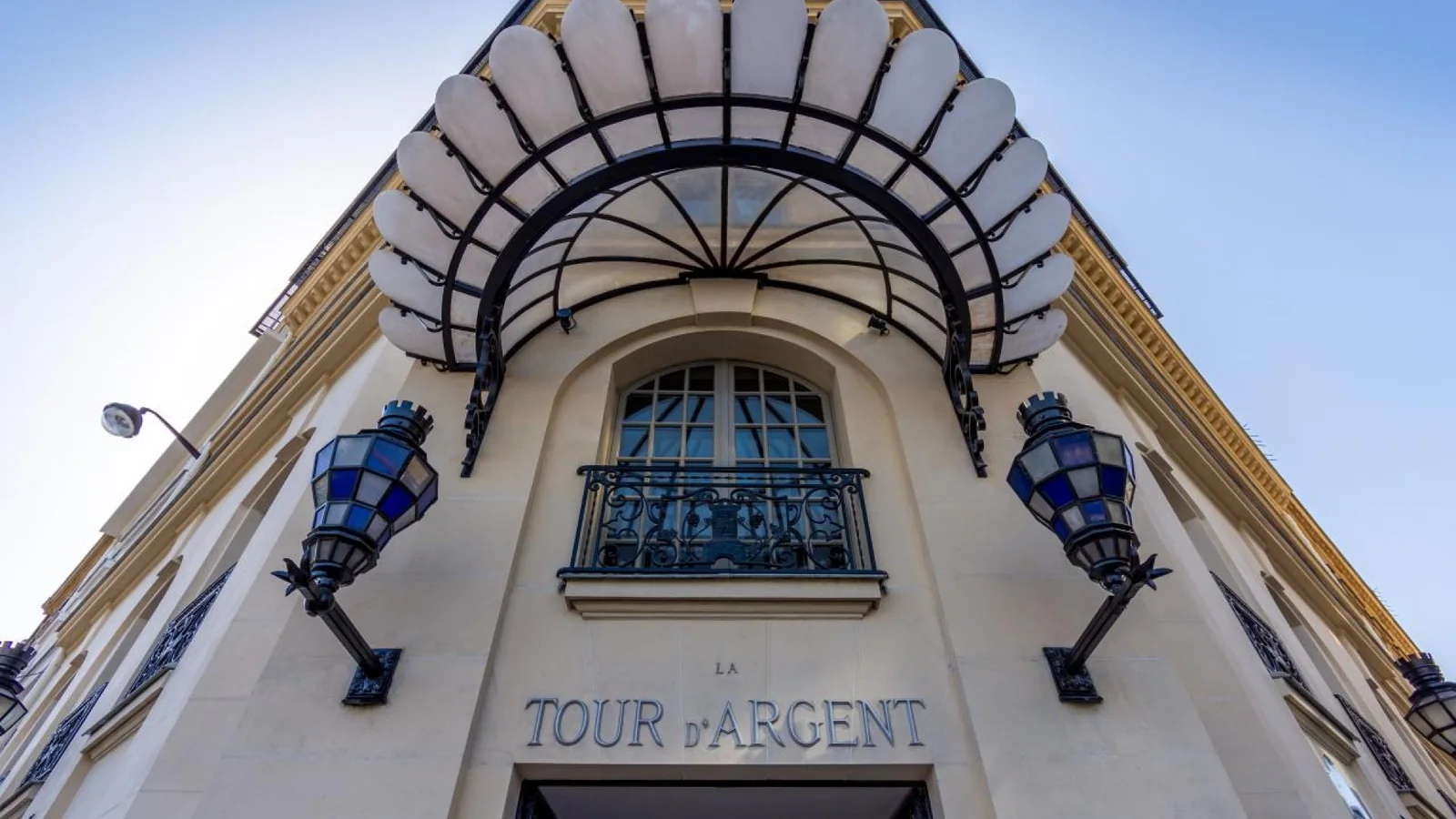
La Tour d’Argent is one of Paris’s most historic fine-dining addresses.
Tour d’Argent is the clearest proof that one Michelin star does not mean “affordable Michelin.” Michelin currently lists the restaurant with one star, while its current five-course Temps & Saisons menu is €390 per person and its Renommées menu is €480.
What you are buying here is not only Michelin-recognized cooking. The historic setting and sense of occasion are part of the decision. For a traveler who wants a memorable Paris dining room rather than the lowest price for a star, that can justify the premium.
There is also a practical rule worth knowing before you leave the hotel: Tour d’Argent states that a jacket is compulsory for gentlemen at lunch and dinner, and sportswear such as shorts and T-shirts is not accepted. On a hot sightseeing day, that may mean returning to your hotel to change before dinner.
Best for: a historic Paris splurge where atmosphere matters as much as price efficiency.
Le Jules Verne: Best for an Eiffel Tower Occasion
Le Jules Verne currently holds two Michelin stars and sits inside the Eiffel Tower. For travelers who already want both experiences, that combination can be unusually efficient: the landmark and the special meal become part of the same chapter of the day.
The current official offering lists a weekday lunch at €180, while tasting menus start around €295 for five courses and €330 for seven courses. Those numbers make the decision clear: this is not simply a convenient restaurant near a tourist attraction. You should want the dining experience itself.
There is also an important booking update for visits from September 1, 2026. The restaurant’s terms state that the minimum partial prepayment rises to €190 per person for lunch and €305 per person for dinner. Cancellation conditions matter too, particularly within the final 48 hours.
If the Eiffel Tower is already part of your itinerary, compare timing with our Eiffel Tower guide before creating two competing timed bookings.
Best for: travelers who want the Eiffel Tower and Michelin dining to function as one major Paris occasion.
Le Cinq: Best for a Three-Star Destination Dinner
Le Cinq at the Four Seasons Hotel George V belongs to a different decision category. Michelin currently lists it with three stars, and the restaurant’s Epicurean Escape menu is €640 per person excluding drinks.
The useful question is not whether Le Cinq is “better value” than a one-star lunch. They are different products. If spending that amount would force you to cut experiences you care about more, the decision is already wrong for your trip. If a three-star dinner is itself one of the reasons you are coming to Paris, the logic changes completely.
Best for: a major celebration or a trip where the restaurant itself is one of the headline experiences.
| Restaurant | Michelin level | Best for | Main planning friction |
|---|---|---|---|
| Granite | 1 Star | First Michelin lunch | Closed weekends |
| Septime | 1 Star | Contemporary dining | Competitive booking window |
| Tour d’Argent | 1 Star | Historic Paris splurge | High price and formal dress rule |
| Le Jules Verne | 2 Stars | Eiffel Tower occasion | Prepayment and cancellation terms |
| Le Cinq | 3 Stars | Destination luxury dinner | Very high spend |
TripsCity Insight: The best Michelin restaurant in Paris is not the one with the most stars. It is the one whose food, price, location, reservation pressure and time commitment all fit the same trip.
Prices, Reservations, Dress Code and Affordable Michelin Options
There is no useful “average price” for Michelin restaurants in Paris because the range is too wide. A one-star lunch can cost less than €100, while a destination tasting menu can cost several hundred euros before wine. The smart comparison is therefore meal format + restaurant style + total evening cost, not star count alone.
How Much Do Michelin Restaurants in Paris Cost?

Lunch menus and careful restaurant selection can make Michelin dining in Paris significantly more affordable.
| Restaurant | Michelin level | Current planning example |
|---|---|---|
| Granite | 1 Star | Lunch from €68 |
| Septime | 1 Star | Lunch €85; dinner €135 |
| Tour d’Argent | 1 Star | Five-course menu €390 |
| Le Jules Verne | 2 Stars | Lunch €180; tasting menus from €295 |
| Le Cinq | 3 Stars | Tasting experience €640 excluding drinks |
These figures are planning examples, not permanent prices. Fine-dining menus change with seasons, ingredients and restaurant strategy. Always check the restaurant’s own current menu before confirming a reservation.
Wine is the easiest cost to underestimate. A menu that looks comfortable can move into a different budget category after a pairing, Champagne, water or extra courses. Decide before booking whether your spending limit covers the food only or the complete experience.
TripsCity Insight: Set a meal ceiling before opening the reservation calendar. If €150 per person feels comfortable, browsing €300 tasting menus is not “research”; it is creating a budget problem for later.
Is Michelin Lunch in Paris Cheaper Than Dinner?
Often, yes. Lunch is one of the strongest ways to experience Michelin-starred cooking for less, especially at restaurants with shorter midday menus. Granite currently starts at €68 for lunch, while Septime lists a five-step lunch at €85 compared with its longer €135 dinner menu.
Lunch also reduces travel friction. A central reservation can become a natural break between morning and afternoon sightseeing rather than a separate evening operation involving a hotel return, clothing change and another Metro ride.
But lunch is not automatically cheap. Le Jules Verne’s weekday lunch costs far more than the entry menus at Granite or Septime, and Tour d’Argent remains a major splurge despite having one star.
Michelin Restaurant Reservations: When Should You Book?
There is no universal booking window. The better strategy is to understand the release system of the restaurant you actually want.
- Septime: reservations currently open daily at 10:00 for the following three weeks.
- Granite: online booking is available through the restaurant’s reservation system.
- Le Jules Verne: reservations involve partial prepayment and cancellation conditions.
- Tour d’Argent: reservations are handled through the restaurant’s official channels.
- Le Cinq: reservations are available through Four Seasons.
For a high-demand restaurant, keep one backup date rather than immediately changing restaurants. That protects the experience you actually want while keeping the rest of the itinerary flexible.
Also check travel time before choosing the slot. A 19:30 table can look perfect until your afternoon ends on the other side of Paris. Our Paris transport guide can help you judge whether the transfer is realistic.
Dress Code, Arrival Time and Dietary Needs
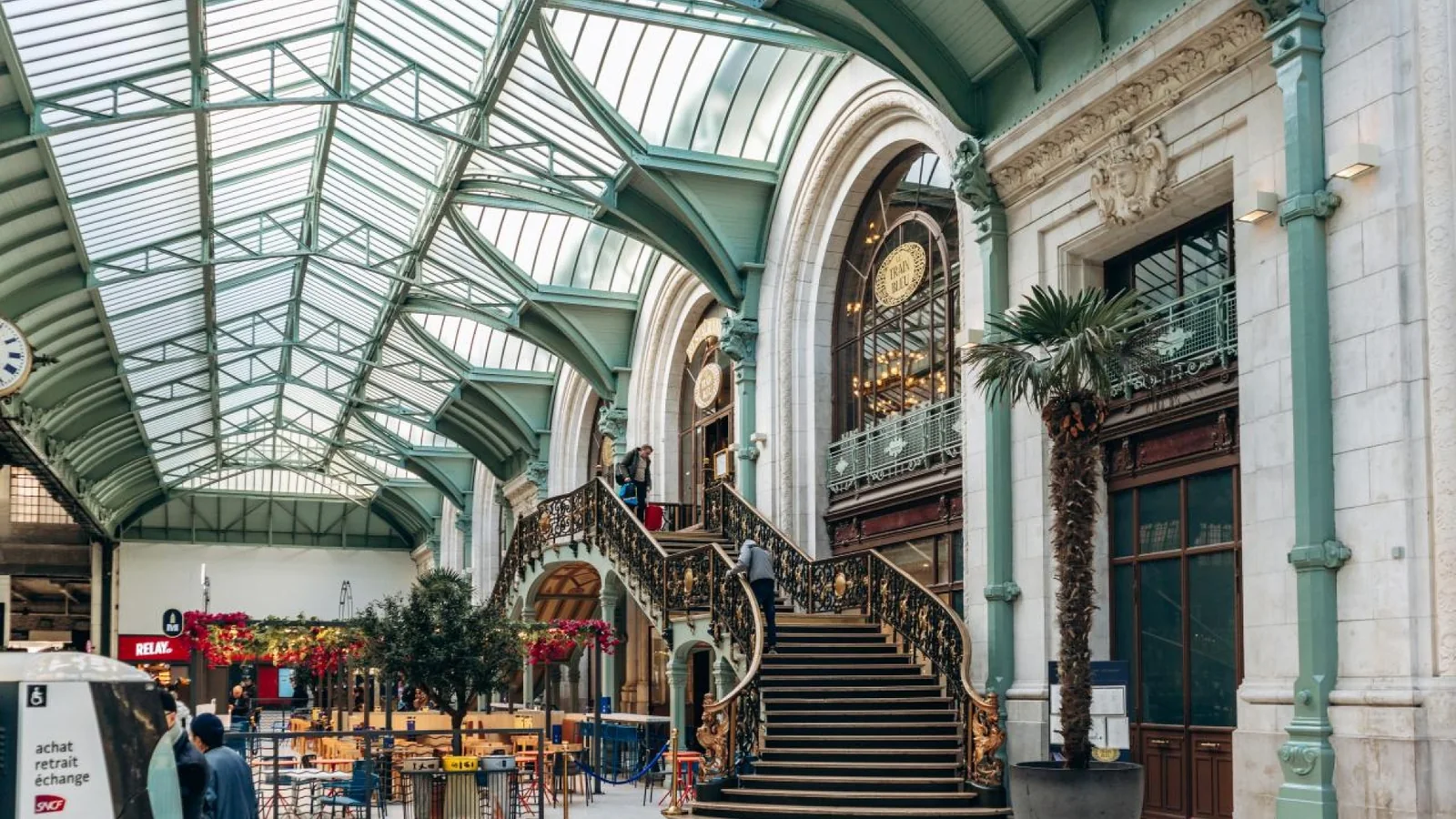
Upscale Paris restaurants can range from relaxed elegance to highly formal dining rooms, so check the restaurant’s expectations before your visit.
Do not assume every Michelin restaurant requires a suit, and do not assume every one accepts sightseeing clothes. Modern starred restaurants can feel relatively relaxed, while historic institutions may enforce specific rules. Tour d’Argent, for example, explicitly requires a jacket for gentlemen at lunch and dinner.
Check the restaurant’s own policy rather than judging from social-media photos. The practical issue is usually logistics: if you spend the afternoon in shorts and walking shoes, a formal reservation may require enough time to return to your hotel and change.
Arrive with a reasonable buffer. Metro transfers, traffic or a wrong station exit should not turn the first ten minutes of an expensive meal into a sprint.
For allergies, intolerances, vegetarian menus or other important dietary restrictions, contact the restaurant in advance. Tasting menus often depend on a planned sequence of ingredients, so advance notice gives the kitchen the best chance to adapt.
Affordable Michelin in Paris: What Bib Gourmand Really Means
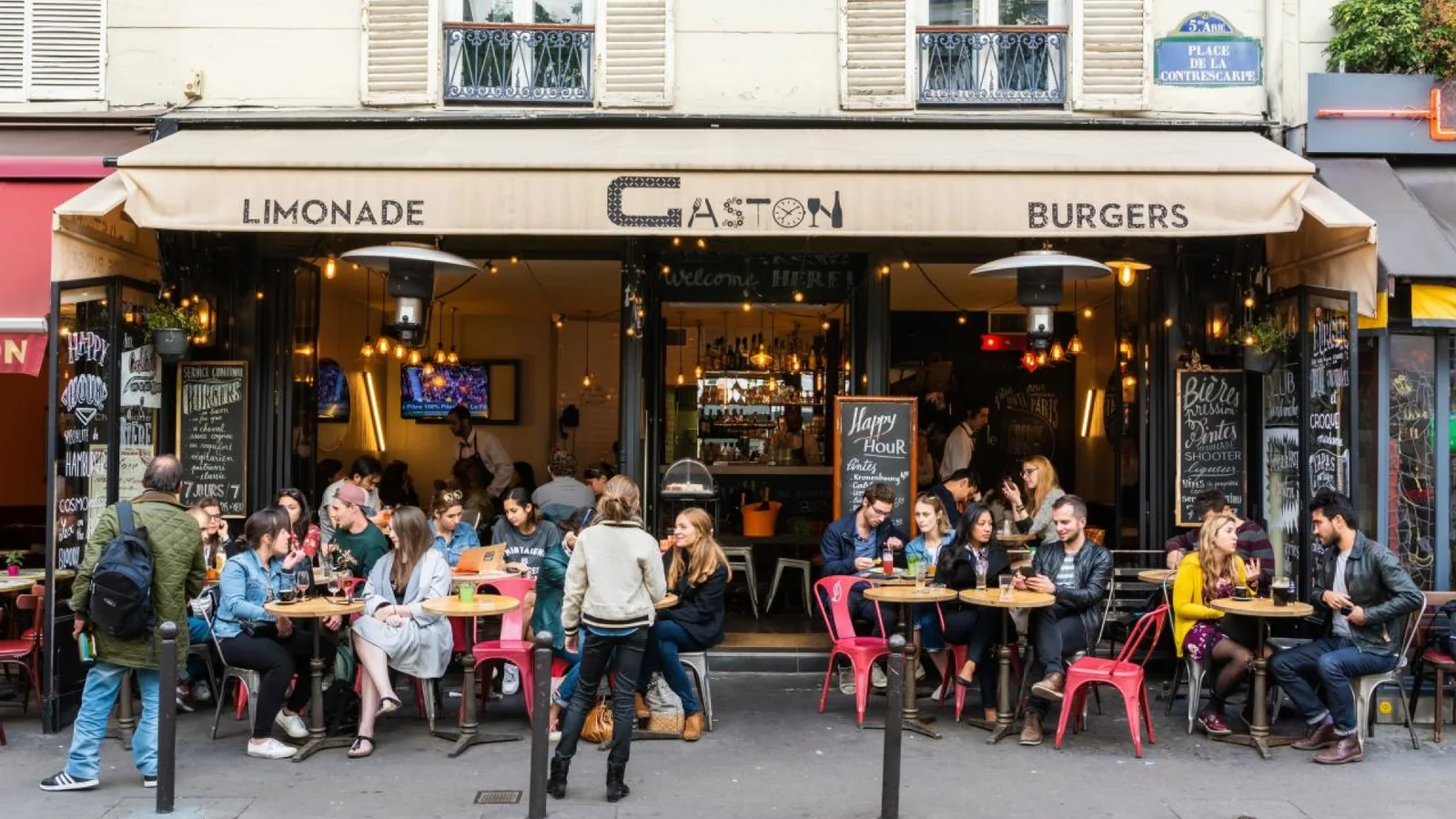
Bib Gourmand and lower-priced Michelin selections can deliver excellent food without a full fine-dining budget.
If you are searching for affordable Michelin restaurants in Paris, first ask whether you actually need a star. Many travelers use “Michelin restaurant” to mean any restaurant recognized by the Michelin Guide, but Michelin uses several different labels.
| Michelin label | What it means | Best for |
|---|---|---|
| Michelin Star | Cooking judged at Michelin’s starred level | Travelers specifically seeking the star experience |
| Bib Gourmand | Good-quality cooking with strong value | Travelers prioritizing quality and price |
| Michelin Selected | Restaurant included in the Guide | Travelers who trust Michelin selection without requiring a distinction |
Bib Gourmand is not a Michelin star. It recognizes good-quality cooking at good value. If your real goal is simply to eat somewhere Michelin recommends, a Bib Gourmand may satisfy you more than stretching the budget for a star. If earning the “star experience” is part of the memory you want, compare a Bib with a one-star lunch instead of automatically jumping to two or three stars.
Michelin Restaurants in Paris FAQ
What is the cheapest Michelin-starred restaurant in Paris?
There is no permanent citywide cheapest option because menus change. Among the Michelin-starred restaurants verified for this guide, Granite currently has the lowest entry price, with lunch from €68.
How much does a Michelin restaurant cost in Paris?
Current examples in this guide range from €68 for a one-star lunch to €640 for a three-star tasting experience before drinks. Star count alone does not determine price.
How far in advance should I book?
Follow the individual restaurant’s system. Septime, for example, currently opens reservations every day at 10:00 for the following three weeks.
Do Michelin restaurants in Paris have a dress code?
Some do and some do not. Tour d’Argent currently requires a jacket for gentlemen, while many modern starred restaurants are less formal. Always check the restaurant’s own policy.
Is Bib Gourmand the same as a Michelin star?
No. Bib Gourmand is a separate Michelin distinction for good-quality cooking at good value.
Final Verdict: Which Michelin Experience Should You Book?
For the clearest first Michelin experience in Paris, a one-star lunch such as Granite is hard to beat. Choose Septime if contemporary cooking matters more than ceremony, Tour d’Argent if historic Paris is part of the attraction, Le Jules Verne if the Eiffel Tower and fine dining belong in the same occasion, and Le Cinq if a three-star dinner is meant to be one of the defining events of the trip.
The mistake is not choosing the “wrong” star level. It is booking the most prestigious restaurant before asking whether its price, timing, location, dress requirements and reservation pressure fit the way you actually travel.
Paris rewards one deliberate dining decision more than five aspirational ones. Pick the meal you will still feel good about when the bill arrives, protect enough time to enjoy it, and let the rest of the city stay flexible.