
If you’re searching for the best areas to stay in London for first-time visitors, you feel it before you even leave the airport.
Your phone is at 38%. Your luggage is heavier than it was an hour ago. You open the map and it looks like someone spilled colored spaghetti across the city. Every hotel page says “Central London” like it’s a single place, not a wide, layered machine. And in your head you keep repeating the same tired question: “Where should I stay so London doesn’t become hard?”
Because the fear isn’t “London is unsafe” or “London is boring.” The fear is smaller and more realistic: you’ll choose a base that looks perfect on paper… and then you’ll spend your trip fixing it. Fixing it with extra Tube changes, with longer walks in bad weather, with late-day fatigue, with overpriced last-minute rides, with evenings you cut short because getting back feels like a project.
This article is written to stop that mistake.
Best Areas to Stay in London for First-Time Visitors: Why “Central” Can Be the Wrong Base
Most first-time visitors do the same thing: they zoom into Zone 1, pick the cheapest room that says “close to everything,” and call it solved.
But London doesn’t punish you for being far. It punishes you for being awkward.
A hotel that’s technically “central” can still be a bad base if it sits on a loud main road, if the nearest station forces complex transfers, if your return route becomes unreliable late in the day, or if the area has no calm rhythm for basic needs (quick food, a pharmacy, a simple walk that doesn’t feel like a traffic fight).
And that’s the reality no one says clearly: your London budget and energy are set by your base more than your attractions. If your base is wrong, every day costs more—money, time, and calm.
If you want the full TripsCity “base logic” behind this idea, keep this open as your deeper companion piece: Where to Stay in London (2026): The Base That Makes London Feel Easy.

The real first-minute problem: you’re tired, your battery is low, and your hotel area choice decides how easy London feels.
London in 2026: The Good News and the Bad News (No Marketing)
The good news: London is one of the best-connected cities on earth. You can reach almost anywhere without a car. If you choose a base with clean links, you’ll move with confidence by day two.
The bad news: the system is layered, and the city is wide. That width creates friction. Even short distances can feel long when you’re cold, tired, or carrying purchases. And “simple” routes matter more than “close” routes.
London also has a specific trap for first-timers: you underestimate how often you will return to your hotel.
In your imagination you do one heroic loop per day. In real life, you do a reset: drop bags, warm up, change layers, take a breath, then go back out. A base that makes resets easy is not a luxury—it’s what keeps your trip steady.
If you’re building your whole London plan for 2026, this overview guide is your funnel for everything else (timing, neighborhoods, structure): Complete Travel Guide to London 2026: The City That Punishes Vague Plans.
Who This Guide Is For (And Who Should Rethink London)
This guide is for you if: you’re visiting London for the first time, you want a base that is calm at the end of the day, and you care more about smooth movement than bragging rights about being “in the middle of everything.”
You should rethink your approach if: you expect London to work like a small, walk-only city, or you’re planning a trip with zero structure and you want the hotel to “solve” that for you. London doesn’t work that way. If your plan is vague, the city turns your days into problem-solving.
This isn’t negativity. It’s prevention.
Best Areas to Stay in London for First-Time Visitors: The “Calm + Connected + Not Complicated” Filter
Forget lists for a second. Before you pick an area, you need a filter that protects you from London’s real drains.
“Calm” doesn’t mean silent or empty. It means you can sleep, reset, and walk without constant pressure from traffic and crowds.
“Connected” doesn’t mean you can reach somewhere eventually. It means you can reach the places you’ll actually visit with few moves and predictable returns.
“Not complicated” means your daily route doesn’t require mental effort every time you move. The best first-time bases are the ones where you stop thinking about transport after day one.
Here’s the TripsCity filter I want you to use. If an area fails two of these, it’s not a first-time base—no matter how pretty the photos are.
Filter #1: One clean line into the core (or one clean transfer)
If your most common destinations require two transfers, you will feel it by day three. One transfer is fine. Two is a lifestyle.
Filter #2: Your “late return” must be simple
Even if you don’t stay out late, you will have at least two long days: museum + market + street wandering + wrong turn + dinner + “let’s just see this one last thing.” Your return route must still be easy when you’re tired.
Filter #3: Your hotel street must protect sleep
This is where first-timers bleed energy. A room on a loud main road can quietly ruin the whole trip. You don’t notice it on night one. You feel it on day four.
Filter #4: The area must support “human life”
You need normal basics within a short walk: simple food, a small grocery, a pharmacy, a place to sit. If your area forces effort for basics, you’ll spend more because you’ll keep “fixing” the day with expensive shortcuts.
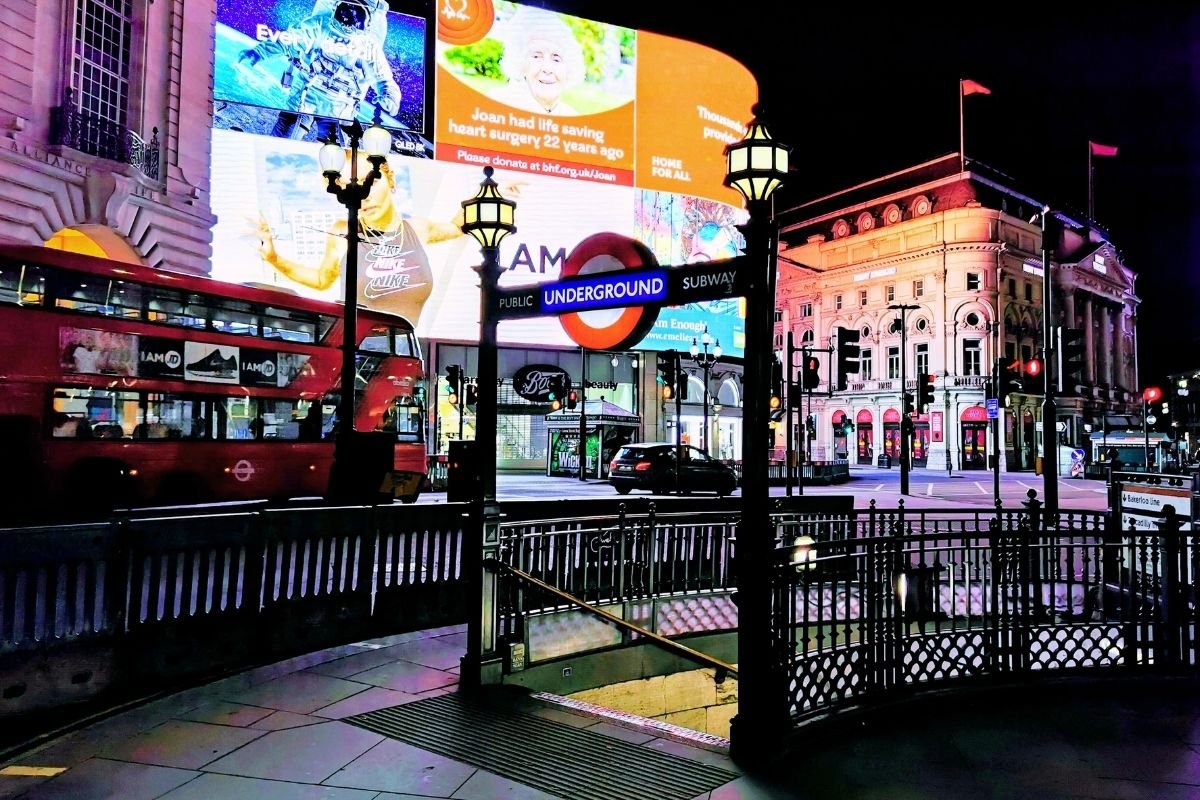
The base you want: calm side streets with fast station access—sleep protection plus predictable movement.
Best Areas to Stay in London for First-Time Visitors: 3 Tests Before You Book
Do these tests before you pay. They take five minutes and save you a week of friction.
Test 1: The Morning Test
Open a map and set directions from the hotel area to 3 places you will definitely visit (for example: Westminster, South Kensington, and Covent Garden). If every route looks different and messy, the base will feel messy in real life.
Test 2: The Reset Test
Assume you return once per day. How long does it take to go “hotel → core” and “core → hotel” without weird changes? If the reset costs 45–60 minutes each way, you will stop resetting. Then your days become expensive.
Test 3: The Sleep Test
Zoom in and look at the street. Is it a main road? Is it next to a bridge approach? Is it next to a big junction? Even a great area has “bad sleep streets.”
This isn’t paranoia. It’s professional travel planning.
Real Numbers for 2026: What “Calm and Connected” Usually Costs
Prices move constantly, so don’t treat these as promises. Treat them as realistic planning bands for a double room booked at normal lead time.
Typical winter baseline (December–January): London can be slightly cheaper in early December and mid-to-late January, but it spikes around the Christmas and New Year window. So winter is not “cheap London”—it’s “sometimes cheaper, sometimes brutal.”
Planning bands (per night, double room):
– Budget-leaning: £90–£140 (limited stock, often smaller rooms or less ideal streets)
– Mid-range: £160–£260 (the most common “good base” tier for first-timers)
– Comfort/upscale: £280–£450+ (more space, quieter rooms, better sleep odds)
Here’s the key: the difference between £170 and £220 is not “£50.” In London it can be the difference between a base that saves your day and a base that quietly drains it. If you want to sanity-check your dates fast, use a live price scan before you commit: check London hotel prices for your exact 2026 dates here.
And if your first day includes airport arrival + luggage + tired navigation, the most expensive mistake is improvising at the worst moment. If you value a clean landing (especially with family), a pre-booked transfer can be worth it: pre-book a London airport transfer.
What This Article Will Do Next (So You Don’t Read 3,000 Words and Still Feel Unsure)
In the next parts, we’ll move from framework to decisions.
We’ll break down the best first-time areas that match the TripsCity definition of calm, connected, and not complicated—not just “nice neighborhoods.” You’ll see:
– the station logic (what lines matter in real life),
– the “bad street” traps inside good areas,
– who each base fits (couples, families, budget travelers, comfort seekers),
– and the deadly mistakes that make first-time visitors overpay and under-enjoy London.
If you only remember one thing from Part 1, remember this:
London doesn’t ruin trips with one big disaster. It ruins them with daily friction. Your hotel area is either a friction reducer… or a friction amplifier.
Best Areas to Stay in London for First-Time Visitors (2026): The Bases That Reduce Friction
Part 1 gave you the filter: calm, connected, not complicated. Now we apply it.
But first, one London reality you need to understand clearly: most “areas” are not clean boxes. A good neighborhood can contain bad streets. A “famous” station can hide an exhausting daily route. And a hotel listing can borrow prestige from a nearby landmark while sitting on a street that destroys sleep.
So this section doesn’t sell you neighborhoods. It gives you bases—places that behave like a stable platform for a first trip.
The Practical Shortcut: Choose One of These Base Styles
Most first-timers fall into one of four needs:
1) Museum-core calm (you want quiet evenings and structured days).
2) Transport-hub clarity (you want fast, predictable movement and easy returns).
3) Walkable central without chaos (you want “I can walk to a lot” but still sleep).
4) River-side reset (you want air, space, and a calmer rhythm without being far).
The next four areas match those needs better than most of the “top 10 neighborhoods” lists.
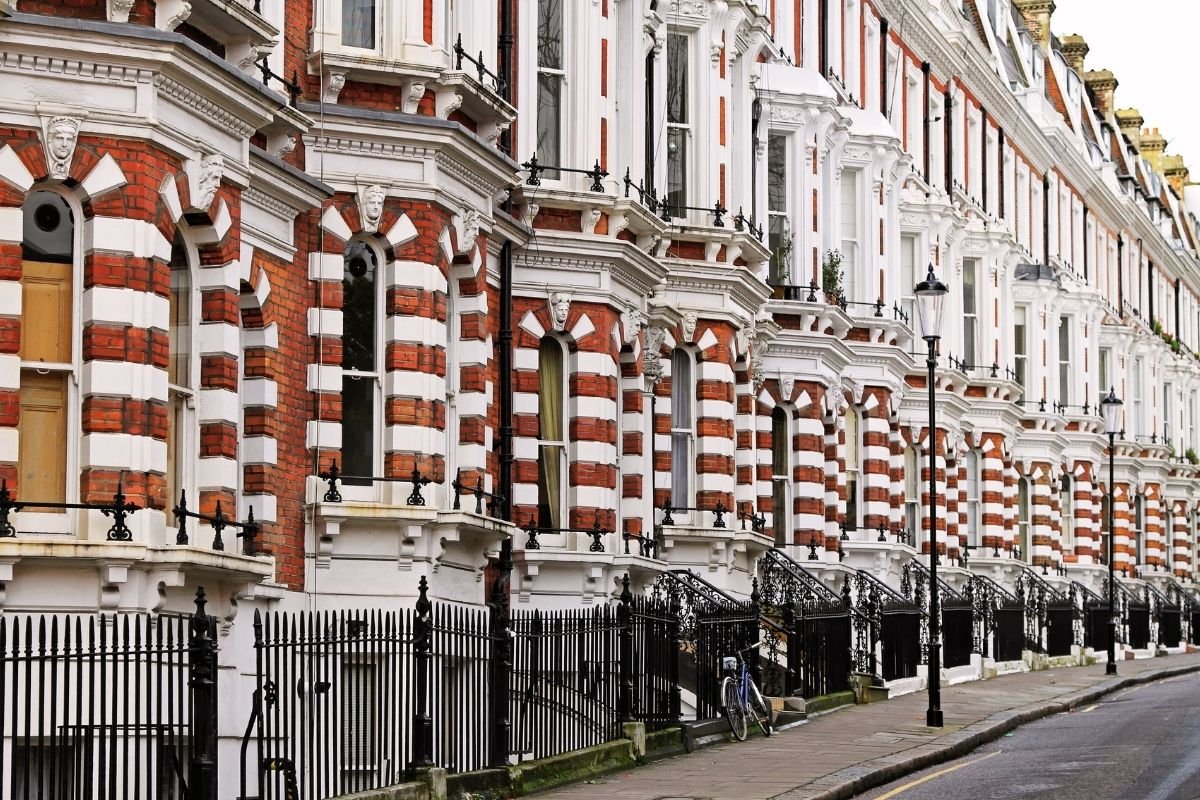
Museum-core calm: areas like South Kensington work because they reduce friction and make daily resets easy.
Best Areas to Stay in London for First-Time Visitors: South Kensington & Gloucester Road (Museum-Core Calm)
If you want London to feel controlled, this base is one of the safest decisions you can make as a first-timer.
South Kensington and Gloucester Road sit in that rare London zone where the city feels expensive, orderly, and human at the same time. You’re close to major museums, the streets tend to be calmer than the “headline” central zones, and transport options are clean enough that you don’t need to become a network engineer to get around.
Why it works in real life: your days start smoothly. Your evenings end smoothly. And when weather turns ugly (which London can do without warning), you’re not trapped in a long commute that makes you “push through” until you break.
The hidden cost: this base can be pricey for the room size you get. London plays a game here: you pay for location and calm, not for space. If you’re expecting big rooms, this can feel like a bad deal—unless you understand what you’re buying: low friction.
Who this base fits best:
If you’re a couple that wants museum days and calm dinners, this base protects your mood. If you’re traveling with kids, it protects your ability to “reset” without drama. If you’re a comfort-seeker, it’s one of the few places where paying more actually buys you something meaningful: sleep quality and simpler logistics.
Who should be careful:
If you’re a strict budget traveler, you can still do it, but you must book early and you must watch the exact street. A “cheap deal” here often means a room on a noisy artery or a building with weak sound insulation.
And yes—this base pairs beautifully with a structured transport plan. If you haven’t read it yet, keep this open for your second day in London: How to Get Around London (2026): The System That Saves Your Day.
Best Areas to Stay in London for First-Time Visitors: Marylebone & Baker Street (Transport-Hub Clarity Without Chaos)
Some first-time visitors want “central.” What they really mean is: “I want to move without feeling lost.”
Marylebone and the Baker Street zone are a strong answer to that need. You’re near a station that connects multiple lines, you’re close to big anchors like Regent’s Park, and you can reach a wide spread of London without constantly transferring through stressful pinch-points.
Why it works: you reduce the number of daily decisions. A base with multiple clean routes is not just convenient—it’s psychological safety. If one route is disrupted, you still have a Plan B that doesn’t break your day.
The trade-off: the area can feel “polished” and sometimes quieter in a way that’s less atmospheric at night. That’s not a negative for most first-timers. It’s a feature. London becomes easier when your base doesn’t compete with your energy.
Street-level warning: don’t confuse “near a big station” with “good sleep.” The closer you are to major traffic flows, the more you need to protect your room placement. In London, being 6 minutes farther on foot can buy you a dramatic improvement in sleep.
Where this base shines:
If you’re here for 3–5 days and you want to do a classic first-timer circuit (Westminster, museums, markets, a day trip), Marylebone/Baker Street keeps the trip steady. It’s also excellent for travelers who get anxious about the Tube—because your movement stays simple.
If you’re trying to control daily spend, you should understand caps and how London “protects” you from unlimited tapping. TfL explains capping clearly here: Fare capping (official TfL).
Bloomsbury & Russell Square (Walkable Central Without the Daily Punch)
Bloomsbury is one of the smartest first-time bases in London if you want a balance: walkability without being swallowed by the most chaotic streets.
This is the London of squares, quieter blocks, bookstores, and a calmer pace. And the practical advantage is huge: Bloomsbury sits close enough to a wide range of central areas that your day can become more walk-based—which is exactly what many first-timers secretly want.
Why it works: when you can walk a chunk of your day, you stop bleeding money and energy on constant taps, constant navigation, constant “which line is this?” friction. You also see London more naturally.
The trade-off: hotels can vary wildly in quality here. Some are charming and quiet. Some are old in the wrong way: thin walls, tiny bathrooms, heating that feels like a coin toss. You must read the room reality carefully.
Who this base fits:
Couples who want a softer rhythm. Solo travelers who want a safe-feeling, human zone. Families who want to avoid the loudest corridors while still being close enough to do short trips back to the hotel.
If your budget is tight and you’re trying to predict real daily spend, don’t guess. Build your plan with this TripsCity reality check: London Budget Guide 2026: What You REALLY Spend Per Day (Real Numbers).
London Bridge, Bankside & Southwark (River-Side Reset With Fast Access)
Many first-timers ignore the south side of the river because they assume “the center” is only north of the Thames. That assumption quietly costs them.
The London Bridge / Bankside / Southwark base is powerful because it does something rare: it gives you air. More walking space. A calmer feeling when you return. And access into the core that is still fast enough to feel central.
Why it works: your day ends with a decompression path. That matters more than people admit. When your base gives you a calmer return, you don’t burn out by day three.
The trade-off: depending on the exact spot, the area can feel more “business” than “storybook London.” Again: for a first trip, that is often a benefit. You’re not here to live inside your hotel neighborhood. You’re here to use it as a platform.
Who this base fits:
Travelers who hate noise. Families who need breathing space. Comfort-seekers who want a steadier rhythm without being far.
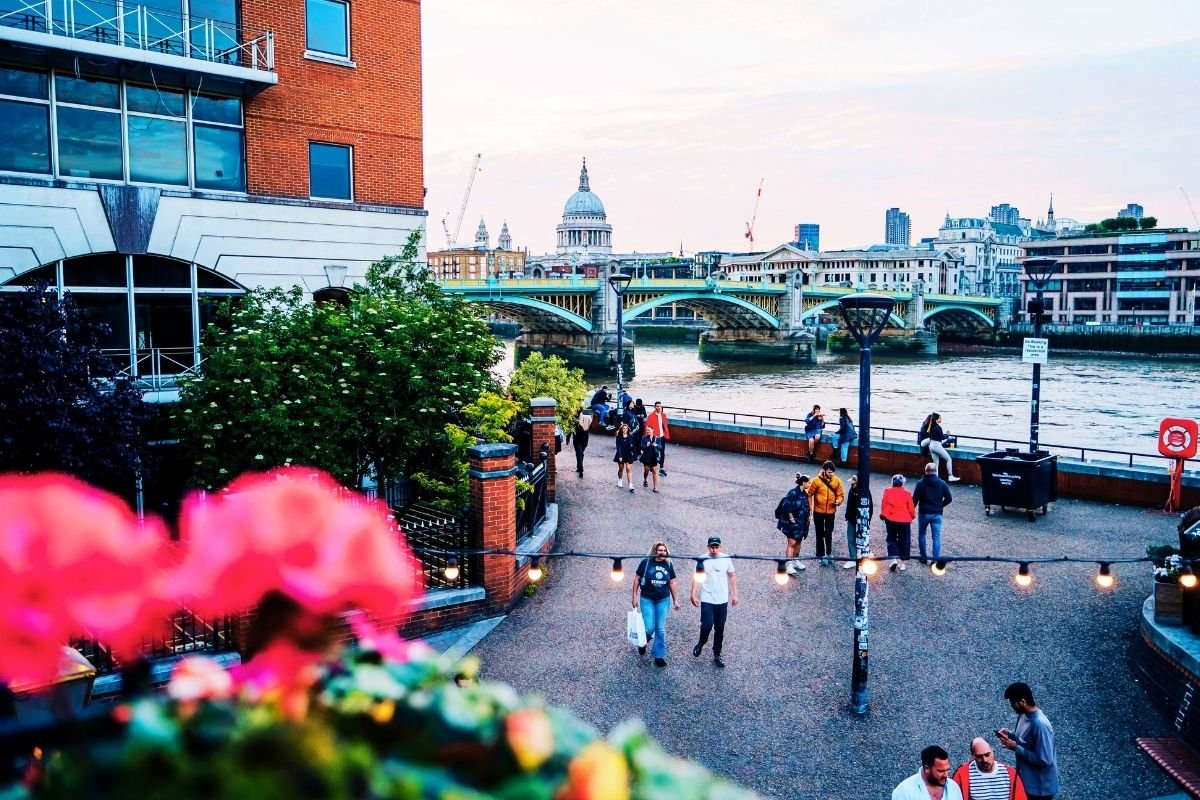
River-side reset: Bankside and Southwark feel calmer at the end of the day while keeping access fast.
A Real Comparison (So You Don’t Overthink It)
| Base Area (2026) | Feels Like | Best For | Watch For | Typical Cost Tier |
|---|---|---|---|---|
| South Kensington / Gloucester Road | Orderly, safe-feeling, museum-core calm | Families, couples, comfort-first travelers | Small rooms, price spikes, noisy main roads | Mid to high |
| Marylebone / Baker Street | Clean connections, controlled movement | First-timers who fear complexity | Traffic near major arteries, room placement | Mid to high |
| Bloomsbury / Russell Square | Walkable central, calmer blocks | Couples, solo travelers, balanced planners | Older hotels with thin walls, mixed quality | Low-mid to mid |
| London Bridge / Bankside / Southwark | River-side reset, modern calm | Families, noise-sensitive travelers | Some zones feel business-like, not “classic” | Mid |
How to Choose Based on Your Traveler Type (Without Turning It Into a Spreadsheet Life)
If you’re a couple: choose Bloomsbury if you want walkability and a softer rhythm, or South Kensington if you want calm with a “classic London” feel and easy museum days.
If you’re a family: choose South Kensington/Gloucester Road for the strongest “easy reset” pattern, or Bankside/Southwark if you want more space and calmer returns.
If you’re a budget traveler: Bloomsbury can work if you book early and choose carefully. The worst budget mistake is a “cheap” base that forces expensive fixes (extra rides, rushed food, last-minute changes).
If you’re a comfort-seeker: Marylebone/Baker Street and South Kensington tend to convert money into real relief. In London, comfort is less about luxury and more about removing daily friction.
Two Smart Add-Ons That Prevent First-Time Mistakes (Used Correctly)
A Big Bus-style overview tour on Day 1 can actually be a money-saver if it replaces half a day of confused zig-zagging. It’s not “tourist fluff” when you use it as orientation. If you want that kind of clean first-day anchor, plug it in intentionally: Big Bus London tickets.
An eSIM is another quiet protector. London is navigable—but only if your maps stay alive and your data doesn’t collapse at the wrong moment. For first-timers, stable data prevents the expensive mistake of “I’ll just take a taxi because I’m lost.” Use it like infrastructure, not a gadget: get a London eSIM.
And if you arrive early and your room isn’t ready, don’t drag luggage across London and ruin your first hours. Use luggage storage deliberately and start the day clean: secure luggage storage in central London.
Next, in Part 3, we’ll do what most guides avoid: the deadly mistakes that make first-time visitors choose “good areas” the wrong way, plus a practical booking plan (what to do, when, and how) that protects sleep, budget, and safety.
Best Areas to Stay in London for First-Time Visitors (2026): The Deadly Booking Mistakes + The Simple Plan
By now, you have the right filter and the right base candidates.
So Part 3 is the part that actually prevents the big mistake.
Because most first-time visitors don’t fail London because they chose a “bad neighborhood.” They fail because they chose a good neighborhood in a bad way: wrong street, wrong station logic, wrong expectations, wrong booking timing—then they spend the trip paying to repair the decision.
Best Areas to Stay in London for First-Time Visitors: The Deadly Booking Mistakes
Mistake #1: Booking “near a landmark” instead of booking “near a clean route”
“10 minutes from Hyde Park” means nothing if your daily movement is awkward. First-timers fall in love with landmark proximity because it feels concrete. But London is not a “landmark city.” It’s a movement city.
If your route to the places you actually visit requires repeated line changes, you will stop returning to your hotel. Then your day becomes longer, your meals become random, and you start buying expensive fixes when you’re tired.
Mistake #2: Choosing a base that looks calm on Google Maps but behaves loud in real life
London has streets that change personality after 5 pm. A block that looks fine at noon can become a high-noise corridor in the evening—traffic, crowds, constant motion. If you’re sensitive to sleep, you cannot be casual about this.
The TripsCity move is simple: if you want a calm base, you book one or two streets away from the main artery, not on it. The difference can be dramatic.
Mistake #3: Falling for a “cheap deal” that turns the trip into commuting
A cheap room that adds 35–50 minutes each way is not “saving money.” It’s selling your energy.
Commuting drains first-timers because they don’t know the network yet. Every extra step costs more than it should. And the hidden cost is behavioral: you stop doing midday resets, you stop changing plans intelligently, and you start overpaying for convenience because you’re worn down.
Mistake #4: Not booking around December realities
For 2026, you should assume the December period is not a normal market. Prices spike around the holiday window, and availability compresses in the areas that are truly “calm + connected.”
If your dates touch late December, your options shrink fast. That is when first-timers panic-book something awkward and spend the week regretting it.
Mistake #5: Ignoring personal safety rhythm
This isn’t fear-mongering. It’s about how you move.
A first-time base should support simple returns and a street rhythm that feels predictable—especially for families and solo travelers. If you want a clear guide that separates “normal London” from the areas and patterns that create risk or stress, keep this TripsCity funnel open: London Safety Guide 2026: Safe Areas, Common Scams & Night Travel Rules.
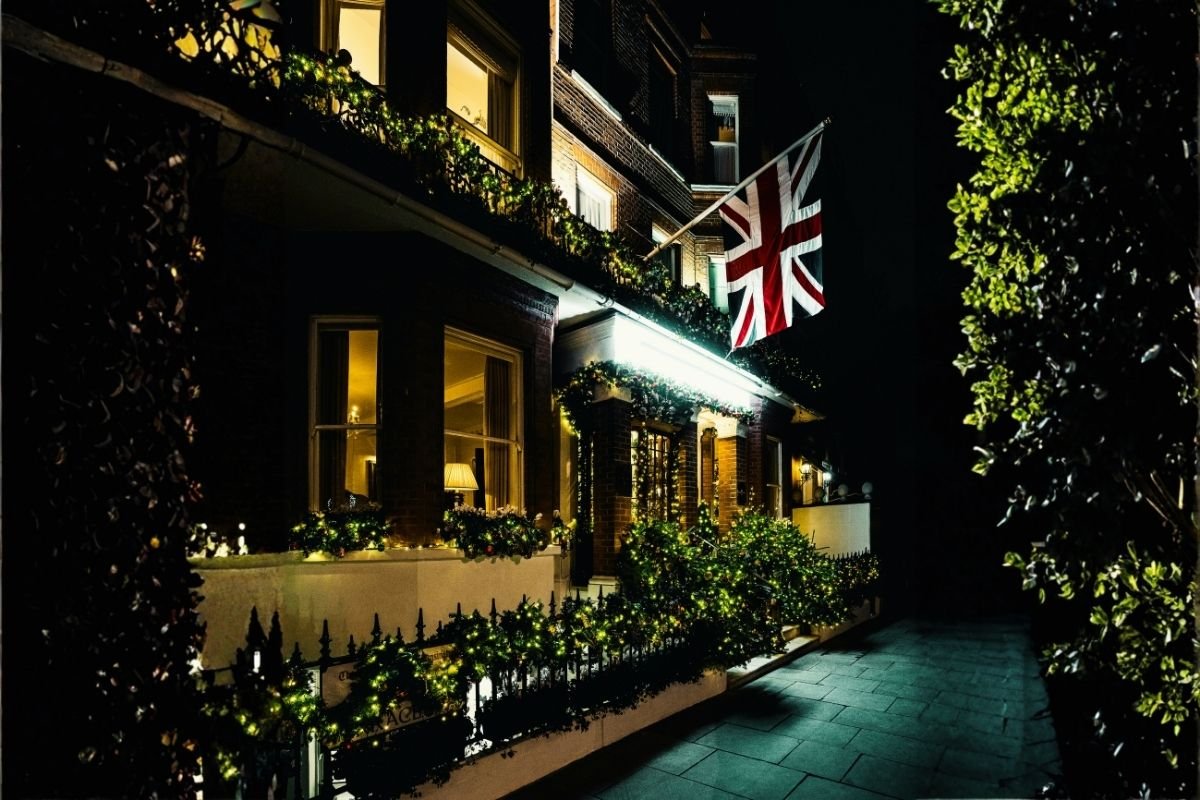
A quiet return matters: the right street protects sleep and prevents the trip from turning into daily repair.
Best Areas to Stay in London for First-Time Visitors: The Simple Booking Plan
This is the plan I would give a friend before their first trip—because it prevents the two classic failures: overpaying and overcomplicating.
Step 1 (Before Booking): Decide your “movement spine”
Pick the two anchors you know you’ll do: usually Westminster + museums + one flexible zone (markets, riverside walks, a day trip). Then choose your base area by how cleanly it reaches those anchors with minimal friction.
If you haven’t internalized how London payment caps and passes actually work, do this before you finalize anything. It changes what “connected” means in real life: London Public Transport Costs Explained (2026): Daily Caps, Passes & The Mistakes That Cost You.
Step 2 (Timing): Book earlier than you think for the “calm + connected” zones
If your trip is in a high-demand window, the best first-time bases disappear first—not the most expensive ones, the most usable ones.
So the correct strategy is not “wait for a deal.” The correct strategy is: shortlist 8–12 properties across 2 base areas, then book once you find a room that passes the sleep and route tests.
And yes, you can sanity-check the market quickly with one live scan rather than guessing: compare London hotels for your 2026 dates.
Step 3 (Street Rule): Pay for the street, not the postcode
In London, “good area” is not enough. You want the right micro-location:
If the property sits on a major artery, near a big junction, or directly beside constant traffic flow, you’re gambling with sleep.
If it sits slightly inward on a calmer street, you’re buying stability.
That one choice changes everything: mood, energy, and how much you spend “repairing” days with expensive shortcuts.
Step 4 (Arrival Day): Remove friction on purpose
Arrival day is when first-timers waste the most money because they’re tired and they don’t want complexity.
If you land early, don’t drag luggage across London. Store it and start clean: book luggage storage near a major station.
If you’re arriving with kids, or late, or with heavy bags, don’t turn the first hour into a problem-solving contest. Pre-book a simple transfer and protect your energy: reserve an airport transfer.
And protect your navigation from day one. London is easy when your phone works; it’s expensive when it doesn’t: set up a UK eSIM.
The Smart “First-Timer Day 1” Move Most People Skip
First-time visitors often try to “win London” on Day 1. They rush. They zig-zag. They exhaust themselves early—and then they spend the rest of the trip slightly behind.
A better move is orientation: see the city’s shape, understand how neighborhoods connect, then start doing focused days. That’s where an open-top route can be used correctly—not as fluff, but as a city map you can sit inside. If you want that kind of clean first-day anchor, use it intentionally: Big Bus London ticket options.
Then, on Day 2+, you plug in what actually matters: timed-entry attractions, day trips, and guided walks that reduce decision fatigue. A well-chosen tour is not “doing more.” It’s doing one thing without friction: browse London tours and day trips.
And if you want one food experience that feels genuinely local without turning the whole trip into restaurant hunting, the only “paid food” that makes sense is a controlled, booked anchor—like a meal hosted by locals in their homes. Done once, it can be a memory instead of a daily budget leak: local home dining experiences in London.

The goal isn’t “central”—it’s confidence. A good base makes London feel simple by day two.
Funnels: What to Read Next on TripsCity (So Your Base Connects to the Rest of the Trip)
If you still feel uncertain about total trip cost: read this before you commit to a hotel tier, because it reframes what “worth it” means in London: Is London Expensive for Tourists in 2026? The Honest Cost Reality.
If you want your movement to stay clean: don’t guess Oyster vs contactless vs bus rhythm—use the system that keeps days smooth: How to Get Around London (2026): The System That Saves Your Day.
If you want a broader plan, not just a hotel area: build the whole week structure here: Complete Travel Guide to London 2026: The City That Punishes Vague Plans.
The Direct Decision (No Dancing Around It)
If this is your first time in London in 2026, do not book based on “central.” Book based on calm + connected + not complicated.
Pick one of the bases that behaves like a stable platform (South Kensington/Gloucester Road, Marylebone/Baker Street, Bloomsbury/Russell Square, or London Bridge/Bankside/Southwark). Then apply the street and route tests before you pay.
If your base passes the tests, London becomes easy.
If it fails them, London becomes a daily repair job.
And that is the honest truth: in London, the hotel choice is not a detail. It’s the trip.
FAQ: Best Areas to Stay in London for First-Time Visitors (2026)
Is it better to stay in Zone 1 for a first trip?
Not automatically. Zone 1 can be convenient, but it can also be noisy, expensive, and surprisingly awkward depending on your nearest station and street. A clean route and calm sleep often beat “being in the middle.”
Which area is best for first-time visitors who hate complicated transport?
Marylebone/Baker Street is a strong choice because multiple lines give you flexibility, and disruptions don’t break your day. It’s one of the safest decisions if you want clarity.
What’s the safest “easy mode” base for families?
South Kensington/Gloucester Road tends to create the smoothest family rhythm: controlled mornings, simple museum days, and easier resets. But you still must choose the right street to protect sleep.
Can Bloomsbury work if I’m on a tight budget?
Yes—if you book early and you’re selective. Bloomsbury can offer excellent walkability, but hotel quality varies. Read the room reality carefully (sound insulation, heating, size) and don’t pay “cheap” money for a sleep problem.
How early should I book London hotels for peak dates in 2026?
If your trip touches late December or other high-demand periods, book earlier than you think. The “best value” bases sell out first because they reduce friction. Waiting can force you into awkward options that cost more in the long run.