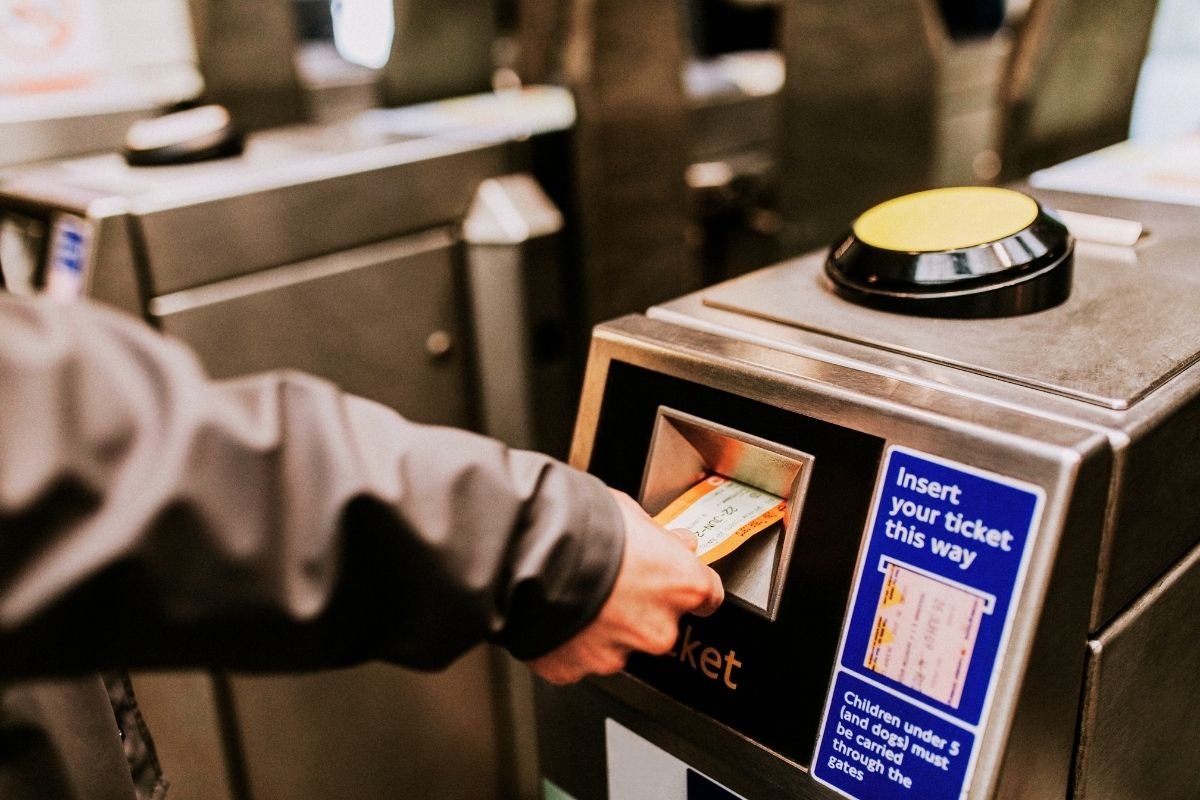
And then the real fear shows up — not the dramatic one, the practical one:
What if London is the kind of city that punishes vague plans? What if you arrive with a budget mindset and still bleed money — not because you’re careless, but because the city keeps forcing small paid decisions when you’re tired?
This is the anxiety tourists actually have about London. Not “is it expensive?” but “will I lose control?”
That’s why is London expensive 2026 is a fear-query, not a math-query.
London cost reality: small decisions stack when you’re tired.
is London expensive 2026? The real mechanism: London gets expensive because it charges you for repairs
Here’s the honest reality most travel content avoids saying clearly:
London becomes expensive when your day becomes fragile.
Yes, the headline prices are real: hotels, attraction tickets, meals, transport. But what makes tourists feel “London is draining me” is a different pattern — the cost of fixing small mistakes.
You miss a timed entry because you underestimated the queue. You pay more for a better slot next time. You choose a base that looks central on a map but forces awkward connections, so you stop returning for breaks — and end up buying more food out because you’re stuck outside all day. You choose “we’ll figure it out” transport, then take two unnecessary rides because you exit the station wrong and don’t want to climb back down.
That is the hidden London tax: paid repairs.
And that’s the clean answer behind is London expensive 2026.
That’s why the question isn’t only “How expensive is London?” — it’s how often you have to pay to recover your day.
is London expensive 2026 for tourists? Yes — but in a specific way
London in 2026 is not expensive in a cartoonish way where everything costs a fortune. It’s expensive in a controlled-or-chaotic way.
If your base is strong and your movement is clean, London is manageable. You’ll still pay London prices — but you’ll pay them with intention.
If your base is weak and your plan is vague, London becomes a leak. Not because you bought luxury — because you kept paying to stabilize the day.
TripsCity doesn’t measure “cheap vs expensive.” We measure controlled vs fragile.
If you want the city-wide strategy lens first, read this funnel guide (it explains why London punishes vague planning):
Complete Travel Guide to London 2026: The City That Punishes Vague Plans.
What tourists get wrong when they ask is London expensive 2026: they over-fear transport and under-fear accommodation
Most tourists obsess over the Tube fare and ignore the hotel decision until it’s too late.
Transport in London isn’t “cheap,” but it can be predictable if you use the system the way it’s designed. Pay-as-you-go has daily caps, and that matters — because caps are what stop transport from turning into a spiral of “one more ride, one more ride.”
If you want the official explanation of how caps actually work (and why they matter for tourists), TfL’s guide is the cleanest reference:
TfL fare capping.
The bigger risk is accommodation. Hotels are the core weight in London budgets because pricing moves with seasons, events, and demand spikes. If your dates are hot, you’re not “finding a deal.” You’re choosing which compromise you can live with: smaller room, longer commute, or less flexibility.
So the smart move is not “hunt forever.” It’s lock a flexible base early so your trip has a stable price floor — then adjust later only if you truly improve the plan.
This is the fastest way to sanity-check options in one clean pass:
London hotels with free cancellation.
The London cost reality you must accept emotionally
Most budget stress comes from pretending London will behave like a cheaper city if you “try hard enough.” It won’t. London rewards structure, not optimism.
Accommodation (why is London expensive 2026 feels true)
Accommodation is the trip’s primary cost lever. If you win the hotel decision, the entire trip becomes easier: fewer paid repairs, fewer panic meals, fewer “we’re too far, just take another ride.” If you lose the hotel decision, every day becomes a chain of small spending.
Transport is controllable if you stop improvising it
Transport is controllable if you stop improvising it. London punishes tourists who decide transport fresh every time. Learn the system once, then execute.
If you want the transport logic broken down clearly (Oyster vs contactless, caps, tourist mistakes), use these internal guides:
How to Get Around London (2026): The System That Saves Your Day (Tube, Buses, Oyster & Contactless)
and
London Public Transport Costs Explained (2026): Daily Caps, Passes & The Mistakes That Cost You.
Attractions become expensive when you buy them emotionally
Attractions become expensive when you buy them emotionally. London has experiences that are genuinely worth paying for — but it’s easy to buy tickets like you’re trying to “prove” the trip was successful. That’s how you stack pricey entries back-to-back, then pay extra for fast-track because you’re late, then pay again for something you don’t even enjoy because you’re exhausted.
For a hard reality check number, a landmark like the Tower of London sits firmly in the paid-attraction category — and official pricing changes by season:
Tower of London tickets & prices.
One way many tourists keep spending predictable is choosing one structured sightseeing day instead of scattered impulse tickets — especially early in the trip when you’re still learning the city’s rhythm:
Big Bus Tours.
If you prefer a tighter, guided structure (so you don’t overpay for “repairs”), you can compare curated options here:
London guided tours.
Food becomes expensive when you eat out of fatigue
Food becomes expensive when you eat out of fatigue. London can be reasonable if you choose intentionally: simple breakfasts, controlled lunches, one proper meal. It becomes expensive when your day has no pause point — so every meal becomes a purchase made under time pressure.
That’s also why “one deliberate local food experience” often works better than five random tourist meals. If you want that kind of controlled, human evening (without guessing), this is the type of option that fits naturally into a cost-stable day:
local home dining experiences in London.
When days get fragile, small purchases turn into a pattern.
The real travel decision: who this guide is for — and who should rethink London
This article is for you if: you want London, but you want it with control. You’re okay paying for value — you refuse to pay for chaos. You want to leave London proud of what you did, not confused about where the money went.
You should rethink London (or redesign the trip) if: you require a “cheap European capital” experience, you hate any structure, or your comfort depends on last-minute spontaneity while still staying inside a tight daily budget. London can be incredible — but it is not forgiving to travelers who refuse a plan.
Two anchors that stop “is London expensive 2026” from feeling true
Anchor #1: A base that protects your returns.
If you can return mid-day without a complicated commute, your food costs drop, your impulsive transport costs drop, and your paid “convenience” decisions shrink. This isn’t comfort advice — it’s cost engineering.
Anchor #2: A transport routine you don’t rethink.
Once you understand caps and zones, stop debating every ride. London rewards tourists who move cleanly and repeat a simple routine.
If you want a separate “real numbers per day” framework as a companion funnel, use:
London Budget Guide 2026: What You REALLY Spend Per Day (Real Numbers).
Two practical “stability tools” often prevent paid repairs on real trips. The first is staying connected so navigation doesn’t collapse mid-day:
UK eSIM.
The second is freeing your final day from bag-friction (which usually forces unnecessary taxis, paid shortcuts, or wasted time):
luggage storage in London.
And the fastest overpay moment often happens on the first night — when you land late, you’re tired, and you buy the easiest fix. If you want arrival to be clean and controlled, compare options here:
London airport transfer.
is London expensive 2026? The four cost buckets that decide whether London feels “expensive”
Most tourists try to budget London by adding up prices. That approach is emotionally comforting — and practically wrong.
To budget London honestly, you have to budget the system — not just prices.
London behaves like a system: if one part of your day becomes fragile, the city quietly charges you for repairs. You don’t see one “big expense.” You see a sequence of small paid decisions that arrive when you’re tired, cold, late, or overwhelmed.
So instead of asking “How much does London cost?”, a better question is: Which bucket will break first?
If you came from is London expensive 2026, this is what you actually need to diagnose.
The four buckets are simple, but their impact is not:
1) Sleep (your base). Your base is not “a bed.” It’s the control center that decides whether your day is recoverable. If you can return easily, you spend less on emergency food, random transport, and paid shortcuts.
2) Movement (your travel rhythm). London transport is manageable when you move cleanly. It becomes expensive when you keep improvising and over-correcting.
3) Food (your energy management). Food is expensive when it becomes emergency fuel. The moment hunger decides your route, your budget stops being a budget.
4) “Doing London” (paid anchors vs. emotional stacking). Attractions aren’t expensive because they exist. They’re expensive because tourists stack them emotionally, then pay to recover from queues and missed timings.
If you want the movement logic (caps, zones, and the mistakes tourists keep repeating), keep this TripsCity funnel open while reading:
London Public Transport Costs Explained (2026): Daily Caps, Passes & The Mistakes That Cost You

Control comes from pattern: base, movement, food, and one paid anchor.
When you ask is London expensive 2026: not the month — the pressure
London isn’t equally expensive all year, and not because prices magically change overnight. It’s because pressure changes your behavior.
In calmer periods, you walk more, you wait more patiently, you return to your base, and you make fewer reactive purchases. In high-pressure periods (busy summer weeks, school holidays, heavy crowd days), you spend differently: you upgrade, you shortcut, you buy speed, you buy comfort, you buy “salvation.”
That pressure is exactly why London can feel wildly different depending on when you visit and how tightly you can hold your routine.
That’s why two tourists can visit the same London and report opposite realities. One had a controlled rhythm. The other paid for repairs.
Cost reality by traveler type: where the money actually goes
TripsCity doesn’t budget cities in abstract. We budget your London.
The same London can cost two travelers wildly different amounts — not because one is smarter, but because their daily structure is different.
So is London expensive 2026 depends less on your intentions — and more on your pattern.
| Traveler Type | Realistic Daily Range (per person) | What Usually Breaks the Budget |
|---|---|---|
| Couples (mid-range) | £160–£240 | Hotel friction + emotional attraction stacking |
| Families | £130–£220 (per adult), kids vary | Comfort fixes: rushed meals, wrong timing, paid shortcuts |
| Budget travelers | £70–£120 | Small leaks: snacks, extra rides, fatigue spending |
| Comfort seekers | £280–£450+ | Premium everywhere — without structure |
These ranges assume a normal London rhythm: central sightseeing, mixed free and paid experiences, and typical transport use. They are not “minimum possible.” They are what happens when a real person travels London for real.
These ranges exist because London cost depends on your travel pattern — not your intentions.
Couples: London gets pricey when you try to “prove” the trip
Couples usually arrive with the cleanest intention: “We’ll walk, we’ll explore, we’ll do a few big things.”
The trap starts when “a few big things” becomes a subtle performance. Two paid landmarks in one day turns into three. Then you add upgrades because you’re late once. Then you eat out because you didn’t return to your base. None of it is ridiculous — but together it becomes expensive.
The strongest cost move for couples is choosing paid experiences as anchors, not as proof. That means: choose one timed entry anchor that you protect, and build free layers around it (parks, neighborhoods, museums).
If you want that anchor approach without buying tickets in a scattered, reactive way, compare timed-entry options in one place and pick only what truly fits your rhythm:
London timed-entry attraction tickets
The goal is not “do less.” The goal is do cleanly. London rewards couples who keep the day stable — and punishes couples who keep paying for late fixes.
Families: the city gets expensive the moment the day collapses
Families don’t lose money because they “buy too much.” Families lose money because London forces comfort repairs when kids hit a wall.
A child doesn’t care that a museum is free. When they’re cold, hungry, or overstimulated, your day becomes fragile. And fragile family days create paid solutions: extra rides instead of clean routes, expensive meals because you can’t keep walking, impulse purchases because you need a quick win.
The family strategy that actually works in London is not “maximize.” It’s “stabilize.” Build days with fewer moves, earlier returns, and one controlled highlight that feels worth the effort.
For many families, one of the cleanest “highlight anchors” (because it’s time-structured and kid-relevant) is a studio-style experience you book in advance. If that’s your type of day, compare options here and lock it early so it doesn’t become a last-minute expensive scramble:
Harry Potter Studio Tour tickets (family anchor)
Families who win London do not “do more.” They do fewer things with more control.
Budget travelers: London is survivable — but only if you respect small leaks
Budget travelers usually do two things right: they walk, and they use free museums.
So why do budget travelers still sometimes leave London feeling broke?
Because London drains budget travelers through small leaks: snacks, coffee, extra short rides, paid “just to rest” moments, and emergency food bought because you mis-timed the day. None of these feels like a mistake. Together, they become the overrun.
Budget London requires one non-negotiable: a routine that reduces decision fatigue. When you decide food and movement once, you stop buying random fixes.
If your transport plan isn’t stable, start here — it’s the quickest way to stop wasting money on avoidable rides:
How to Get Around London (2026): The System That Saves Your Day
Budget travelers don’t need London to be cheap. They need London to be predictable.
Comfort seekers: you can afford London — and still waste it
Comfort travelers don’t need London to be cheap. They need London to be smooth.
The irony: comfort seekers can still “feel” London as expensive — not because of the prices, but because they pay premium rates and still experience chaos: long queues, missed timings, crowded trains, rushed meals.
Comfort in London is not a number. It’s a design. If you want comfort, buy it as structure, not as impulse upgrades.
A classic example is the “evening salvage.” After a long day, you want something calm that still feels like London — without another queue battle. For many travelers, a simple river-based experience becomes a clean comfort anchor because it removes decision fatigue and gives you a controlled pace:
Thames river cruise options
Paying for comfort is fine. Paying for comfort repairs is the waste.

One city, four cost patterns — structure decides the outcome.
The real control move: stop guessing — lock your London pattern
Most people ask: “How expensive is London?”
TripsCity asks: “What’s your London pattern?”
Because if your pattern is clear, the numbers stop being scary. You stop paying for repairs. You stop stacking attractions. You stop buying meals out of panic. You stop spending money just to feel safe.
If you want a full daily framework built on realistic behavior (not fantasy budgeting), keep this open as your cost compass:
London Budget Guide 2026: What You REALLY Spend Per Day (Real Numbers)
is London expensive 2026? The deadly mistakes that quietly add £30–£120 a day
London rarely drains tourists with one dramatic mistake. When people ask is London expensive 2026, what they’re really asking is: “How do I stop paying for repairs?”
It drains them through patterns: small decisions made when they’re tired, late, hungry, or overwhelmed. And the cruel part is that every one of these decisions feels reasonable in the moment. You don’t feel “reckless.” You feel like you’re surviving the day.
This is why is London expensive 2026 keeps showing up in searches — it’s a pattern problem.
So this section is written like a warning, not like a tips list. Because the people who lose money in London are not stupid. They are normal travelers who arrived with a vague plan in a city that punishes vagueness.
Mistake #1: Treating your hotel like “just a bed”
If your base is wrong, London becomes expensive even if you never buy an expensive ticket.
A weak base doesn’t only cost you commute time. It changes your behavior: you stop returning, you stop taking breaks, you start eating out of fatigue, and your day becomes a straight line from morning to night with no reset point.
When you can’t reset, you start buying fixes: extra rides, “quick meals,” paid shortcuts, impulse entries because you need a win. London isn’t expensive because your hotel cost more. It’s expensive because your hotel choice made every other decision fragile.
Mistake #2: Buying transport decisions one by one
London transport is not the problem. Constant decision-making is.
When you keep rethinking “Tube or bus?”, “this line or that line?”, “walk or ride?”, your day gets slower. When your day gets slower, you start paying for speed. You take extra rides because you’re behind schedule. You take the “simple” option because you’re mentally depleted.
This is why TripsCity keeps pushing one core idea: learn the system once, then repeat a routine. If you need the clean version of that logic, these two guides are your control layer:
How to Get Around London (2026): The System That Saves Your Day (Tube, Buses, Oyster & Contactless)
London Public Transport Costs Explained (2026): Daily Caps, Passes & The Mistakes That Cost You
Mistake #3: “We’ll decide attractions on the day” (London’s most expensive sentence)
In some cities, spontaneity saves you. In London, spontaneity often costs you.
On busy weeks, deciding late turns into: longer queues, fewer available slots, higher “fast” options, and a day that becomes a series of compensations. You miss one timing, you repair the day with money.
London rewards tourists who choose one paid anchor and protect it. It punishes tourists who try to discover their entire itinerary in real time.
Mistake #4: Letting hunger run the schedule
Food is not expensive because London has pricey restaurants. Food is expensive when you buy it in panic.
If your day has no food structure, you will eat wherever you happen to be when you crash. That is how you end up paying premium prices for average meals, then paying again later because you didn’t actually eat what you needed.
The fix is not “find cheap food.” The fix is to design energy: a simple breakfast pattern, a controlled lunch, and one deliberate meal you actually care about. London becomes more predictable when your body stops negotiating with your wallet.
Mistake #5: Turning the final day into a “bag day”
This is one of the most underestimated money leaks in London.
When your final day is spent carrying bags, you move worse. You avoid walking. You take extra rides. You choose expensive convenience because you’re physically limited. You waste time looking for a place to sit. You end the trip tired and irritated — and London quietly charges you for that friction.
Final days should be clean: one last neighborhood, one last museum, one last view — not a logistics battle.

Fatigue is where repair spending starts.
is London expensive 2026? A practical plan that keeps London controlled in 2026
This is the part most guides avoid because it requires structure.
Structure is the only thing that makes is London expensive 2026 stop feeling true in real life.
But structure is the only thing that prevents the repair tax. So here is a clean, logical plan — not a checklist, a sequence. Follow the sequence and your spending becomes predictable.
Step 1: Decide your London “pattern” before you book anything
Ask one question: do you want London to feel landmark-heavy or neighborhood-heavy?
Landmark-heavy trips need more timed entries and more transport precision. Neighborhood-heavy trips need a stronger base and fewer paid anchors. The mistake is mixing both without controlling timing.
If you haven’t read the city-wide strategy lens yet, start here — it explains why London punishes vague planning and how to choose a rhythm that fits you:
Complete Travel Guide to London 2026: The City That Punishes Vague Plans
Step 2: Lock your base early, then stop reopening the decision
Not because you’re chasing the lowest price — because you’re buying stability.
Once a flexible base is locked, everything else becomes easier: your transport routine, your return breaks, your meal structure, your energy. This one decision prevents dozens of small paid repairs later.
Step 3: Build your week using “paid anchors” and “free layers”
This is the TripsCity build method:
Paid anchor: one controlled, timed experience you actually care about (a major attraction, a day trip, a theatre night).
Free layer: parks, neighborhoods, free museums, markets, walking routes — the parts of London that feel rich without costing you a ticket.
If you want a controlled way to add one high-value paid day without stacking random tickets, make it a single decision: a day trip. Day trips work because they compress your planning into one stable block and reduce “what do we do now?” spending.
Best London day trips (one clean paid day)
And for many tourists, a theatre night is a powerful “paid anchor” because it gives you a fixed time and a clean evening structure — no wandering, no queue hunting, no impulse entry decisions:
West End theatre tickets
Step 4: Protect your energy with two daily reset points
London becomes expensive when you keep pushing through fatigue.
So design two reset points into your day: a midday pause (even 30 minutes) and an evening decompression (a calm walk, a quiet meal, a simple route back). Reset points are not “relaxation.” They are budget protection, because tired you makes expensive decisions.
Step 5: Pre-plan your arrival and your last day
Arrival day rule: no major paid attraction on day one. Day one is for checking in, learning your neighborhood, and one easy win near your base. When you land tired, your job is not “do London.” Your job is “stabilize.”
Last day rule: design the day around a clean exit: one final area, one final meal, and a calm route to your departure. Don’t turn the last day into a chaotic scramble.
If you want your budget to feel predictable, you need predictable edges: arrival and departure. London rarely destroys budgets in the middle of a trip — it destroys them at the edges.

Paid anchors + free layers = controlled London days.
is London expensive 2026? The direct TripsCity decision
If you want an honest answer to the title question — is London expensive for tourists in 2026? — here it is:
London gets expensive when you arrive without structure. Not because you’re weak, but because the city will keep charging you for repairs until you either control the day… or pay to survive it.
So your decision should be direct:
Go to London in 2026 if you can commit to a stable base, a simple movement routine, and one paid anchor per day max.
Rethink London (or shorten it) if you need the trip to work on spontaneity while staying strict on costs. That mismatch is what makes people leave London saying: “It was incredible… but exhausting.”
If you want the clean daily numbers framework that matches this strategy, keep this open as your cost compass:
London Budget Guide 2026: What You REALLY Spend Per Day (Real Numbers)
FAQ: is London expensive 2026 (London cost reality)
Can I do London cheaply without missing the real city?
Yes — if your base is practical, your transport routine is stable, and you build free layers (museums, parks, neighborhoods) around one paid anchor. “Cheap” fails when you try to do everything and fix timing mistakes with money.
What’s the single biggest cost lever for tourists in London?
Your accommodation location and return quality. A “cheaper” room that destroys your ability to reset the day often becomes more expensive than a slightly higher base that keeps the trip stable.
Is it better to pre-book attractions or decide on the day in London?
In London, pre-booking one or two anchors is usually better than improvising on busy days — because improvisation creates queues, missed slots, and paid upgrades to recover.
How do I stop food spending from exploding?
Design energy: a simple breakfast routine, a controlled lunch, and one intentional meal you care about. London food becomes expensive when you eat out of fatigue and time pressure.
Are day trips worth it if I’m worried London will be expensive?
Often yes, because a day trip can replace a chaotic “what do we do today?” day with one controlled block. It reduces decision fatigue and prevents repair spending.