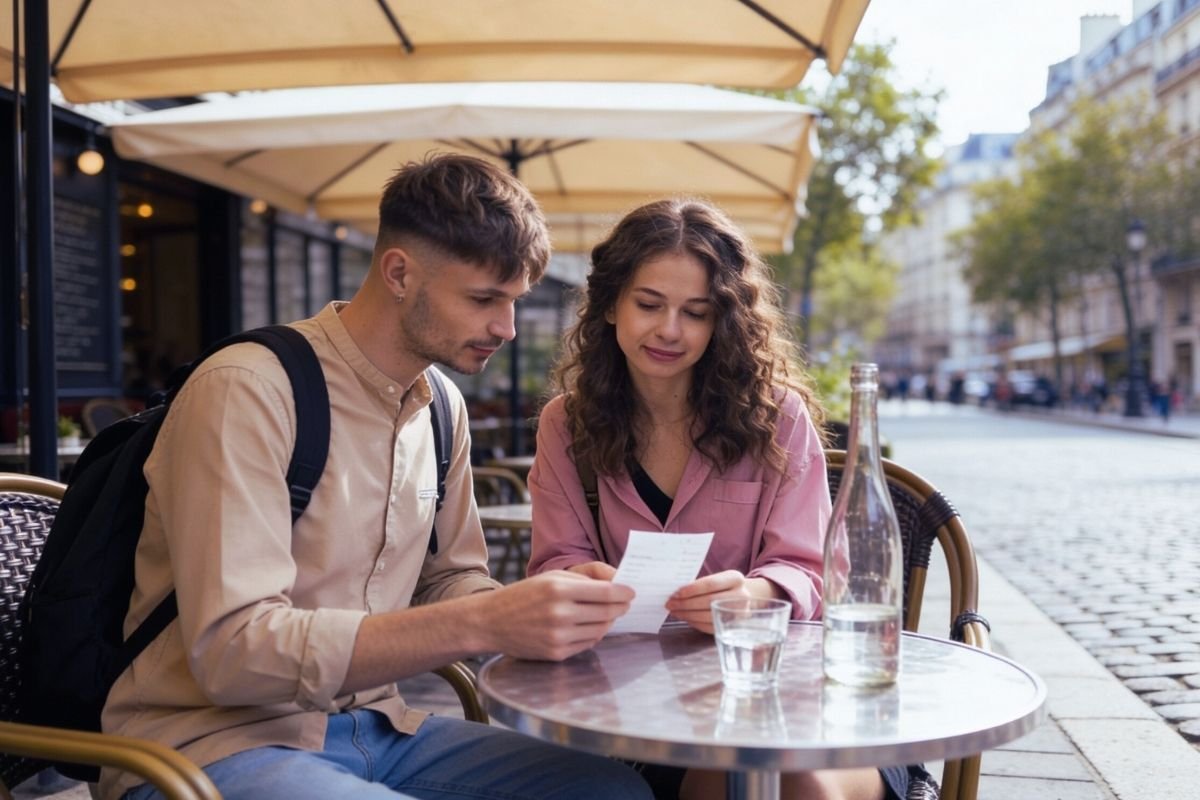
Is Paris expensive? It can be, especially for accommodation, frequent paid attractions and convenience spending. But how expensive Paris feels depends heavily on where you stay, where you eat and how tightly you plan each day.
For most visitors, the biggest budget pressure does not come from one dramatic purchase. It comes from repeated everyday costs: accommodation, meals, transport, attraction tickets and convenience spending when the day becomes rushed.
A traveler who stays in a well-connected area, plans major attractions in advance and avoids last-minute transport or landmark-area meals can experience Paris very differently from someone making the same decisions on the spot.
This guide explains where Paris actually becomes expensive, which travelers feel the pressure most, and how to control costs without turning the trip into a constant search for the cheapest option.
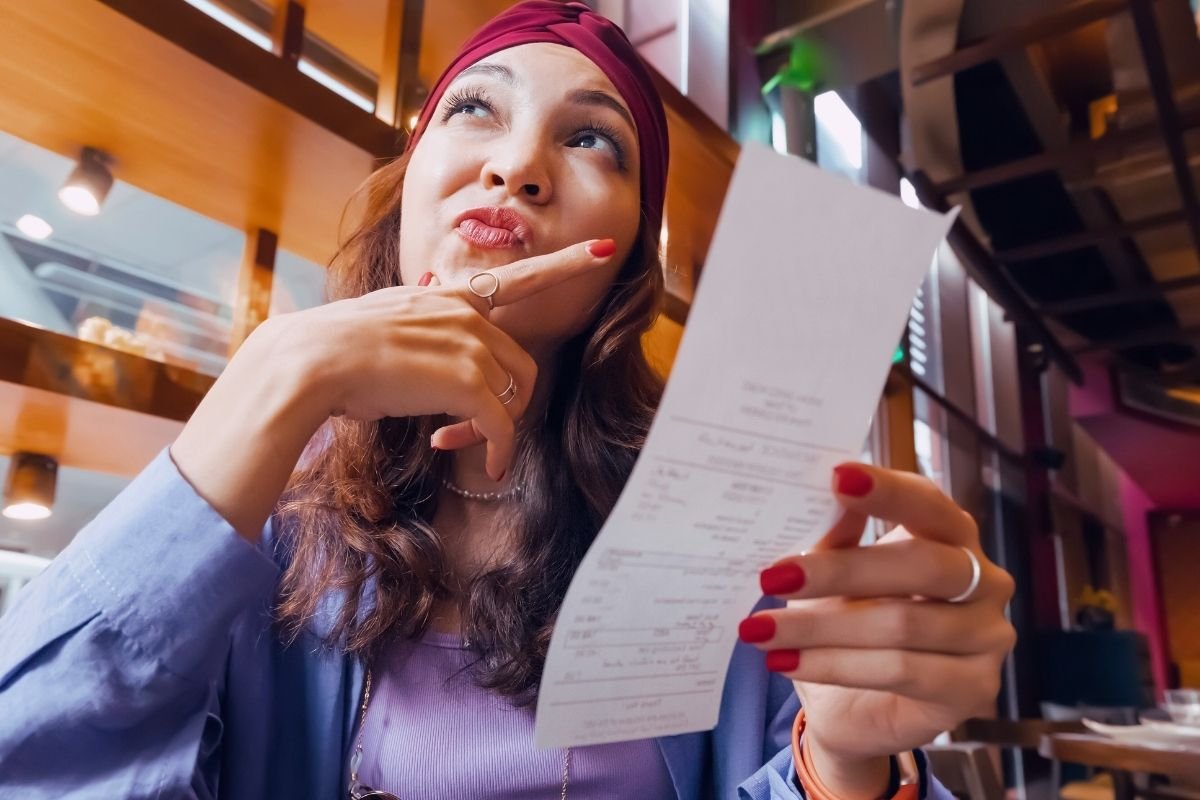
Paris doesn’t feel expensive at once. It becomes expensive after the fifth “small” decision of the day.
Is Paris Expensive? When Tourist Costs Start to Rise
Two visitors can follow similar Paris itineraries and still finish the trip with very different budgets. The difference often comes from accommodation location, transport choices, booking timing and how many decisions are left until the last minute.
For most tourists, three situations create the most avoidable cost pressure:
- Convenience spending: food bought simply because it is nearby, unnecessary transport and purchases made without comparing alternatives can add up quickly.
- Fatigue-driven decisions: tired travelers are more likely to choose the closest restaurant, take a taxi or abandon a cheaper plan because it has become inconvenient.
- Late booking: leaving important attractions or accommodation decisions too late can reduce availability and force you toward less suitable options.
If you’ve already read our breakdown of how planning mistakes silently eat time and money, this pattern will feel familiar:
Paris Travel Mistakes to Avoid (2026)
The same logic applies to cost. Paris is not expensive by default — it becomes expensive when friction is allowed to repeat.
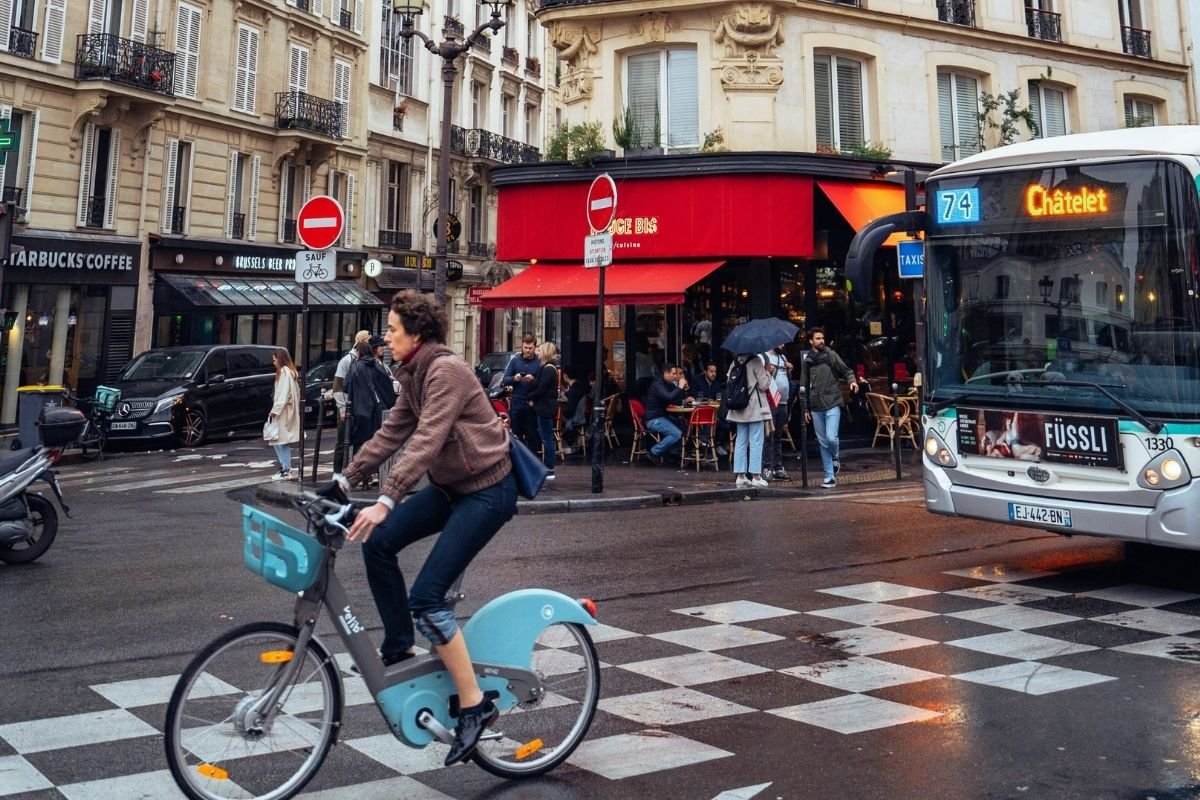
Most Paris budgets collapse not on attractions, but between them — in food timing, transport choices, and fatigue spending.
Where Paris Travel Budgets Usually Start to Drift
The most expensive parts of a Paris trip are usually predictable. The harder costs to control are the smaller decisions that repeat throughout the day.
| Cost pressure | What causes it | How to control it |
|---|---|---|
| Food and drink stops | Buying repeatedly near major attractions or whenever hunger interrupts the plan | Choose one deliberate meal and keep smaller stops flexible |
| Transport | Extra trips, taxis or inefficient routes caused by poor itinerary order | Group sightseeing by neighborhood and understand your ticket options |
| Attractions | Booking important sights too late or building too many paid stops into one day | Prioritize the attractions that matter most and confirm official booking rules in advance |
| Convenience spending | Paying more because the group is tired, late or far from a better option | Leave enough time between major stops so convenience does not become the default |
None of these decisions has to ruin a budget by itself. The problem is repetition across several days.
If you want a detailed breakdown of accommodation, food, transport and sightseeing costs, use our Paris Budget Guide 2026. It focuses specifically on realistic daily spending rather than the broader question of whether Paris feels expensive.
For current pricing and admission rules at museums managed by the City of Paris, check the official Paris Musées visitor information.
Is Paris Expensive for Solo Travelers, Couples and Families?
Paris does not feel equally expensive to every traveler. The pressure points change depending on whether you travel alone, as a couple, with children or on a strict budget.
The useful question is not simply how much each traveler spends. It is which costs are hardest for that traveler to control.

The costs that matter most in Paris depend heavily on how you travel.
Is Paris Expensive for Solo Travelers?
Solo travelers have more flexibility, but accommodation can cost more per person because there is nobody to split the room with. Convenience spending can also add up when every meal, ticket and transport decision falls on one person.
The strongest cost-control move is usually choosing a well-connected base early. A convenient location can reduce unnecessary transport and make it easier to return to your accommodation without turning every break into a logistical decision.
Our Paris for Solo Travelers guide covers the wider planning trade-offs for traveling alone.
Why Paris Can Feel Expensive for Couples
Couples often spend more on atmosphere: scenic cafés, better dinners, river cruises and spontaneous experiences. None of those choices is automatically poor value.
The budget usually drifts when several upgrades happen on the same day without being planned. Choosing one or two experiences that genuinely matter can preserve the romantic side of the trip without making every meal or attraction a premium purchase.

Paris can reward deliberate splurges more than a day filled with small unplanned upgrades.
Is Paris Expensive for Families?
Families are especially sensitive to location, meal timing and fatigue. A cheap hotel far from the main sightseeing areas can lose its advantage if every return requires extra transport or tired children force the day to end differently than planned.
A family budget is usually easier to control with shorter sightseeing blocks, predictable meal stops and accommodation that reduces unnecessary travel.
For neighborhood choices, see our Best Areas to Stay in Paris for Families guide.
Budget Travelers
Budget travelers can still experience Paris without turning every day into a compromise, but the margin for planning mistakes is smaller.
Location, public transport and food timing matter more than chasing the absolute cheapest option. Saving money on one decision can backfire if it creates repeated costs somewhere else.
For detailed per-day estimates and spending categories, use our Paris Budget Guide 2026. This article stays focused on why Paris feels expensive rather than duplicating the full budget breakdown.
Why Is Paris Expensive for Some Tourists?
The biggest gap is often between the budget travelers imagine before arrival and the way small costs accumulate once sightseeing begins.
Three assumptions create much of that gap:
- “We can decide everything as we go.” Flexibility is useful, but important attractions, accommodation and transport decisions become harder when every choice is left until the last minute.
- “Small purchases will not matter.” A single coffee, snack or short ride rarely changes the budget. Repeating those purchases several times a day can.
- “Location is secondary.” Accommodation that looks cheaper can create more transport, longer returns and less flexibility during the day.
Transport is one area where you can check the real cost before making assumptions. Current fares and ticket rules are available from RATP’s official ticket and fare information.
The practical goal is not to eliminate spontaneous spending. It is to make sure the predictable parts of the trip are organized well enough that spontaneity remains a choice rather than a financial rescue plan.
How to Keep Paris Costs Under Control
You do not need to plan every euro before arriving in Paris. You do need a few decisions in place before the trip begins.
The most useful approach is to control the expenses that influence several other parts of the day: accommodation location, transport and the attractions that require advance planning.

A few decisions made before the sightseeing day begins can prevent unnecessary spending later.
Step 1: Get the Three Foundations Right
Choose your base carefully. A well-connected hotel or apartment can reduce unnecessary transport and make breaks or evening returns easier.
Understand how you will move around Paris. You do not need to memorize the Metro map, but you should know which ticket or payment option fits your trip and avoid building days around unnecessary cross-city journeys.
Book the attractions that genuinely require planning. Prioritize the one or two major sights that matter most on a sightseeing day. Keeping the rest flexible usually creates a more forgiving schedule.
Our How to Get Around Paris guide explains Metro use, tickets and the transport decisions that matter most for visitors.
Step 2: Limit How Much You Schedule at Once
A crowded itinerary makes small problems more expensive. One delay can affect lunch, transport and the next timed attraction.
A simpler sightseeing rhythm works better for many visitors:
- Morning: one major museum, monument or booked experience.
- Afternoon: one neighborhood or flexible sightseeing area.
- Evening: an optional activity if you still have the time and energy.
This structure leaves enough flexibility to deal with queues, weather, meals and slower-than-expected walking without immediately spending money to rescue the schedule.
Step 3: Spend More Where It Improves the Trip
Controlling costs does not mean choosing the cheapest option every time. Some spending can save time, reduce unnecessary travel or make an important experience easier to enjoy.
Spending that can offer good value:
- A well-located place to stay that reduces repeated transport.
- A timed reservation for an attraction that is important to your itinerary.
- A paid experience you genuinely value rather than several attractions added simply because they are famous.
Spending that is easier to regret:
- Choosing a restaurant only because you are hungry beside a major landmark.
- Taking unnecessary taxis because the itinerary crosses Paris repeatedly.
- Adding paid attractions without leaving enough time to enjoy them.
If you want to compare bookable tours and timed-entry experiences, you can browse Paris tours and tickets on GetYourGuide. Use booked experiences selectively rather than filling every day with reservations.

Neighborhood-based sightseeing can reduce unnecessary transport and make the day easier to manage.
Step 4: Give Yourself a Small Daily Buffer
You do not need to track every purchase, but leaving some room in the budget for unplanned expenses makes the trip easier to manage.
- Plan one main meal decision in advance. Knowing roughly where or when you want to eat reduces rushed choices.
- Keep your phone charged. Maps, tickets and transport information are harder to use when your battery is nearly empty.
- Do not use transport to rescue an overloaded itinerary. If the day is running late, dropping a low-priority stop can be better than repeatedly paying to move faster.
The objective is not perfect budgeting. It is preventing one disrupted hour from creating several unnecessary purchases.
Common Paris Budget Mistakes to Avoid
Choosing accommodation only by nightly price. A cheaper room can be good value, but compare its location and transport connections before booking.
Leaving important attractions until the last minute. Some major sights use timed reservations or can have limited availability. Check the official booking rules for the attractions that matter most to you.
Planning too many major sights in one day. Dense itineraries leave little room for queues, meals, walking time and unexpected delays.
Cutting the parts of the trip you actually value. A successful budget is not necessarily the lowest possible spend. Prioritize the experiences that matter and reduce costs that add little to the trip.
Related Paris Planning Guides
If accommodation or daily spending is still unclear, these guides cover those decisions in more detail:
- Where to Stay in Paris — compare neighborhoods and accommodation trade-offs.
- Paris Budget Guide 2026 — see a more detailed breakdown of daily travel costs.
Final Verdict: Is Paris Expensive in 2026?
Yes, Paris can be expensive, especially for accommodation, frequent paid attractions and convenience spending. But it does not have to be a luxury trip.
The biggest difference usually comes from the decisions that repeat every day: where you stay, how efficiently you move around the city, how often you eat or shop near major tourist areas and how many paid experiences you build into the itinerary.
A realistic Paris budget should leave room for the experiences you care about while reducing costs that add little value. The goal is not to make Paris artificially cheap. It is to know what you are paying for before the trip starts.
FAQ: Is Paris Expensive for Tourists?
Is Paris expensive compared to London or Rome?
It depends heavily on travel dates, accommodation and travel style. Hotel prices can change the comparison quickly, so it is more useful to compare the same type of trip rather than assume one city is always more expensive than another.
What is a realistic daily budget for Paris?
Your daily total depends heavily on whether accommodation is included, the type of hotel you choose and how many paid attractions you visit. For detailed spending estimates by category, see our Paris Budget Guide 2026.
What costs surprise tourists most in Paris?
Repeated food and drink purchases, unnecessary transport and convenience spending near major attractions can add more to the trip than travelers expect.
How can I visit Paris on a budget without making the trip less enjoyable?
Choose accommodation with good transport connections, group sightseeing by neighborhood and prioritize the paid experiences that matter most to you. Saving money works better when you cut low-value spending rather than the experiences you actually came to Paris for.
Is it cheaper to buy attraction tickets in advance?
Not necessarily. Advance booking is often more important for securing availability or a timed entry than for getting a lower price. Check the attraction’s official website for its current pricing and reservation rules before buying.
What is the best way to avoid overspending in Paris?
Plan the predictable costs first: accommodation, transport and major attractions. Then leave enough flexibility in the daily budget for food, small purchases and spontaneous experiences.