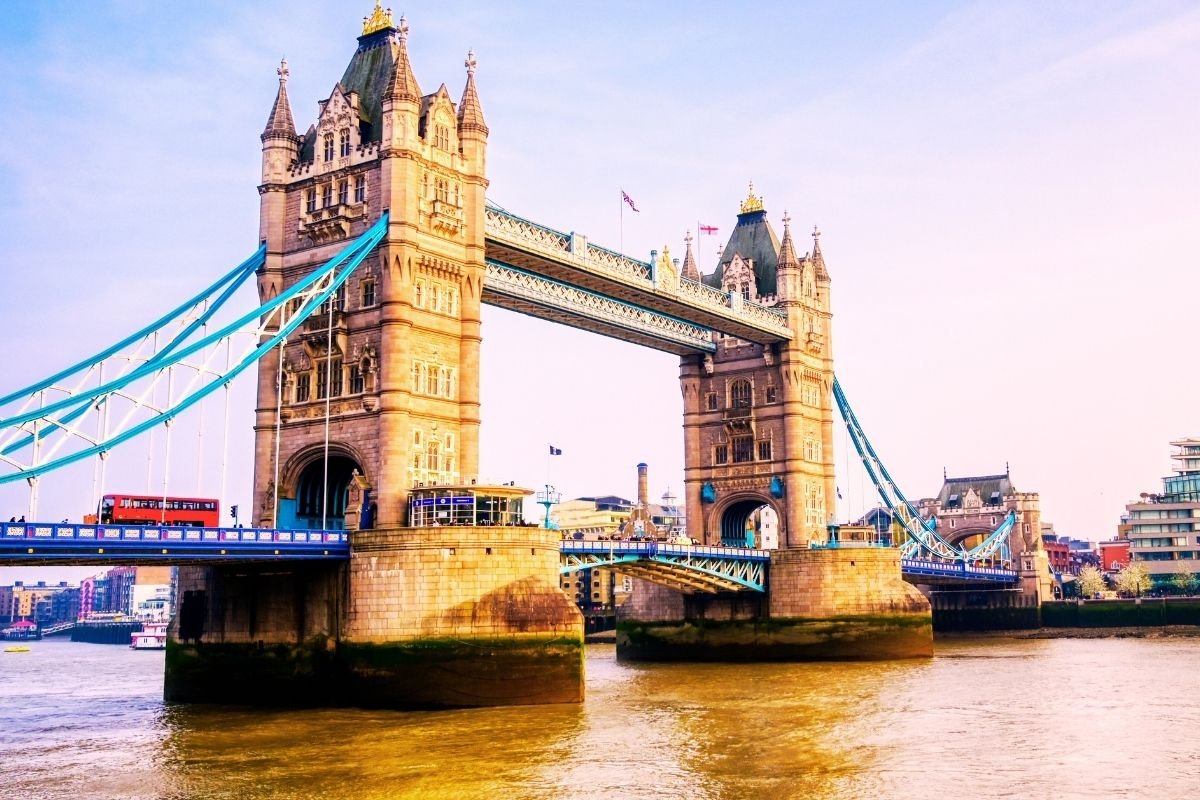
This London 2 Days Itinerary (2026) is built for first-timers who want London to feel coherent, not chaotic. Two days here isn’t “short”—it’s a compression test: if your order is wrong, the city doesn’t just slow you down… it starts taking bites out of your day.
What breaks most 2-day trips is not one “bad choice.” It’s the silent stuff: the 9-minute station walk that turns into 22, the entrance you didn’t predict, the mid-day crowd wave, the rain that pushes everyone indoors at once—then suddenly your afternoon becomes a patchwork of fixes.
So this plan isn’t a bucket list. It’s a two-day engine: one clean walking spine each day, one protected anchor (timed-entry) when it actually saves time, and built-in buffer so the day stays stable even if you start a bit late.
Day 1 runs on the Royal core + Thames spine (icons that naturally connect). Day 2 switches to the City + one museum zone (history + one controlled indoor anchor) so you don’t waste your second day commuting across the map.
If you follow the structure, you’ll still get the highlights—but you’ll finish Day 2 feeling like you saw London… not like you survived it.
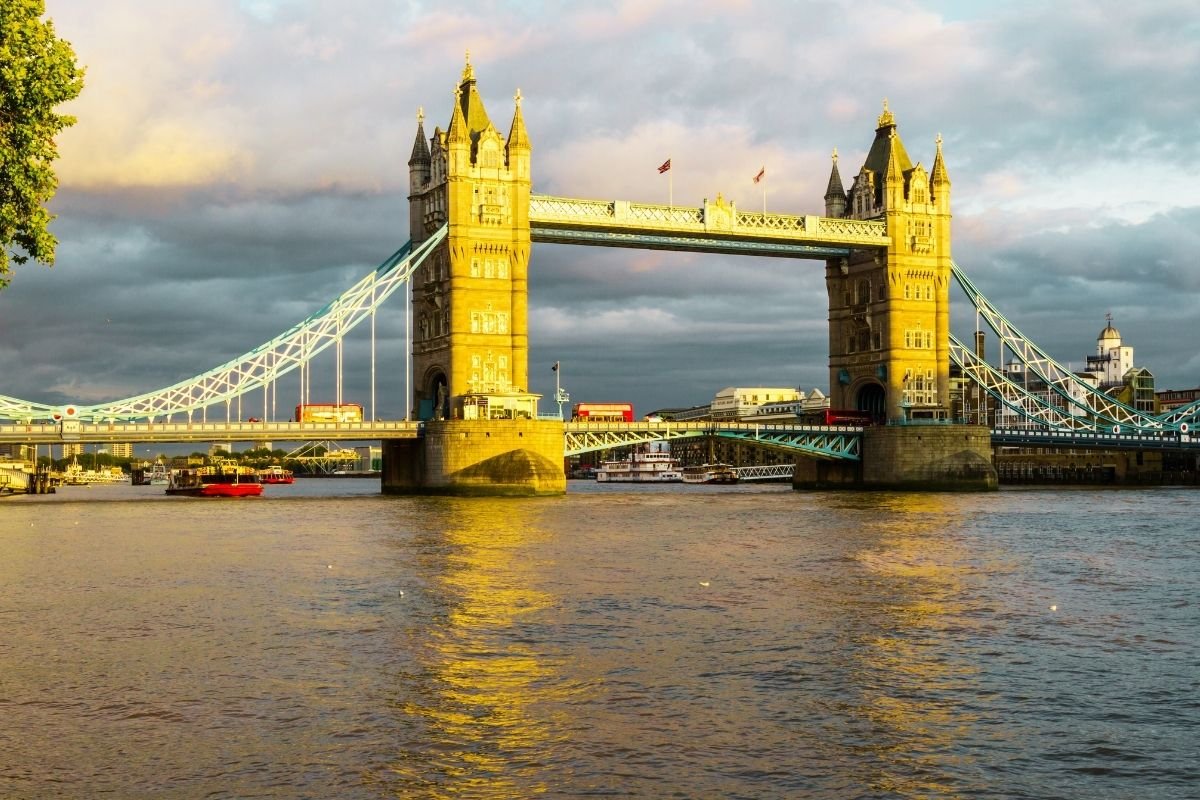
Two days works when you start with a clean spine: early movement, short transfers, and one protected anchor at a time.
London 2 Days Itinerary (2026): the simple structure that stops the day from breaking
Two days is short. That’s the whole problem. You don’t have enough time to “recover” from mistakes.
So the structure here is intentionally simple:
Day 1: The Royal Core + Thames spine (the icons that cluster well and reward walking).
Day 2: The City + one major museum zone (history + a controlled indoor anchor, without commuting your trip away).
And there’s one rule you’ll see repeated without fluff:
Pick one “timed” anchor per day. If you stack two timed funnels back-to-back, London forces you into rushing, missed slots, and paid repairs.
London 2 Days Itinerary (2026): the two mistakes that ruin most first-timer 2-day plans
Mistake #1: Crossing the city too often. London is big, and transfers are not “just 10 minutes.” Station walks, wrong exits, escalators, platform changes—those minutes are where a two-day plan dies.
Mistake #2: Treating queues like they’re optional. The queue doesn’t just steal time. It steals momentum. And when momentum dies, people start paying for relief: taxis, last-minute upgrades, “we’ll just do the easy option” spending.
If you want to keep your movement clean today, use London’s official route logic as your quick reality-check (especially for transfer times):
TfL Journey Planner.
London 2 Days Itinerary (2026): before you start, your base decides how easy these two days feel
In a two-day trip, a “slightly inconvenient” hotel is not a small problem. It becomes a time leak. You’ll feel it every morning and every return.
If you haven’t chosen where to stay yet, pick a base that reduces transfers and gives you clean lines into the core:
Where to Stay in London (2026): The Base That Makes London Feel Easy.
And if you’re landing and starting sightseeing the same day, protect your first hour. A messy airport-to-hotel transfer is how people start late and spend the whole trip chasing time:
London Airport Transfer Guide 2026: Heathrow, Gatwick, Stansted, Luton & City.
If you’re unsure about the city’s movement logic (because it affects every micro decision), keep this as your foundation:
How to Get Around London (2026): Tube, Buses, Oyster & Contactless.
London 2 Days Itinerary (2026) Day 1: Westminster → Thames spine → Tower Bridge (the “icon day” that actually flows)
Day 1 is built around a walking spine that makes London feel coherent. You’re not teleporting between random icons—you’re moving in one clean direction with short, forgiving transfers.
08:00–09:00 — Arrive early and “lock” the day before crowds
Start early on purpose. In London, an early start isn’t a productivity flex—it’s a crowd strategy. You’re buying calm without paying money.
Goal: be in the Westminster area by around 08:30–09:00, before the sidewalks and entrances feel heavy.
09:00–10:15 — Westminster core loop (clean icons, zero commuting)
Keep this simple and tight. You’re building confidence and rhythm.
- Big Ben & the Palace of Westminster area: short photo loop, no rushing.
- Westminster Bridge viewpoint: quick panoramic “orientation” moment.
- St. James’s Park edge: a calm pocket that resets the brain before the day speeds up.
This loop works because it’s dense. Density is what keeps two-day trips stable.
10:30–12:30 — Your Day 1 anchor (pick ONE timed-entry experience)
This is where most first-timers break the plan: they try to “fit everything” before lunch, then queues punish them, then the day collapses into repairs.
Pick one anchor you’ll protect. Not two.
If you want the cleanest “protected” slot without turning the day into a paid marathon, this is the type of timed-entry ticket that fits naturally here:
choose one timed-entry London attraction for your late-morning slot.
Timing logic: late morning is when queues start biting, so a protected entry keeps the day from bleeding time.
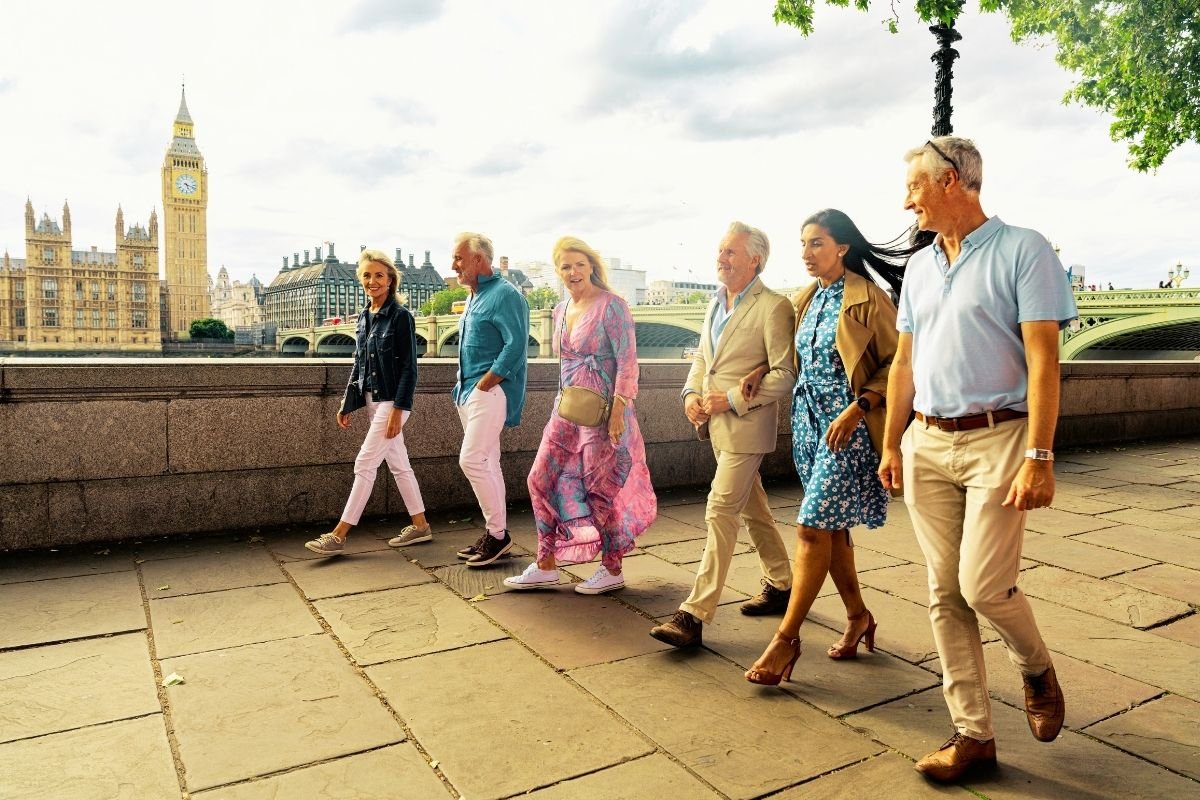
The Thames spine is the secret: it’s scenic, forgiving, and it keeps your icons connected without exhausting transfers.
12:30–13:30 — Lunch + reset (don’t skip this, it protects the afternoon)
Don’t treat lunch like “time wasted.” In London, the reset is what stops your afternoon from becoming reactive.
Rule: eat near where you already are. Crossing the city for lunch is how people lose the afternoon without noticing.
13:30–16:30 — Thames spine walk (the most efficient way to “feel” London)
Now you switch modes: less queuing, more flow. This stretch is where London stops feeling like a checklist and starts feeling like a city.
- South Bank rhythm: keep it flexible, stop when you see a viewpoint that feels right.
- Crossing options: choose the bridge that matches your energy instead of forcing distance.
- Photo pockets: small pauses are part of the plan—don’t treat them as detours.
Why this works: you’re building a day that has “give.” Two-day trips need buffer.
16:30–18:30 — Tower Bridge finish (end Day 1 with a clear “closing scene”)
End Day 1 with a clean finish that doesn’t require complicated transport. Tower Bridge is a perfect closer because the area gives you strong visuals, a satisfying endpoint, and a natural moment to slow down.
Do not stack another timed-entry anchor here unless you’re 100% sure your morning didn’t run late. Evening stacking is where people arrive tired, miss slots, and start buying convenience.
In PART 2, we’ll build Day 2 (City + museum zone) with real timing, plus the “rain-proof” version of both days so your plan doesn’t collapse when London goes grey.
PART 1 gave you the structure. Now PART 2 is the execution for Day 1: the Royal core to the Thames spine—built to stay stable even if you start slightly late, hit a queue wave, or walk slower than you expected.
The goal today is simple: keep London in one continuous line. No zigzags. No “we’ll just pop over there” detours that look small on a map but eat your day in stations, exits, and recovery time.
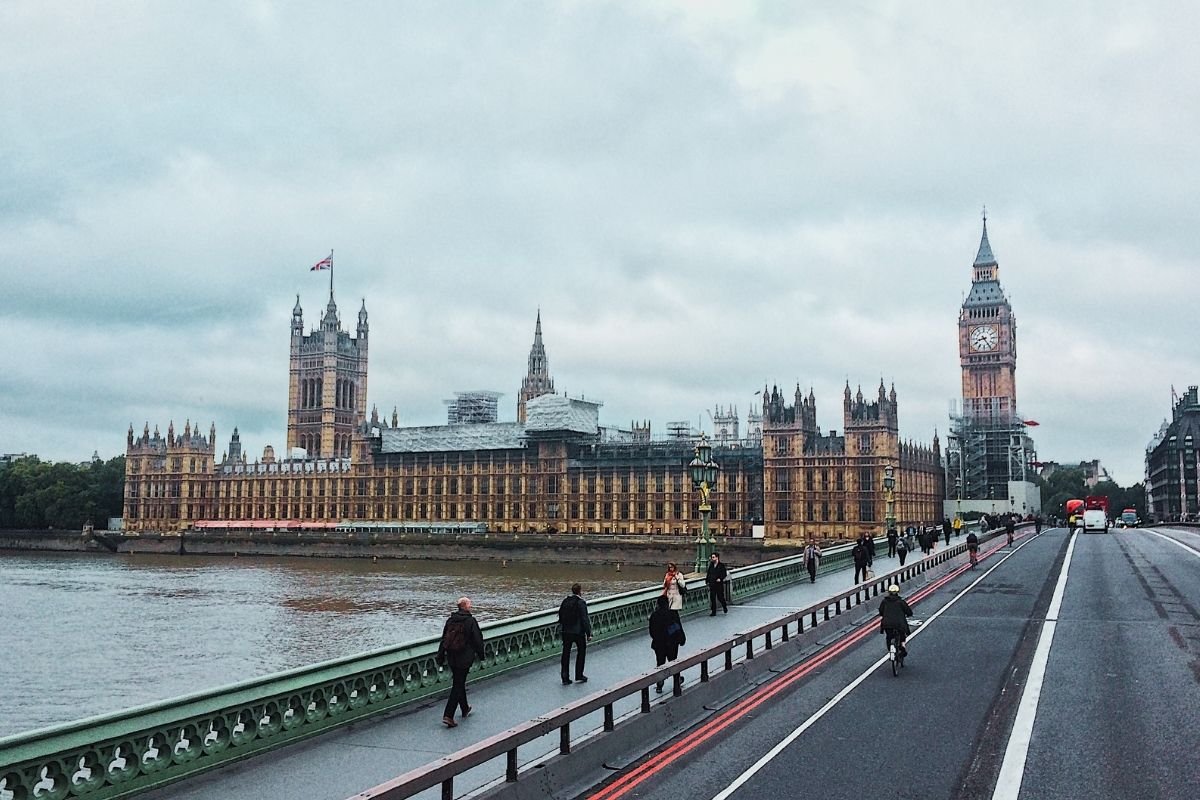
Day 1 is not about “more sights.” It’s about one spine that doesn’t break when the city gets busy.
London 2 Days Itinerary (2026): Day 1 — Westminster to the Thames Spine (Real Timing)
Today’s protected logic: Westminster → (optional anchor) → South Bank → Tate area → Borough → Tower Bridge zone.
If you’re unsure how the movement system behaves (because it changes every micro decision today), keep this ready as your foundation:
How to Get Around London (2026): Tube, Buses, Oyster & Contactless.
London 2 Days Itinerary (2026): Day 1 timing map (so you can see the whole day at once)
| Time | Move | Why it stays stable |
|---|---|---|
| 08:30–09:15 | Arrive + quick reset near Westminster | Starting calm is cheaper than repairing later |
| 09:15–10:45 | Optional timed-entry anchor (pick ONE) | One anchor protects the day from queues |
| 10:45–12:30 | Westminster core + cross onto the South Bank | One continuous walking line, no station friction |
| 12:30–13:30 | Lunch in the Borough / riverside zone | Midday reset prevents “fatigue spending” |
| 13:30–16:30 | Tate / Millennium Bridge views → Tower Bridge zone | Thames spine keeps navigation simple |
| 16:30–18:30 | Golden-hour river finish (flex pocket) | Buffer absorbs delays without breaking the plan |
08:30–09:15 — Arrival reset (don’t start the day “already behind”)
Most one-and-two-day London trips fail because people start in a rushed state and never fully recover. Your first 30–40 minutes are not “wasted time.” They are stability insurance: restroom, coffee, map check, battery check, and confirming the first two moves.
If you’re landing today and your transfer logic isn’t locked, that’s how day plans collapse early:
London Airport Transfer Guide 2026: Heathrow, Gatwick, Stansted, Luton & City.
09:15–10:45 — The anchor decision (pick ONE, not two)
Pick one protected anchor today. Not two. Two anchors back-to-back is where people start rushing, cutting corners, and paying for fixes.
- Option A (Royal/history): Westminster Abbey timed entry (protects the morning window).
- Option B (fortress/icon): Tower of London timed entry later (protects the afternoon window).
If you want the day to stay clean, the rule is: one ticket that prevents the worst queue, then the rest of the day stays flexible.
If you choose a timed-entry anchor for today, place it exactly here—early enough that it protects your biggest time window:
book one timed-entry London anchor for your morning slot.
10:45–12:30 — Westminster core → cross to the South Bank (the clean walking spine)
Whether you went inside an anchor or not, the movement now should be friction-free: Parliament/Big Ben photos, then a clean cross onto the river walk. Don’t overthink it. This stretch is about letting London “run in one line.”
What to do here (no rushing): get your Parliament/bridge photos, then commit to the South Bank direction. The South Bank works because it’s hard to get lost and it naturally feeds you forward.
If you need to double-check a route without guessing, the cleanest official tool is here:
TfL Journey Planner (official).
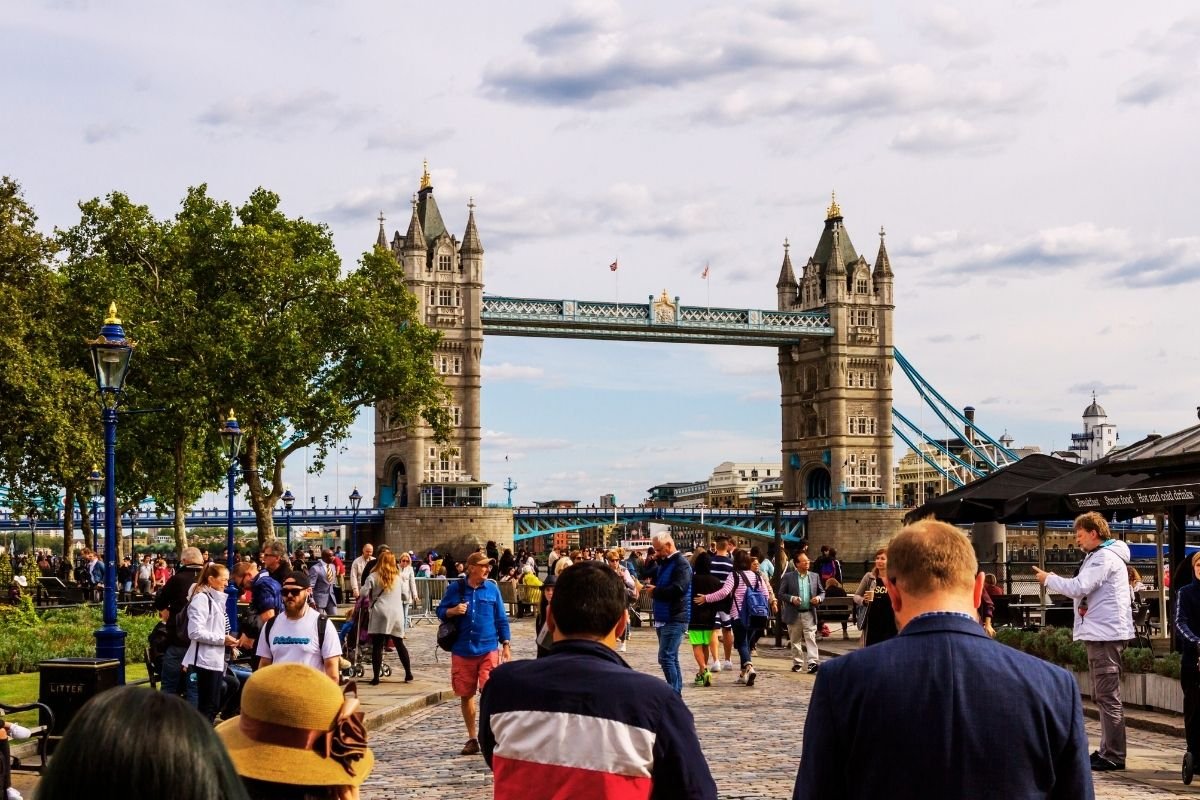
The Thames spine is the cheat code: it keeps you oriented, moving forward, and out of station-maze time loss.
12:30–13:30 — Lunch reset (the hidden move that prevents a bad afternoon)
Midday is when London starts charging people quietly. Not with prices—by pushing tired travelers into “easy fixes.” A proper reset prevents that: sit, eat, refill water, and check the next two stops.
Keep lunch geographically aligned with the spine (Borough area works well). The win is not “best food.” The win is not breaking the line of the day.
13:30–16:30 — Tate / Millennium Bridge views → Tower Bridge zone (don’t rush the payoff)
This is the payoff stretch: you’re moving through London in a way that feels cinematic without being chaotic. You can do this section lightly (views + walking) or heavier (a museum pocket).
Low-friction version: river walk + photo stops + short rest pockets.
Indoor-pocket version: a controlled museum stop (keep it to a defined window, not “until we’re bored”).
If you did Option A (Westminster anchor) earlier, keep the afternoon flexible and let the river spine carry you.
If you skipped the morning anchor, this is where Option B (Tower of London timed entry) becomes the smarter place to protect the day—because afternoon queues are where people start bleeding time.
16:30–18:30 — Flex pocket (this is where the day either feels “done” or feels “broken”)
Don’t schedule your last hours like a checklist. Schedule them like a buffer. London days break at the end when people try to cram “one more thing” and then lose 45 minutes in exits, platforms, and tired decisions.
So keep a flex pocket: river views, a slow walk, a calm sit. If you’re staying in a base that makes returns easy, this is where London feels effortless. If your base is friction-heavy, even the end of the day becomes a commute tax. (If you haven’t locked your base yet, this matters more than most first-timers think:
Where to Stay in London (2026): The Base That Makes London Feel Easy.)
In PART 3, we’ll build Day 2: the City + one controlled museum zone with real timing, plus the “first-timer safeguards” that prevent overcommitting, and a practical FAQ that matches real travel behavior.
Day 1 gave you the spine. Day 2 is where most first-timers accidentally break the trip: they either over-book too much, or they drift with no protected window and lose half the day to queues and station friction.
So Day 2 has one job: give you a controlled “inside block” without turning the day into an indoor marathon. You’ll still get the icons, but you’ll get them in a rhythm that keeps your energy intact and your timing realistic.
London 2 Days Itinerary (2026): Day 2 — City Core + One Protected Inside Block
Today’s protected logic: City views → one indoor anchor window → a clean walk loop → one flexible finish.
If you haven’t locked how you’ll move yet (because it affects every micro decision today), keep this as your foundation:
How to Get Around London (2026): Tube, Buses, Oyster & Contactless.
London 2 Days Itinerary (2026): Day 2 timing map (so you don’t overcommit)
| Time | Move | Why it stays stable |
|---|---|---|
| 08:30–09:30 | City start (views + clean orientation) | Morning is when London is most forgiving |
| 09:30–12:15 | One protected indoor anchor window | Stops the day from being queue-dependent |
| 12:15–13:15 | Lunch reset near your next walk loop | Prevents afternoon collapse |
| 13:15–16:30 | Walking loop (one line, no zigzags) | London feels easy when movement stays simple |
| 16:30–18:30 | Flex finish (buffer pocket) | Absorbs delays and keeps the day clean |
08:30–09:30 — Start in the City (London feels “sharp” here)
Start Day 2 where London feels crisp and structured. The City is a cheat code for first-timers because it’s visually iconic, dense, and easy to walk in one direction without losing yourself.
Your goal is not to “cover everything.” Your goal is to get one clean morning line: a few strong viewpoints, then you slide into your protected indoor window without commuting across the city.
If you want to sanity-check your route without guessing, use the official planner here:
TfL Journey Planner (official).
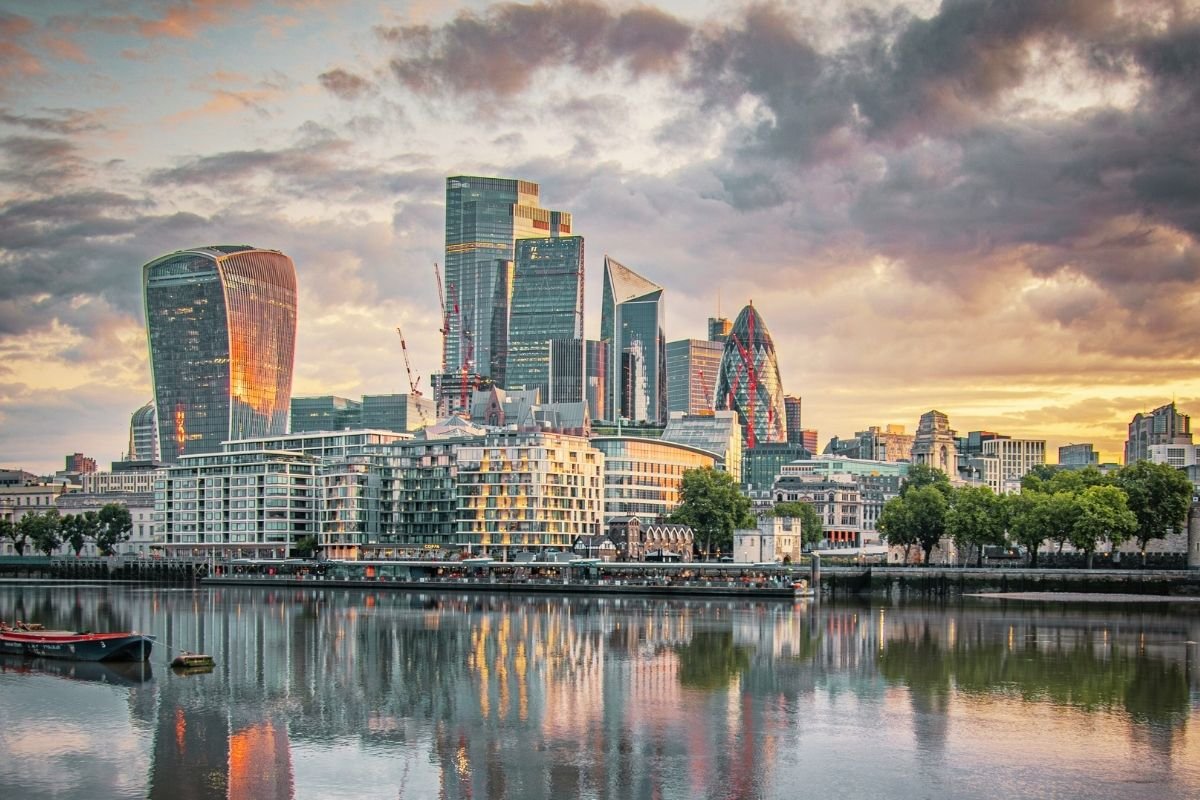
Day 2 starts sharp: dense, walkable, and forgiving before London builds midday pressure.
09:30–12:15 — The one protected indoor block (do not stack two)
This is where most two-day plans break: people stack two big indoor attractions back-to-back and then spend the entire afternoon repairing fatigue with paid fixes.
So you pick one protected indoor block today. Not two. One is enough to anchor the day without turning the itinerary into a tunnel.
- Option A: a major museum block (best if you like structured indoor time).
- Option B: a major landmark/tower-style view block (best if you want a clean “icon moment”).
The practical rule: protect the mid-morning window. That’s when crowds begin to rise, and that’s when timed entry protects you without forcing you to rush.
There’s one type of booking that actually helps in London: a timed entry you set early, so you stop spending the afternoon repairing delays. Everything else can stay spontaneous.
book one timed-entry London experience for your mid-morning slot.
12:15–13:15 — Lunch reset (don’t steal from your afternoon)
Lunch is not a “gap.” It’s a reset that protects your afternoon from sloppy decisions. Sit, eat, and pick the next walking line. If you rush lunch, you don’t “save time”—you just enter the afternoon tired, and tired travelers buy convenience without noticing.
If your base is not movement-friendly, that tired afternoon is exactly when London becomes expensive. This is why your base matters more than most first-timers think:
Where to Stay in London (2026): The Base That Makes London Feel Easy.
13:15–16:30 — One walking loop (keep London in a single line again)
Your afternoon should be a loop, not a scatter. Pick a cluster and walk it clean. London rewards the traveler who stays in one zone and lets the city unfold instead of teleporting across it.
The most reliable loop pattern is: one neighborhood spine + one viewpoint payoff. It keeps you oriented, it keeps transfers low, and it keeps the day from dissolving into station time.
If you’re arriving into London on the same day or leaving right after Day 2, don’t let transfers sabotage your timing:
London Airport Transfer Guide 2026: Heathrow, Gatwick, Stansted, Luton & City.

Two-day London wins when you stop zigzagging. One loop keeps energy, timing, and decisions clean.
16:30–18:30 — Flex finish (the buffer that prevents regret)
The last two hours should be flexible. Not because you’re lazy—because buffer is what turns a real-world day into a good day. This is where you absorb delays, slow walking, an unexpected queue, or simply the fact that London feels bigger than first-timers expect.
If you feel strong, you can add one small optional stop. If you feel tired, you finish the day calmly and you don’t pay for “repairs.” That’s the real win of a two-day itinerary: you leave feeling like you did London, not like London did you.
FAQ (Practical, No-Fluff)
1) Is this London 2 Days Itinerary (2026) realistic for first-timers?
Yes—because it’s built around protected windows and one-line movement. It avoids the classic first-timer mistakes: zigzags, stacked indoor blocks, and vague afternoons that collapse into paid fixes.
2) What if we start late on Day 1 or Day 2?
Cut one optional piece, not the spine. Keep the day in a single line and protect one anchor window. Late starts break plans when people try to “catch up” instead of staying stable.
3) Should we book anything in advance?
Book only what protects your timing: one timed-entry anchor per day. Everything else should stay flexible so the itinerary can absorb real-world friction.
4) How do we avoid wasting time on transport?
Stay in zones, walk the spine, and avoid zigzagging. London punishes teleporting. If you’re unsure, use the movement foundation:
How to Get Around London (2026): Tube, Buses, Oyster & Contactless.
5) What’s the biggest mistake first-timers make with 2 days in London?
Overcommitting. Two big indoor blocks in one day, too many cross-city hops, and no buffer. The city doesn’t “ruin” plans—friction does.