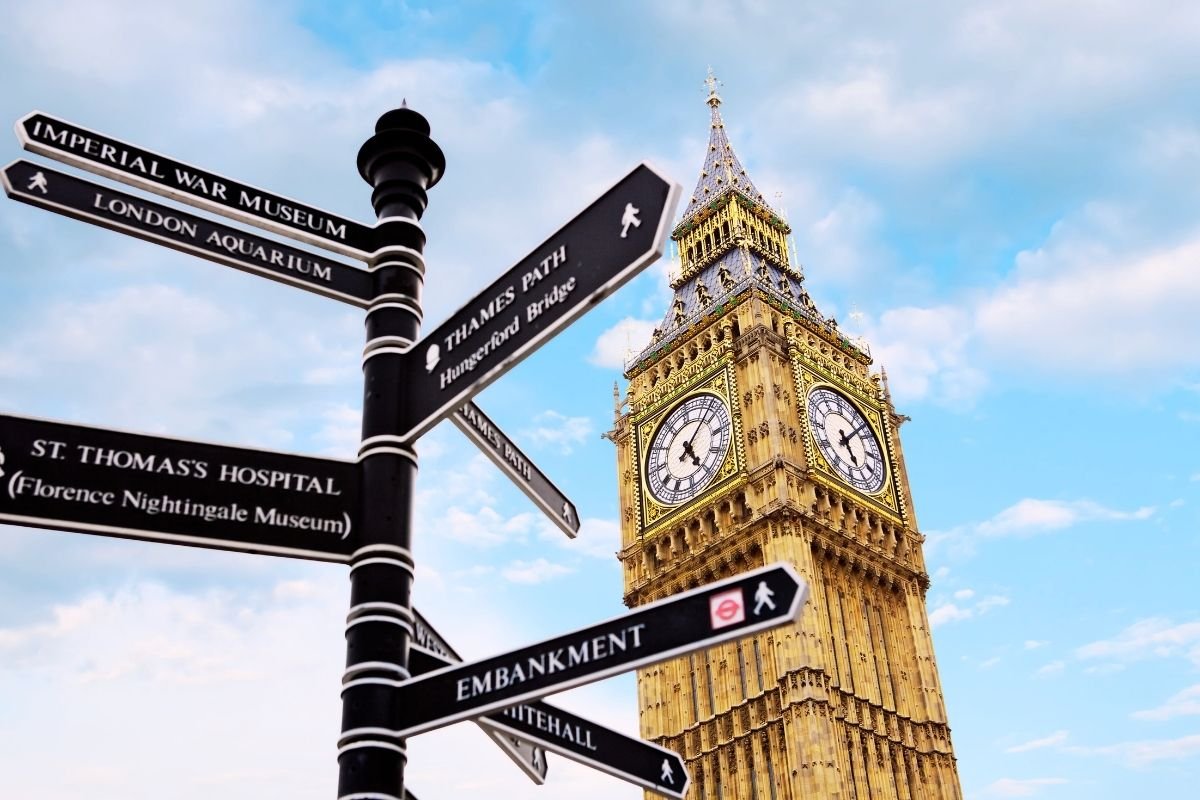
If you’re searching for the main things to do in London, you’re not really asking for “a list.”
You’re asking for a plan that stops London from eating your time — the kind of plan that still works when you’re tired, when a queue explodes, or when you take the wrong exit once and the day starts sliding.
Because here’s what happens to most first-time visitors:
They land excited… then London turns technical.
One station has three exits. The “quick stop” becomes 45 minutes because you chose the wrong side of the river. The queue you didn’t predict steals your best daylight hour. Then you start doing the most dangerous London move: repairing the day by adding distance.
That’s how people leave London with the weird feeling that they “did a lot”… but somehow still missed the city.
Snippet-ready: This guide groups the main things to do in London into 5 walkable clusters so first-timers avoid cross-city hopping, queues, and wasted Tube time.
Top 10 Main Things to Do in London (Fast Picks)
If you only want the “main things” without the chaos, start here — then use the clusters below to run London like a clean system.
- Westminster + Big Ben (exterior) — the first-timer “London is real” win. Closest: Westminster.
- The South Bank walk — London’s coherence engine above ground. Closest: Waterloo.
- One viewpoint (choose ONE) — the skyline moment without stacking. Closest: varies.
- One museum anchor (choose ONE) — rich London without museum fatigue. Closest: varies.
- City of London “old story” walk — compact, iconic, easy to ruin without rules. Closest: St Paul’s.
- Tower side block (choose intensity) — Tower of London / Tower Bridge logic. Closest: Tower Hill.
- West End tight loop (choose ONE) — Covent Garden / Soho / Regent-Carnaby (no drifting). Closest: Leicester Square.
- One texture day — markets + canals + neighborhoods, without losing half the day. Closest: varies.
- Best free “main things” — the big wins that cost zero when you time them right.
- Rainy-day swaps — what to do when weather changes the physics of London.
Note: Some links may be partner links that help support the site at no extra cost to you.
| At a glance | What this London “main things” guide is built for |
|---|---|
| Who it’s for | First-timers (and repeat visitors who want a clean, no-chaos structure) |
| Main risk | Cross-city hopping + vague “we’ll decide later” planning |
| Best rhythm | One daily anchor + one controlled choice + a real buffer |
| What you’ll get | Named choices (Choose ONE) + closest stations + cut rules + rain swaps |
| Best base logic | Zone 1–2 (or strong Zone 2) with a short station walk + direct/one-change routes |
Quick navigation: Fast Picks | What people really mean | Cluster map | Core icons | Viewpoints | Museums | City + Tower | West End | Texture day | Free main things | Rain swaps | Base decision | Mistakes | Direct decision | FAQ
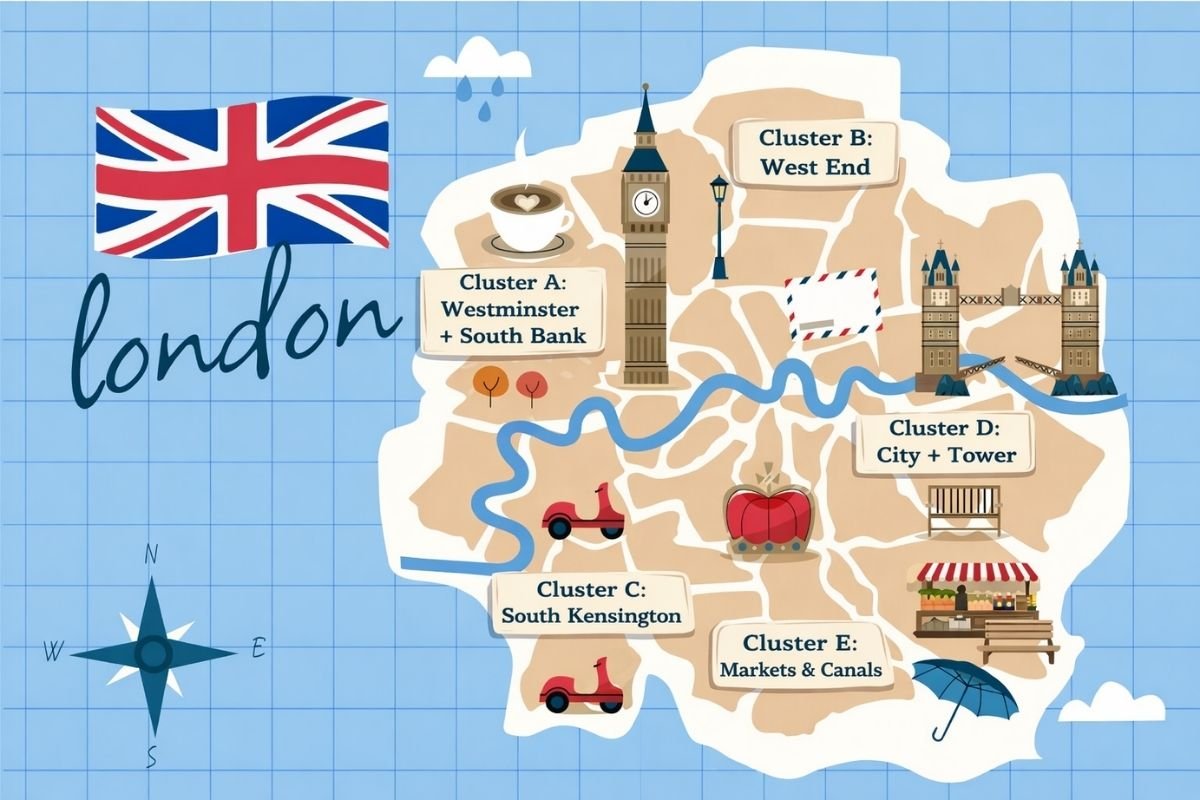
A simple truth: London feels easy when your “main things” live inside 5 walkable clusters — not one giant list.
Main Things to Do in London: What You’re Actually Trying to Solve
When people search main things to do in London (or what to do in London), they usually want one of these outcomes:
1) A safe “first-day win.”
They want London to feel obvious on Day 1—without wasting their best energy underground.
2) The right iconic choices (not every icon).
They want the big London moments, but they don’t want to lose half a day to one queue.
3) Help deciding between similar options.
Not “a viewpoint” — but which viewpoint. Not “a museum” — but which museum for their energy level.
4) A plan that survives rain and fatigue.
London punishes hesitation. If the weather turns and your plan is vague, the day collapses.
TripsCity rule: if your day depends on “we’ll figure it out,” London will charge you for it.
If you want the full city-level logic behind why London punishes vague planning (and how to fix it), read this first and come back:
Complete Travel Guide to London 2026: The City That Punishes Vague Plans
If your trip is shorter and you want the “main things” compressed into a clean sequence, use this and come back:
London 3 Days Itinerary (2026): The Balanced Plan That Doesn’t Waste Time
The Cluster Map (So You Don’t Scatter)
Most London time-waste comes from one mistake: treating the city like one big list.
London becomes simple when you treat it like clusters:
- Cluster A — Westminster + South Bank: the core spine (the clean “first London” day).
- Cluster B — West End + Covent Garden: classic streets + tight loop.
- Cluster C — South Kensington: museums + a calm reset.
- Cluster D — City of London + Tower side: old London story + river finish.
- Cluster E — Markets + Canals: texture day (structured wandering).
Cut rule: if two “main things” require a cross-city move, they are not both “main” on the same day.
If you want the transport system simplified (Tube, buses, Oyster/contactless) so you stop leaking time daily, save this:
How to Get Around London (2026): The System That Saves Your Day (Tube, Buses, Oyster & Contactless)
The Core Icons (The Main Things Most First-Timers Actually Want)
Before the details, here’s the truth: most first-timers want the same core icons — they just ruin them by stacking them in one day.
- Westminster + Big Ben area (exterior logic first)
- Buckingham Palace area (timing matters more than “going inside”)
- Trafalgar Square (often paired cleanly with National Gallery)
- St Paul’s Cathedral (exterior vs inside decision)
- Tower Bridge (exterior vs exhibition decision)
- Tower of London (queue-risk: treat as one committed block)
Now we run them as decisions, not vague suggestions.
1) Westminster + Big Ben Exterior (The “London Is Real” Moment)
Closest stations: Westminster, St James’s Park.
Best timing: early morning (clean photos, calmer movement, less crowd pressure).
Real time block: 45–90 minutes.
Why it’s main: it’s the core postcard spine. It gives you a first-day win without needing complex transport.
Cut rule: if you’re behind schedule, cut the extra detour — not this anchor.
Rain swap: keep it short (20–30 minutes), then pivot to a nearby indoor anchor (see Museums below).
2) The South Bank Walk (London’s Coherence Engine)
Closest stations: Waterloo, Embankment, Westminster.
Best timing: late morning into early afternoon (the city feels alive, but still manageable).
Real time block: 2–3 hours (walk-first, no “one stop Tube” mistakes).
Why it’s main: it stitches London together above ground—river, bridges, controlled stops—without platform/exits friction.
Buffer rule: if the day starts drifting, shorten the walk and keep your buffer. Don’t force the full length.
Rain swap: do a short river glimpse, then move to an indoor anchor in the same zone (Tate Modern works well for this).

London becomes easy when your first “main things” are walk-first. This spine prevents the classic mistake: wasting Day 1 underground.
3) One Viewpoint (Choose ONE — Named Options)
Viewpoints are where tourists waste time trying to “upgrade” the day.
TripsCity rule: choose one viewpoint. Don’t stack two.
Option A: Sky Garden (best “high view” if you can get a slot)
Closest stations: Monument, Bank.
Real time block: 60–90 minutes.
Cut rule: if slots don’t work, don’t repair it with distance — replace it with an indoor anchor in the same cluster.
Option B: The Shard (premium skyline moment, strongest “one big view” payoff)
Closest station: London Bridge.
Real time block: 90–120 minutes (protect entry timing).
Cut rule: don’t add another viewpoint after this. It’s already your view day.
Official info/tickets:
The Shard: viewing gallery
Option C: London Eye (classic, but queue-sensitive)
Closest station: Waterloo.
Real time block: 90–150 minutes depending on queue.
Queue rule: if the line looks like it will eat your best hours, cut it and keep your day coherent.
Official tickets/prices:
London Eye: tickets & prices
4) One Museum Anchor (Choose ONE — Don’t Turn It Into a “Museum Day”)
Most people underestimate museum fatigue. It doesn’t just make you tired — it makes your movement sloppy afterward.
| Choose ONE | Best for | Watch for |
|---|---|---|
| British Museum | Iconic “main London museum” for first-timers | It’s huge — set a tight focus (90–120 minutes) or it will eat your day |
| National Gallery | Classic, central, easy to control | Don’t wander endlessly — pick 2–3 highlights and stop |
| Tate Modern | Easy add-on near the river rhythm | Great as a rain pivot — keep it tight and don’t drift into “just one more floor” |
Cut rule: choose the anchor, then leave while your energy is still clean. London rewards the exit.
Official visit info:
British Museum: plan your visit
National Gallery: visiting info
Tate Modern: plan your visit
Best Free “Main Things to Do” in London (Real Wins, Zero Cost)
When people search main things to do in London, they often assume “main” means expensive.
Not true. The real win is picking the free anchors that keep your day coherent.
- South Bank walk (Westminster → Waterloo stretch): the best free coherence day in London.
- Sky Garden (free with a slot): skyline without paying for it — if you book early.
- British Museum (free entry): set a time cap so it doesn’t eat the day.
- National Gallery (free entry): central, controlled, easy to pair with a West End loop.
- Leadenhall Market (covered + photogenic): perfect as a short “reset” inside the City cluster.
- Hyde Park / St James’s Park (short loops): free mood stabilizers that protect the rest of your plan.
Free-day rule: free doesn’t mean “add more.” Free means you protect timing and end the day clean.
Rainy-Day Things to Do in London (So Weather Can’t Hijack Your Plan)
Rain doesn’t just make you wet. It compresses crowds into the same indoor spaces — and waiting expands everywhere.
So the goal isn’t “find something indoor.” The goal is swap without distance.
- Swap A (River day → indoor nearby): shorten South Bank, then pivot to Tate Modern (same rhythm, no cross-city move).
- Swap B (Viewpoint fails → same-cluster replacement): if Sky Garden slots fail, don’t chase another viewpoint across the map — choose a museum anchor near your current cluster.
- Swap C (Texture day gets messy): run Leadenhall Market + a tight City micro-loop, then finish with one museum block (time-capped).
- Swap D (Crowds spike): cut the extra stop, keep the buffer, end earlier. That’s how the next day stays strong.
Rain rule: if the swap requires cross-city travel, it’s not a swap — it’s a new problem.
London Main Things To Do: The Next Clusters (So Your Trip Stays Coherent)
Part 1 gave you the core spine: Westminster + South Bank + one viewpoint + one museum anchor.
Now we build the rest of the “main things to do in London” the way real days work: one story per cluster, named choices, and cut rules that protect your time.
TripsCity rule: London becomes easy when your day has one “center of gravity.” If your day has two, you start commuting instead of traveling.
Cluster D: City of London + Tower Side (Built as One Story, Not a Maybe List)
This is the part of London people love in photos… and ruin in real life.
Because the City looks “compact” on the map, so tourists start adding extras: one more church, one more market, one more bridge, one more museum… then suddenly the day is all platform changes and rushed decisions.
Goal: Old London in the morning, Tower-side block in the afternoon, river finish that doesn’t require complex transport.
Closest stations: St Paul’s / Bank / Monument (City), Tower Hill / London Bridge (Tower side).
08:45 – 10:45 | Old London walk block (pick 2–3 highlights max)
Keep it walk-first. The highlights are close, but the exits and transfers are where you leak time.
Pick 2–3 (not all):
- St Paul’s Cathedral exterior (quick iconic anchor)
- Millennium Bridge (short, clean crossing)
- Leadenhall Market (great when you need a covered moment)
Cut rule: if you feel the urge to “just pop” somewhere else, stop. The City punishes drift.
10:45 – 12:15 | One inside stop (choose ONE)
Option A (Major): St Paul’s Cathedral (commit to a real block; big payoff, big time).
Option B (Shorter): Bank of England Museum or Guildhall Art Gallery (clean, low-friction).
Option C (Skip interiors): stay outside and protect Tower-side timing (often the smartest choice).
Queue rule: if the line steals your best midday window, pivot. Your plan is a system, not a dare.
12:15 – 13:15 | Lunch reset (near the transition)
City days collapse when lunch becomes a detour across the map. Eat close, reset, then move with purpose.
13:15 – 16:30 | Tower-side block (choose your intensity)
This is your highest queue-risk section of the trip. Be disciplined.
Option A (Full icon): Tower of London (commit to a real block).
If you want to protect timing and avoid the “should we / shouldn’t we” spiral, check ticket options here:
Tower of London ticket options
Option B (Lighter, still iconic): Tower Bridge Exhibition (clean, shorter interior) + controlled riverside time.
Option C (Outside-only): Tower Bridge area + short river walk (best when legs are tired and you value coherence more than content).
Official planning (prices/entry rules change):
Historic Royal Palaces: Tower of London tickets & prices
16:30 – 18:30 | Riverside finish (the coherence closer)
Close with one clean ending that doesn’t require complicated transport.
Buffer rule: if you’re behind schedule, cut the extra loop — not your buffer. Buffers stop London from sabotaging you.
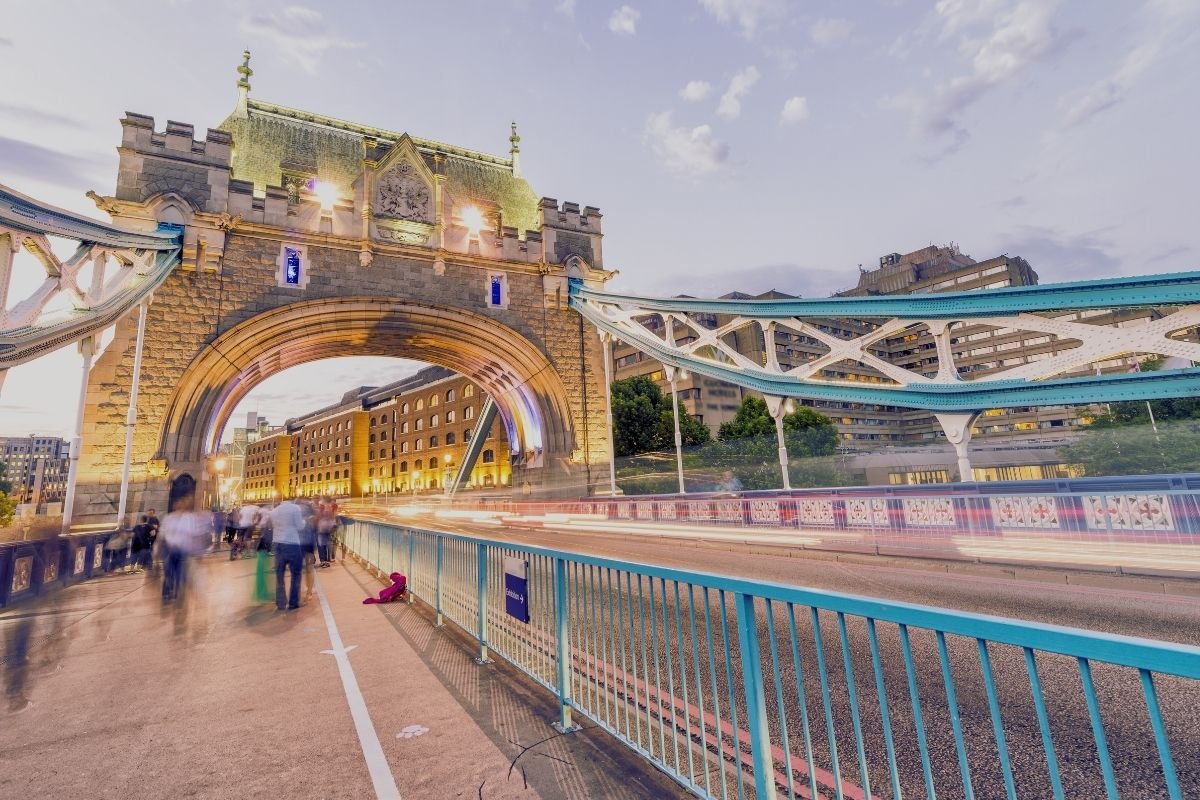
This day works when the Tower side is one controlled block — not a list of maybes stitched together with stress.
Cluster B: West End “Classic Streets” (Choose ONE Tight Loop)
This is where tourists accidentally lose half a day.
Because everything sounds close: Covent Garden, Soho, Chinatown, Regent Street… and on the map it looks “walkable.”
It is walkable — until you combine loops. Then it becomes crowd pressure, slow streets, and decision fatigue.
TripsCity rule: choose ONE named loop. End while it still feels clean.
Closest stations: Covent Garden / Leicester Square / Piccadilly Circus / Tottenham Court Road.
Loop A (Classic): Covent Garden + one clean add-on
Real time block: 2–3 hours.
Best for: first-timers who want “London vibes” without chaos.
Cut rule: if it starts turning into shopping + extra streets, stop and leave.
Loop B (High-energy): Soho + Chinatown (strict radius)
Real time block: 2–3 hours.
Best for: people who like lively streets and fast texture.
Cut rule: don’t drift into “one more area.” Keep it tight.
Loop C (Shopping corridor, controlled): Regent Street + Carnaby micro-loop
Real time block: 90–150 minutes.
Best for: controlled shopping without turning the day into wandering.
Cut rule: stop before it becomes “just one more street.”
Cluster E: The “Texture Day” (Markets + Canals, Without Chaos)
When people search main attractions in London, they think they want only icons.
But the trips that feel “real” always include one texture day: markets, canals, neighborhoods, and small discoveries.
The danger is wandering. Wandering feels free… until it steals your day.
Day rule: one main track, 2–3 stops by name, then a clean finish.
09:30 – 12:30 | Choose ONE texture track (don’t combine tracks)
Track A: Camden + Canal + Viewpoint
Closest stations: Camden Town, Chalk Farm.
Stops (2–3): Camden Market → Regent’s Canal towpath (short stretch) → Primrose Hill (clean viewpoint).
Cut rule: if Camden gets too crowded, cut extra lanes and protect canal + viewpoint.
Track B: East London texture (Spitalfields + Brick Lane + Shoreditch)
Closest stations: Liverpool Street, Shoreditch High Street.
Stops (2–3): Old Spitalfields Market → Brick Lane → Shoreditch street-art lanes (tight radius).
Cut rule: if it becomes “just one more street,” end it. Texture dies from drift.
Track C: Rain-proof covered London
Closest stations: Bank/Monument.
Stops (2–3): Leadenhall Market → Sky Garden (slot-based) → Tate Modern (tight highlights).
Cut rule: if Sky Garden doesn’t work, replace it with a nearby indoor anchor — don’t travel across the city to “repair” it.
12:30 – 13:30 | Lunch reset (prevents afternoon drift)
Market days create decision fatigue. Lunch is where you reset your brain so the afternoon stays clean.
If you want a structured, calm break that removes the crowded guessing game, a local home-hosted dining experience can work well as a “fixed time, fixed location” reset:
Check a local-hosted home dining option in London
13:30 – 16:30 | One controlled add-on (choose ONE)
Option A (Green finish): Regent’s Park (tight loop) or Hyde Park (Serpentine edge).
Cut rule: if you already walked heavy, choose the shortest loop.
Option B (Short culture stop): Tate Modern or National Gallery (90–120 minute cap).
Cut rule: set a hard time cap before you enter.
Option C (Orientation tool, only if needed): a short perspective block (bus or river-style) → get off → walk one tight loop.
Cut rule: if you feel yourself “staying on just to rest,” stop and end the day clean.
If you want an easy orientation tool early in the trip, a hop-on/hop-off ride can help — only if you use it as a short perspective block, not as your entire day:
Check Big Bus options (use as orientation, not a full-day crutch)
And if you’re landing without reliable data, fix it before your “main things” days become a navigation tax:
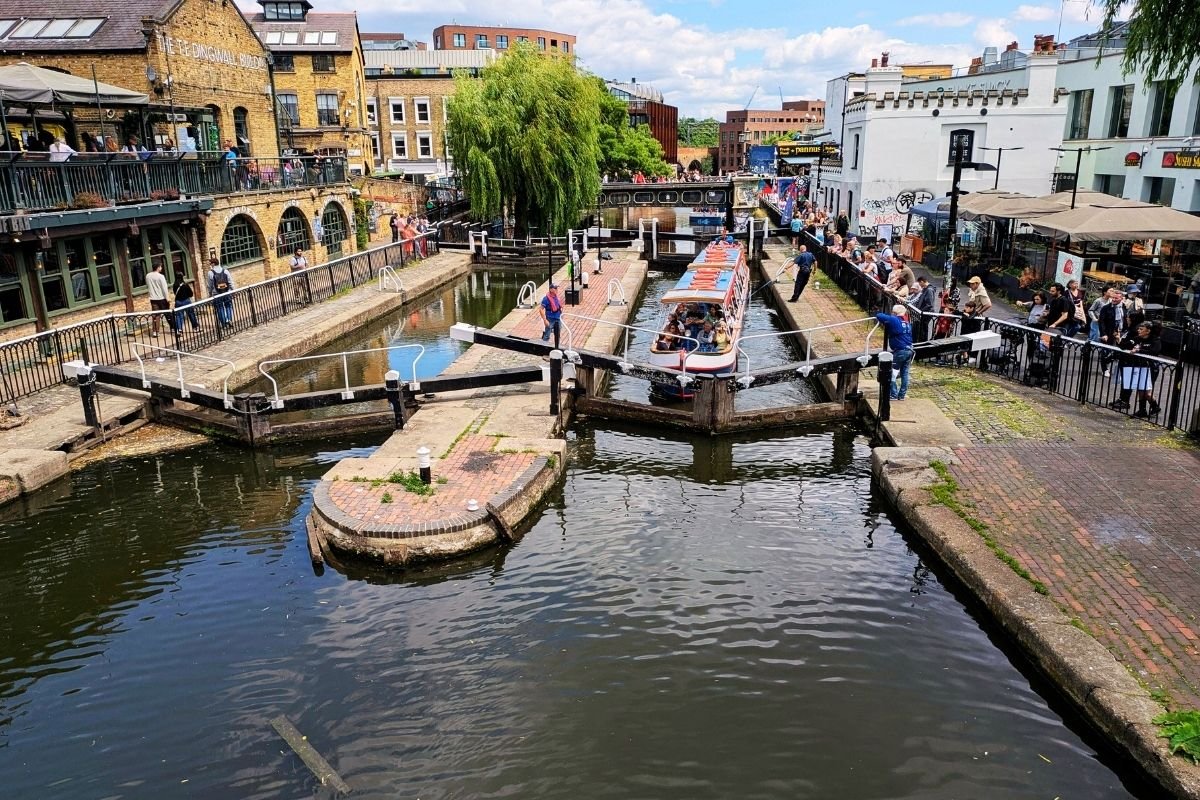
Texture days feel “free,” but they still need structure. One track, 2–3 stops, then a clean finish.
One Important Reality (So Your Main London Days Stay Safe)
By Day 3–5, tired tourists become less alert in crowded hubs. That’s when small mistakes happen.
If you want the clean safety rules (common scams + movement rules), save this guide for the trip:
London Safety Guide 2026: Safe Areas, Common Scams & After-dark Travel Rules
The Base Decision (Because It Controls Your Whole Trip)
The most expensive London mistake isn’t a ticket.
It’s a weak base: long station walks, awkward connections, or “cheap” stays that turn into commuting.
If you haven’t booked accommodation yet, do base logic properly—because it decides your entire trip:
Where to Stay in London (2026): The Base That Makes London Feel Easy
Best Areas to Stay in London for First-Time Visitors (2026): Calm, Connected, Not Complicated
If you want a practical way to compare options by neighborhood and station access (so you don’t accidentally buy a commuting tax), use:
Compare London hotels by neighborhood and station access
The Killer Mistakes (That Destroy “Main Things to Do in London” Trips)
Mistake #1: Trying to “see the main things” without a structure.
London is not one straight line. It’s exits, platforms, bridges, crowds, weather, and small delays that multiply. A list without sequencing becomes a transport-heavy trip.
Mistake #2: Thinking “near a station” means near.
If your “near station” base is a 12–15 minute walk door-to-platform, you’ll feel it twice a day. And once fatigue hits, that walk turns into the silent tax that ruins mood.
Mistake #3: Overbooking timed tickets early.
Two timed anchors can protect a trip. Five timed anchors remove your flexibility. Then the first queue or rain wave turns your day into repairs.
Mistake #4: Repairing a lost hour by adding distance.
This is the classic London spiral: you run late, then you go further to “make up for it.” It always makes everything worse. Tighten your radius. End clean.
Mistake #5: Not having a rain swap ready.
Rain doesn’t just change activities. It changes crowd behavior. Museums and indoor icons fill up. If you hesitate, you lose time.
Mistake #6: Treating the West End like a “free roam” zone.
West End drift is how tourists lose half a day. Choose one named loop, set a time cap, then leave while it still feels good.
Mistake #7: Ending the day with “one more thing.”
London’s most expensive phrase is “it’s just one stop.” Stairs, exits, platforms, crowds—suddenly “one stop” costs 18 minutes. Your evening becomes friction instead of memory.
The Direct Decision (No Soft Ending)
If you searched main things to do in London, you were not really asking for “more places.”
You were asking for clarity: what’s worth it, what’s realistic, what sequence keeps the city coherent, and how to stop London from turning into daily repairs.
So here’s the clean decision:
Pick the main spine first: Westminster + South Bank + one viewpoint OR one interior (not both).
Then pick ONE museum day: South Kensington (one anchor, not three).
Then do ONE Old London story day: City + Tower-side block.
Then choose ONE West End loop: Covent Garden OR Soho/Chinatown OR Regent/Carnaby (tight radius).
Then add ONE texture day: Camden/Canal OR East London texture OR covered rain-proof London.
Do that, and London won’t feel like a checklist.
It will feel like a first visit that stayed human—because your trip didn’t collapse into commuting, queues, and second-guessing.
FAQ: Main Things to Do in London (2026)
What are the “main things to do in London” for first-timers?
The main first-timer set is a core spine day (Westminster + South Bank), one viewpoint or one iconic interior, one museum anchor day (South Kensington), and one old-London story day (City + Tower side). After that, add one tight West End loop and one texture day so London feels real—not repetitive.
How many attractions per day is realistic in London?
For most first-time visitors, 2–3 anchors is the maximum that still feels good: one main anchor, one secondary choice, and one optional bonus only if the day stays on time. More than that usually turns into a queue-and-transport day.
What should I book in advance in London?
Book only the stops that can destroy timing: one or two high-demand, queue-heavy anchors (like a major viewpoint slot or a major historic interior). Don’t overbook. Flexibility is what keeps your trip calm when weather and queues change the day.
What’s the easiest way to avoid wasting time in London?
Keep one main area per day, avoid cross-city hopping, and use a daily buffer so the day survives queues and wrong turns. Also: don’t trust “near the station” unless the walk is truly short.
Is London doable in 3–4 days or do I need a week?
London is doable in 3–4 days if you stick to the core spine + one museum anchor + one old-London day. A week gives you texture (markets, canals, neighborhoods) and a calmer pace. The city becomes stressful only when you scatter across zones daily.
What’s the biggest mistake tourists make when planning London?
They confuse “lots of famous places” with a good plan. Then they over-stack and bounce across the city. London doesn’t punish effort—it punishes vague sequencing and constant repairs.