
Paris events in 2026 don’t begin when you spot the Eiffel Tower.
They begin when you try to do something that has a door, a start time, and a capacity limit — and you realize your “we’ll decide later” plan has no place to stand.
Picture a normal arrival: you’re not rushing, you’re not panicking. You’re simply tired. You drop your bag, you look at the clock, you say, “We have time.” Then you walk toward an entrance and see the quiet logic — the same rule in different clothing: Paris doesn’t punish you with crowds everywhere. It punishes you with timing in the exact places you care about.
This is the moment most travelers misread the city. They think “low season” means flexible. They think “high season” means chaos. In 2026, the truth is sharper: Paris is a calendar city. The city looks walkable, romantic, and spontaneous — but the best experiences in it are structured, timed, and concentrated into pockets.
This guide is written like a warning sign, not a brochure. It’s here to stop you from making the single mistake that quietly destroys Paris trips: arriving with no anchors, then spending the week rescuing days that never needed to break.
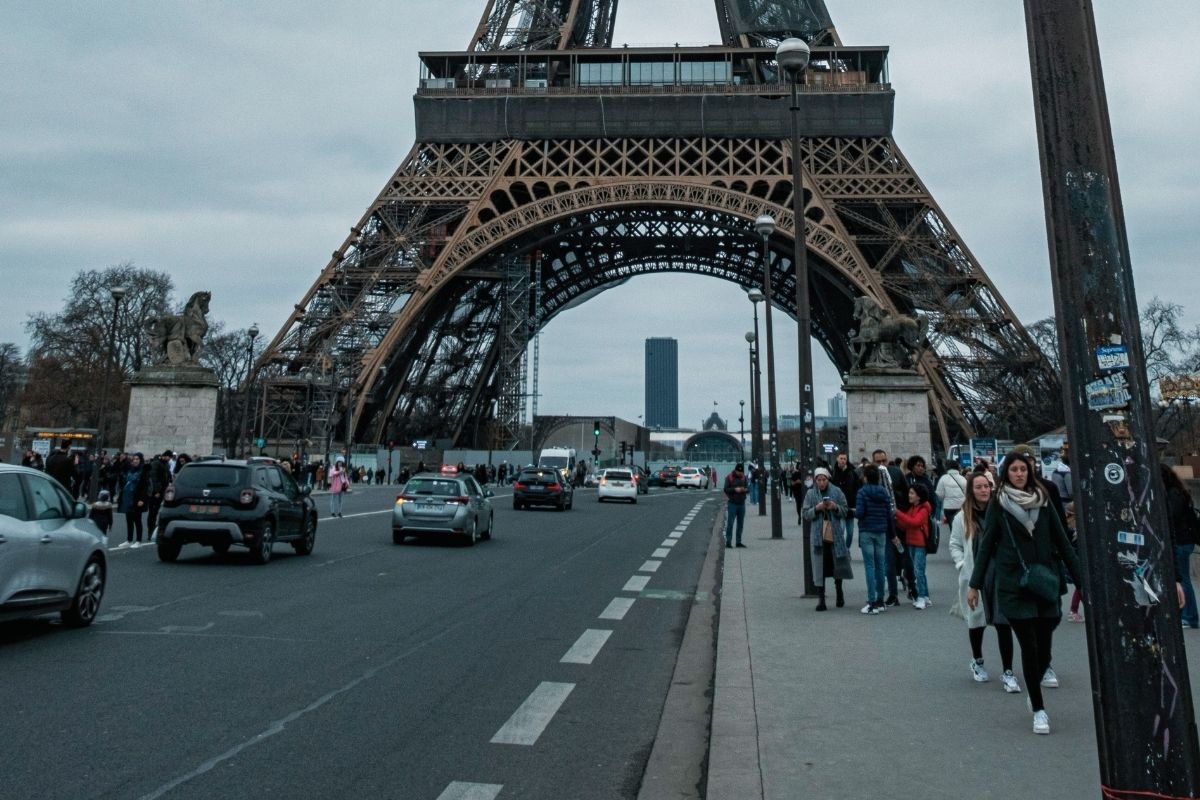
Paris can look calm outside in 2026 — especially at dusk. But event nights, timed entries, and capacity limits run the real schedule.
Paris Events in 2026: The Shocking Truth That Breaks the “We’ll Decide Later” Plan
Paris in 2026 is not “busy all the time.” It is busy in pockets.
That sounds harmless until you feel what it does to your day. A pocket can be a museum time-slot rush, a landmark entry window, a fashion-season district, a weekend program spike, or a performance night with strict doors. Outside that pocket, Paris might feel smooth. Inside it, the city becomes strict.
This is why two travelers can visit the same week and come home with opposite stories.
One traveler says: “It was effortless. We saw everything.” What they really mean is: they built the week around two or three anchors and let the rest of Paris be flexible.
The other says: “It was exhausting. Everything was complicated.” What they really mean is: they improvised in a city that rewards structure, then paid the “winter tax” or “summer tax” in the form of wasted time, long queues, bad time slots, and last-minute fixes.
The goal of this article is not to list every event name. It is to give you a planning model for Paris events in 2026 that works in any month: how pressure forms, how to avoid fragile schedules, and how to make the year feel controlled instead of chaotic.
Paris 2026 Events Planning: The Real Trade-Off (What You Gain, What You Pay)
What you gain in 2026 is year-round depth. Paris doesn’t “close” emotionally after peak season. Museums stay serious. Performance calendars keep running. Exhibitions rotate. The city’s indoor culture spine is always available — which means you can build strong days in any month if you plan like an adult, not like a gambler.
What you pay is flexibility. Not because Paris is unfriendly, but because the city has moved deeper into a timed-entry, reservation-driven rhythm. Popular highlights increasingly behave like appointments. And when you treat appointments as optional, Paris will not scold you — it will simply move on without you.
So the real decision is not “Is Paris worth it in 2026?” The decision is: are you willing to design your days around anchors — or do you want the city to carry your planning for you?
Paris Events in 2026: The Real Travel Decision (Who This Fits, Who Should Rethink It)
This guide fits you if you want Paris to feel stable: you like one or two meaningful anchors per day (timed entry, a major exhibition, a landmark slot, a performance night), then you let neighborhoods, food, and small discoveries stay flexible around those anchors.
You should rethink an events-first approach if your happiness depends on pure spontaneity, long wandering days, and “we’ll see what we feel like.” You can still visit Paris — but you must accept a hard truth: in 2026, Paris will impose structure anyway. The only question is whether you choose it on purpose.
Paris Events in 2026: The Pressure Map (How the Year Actually Behaves)
Most “Paris events” guides fail because they treat 2026 as one long calendar. It’s not. Paris changes personality by season, and each season creates a different kind of pressure.
In spring, pressure is driven by demand and daylight: more people want the same classic highlights at the same time. In summer, pressure becomes physical: volume, heat, and maximum visitor flow. In autumn, Paris becomes more functional: culture is strong, crowds are steady, and the city feels like it’s working. In winter, Paris compresses indoors and becomes strict about timing — not dramatic, just persistent.
This table is the point where most travelers finally understand why their previous trip felt “hard”:
| 2026 season | What drives event pressure | What usually breaks trips |
|---|---|---|
| Winter (Jan–Feb) | Indoor compression + fixed-time nights | Improvising indoors; arriving late; cold transitions magnifying small delays |
| Spring (Mar–May) | Rising demand + classic highlights peak | Under-booking; queueing through the best daylight window |
| Summer (Jun–Aug) | High volume + long days + maximum flow | Over-planning; fatigue; paying for shortcuts when you’re tired |
| Autumn (Sep–Nov) | Strong culture season + steady crowds | Booking too late because it “feels calmer,” then losing the best slots |
| December | Seasonal programming + heavy weekends | Assuming it’s only “lights,” then discovering capacity and crowd pockets |
Notice what’s missing: promises. This is not fortune-telling. It’s a pressure model — and once you understand the model, you stop losing days to preventable friction.

In 2026, Paris rewards a simple structure: one anchor, one flexible block, and enough buffer to arrive calm instead of late.
Two Official Links Only (Your Reality Check for Paris Events in 2026)
You asked for strict sourcing: only two official links in the entire article. Use them to verify real date windows and avoid recycled “blog calendars.” Everything else here is strategy, not rumors.
Paris Je t’aime (Official Paris tourist office) — Paris agenda
FHCM — Official Fashion Week seasons and dates
Paris Events in 2026: The Numbers That Matter (Because They Change Behavior)
I’m not going to throw random ticket prices at you and pretend they’re universal. The numbers that matter for Paris 2026 events planning are behavioral numbers — the ones that prevent failure.
1–2 anchors per day: Most travelers who enjoy Paris in 2026 run on one major timed anchor (museum/exhibition/landmark) and, at most, one evening anchor (performance/experience). More than that becomes fragile — one delay, and the whole chain collapses. This is why locking one clean indoor anchor early is often the difference between a calm day and a day you spend “fixing.” If the Louvre is one of your anchors, choose a timed entry and treat it like an appointment: Louvre timed entry.
20–35 minutes of buffer per timed anchor: Paris is easy until it isn’t. A wrong Metro exit, a slower security line, a wet day, a tired child — and suddenly the “perfectly planned” chain collapses. Buffer is not wasted time; it’s the cost of stability. If you know you’ll be moving a lot between pockets, planning transport in advance reduces friction more than people admit; keep it simple and practical: Paris transport options.
One warm reset daily (60–90 minutes): The fastest way to break a Paris day is to treat meals as an afterthought. Hunger plus fatigue creates bad decisions: you rush, overpay, and stop enjoying the city. A warm reset is not luxury — it’s maintenance. In 2026, the best “events trips” are not the ones that do more; they’re the ones that stay stable.
One flexible block daily: This is the difference between a trip that breathes and a trip that feels like an exam. Your flexible block is where neighborhoods, cafés, and small discoveries live — without risking a missed door time. It’s also where you place short-window highlights that rely on light and timing. If the Eiffel Tower is part of your plan, treat it like a daylight tool, not an all-day project: Eiffel Tower timed tickets. And if you want a low-friction evening that still feels “Paris,” choose a slot and let the night stay calm: Seine cruise.
TripsCity Funnels: Build Paris 2026 Around the Decisions That Actually Matter
Events don’t replace fundamentals — they sit on top of them. If you want Paris events in 2026 to feel smooth, you need the spine:
Where to Stay in Paris: Best Areas & Neighborhoods
How to Get Around Paris (Metro, Buses, Tickets & Tips)
Best Time to Visit Paris 2026: Weather, Crowds & Costs
Paris Winter Budget Guide 2026: What You Really Spend
Now you have the model: pockets, anchors, buffers, and one daily reset. In PART 2, the model becomes personal — because winter does not treat couples the same way it treats families, and summer does not treat budget travelers the same way it treats comfort seekers.
Paris Events in 2026 by Traveler Type: The Same Calendar, Four Completely Different Trips
Here is the uncomfortable truth: Paris events in 2026 don’t reward “generic planning.”
Two travelers can arrive on the same week, look at the same agenda, and still experience two different cities. One feels smooth and intentional. The other feels like a chain of small failures: missed time slots, long waits, rushed transfers, and expensive “fixes” that weren’t part of the budget.
The difference is not luck. It’s the fit between your travel style and the way Paris concentrates pressure into pockets.
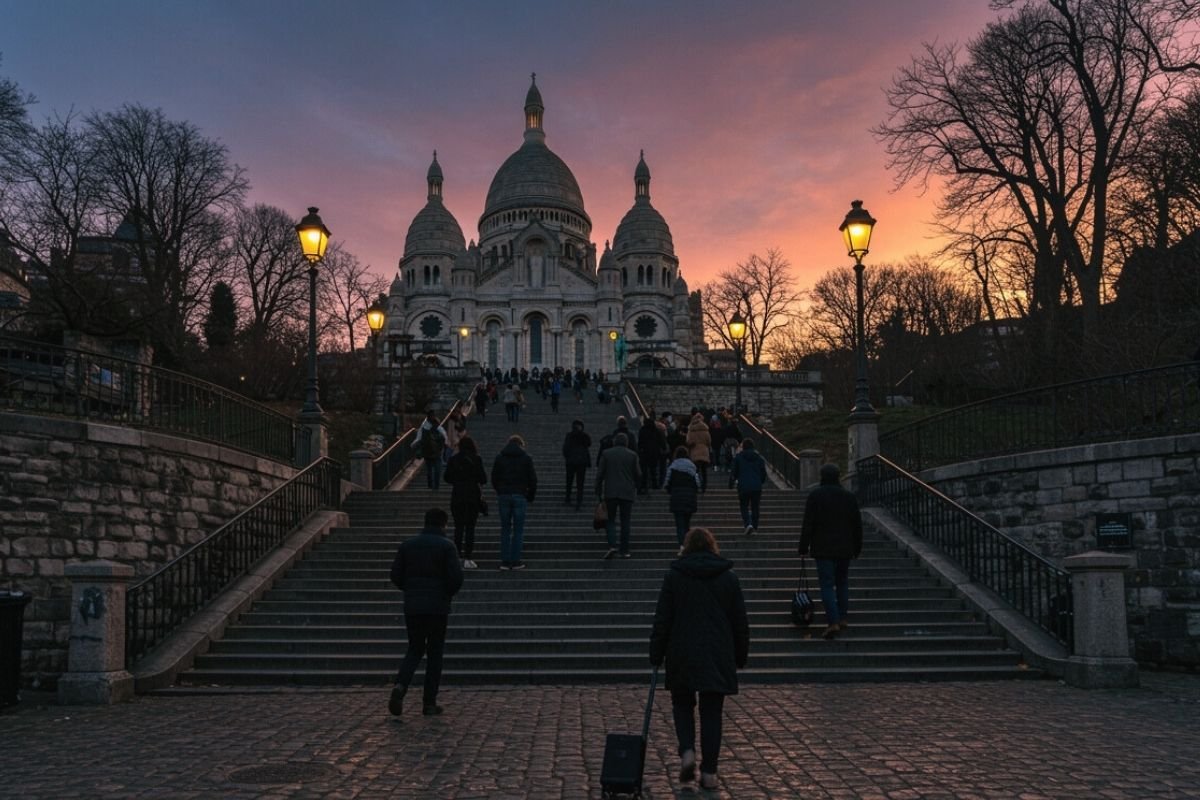
In 2026, Paris can feel calm on the street while venues feel full. The stress comes from doors and timing, not from chaos everywhere.
1) Couples: Paris events can feel intimate — or tense — depending on one decision
Couples arrive with the strongest fantasy: slow walks, spontaneous choices, “we’ll see where the night takes us.” In 2026, that fantasy still exists — but only if you protect it.
The couple version of Paris works when you stop treating the day like a long continuous walk. The city is not hard; the transitions are. When you stack long outdoor gaps between fixed-time experiences, winter makes you colder, summer makes you tired, and shoulder season makes you waste prime daylight standing in lines.
What works for couples is a calm two-anchor rhythm: one indoor highlight that cannot fail (museum or major exhibition), then one evening moment that feels “Paris” without turning into a logistical test. This is exactly where a timed anchor quietly saves the mood: you walk into your day instead of negotiating with a queue. If the Louvre is your chosen anchor, keep it clean and controlled with Louvre timed entry.
What breaks couples is the belief that “walking is the romantic option” in every season. In reality, romance is stability. If one person is warmer than the other, or one person is tired before the other admits it, the day turns into a silent argument about nothing. Couples who win Paris in 2026 choose a base that reduces cold/hot transitions and keeps evening returns simple.
If you haven’t locked your base strategy yet, fix it early — it determines how easy every event night feels: Where to Stay in Paris.
2) Families: Paris events are either “smooth and contained” or “constant damage control”
Families don’t just “attend events.” They manage them.
Every extra queue is not a delay — it’s a multiplier: bathroom timing, snack timing, stroller timing, coat timing, and the moment a child decides they’re done. That’s why Paris can be amazing for families in 2026 (museums feel more breathable outside peak peaks), or brutal (one wrong day structure and everything becomes negotiation).
The family rule is strict: start warm, stay contained, then go outside in a short controlled window with a clear end. The biggest family mistake is scheduling an outdoor landmark first “while everyone has energy,” then hoping the indoor anchor will rescue the day. In practice, the indoor anchor becomes less enjoyable because everyone arrives already stressed.
If you want Paris events to work with children, containment matters. Timed entry is not “touristy” for families — it’s protection. One scheduled indoor block is often worth more than three unplanned highlights. This is also where you keep transport simple so small legs don’t pay the price of your ambition; your TripsCity transport spine is here: How to Get Around Paris.
When you need one “short window” highlight that doesn’t require a full day of walking, pick something that behaves like a clean appointment. If the Eiffel Tower is part of your family plan, don’t gamble with timing — use Eiffel timed tickets and build the rest of the day around that slot.
For family-specific structure, keep your planning realistic and local to your style: Paris With Kids.
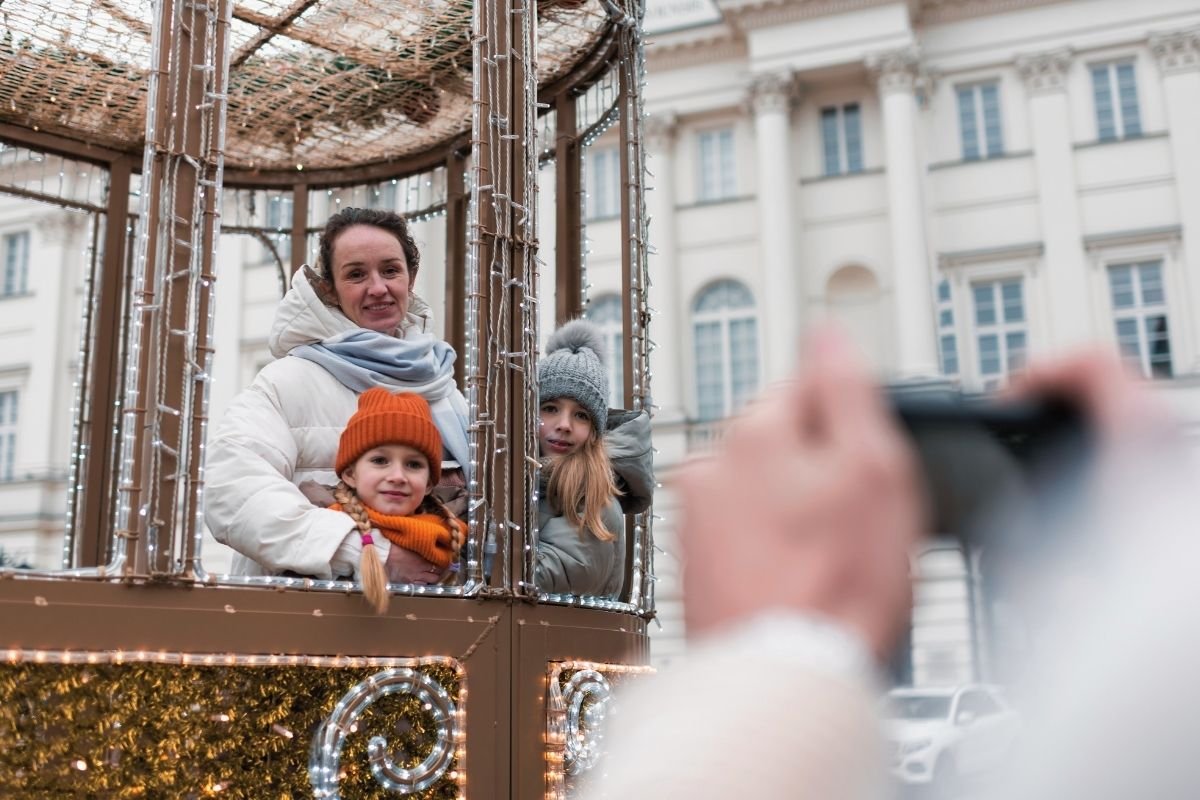
For families, the best “events plan” is not more stops — it’s fewer transitions and one guaranteed indoor anchor that keeps the day emotionally stable.
3) Budget travelers: 2026 rewards planning — but punishes “saving money by suffering”
Budget travelers often assume the problem is price. In 2026, the bigger problem is friction.
You don’t lose money because Paris becomes expensive everywhere. You lose money because you keep rescuing small failures: a missed slot forces you to buy another ticket, a long wait pushes you into paid shortcuts, a tired afternoon makes you take more rides than planned, and the day becomes “we’ll fix it later” spending.
The budget strategy is not buying everything. It’s buying the right two locks and refusing the rest of the traps. One indoor anchor is usually cheaper than a day of improvised fixes. One clean transport plan is cheaper than emotional rides. And one structured day trip can actually reduce waste because it removes decision fatigue.
If you’re stacking multiple indoor anchors across 2–3 days, a pass can be logical — not because it’s magic, but because it reduces friction. Use it only if your plan matches it: Museum pass.
January and December are where budget travelers leak money fastest (wet/cold = more “escape rides” and bad meal decisions). If that’s your season, your cost-control funnel matters more than any event list: Paris Winter Budget Guide 2026.
4) Comfort seekers: Paris is easy in 2026 — if you stop pretending you’re a “walk all day” traveler
Comfort seekers usually fail Paris for one reason: they plan like adventurous walkers, then buy convenience at the last minute.
That creates the worst version of comfort: stress plus extra spending.
Comfort in 2026 is built through fewer transitions, earlier arrivals, and a base that reduces friction. The point is not luxury. The point is that your day should not be a repeated cycle of “outside → queue → outside → transfer → outside.”
This is where pre-planning the hardest moment of the week pays for itself: arrival day. If you land in cold weather or with luggage and you want the trip to start calm, remove the curb-side negotiation and use airport transfer.
And if you want one evening experience that feels Paris without requiring long walks, pick something that behaves like a controlled slot — for many travelers, a cruise works because you sit down and the city comes to you: Seine cruise.
Fatal Mistakes That Quietly Break Paris Events in 2026
These are not dramatic “tourist errors.” They are the professional failures — the small choices that turn a good calendar into a fragile week.
Mistake #1: Booking too many fixed-time things on the same day
This is the most common “smart-looking” mistake. A day packed with timed entries looks efficient on paper. In real Paris, it becomes fragile. One slow security line, one wrong metro exit, one tired child, one rain spell, and you don’t just lose thirty minutes — you lose the chain.
A strong 2026 day uses one major timed anchor and one flexible block. If you want an evening anchor, keep it close to your base and arrive early.
Mistake #2: Treating outdoor gaps as “free time”
In spring, gaps waste daylight. In summer, they burn energy and trigger paid shortcuts. In winter, they drain heat and patience. Outdoor gaps are not neutral — they are a cost.
Keep transitions short, purposeful, and protected by a transport plan that matches your reality. If you know you’ll be moving between pockets, reduce friction with transport options that fit your stay length.
Mistake #3: Trying to “save money” by refusing structure
In 2026, refusing structure often costs more. The city has shifted deeper into appointments for the most popular experiences. If you delay, you don’t just risk paying more — you risk losing the time slots that make the day comfortable.
This is why timed entry is not a luxury purchase. It is a stability purchase. If your anchor is the Louvre, treat it as a locked block: Louvre timed entry.
Mistake #4: Choosing the wrong base for an events-heavy trip
Where you sleep changes how many “hard transitions” you suffer daily. A poor base makes the city feel bigger, colder, and more complicated than it is. A smart base makes Paris feel simple.
If you only fix one thing before you land, fix your base: Where to Stay in Paris.
By now, the diagnosis should be clear: Paris in 2026 is not cruel — it is structured. In PART 3, you’ll get the execution system: a practical week model you can copy, how to schedule anchors without fragility, how to build a “pressure-proof” day in any season, and a clean FAQ plus the schema script.
Paris Events in 2026: The Execution Plan That Keeps the City From Breaking Your Week
By now you understand the core reality: Paris events in 2026 are not “hard” because the city is chaotic. They’re hard when your plan is fragile.
Paris has become more appointment-driven. The best highlights still feel magical — but they behave like doors with start times. If you arrive with no anchors, you don’t “stay spontaneous.” You drift. And drifting is what makes Paris feel expensive, tiring, and strangely disappointing.
So PART 3 is not inspiration. It’s the system you run when you want Paris to feel controlled, even in peak months.

Paris in 2026 rewards a simple system: one anchor, one flexible block, one warm reset, and enough buffer to arrive calm instead of late.
The 2026 Two-Anchor Rule: The Only Structure Most Trips Actually Need
If you try to “plan everything,” Paris becomes fragile. If you plan nothing, Paris becomes expensive.
The clean middle is the Two-Anchor Rule:
Anchor A (daytime indoor anchor): a museum, major exhibition, timed-entry attraction, or indoor experience that makes the day valuable regardless of weather or queues.
Anchor B (evening anchor): a performance, concert, show, or booked experience that gives the night a purpose and prevents end-of-day drift.
Everything else stays flexible: neighborhoods, cafés, viewpoints, smaller galleries, shopping blocks, and walking loops.
This is how large travel brands plan without calling it “strategy.” They don’t book everything. They book the parts that fail hardest when you improvise.
A Realistic Paris 2026 Day Template (Copy This for Most of Your Trip)
This is the day structure that survives Paris in any month — winter compression, spring demand, summer volume, autumn steadiness. You can reuse it 70% of the time.
10:00–12:30 — Flexible outdoor block (short, purposeful)
Choose one neighborhood loop or one landmark moment. Not five stops. The goal is to experience Paris, not to create a chain you must defend.
12:30–14:00 — Warm reset (non-negotiable)
Paris breaks people when they treat meals as an afterthought. Hunger plus fatigue is the fastest way to make bad decisions: overpay, rush, and stop enjoying the city. A warm reset is not luxury — it’s maintenance.
14:30–17:00 — Indoor Anchor A (timed if possible)
This is where the day becomes stable. This is where Paris feels “worth it” even if weather is grey or crowds are pushing. If your anchor is the Louvre, lock the block cleanly with Louvre timed entry so you’re not donating your best afternoon to a queue.
17:00–19:00 — Return to base + recover
This is where tourists sabotage themselves. They keep pushing like summer, then arrive at the evening tired and irritated. Recovery is what makes the evening anchor feel effortless.
19:30–22:00 — Evening Anchor B
The evening should feel like a reward, not a test. Choose an event that is close enough to your base that you’re not paying with long cold/hot transfers.
How to Build a Week Around Paris Events in 2026 (Without Overbooking Yourself)
Most travelers do one of two mistakes: they book nothing and drift, or they book everything and collapse.
The professional middle path is alternating “anchor days” and “lighter days.” Paris gives more when you keep your energy stable.
Day 1: Arrival Day (Do not gamble with strict evening timing)
Arrival day is where friction spending starts: you’re tired, you’re carrying luggage, and you’re tempted to “prove” the trip has started by forcing an event night.
Instead, keep it soft: short loop near your base, warm reset, early finish. If you want comfort from the first hour, remove the curb-side negotiation and use airport transfer.
Day 2: First Anchor Day (Prove the system works)
Pick one serious indoor anchor and treat it as your spine. If everything else goes wrong, you still win the day.
Use TripsCity funnels to choose the right anchor for your style:
Louvre Museum Visitor Guide 2026
Eiffel Tower 2026 Guide: Tickets, Best Time & Insider Tips
If the Eiffel Tower is your short-window highlight, keep it controlled with Eiffel timed tickets so you’re not burning daylight or energy in uncertainty.
Day 3: Light Day (The day that quietly saves the week)
A light day is not wasted. It’s structural.
Paris fatigue in 2026 often comes from transitions, not from “too much sightseeing.” A light day is one short highlight, one warm reset, and one calm experience that doesn’t require long walking or high friction.
If you want a clean, low-effort highlight that still feels “Paris,” a cruise is often the comfort-first move because you sit down and the city moves for you: Seine cruise.
Day 4: Second Anchor Day (Choose a different kind of pressure pocket)
Don’t repeat the same structure with the same type of anchor. If Day 2 was museum-heavy, Day 4 can be landmark-heavy or exhibition-heavy — but keep the Two-Anchor Rule: one major timed anchor, one flexible block, one warm reset.
Day 5: One Structured Day Trip (Only if you want a “clean full-day plan”)
A structured day trip can be the smartest midweek move because it eliminates drift. You know what the day is, where it goes, and when it ends.
If Versailles is on your list, keep it clean and planned (especially for timing and entry) using your internal guide:
Palace of Versailles Day Trip 2026: Tickets, Best Time & Planning Guide
And if you want the “no-negotiation” version, use Versailles day trip so you’re not improvising the hardest logistics day of the week.
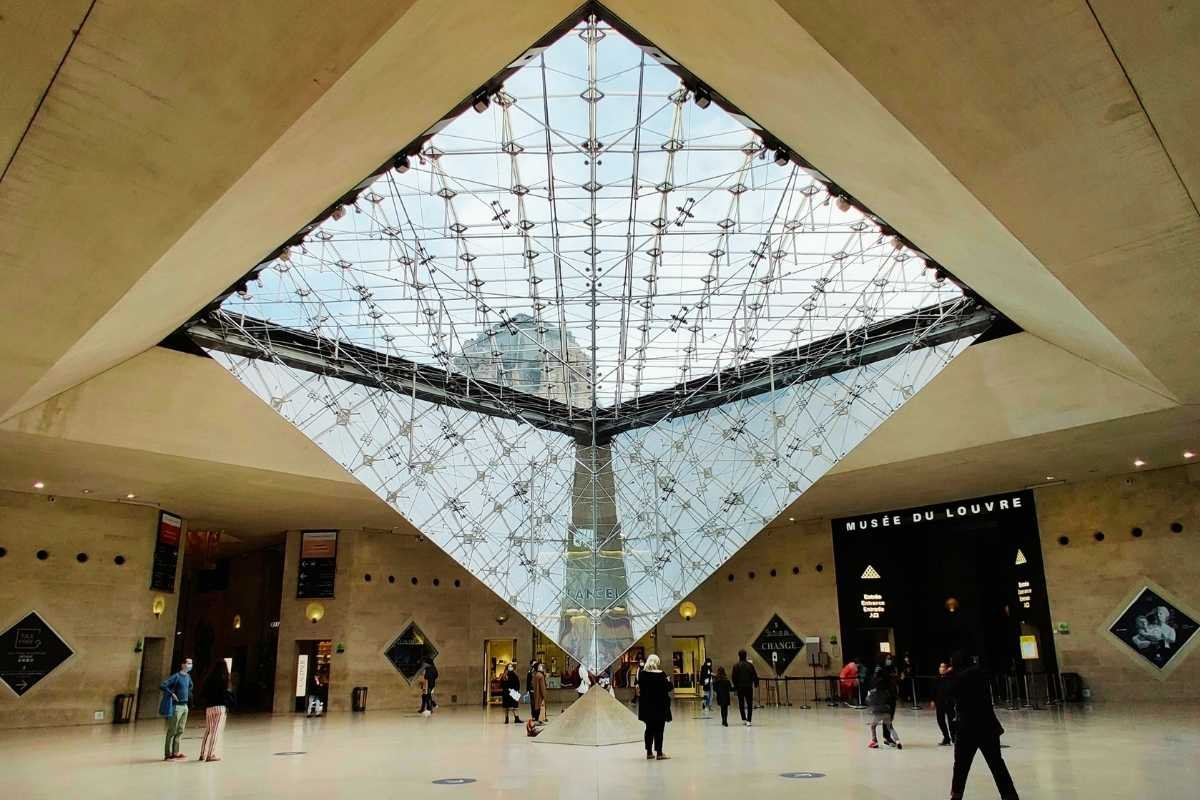
The best Paris nights in 2026 start earlier than you think: arrive early, stay warm, and let the event feel easy instead of stressful
How to Choose the Right Evening Event in 2026 (Comfort-First Rule)
In 2026, an evening event is not only entertainment — it’s logistics.
Choose the event that creates the least friction: closer to your base, earlier start time when possible, and a plan to arrive early so you are not waiting outside in bad conditions.
If you’re a comfort seeker, the “best” event is the one that keeps the night clean. If you’re a budget traveler, the “best” event is the one that doesn’t force emergency rides and missed-door penalties.
Paris Events in 2026: The Mistake-Proof Checklist (Built Like a System, Not a Blog)
Protect one indoor anchor daily. The day becomes valuable even if weather, crowds, or mood shifts.
Protect one flexible block daily. This is where Paris feels like Paris — without risking a missed slot.
Protect one warm reset daily. Not for “food content.” For decision quality.
Protect buffers. 20–35 minutes before a timed anchor is the difference between calm and panic.
Protect your transport logic. If your plan depends on crossing the city repeatedly, you are paying friction you don’t need. Choose transport that matches your stay length and movement pattern with transport options.
TripsCity Funnels: Connect Events to the Decisions That Actually Control the Trip
Events don’t live alone. They sit inside the system:
Where to Stay in Paris
How to Get Around Paris
Best Time to Visit Paris 2026
Paris Winter Budget Guide 2026
Direct Decision: Should You Build a 2026 Paris Trip Around Events?
Here is the honest answer: yes — if you plan like 2026 is real.
Paris events in 2026 are worth building around because they give the city purpose in every season: indoor depth, timed highlights, and nights that feel intentional.
But if you refuse structure, Paris won’t reward you. You’ll drift, miss windows, and pay for small fixes. That is how people return saying “Paris was tiring.” It wasn’t Paris. It was the plan.
So do it clean: lock one indoor anchor, choose one short-window highlight, keep a warm reset, and stop trying to do “summer spontaneity” in a calendar-driven city.
FAQ: Paris Events in 2026
How far in advance should I book Paris events in 2026?
For major highlights, book once your trip dates are stable. In 2026, the advantage is not “getting a cheaper price” — it is getting a better time slot that makes your day comfortable and prevents fragile chains.
How many timed bookings should I have per day?
For most travelers: one major timed indoor anchor. Add an evening event only if you keep a buffer and a recovery window. More than that increases fragility.
What’s the biggest reason Paris feels hard in 2026?
Not crowds everywhere — pressure pockets. Travelers drift into the exact places that require structure and then pay with time, queues, and last-minute spending.
Is 2026 better for budget travelers or comfort travelers?
It can be great for both, but for different reasons. Budget travelers win by avoiding friction spending and locking only what prevents waste. Comfort travelers win by reducing transitions and treating evenings like clean appointments.
What’s the safest “two locks” strategy for a one-week trip?
One timed indoor anchor (museum/exhibition) and one short-window highlight (landmark slot or calm experience). Then keep everything else flexible around those anchors.