
Is Paris safe? For most tourists, yes. Paris is a major European capital visited by millions of people, and most trips happen without serious problems. The safety issues travelers are most likely to encounter are much less dramatic: pickpocketing, distraction theft, tourist scams and fake transport services, especially in busy tourist areas and on crowded public transport.
The useful question is therefore not “Is Paris dangerous?” but where do visitors need more attention, and what simple habits reduce the risk?
The quick answer: choose a well-connected hotel, keep phones and wallets controlled in crowded places, ignore unsolicited approaches around major sights, use official transport services, and pay more attention at busy stations than you would on a quiet neighborhood street.
| Situation | Main concern | Best response |
|---|---|---|
| Central sightseeing areas | Distraction theft and scams | Keep bags closed and phones controlled |
| Metro and RER | Pickpocketing in crowds | Keep valuables away from easy-access pockets |
| Major train stations | Crowds, luggage distraction and unsolicited help | Use official signs, machines and staff |
| Late-night walking | Route and street conditions vary | Prefer busy, well-lit routes |
| Airports and stations | Fake taxi approaches | Use official taxi queues or a trusted app |
| Major attractions | Petitions, bracelets and ticket scams | Do not stop or engage |
TripsCity Insight: Paris safety is less about finding a supposedly “crime-free” arrondissement and more about recognizing situations where tourists become distracted. A crowded train door, a photo stop or an unsolicited conversation can matter more than the neighborhood name.
If you are still building the rest of the trip, use our Paris trip planning guide for the full itinerary, costs and logistics.

Paris is generally manageable for visitors when normal big-city precautions become part of the routine.
Is Paris Safe for Tourists? Areas, Night Safety and Where to Stay
Paris does not divide neatly into “safe” and “unsafe” arrondissements. Conditions can change from one street to another, and a busy tourist area may create more opportunity for pickpocketing than a residential district that receives fewer visitors.
For most first-time travelers, the practical goal should be to choose a base that combines easy transport, restaurants nearby, active streets and a short route back to the hotel.
Convenient Central Areas for First-Time Visitors
Several central districts work particularly well because they reduce unnecessary late-night transfers and keep food, transport and sightseeing within easy reach.
The 1st Arrondissement places you near the Louvre, Tuileries and Seine. The major tourist areas can be crowded, so belongings still require attention, but the location is extremely convenient.
The 5th and 6th Arrondissements around the Latin Quarter and Saint-Germain-des-Prés combine restaurants, cafés, central transport and streets that remain active well into the evening.
The 4th Arrondissement and parts of Le Marais provide similarly useful central positioning, although popular streets become busy during weekends and peak periods.
The 7th Arrondissement has a calmer residential feel around many streets near Invalides and the Eiffel Tower, although the Eiffel Tower itself attracts heavy tourist traffic and therefore deserves normal pickpocket awareness.
The 15th and 16th Arrondissements can appeal to travelers who prefer a more residential base and do not need to step directly outside the hotel into the busiest sightseeing core.
The best choice depends on your budget and itinerary, so compare these areas in our Where to Stay in Paris guide.
If you want to compare accommodation after choosing the neighborhood, you can check current Paris hotel options and guest reviews.
Where Should Tourists Use More Caution?
The useful answer is not a blacklist of neighborhoods. Visitors should increase their awareness in crowded transport hubs, tourist bottlenecks and places where people naturally stop to look at maps, tickets or phones.
Gare du Nord is an enormous international and commuter hub. The issue for tourists is usually the combination of luggage, unfamiliar exits and crowds rather than the station being somewhere you should fear.
Châtelet–Les Halles is another huge interchange where visitors can become distracted while changing lines or navigating long corridors.
Gare de l’Est, Saint-Lazare and Gare de Lyon are normal working stations used by enormous numbers of passengers, but a traveler carrying luggage should keep belongings controlled during boarding, escalators and ticket-machine stops.
The same logic applies around the Eiffel Tower, Louvre, Champs-Élysées and Sacré-Cœur. Their popularity creates crowds, and crowds create opportunities for distraction theft.
Is Paris Safe at Night?
Large parts of central Paris remain active at night because restaurants, cafés, theaters and transport continue operating after sightseeing hours.
Still, “Paris at night” is too broad to receive one safety rating. A busy restaurant street at 10 p.m. is different from a quiet park, empty side street or unfamiliar station exit after midnight.
Before leaving dinner or an evening attraction, check the final part of the route back to the hotel. If the walk involves a long stretch through an area you do not know, a taxi or trusted ride app may be worth the cost.
Keep the same awareness you use during the day. A busy nighttime Metro carriage can still create an opportunity for phone or wallet theft.
Official Paris Safety Advice
Paris je t’aime, the city’s official tourism organization, currently advises visitors to be particularly careful with belongings in busy and tourist-heavy areas. Its guidance also warns about fake petitions and street games designed to distract or deceive visitors.
For current recommendations, see the official Paris visitor safety advice.
The French Ministry of the Interior also publishes a dedicated security guide for tourists.
Is Paris Safe on Public Transport? Scams and Pickpocket Risks
The most useful safety skill in Paris is recognizing a distraction before participating in it.
Most common tourist scams do not begin with obvious aggression. Someone asks a question, offers help, hands you an object or tries to create a small social obligation. Your safest response is usually simple: do not stop.
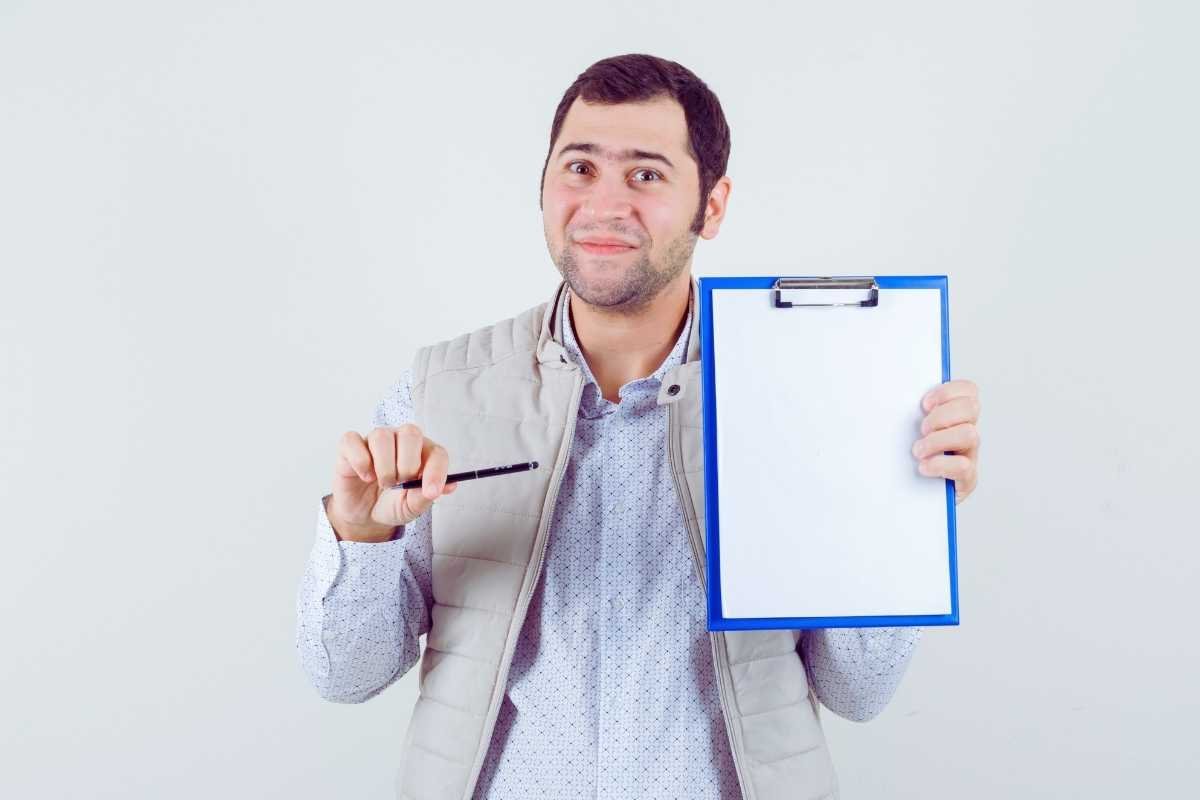
Knowing the pattern of a scam makes it much easier to walk away before it begins.
Fake Petition Scams
A person approaches with a clipboard and asks for a signature, donation or support for a cause. Paris je t’aime specifically warns visitors about fake petitions.
Do not inspect the paper, explain yourself or open a wallet. Say no and continue walking. The goal is to avoid giving strangers control of your attention while your belongings become secondary.
Friendship Bracelet Scam
This approach is strongly associated with crowded tourist zones around Montmartre and Sacré-Cœur.
Someone may begin placing or tying something around your wrist and then ask for money. Do not allow the interaction to reach that stage. Keep moving and do not let anyone place an object on you.
Ring and Found-Object Scams
A stranger appears to discover a ring or another supposedly valuable object near you, then tries to involve you in a conversation before asking for money.
Leave the object where it is and keep walking. There is no reason for a tourist to negotiate over something a stranger claims to have found on the pavement.
Street Gambling and Cup Games
The tourist office also warns about street games such as bonneteau, where cards or cups are moved while participants bet on the result.
Do not treat these setups as harmless entertainment. Walk past rather than stopping to watch or participate.
Fake Police or Authority Figures
A stranger may claim to have some kind of authority and ask to inspect cash, cards or a wallet.
If someone claims to be law enforcement and you are unsure, do not hand over money or open your wallet on the street. Ask to continue the conversation at an official police station or seek help from uniformed staff.
Fake Ticket Sellers and Unsolicited Help
Do not buy transport or attraction tickets from people who approach you outside official sales channels.
At Metro and RER stations, use official ticket machines, apps or staff. At attractions, buy through the attraction’s official website or a booking service you intentionally chose before arriving.
The same rule applies when someone unexpectedly offers help at a ticket machine. If you actually need assistance, ask identifiable transport staff.
Is the Paris Metro Safe?
Yes, the Paris public transport network is used every day by residents and visitors. The issue for tourists is not whether the Metro should be avoided; it is how belongings are handled when trains and stations become crowded.
RATP’s current traveler guidance explicitly warns that pickpockets may be present on the network and advises passengers to protect their belongings.
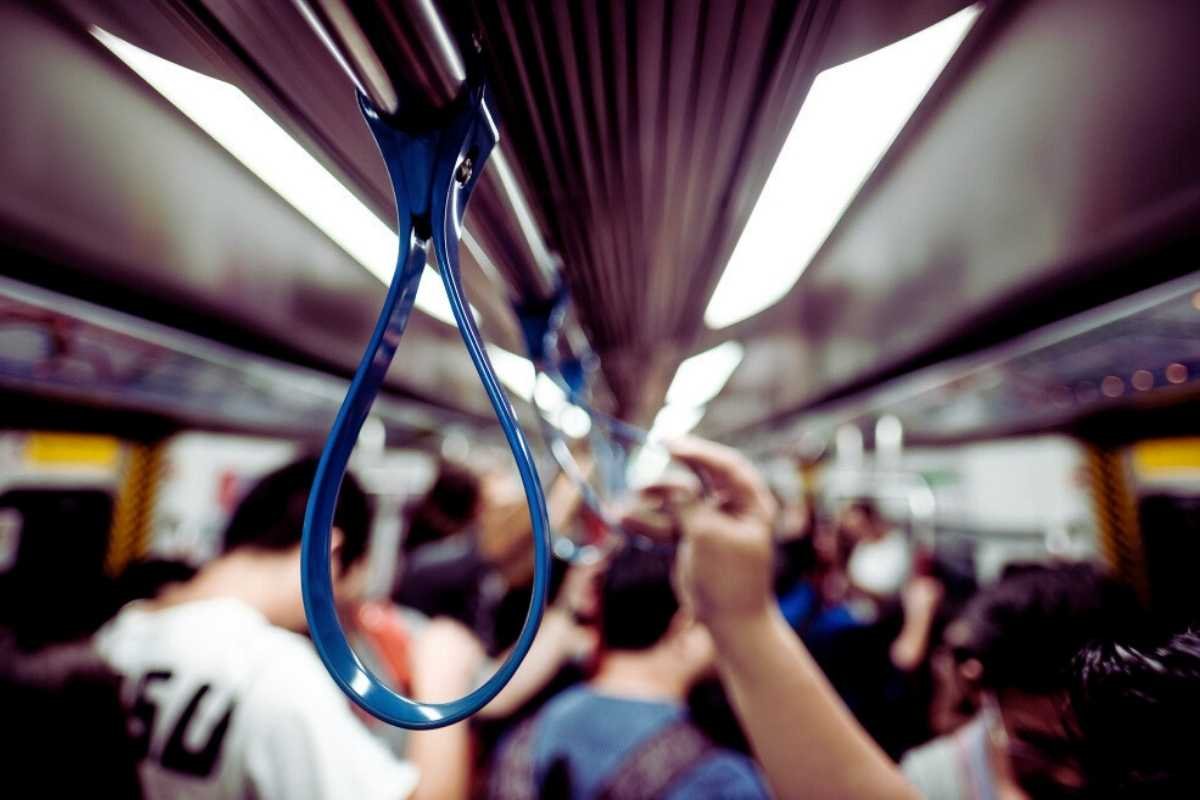
Crowded trains and station transitions deserve more attention than an ordinary quiet ride.
Use the official RATP traveler guide for current network advice.
For tickets, routes and the 2026 fare system, see our Paris transportation guide.
Metro Habits That Actually Matter
Keep your phone away from train doors. Standing beside an open door while staring at a phone creates an unnecessary opportunity for someone to grab it and exit.
Move bags away from easy access. A backpack containing valuables is easier to protect when you can see or feel the zippers in a packed carriage.
Do not use back pockets for passports, phones or wallets. The easier an item is for you to reach, the easier it may be for somebody behind you to reach as well.
Finish organizing before entering the crowd. Put tickets, cards and phones away before boarding rather than standing at the doorway with everything in your hands.
Pay attention during transitions. Escalators, ticket gates, stairs and train doors are moments when people naturally focus on movement instead of belongings.
Is Paris Safe Around Airports and Train Stations?
Travelers are often more vulnerable on arrival because they are tired, carrying luggage and trying to understand an unfamiliar transport system.
Ignore unsolicited offers of transport, ticket assistance or accommodation inside terminals and stations.
At Charles de Gaulle Airport, official Paris visitor guidance specifically warns passengers not to accept rides from drivers who approach them inside the terminal. Official taxis wait in designated queues outside baggage-claim areas.
The same principle works throughout the trip: you choose the driver or service; do not let an unknown driver choose you.
How to Recognize a Real Paris Taxi
Official Parisian taxis have regulated identification and equipment, including a roof light and meter. Current city guidance also lists fixed airport taxi fares, which helps travelers recognize suspicious pricing.
For 2026, the official fixed taxi fare between Charles de Gaulle Airport and Paris is €56 for the Right Bank and €65 for the Left Bank. Current Orly flat fares are €45 to the Right Bank and €36 to the Left Bank.
Check current rules with the official Paris taxi and private-hire guide before airport travel.
A Useful Rule Most Tourists Do Not Know: Reporting Metro Theft
If you are a tourist and suffer a non-violent theft on the Metro or RER network, RATP currently provides an additional reporting option in certain cases.
Eligible tourists can submit a written complaint through station ticket-desk staff in French or English when the theft happened on the Metro/RER network, the thief cannot immediately be identified and the estimated value of the stolen property is below €1,000.
This can save time compared with traveling to a police station, although you can still choose to report directly to the police.
See the official RATP theft-reporting information for the full conditions.
Is Paris Safe for Travelers? Theft, Emergencies and Practical Tips
Good travel safety is mostly preparation for situations you hope never happen.
You do not need to spend the trip worrying. A few decisions made before leaving the hotel can prevent a small problem from becoming a full vacation emergency.
Protect Your Phone, Wallet and Cards
Carry only the cards and cash you expect to need that day. Keeping every payment method in the same wallet creates a single point of failure.
Enable device tracking and make sure you know how to remotely lock your phone before traveling. Do not wait until the phone disappears to learn how the feature works.
Keep important account passwords protected separately from the device itself. A stolen phone is much more serious if it also gives easy access to email, banking and travel accounts.
Paris je t’aime also advises visitors to avoid carrying unnecessarily large amounts of cash and to prefer card or mobile payments when practical.
ATM Safety
You do not need to avoid ATMs in Paris. Prefer machines attached to recognizable banks, especially when you are unfamiliar with the area.
Cover the keypad when entering your PIN, put the card and cash away before walking off, and ignore strangers who suddenly try to “help” with the machine.
Passport and Document Safety
Do not carry every important document in the same bag if you do not need to.
Keep secure digital copies of your passport, insurance information and important reservations so you can retrieve basic information even if your physical documents disappear.
If a passport is stolen, report the theft and contact your embassy or consulate for replacement travel-document instructions.
What to Do If Your Phone or Wallet Is Stolen
- Move somewhere calm and safe. Confirm exactly what is missing before taking action.
- Freeze affected bank cards. Use the banking app or contact the bank immediately.
- Lock the phone remotely. Use Apple Find My or Google’s device-location tools where available.
- Change critical passwords if necessary. Prioritize email and financial accounts.
- Report the theft. Use the police or the eligible RATP reporting process when the theft happened on its network.
- Keep the report. Travel insurers may request written documentation.
- Contact your embassy or consulate if a passport was taken.
Do not chase or confront somebody you believe stole the item. Protecting yourself and securing your accounts is more valuable than attempting to recover property personally.
Emergency Numbers in Paris
| Emergency | Number |
|---|---|
| Police / Gendarmerie | 17 |
| European emergency number | 112 |
| Medical emergency / SAMU | 15 |
| Fire brigade | 18 |
| Emergency service for deaf or hard-of-hearing users | 114 |
The French government confirms that 17 and 112 can be used when urgent police intervention is required, and 112 operators can communicate in French or English.
For current information, use the official French emergency guidance.
Is Paris Safe for Solo Travelers?
Solo travelers do not need a completely different Paris strategy. The biggest difference is that nobody else is automatically watching your belongings, checking the route or noticing that your phone has disappeared.
Know the return route before an evening out, keep enough battery for maps and transport, and avoid becoming dependent on one phone for every ticket, bank card and hotel detail without any backup.
A centrally located hotel can also reduce late-night transport friction when traveling alone.
Is Paris Safe for Families With Children?
For families, crowded stations create a different problem: separation.
Give children a simple rule before entering the Metro. Younger children should remain beside the same adult through gates, stairs and train doors rather than switching between parents in the crowd.
Agree on what to do if somebody gets separated, and make sure older children know the hotel name or have a parent’s contact details available.
Parents using strollers should allow additional time through stations rather than rushing toward a departing train.
Hotel Safety: Location Matters More Than Security Theater
A hotel does not become a good choice simply because its marketing describes the neighborhood as safe.
Read recent guest reviews for the things that affect your real experience: the station walk at night, reception hours, entrance access, surrounding streets, noise and whether restaurants remain open nearby.
A cheaper hotel requiring a long unfamiliar walk after every evening may be less practical than a slightly more expensive room close to useful transport.
Common Safety Mistakes to Avoid
Using your phone carelessly at every busy stop. Finish checking directions, put the device away and then move through the crowd.
Keeping everything in one wallet. One theft should not remove every card, all cash and your ID simultaneously.
Stopping for every stranger. You are not required to explain why you do not want to sign a petition, buy something or accept help.
Assuming a famous tourist area requires less attention. High visitor numbers can create more opportunities for opportunistic theft, not fewer.
Accepting an airport ride because the driver looks official. Go to the official taxi queue or book the service yourself.
Letting safety anxiety dominate the trip. Preparation should make Paris easier to enjoy, not turn every passer-by into a threat.
Final Verdict: Is Paris Safe for Tourists?
Yes. Paris is a reasonable destination for most travelers who use normal big-city awareness.
The risks tourists should prepare for are practical rather than mysterious: pickpockets in crowds, distraction scams around famous sights, fake transport offers and the inconvenience of losing a phone or wallet far from home.
None of those require spending the vacation afraid. Keep valuables controlled, use official transport channels, choose a sensible hotel location and know what to do if something goes wrong.
TripsCity Verdict: Paris safety depends more on habits than fear. Stay alert when crowds and distractions overlap, then relax during the overwhelming majority of moments when nothing unusual is happening.
Paris Safety FAQ
Is Paris safe for first-time tourists?
Yes. Most first-time visitors can explore Paris normally. The most useful precautions are protecting belongings on crowded transport, recognizing common scams and choosing a convenient hotel location.
What is the biggest safety concern for tourists in Paris?
Pickpocketing and distraction theft in busy tourist and transport areas deserve more practical attention than dramatic assumptions about the city as a whole.
Is the Paris Metro safe at night?
The Metro is widely used in the evening, but conditions vary by line, station and time. Protect belongings in crowded trains and consider the final walk from the station to your accommodation when planning a late return.
Is Gare du Nord dangerous?
Gare du Nord is a major transport hub rather than an attraction to avoid. Travelers carrying luggage should simply expect crowds, unfamiliar exits and more need to watch belongings than on a quiet neighborhood street.
Is Paris safe for solo female travelers?
Many women travel alone in Paris. Use the same practical precautions recommended for solo city travel generally: plan late-night routes, keep valuables controlled, avoid isolated shortcuts and choose accommodation with a convenient return route.
Should tourists avoid Montmartre because of scams?
No. Montmartre is one of Paris’s major visitor areas. Around the busiest approaches to Sacré-Cœur, recognize unsolicited bracelet or street-selling approaches and keep moving if you do not want to engage.
What should I do if I am pickpocketed on the Metro?
Secure your phone and financial accounts first. Tourists who meet RATP’s conditions for a non-violent Metro or RER theft may be able to file a complaint through station ticket-desk staff; otherwise, report the theft to the police.
What emergency number should tourists call in Paris?
Call 17 for an urgent police response or 112 for the European emergency service. France also uses 15 for SAMU medical emergencies and 18 for the fire brigade.
For the rest of your trip planning, see our Things to Do in Paris guide.
Last updated: September 2026.