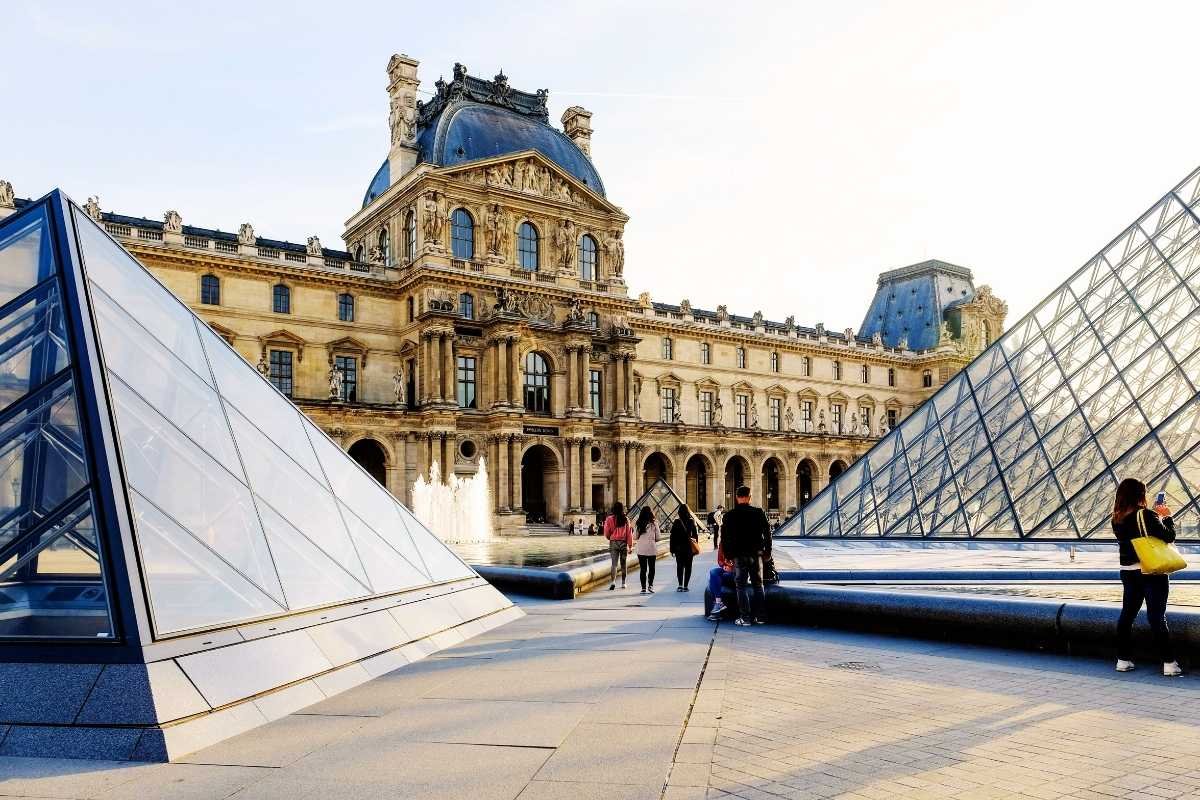
You can arrive in Paris with a museum list that looks reasonable and still waste money on the wrong pass. The Louvre, Sainte-Chapelle, Arc de Triomphe and Versailles add up quickly, so the Paris Museum Pass can look like an obvious bargain. The surprise is that it is not automatically good value anymore.
At current prices, the pass only works when your real itinerary already contains enough paid museums and monuments. If you start adding attractions simply to justify the purchase, the pass is controlling the trip instead of helping it.
Quick answer: the Paris Museum Pass currently costs €85 for 48 hours, €105 for 96 hours and €125 for 144 hours. The 48-hour version generally becomes attractive around the fourth substantial paid visit. The longer versions give you more time to reach break-even without racing through museums.
| Pass | Current Price | Best Fit | Typical Break-Even Point |
|---|---|---|---|
| 48 hours | €85 | Short, museum-heavy trip | Around the 4th substantial paid visit |
| 96 hours | €105 | Balanced cultural itinerary | Around the 5th paid visit |
| 144 hours | €125 | Culture-focused longer stay | Around the 6th paid visit |
TripsCity Insight: Make your museum list first. If the pass saves money on places you already want to see, it is useful. If you need to invent extra visits to make the math work, buy individual tickets instead.
Disclosure: This guide contains affiliate links. If you book through one of them, TripsCity may earn a commission at no extra cost to you.
If the pass already fits your itinerary, you can check current Paris Museum Pass booking options. Compare the final reseller price with the official price before paying because service fees can vary.
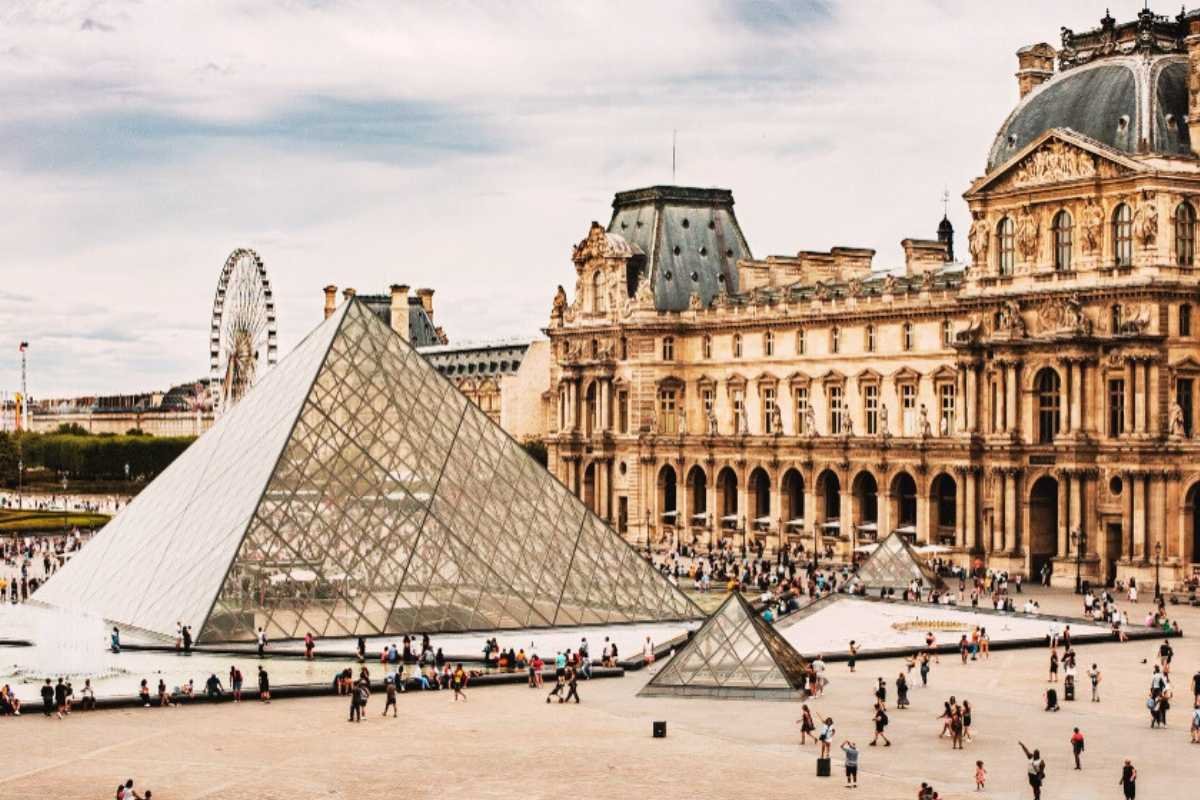
The Louvre is one of the headline attractions covered by the pass, but a timed reservation is strongly recommended.
Paris Museum Pass Prices, Coverage and Rules
The Paris Museum Pass covers more than 50 museums and monuments in Paris and the surrounding region. It is sold for 48, 96 or 144 consecutive hours, so it is different from a pass that expires at the end of a calendar day.
That detail matters. If you first use a 48-hour pass at 2 p.m., the validity period runs from that first use. You do not lose the remaining hours simply because midnight arrives.
Current Paris Museum Pass Prices
| Duration | Official Price | Equivalent Length |
|---|---|---|
| 2-day pass | €85 | 48 consecutive hours |
| 4-day pass | €105 | 96 consecutive hours |
| 6-day pass | €125 | 144 consecutive hours |
You can verify the latest public price on the official Paris Museum Pass website. Third-party sellers may use different checkout totals, so compare the final price rather than only the advertised starting price.
What Does the Paris Museum Pass Include?
Major included attractions currently include the Louvre Museum, Musée d’Orsay, Musée de l’Orangerie, Musée Picasso Paris, Musée Rodin, Arc de Triomphe, Sainte-Chapelle, Panthéon, Conciergerie, Musée de l’Armée, Palace of Versailles and Trianon, and Musée de Cluny.
The full network is larger than those headline sights. That can benefit travelers who already enjoy art, history and monuments because smaller included sites can add value naturally. Check the official list of included museums and monuments before buying because access conditions can change.

Arc de Triomphe is easy to pair with other sightseeing without consuming a full museum day.
What Is Not Included?
The Eiffel Tower is not included. Metro, RER, buses, airport transportation and ordinary Seine cruises are also separate. Some temporary exhibitions may require another ticket even when the museum itself participates in the pass.
If transportation is part of your planning decision, our Paris transportation guide explains how to handle the city separately from museum admission.
Does the Pass Skip the Line?
Not completely. It can remove the standard ticket-purchase step at included sites, but security checks still apply. Popular attractions may also use timed reservations, which means the pass is not a universal fast-track ticket.
Do You Need Reservations?
At some attractions, yes. The Louvre, Musée d’Orsay and Versailles are among the important places where pass holders should check current booking rules. For the Louvre in particular, a reserved time slot is the safest way to protect your visit during busy periods.
Use the official reservation page before finalizing your itinerary. Book the hardest time slots first, then build flexible attractions around them.
How Does Activation Work?
The validity period begins when the pass is first used at an included attraction. The official e-ticket can be stored as a PDF on your phone or printed as a backup.
Do not activate it simply because you have arrived in Paris. If your first afternoon is hotel check-in, a Seine walk and dinner, save the pass for the first serious museum day.
Check Free Admission Before Buying
This is one of the most important checks. Many participating museums and monuments already offer free entry to visitors under 18. Many national sites also provide free admission to European Union nationals under 26.
Calculate the pass separately for each traveler. A family can waste money by buying identical passes for everyone when some members already qualify for free admission at many covered sites.
Is the Paris Museum Pass Worth It? Real Savings
The Paris Museum Pass is worth it when the attractions you genuinely plan to visit cost more individually than the pass. The important word is genuinely. A pass that saves €10 only after you add two museums you did not care about has not really saved you money.
The most useful way to judge the pass is to compare it with a realistic attraction list. The reference prices below show why the answer can change quickly depending on your itinerary.
| Attraction | Reference Admission Price |
|---|---|
| Louvre Museum | €32 |
| Palace of Versailles and Trianon | €25 |
| Sainte-Chapelle | €22 |
| Arc de Triomphe | €22 |
| Musée de l’Armée / Napoleon’s Tomb | €17 |
| Musée d’Orsay | €16 |
| Musée Picasso Paris | €16 |
Use these figures as a planning benchmark rather than a guarantee. Admission prices and eligibility rules can change, so check the attraction or pass operator before purchasing.
2-Day Pass: When Does It Break Even?
The 48-hour pass costs €85. Consider a traveler who already wants to visit the Louvre (€32), Sainte-Chapelle (€22), Arc de Triomphe (€22) and Musée d’Orsay (€16).
Individual total: €92
48-hour pass: €85
Potential saving: €7
In this example, the pass starts saving money on the fourth substantial paid visit. That is useful, but the margin is small. Four important attractions in 48 hours can also be tiring, so the €7 saving should not dictate your pace.
The 2-day pass works best for travelers who already have a compact, museum-heavy plan and can group attractions geographically.
4-Day Pass: Better Balance for Many Travelers
The 96-hour pass costs €105. A realistic example could include the Louvre (€32), Versailles (€25), Sainte-Chapelle (€22), Arc de Triomphe (€22) and Musée d’Orsay (€16).
Individual total: €117
96-hour pass: €105
Potential saving: €12
The financial difference is still modest, but the four-day window is easier to use naturally. You can give large museums enough time, place Versailles on its own morning or day, and avoid turning every afternoon into a race to the next entrance.
6-Day Pass: Best for Culture-Heavy Trips
The 144-hour version costs €125. Add Musée de l’Armée at €17 to the five-site example above and the reference total reaches €134. That puts the pass ahead by about €9 before you add another included site.
The 6-day pass makes the most sense when museums, monuments and architecture are already a major part of the trip. It is much weaker as a “maybe we will use it” purchase.
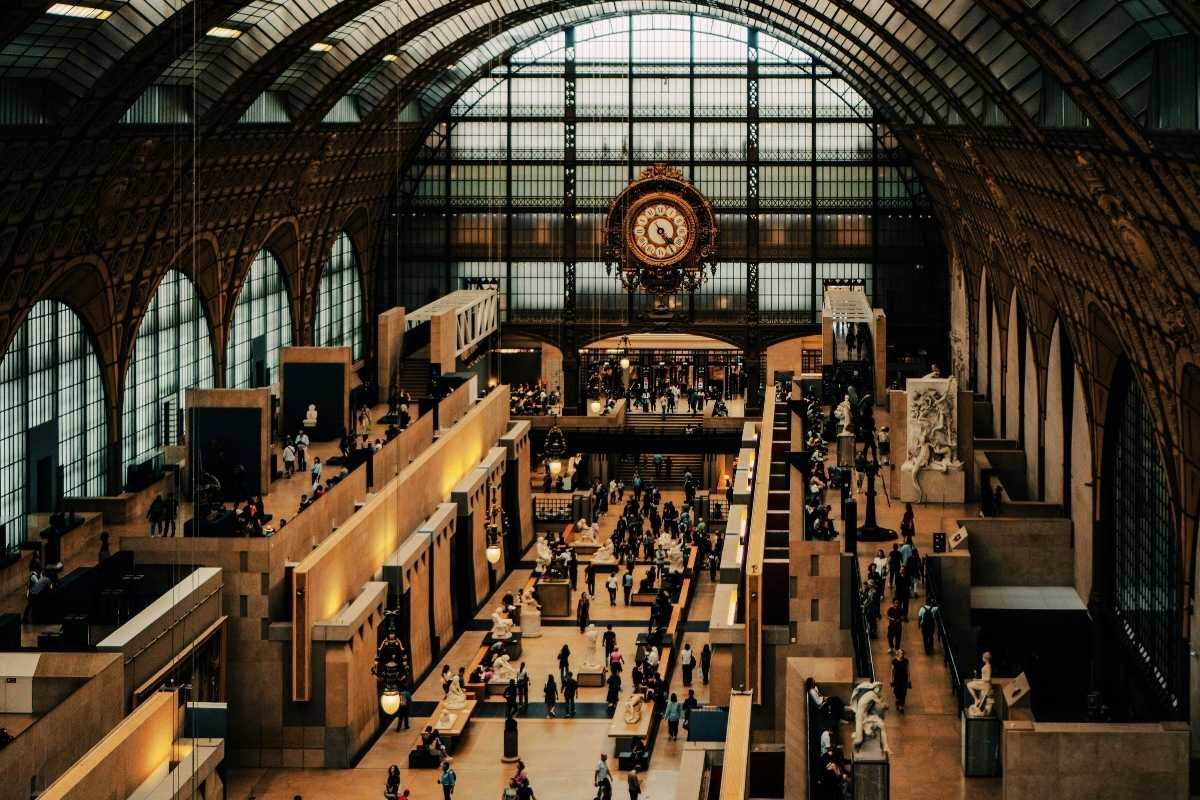
Musée d’Orsay fits naturally into a museum-pass itinerary without requiring an entire sightseeing day.
Who Should Buy the Paris Museum Pass?
The pass is a strong fit when several of these points describe your trip:
- You already plan to visit at least four or five substantial paid museums or monuments.
- The Louvre, Versailles, Sainte-Chapelle or Arc de Triomphe are genuine priorities.
- You enjoy art, history and architecture enough to devote several days to cultural sightseeing.
- You are comfortable reserving important time slots in advance.
- You want to add smaller included sites only when they fit naturally into the day.
Who Should Skip It?
Individual tickets are usually the safer choice when you plan only one major paid attraction per day, prefer neighborhoods and food to museums, dislike fixed sightseeing windows, qualify for free entry at many covered sites, or have already visited the main museums on an earlier trip.
| Traveler | Likely Better Choice | Why |
|---|---|---|
| First-time museum lover | Paris Museum Pass | Several expensive attractions may already be on the plan |
| Slow traveler | Individual tickets | No pressure to fit visits into a validity window |
| Under 18 | Check free admission first | Many covered national sites may already be free |
| EU national under 26 | Check eligibility first | Many participating national museums offer free admission |
| Eiffel Tower-focused trip | Individual tickets | The Eiffel Tower is not included |
The Hidden Cost: Museum Fatigue
A pass can save €10 and still make your vacation worse. That happens when every morning begins with a calculation about how many more museums you need to visit to “get your money’s worth.”
Paris is not only its paid interiors. Neighborhood walks, cafés, markets, gardens, Seine views and free landmarks may become some of the strongest moments of the trip. None of them improves the pass calculation.
That is why break-even should be a decision tool, not a daily target. If your existing wish list already clears the pass price, the product is working for you. If you have to reshape the trip to make it profitable, skip it.
For the wider cost picture, compare museum spending with accommodation, food and transport in our Paris Budget Guide.
How to Use the Paris Museum Pass Without Rushing
The best strategy is not to squeeze in the maximum number of attractions. It is to place enough worthwhile visits inside the validity window that the pass saves money without turning Paris into a checklist.
Start with the places you would be disappointed to miss. Reserve the attractions where availability can control your day, then add smaller nearby sites only if they fit naturally.
A Realistic 48-Hour Strategy
Keep the first day geographically compact. A strong central Paris combination could be the Louvre in the morning, Musée de l’Orangerie or Musée d’Orsay later, and Arc de Triomphe in the evening if your energy still holds.
On the second day, focus on another connected area. Sainte-Chapelle and Conciergerie pair naturally on Île de la Cité, while Panthéon or Musée de Cluny can follow on the Left Bank.
The point is not that every traveler should copy this sequence. It is that a 48-hour pass works better when you reduce unnecessary transport between paid attractions.
Give Versailles Enough Space
Versailles deserves more than a rushed box on a checklist. If it is one of your priorities, place it on a separate morning or day within a 4-day or 6-day pass instead of trying to combine it with several major central Paris museums.
A practical four-day structure could use one day for the Louvre and Orangerie, one for Versailles, one for Sainte-Chapelle and nearby monuments, and one for Musée d’Orsay plus Arc de Triomphe.
This still creates strong pass value while leaving room for meals, walks and neighborhood time.
Reserve the Hardest Attractions First
The Louvre, Musée d’Orsay and Versailles can shape the rest of your schedule. Secure those visits first. Then arrange flexible museums and monuments around the confirmed times.
If the Louvre is one of your priorities, our Louvre Museum guide explains how to plan the visit without giving the museum your entire sightseeing day.

Sainte-Chapelle is especially easy to combine with other central Paris sights.
Paris Museum Pass vs Individual Tickets
Individual tickets are not the inferior choice. They give you complete freedom to spread museums across the trip, change plans, and spend longer in neighborhoods without worrying about unused pass hours.
The Paris Museum Pass becomes stronger when your confirmed attraction list already exceeds its price. Individual tickets become stronger when your museum plans are still uncertain or when only a few paid sites matter to you.
The pass also has a convenience advantage. Once the main reservations are arranged, you do not need to make a new admission decision every time an included museum fits naturally into the day. Individual tickets, however, protect travelers who value spontaneity more than squeezing maximum financial value from a fixed validity window.
What About Seine Cruise Bundles?
A standard Seine cruise is not included in the museum pass. Some third-party sellers package the two products together. A bundle can be convenient if you already plan to do both, but convenience does not always equal savings.
You can check the current Museum Pass and Seine cruise combination, then compare the final price with buying each product separately. For choosing the cruise itself, see our Seine River Cruise guide.
Is Navigo an Alternative to the Museum Pass?
No. They solve different problems. The Paris Museum Pass covers participating museums and monuments. Navigo products cover public transportation. You may use both on the same trip.

The pass works best when it supports your itinerary instead of controlling it.
Final Verdict: Is the Paris Museum Pass Worth It?
Yes, for the right itinerary. A first-time visitor already planning the Louvre, Sainte-Chapelle, Arc de Triomphe and another paid museum can make the 48-hour pass work. The 4-day and 6-day versions are easier to use if you want deeper cultural sightseeing without stacking major museums into every day.
However, individual tickets are often better for slow travelers, repeat visitors, people who plan only a few paid museums, and anyone who qualifies for free admission at many participating sites.
TripsCity Verdict: Build your museum list first and buy the pass second. If your planned admissions exceed the pass price before you add places just to justify the purchase, the Paris Museum Pass is doing its job.
Paris Museum Pass FAQ
How much is the Paris Museum Pass?
The current official prices are €85 for 48 hours, €105 for 96 hours and €125 for 144 hours. Third-party sellers may charge different totals.
Does the Paris Museum Pass include the Louvre?
Yes. However, a timed reservation is strongly recommended because the pass does not guarantee immediate entry during busy periods.
Does the pass include Versailles?
Yes. Versailles and Trianon are included. Check current reservation and access conditions before your visit.
Does the Paris Museum Pass include the Eiffel Tower?
No. Eiffel Tower admission must be purchased separately.
Does the pass include public transportation?
No. Metro, RER, bus, tram and airport transportation require separate tickets or transport products.
When does the Paris Museum Pass activate?
It activates when you use it at your first included attraction. The pass then remains valid for 48, 96 or 144 consecutive hours, depending on the version purchased.
For more ideas beyond museums and monuments, see our Things to Do in Paris guide.
Last updated: September 2026.