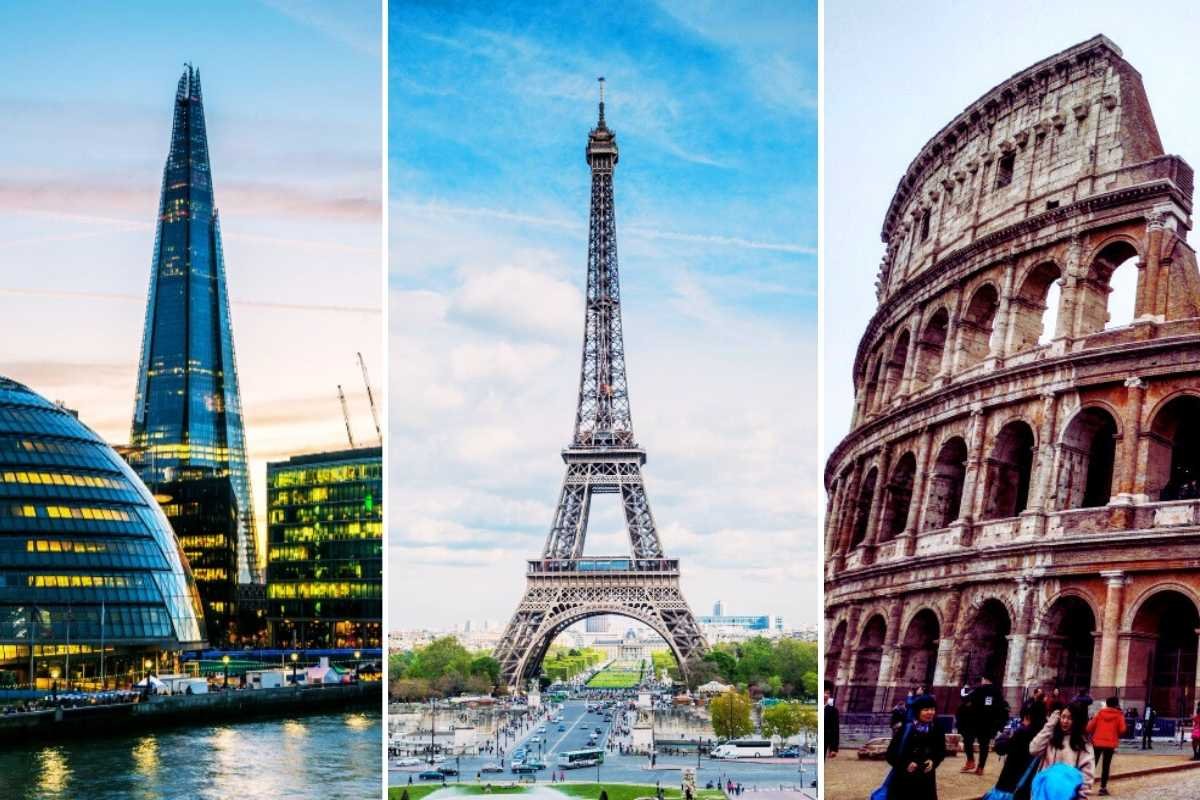
Paris vs London vs Rome sounds like a choice between three famous European capitals. In reality, it is a choice between three very different ways to travel.
If you have four or five days and can visit only one, the quick answer is this: choose Paris for atmosphere, art and balanced sightseeing; London for the easiest first-time city break and the widest range of experiences; Rome for ancient history, walkable sightseeing and generally better value.
There is no universal winner. A traveler who loves museums, cafés and elegant neighborhoods may prefer Paris. Someone who wants English-language ease, free major museums and extremely simple transport may prefer London. A visitor who wants ruins, piazzas, food and history visible on almost every walk may enjoy Rome more than either.
| If your priority is… | Best choice | Why |
|---|---|---|
| First European city break | London | Easy communication, excellent transport and huge variety |
| Romantic trip | Paris | Neighborhood atmosphere, cafés, Seine walks and elegant evenings |
| Ancient history | Rome | Roman ruins and historic sites are built into the everyday city |
| Best overall value | Rome | Food and many everyday travel costs can be easier to control |
| Art museums | Paris | Louvre, Orsay, Orangerie and an unusually dense cultural core |
| Free major museums | London | Several headline national museums have free permanent collections |
| Simple public transport | London | Contactless pay-as-you-go and automatic daily capping |
| Walking through history | Rome | Many major sights connect naturally on foot |
TripsCity Insight: Do not ask which of these cities is “best.” Ask which inconvenience bothers you least. Paris involves crowds and some transport learning. London can be expensive and geographically spread out. Rome is highly walkable but its transport is less seamless. The best city is often the one whose weaknesses fit your travel style.

Paris, London and Rome offer very different versions of a European city break.
Paris vs London vs Rome: Costs, Transport and Key Differences
The most useful comparison starts with daily friction: how expensive the city feels, how easily you move around, how much walking is required and how many attractions compete for your time.
Which Is Cheaper: Paris, London or Rome?
Rome generally gives budget-conscious travelers the easiest starting point, London is usually the most expensive overall, and Paris sits somewhere between them depending heavily on accommodation.
Hotel prices are too date-sensitive to treat one universal nightly rate as reliable. A major event, school holiday or central location can reverse the normal order. What matters more is how the cities behave once you arrive.
London often produces the highest everyday spending because accommodation, restaurants, attractions and transport can all be expensive at the same time. Paris can also become costly quickly, especially around central hotels and ticketed attractions, but bakeries, neighborhood cafés, free walks and a compact sightseeing core create room to control the budget.
Rome usually offers more opportunities to build lower-cost days around walking, churches, piazzas and food without buying several major attraction tickets.
| Cost factor | Paris | London | Rome |
|---|---|---|---|
| Accommodation | High | Very high | High, but often better value |
| Casual food | Moderate–high | High | Moderate |
| Major attractions | Moderate–high | Mixed: paid icons + major free museums | Moderate |
| Free sightseeing potential | Very good | Excellent | Excellent |
| Overall budget pressure | High | Highest | Lowest of the three in many trips |
For a detailed Paris breakdown, see our Paris Budget Guide.
Public Transport Costs in 2026
The old idea that London automatically costs £20–£25 every sightseeing day or Paris requires more than €20 in urban transport is misleading. Current fare systems make the comparison more nuanced.
In Paris, a standard Metro-Train-RER journey costs €2.55 in 2026, while a Bus-Tram journey costs €2.05. The all-zone Navigo Day Pass costs €12.30 but excludes airport journeys.
London visitors using the same contactless card, phone or Oyster consistently benefit from automatic capping. For Zones 1–2, the adult daily pay-as-you-go cap remains £8.90. That makes central London transport more predictable than many visitors expect.
Rome’s ROMA 24H ticket currently costs €8.50 and gives 24 hours of travel from first validation.
| Transport comparison | Paris | London | Rome |
|---|---|---|---|
| System strength | Excellent coverage | Excellent coverage | More limited Metro network |
| Typical central-day option | €12.30 Navigo Day | £8.90 Zones 1–2 cap | €8.50 ROMA 24H |
| Learning curve | Moderate | Low | Moderate |
| Best feature | Dense network | Contactless simplicity | Walking can replace many rides |
Paris fare details come from Île-de-France Mobilités, London visitors can confirm current payment rules with Transport for London, and Rome fares are published by ATAC.
For Paris specifically, our Paris transportation guide explains how the system works in practice. For London, see our London public transport costs guide.
Which City Is Easiest to Navigate?
London wins for system simplicity, Paris wins for network density, and Rome works best when you accept that walking is part of the transport strategy.
London’s Tube map looks intimidating at first, but payment is unusually simple. Use the same contactless method, touch correctly and let the system calculate fares and caps.
Paris gives travelers an extremely dense network of Metro, RER, trains, buses and trams. The main learning curve is understanding which ticket or pass applies to which journey.
Rome has Metro lines and a large bus network, but many central attractions are close enough that walking often becomes the most practical option. That is enjoyable when the weather is comfortable and less appealing during extreme summer heat.

Transport changes the rhythm of a city break almost as much as the attractions themselves.
What Paris, London and Rome Are Actually Like to Visit
Costs and transport explain part of the decision. The bigger difference appears after two or three days, when you start noticing how each city makes you travel.
Paris: Best for Atmosphere, Art and a Balanced City Break

Paris works best for travelers who want major sights without giving up neighborhood atmosphere.
Paris combines famous landmarks with something that London and Rome deliver differently: a relatively compact central sightseeing zone where museums, river walks, cafés, gardens and neighborhoods can be mixed into the same day.
The Louvre, Eiffel Tower and Notre-Dame may dominate first-trip planning, but much of Paris’s appeal comes from what happens between attractions. Saint-Germain, Le Marais, the Latin Quarter, Montmartre and walks along the Seine give the trip texture without requiring another ticket.
That makes Paris especially strong for couples, art-focused travelers, food-minded visitors and people who enjoy alternating structured sightseeing with unstructured walking.
The downside is pressure around major attractions. Paris rewards travelers who book selectively and organize days geographically. It becomes tiring when every day crosses the city several times.
If Paris is currently your leading choice, our Paris trip planning guide covers the full planning process.
London: Best for Variety and First-Time Ease
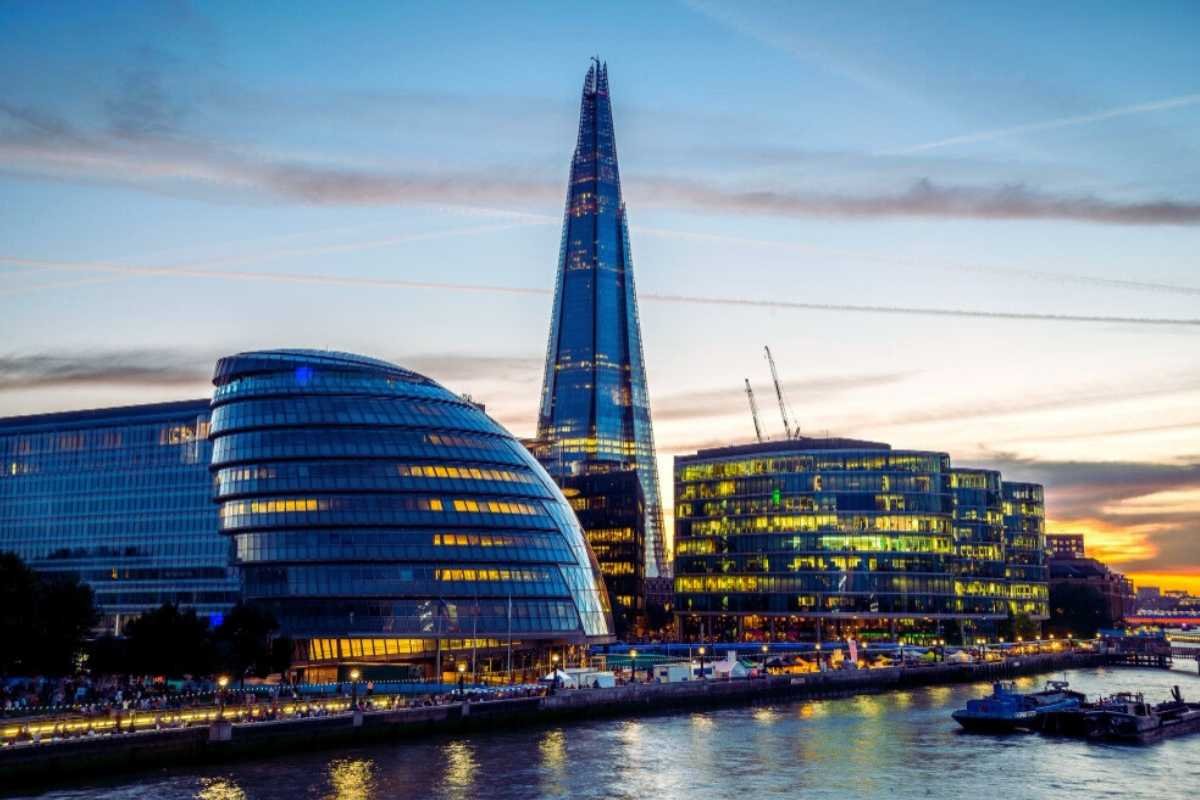
London offers enormous variety, but distances between areas can make days feel longer.
London is the easiest of the three to recommend to a traveler who wants maximum choice with minimum cultural or language friction.
You can spend a morning at a major museum, an afternoon around Westminster, an evening in the West End and the next day switch completely to markets, neighborhoods, football, royal history or modern London.
Its major national museums also create an unusual advantage for budget planning because permanent collections at institutions such as the British Museum and National Gallery can be visited without a standard admission charge.
London’s main weakness is scale. The city is enormous. Two attractions that look like they belong to the same sightseeing day may require more travel than expected.
It also tends to punish spontaneous spending more than the other two. A convenient hotel, several restaurant meals, a show and paid attractions can push a short trip budget upward quickly.
For travelers who value clarity, English-language ease and variety more than compactness, that trade can be worth it.
Rome: Best for Ancient History and Street-Level Discovery

Rome makes history part of the walk rather than something confined to museums.
Rome is the strongest choice when ancient history is not simply one interest among many but the reason for the trip.
The Colosseum, Roman Forum, Pantheon and layers of archaeological remains make the city feel different from Paris and London because historic discovery happens between major attractions as well as inside them.
Rome also works extremely well for travelers who enjoy long walks, piazzas, churches, cafés and meals that become part of the sightseeing experience.
The weakness is efficiency. Public transport does not give visitors the same feeling of control as London or the same dense Metro coverage as Paris. A poorly planned day can involve waiting, backtracking or relying on buses when walking would have been easier.
But travelers who dislike heavily optimized itineraries may actually prefer that rhythm. Rome often works better when you leave space to get distracted.
Paris vs London vs Rome for Museums
The answer depends on what kind of museum traveler you are.
Paris is strongest for travelers who want art to be one of the main reasons for the trip. The Louvre, Musée d’Orsay and Orangerie alone can fill multiple days.
London is exceptional for museum variety and value. History, art, science and design collections are spread across institutions that can form the backbone of a trip without requiring a paid ticket every time.
Rome is different. Museums matter, but the city itself often feels like the collection. Archaeology, churches and public spaces blur the line between attraction and ordinary street.
Which City Is Best for Walking?
Rome and Paris usually give first-time visitors the most satisfying sightseeing walks, but for different reasons.
Central Rome connects historic sights naturally. Paris is slightly more structured: one neighborhood can combine streets, cafés, parks, monuments and Metro access without requiring a car.
London is still highly walkable within individual areas, but it is much less realistic to treat the whole central city as one continuous walking zone. Smart Tube use matters more.
Weather: When Does Each City Work Best?
No city has one perfect month, but climate changes the trade-offs considerably.
| City | Best general periods | Main seasonal caution |
|---|---|---|
| Paris | Spring and early autumn | Winter is darker; summer can be crowded and warm |
| London | Late spring through early autumn | Rain and changeable conditions are possible year-round |
| Rome | Spring and autumn | Peak summer heat can make walking exhausting |
Paris works surprisingly well outside summer because museums, food and neighborhoods give bad-weather days structure. London has enough indoor attractions that weather rarely ruins an entire trip. Rome is the city where season can change the physical difficulty of sightseeing most dramatically because so much of the experience happens outdoors.
If Paris is your likely choice, our Best Time to Visit Paris guide breaks the seasons down in detail.
Safety: Do Not Choose Between These Cities Based on Fear
None of the three should be reduced to a simple “safe” or “unsafe” label.
For tourists, the more useful concern is usually opportunistic theft around crowded transport, landmarks and busy visitor zones. The exact pattern changes by neighborhood and time of day, but the same basic habits apply: control your phone and wallet, avoid leaving bags open and pay attention when someone creates an unnecessary distraction.
London does not become automatically risk-free because of CCTV, and Rome is not automatically dangerous because it can feel less orderly. Paris likewise should not be judged from a few crowded tourist hotspots.
Choose accommodation carefully, use normal big-city awareness and evaluate safety at neighborhood level rather than trying to rank three enormous cities with one score.
If Paris is part of the decision, see our Paris Safety Guide. We also have a separate London Safety Guide.
Paris vs London vs Rome: Which City Should You Choose?
By this point, the differences are clearer. The final decision should now be based on traveler type, trip length and what you want your days to feel like.
Best City by Traveler Type
| Traveler type | Best fit | Why |
|---|---|---|
| First-time Europe visitor | London | Simple communication, transport and broad attraction mix |
| Couples | Paris | Atmosphere, food, river walks and compact romantic neighborhoods |
| Ancient-history traveler | Rome | Unmatched concentration of Roman history |
| Art lover | Paris | World-class collections concentrated around a manageable sightseeing core |
| Museum traveler on a budget | London | Major free permanent museum collections |
| Food-focused traveler | Paris or Rome | Paris for variety and dining culture; Rome for simpler traditional food experiences |
| Budget-conscious traveler | Rome | Generally easier to build lower-cost walking and food days |
| Traveler who hates transport confusion | London | Contactless payment and clear network logic |
| Slow traveler | Paris or Rome | Both reward neighborhood wandering and long meal breaks |
Which City Is Better for a 3-Day Trip?
Paris is probably the easiest three-day compromise.
You can combine the Eiffel Tower, Louvre, Seine, Notre-Dame area and one or two neighborhoods without the trip feeling completely fragmented.
Rome also works extremely well in three days if ancient history is the priority because many major sights cluster within a walkable central area.
London can absolutely fill three days, but the problem is not finding enough to do. It is deciding what to leave out. Distances and the huge number of worthwhile neighborhoods make London more rewarding when you have additional time.
Which Is Better for 5–7 Days?
London becomes much more competitive once you have five or more days. The extra time lets you explore neighborhoods instead of building the entire trip around icons.
Paris also benefits from a longer stay because you can add Versailles, slower museum days, shopping or less tourist-heavy neighborhoods without sacrificing the famous sights.
A week in Rome works best for travelers who genuinely enjoy historic depth and slower days. Otherwise, some first-time visitors prefer combining Rome with another Italian destination rather than spending the entire week in the capital.
Paris vs London vs Rome for Couples
Paris remains the strongest all-around choice for most couples, but not because every street is automatically romantic.
It works because the city’s strongest experiences naturally pair well: a museum and a long lunch, a neighborhood walk and wine, the Seine at sunset and dinner nearby.
Rome is a close alternative for couples who prefer food, ruins and less structured days. London is better for couples whose ideal city break revolves around shows, nightlife, shopping and constant activity.
Which City Is Best for Solo Travel?
London is probably the lowest-friction option for many first-time solo travelers because communication, public transport and individual activities are easy to manage.
Paris works particularly well for solo travelers who enjoy museums, cafés and walking independently. Rome is rewarding alone too, although visitors who dislike improvising transport or navigating busy streets may find it slightly more demanding.
Which City Is Best for Families?
There is no automatic winner.
London is strong for free museums, familiar language for many international visitors and attractions covering almost every age group.
Paris works well when parents slow the schedule and mix monuments with parks, boats and family-friendly museums.
Rome can be wonderful for school-age children interested in ancient history, but summer heat and long outdoor sightseeing days require more careful pacing.
The Decision in One Minute
Choose Paris if: you want art, architecture, cafés, food, romantic atmosphere and a trip that mixes iconic sights with neighborhood life.
London is your best fit if: you want the easiest logistics, English-language comfort, excellent public transport, major free museums and an enormous range of things to do.
Rome makes more sense if: you want ancient history, Italian food, walkable central sightseeing and a city where simply moving between attractions feels like part of the experience.

The right city is the one whose strengths match the way you actually like to travel.
Final Verdict: Paris, London or Rome?
If I had to reduce the entire comparison to three recommendations:
Paris is the best-balanced choice. It combines world-famous sights, serious museums, food, neighborhoods and efficient transport without London’s scale or Rome’s weaker transport coverage.
London is the easiest choice. It asks less of a first-time visitor logistically and offers more variety than almost any European city, but that convenience comes with higher budget pressure.
Rome is the most historically immersive choice. It gives travelers the strongest sense that sightseeing continues between ticketed attractions, and it can be easier to experience well without spending heavily every hour.
So there is no overall loser. The mistake is choosing based only on fame.
TripsCity Verdict: For a first trip with no strong preference, Paris offers the best balance. Choose London when ease and variety matter most. Choose Rome when ancient history and street-level atmosphere matter more than transport efficiency.
Paris vs London vs Rome FAQ
Which is cheapest: Paris, London or Rome?
Rome generally gives travelers the easiest path to a lower-cost trip, while London usually creates the most budget pressure. Paris is also expensive but offers enough free walks, parks and lower-cost food options to control spending with careful planning.
Which city is easiest for first-time visitors?
London is usually the easiest because English-language communication is straightforward for many international travelers and contactless public transport is simple to use. Paris is also easy once you understand its ticket system, while Rome requires more willingness to walk and adapt.
Which is better for couples: Paris, London or Rome?
Paris is the strongest overall choice for couples who want romantic atmosphere, food, museums and scenic walks. Rome is an excellent alternative for couples who prioritize Italian food, ancient streets and less structured sightseeing.
Which city has the best public transport?
London and Paris both have excellent networks. London is easier to pay for and understand, while Paris has exceptionally dense coverage. Rome’s Metro is smaller, but many central attractions can be reached on foot.
Which city has the best history?
For ancient history, Rome clearly stands out. Paris and London both have deep histories and major collections, but Rome places Roman ruins and archaeology directly into everyday sightseeing routes.
Which city is best if I only have three days?
Paris offers the most balanced three-day city break for many first-time visitors. Rome is equally strong if ancient history is the main priority. London works in three days but forces more difficult choices because the city is much larger.
Should I visit more than one on the same trip?
Yes, if you have enough time. Paris and London connect especially easily by Eurostar, while Rome normally requires a flight from either. Avoid combining all three into a rushed one-week itinerary; fewer cities with more time in each usually creates a better trip.
For official destination information, use Paris je t’aime, Visit London and Turismo Roma.
Last updated: September 2026.