
This Paris Winter Budget Guide starts with a truth that matters more than any headline hotel deal: winter can make Paris cheaper, but it can also move your spending into places you did not expect.
Outside Christmas, New Year, school holidays, and major events, accommodation may offer better value than on stronger-demand dates. But cold rain, shorter daylight, extra Metro trips, longer café stops, indoor attractions, and the occasional taxi can quietly replace part of those savings.
The practical rule: do not ask whether Paris is “cheap in winter.” Ask what your hotel costs on your exact dates, how often you expect to use transport, how many paid attractions you genuinely want, and how much comfort spending you need when the weather turns.
Quick answer: a winter Paris budget is easiest to control when you separate fixed costs from weather-driven spending. Accommodation is the biggest variable. In 2026, a single Metro-Train-RER ticket costs €2.55, a Bus-Tram ticket €2.05, an all-zone Navigo day pass €12.30, and an all-zone Navigo week pass €32.40. Major attractions can also be significant: from 14 January 2026, Louvre admission is €22 for eligible EEA visitors and €32 for non-EEA visitors, with free-entry exceptions for qualifying visitors.
Last updated: September 2026.
Disclosure: TripsCity may earn a commission from selected booking links at no extra cost to you.
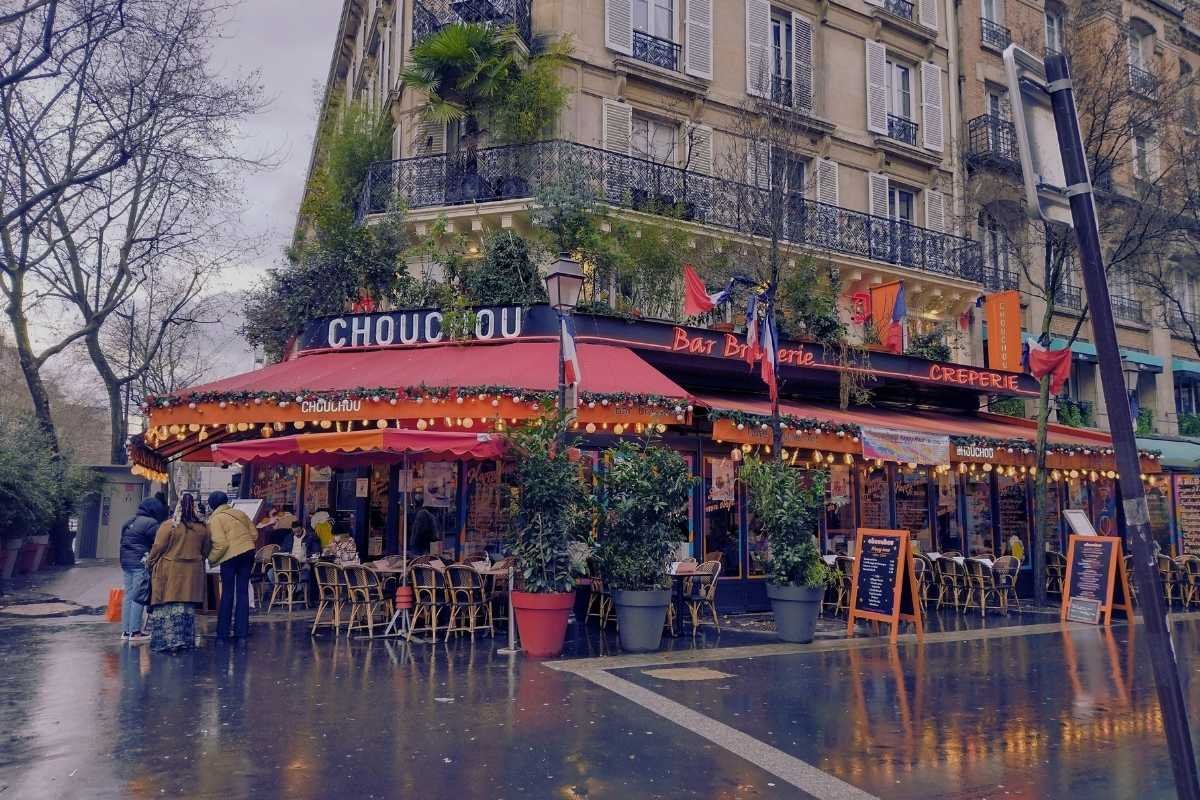
Winter changes where travelers spend money: transport, warm breaks, indoor activities, and convenience become more important.
Paris Winter Budget Guide: What a Winter Trip Really Costs
The most reliable winter budget is built from your actual accommodation price plus a realistic daily allowance for food, transport, attractions, and comfort. One universal “Paris costs €X per day” figure is less useful because a hostel traveler, a couple sharing a hotel room, and a family paying for several attraction tickets can have completely different totals.
Paris Winter Budget Guide: Start With Costs You Can Verify
Transport is one of the easiest categories to price accurately. Île-de-France Mobilités lists the following 2026 fares:
| Transport option | 2026 price | When it can make sense |
|---|---|---|
| Metro-Train-RER single ticket | €2.55 | Occasional rail journeys |
| Bus-Tram single ticket | €2.05 | Occasional surface journeys |
| Navigo Day, all zones | €12.30 | A day with several journeys; airports excluded |
| Navigo Week, all zones | €32.40 | Potentially useful for a transport-heavy stay that fits the pass rules |
| Paris Region–Airport ticket | €14 | Eligible rail or Metro airport journeys |
Check the latest conditions on the official Île-de-France Mobilités 2026 fares page before choosing a pass. The cheapest option depends on the number of journeys, your travel dates, airport plans, and whether a weekly product fits your stay.
Attractions are less uniform. A useful example is the Louvre: from 14 January 2026, the museum lists a €22 admission rate for eligible EEA residents or citizens and €32 for non-EEA visitors, while several groups qualify for free entry. Always check your own eligibility rather than assuming one ticket price applies to everyone.
Use the official Louvre admission page for current conditions.
Accommodation Is the Biggest Variable
Hotel prices can move dramatically by date, neighborhood, room type, cancellation policy, and event calendar. That is why this guide does not pretend that one nightly rate represents “winter Paris.”
December around Christmas and New Year can behave very differently from a quieter mid-January week. A February weekend can also cost more than a weekday stay if demand is stronger.
The right budgeting method is simple: price your exact dates first, then build the rest of the trip around the real room cost.
A cheaper hotel is not automatically a cheaper trip. If saving €25 on the room adds two inconvenient transfers every day, you may spend more on transport, taxis, convenience meals, or simply lose time you valued more than the saving.
Compare neighborhoods in our Where to Stay in Paris guide. You can also compare Paris hotel prices with Trip.com for your actual dates.
Use Budget Models, Not Fake Precision
The following are planning models rather than official Paris averages. They assume that accommodation is included and that flights, major shopping, and luxury dining are not.
| Traveler style | Planning range | What usually defines it |
|---|---|---|
| Budget solo traveler | About €95–€150 per day | Hostel or basic room, bakery or simple meals, public transport, selective paid attractions |
| Comfort-focused solo traveler | About €170–€280+ per day | Private hotel room, restaurant meals, regular transport, paid sightseeing |
| Couple | About €280–€480+ per day for two | Shared mid-range room, meals, transport, and one or more paid activities |
| Family | About €380–€650+ per day | Family accommodation, food, transport, and multiple attraction tickets |
These ranges are deliberately broad. Your booked hotel price should replace the accommodation assumption immediately. If your room costs €220 rather than €120, your real budget has already changed by €100 before breakfast.
For a year-round look at costs rather than winter-specific spending, use our Paris Budget Guide.
Food Is Flexible Until Winter Comfort Spending Appears
Food can be one of the easiest categories to control. Bakeries, supermarkets, takeaway lunches, casual cafés, and fixed-price menus can keep daily spending moderate. Sit-down restaurants, drinks, desserts, and repeated café breaks increase it quickly.
Winter adds one important behavior: sometimes you buy a drink because you need warmth, not because you wanted another café experience.
That is not necessarily wasted money. A proper warm break can improve the rest of the day. The budget problem starts when several small unplanned stops happen every day without being counted.
A useful strategy is to decide which meal matters most. Spend deliberately on that experience, then keep the other meals simpler instead of treating every food decision as spontaneous.
Where Winter Changes Your Paris Budget
The hidden cost of a winter trip is rarely one dramatic purchase. It is the accumulation of small decisions made because you are cold, wet, tired, or unwilling to cross the city again.
A May traveler may walk 35 minutes. A January traveler may take the Metro. A free afternoon outdoors may become a paid museum visit. A long evening route may become a taxi. A quick bakery lunch may become a longer café stop because everyone wants to sit somewhere warm.
None of those choices is automatically a mistake. The important part is recognizing them as a normal winter category rather than pretending they will never happen.
Paris Winter Budget Guide: Build a Winter Comfort Buffer
Add a small amount to your daily plan for weather-driven convenience. Depending on your travel style, that might cover an extra Metro journey, a hot drink, a small convenience purchase, or part of a taxi when the weather becomes genuinely unpleasant.
The point is not to spend the buffer every day. It is to prevent one rainy afternoon from making you feel that the entire budget failed.
TripsCity Insight: Winter savings are easier to keep when comfort is budgeted in advance. The dangerous spending is not the coffee you planned; it is the fifth “small exception” you forgot to count.
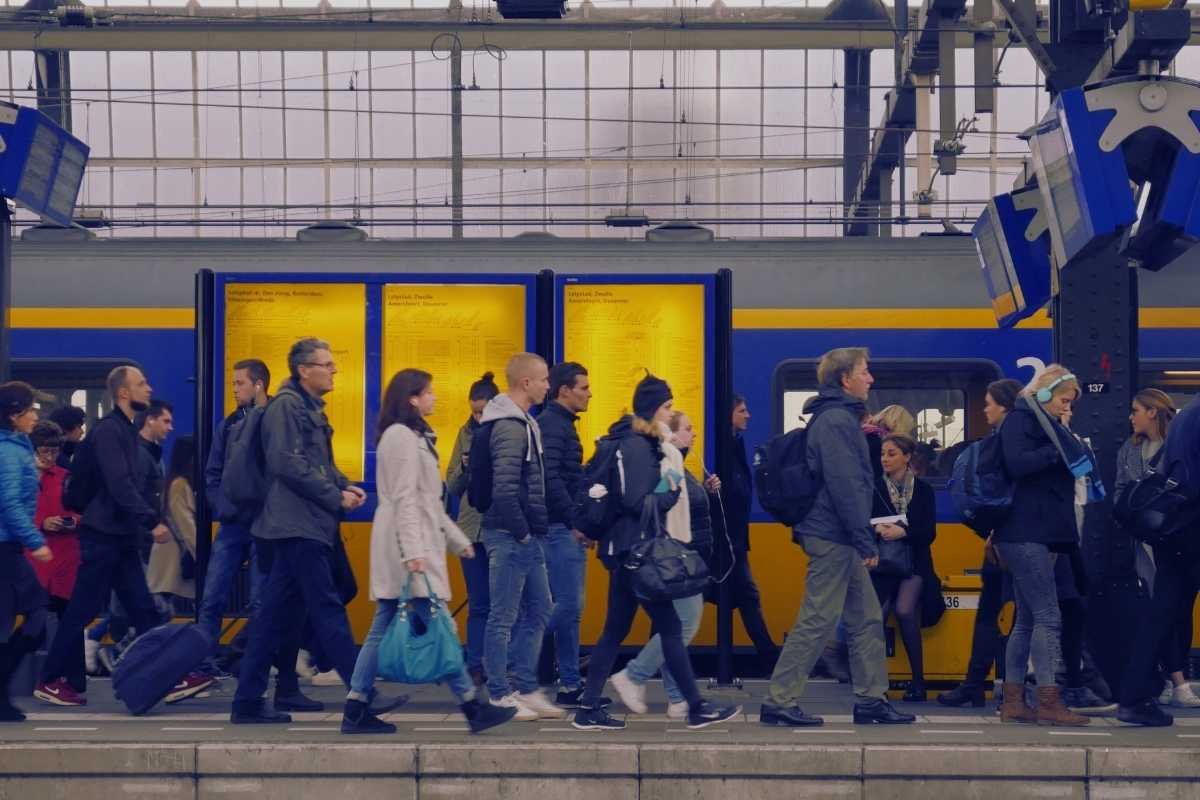
A realistic winter budget assumes that weather may make public transport more attractive than another long walk.
Hotel Location Can Save More Than a Cheaper Room
Winter makes hotel geography more important because inconvenience becomes more expensive when energy drops.
A room that is €20 cheaper but requires a long transfer every morning and evening may not represent a meaningful saving. The extra cost may appear later as more transport, a taxi after dinner, or a convenience meal because nobody wants another journey.
You do not need to stay beside the Eiffel Tower or Louvre. Look for a practical Metro connection, food within an easy walk, and a return route that still looks reasonable after 9 PM in cold rain.
Think in terms of total trip friction, not just nightly price.
Transport Spending Rises When Walking Stops Being Fun
Winter is not the time to prove that you can walk everywhere. Walking remains one of the best ways to experience Paris, but it should be used where the route itself has value.
Walk through Le Marais, Montmartre, Saint-Germain, or along a section of the Seine because you want to experience those places. Use the Metro or bus when walking simply connects two distant areas and adds cold exposure without adding much to the trip.
At 2026 prices, two Metro-Train-RER journeys cost €5.10. Four cost €10.20. That helps explain why an all-zone €12.30 Navigo Day pass can become relevant on a transport-heavy day, although pass rules and airport exclusions still matter.
For broader route planning, use our How to Get Around Paris guide.
Indoor Attractions Can Become Weather Purchases
A museum ticket is good value when you wanted the museum. It is less convincing when you buy the ticket only because it started raining and you need somewhere warm.
Winter makes indoor attractions naturally more appealing, so decide your priority museums before the trip. Keep one or two backup options in mind, but avoid creating an emergency sightseeing budget every time the weather changes.
The same logic applies to the Paris Museum Pass. Paris je t’aime describes the pass as covering more than 50 museums and monuments over 48, 96, or 144 consecutive hours. The pass can make sense when your itinerary already contains enough eligible visits. It is not automatically good value simply because winter pushes you indoors.
Check the Paris je t’aime pass information for current coverage. If you are comparing options, see our Paris Pass Guide or compare Paris Museum Pass options.
Couples, Families, and Solo Travelers Spend Differently
Couples can split accommodation, which often makes a better-located room easier to justify. Their winter overspending tends to appear in longer dinners, cafés, taxis, and comfort upgrades rather than in the number of attraction tickets.
Families face a different calculation. Several tickets multiply quickly, and complicated cold-weather transfers can make taxis more tempting. The most effective saving is often a simpler day: one major paid attraction, one compact outdoor area, and a meal break that prevents everyone from reaching the “just pay for whatever is easiest” stage.
Solo travelers cannot split a private room or taxi, so accommodation location matters differently. A hostel or simple hotel near good transport can protect the budget better than a slightly cheaper room with poor connections.
Budget travelers benefit most from pre-selecting the expenses that are worth paying for. Walking, bakeries, public spaces, churches, and neighborhood exploration can keep costs down, but winter makes an all-out “I will spend nothing and walk everywhere” strategy harder to sustain.
Winter Does Not Make Every Date Low Season
Christmas, New Year, school holidays, exhibitions, concerts, fashion events, and major weekends can all increase demand. A winter label on the calendar does not guarantee a cheap hotel.
Compare exact dates before building the rest of the budget. If accommodation is unusually expensive for one weekend, shifting the trip by a few days can sometimes matter more than cutting several euros from food every day.
If you are still deciding whether the season itself fits your trip, use our Is Paris Good in Winter guide.
How to Keep a Paris Winter Trip Affordable
The best winter savings usually come from reducing waste rather than making the trip uncomfortable. A practical hotel, simple transport logic, pre-selected attractions, and one planned warm break can save more than constantly chasing the cheapest individual option.
Paris Winter Budget Guide: Five Costly Mistakes to Avoid
1. Choosing the cheapest hotel without checking the route. Saving on the room can backfire when every day begins and ends with inconvenient connections.
2. Buying indoor attractions only because the weather is bad. Keep backup options, but pay for places you genuinely want to visit rather than using ticketed attractions as expensive waiting rooms.
3. Using taxis for every uncomfortable journey. A taxi can be completely reasonable with children, luggage, late-night arrivals, or genuinely unpleasant weather. The problem is letting it become the default response to every cold transfer.
4. Treating café stops as invisible spending. One coffee is small. Several unplanned stops every day are not. Plan one proper warm reset and enjoy it rather than repeatedly paying to escape the weather.
5. Assuming winter means bargain Paris. Some hotel dates may be attractive, but Paris remains a major capital with meaningful food, attraction, and transport costs.
Paris Winter Budget Guide: A Simple Budget Formula
Before arrival, calculate each day from five categories:
- Accommodation: your real booked nightly cost, divided by the number of travelers sharing it.
- Food: a realistic allowance based on how often you plan to use restaurants versus bakeries or casual meals.
- Transport: estimate likely journeys using current 2026 fares rather than guessing.
- Paid sightseeing: count only attractions you genuinely plan to visit.
- Winter comfort buffer: reserve a modest amount for extra transport, cafés, or weather-driven changes.
This method is more useful than copying another traveler’s total because the biggest variables are immediately replaced with your own numbers.
Decide Where Comfort Is Worth Paying For
A winter budget should not eliminate comfort. It should decide where comfort has the highest return.
A slightly better hotel location may save repeated transport. A proper lunch may prevent three random café stops. A €2.55 Metro ticket may preserve enough energy to enjoy a museum you already paid for. A reserved attraction may protect the most important part of the day.
Those are different from upgrades that add cost without changing the experience much.

The easiest winter budget to control is one that decides transport, warm breaks, and priority attractions before fatigue starts spending for you.
Paris Winter Budget Guide FAQ
Is Paris cheaper in winter?
It can be, especially when your accommodation dates fall outside Christmas, New Year, major events, and stronger-demand periods. However, lower hotel prices do not automatically reduce food, attraction, or transport costs, and cold-weather convenience spending can absorb part of the saving.
How much should I budget per day for Paris in winter?
There is no single reliable total because accommodation varies so much. As broad planning models, a budget solo trip may fall around €95–€150 per day including a low-cost bed, while a private-room solo trip can move closer to €170–€280 or more. Couples and families should calculate from their real room price and multiply food and attraction costs by the number of travelers.
How much does Paris public transport cost in 2026?
Île-de-France Mobilités lists a Metro-Train-RER single ticket at €2.55, a Bus-Tram ticket at €2.05, an all-zone Navigo Day pass at €12.30, and an all-zone Navigo Week pass at €32.40. Check current conditions before buying because airport coverage and pass rules differ.
Is the Paris Museum Pass worth it in winter?
It can be if you already plan to visit enough included museums and monuments during the pass period. Winter weather alone is not a good reason to buy it. Compare your intended individual admissions with the current pass price first.
What is the biggest hidden winter expense?
Repeated comfort spending is easy to underestimate: extra transport, taxis, café stops, convenient meals, and unplanned indoor attractions. Any one purchase may be small, but the pattern matters over several days.
How can I save money without making the trip miserable?
Choose a practical hotel location, group sightseeing geographically, use public transport for low-value long walks, plan one proper warm break, and pre-select paid attractions. Save on inefficiency rather than on the parts of Paris you actually care about.
Final Answer: Is Paris Actually Cheaper in Winter?
Paris can cost less in winter, but winter does not automatically turn the city into a budget destination.
The strongest savings usually come from accommodation on lower-demand dates. The biggest risk is allowing cold, rain, fatigue, and poor planning to convert those savings into taxis, repeated café stops, convenience meals, and unplanned indoor tickets.
A realistic Paris Winter Budget Guide therefore starts with your exact hotel price, adds current transport and attraction costs, then reserves a small comfort buffer rather than pretending every day will go perfectly.
Spend deliberately on the comforts that make winter Paris better, cut the expenses created by inefficient planning, and the colder season can offer real value without turning the trip into a constant exercise in saying no.