Choosing the best time to visit Paris is not really about finding one perfect month. It is about deciding which trade-offs matter most to your trip: comfortable walking weather, long daylight, lower crowd pressure, seasonal atmosphere or better accommodation value.
For many first-time visitors, April–May and September–October provide one of the easiest overall balances. However, summer can be the better choice when long evenings and outdoor plans matter more than crowds, while winter works surprisingly well for travelers who prefer museums, cafés and a slower sightseeing rhythm.
Quick Answer: What Is the Best Time to Visit Paris?
Overall balance: April–May and September–October.
Long daylight and outdoor evenings: June–August.
Walking without peak summer heat: May, September and early October.
Indoor-focused sightseeing: January–February outside major holiday periods.
Seasonal atmosphere: December for holiday lights, although crowds and hotel demand can rise around Christmas and New Year.
The real rule: compare your exact dates rather than assuming one season is always cheaper, quieter or better.
Disclosure: This guide contains affiliate links. If you book through one of them, TripsCity may earn a commission at no extra cost to you.
If you are still building the wider trip, use our Paris Travel Guide and Things to Do in Paris guide.
Best Time to Visit Paris: Season-by-Season Comparison
The four seasons create genuinely different versions of Paris. Instead of asking which season is universally best, compare what each one gives you and what it takes away.
Spring: March to May
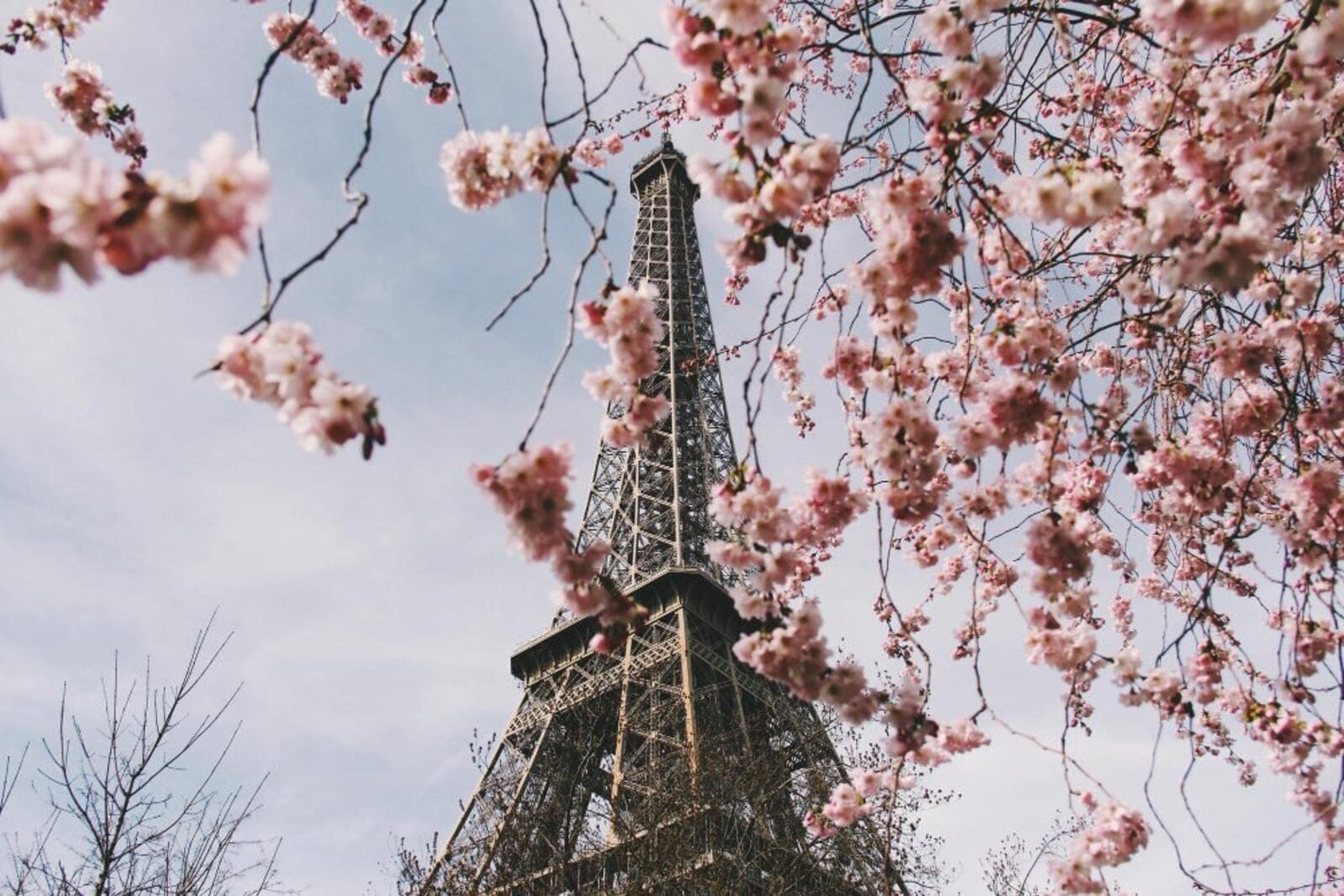
Spring becomes progressively easier for sightseeing as daylight increases and parks regain color. March can still feel cool and unpredictable, whereas April and May usually fit long walking days more naturally.
In addition, spring lets you combine outdoor neighborhoods with major museums without making either one dominate the trip. A pleasant morning can be used for Montmartre, the Seine or gardens, while rain can be absorbed by moving a museum or covered attraction into that part of the day.
The main drawback is uncertainty. Rain remains possible, temperatures can change quickly, and popular weekends or holidays may still create considerable demand. Therefore, spring should not be marketed as a secret low-crowd season.
Spring works especially well for: first-time visitors, couples, photographers, garden lovers and travelers who expect to walk extensively.
Summer: June to August
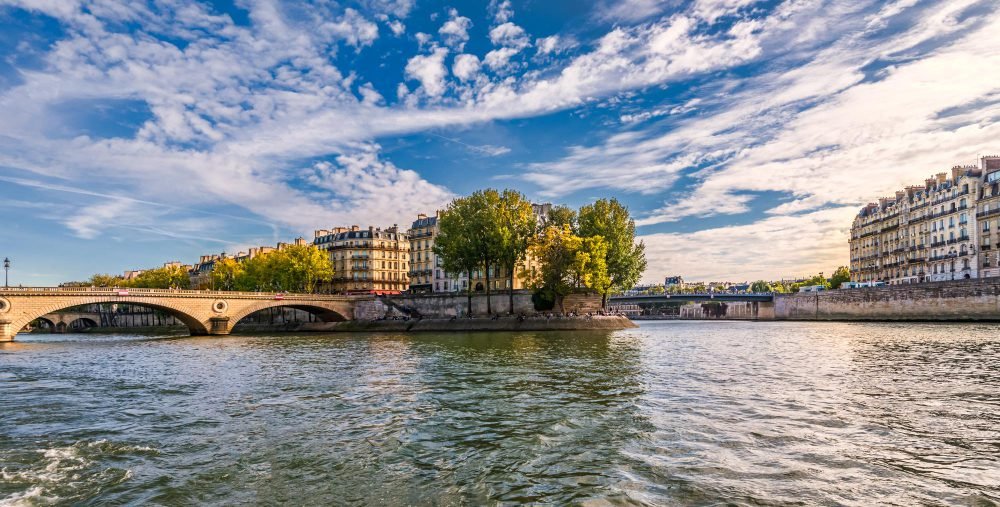
Summer gives Paris its largest daylight window. As a result, major attractions, parks, neighborhood walks, river time and evening plans can fit into the same day more easily than they do in winter.
That extra daylight is particularly useful for families and first-time visitors who want full sightseeing days without feeling rushed by early darkness. Evening cruises and outdoor walks also fit naturally into the itinerary.
However, the advantage comes with pressure. Famous sights can be busy, popular timed entries may require more advance planning, and hot periods can make afternoon walking tiring. Hotel demand can also be strong depending on the exact dates.
Instead of trying to beat summer by waking before sunrise every day, organize sightseeing geographically and protect the hottest or busiest parts of the day for lunch, indoor attractions or slower activities.
Summer works especially well for: families, groups, travelers who enjoy long days, outdoor evenings and people who value daylight more than low crowd pressure.
Autumn: September to November
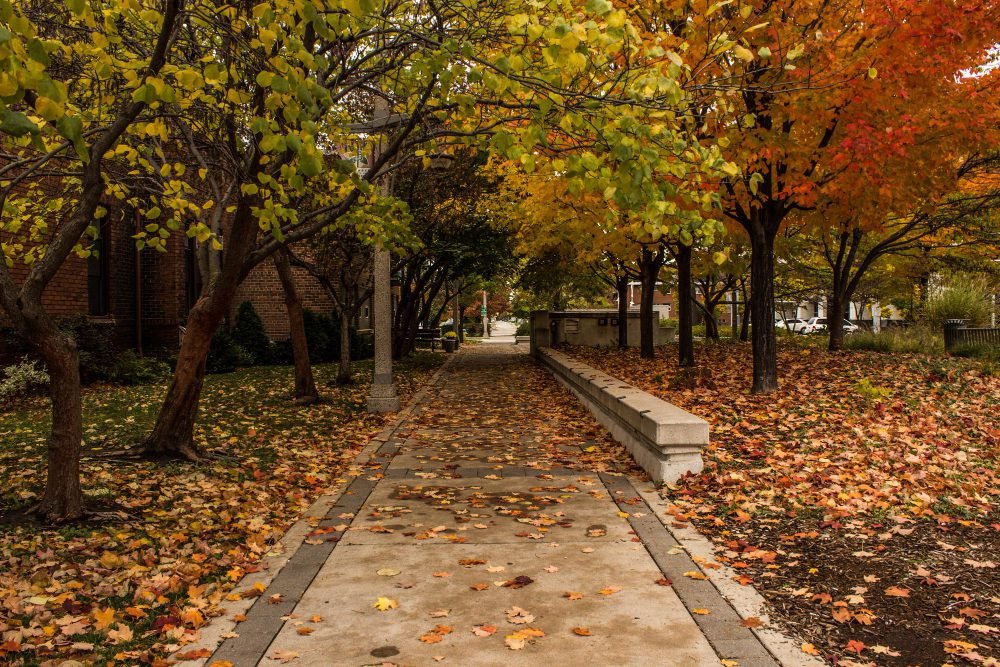
Early autumn is one of the strongest alternatives to spring. September can still retain some summer energy and useful daylight, while cooler conditions may make long walks more comfortable than during hot periods.
October shifts the experience further toward autumn color, museums and cooler evenings. Meanwhile, November brings shorter days and a more indoor-focused rhythm.
Autumn is not automatically quiet or cheap. Exhibitions, weekends, school holidays and major events can affect both accommodation demand and attraction traffic. Still, the season provides a strong mix of outdoor and indoor sightseeing for travelers who dislike extreme heat.
Autumn works especially well for: couples, solo travelers, photographers, museum visitors and travelers who prefer cooler walking conditions.
Winter: December to February
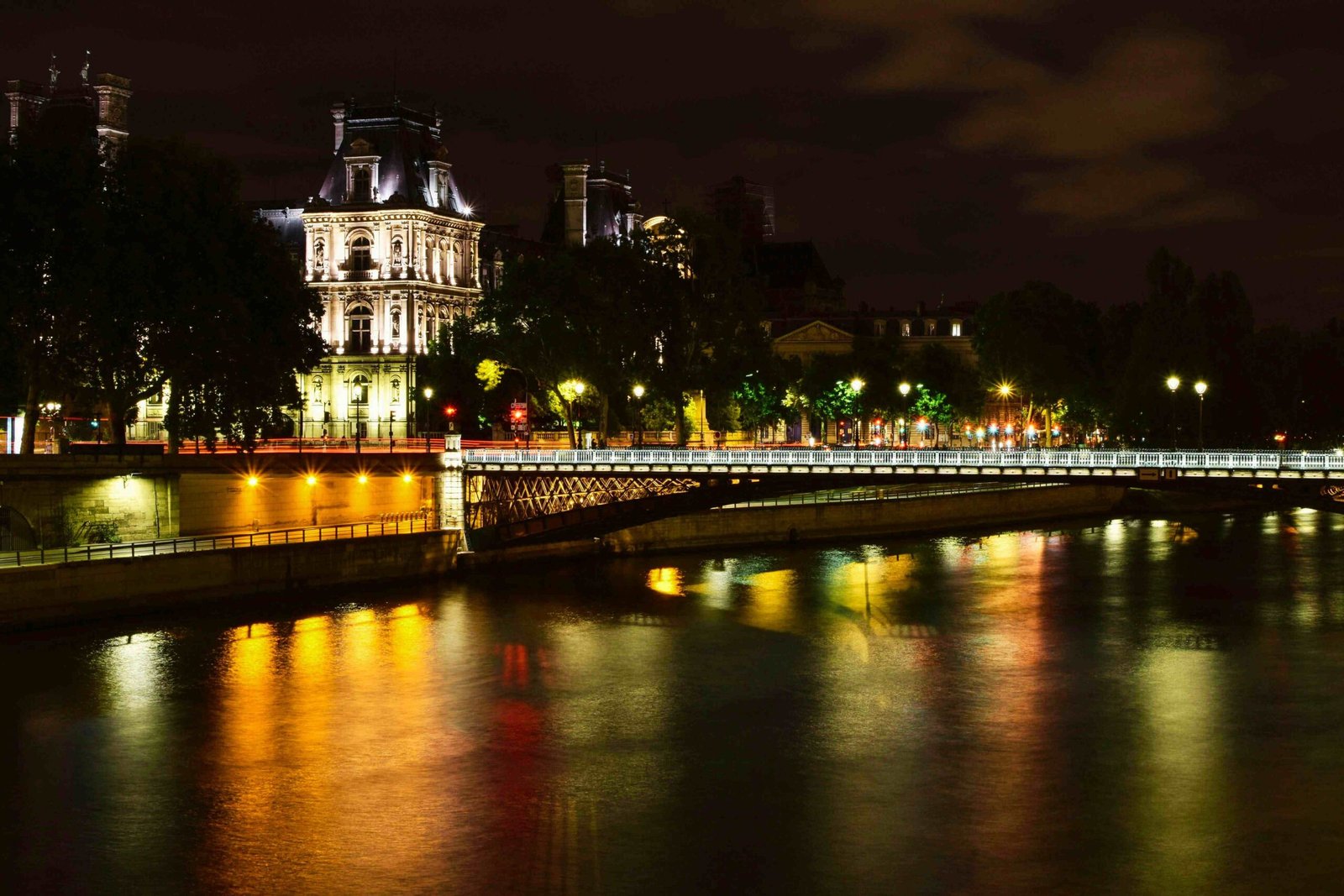
Winter changes the structure of the trip more than any other season. Daylight is shorter, rain and wind matter more, and long outdoor routes require greater flexibility.
By contrast, Paris has enough museums, churches, cafés, covered passages and indoor attractions to make winter workable rather than simply inconvenient. Some periods in January and February can also feel calmer than peak travel weeks.
December is different because holiday atmosphere can bring its own demand. Therefore, do not treat all three winter months as one low-cost period.
The most important winter question is not whether Paris is “good” or “bad.” It is whether you enjoy a trip with fewer outdoor hours and more planned indoor resets.
If winter is becoming your serious choice, continue with our Is Paris Worth Visiting in Winter? guide rather than trying to turn this seasonal comparison into a full winter itinerary.
| Period | Strongest Advantage | Main Trade-Off | Best Fit |
|---|---|---|---|
| March–May | Increasing daylight and comfortable walking potential | Changeable weather and rising demand | First trips, couples, parks |
| June–August | Longest sightseeing days | Crowds, heat and accommodation demand | Families, outdoor evenings |
| September–November | Cooler walking and seasonal atmosphere | Daylight drops later in autumn | Couples, photography, museums |
| December–February | Indoor sightseeing and slower rhythm | Short daylight and less outdoor flexibility | Museum lovers, repeat visitors |
TripsCity Insight: Season matters most when it changes how you want to spend the day. A traveler who loves museums may barely notice a winter afternoon of rain, while someone dreaming of gardens and late Seine walks may care enormously.
Best Time to Visit Paris by Travel Style, Crowds and Budget
The best time to visit Paris changes once you stop thinking only about weather. A family, a honeymoon couple, a photographer and a budget traveler can look at the same month and reach completely different conclusions.
Best Time to Visit Paris for First-Time Visitors
Late spring and early autumn remain the easiest all-round choices. April–May and September–October usually provide enough daylight for outdoor sightseeing while still supporting museum-heavy days when the weather changes.
That does not make summer a mistake. If this is your only opportunity to visit and you value long sightseeing hours, summer can work extremely well. You simply need to accept stronger crowd pressure and plan major timed attractions earlier.
For families: daylight matters more than many parents expect. Longer days reduce the pressure to rush between attractions, and evening plans can remain flexible. Therefore, late spring and summer are practical when children handle crowds reasonably well.
Families who dislike heat or heavy tourist pressure may prefer May or September. Those months can preserve much of the outdoor flexibility without demanding peak-summer pacing.
For couples: April–May and September–October are particularly strong because they support neighborhood walking, cafés, parks and evening views without requiring every date-style experience to happen indoors.
Nevertheless, winter can also work for couples who prefer museums, restaurants, covered spaces and a slower itinerary. Romance in Paris is not limited to outdoor terraces and sunset walks.
Paris Seasons for Solo, Photography and Budget Travel
For solo travelers: spring and autumn offer excellent flexibility because walking between neighborhoods can become part of the sightseeing itself. Meanwhile, late autumn and winter may appeal to travelers who enjoy museums, cafés and a less outdoor-dependent schedule.
For photographers: there is no single best season. Spring gives parks and gardens color, autumn changes tree-lined streets, summer provides long evening light, and winter creates earlier blue-hour and night photography opportunities.
Instead of choosing a month only because someone calls it “photogenic,” decide which version of Paris you actually want to photograph.
For budget-conscious travelers: never choose January, February or any other month based only on a claim that it is always cheapest.
Hotel and flight prices move with demand, events, weekends, holidays and booking timing. Some winter dates may offer noticeably better accommodation value, whereas Christmas and New Year can behave very differently.
For that reason, compare real hotel rates for your exact dates before choosing the season. You can check current Paris hotel options, and our Paris Budget Guide explains how accommodation fits into the wider trip cost.
Best Time to Visit Paris for Lower Crowd Pressure
Paris does not have a magical month when the Eiffel Tower, Louvre and Montmartre suddenly become empty.
Major attractions attract visitors throughout the year. However, the intensity can change by season, weekday, school holiday, exhibition schedule and time of day.
Summer often creates more visible visitor pressure because many travelers are moving through the same famous locations during the same period. Late spring can also become busy, while holiday weeks in winter behave differently from quieter January or February dates.
Therefore, use season to understand the general pressure level, but use reservations and timing to control the attractions that matter most.
What about weather? Avoid treating average conditions as a promise.
Spring can be wet. Summer can produce uncomfortable heat. Early autumn can feel almost summery, while late autumn becomes darker and cooler. Winter may deliver a pleasant dry afternoon or a damp, windy day that makes outdoor waiting unpleasant.
The smarter strategy is to choose a season whose normal trade-offs you can tolerate. Then build flexibility into the itinerary instead of expecting the forecast to behave perfectly.
What about daylight? This factor deserves more attention than temperature alone.
Long daylight makes Paris forgiving. You can spend longer inside a museum and still have time for a neighborhood walk afterward. Conversely, winter demands more deliberate sequencing because darkness arrives earlier and outdoor plans become easier to postpone or shorten.
That is why two months with similar daytime temperatures can still produce very different trips.
How Accommodation Changes the Seasonal Choice
Should you choose the season around accommodation? Sometimes, yes.
A well-located hotel can reduce the disadvantages of difficult weather because you spend less time making long transfers or crossing the city after dark. This matters especially during colder months or short trips.
Our Where to Stay in Paris guide explains how the major areas differ and which bases make sightseeing easier.
| Traveler | Strong Period to Consider | Why |
|---|---|---|
| First-time visitor | April–May or September–October | Balanced indoor and outdoor sightseeing |
| Family | May–summer or September | Useful daylight and easier evening flexibility |
| Couple | Spring or early autumn | Walking, parks and evening atmosphere |
| Solo traveler | Spring or autumn | Flexible walking and neighborhood exploration |
| Indoor-focused traveler | Winter | Museums and slower days remain strong |
| Budget-focused traveler | Compare exact dates | Actual rates matter more than seasonal clichés |
TripsCity Insight: “Low season” is not a booking strategy. Check the actual hotel, flight and attraction prices for your dates, then decide whether the seasonal trade-offs are worth the saving.
Best Time to Visit Paris: Best Months, Seasonal Activities and FAQ
If you want one simplified answer, May and September are two of the easiest months to consider. They sit on opposite sides of summer and often provide a useful compromise between daylight, walking conditions and outdoor sightseeing.
However, neither month guarantees low prices, low crowds or perfect weather. The best time to visit Paris still depends on the kind of trip you want.
Why May is such a strong choice: daylight is substantially longer than in early spring, gardens are fully relevant to the itinerary, and outdoor sightseeing can usually take a larger role in the day.
At the same time, you still need to plan for rain and stronger demand around weekends or holiday periods. Therefore, May should be viewed as a balanced month rather than a hidden low-season bargain.
Why September is a strong alternative: summer does not disappear overnight. Outdoor sightseeing still fits naturally into the schedule, yet many travelers find cooler periods easier for long walking days.
September can also work particularly well when the itinerary mixes major attractions with neighborhoods rather than trying to spend every hour inside museums.
Other Good Months to Visit Paris
When April makes more sense: choose April if spring atmosphere matters more than maximum weather stability and you are comfortable carrying a flexible plan for rain.
When June makes more sense: June can be excellent when long evenings are a priority. In addition, it gives you more freedom to spread sightseeing across the day rather than concentrating everything before dinner.
When October makes more sense: October works well for travelers who prefer cooler walking conditions and do not mind losing some of summer’s daylight.
When January or February makes more sense: these months suit travelers whose Paris priorities are museums, food, architecture and indoor culture rather than gardens or late outdoor evenings.
Again, exact prices should be checked before assuming either month automatically represents the lowest-cost trip.
Paris Seasonal Activities and Weather
Seasonal activities should support the season rather than fight it.
In spring, gardens such as Luxembourg and the Tuileries fit naturally alongside neighborhood walks and Seine routes. A museum can remain your weather backup instead of occupying the entire day.
During summer, evening walks, cruises and outdoor-heavy day trips become easier because the sightseeing window is longer. If Versailles is part of the plan, the season can also make its outdoor areas a larger part of the experience.
Autumn works well for parks, photography and neighborhood routes early in the season. Later, museums can gradually take a larger share of the itinerary as daylight decreases.
Winter favors major museums, churches, covered passages, cafés and shorter outdoor segments. That is exactly why a winter trip should not simply copy a summer itinerary and add a heavier coat.
If you want to compare organized sightseeing or timed attractions for your dates, you can compare Paris tours and attraction options. Book because an experience improves the itinerary, not simply because the season is busy.
How to Make the Final Choice
A simple decision rule:
- Choose April–May when comfortable walking, parks and spring atmosphere are high priorities.
- Choose June–August when long daylight and outdoor evenings matter more than lower crowd pressure.
- Choose September–October when cooler walking conditions and a balanced indoor-outdoor trip sound ideal.
- Consider November–February when museums, cafés and a slower schedule matter more than long outdoor days.
The mistake is choosing a month because it is supposedly “the best” and then planning a trip that depends on the opposite season. For example, a traveler who chooses February for lower accommodation rates but dreams mainly of late sunsets, gardens and outdoor dinners has solved the wrong problem.
Similarly, choosing August only for warm weather makes little sense if heavy crowd pressure and hot afternoon walking would damage the trip more than shorter daylight would.
Final verdict: for travelers with complete flexibility, late spring and early autumn remain the strongest general recommendations. May and September are particularly easy starting points, while April and October can be excellent alternatives depending on your priorities.
Still, Paris is not a destination that becomes unvisitable outside those windows. Summer rewards travelers who use its long days well, and winter can produce an excellent museum-first city break when expectations match the season.
TripsCity Verdict: The best season is the one whose disadvantages bother you least. Choose the trade-off first, then choose the month.
Frequently Asked Questions
What is the best time to visit Paris for first-time visitors?
April–May and September–October are strong choices for many first-time visitors because they balance walking, outdoor sightseeing and major indoor attractions without requiring the trip to depend entirely on summer conditions.
What is the best month to visit Paris?
May and September are two useful months to consider if you want a broadly balanced trip. However, neither guarantees low prices, light crowds or perfect weather.
Is summer a good time to visit Paris?
Yes. Summer works particularly well for travelers who value long daylight, outdoor evenings and full sightseeing days. The trade-offs are crowd pressure, stronger accommodation demand and the possibility of hot weather.
Is winter a good time to visit Paris?
Yes for travelers who prioritize museums, cafés, architecture and indoor culture. It is less suitable when long outdoor days, gardens and late sunsets are central to the trip you want.
When is Paris less crowded?
Some periods outside major holidays and peak travel weeks can feel calmer, especially during parts of winter and late autumn. Famous attractions can still remain busy, so season alone does not guarantee empty sights.
Costs and Final Seasonal Decisions
When is Paris cheapest to visit?
There is no month that is always cheapest. Hotel and flight prices change with events, holidays, demand and booking timing. Compare your exact dates before choosing a season for price alone.
Is May or September better for Paris?
May favors spring gardens and increasing daylight, while September can provide cooler conditions after summer with plenty of outdoor sightseeing still possible. The better choice depends on your dates, prices and personal weather preference.
Should I avoid Paris in August?
Not automatically. August can still provide long days and excellent sightseeing opportunities. However, travelers should be comfortable with summer conditions, busy major attractions and the possibility that some smaller local businesses operate differently during holiday periods.
Continue planning with our Paris Travel Guide, Things to Do in Paris, Where to Stay in Paris and Paris Budget Guide.
For current destination information and seasonal events, you can also check the official Paris tourism website.
Last updated: September 2026.