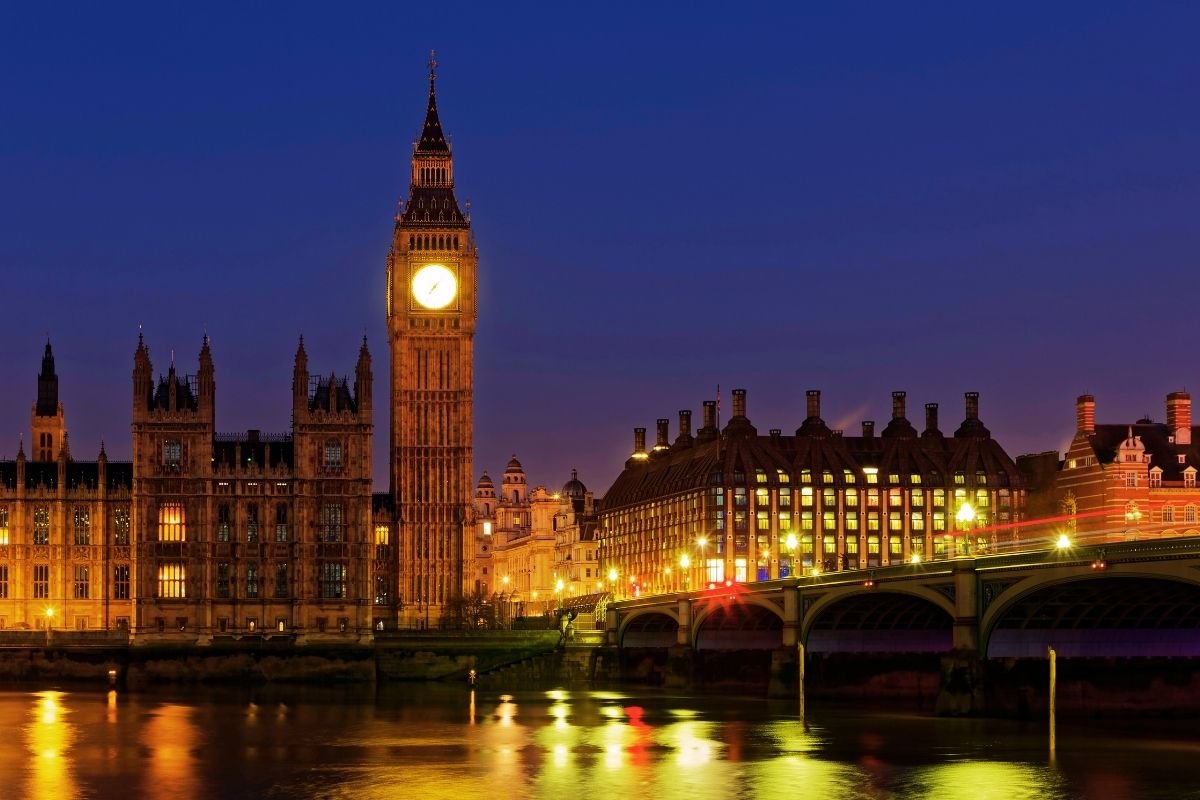
This London Safety Guide 2026 explains why London is generally safe for tourists, while normal big-city precautions still matter. The practical risks most visitors should plan for are phone snatching, pickpocketing or distraction theft in busy places, poorly planned late-night returns and unlicensed transport.
You do not need to travel around London feeling suspicious of everyone. Instead, protect the valuables that can disrupt the rest of your trip, know how you will get back to your accommodation at night and avoid checking your phone carelessly beside busy roads or station exits.
| Safety question | Quick answer |
|---|---|
| Is London safe for tourists? | Generally yes, with normal precautions expected in a large international city |
| Main theft risk | Phones and other valuables exposed in busy public areas |
| Public transport | Widely used by visitors; keep belongings secure and plan late returns |
| London at night | Usually manageable when you use well-lit, active routes and know how you are getting back |
| Emergency numbers | 999 or 112 for emergencies; 101 for non-urgent police matters |
| Best safety habit | Plan the next move before standing outside with your phone exposed |

Most London safety problems are managed with ordinary city awareness rather than fear.
London Safety Guide 2026: What Tourists Should Actually Watch For
Phone theft deserves particular attention because losing a phone can also mean losing access to maps, tickets, email, banking apps and two-factor authentication. The Metropolitan Police specifically warns about criminals on bicycles and mopeds taking phones in busy locations such as outside stations, shopping centres and venues.
The practical response is simple: do not walk beside the road while absorbed in your phone. If you need directions, step away from the curb, stand closer to a building or wall, check quickly and put the device away before continuing.
Use the Met Police phone-snatching prevention advice for the current official guidance.
Pickpocketing and distraction theft are handled differently. Keep bags closed in crowds, avoid leaving a phone or wallet exposed on tables and do not let a stranger’s sudden urgency make you forget where your valuables are.
TripsCity Insight: The useful London safety rule is not “look like a local.” It is to reduce the few moments when your valuables and your attention are both exposed at the same time.
Safe Areas for Tourists | London Safety Guide 2026
There is no neighborhood that can guarantee a problem-free stay, and crime can happen in busy central areas as well as farther out. For visitors, the more useful question is whether an area gives you straightforward transport, active streets and a simple return to your hotel.
The areas below are practical tourist bases, not an official crime ranking.
| Area | Why tourists consider it | Trade-off |
|---|---|---|
| Westminster / Victoria | Central landmarks and strong transport connections | Busy and often expensive |
| Bloomsbury / Russell Square | Central, walkable and useful for museums | Street atmosphere varies block by block |
| South Kensington | Museums, residential streets and useful Tube connections | Accommodation can be expensive |
| Marylebone / Baker Street | Central base with convenient transport | Often pricier than farther-out areas |
| South Bank / Waterloo | River attractions and excellent transport access | Waterloo and the riverside can become very busy |
| Paddington / Bayswater | Useful connections, especially for western London and Heathrow routes | Less convenient for some eastern attractions |
Choose the hotel after checking the actual route back from the places you expect to visit at night. A lower room price is less useful if every evening ends with unfamiliar interchanges and a long walk from the station.
For the wider accommodation comparison, use our Where to Stay in London guide. Once you know which area fits your trip, you can compare London hotels by neighborhood and transport access.
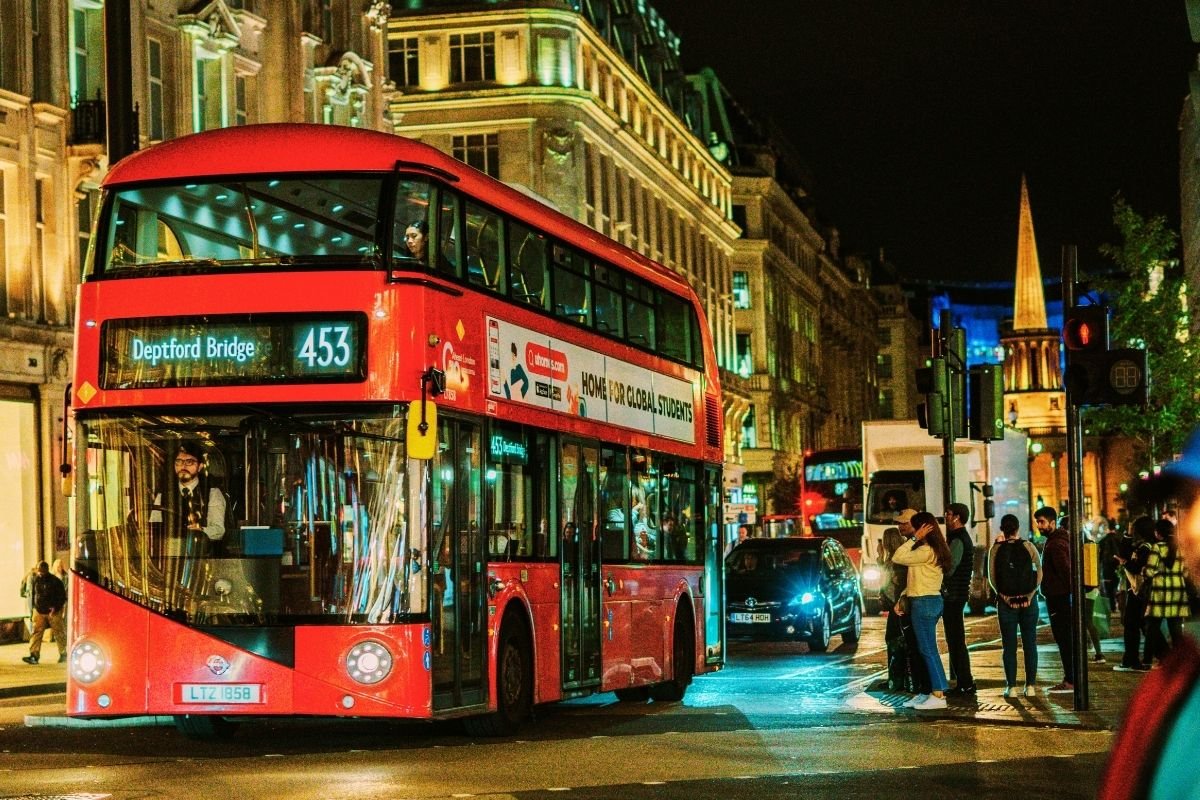
A practical base reduces the amount of late-night navigation you need to do when you are tired.
London Safety by Traveler Type
| Traveler | Main concern | Useful habit |
|---|---|---|
| Solo travelers | Late returns and distracted navigation | Know the return route and stay on active, well-lit streets |
| Couples | Both people assuming the other knows the route | Agree on the next stop before leaving the previous one |
| Families | Split attention between children, bags and directions | Use simpler routes and keep bags closed before moving |
| Budget travelers | Longer walks and distant accommodation | Do not save on the hotel by creating an awkward late-night return |
Travel style changes which mistakes are easiest to make, but the core rules stay the same: protect valuables in crowds, plan important routes before you are tired and avoid turning a normal navigation problem into ten minutes of standing outside with your phone exposed.
London Safety Guide 2026: Main Tourist Safety Risks
Phone Snatching
Phone snatching is not the only crime visitors should think about, but it is unusually disruptive because the device may contain your navigation, hotel details, tickets, email and financial access.
The Metropolitan Police advises phone users to stay aware of bicycles and mopeds, make street phone use quick and stand away from the roadside when possible. Never chase someone who has taken your phone.
Pickpocketing and Distraction Theft
Busy stations, shopping streets, queues and tourist attractions are the moments to pay more attention to bags and pockets. Keep zips closed and avoid placing a phone or wallet where someone can take it while your attention is elsewhere.
If a stranger approaches with an urgent story or creates confusion, you can still respond politely without opening your bag or holding valuables in your hand.
Taxis and Private Hire
Use black taxis or properly booked private-hire vehicles rather than accepting unsolicited rides. TfL licenses London’s taxi and private-hire system and provides a licence checker for passengers.
See the official TfL safer travel at night guidance before relying on a taxi or minicab late at night.
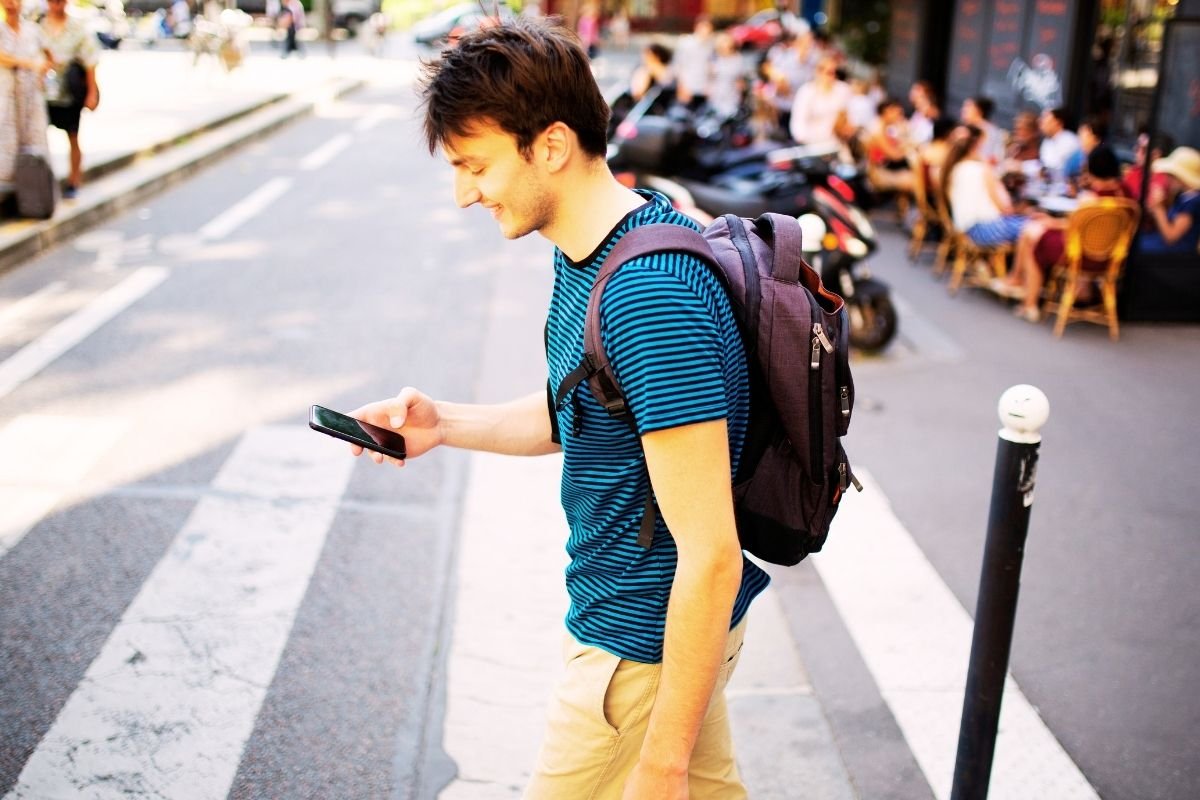
Busy streets can feel completely normal while still being poor places to stand distracted with an expensive phone exposed.
London Safety Guide 2026: Is London Safe at Night?
London is not automatically unsafe after dark. The practical difference is that you may be more tired, transport options can change later in the evening and quiet shortcuts become less attractive than well-lit main streets.
Plan your return route before the evening gets late. Stay aware of your surroundings, prefer active and well-lit routes and use licensed transport when walking no longer feels like the sensible option.
Do not add a distant final stop simply because there is still an hour left in the day. A short evening close to your accommodation can be better than forcing a long unfamiliar return when your phone battery and attention are both low.
Tube, Bus and Street Safety | London Safety Guide 2026
At Stations
Know which exit you need before reaching street level when possible. If you come out of a station unsure of the direction, move away from the entrance before stopping to check Maps so you are not blocking pedestrian flow or standing beside the road with your phone exposed.
On Public Transport
Keep phones, wallets and bags under control in crowded carriages and stations. Do not leave belongings unattended, and give yourself enough time to change trains without rushing.
When Walking
Use designated crossings and remember that traffic in the UK drives on the left. Avoid walking while staring continuously at a map; check the route, put the phone away and then continue.
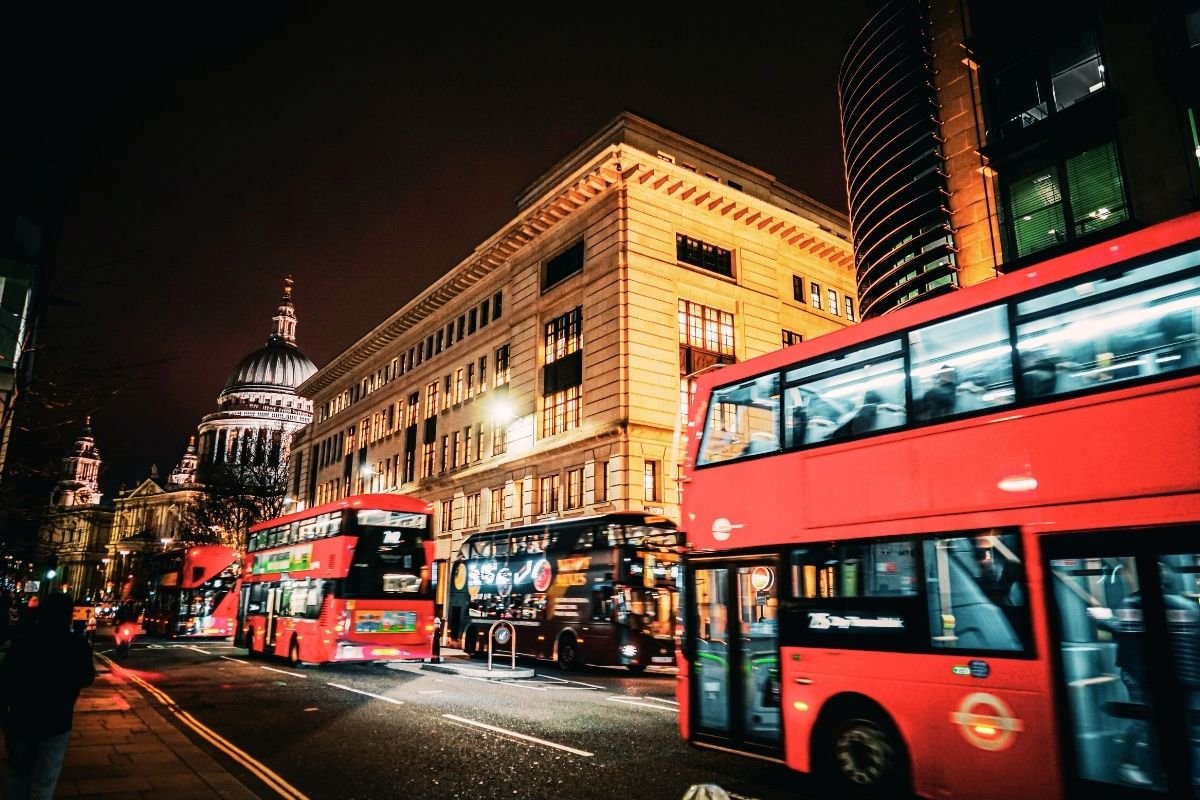
A simple night return is easier to manage than a late itinerary that still requires several unfamiliar decisions.
For transport planning rather than safety advice, continue with our How to Get Around London guide and London Public Transport Costs.
Stolen Phone Advice | London Safety Guide 2026
If a phone is taken, do not chase the thief. Your priority is your own safety and limiting what someone can access through the device.
- Move somewhere safe and staffed. A hotel, café, attraction or station staff area gives you somewhere to think and use another device.
- Lock the phone remotely if possible. Use the security tools linked to your Apple or Google account.
- Protect financial access. Contact your bank or card provider if payment information on the device may be accessible.
- Secure important accounts. Email deserves particular attention because it can be used to reset many other passwords.
- Contact your mobile provider. The Met Police recommends keeping a record of your IMEI number so a stolen handset can be identified and blocked more easily.
- Report the theft. Use 999 or 112 if there is an immediate emergency; otherwise use the appropriate non-emergency police reporting channel.
- Keep the crime reference and documentation. You may need them for travel insurance.
The Met Police phone theft guidance also explains phone security features and IMEI records worth setting up before the trip.
London Safety Guide 2026: Before-You-Leave Checklist
- Know your first destination and the easiest return route.
- Turn on your phone’s lock, biometric security and remote-find features.
- Keep a separate record of your phone’s IMEI and important emergency details.
- Start the day with enough battery for navigation and digital tickets.
- Carry only the cards and cash you expect to need.
- Keep bags zipped in crowded areas.
- Know where you will check directions if you become unsure of the route.
- Recheck late-night transport before a distant evening plan.

Check directions in a sensible position, then put the phone away before walking back into busy pedestrian flow.
Mobile Data and Backup Navigation
If your travel style depends heavily on mobile maps and digital tickets, reliable data and a charged phone make route planning easier. Before buying anything, check whether your existing mobile plan already covers the UK.
If it does not, you can compare a travel eSIM for London.
Luggage on Arrival and Checkout Days
Large bags divide your attention and make crowded stations harder to manage. First ask whether your hotel will store luggage for free. If it will not and you have several hours before check-in or after checkout, you can compare luggage storage locations in London.
TripsCity Insight: Safety purchases are useful only when they solve a real problem. A good London safety plan should mostly depend on preparation and habits, not on buying more products.
London Safety Guide 2026 FAQ
Is London safe for tourists in 2026?
Yes, London is generally considered safe for visitors, but it is still a large international city. Protect phones and wallets in crowded areas, plan important routes and use normal caution at night.
What are the safest areas to stay in London?
There is no official list of completely safe tourist neighborhoods. For a first trip, well-connected central areas such as Westminster/Victoria, Bloomsbury, South Kensington, Marylebone and South Bank can make logistics easier. Choose according to your itinerary and check the actual evening route back to your hotel.
Is phone snatching a problem in London?
It is a practical risk worth taking seriously, particularly in busy public locations. The Metropolitan Police advises keeping phone use brief on the street, watching for bicycles and mopeds and standing away from the roadside when using the device.
Is London public transport safe at night?
Many visitors use London’s transport network at night without problems. Plan the route before you are tired, keep valuables secure and avoid turning an unfamiliar late journey into a long series of last-minute decisions.
What emergency number should tourists use in London?
Call 999 or 112 for an emergency involving police, ambulance or fire services. For non-urgent police matters within the UK, use 101 or the appropriate online reporting service.
What should I do if my phone is stolen?
Do not chase the thief. Move somewhere safe, remotely lock the device if possible, protect financial and email accounts, contact your mobile provider and report the theft. Keep any police reference or documentation required by your insurer.
Final Verdict: Is London Safe for a First Trip?
For most tourists, London can be visited confidently with ordinary big-city precautions. You do not need a complicated safety system or a list of neighborhoods to fear.
The highest-value habits are simple: keep expensive devices under control in crowded places, choose accommodation with practical transport connections, know how you are returning at night and use licensed transport when you need a ride.
For the rest of your planning, continue with our Complete Travel Guide to London 2026, How to Get Around London and London Budget Guide 2026.
This London Safety Guide 2026 should make you more prepared, not more anxious. The goal is to understand the few situations that deserve extra attention and then get on with enjoying the city.