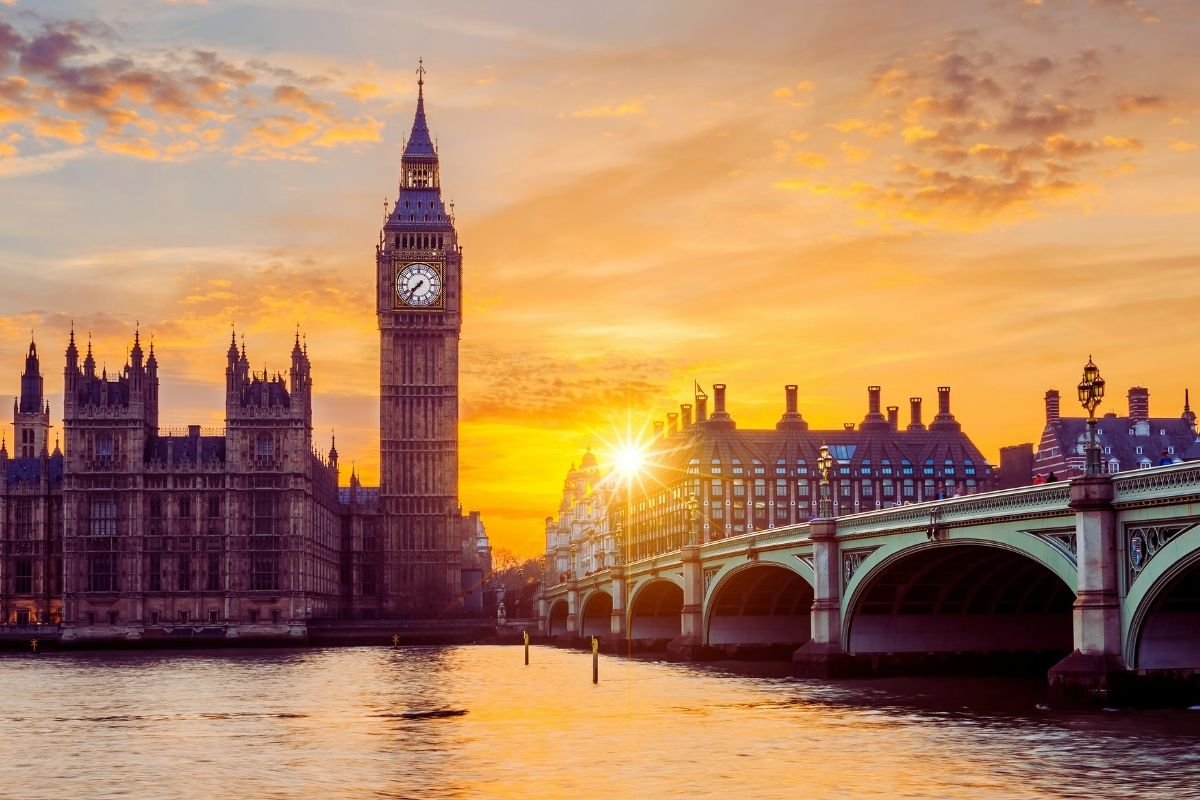
This London 4 Days Itinerary is designed for first-time visitors who want to see the city’s major sights without spending four days crossing London back and forth.
The route follows a simple rule: each day stays inside one connected part of London. Day 1 covers Westminster and the South Bank, Day 2 slows down around South Kensington and Hyde Park, Day 3 moves through the Tower, City and Borough Market, and Day 4 finishes with Covent Garden, the British Museum, Soho and the West End.
Four days gives you something a shorter London trip cannot: space between the icons. You can visit major landmarks, spend real time inside a museum, walk neighborhoods and still keep enough flexibility for queues, rain or slower-than-expected journeys.
London 4 Days Itinerary at a Glance
| Day | Main Route | Best Paid Anchor | Travel Style |
|---|---|---|---|
| Day 1 | Westminster → St James’s Park → Trafalgar Square → South Bank | Westminster Abbey or London Eye | Classic landmarks + walking |
| Day 2 | South Kensington → Museums → Hyde Park → Kensington | Optional special exhibition | Museums + slower London |
| Day 3 | Tower of London → Tower Bridge → Borough Market → St Paul’s / City | Tower of London | History + river + City |
| Day 4 | Covent Garden → British Museum → Soho → West End | West End show | Neighborhoods + culture + evening |
Booking rule: reserve no more than one major timed attraction per day. Four days works because the itinerary has breathing room; stacking reservations removes that advantage.
Use the official TfL Journey Planner to check routes and service changes shortly before travel.
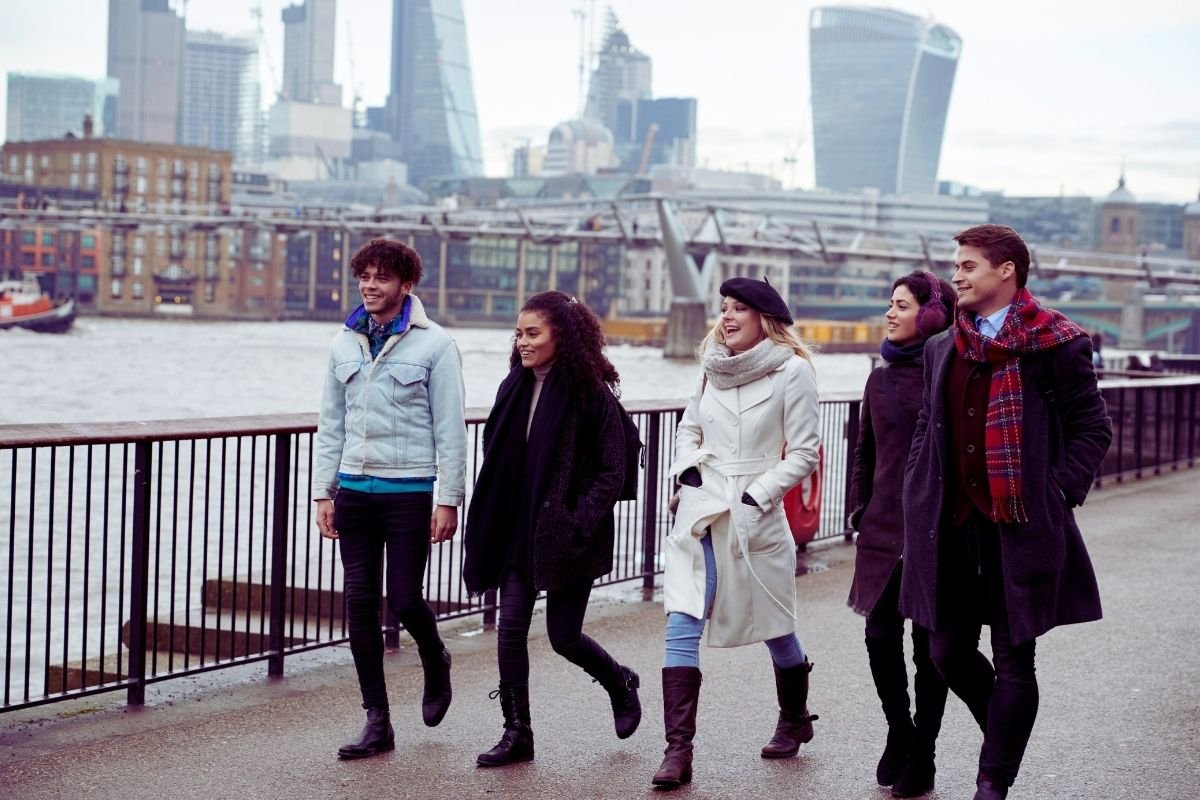
Four days works best when each sightseeing day follows one connected part of London instead of bouncing between distant attractions.
Where to Stay for This London 4 Days Itinerary
For a four-day first trip, accommodation should make the central sightseeing days easy rather than simply having the lowest nightly rate.
Areas such as Bloomsbury, Victoria, South Bank, Marylebone, Paddington and South Kensington can all work depending on your arrival route and budget. The most important test is whether the hotel gives you straightforward access to the sightseeing clusters below.
Use our Where to Stay in London guide for the full neighborhood comparison. If station convenience is the main priority, compare our Best Areas to Stay in London Near a Station.
If you are still comparing properties, you can compare London hotels by neighborhood and transport access.
London 4 Days Itinerary — Day 1: Westminster, St James’s Park and South Bank
Day 1 gives you the London most first-time visitors imagine before arrival: Parliament, Big Ben, royal landmarks, Trafalgar Square and the Thames.
The reason this works as a first day is density. You see several major sights without learning five transport routes while you are still adjusting to the city.
08:30–10:30 — Westminster and Big Ben
Start around Westminster while the day is still relatively fresh. Walk around Parliament Square, see Big Ben and the Houses of Parliament and cross toward the river for the classic views.
If Westminster Abbey is one of your priority paid sights, this is the natural place to use Day 1’s timed booking. Give it proper time rather than treating it as a quick stop.
If you do not plan to go inside, continue through the area on foot and keep the morning flexible.
10:30–12:00 — St James’s Park and Buckingham Palace
Walk through St James’s Park toward Buckingham Palace. This gives the morning a calmer section after Westminster and keeps the route moving in one direction.
Do not build the entire morning around seeing a specific ceremony unless you have checked the current schedule. The palace area still works as part of the route even when there is no formal event taking place.
12:00–13:30 — Trafalgar Square and Lunch
Continue toward Trafalgar Square. If you want an indoor break, the National Gallery sits directly beside the square and can work as a short visit, but avoid turning Day 1 into a museum marathon.
Have lunch somewhere around Trafalgar Square, Covent Garden edge or the route back toward the river. Staying close to the day’s path protects the afternoon.
13:30–17:30 — South Bank Walk
Cross toward the Thames and give the afternoon to the South Bank. This is one of London’s easiest first-day routes because the river keeps your direction obvious while several recognizable views appear naturally along the walk.
You can pass the London Eye area, walk beside the Thames and continue east according to energy. The goal is not to reach a mandatory endpoint. The river itself is the sightseeing spine.
If the London Eye is a priority, use it as the day’s paid anchor instead of Westminster Abbey rather than booking both into a tight schedule.

A Thames walk gives the first day famous views without forcing another cross-city journey.
After 17:30 — Keep the First Evening Light
Do not use the first evening to rescue everything you did not fit into the morning. Have dinner, take a shorter walk or return to the hotel while the city still feels manageable.
That matters because Day 2 deliberately slows the pace and gives you a very different side of London.
London 4 Days Itinerary — Day 2: South Kensington Museums, Hyde Park and Kensington
Day 2 is what makes this four-day itinerary meaningfully different from a compressed London trip. Instead of adding another landmark marathon, you spend real time in one of London’s strongest museum districts and let the afternoon become more flexible.
09:00–12:00 — Choose One South Kensington Museum Properly
The Natural History Museum, Science Museum and Victoria and Albert Museum sit close together, but proximity does not mean you should rush through all three.
Choose the museum that best matches your interests and give it a real morning.
- Natural History Museum: strongest for natural history, architecture and many family trips.
- Science Museum: useful for technology, science and interactive interests.
- Victoria and Albert Museum: strongest for art, design, fashion and decorative arts.
You can briefly enter a second museum if your first visit ends early, but do not treat museum count as the goal.
12:00–13:30 — Lunch in South Kensington
Stay near the museum district for lunch. Day 2 works because the distances remain small, so crossing London for a restaurant would defeat the structure.
13:30–16:00 — Hyde Park and Kensington Gardens
Move toward Hyde Park and Kensington Gardens for the afternoon. After a museum-heavy morning, this gives the trip a necessary change of pace.
Walk according to weather and energy rather than trying to cover the entire park. You can build the route around Kensington Gardens, the Serpentine or whichever section makes sense from your museum exit.
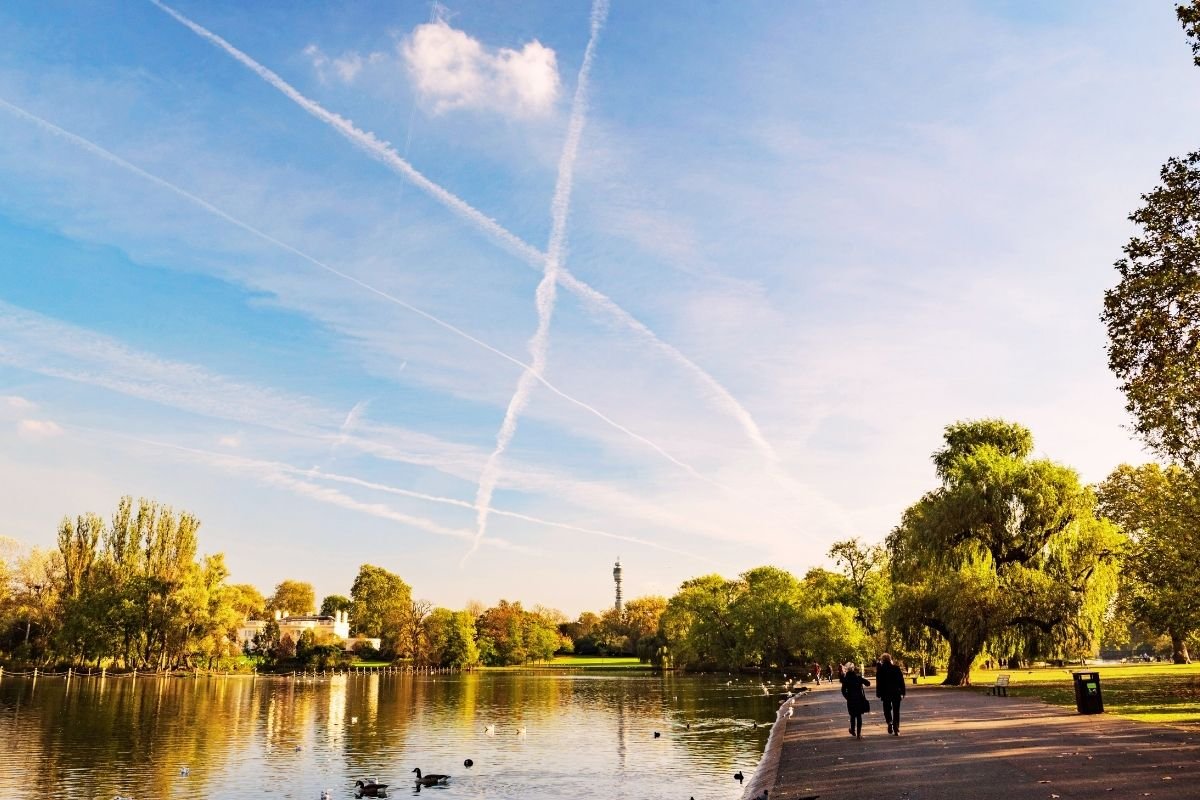
Day 2 deliberately combines an indoor museum block with open space instead of stacking major attractions all day.
16:00–18:30 — Kensington or a Flexible Finish
Use the late afternoon for a relaxed walk through Kensington, return toward your hotel or add a nearby café and neighborhood block.
If weather has been poor earlier, this is also your recovery window. You can return to one of the South Kensington museums rather than crossing London for something unrelated.
Day 2 success test: you should finish feeling that you saw substantial London without feeling that every hour required another transport decision.
London 4 Days Itinerary — Day 3: Tower of London, Tower Bridge, Borough Market and the City
Day 3 is the most history-heavy day. The route stays around east-central London and the Thames, which means you can combine a major paid attraction with bridges, markets and City streets without spending the afternoon commuting.
08:45–11:30 — Tower of London
If the Tower of London is important to you, make it the main booking of Day 3 and visit earlier rather than trying to squeeze it into a crowded afternoon.
Allow enough time for the Crown Jewels, the historic complex and the parts of the site that interest you most. The Tower is not a useful attraction to rush simply because several other landmarks appear nearby on the map.
If you are not interested in going inside, use the morning around the Tower and riverfront, then give more time to the City later.
11:30–12:15 — Tower Bridge
Walk toward Tower Bridge after the Tower. The exterior and river views already make this an easy addition to the route.
If you want to visit the bridge exhibition itself, check whether adding another paid interior still fits the day. For most first-time visitors, one major paid anchor remains enough.
12:15–13:30 — Borough Market and Lunch
Continue toward Borough Market for lunch. This creates a natural transition from historic sightseeing into a more relaxed midday block.
The market can become very busy, so do not arrive with one specific stall as the only acceptable plan. Walk through, compare options and use the surrounding area when necessary.
13:30–16:30 — Thames, Millennium Bridge and St Paul’s Area
From Borough Market, continue through the Southwark and Thames-side area toward Tate Modern and Millennium Bridge.
Crossing Millennium Bridge places you naturally toward St Paul’s Cathedral and the City without another Underground journey.
If St Paul’s is a priority, decide whether you want to visit the interior. If not, use the area as part of the City walk and keep the afternoon flexible.
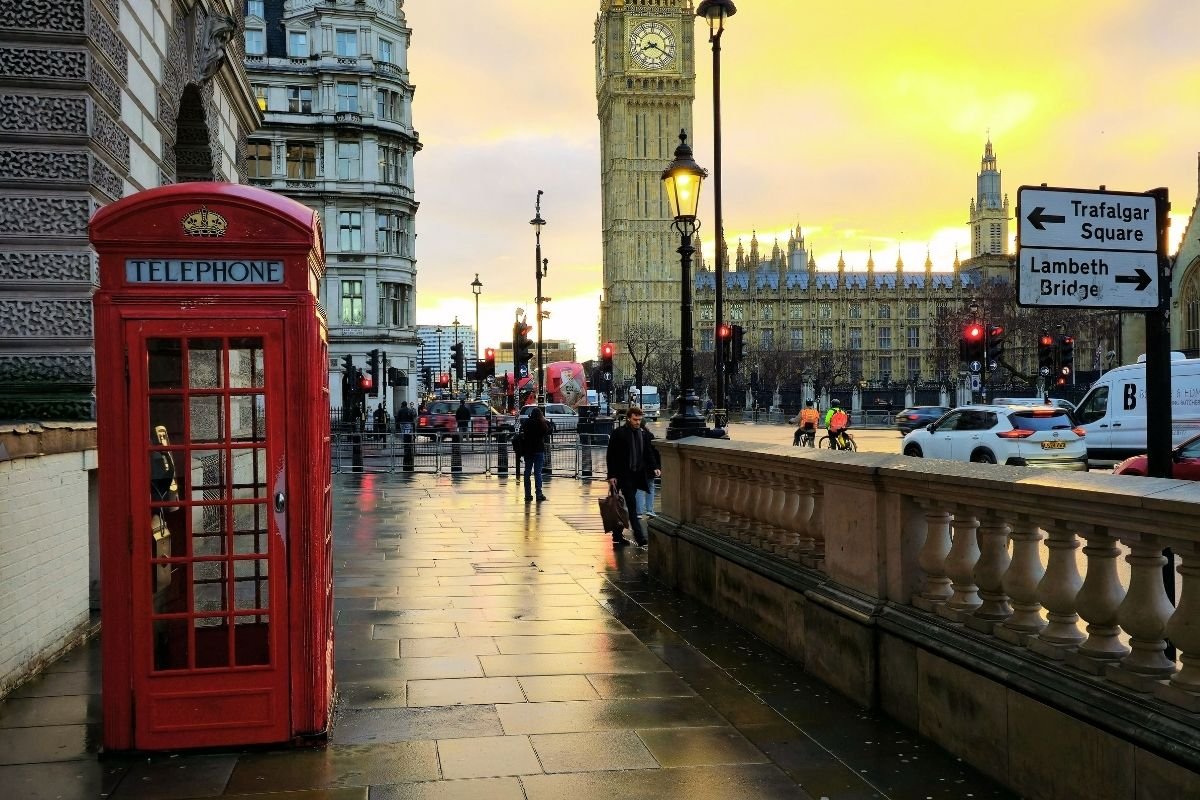
Day 3 keeps major history, the Thames and City streets inside one connected part of London.
16:30–18:30 — City Streets or Riverside Finish
Use the final part of the day according to energy. You can explore more of the City, return toward the river or stop earlier if the Tower took longer than expected.
This is where many itineraries go wrong: visitors see an empty two-hour window and immediately add Camden, Notting Hill or another distant neighborhood. Keep those cross-city ideas out of Day 3.
TripsCity Insight: when a major attraction runs long, shorten the nearby flexible section. Do not compensate by moving faster or crossing London to preserve every original stop.
London 4 Days Itinerary — Day 4: Covent Garden, British Museum, Soho and the West End
The final day gives you central London without repeating the landmark-heavy rhythm of Day 1. It combines a major museum with streets, food, shopping and an optional West End evening.
If you are leaving London early on Day 4, use only the morning and one afternoon block rather than trying to complete the full route.
09:00–10:30 — Covent Garden and Seven Dials
Start around Covent Garden before the busiest part of the day. Walk the surrounding streets, continue toward Seven Dials and use the morning as a neighborhood block rather than rushing immediately into another attraction.
Covent Garden works better when it is experienced as part of central London rather than reduced to one market building.
10:45–13:00 — British Museum
Move toward the British Museum and choose the galleries you genuinely want to see. The collection is far too large for a complete visit inside a four-day sightseeing itinerary.
Set a rough time limit before entering. Two focused hours can be more satisfying than staying until museum fatigue makes the rest of Day 4 difficult.
13:00–14:00 — Lunch Around Bloomsbury or Soho
Have lunch before the afternoon streets become the main focus. There is no reason to create a separate food journey on the last day when central London already gives you extensive choice.
14:00–17:00 — Soho, Chinatown and Central London
Use the afternoon around Soho, Chinatown and nearby central streets. This is deliberately less structured than the previous days.
You can browse shops, stop for coffee, walk toward Regent Street or return through Covent Garden depending on what you enjoy most.
The important rule remains the same: keep the afternoon central. Do not suddenly add Greenwich or another distant district simply because you have several hours left.
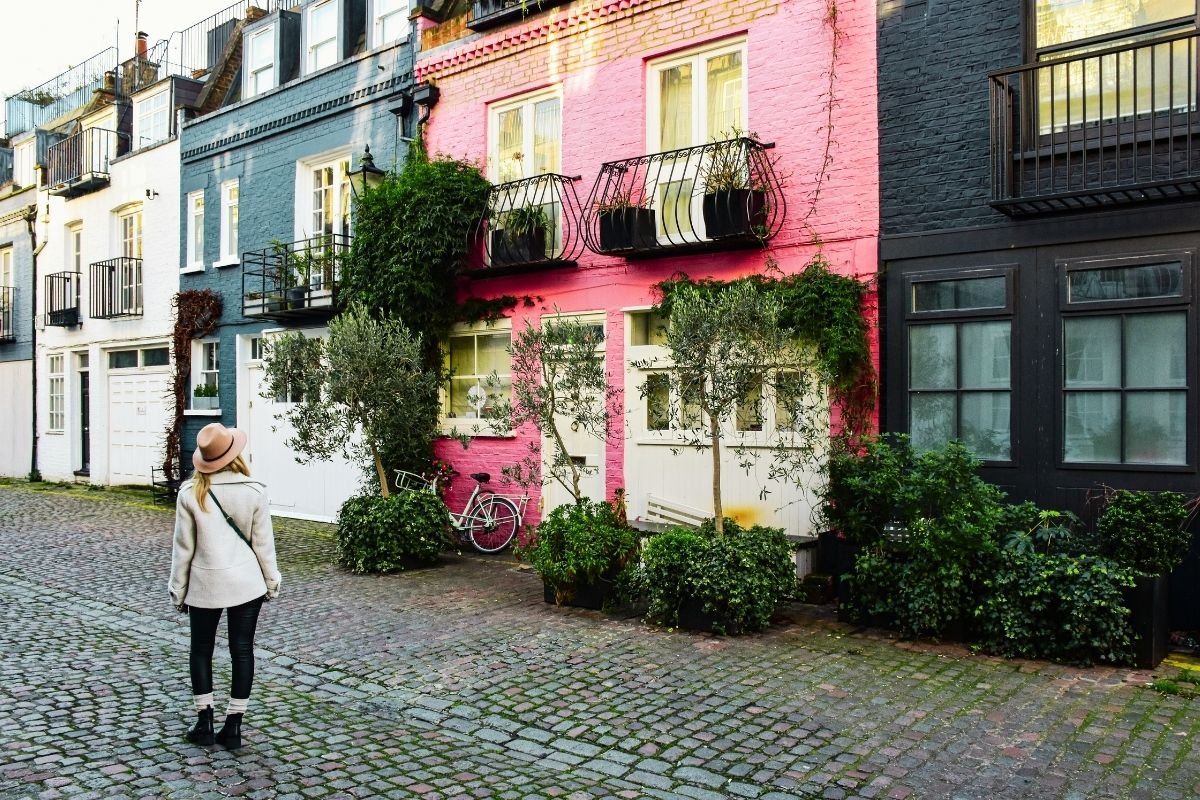
The final afternoon works best when you stop collecting landmarks and spend time inside one central part of London.
Evening — West End Show or Final London Dinner
If seeing a West End production matters to you, Day 4 is a natural evening for it because the afternoon already keeps you in the central theatre district.
A specific show on a specific date is one of the experiences worth booking before the trip. If theatre is not a priority, use the evening for dinner and an unhurried final walk.
Alternative Day 4: Greenwich Instead of the West End
Travelers who prefer a more distinct neighborhood day can replace the central Day 4 route with Greenwich.
This works particularly well if you already spent enough time around Covent Garden, Soho and the West End on earlier evenings.
A Greenwich day can include the riverside, Greenwich Market, the park and the wider historic area. Keep it as a genuine half-day or day rather than adding Greenwich to an already full central route.
Do not try to do both versions of Day 4. The purpose of having four days is to choose more deliberately, not simply to create space for another checklist.
How to Get Around During This London 4 Days Itinerary
The itinerary deliberately reduces transport by grouping sights geographically. Most days combine walking with one or two larger public-transport journeys.
You do not need the full payment explanation inside an itinerary. Use our How to Get Around London guide for route strategy, accessibility, Tube vs bus and interchange advice.
For current fares, Oyster, contactless, Travelcards and caps, use our separate London Public Transport Costs guide.
What Should You Book Ahead for Four Days in London?
You do not need reservations for every part of this itinerary.
Prioritize advance booking when an attraction or evening is important enough that missing it would genuinely disappoint you. Examples may include:
- Westminster Abbey if you definitely want to visit the interior.
- Tower of London on a specific morning.
- A specific West End production.
- A special museum exhibition requiring timed admission.
- A particular skyline, river or guided experience with limited availability.
Free walking areas, parks and neighborhood blocks are what give the itinerary flexibility when an earlier activity runs late.
If you want to compare tours or timed attractions after choosing your priorities, you can compare London attraction and tour options.
Affiliate disclosure: TripsCity may earn a commission if you book through this link, at no extra cost to you.
London 4 Days Itinerary Rain Plan
Rain does not require rebuilding the entire itinerary. The better approach is to protect the geographic structure and change only the vulnerable part of the day.
- Day 1: shorten the South Bank walk and give more time to Westminster Abbey or the National Gallery if those already fit your route.
- Day 2: the South Kensington museums become the stronger part of the day. Shorten Hyde Park rather than crossing London for a different indoor attraction.
- Day 3: keep the Tower/City area and use nearby indoor options rather than abandoning east-central London entirely.
- Day 4: British Museum, Covent Garden and the West End already give you several indoor or partially covered options close together.
The rain rule: replace one outdoor block with one nearby indoor block. Do not react to weather by stacking three museums on the other side of London.
What If You Start One of the Days Late?
A late start should remove something optional rather than change the geography of the entire day.
- Late Day 1: keep Westminster and South Bank; shorten the royal/Trafalgar section if necessary.
- Late Day 2: choose one museum and a shorter park walk.
- Late Day 3: keep the Tower and river/City route; remove an optional interior.
- Late Day 4: choose Covent Garden + British Museum or Soho + West End rather than forcing the full route.
The worst response to a late morning is adding faster transport between more distant sights. That usually creates more pressure rather than recovering useful sightseeing time.
How Much Should You Budget for Four Days in London?
The total depends too heavily on accommodation, food style and paid attractions for one number to fit every traveler.
Instead of duplicating another article’s job, use our London Budget Guide for daily ranges and four- to five-day planning costs.
Inside this itinerary, the useful rule is simpler: choose your major paid attractions before arrival and let the free museums, parks and walking districts provide the flexible parts of each day.
Is Four Days Enough for London?
Yes. Four days is enough for a strong first-time London trip when the itinerary is geographically organized.
You will not see everything—and that should not be the goal. Four days gives you enough time for the Westminster icons, a serious museum block, the Tower and City, the Thames, central neighborhoods and an evening experience without making every day transport-heavy.
The difference between three and four days is not simply one additional sightseeing day. The fourth day allows the entire trip to breathe: museums can receive proper time, parks do not need to become ten-minute photo stops and an evening can remain open without feeling that you wasted valuable hours.
London 4 Days Itinerary FAQ
Is a London 4 days itinerary realistic for first-time visitors?
Yes. Four days gives first-time visitors enough time for major landmarks, museums, neighborhoods and an evening activity when each day stays concentrated in one part of London.
What should I see on my first day in London?
Westminster, St James’s Park, Buckingham Palace, Trafalgar Square and the South Bank work particularly well together because they form a coherent central route without repeated transport journeys.
Which museum should I visit on Day 2?
Choose according to your interests. The Natural History Museum works well for natural history and many family trips, the Science Museum for science and technology, and the V&A for art and design. Visiting one properly is usually better than racing through all three.
Should I book the Tower of London in advance?
If the Tower is one of your highest-priority attractions, reserving your preferred date can make sense. Keep it as the main timed attraction for Day 3 rather than surrounding it with several other fixed bookings.
Should Day 4 be central London or Greenwich?
Choose one. Covent Garden, the British Museum, Soho and the West End work best for travelers who still want central London. Greenwich is a stronger alternative when you want a distinct neighborhood day and have already spent enough time in the West End.
Do I need Oyster or contactless for this itinerary?
Most visitors will use London’s public transport at some point during these four days. For the current Oyster, contactless, fare and capping comparison, use our London Public Transport Costs guide.
What if it rains during the trip?
Keep the day’s neighborhood structure and swap one outdoor section for a nearby indoor option. South Kensington is particularly easy on a rainy day because several major museums sit in the same area.
Can I add a day trip to a four-day London itinerary?
You can, but for a first visit it means sacrificing one full London day. Most first-time visitors will get more value from keeping all four days in the city. Day trips become easier to justify when you have five days or longer.
Final Verdict: The Best Way to Spend 4 Days in London
A good London 4 Days Itinerary is not four days of famous attractions. It is four days where the geography makes sense.
Start with Westminster and the Thames. Give South Kensington and Hyde Park their own slower day. Keep the Tower, Tower Bridge, Borough Market and the City together. Finish with central neighborhoods, the British Museum and the West End—or choose Greenwich when you want a different final-day atmosphere.
This structure gives first-time visitors enough famous London to feel satisfied without turning the trip into constant Underground journeys and timetable repairs.
If you only have three days, use our London 3 Days Itinerary. For the wider planning decisions around accommodation, transport and sightseeing, start with our Complete Travel Guide to London.
Last updated: September 2026.