
If you’re searching for the best areas to stay in London for families, you’re not hunting a “nice neighborhood.” You’re trying to prevent the small daily friction that breaks a family trip before lunch.
You can feel it before you even land.
Your child is half-asleep, your phone battery is already lower than it should be, and your brain is doing math you didn’t plan to do: “How long to the hotel? Will the room be ready? Is there a lift at the station? Where do we eat without a 40-minute wait?”
Families don’t arrive in London with unlimited flexibility. You arrive with a schedule that looks invisible on paper—nap windows, snack timing, toilet urgency, the stroller that suddenly becomes heavy, the child who is calm until the exact moment you need to move quickly. London is brilliant, but it is not gentle with travelers who chose their base casually.
The shocking truth (that most guides won’t say)
For families, the wrong area doesn’t “cost a little extra.” It quietly steals your day.
Adults can absorb friction. Families can’t. A couple can miss a connection and laugh it off. A family misses a connection and pays for it in mood, energy, and a full hour of “repair time” that follows you through the afternoon.
In 2026, the family decision in London is not “central vs cheap.” It is calm vs chaos—and the difference is not about how pretty the street looks in photos. It’s about how London behaves at your most vulnerable times: morning exits, late afternoon fatigue, and that fragile period after dinner when you just need the return route to be simple.
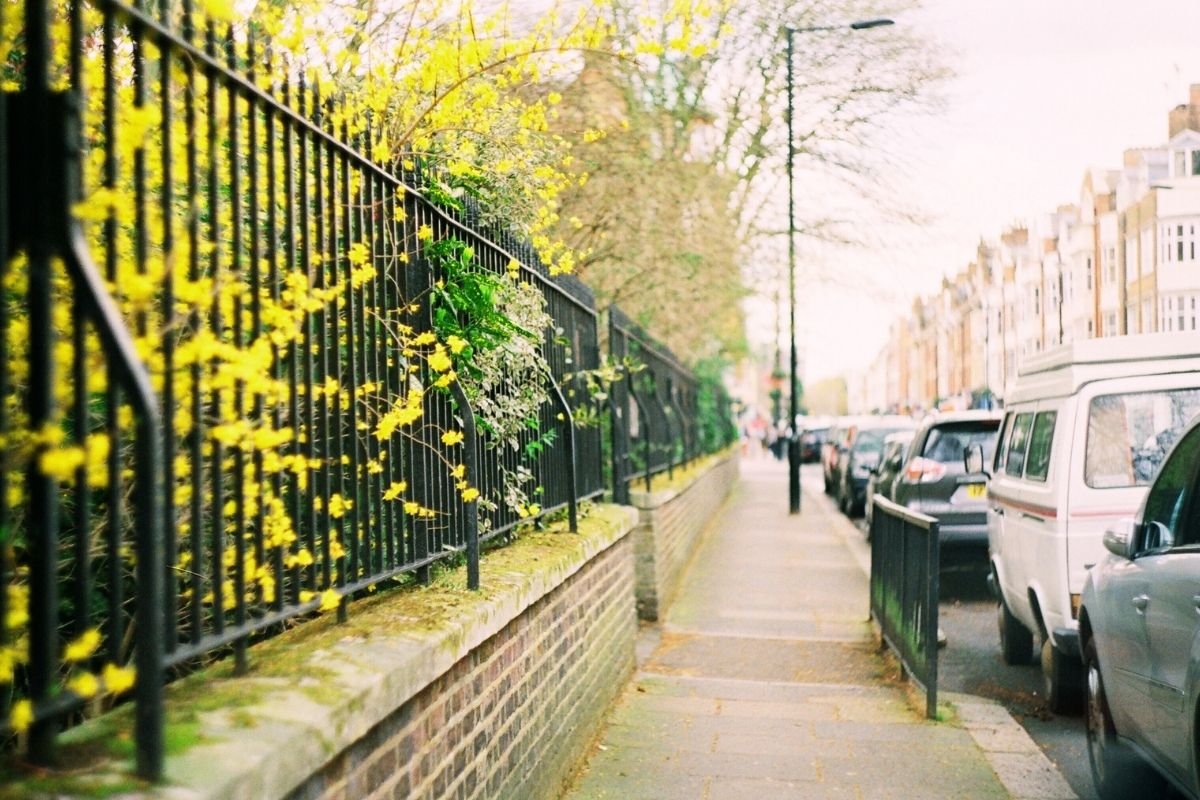
A calm family base in London often looks “boring” in photos—until you realize boring is what protects naps, early mornings, and low-stress returns.
What “calm” actually means in London (and what it does not)
Calm does not mean far out. Calm means the city stops fighting you.
That’s why this guide treats the best areas to stay in London for families as an energy decision, not a “pretty street” decision.
A calm family area usually has five things that matter more than any “top 10 neighborhood” list:
1) A simple transport spine. You can reach the core without layered transfers. If you need two line changes every morning, you’ve built your entire trip on a daily energy tax.
2) Streets that forgive tired movement. Wider pavements, fewer chaotic crossings, and routes where you don’t feel like you’re dragging the family through a rushing river of commuters.
3) A nearby park or open space. Not as a “nice extra,” but as a pressure valve. Parks are where London becomes manageable for families—where a child can reset, and adults can stop negotiating every step.
4) Food access without a 45-minute strategy meeting. With kids, you don’t want “the best restaurant.” You want reliable options within 6–12 minutes that don’t require planning your entire evening around availability.
5) Accommodation that matches family physics. Families need space, elevators that work, quiet enough sleep, and a check-in process that doesn’t turn into a performance.
This is why the phrase “central London” can be misleading. Some central pockets are calm. Some are pure chaos. And sometimes a slightly less central base is not a compromise—it’s the smartest way to protect your days.
What “chaos” looks like (even when it’s technically a great location)
Chaos is not danger. Chaos is friction density.
If you pick the wrong base, the best areas to stay in London for families won’t matter on paper—you’ll feel it in stairs, crowds, and repair time.
It’s when your hotel sits in an area where everything is “close,” yet every movement costs more than it should: crowded pavements, stations with long corridors and stairs, constant noise, and a city rhythm that assumes you can move quickly and decisively all day.
Families don’t fail in London because they can’t walk. They fail because they didn’t plan for the moments when walking stops being fun: when your child slows down, when the stroller becomes an obstacle, when the weather flips, when you need the nearest bathroom fast.
Chaos areas can still be right—for the right family. If you have older kids, high energy, and a strong tolerance for crowds, the payoff is convenience. But if you’re traveling with a toddler, a baby, or a child who gets overwhelmed, chaos doesn’t just feel busy. It feels like your trip is constantly one small mistake away from spiraling.
Realistic numbers you should expect in 2026 (so your base choice is honest)
Let’s talk reality. Families often underestimate the hidden cost of “saving money” on location.
Accommodation: London prices swing hard by season. It’s common to see cheaper winter nights and much higher summer rates, especially in central areas. That means your base strategy should change depending on whether you’re coming in January, July, or late December.
Transport: If you use contactless/Oyster, pay-as-you-go caps exist to limit how much you pay in a day—but your daily experience is still shaped by distance and complexity. A family base that forces extra rides, extra changes, or extra stress is not “cheap,” even if the cap protects your card.
If you want to understand the cap logic clearly, use the official guidance as a planning tool—not a magic shield:
TfL fare capping (official).
The hidden family cost: A “bad base” creates a pattern: you pay for convenience later. That convenience might be a taxi when you didn’t plan one, a last-minute ride because the child is melting down, or paid “skip the line” choices because you lost time earlier and now need to rescue the plan.
The real travel decision: who this guide is for (and who should rethink London)
This guide is for families who want London to feel doable—not heroic.
It’s for parents who don’t want to end day three thinking, “The city was amazing, but I’m exhausted and I can’t explain why.” Because the “why” is usually base friction.
You should read this if:
– You’re traveling with a stroller and every stair matters.
– Your kids are under 10 and timing shapes the mood of the whole day.
– You want sightseeing but you also need calm returns and predictable evenings.
You should rethink your plan (not cancel London—just re-plan) if:
– Your budget only works with a far-out base and you’re assuming you’ll “just commute.”
– You’re building your itinerary on vague movement (improvisation works in some cities; London punishes it).
– You’re planning peak summer dates and you haven’t adjusted your expectations for crowds and cost.
If this is your first time planning London, start with the bigger TripsCity framework first—then come back here for the family filter:
Complete Travel Guide to London 2026: The City That Punishes Vague Plans.
The calm vs chaos filter (the simple test families should use)
Before you pick an area name, run this test. It’s not glamorous, but it’s how you avoid the trap.
Test A: Morning Exit Test. Can you leave the hotel, reach a station or bus stop, and be moving within 8–10 minutes without stairs drama or confusing corridors?
Test B: Midday Reset Test. If your child crashes at 14:00, can you get back quickly without feeling like you’ve abandoned the day? If the return route is complicated, you’ll push through when you shouldn’t—then pay later.
Test C: Night Return Test (family version). Not about “late nights.” About returning tired. Can you get back with minimal transfers when energy is low and patience is thin?
Areas that pass all three tests are usually where London becomes calm for families—even if the hotel costs slightly more.
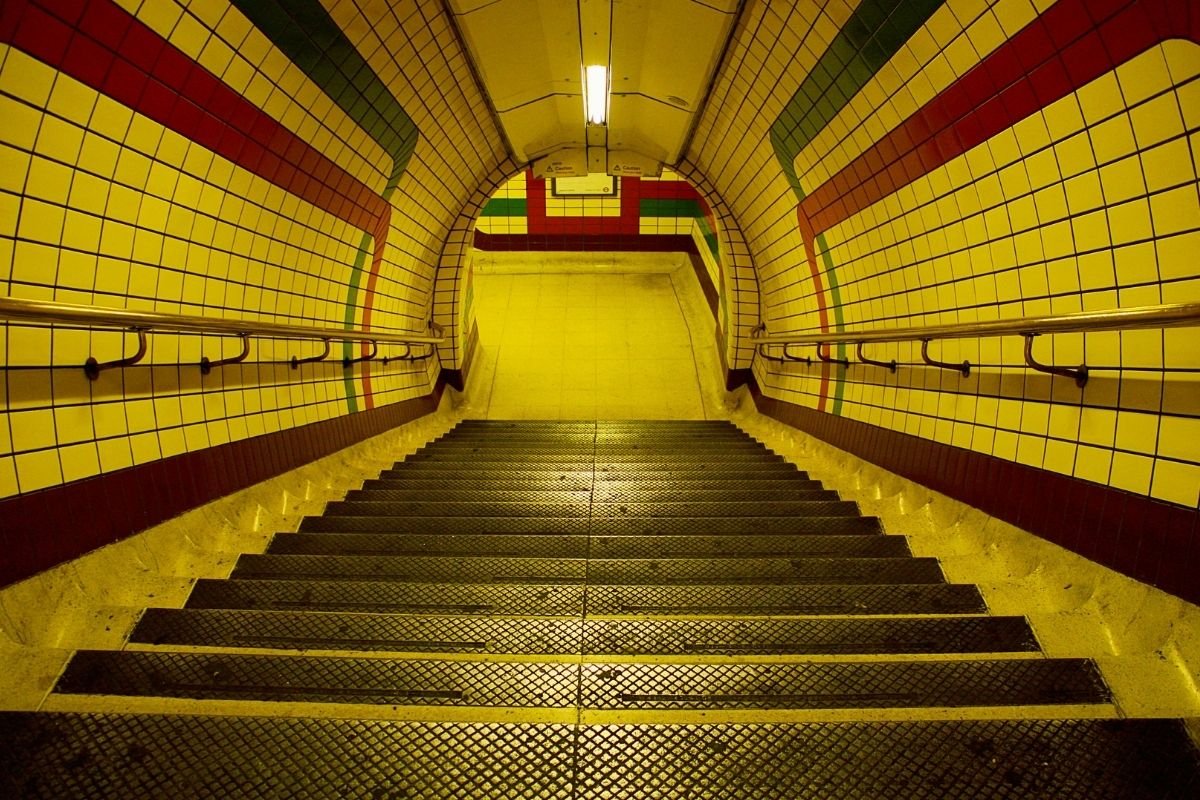
station can be “nearby” and still be a daily problem for families. Layout, stairs, corridors, and transfers create chaos.
Fatal Mistakes Families Make When Booking London (and why they hurt)
Mistake #1: Choosing “central” without defining what central means.
Central can mean a quiet museum-adjacent street—or it can mean a congested corridor where every step is a negotiation. Families don’t need “central.” They need simple. The best family bases are often near the core but not inside its loudest arteries.
Mistake #2: Choosing a base that requires multiple line changes every day.
Transfers look small on a map. With kids, they multiply. One missed train becomes a longer wait. One wrong platform becomes a walk. One staircase becomes a full stop. If your itinerary assumes friction-free movement, London will correct you.
Mistake #3: Booking a “deal” that’s cheap because it steals your mornings.
Families experience London in daylight rhythm: parks, museums, short breaks, and a calm return. If your base turns every day into a commute, you’ll see fewer things, feel more pressure, and spend more on “fixes.” The cheapest room can become the most expensive decision.
Mistake #4: Treating hotel comfort as optional.
With kids, the hotel is not just a place to sleep. It’s the reset station. If the room is too small, too noisy, or too complicated to reach, your trip loses stability. Families don’t need luxury—they need function.
If you want the broader London “base strategy” (beyond families), use this TripsCity anchor:
Where to Stay in London (2026): The Base That Makes London Feel Easy.
A practical way to lock the right room (without turning booking into a second job)
For families, early booking isn’t about chasing “luxury.” It’s about avoiding the worst compromises: tiny rooms, bad noise, awkward access, and rigid cancellation rules. The best use of a hotel search is simple: filter by the area you want, check the family essentials (space, lift, quiet), then stop endlessly comparing.
If you want a quick place to compare family-friendly stays by neighborhood (and filter for family rooms, elevators, and flexible cancellation), you can use this:
Compare family-friendly London stays by area.
In PART 2, we’ll move from the framework to the real neighborhoods—where calm actually lives, where chaos hides, and which areas fit different family types (toddlers vs older kids vs multi-generational trips).
PART 1 gave you the filter. PART 2 gives you the map.
Because in London, “neighborhood advice” is often written for adults who can absorb noise, stairs, crowds, and daily improvisation. Families can’t. A family base has one job: reduce friction—not just “be close.”
So below, we’re not ranking areas like a travel brochure. We’re separating them into what they actually feel like for families in 2026: the calm zones that protect your day, the balanced bases that can work if you book smart, and the chaos zones that look perfect online but punish tired families in real life.
How to Choose the Best Areas to Stay in London for Families
Before we name areas, here’s the rule that changes everything:
Your “best area” is the one that keeps your mornings clean and your returns simple.
Families lose London in small ways: the station that’s technically close but physically annoying, the hotel that’s “central” but placed on a loud artery, the nightly return route that needs too many transfers when the kids are done. If you want a more technical breakdown of how London’s system behaves (Tube, buses, Oyster/contactless), this is your foundation piece:
How to Get Around London (2026): The System That Saves Your Day.
Now let’s move to the areas.
Below, the best areas to stay in London for families are grouped by how they behave in real life: calm zones, balanced bases, and chaos zones.
The calm zones: the best areas to stay in London for families
Best areas to stay in London for families: what “calm” really buys you
These are areas that consistently pass the family tests: easier exits, calmer streets, better parks, and less daily “repair time.” The trade-off is usually price. But you’re buying stability, not luxury.
Kensington & South Kensington: the “museum + park” family spine
If you want the most predictable family base inside London’s core logic, this is it.
Kensington works because it stacks family-friendly infrastructure in one tight radius: major museums for daytime structure, large parks for resets, and a street rhythm that doesn’t feel like a constant crowd battle. Even when it’s busy, it rarely feels chaotic in the way entertainment corridors do.
What it gives families: short, clean mornings. You can start the day without “transit drama.” If you’re traveling with a stroller, that matters more than any Instagram view. It also gives you an easy reset option when the day breaks: you’re not trapped far away trying to commute back while your child melts down.
The honest downside: it’s rarely cheap. In peak periods, family rooms here can jump sharply. You’re also not living in the “London buzz.” This base is strategic, not romantic. Some travelers mistake that for “boring” on day one—then feel grateful by day three.
Who it’s best for: toddlers, stroller-heavy families, multi-generational trips (grandparents move slower), and anyone who wants London to feel controlled rather than reactive.
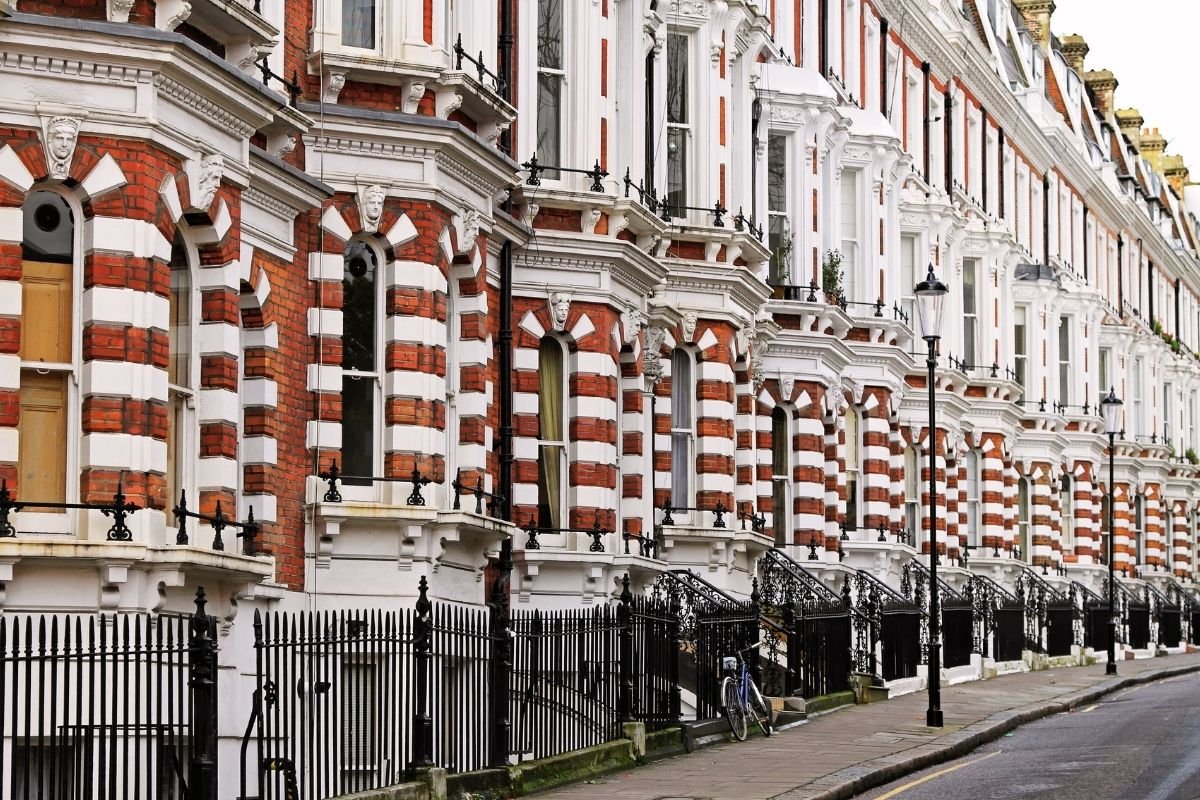
Kensington works for families because it’s structured: parks for resets, museums for daylight plans, and calmer streets that don’t drain you by noon.
Marylebone & Regent’s Park: calm, central, and quietly efficient
Marylebone is one of the best “quiet-central” answers London has—especially for families with older kids who want to explore without being swallowed by crowds.
The area feels like a village with city access. The streets are calmer, the walking is easier, and Regent’s Park becomes a pressure valve on days when the itinerary is too tight. You’re also close to zones that can turn chaotic (Oxford Street, parts of Soho) without having to sleep inside them.
What it gives families: a base that feels adult and calm without being distant. Your returns are easier because the area doesn’t become a loud corridor at night. Your mornings start with less sensory overload.
The honest downside: hotel options can be limited compared with bigger hubs. Also, some “Marylebone” listings stretch the name toward busier edges. Families should book location precisely, not by label.
Who it’s best for: families who want calm but still want quick access to central highlights—especially with kids who are walking (not stroller-bound all day).
Bloomsbury: the underrated family choice that’s calm by design
Bloomsbury is often ignored by flashy lists because it doesn’t “sell a vibe.” That’s exactly why it works.
It’s built around squares and quieter streets, which means it behaves well for families. You can walk without fighting constant crowds, and you’re close enough to major areas that you won’t feel like you live outside the trip.
What it gives families: stability and flexibility. Bloomsbury is where your day can be structured (museums nearby, easy central access) without your nights becoming noisy. It also works well for families who prefer apartment-style stays where space matters more than hotel amenities.
The honest downside: it’s not a “wow” neighborhood in the tourist sense. Also, edges matter: some nearby stations and corridors can get very busy, especially at peak commuting times.
Who it’s best for: families who want a quiet base with strong central reach—and parents who value calm evenings more than nightlife energy (which you don’t want with kids anyway).
Greenwich: the calm upgrade for families who accept a longer ride
Greenwich is not “central,” and pretending it is would be dishonest. But it can be the smartest choice for certain families.
If you’re staying longer (4–7 days) and you want London to feel breathable, Greenwich gives you something the core can’t: space. Parks, wider walking areas, and a calmer night rhythm. Your evenings feel less like you’re navigating a rushing river of people.
What it gives families: a calmer home base where children reset faster. It’s especially strong for multi-generational trips, where the day needs a softer tempo.
The honest downside: you pay with travel time. Your itinerary must be cleaner. Greenwich works when you plan your day in zones (do a cluster of central sights together) rather than bouncing back and forth. If you do “one thing here, one thing there,” the commute becomes the hidden tax.
Who it’s best for: longer stays, families who prioritize calm sleep and open space, and anyone who knows their kids get overstimulated in dense corridors.

Greenwich is not the fastest base. But for longer family trips, the calm and space can protect your mood more than “being central.
Best areas to stay in London for families: the “balanced base” checklist
These areas are not pure calm, but they can still be smart if you choose the right micro-location (side streets, not main roads) and you understand what you’re trading.
Paddington & Bayswater: a transport machine with busy edges
This is a classic family compromise: excellent connectivity, often more hotel inventory, but a street rhythm that can feel busy—especially near the station and main roads.
Why families choose it: simplicity. You can move. You can reach different parts of London without building the trip on transfers. For families, that’s a real advantage. If you want to understand the money side of this (daily caps, passes, and where tourists accidentally overpay), pair this with:
London Public Transport Costs Explained (2026): Daily Caps, Passes & The Mistakes That Cost You.
What to watch for: noise and positioning. A hotel that looks “perfect” can be placed exactly where you don’t want to sleep—right on a loud corridor. The fix is simple: book side streets, not arteries. Paddington can feel calm if your micro-location is calm.
Who it’s best for: families who value transport efficiency and want a practical base, especially if you’re doing day trips or moving around a lot.
Chaos zones: often advertised as “perfect,” often painful for families
Best areas to stay in London for families: why “central” can be the trap
Some areas are fantastic to visit but a mistake to sleep in with kids—unless your children are older, energetic, and you have a very high tolerance for crowds.
Soho, Leicester Square, Covent Garden: central, exciting… and exhausting
These areas sell “maximum convenience.” The reality for families is often maximum friction.
Yes, you’ll be close to many highlights. But you’re also inside dense movement corridors. Pavements are crowded, noise stretches late, and your child’s tired pace becomes a daily obstacle in a world designed for adults moving fast.
The family problem is not safety. It’s survival-by-energy. If your family is fresh and you’re doing a quick 2–3 day trip, it can work. But for most families, sleeping inside chaos zones turns London into a constant performance.
If you’re worried about safety factors (scams, night movement rules, what “feels safe” vs what is just busy), keep this guide in your funnel:
London Safety Guide 2026: Safe Areas, Common Scams & Night Travel Rules.
Quick comparison: best areas to stay in London for families
| Area | Calm Level | Transit Simplicity | Park / Reset Access | Typical Family Base Reality |
|---|---|---|---|---|
| Kensington / South Kensington | High | High | Excellent | Stable, structured, usually pricier—strongest “low-friction” choice |
| Marylebone / Regent’s Park | High | High | Excellent | Quiet-central and efficient—book location precisely |
| Bloomsbury | Medium-High | High | Good | Underrated calm—great for families who value sleep and walkability |
| Greenwich | High | Medium | Excellent | Calm upgrade for longer stays—trade time for space |
| Paddington / Bayswater | Medium | Very High | Good | Works if you avoid noisy corridors—strong for “move a lot” trips |
| Soho / Leicester Sq / Covent Garden | Low | High | Low | Great to visit, often exhausting to sleep in with kids |
Best areas to stay in London for families: match the area to your actual family type
Here’s the part most guides skip: the “best area” changes depending on your children and your rhythm.
If you have toddlers or a stroller-heavy trip: prioritize Kensington/South Kensington, Bloomsbury, or a carefully chosen Marylebone pocket. Your goal is fewer stairs, calmer returns, and quick resets. The trip fails when you can’t get back easily.
If your kids are older (walking all day): Marylebone and Bloomsbury often become the best balance: calm sleep plus fast access. You can visit the chaos zones without living inside them.
If you’re multi-generational: calm is not optional. Kensington and Greenwich are consistently kinder to slower movement. The best family trips are the ones where grandparents aren’t forced into constant stairs and crowd pressure.
If your budget is tight: don’t chase “far cheap.” Chase “balanced.” Paddington/Bayswater can work if you book smart. If you need a reality check on what you truly spend per day (so you don’t let the hotel decision break the whole budget), this is your money anchor:
London Budget Guide 2026: What You REALLY Spend Per Day (Real Numbers).
A practical booking move that prevents the most common family mistake
Families often pick a neighborhood first, then pick any hotel inside it. That’s backward.
Instead: choose two neighborhoods that fit your family type. Then compare hotels by micro-location (side streets, walk to transport, noise exposure), and lock the one that passes the family tests from PART 1.
If you want a simple way to compare stays by neighborhood (and filter for family rooms, elevators, and flexible cancellation), use this link once as your “shortlist builder”:
Search family-friendly London stays by neighborhood.
In PART 3, we’ll turn this into a step-by-step plan: when to book, how to structure days so you don’t commute yourself to exhaustion, the fatal mistakes families still make, a clean funnel to the rest of TripsCity, a practical FAQ, and the full Article schema.
Now you have the neighborhood logic. The last step is turning it into something executable—because families don’t fail in London from lack of effort. They fail from tiny daily friction that stacks until the trip feels heavier than it should.
So PART 3 is not another “area list.” It’s a plan: what to do, when to do it, and how to stop London from turning your family days into constant repairs.
Best areas to stay in London for families: the 10-minute rule
If you remember only one thing from this entire guide, make it this:
Your family base should deliver you into movement within 10 minutes.
This is the simplest way to identify the best areas to stay in London for families: they start movement fast and make returns easy when everyone is tired.
Not “10 minutes to the city.” Ten minutes to real motion: out the door, onto the bus/tube, or walking toward your first anchor, without stairs drama, maze-like corridors, or a long fight through crowds.
This rule is why the calm zones win for families. Kensington/South Kensington, Marylebone/Regent’s Park, and Bloomsbury don’t just look nice—they start clean and return clean. That’s what protects your mood.
The practical family plan (what to do, when, and how)
Best areas to stay in London for families: the booking sequence that saves your week
Step 1: Choose your dates like a strategist (not like a dreamer)
London doesn’t have one “busy season.” It has family pressure weeks. The city becomes more crowded—and family logistics become harder—around school holiday windows and peak summer travel.
In 2026, if you can avoid it, don’t aim your first family London trip at the weeks that naturally pull in UK families: mid-February half-term, late March/early April Easter break, late May half-term, and late July through August. If those dates are your only option, don’t panic—just book earlier and simplify your itinerary. A calm base matters even more in those weeks.
If you’re trying to protect budget and calm at the same time, the easiest “family-smart” choices are often early June (before summer peak fully hits) or September (after the most intense summer pressure eases). The city still works, but the friction drops.
Step 2: Pick two “candidate bases,” not ten
Families waste time and energy searching endlessly. London listings are endless—and that endlessness creates bad decisions.
Instead, choose two areas based on your family type:
Option A (Calm-first): Kensington/South Kensington, Marylebone, Bloomsbury, Greenwich.
Option B (Balance): Paddington/Bayswater (only if you book the micro-location correctly).
Then you shortlist stays only inside those two. This is how you keep the planning process from turning into a second job.
Step 3: Micro-location checks that actually matter for families
Neighborhood names are marketing. Families need logistics.
Check 1: Step-free reality. “Near the Tube” means nothing if you are carrying a stroller down stairs daily. London has step-free improvements, but not everywhere, and not in every direction. Before you book, check whether your likely station and route can be done step-free when needed:
TfL step-free access (official).
Check 2: Noise exposure. A family room on a main road is not a base—it’s a nightly recovery problem. Look for side streets, not arteries. Photos won’t tell you that; maps and reviews will.
Check 3: Park proximity. Your park is your pressure valve. If there’s no reset space within a short walk, the day becomes fragile.
Check 4: Room physics. Families don’t need “luxury.” They need function: enough space to move, a lift that works, and a layout that doesn’t turn bedtime into chaos.

For families, a nearby park is not “nice.” It’s the reset tool that stops one bad moment from poisoning the rest of the day.
Step 4: Build a transport setup that reduces daily friction
London’s pay-as-you-go system is powerful for tourists because of daily and weekly caps—if you use it correctly. But families should also understand the daily rhythm: caps are calculated on a transport day that runs from early morning into the next day, not midnight-to-midnight. That matters if you move early and return late.
For family movement, the simplest approach is usually:
– Use contactless/Oyster for adults.
– Use buses more than you think. Buses are often kinder with kids than deep station corridors, especially when you’re tired and you need fewer stairs. (And in 2026, buses remain one of the most predictable ways to “keep moving” without platform stress.)
If you want the full TripsCity breakdown of how the system behaves and how tourists accidentally overpay, keep these two guides in your funnel as you plan your days:
How to Get Around London (2026): Tube, Buses, Oyster & Contactless
and
London Public Transport Costs Explained (2026): Daily Caps, Passes & Mistakes.
Step 5: A family day structure that prevents “collapse by afternoon”
Families should not plan London like adults do. Adults plan “attractions.” Families plan energy.
The stable London family day usually has three pieces:
Piece 1: One morning anchor. Something structured and reliable—museum, landmark, timed entry, or a clear route that starts the day clean.
Piece 2: A midday reset. Park time, hotel break, or a slow lunch that isn’t a battle. If you skip this consistently, the trip doesn’t just get “busy.” It gets unstable.
Piece 3: A flexible afternoon. The afternoon is where you keep the day from breaking. Don’t stack timed commitments late unless your kids are older and proven.
On rainy days (which London will deliver), families often do better with a “moving shelter” strategy rather than forcing long outdoor walks. One useful fallback is a hop-on/hop-off route that lets the family keep seeing the city without constant transit negotiations:
Big Bus style city route tickets (family-friendly fallback).
Best areas to stay in London for families on a budget (without commuting your trip away)
Budget families make one mistake more than any other: they pick a “cheap” base that turns the entire trip into commuting.
A better budget strategy is not “farther.” It’s “smarter.” Here’s what usually works:
1) Choose a balanced base with strong connectivity. Paddington/Bayswater can work—if you avoid noisy corridors and you book the micro-location precisely (side streets, not main roads).
2) Travel in calmer windows. If you can avoid the biggest school holiday pressure weeks and peak summer, your accommodation choices improve and your stress drops.
3) Keep your ‘paid anchors’ limited. Families don’t need to pay for everything. They need to pay for stability—one or two timed-entry anchors that stop the day from becoming fragile, not a paid marathon.
If you want the honest numbers view for family budgeting (what you truly spend per day, and where tourists bleed money without noticing), keep this as your decision tool:
London Budget Guide 2026: What You REALLY Spend Per Day
and the bigger cost reality check here:
Is London Expensive for Tourists in 2026? The Honest Cost Reality.

For many families, buses are the quiet cheat code: fewer stairs, easier stops, and less station maze stress—especially when everyone is tired.
Calm vs chaos by traveler type (so you don’t copy the wrong advice)
Couples: Couples can sleep closer to the buzz because they can recover faster and move faster. What’s “fun energy” for a couple can be “sensory overload” for a family. Couples can also handle late returns without the same fragility. For them, chaos zones can be a choice. For families, it’s often a trap.
Families: Families need calm returns. The day doesn’t break at the attraction; it breaks in the transitions. Families should bias toward areas that reduce daily friction even if the hotel costs a bit more—because the trip feels bigger when movement is clean.
Budget backpackers: Backpackers can tolerate distance and complexity because they’re flexible and they don’t collapse at 19:30. A backpacker can accept “far but cheap.” A family usually can’t—because you will pay the cost in energy, taxis, and lost daylight.
Comfort seekers: Comfort seekers should treat London like a “base city,” not a “sprint city.” You’re paying to remove friction: quiet sleep, clean transport access, and predictable mornings. That points you to the calm zones and to booking earlier—especially in peak periods.
Fatal mistakes families still make (even after reading guides)
Mistake 1: Booking the area, not the exact position.
“Paddington” can mean calm side streets—or it can mean sleeping inside a corridor of noise and constant movement. Families need micro-location precision.
Mistake 2: Ignoring step-free reality.
A stroller and stairs turn “simple” into “daily battle.” Check step-free access and route logic before you commit—especially if you’ll be moving at tired times.
Mistake 3: Over-planning afternoons.
If you stack timed entries after lunch with young kids, you create a fragile day. London punishes fragile days. Keep afternoons flexible unless your kids are older and proven.
Mistake 4: Letting logistics fail you on day one.
The first day is where families lose the trip: airport exhaustion, early check-in uncertainty, luggage dragging, hungry kids. Solve day one and the rest becomes easier.
Two practical tools that protect day one:
– A clean airport-to-hotel move when the family is tired:
Pre-book a simple airport transfer (family-friendly arrival).
– Luggage storage if you arrive before check-in and want to start the day without dragging bags:
Store luggage near your area for a clean first afternoon.
And one more thing families underestimate: phone reliability. When your map dies, London gets harder fast. A working data plan is not “tech.” It’s navigation stability:
UK eSIM options for reliable navigation.
Funnels: what to read next on TripsCity (so the plan stays coherent)
If you want London to feel easy, don’t read random guides. Build a funnel:
1) City logic first: Complete Travel Guide to London 2026
2) Movement system: How to Get Around London (2026)
3) Money reality: London Budget Guide 2026 + Is London Expensive in 2026?
4) Safety clarity: London Safety Guide 2026
5) Broader base strategy: Where to Stay in London (2026)
6) If it’s your first trip overall: Best Areas to Stay in London for First-Time Visitors (2026)
The direct decision (no sugarcoating)
If you’re traveling with toddlers, a stroller, or a child who gets overwhelmed easily: choose a calm zone even if it costs more. Kensington/South Kensington and Bloomsbury are the safest “low-friction” bets. You are not paying for luxury—you’re paying for a trip that doesn’t collapse by day three.
If your kids are older and you want calm while staying central: Marylebone/Regent’s Park is one of the smartest compromises London offers.
If your budget is tight: don’t run far out. Choose a balanced base like Paddington/Bayswater and book the micro-location correctly. A “good deal” on the wrong road is not a deal for families.
If you’re staying longer and you want London to feel breathable: Greenwich can be a calm upgrade—if you plan your days in zones and don’t bounce back and forth constantly.
This is the TripsCity rule: London rewards families who remove friction first. Choose calm. Then build your days around energy. That’s how London becomes enjoyable instead of exhausting.
FAQ: best areas to stay in London for families
1) What is the best area to stay in London for families with toddlers?
Prioritize calm zones with easy resets and simpler movement: Kensington/South Kensington, Bloomsbury, or a quiet Marylebone pocket. Toddlers don’t tolerate friction—so you need a base that starts clean and returns clean.
2) Is it worth paying more to stay “central” with kids?
It’s worth paying more to stay simple. Some central zones are calm; some are chaos. If you pay for central but sleep inside a noisy corridor or face daily stairs drama, you didn’t buy convenience—you bought friction.
3) Is Greenwich too far for a family trip?
It can be perfect for longer stays if you plan in zones (do central sights in clusters). It becomes painful if you try to bounce back and forth multiple times per day.
4) What’s the easiest way to avoid stairs on London transport?
Use buses more often, and check step-free access for your likely stations and routes before booking your hotel. Step-free reality is what changes the daily experience for stroller families.
5) How do we stop day one from ruining the trip?
Pre-plan arrival logistics: a clean transfer option, a luggage storage fallback if you arrive early, and reliable mobile data so navigation never dies when you’re tired.