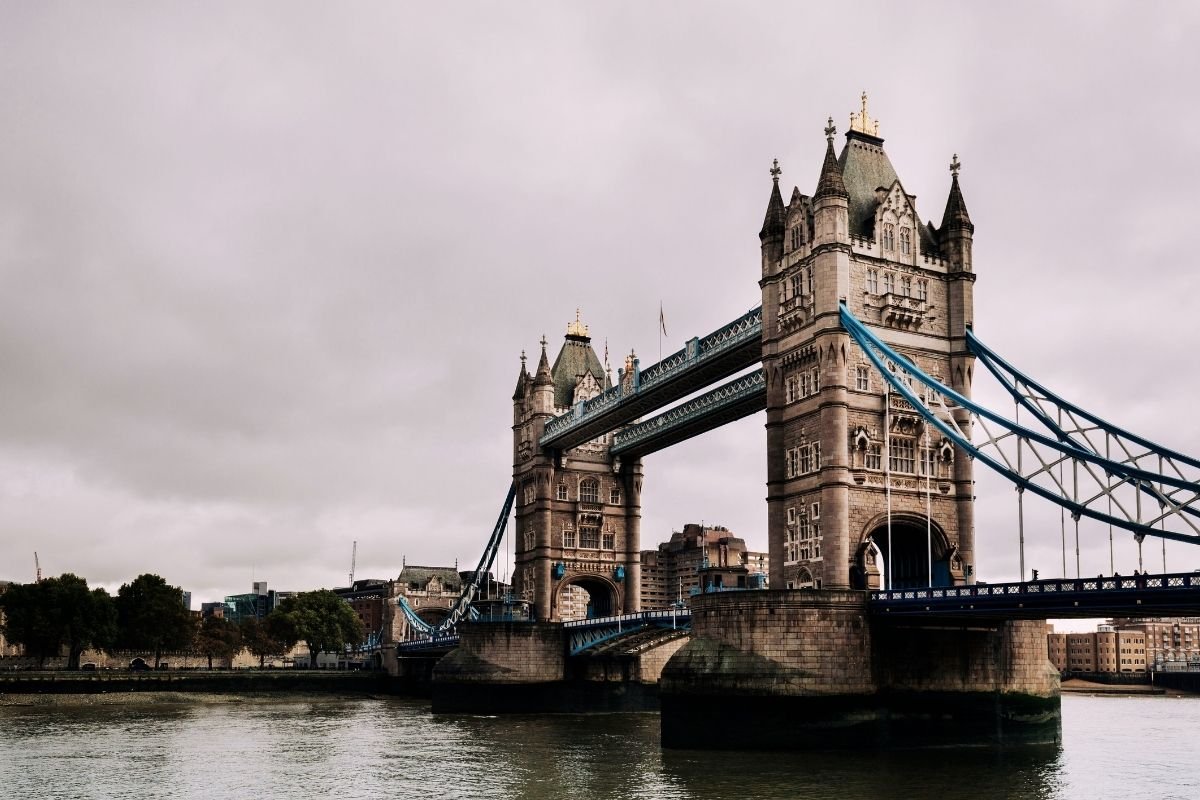
London doesn’t ruin trips with one big failure. It ruins them with friction: grey skies that kill momentum at 3:45pm, queues that turn “one museum” into half a day, and peak-season costs that don’t just hit your hotel—they hit every decision you make after you’re already tired.
So this guide is TripsCity-style on purpose. We’re not ranking months like a postcard. We’re judging months by what travelers actually feel in real life: daylight, crowd pressure, price pressure, and how forgiving London is when you’re not operating at 100%.
Official UK weather averages (Met Office)
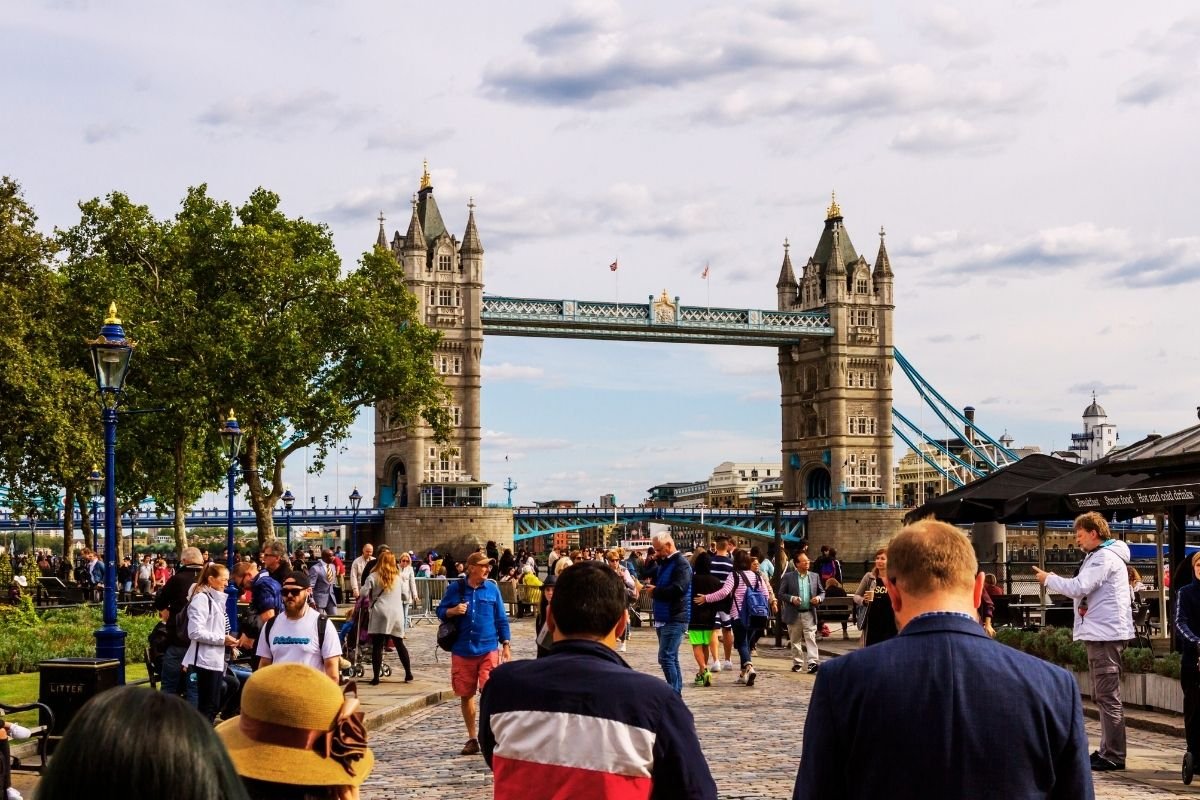
London doesn’t “feel better” because a month is famous. It feels better when daylight, crowds, and pace stop fighting you.
Best Time to Visit London 2026: the weather truth (it’s not the rain)
Rain is not the main problem in London. The real problem is what rain does to your day: it compresses your walking, pushes you indoors, and makes every indoor place feel more crowded because everyone has the same idea at the same time.
But even more important than rain is daylight. Short days shrink your energy. They shrink your “buffer.” When the sky goes dark early, you start rushing, skipping neighborhoods, and making faster choices. Faster choices are where you overspend without noticing.
That’s why two months can have similar temperatures but totally different travel outcomes. One feels calm and walkable. The other feels like you’re constantly chasing daylight and repairing the plan.
Best Time to Visit London 2026: why crowds decide everything
In London, crowds don’t just mean “busy.” Crowds change the entire shape of your day. They add friction at every layer: station exits, sidewalks, security lines, timed-entry slots, and even the simple act of finding a place to sit and reset.
When crowd pressure rises, London becomes less forgiving. You miss one slot and suddenly your schedule collapses into a string of improvisations. And improvisation is expensive in London—not because you’re irresponsible, but because the “quick fix” is usually paid: a faster option, a last-minute ticket, a longer ride, a more expensive location.
This is why the best months are not always the warmest. The best months are the ones where London stops resisting your movement.
Best Time to Visit London 2026: why costs rise twice
Most people think London costs are “hotel + flights.” That’s only the first layer.
The second layer is what happens once you’re there: peak-season pricing that quietly multiplies your daily spending because you’re constantly paying for relief. Relief looks like: choosing a closer option because you’re exhausted, buying a timed entry because queues are brutal, taking a longer ride because walking feels unpleasant, or selecting a “safe” choice because every place feels packed.
So when we talk about costs in this guide, we’re not only talking about the price tags. We’re talking about how likely a month is to force you into repair spending.
Best Time to Visit London 2026: the TripsCity decision filter (use this before you pick a month)
Instead of asking “What is the best month?”, ask the sharper question:
Which version of London do I need?
If you’re a first-timer doing iconic landmarks, you need a month that protects your time windows and reduces queue damage.
If you’re a repeat visitor chasing neighborhoods and walks, you need a month that protects your movement and keeps the city breathable.
If you’re budget-driven, you need a month where prices don’t force you into panic decisions. Because the cheapest month on paper can become expensive if it makes you tired and reactive.
This is the TripsCity filter we’ll use across the whole article:
1) Daylight advantage (how long the city stays usable without rushing)
2) Crowd pressure (how much friction your plan will face)
3) Price pressure (how often you’ll pay more just to keep the day stable)
4) Forgiveness (how well London tolerates mistakes in that month)
The month people misjudge (and why they get it wrong)
Most travelers misjudge one month because they choose it emotionally.
They assume it will be “quiet,” “cheap,” or “manageable,” and they don’t realize London can feel dramatically different depending on daylight, weather behavior, and crowd timing—even when the city looks similar in photos.
The result is a trip that technically works, but feels heavier than it should. Short days remove your buffer. Indoor crowding rises. And the city starts pushing you into paid shortcuts just to keep the plan alive.
Best Time to Visit London 2026: the month most people misjudge is November
November is the classic misjudged month because it sits in a psychological trap: travelers think “after summer, before the holidays” must mean calm.
Sometimes it is calmer. But November also brings two hidden punishments: early darkness and a higher likelihood that your day becomes an indoor day. Indoor London is where crowds concentrate and time disappears—museums, markets, stations, corridors, and queues that move slower than you expect.
And when your day becomes indoor-heavy, you lose walking flexibility. You stop “flowing” through neighborhoods. You start moving in chunks—and chunk-based travel is where small mistakes become expensive: wrong entrances, missed slots, extra rides, and the “let’s just do the easy option” spending that quietly breaks budgets.
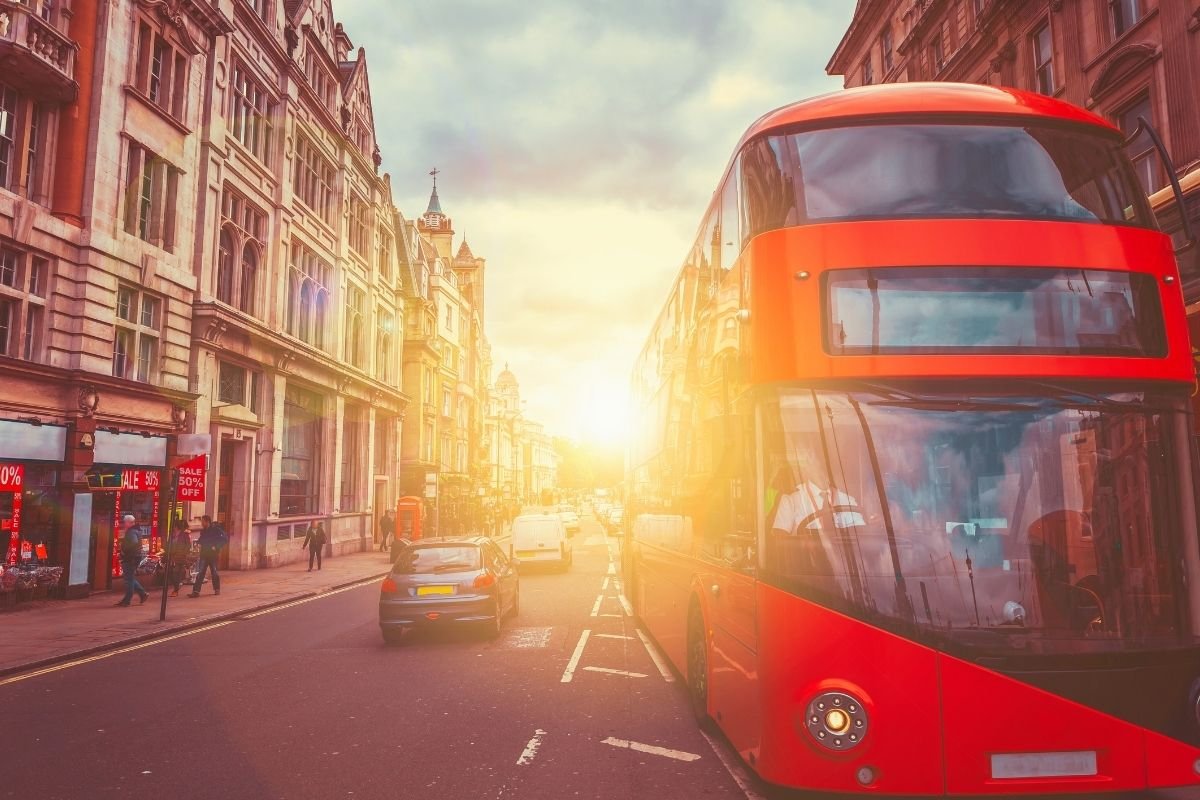
November can look “quiet” on paper, but short daylight and indoor compression are what make it a month many travelers misread.
What this guide will do (so you don’t pick the wrong London)
This isn’t a generic “month ranking.” It’s a practical framework you can use based on your travel style. We’ll show you which months are best for iconic first-time sightseeing, which months are best for calm walking and neighborhoods, which months protect budgets without forcing fatigue, and which months tend to backfire because London becomes less forgiving.
In PART 2, we’ll go month-by-month and translate the filter into real choices: which months win for weather behavior, which months win for crowds, which months win for costs, and which months are quietly a trap depending on your travel style.
Now PART 2 is the month-by-month reality. Not a brochure ranking—an honest read of what London feels like when you’re actually moving through it: walking, transferring, queuing, resetting, and trying to keep the day intact.
Best Time to Visit London 2026: January–February (the calmest city, but you pay with daylight)
January and February are when London often becomes its calmest version. You feel it in the sidewalks, the museum entrances, and the pace of the city. If your travel style is “slow and structured,” these months can be a hidden win—especially if you hate peak-season pressure.
The trade-off is simple: you pay with daylight. Short days don’t just reduce sightseeing time. They change your psychology. They push you into earlier decisions. They make you rush “because it’s getting dark,” and rushing is where mistakes happen—wrong exits, missed connections, and the subtle overspending that comes from choosing whatever feels easiest when you’re tired.
These months are best for travelers who can accept a tighter day and build warmth and indoor anchors into the rhythm: museums, neighborhoods that work in shorter walking loops, and a plan that doesn’t depend on long outdoor days.
What wins in January–February
London feels lighter in crowd pressure, which means your day becomes more predictable. Predictability is budget-friendly—not because things are cheap, but because you stop paying for relief. The city is less likely to push you into last-minute upgrades just to keep the plan alive.
What backfires in January–February
If you came to London for long, cinematic walking days and late outdoor exploration, you’ll feel constrained. The city can still be beautiful, but the day closes faster than most first-timers expect. If your plan is too ambitious, you’ll end up compressing it—and compression creates friction.
March–April (the “it starts working again” season)
March and April are when London begins to reopen emotionally. Not just because of temperature, but because your days become more usable. Daylight stretches, walking feels less punishing, and the city starts giving you more buffer again.
These months are often excellent for first-time visitors who want a strong balance: not peak crowds, not peak prices, and the winter daylight squeeze. April can start getting busier depending on school breaks and holiday timing, but the overall travel experience often feels smoother than winter because you can recover outdoors. Outdoor recovery is what keeps London from turning into an “indoor queue city.”
London in early spring rewards travelers who like structured days but still want freedom. You can plan anchors without your whole trip becoming timed-entry survival.
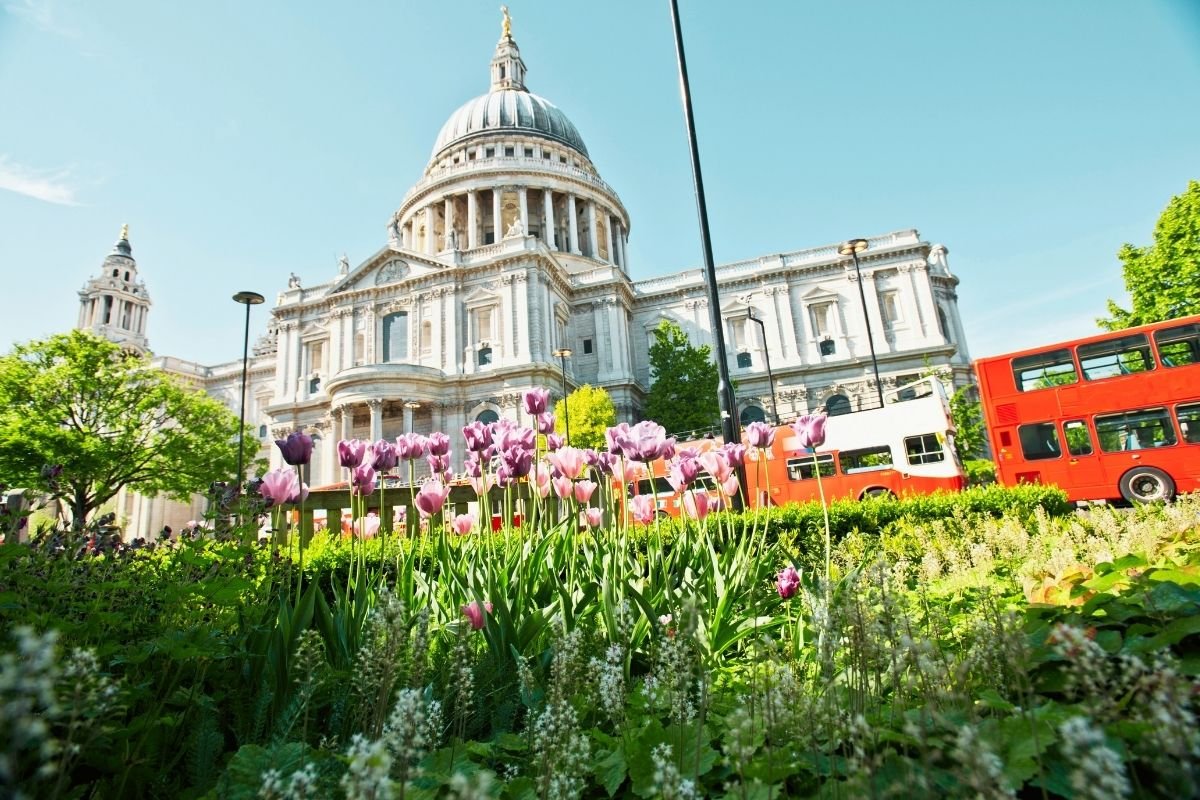
Spring is when London becomes more forgiving: longer days, better walking rhythm, and fewer “indoor compression” traps.
What wins in March–April
Your buffer returns. You can walk between clusters without feeling like you’re wasting the day. That one change reduces the probability of repair spending—because you’re less likely to panic-buy convenience when your plan slips.
What backfires in March–April
If you assume it’s “quiet season,” you can get surprised by pockets of pressure around holidays and school breaks. The month itself isn’t a trap—the trap is arriving unprepared for a few high-pressure weeks inside it.
May–June (the best rhythm for most travelers—until it starts getting too popular)
For many travel styles, May and June are where London feels like it’s finally in its natural operating mode: long usable days, comfortable walking, and a city that rewards exploration instead of punishing it.
This is the season where neighborhoods become the main attraction, not just the landmarks. You can build days around walking loops and still have energy. You can reset in parks or on calmer streets without your plan collapsing into “we must go inside.”
But the warning is real: the better London feels, the more people want it. June can begin shifting toward higher crowd pressure, especially in late June. It’s not peak-summer brutal yet, but it’s no longer “calm.” You start seeing the early versions of the summer problems: fuller trains, more timed-entry competition, and higher accommodation pressure.
What wins in May–June
These months are often the best for travelers who want a balanced trip: iconic sights plus neighborhoods, walking plus a few major indoor anchors, structure plus flexibility.
What backfires in May–June
If you book late, you get punished. Not always by outrageous prices, but by losing the stays that make London easy: the calm streets near clean transport links. Late booking pushes you toward friction bases, and friction bases turn good seasons into tiring seasons.
July–August (London at maximum pressure: long days, but higher friction everywhere)
July and August give you the biggest daylight advantage. If you only look at weather and daylight, they can seem like the “best time” by default. But London in high summer has a different cost: pressure.
Pressure shows up everywhere: crowds that slow entrances, transport that feels packed more often, and the subtle exhaustion of constantly being surrounded. Even when you’re doing the same attractions, they behave differently under peak pressure. The city becomes less forgiving, and your timing has less margin for error.
This doesn’t mean summer is “bad.” It means summer requires a stronger strategy: earlier starts, more pre-booked anchors, and more discipline about staying in zones so you don’t commute your own trip away.
If you want London to feel easy in summer, you must plan as if the city will resist you a little—and you must protect your energy. Energy loss is what turns a good summer day into a spending day.
What wins in July–August
Long days and maximum outdoor usability. For travelers who love parks, walking, and late daylight, this can be the most visually rewarding season.
What backfires in July–August
Anything vague. Vague plans get crushed by crowds. If you’re improvising everything day by day, summer London will push you toward paid fixes because the “easy option” is often the only option left.
September (the quiet power month)
September is one of the strongest London months because it often combines what travelers actually want: usable days, better walking comfort than high summer, and crowd pressure that starts to loosen.
It’s not empty. It’s not “off.” It’s just less chaotic than peak summer while still giving you daylight and outdoor rhythm. For many visitors, this month is where London feels most “adult”: the city still works at full capacity, but you’re not fighting it as hard.
September is especially good for travelers who want to do iconic highlights without peak pressure, and for people who want neighborhoods and long walking loops without feeling punished by weather.
October (beautiful, structured, and quietly risky if you underestimate the shift)
October can be a fantastic London month, but it rewards the right traveler and punishes the wrong expectations.
What makes October special is not just the atmosphere—it’s the rhythm. The city often becomes more structured again. Walking is still strong, crowds are often more manageable than summer, and you can build stable days without constant queue warfare.
The risk is the shift: daylight begins tightening and weather becomes less predictable. If you planned October like summer—late starts, long outdoor days, endless wandering—you’ll feel the squeeze. If you plan October like a disciplined traveler—anchors, walking clusters, and earlier starts—it can feel excellent.
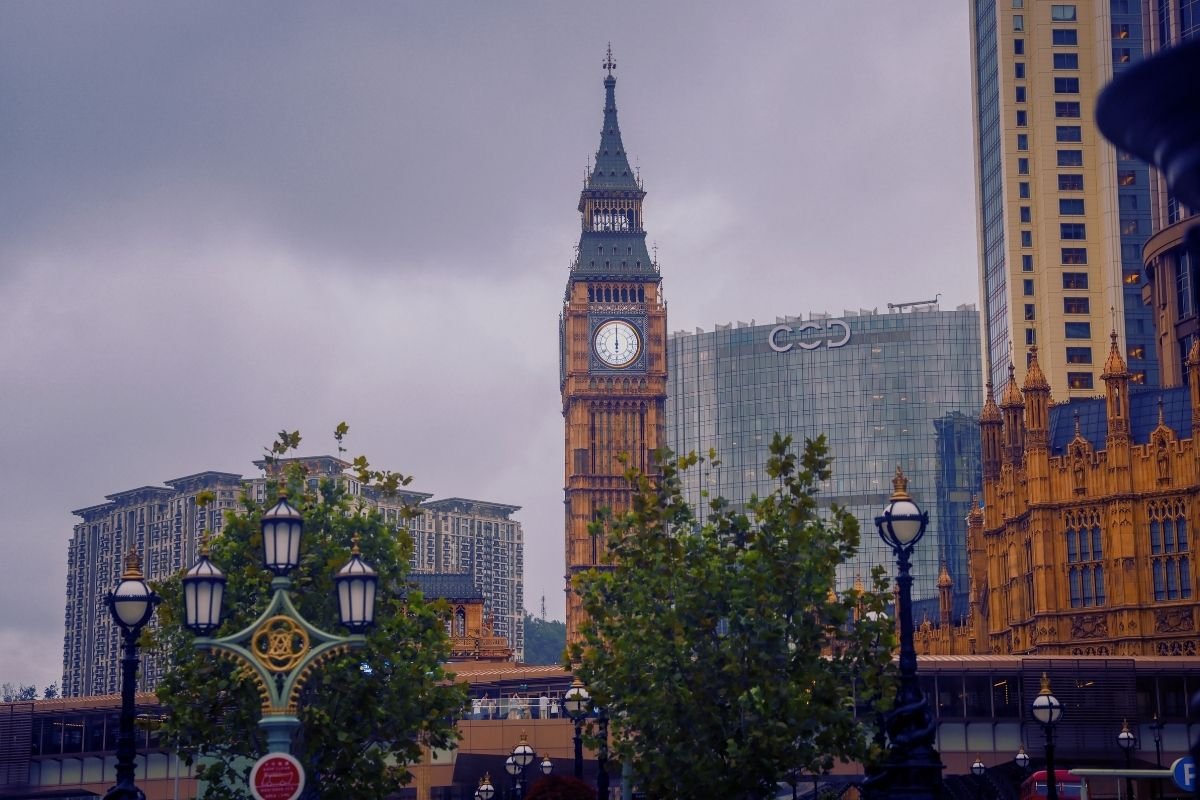
October can feel like a perfect London month—if you plan for the shift in daylight and avoid treating it like summer.
November (the month most people misjudge, because the city compresses)
November is not “bad.” It’s just easy to misread.
When daylight becomes short and weather nudges you indoors, London compresses. Compression means you spend more time in places where time disappears: corridors, stations, indoor attractions, queues that move slower than expected. Your day becomes less fluid. And when your day becomes less fluid, you make faster decisions to keep it alive.
That is where November creates unexpected cost and fatigue. Not because prices always explode, but because the city becomes less forgiving when your plan is vague.
For travelers who love museums, structured days, and early starts, November can still work. But if you wanted a wandering, outdoor-heavy trip, November is the month that often disappoints quietly.
December (magical atmosphere, but your trip becomes timing-dependent)
December is one of the most emotionally attractive months to visit London. The city looks cinematic, and the atmosphere feels like a destination by itself. But the trade-off is real: crowd pockets rise, prices rise in key windows, and your day becomes more dependent on timing.
December rewards travelers who plan anchor moments and keep the rest flexible. It punishes travelers who try to “do everything” under short daylight and seasonal pressure. If you treat December like a normal month, you’ll spend more time repairing the plan.
In PART 3, we’ll turn this into clean decisions: the best months for different traveler types (first-timers, budget travelers, families, slow travelers), the month-by-month “what actually wins” summary, and a practical plan for choosing your dates without regret.
Most people choose dates emotionally. Then London makes them pay for it in friction: queues that steal daylight, transport that feels heavier, and “repair spending” that shows up when the plan collapses and you start buying convenience.
This is how you avoid that.
Best Time to Visit London 2026: the only decision ladder that works
If you want a clean answer without overthinking, use this ladder. It’s simple, but it matches real travel behavior:
Step 1: Decide if you want forgiving days or calmer crowds.
If you want forgiving days (long daylight, easy walking, a city that absorbs mistakes), you’re leaning toward late spring, early summer, or September.
If you want calmer crowds (less pressure, fewer queues, less “fight” in the city), you’re leaning toward deep winter and shoulder season windows.
Step 2: Decide how much you hate friction.
Some travelers can tolerate pressure if the weather is good. Others can’t. If you hate friction, avoid peak-summer London unless you’re willing to plan like a disciplined traveler.
Step 3: Decide your budget sensitivity.
Budget travelers don’t lose money only on prices—they lose money on fatigue. If your budget is tight, you should choose months where the city is less likely to force paid fixes.
This is why the “best month” is different for different people. Your best month is the month where London behaves in a way your travel style can handle.
Best Time to Visit London 2026: what actually wins for each traveler type
First-time visitors (want London to feel easy)
The best first-time months are usually the ones where London is both usable and forgiving: enough daylight to recover from mistakes, and enough calm to avoid constant queue warfare.
For many first-timers, that sweet spot is often March–May or September. You get a city that still feels alive, but not at maximum pressure. Your days stay stable, and stability is what keeps the trip enjoyable.
First-timers who visit in peak summer can still have an amazing trip—but only if they plan anchors early and stop treating London like a city you casually improvise.
Budget travelers (want costs to stay controlled, not just “cheap”)
Budget travelers should avoid months where London forces repairs. The cheapest month is not always the best budget month if it compresses your days and pushes you into paid fixes.
Often, the strongest budget windows are the ones with lower pressure but still workable day rhythm: March, parts of April (depending on school breaks), and early autumn. Deep winter can also work if you travel in an indoor-friendly way and accept short days.
If you want to control spending across the entire trip (not just accommodation), your base choice matters as much as your dates—because a friction base turns any month into an expensive month:
Where to Stay in London on a Budget (2026): What Works, What Backfires.
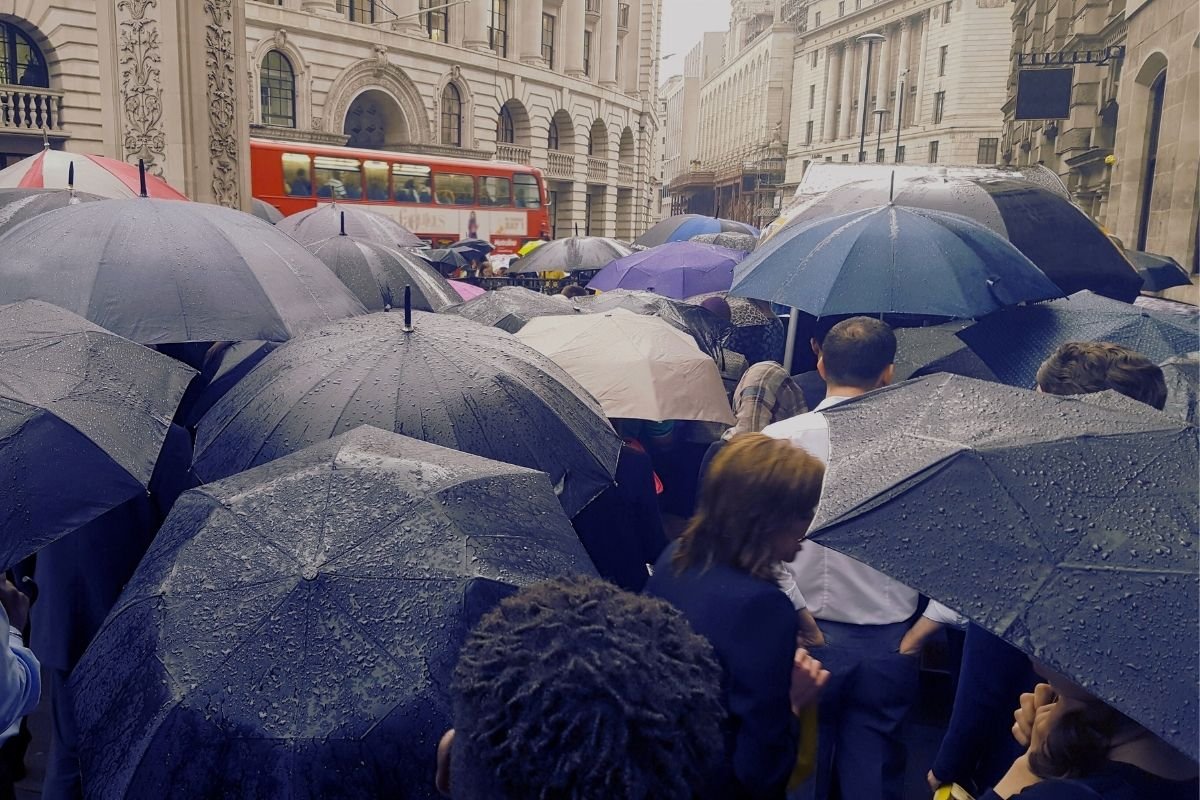
When crowds rise, your day becomes timing-dependent. Timing dependence is where trips start bleeding money in “repairs.”
Families (need stability, not peak excitement)
Families don’t just pay with money—they pay with mood. And London can drain a family day fast when the plan becomes corridor-heavy and crowded.
Families usually do best when the city is forgiving: enough daylight, manageable pressure, and weather that doesn’t force constant indoor compression. Many families find late spring and early autumn the easiest rhythm months.
Peak summer can work if you plan like a professional—early starts, fewer daily moves, and more structured “zones.” But if the family plan is vague, summer London becomes exhausting fast.
Slow travelers (want walking, neighborhoods, and “London mood”)
If your London dream is neighborhoods, long walks, and days that feel open, you want months where walking feels natural and daylight stays usable.
That’s why slow travelers often love May–June and September. London feels like a walking city again, not a queue puzzle. Your day has room to breathe.
Short stays (2–4 days, want maximum efficiency)
Short stays need predictability. You don’t have enough days to “recover” from mistakes. If your trip is short, you should prioritize months where the city is less likely to steal your time through pressure and compression.
That often means March–May or September–October. These windows tend to give you a strong balance: usable days without peak-summer resistance.
Best Time to Visit London 2026: the month most people misjudge (and the rule that fixes it)
The most commonly misjudged period is not a single date—it’s the compression season, when people assume “it’s off-season so it’ll be easy.”
But off-season London can be harder in a different way: short daylight, more indoor clustering, and a day rhythm that collapses if you start late or plan too much.
The rule that fixes it is simple:
In short-day months, your plan must start earlier and cluster tighter.
If you do that, winter and late autumn can be calm and excellent. If you don’t, those months feel like the city is stealing time.

Short-day months aren’t “bad.” They just demand earlier starts and tighter clusters—otherwise the day compresses and feels like it disappears.
Practical picks (if you want a clean answer fast)
If you want a simple way to choose without second-guessing, these are the patterns most travelers actually experience:
Best overall balance for most people: late spring or September (forgiving days + manageable pressure).
Best for calm + lower crowd pressure: January–February (if you accept short daylight and plan indoor anchors).
Best for maximum daylight and outdoor rhythm: May–June (with rising pressure as you approach summer).
Best if you love atmosphere and can handle timing dependence: December (but your plan must be structured).
FAQ (Practical, No-Fluff)
1) What is the best time to visit London 2026 for first-time visitors?
For many first-timers, the best time to visit London 2026 is a forgiving balance month—when daylight is usable and crowd pressure is not extreme. That often means spring shoulder windows or early autumn.
2) What is the cheapest time to visit London 2026?
Cheaper periods often exist in deep winter, but “cheapest” can backfire if short daylight and indoor compression force repair spending. The best budget month is the one where the city stays stable for your travel rhythm.
3) When are crowds worst in London?
Crowd pressure is often highest in peak summer windows and popular holiday periods. Higher pressure means more timing dependence, which is where trips lose time and start buying convenience.
4) What month do most people misjudge?
Many travelers misjudge short-day months and assume “off-season” automatically means easy. In reality, short daylight compresses the day and rewards earlier starts and tighter clusters.
5) Is September a good time to visit London?
For many travel styles, yes—because it often combines usable days with reduced peak-summer pressure. It tends to feel calmer while still giving you strong walking rhythm.