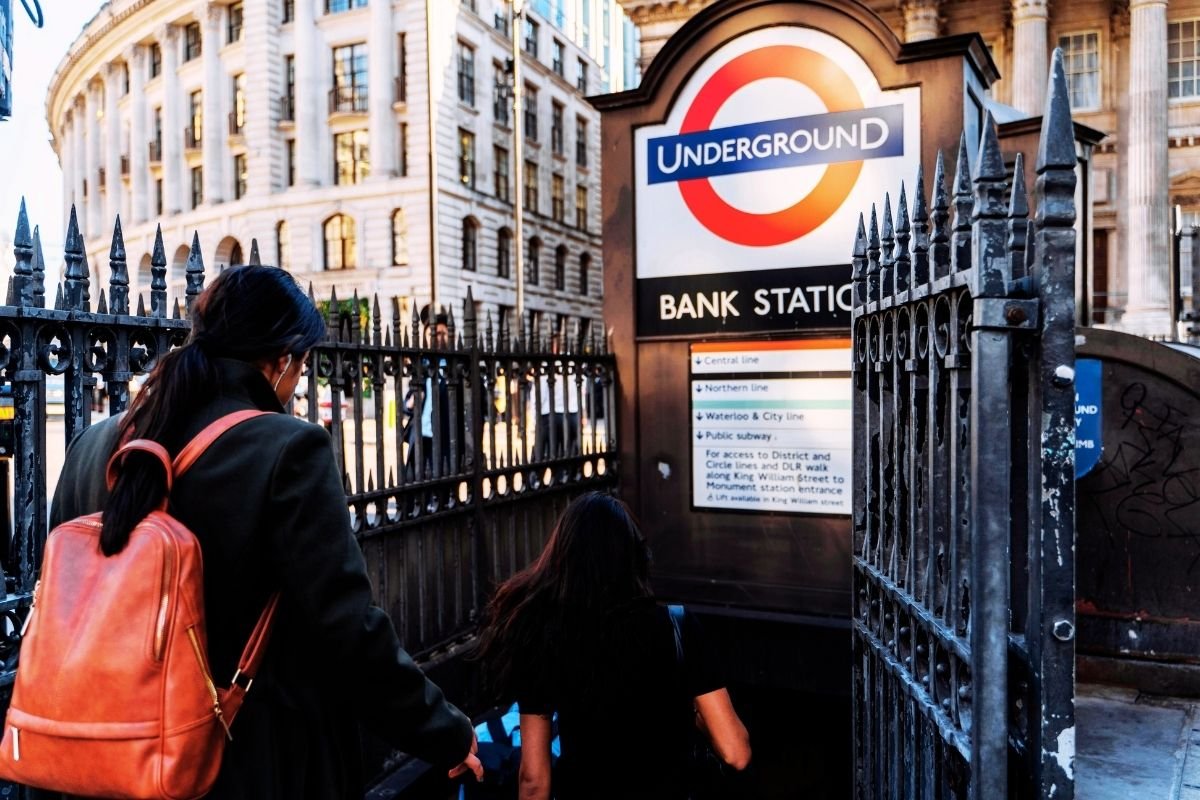
People don’t come to London looking for a “cheap room.”
They come looking for a cheap base—and there’s a difference.
A cheap room is a number on a booking page. A cheap base is what happens after you land: when you’re tired, the map feels bigger than it should, and London starts charging you in a currency you didn’t budget for—time.
This is why this keyword exists: cheap areas to stay in London for tourists. You’re not trying to “win” London. You’re trying to stop the city from turning every day into a repair job. And if you want the bigger London logic behind that—how the city works, where people lose time, and why vague plans get punished—start with
Complete Travel Guide to London 2026: The City That Punishes Vague Plans.
Important note: “Cheap” in London rarely means “central.” It usually means connected. Some areas in this guide are not the absolute cheapest on the map—but they’re the cheapest bases that still protect your day. That’s the difference between saving money and paying it back in time.
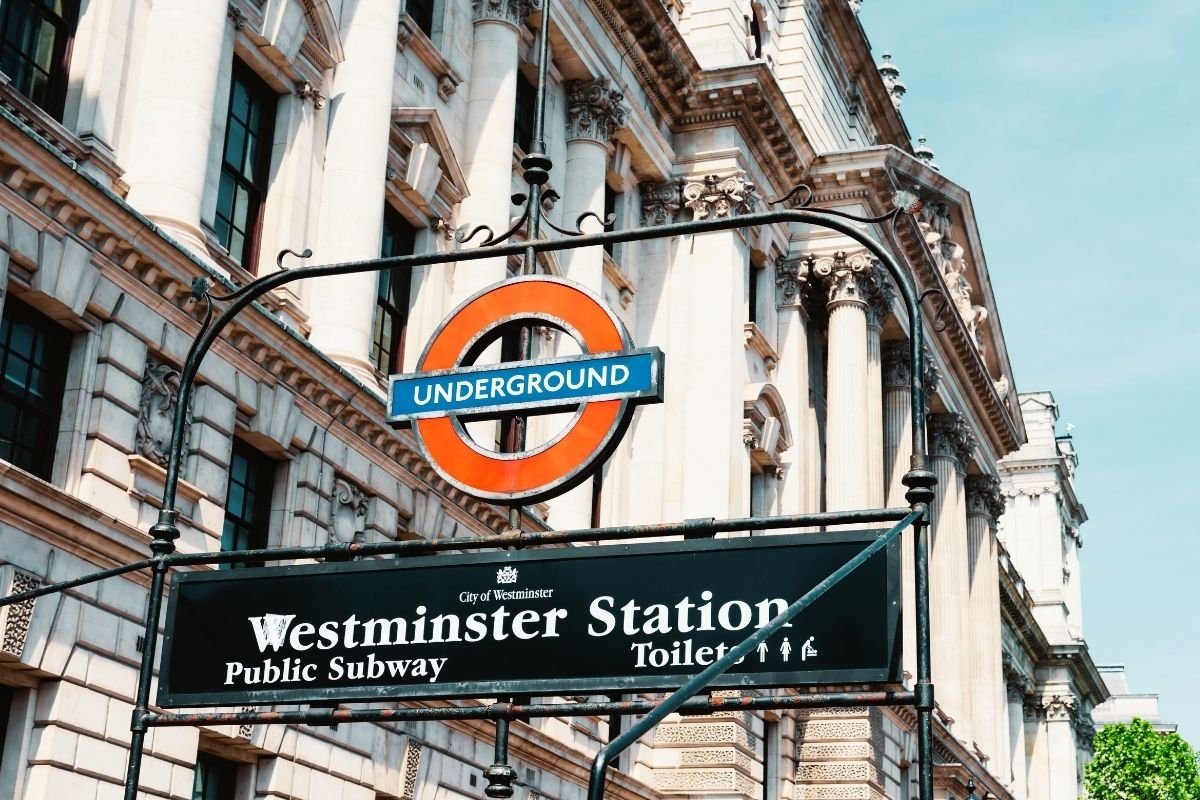
London is a station city: your real address is the nearest Tube/rail station, not the neighborhood name.
So this guide is built for the real tourist question:
- Where can I stay cheaper than central London… without making my day commute-heavy, confusing, or exhausting?
Who Searches This (and What They Really Want)
If you typed this into Google, you’re usually one of these people:
- First-time visitors who want London to feel simple, not technical.
- Budget travelers who can spend—but only if it’s worth it.
- Couples / solo travelers who want clean, quiet sleep and fast mornings.
- Families who need space and predictable transport, not surprises.
And you’re usually trying to avoid five traps:
- “Cheap” that is actually far. You save money, then pay it back in time and fatigue.
- Awkward transport. Too many line changes or long station walks.
- Noisy sleep. You lose the trip because you lose the nights.
- Low-quality rooms. Small issues that become daily problems.
- Hidden friction. The little inconveniences that stack up every single day.
In London, the biggest budget killer isn’t the ticket price—it’s the small daily mistakes: the wrong exit, the extra change, the “near station” lie that turns into a long walk.
The Rule That Saves Budget Tourists in London
Pick the station first. Pick the area second.
London is a station city. When you choose a hotel, your real address is not the street name—it’s the nearest Tube / rail station and what it connects to.
Use these three rules:
- The 10-minute walk rule: If it’s more than ~10–12 minutes on foot to your station, you’ll feel it twice a day.
- The 1-change rule: If most of your sightseeing requires more than one line change, your days will feel longer than they should.
- The “direct to the core” rule: Your station should get you to the core (West End / Westminster / South Bank) with either a direct line or one clean change.
If a place is cheap but fails those rules, it stops being cheap.
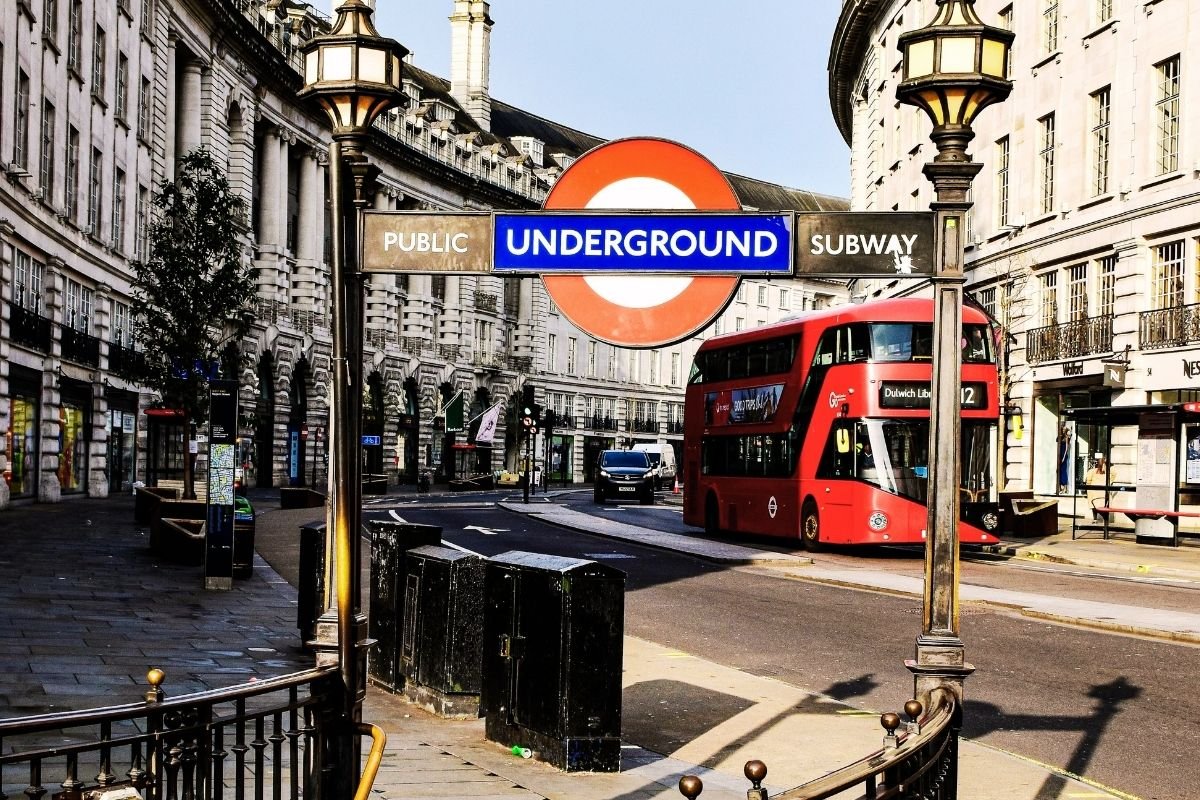
The base you want: calm streets + fast station access. That combination is what makes “budget” feel easy.
Zones: The Simple Tourist Explanation (No Overthinking)
Most tourist sightseeing sits in Zone 1. That’s where prices often hurt the most.
The budget strategy is usually:
- Zone 2 = the sweet spot. Often cheaper than Zone 1, still fast and tourist-friendly.
- Zone 3 can work if your station is a strong hub (fast links, fewer changes).
- Zone 4 can still be smart if the hotel price is significantly lower and the route stays simple.
In other words: don’t fear outer zones—fear weak connections.
Bonus TripsCity move: if you’re staying further out, choose a location with a station that feels like a “mini-central.” A hub reduces friction.
If you want an official reference for how pay-as-you-go works (Oyster/contactless), Transport for London explains it clearly here:
Transport for London: Pay as you go (Oyster & Contactless).
Quick Shortlist: Cheap Tourist-Friendly Areas (The Ones That Usually Work)
This is the shortlist we’ll unpack in detail. Times are intentionally approximate ranges (think: “feel” + “decision speed”), because your exact hotel pin and time of day changes everything.
| Area | Zone | Best line(s) | To West End (approx) | To Westminster (approx) | Changes | Sleep risk |
|---|---|---|---|---|---|---|
| Earl’s Court | 1–2 | Piccadilly / District | ~15–25 min | ~15–25 min | 0–1 | Med |
| Hammersmith | 2 | Piccadilly / District / H&C | ~20–30 min | ~20–35 min | 0–1 | Low–Med |
| Shepherd’s Bush / White City | 2 | Central | ~15–25 min | ~20–35 min | 0–1 | Med |
| Stratford | 2–3 | Central / Jubilee / Elizabeth (hub) | ~15–30 min | ~15–30 min | 0–1 | Med |
| Bermondsey | 2 | Jubilee | ~15–25 min | ~10–20 min | 0–1 | Low |
| Canada Water / Rotherhithe | 2 | Jubilee + Overground | ~15–25 min | ~10–20 min | 0–1 | Low |
| Greenwich | 2–3 | DLR / Rail | ~25–45 min | ~25–45 min | 1 | Low |
| Wembley Park | 4 | Jubilee / Metropolitan | ~25–45 min | ~25–45 min | 0–1 | Low–Med |
| Ealing Broadway | 3 | Elizabeth + (local links) | ~20–40 min | ~25–45 min | 0–1 | Low |
Best Picks (Fast Answers by Traveler Type)
- Best for first-timers: Earl’s Court, Canada Water
- Best value hub (flexible routes): Stratford
- Best for families + space: Greenwich, Hammersmith
- Cheapest if price-first: Wembley Park (only if the commute is worth it)
- Quiet-but-connected near the core: Bermondsey
If you want the full “how the system works” explanation (Tube, buses, Oyster/contactless) so your routes stay simple, read:
How to Get Around London (2026): The System That Saves Your Day (Tube, Buses, Oyster & Contactless).
If you want the real cost logic behind moving around (daily caps, passes, and the mistakes that inflate spend), see:
London Public Transport Costs Explained (2026): Daily Caps, Passes & The Mistakes That Cost You.
And if you want the bigger “base strategy” that sits behind this entire guide—what makes a London stay feel easy in real life—this is the pillar:
Where to Stay in London (2026): The Base That Makes London Feel Easy.
If you’re trying to budget the whole trip in real daily numbers (not guesses), these two help you plan with clarity:
London Budget Guide 2026: What You REALLY Spend Per Day (Real Numbers)
and
Is London Expensive for Tourists in 2026? The Honest Cost Reality.
If you’d rather scan what’s available around these station areas for your dates, here’s a quick place to start:
see London hotels by area.
1) Earl’s Court: The “First-Timer Value Base” That Stays Simple
- Best for: first-time tourists who want London to feel easy.
- Feels like: connected, practical, tourism-ready.
- Nearest station to aim for: Earl’s Court.
Earl’s Court is one of those rare London bases that stays logical even when you’re tired. It’s not always the cheapest, but it often delivers value: good connections, simple navigation, and days that don’t start with confusion.
Why it works: This area usually succeeds for tourists because the movement is clean. You’re not spending your mornings “figuring out London.” You’re just getting on and going. That’s the real budget advantage: fewer mistakes, fewer detours, less time burned.
The micro-location rule here: “Earl’s Court area” is not one thing. Two places can be labeled the same and feel completely different in noise and sleep quality. If your goal is a calm base, choose the side-street feel—not the loudest edge.
If you want bases filtered specifically for first-timers (calm, connected, not complicated), this guide matches the same standard:
Best Areas to Stay in London for First-Time Visitors (2026): Calm, Connected, Not Complicated.
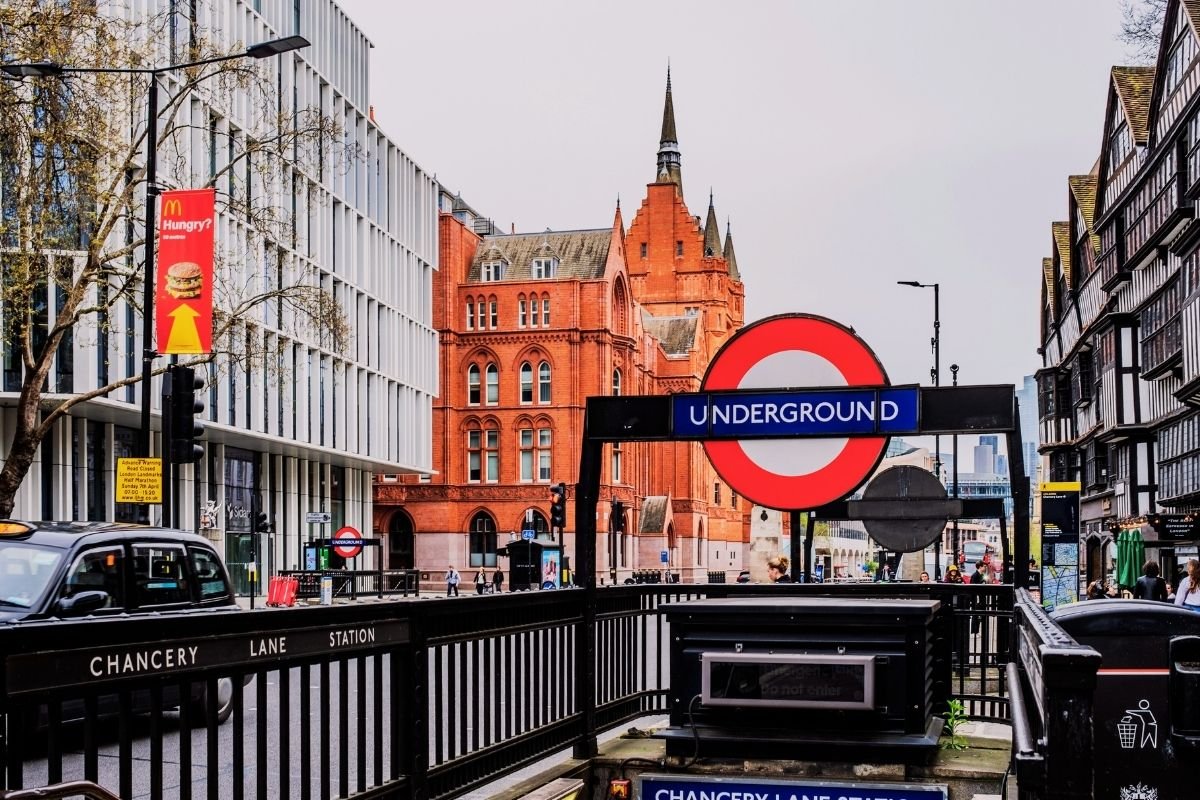
Earl’s Court is often not the absolute cheapest—but it’s budget-smart when you value clean movement.
2) Hammersmith: Big Connections + Calmer Energy
- Best for: families, longer stays, travelers who want calmer evenings.
- Feels like: a real neighborhood with strong transport power.
- Nearest stations to aim for: Hammersmith (and confirm which one your hotel is closest to).
Hammersmith is “budget-smart” because it gives you a strong transport spine without charging the hardest central premiums. It can feel calmer than more central bases, and that matters—because sleep quality quietly decides the trip.
Why it works: It’s the kind of area where your routes don’t collapse if your plan changes. If your day shifts, you still have options. That flexibility is worth money in London—even if it doesn’t show up as a line item.
The micro-location rule here: Hammersmith has more than one station in play, and tourists sometimes book a place thinking they’re getting one set of connections and end up closer to another. Before you book, do one simple check: open your hotel on the map and confirm which station is the real walking station for you.
3) Shepherd’s Bush / White City: Direct-to-the-Core Budget Logic
- Best for: budget travelers who want fast access to central London.
- Feels like: busy daytime energy, strong “go anywhere” positioning.
- Nearest stations to aim for: Shepherd’s Bush / White City (confirm your exact station walk).
This is one of the cleanest budget strategies in London: stay in a location that gives you a straightforward ride toward the core. The result is simple: you wake up, you move, you don’t negotiate with London just to start your day.
Why it works: These areas can be excellent “value bases” when your hotel is close enough to the station to keep mornings friction-free—and when your routes don’t require constant changing and rethinking.
The micro-location rule here: protect your sleep. “Cheap + noisy” is not cheap when it steals your recovery. Read recent reviews with a narrow focus: noise at night, room condition, and how staff respond when something is wrong.
4) Stratford: The Transport Hub That Turns “Not Central” Into a Shortcut
- Best for: travelers who want price + speed + multiple transport options.
- Feels like: modern, huge, connected.
- Nearest station to aim for: Stratford.
Stratford is the definition of a “hub base.” It’s often better value than more central areas, and it’s powerful because you’re not relying on one fragile route. You’re standing on a transport machine.
Why it works: A hub base protects your day. If your plan changes, if you finish somewhere different, if the timing shifts—your routes still stay workable. That’s the hidden reason Stratford can feel “easier” than some closer-but-weaker areas.
The micro-location rule here: Stratford is large. “Near Stratford” can mean a comfortable walk… or a daily walk tax. Measure walking time properly, and don’t book on a vague pin. Your exact hotel location matters here more than in smaller areas.
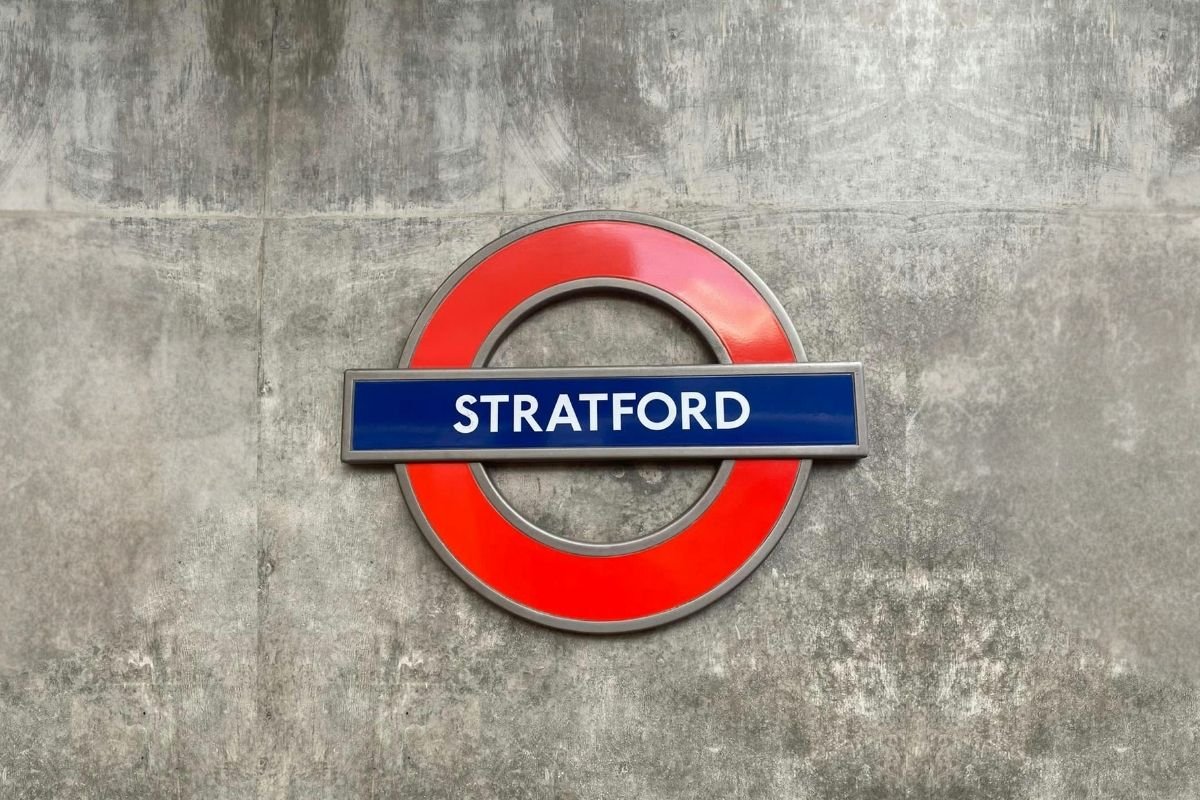
Stratford works when you want a hub base: multiple routes = fewer daily fixes.
If you like the station-first selection method and want more “easy access” bases built around stations, this guide expands the same approach:
Best Areas to Stay in London Near a Station (Easy Access).
5) Bermondsey: Quiet Value Near the Core (Without Paying the Hard Premium)
- Best for: couples and solo travelers who want a calmer base close to central highlights.
- Feels like: steady, less chaotic than the core.
- Nearest station to aim for: Bermondsey.
Bermondsey is a strong “quiet-but-connected” move. It’s not a tourist postcard neighborhood—and that’s part of the value. You can return at the end of the day and actually feel the day end.
Why it works: This is the kind of base that lets you do central London without living inside it. You get the access, but your evenings can feel calmer—and that makes the whole trip feel more sustainable.
The micro-location rule here: hotel options can be fewer than in big hotel clusters, so the best value tends to disappear earlier. If Bermondsey fits your plan, don’t leave it to the last minute.
6) Canada Water / Rotherhithe: The Balanced “Fast Both Ways” Base
- Best for: tourists who want central access without paying Zone 1 prices.
- Feels like: residential, practical, calmer streets (depending on your exact spot).
- Nearest station to aim for: Canada Water.
This is a very “London-smart” base when you want your days to stay short. You’re close enough to the core to keep the city from feeling heavy, but far enough to find better value—especially compared to the most expensive central clusters.
Why it works: the key advantage is route simplicity. When your station links into central London cleanly, you don’t spend the trip “solving transport.” You just move.
The micro-location rule here: do not guess the station walk. Open the map and measure the walking time in real minutes. If your “Canada Water hotel” is actually a long daily walk, you’ll feel that tax twice a day.
7) Greenwich: More Space, Strong Value, and a Slower Trip Rhythm
- Best for: families, longer stays, travelers who want more breathing room.
- Feels like: scenic, historic, less compressed than the core.
- Nearest stations to aim for: Greenwich (DLR / rail depending on your exact spot).
Greenwich can be an excellent “budget tourist” base if your goal isn’t to sprint through London. It’s a place where mornings can feel calmer and evenings can feel more livable—especially for families who don’t want their trip to be one long commute.
Why it works: you often get more space for the money, and the area naturally supports a steadier pace. That can make the whole trip feel less expensive—because you’re not constantly fixing fatigue with “fast solutions.”
The micro-location rule here: Greenwich works best when you plan sightseeing in clean clusters. If you bounce across London all day, you’ll feel distance more. If you group your days, Greenwich feels like a strong base.
8) Wembley Park: The “Price-First” Base That Must Earn Its Commute
- Best for: travelers who want the lowest hotel price and don’t mind a direct commute.
- Feels like: newer hotel stock, more distance from central London.
- Nearest station to aim for: Wembley Park.
Wembley Park is where the price drop can be real. But it’s a base you choose with clear eyes: it only works if the money you save is worth the time you spend.
Why it works: it can offer strong hotel value with a station that keeps routes straightforward. If you’re disciplined—out all day, back once at night—this can be a clean “budget-first” move.
The micro-location rule here: if your trip plan involves returning to the hotel mid-day (rests, naps, breaks), Wembley can quietly drain your schedule. It’s better when your daily rhythm is “leave once, return once.”
9) Ealing Broadway: A Smart Zone 3 Base When You Want Value + Strong Links
- Best for: travelers who want a practical area and better hotel value.
- Feels like: local, calmer, less tourist-saturated.
- Nearest station to aim for: Ealing Broadway.
Ealing Broadway can be a strong “smart budget” move because Zone 3 doesn’t automatically mean slow—not if your station is powerful. Done right, it gives you a calmer base and good value without turning your trip into commuting.
Why it works: when your station has strong links, you get predictable movement. Predictable movement protects your energy—and energy is what makes London feel enjoyable.
The micro-location rule here: confirm you’re booking for the station you think you are. “Ealing” is a wider label than tourists realize. Your hotel should be clearly anchored to the station walk you’re happy with.
How to Test Any Hotel in 90 Seconds (Before You Book)
- Open the hotel on Google Maps.
- Check the walk time to the station in minutes (aim for ~10–12 min).
- Test 3 routes: West End, Westminster, and Tower Bridge.
- If most routes need more than one change, reject it.
- Scan recent reviews for: noise, cleanliness, staff response.
How to Choose the Exact Hotel (So Cheap Doesn’t Become Stress)
Once you pick an area, you still need to pick the right micro-location. Use this checklist:
- Measure the walk in minutes (not distance). Aim for ~10–12 minutes to your station.
- Test your top 3 routes and make sure most trips are direct or one clean change.
- Read recent reviews for noise, cleanliness, and “how problems get handled.” Small issues are what ruin budget stays.
- Look at the street feel (quiet side streets often sleep better than main roads).
- Don’t buy labels. Buy a station and a line you can use without thinking.
The reviews that matter most for budget stays aren’t the fancy ones. Filter for: noise, cleanliness, and how problems get handled.
The most expensive mistake tourists make is trusting the phrase “near the station” without checking the walk time in minutes.
Budget Accommodation Types (What Usually Fits Tourists Best)
- Budget hotels: best for predictable sleep and simple days. Choose this if your sightseeing plan is intense and you need recovery.
- Hostels: best for solo travelers who value price. Protect your trip by filtering reviews for sleep quality, room comfort, and night noise.
- Serviced apartments: best for families and longer stays. A small kitchen can reduce daily spending fast and makes mornings easier.
Your best choice depends on your trip rhythm: the more intense your itinerary, the more you should protect sleep and location.
The Mistakes That Make “Cheap” Expensive
- Staying too far out just to save a little. The commute steals your day and your energy.
- Choosing weak connections (multiple changes, awkward routes) even if the area sounds “nice.”
- Ignoring the station walk and paying a daily walking tax you didn’t plan for.
- Accepting noisy sleep because “we won’t be in the room much.” You will—every night.
- Not clustering your days and bouncing across London nonstop. Even the best base can’t save that.
If you want to choose a cheap base with extra confidence, this safety guide is the clean companion (areas, common scams, and night travel rules):
London Safety Guide 2026: Safe Areas, Common Scams & Night Travel Rules.
And if you want a neutral external overview of London’s main stay areas (useful as a second opinion on labels and map orientation), Visit London keeps a clear breakdown here:
Visit London: Where to stay in London.
FAQ: Cheap Areas to Stay in London for Tourists
What is the cheapest area to stay in London that still works for tourists?
Usually the best “cheap that still works” is a strong Zone 2 base on a direct or near-direct route to central London. The time savings are what protect the trip.
Is Zone 3 too far for tourists?
Not automatically. Zone 3 can be great if you’re on a strong station with fast links and simple routes. What matters is route simplicity, not the zone number alone.
Is it better to stay in Zone 2 or Zone 4 to save money?
Zone 2 is usually the safer bet for first-timers. Zone 4 can be a good deal only when the price drop is significant and the route is direct enough to keep your days clean.
How do I know if a hotel is “too far”?
If your station walk is long, if you need multiple changes for most places, or if you can’t realistically return mid-day without losing a big block of time—then it’s probably too far for a short tourist trip.
Should I prioritize the area or the station?
The station. Tourists experience London through transport. A strong station makes an average area feel easy; a weak station makes a “nice” area feel exhausting.
What is the safest cheap area to stay in London for tourists?
There isn’t one single answer, but the safest “cheap” choice is usually the one that stays well-connected, has a short station walk, and has strong recent reviews for night comfort. Use route simplicity + walk minutes + review filters as your safety checklist.
Is it better to stay near an Overground station or a Tube station?
Either can work. What matters is route simplicity and frequency. A strong Overground link can be excellent if it feeds into a clean route. A Tube station wins when it gives you direct access with fewer changes.