
Is Paris Expensive for Tourists in 2026? The Moment You Start Asking the Wrong Question
You don’t usually ask whether Paris is expensive for tourists in 2026 while planning the trip. You ask it later — after the second café bill, after the first museum ticket, after a casual dinner that quietly crossed a psychological line.
That’s when the thought appears, not as panic but as doubt: “Are we spending too much… or is this just Paris?”
The problem is not that Paris is secretly unaffordable. The problem is that most travelers arrive with the wrong mental model. They expect Paris to feel expensive in obvious, dramatic ways — luxury hotels, Michelin dining, designer shopping. But that’s not where most budgets leak.
The shocking truth: Paris rarely drains your money in one big hit. It drains it quietly, in small, repeatable costs — transport friction, timing mistakes, convenience spending, and tired decisions that feel harmless in the moment.
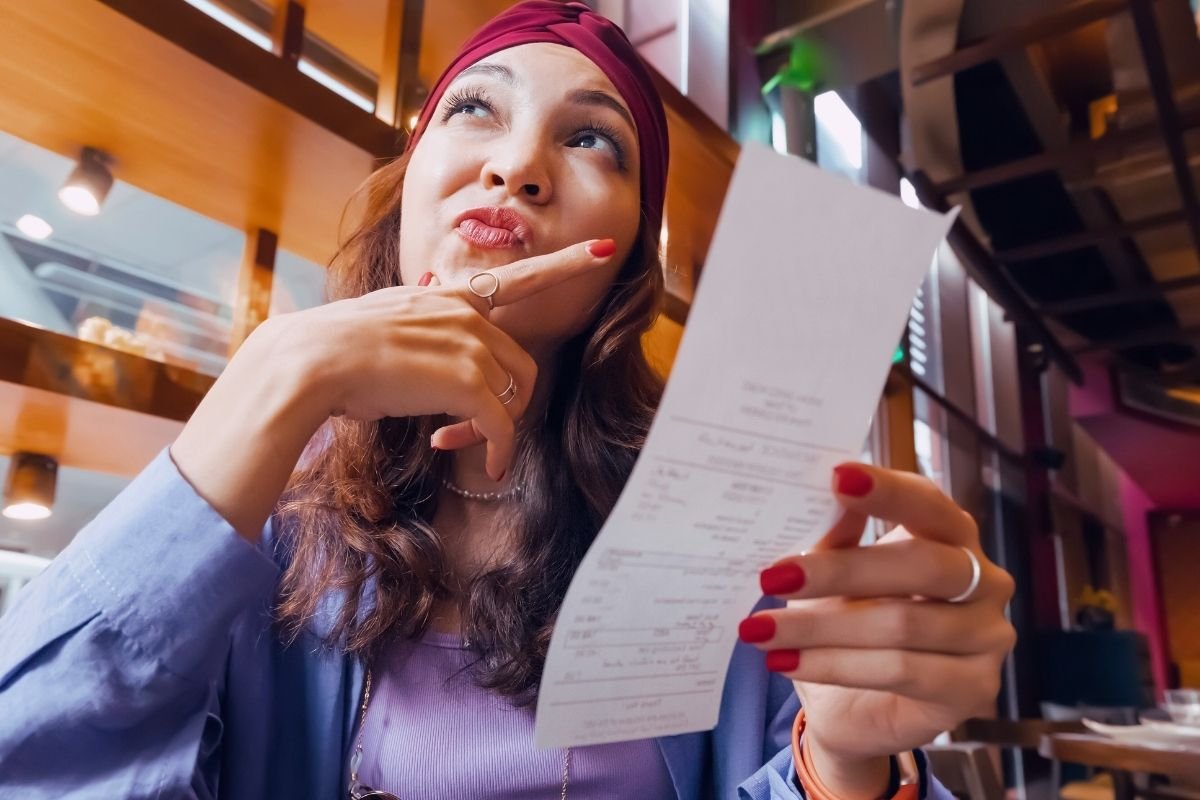
Paris doesn’t feel expensive at once. It becomes expensive after the fifth “small” decision of the day.
Is Paris Expensive for Tourists in 2026? The Reality Model (How Costs Actually Accumulate)
Paris is not a city that punishes low budgets. It punishes loose structure.
Two travelers can walk the same streets, visit the same attractions, and eat similar food — yet finish the week with radically different expenses. The difference is not taste. It’s system design.
In 2026, Paris becomes expensive under three specific conditions:
1) When days are built around convenience, not rhythm.
Grabbing food “because it’s there.” Taking transport “just this once.” Buying tickets “on the spot.” Each choice feels small. Together, they reshape the budget.
2) When fatigue starts making decisions.
Tired travelers spend more. Not on luxury — on fixes. Extra transport. Overpriced meals near landmarks. Missed tickets that need replacing.
3) When planning stops too late.
Paris rewards early structure. Late decisions usually mean higher prices or fewer options.
If you’ve already read our breakdown of how planning mistakes silently eat time and money, this pattern will feel familiar:
Paris Travel Mistakes to Avoid (2026)
The same logic applies to cost. Paris is not expensive by default — it becomes expensive when friction is allowed to repeat.
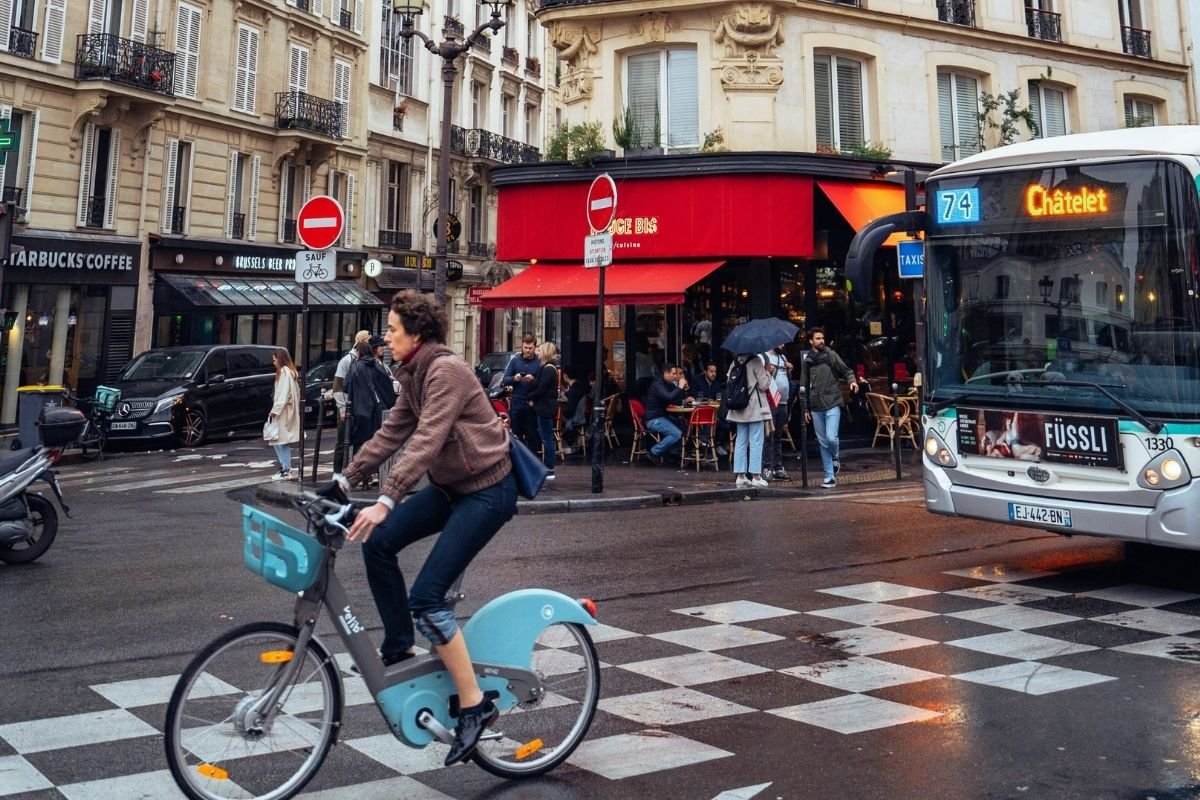
Most Paris budgets collapse not on attractions, but between them — in food timing, transport choices, and fatigue spending.
Is Paris Expensive for Tourists in 2026? The Numbers That Predict Cost Pressure
These are not luxury prices. These are pressure points — the moments where tourists start overspending without noticing.
| Cost trigger | Realistic range (2026) | Why it matters |
|---|---|---|
| Coffee + snack stop | €6–€12 | Repeated 2–3 times daily without planning |
| Unplanned transport | €10–€25/day | Taxis or extra tickets due to poor base choice |
| On-the-day attraction tickets | €5–€20 premium | Convenience pricing + missed time slots |
| “Emergency” meals | €18–€30 | Eating near landmarks when tired or late |
None of these costs look dramatic alone. That’s exactly why they work. Paris becomes expensive through repetition.
If you want a reality-based comparison between expectation and actual daily spend, this guide connects directly to the model above:
Paris Budget Guide 2026 – What You REALLY Spend Per Day
For official reference on public museum pricing (so you can separate real costs from myths), this is the reliable baseline:
Paris Musées – Official ticket prices
In PART 2, we’ll break the illusion completely: real daily budgets by traveler type — families, solo travelers, couples, and budget-focused trips — and show exactly where expectations collapse.
Is Paris Expensive for Tourists in 2026? Real Daily Costs by Traveler Type
After the first few days in Paris, most travelers stop asking “How much does Paris cost?” and start asking a more uncomfortable question: “Why does my budget feel tighter than expected?”
The answer is not inflation alone. It’s not that Paris suddenly changed in 2026. What changed is how different types of travelers experience cost pressure. Paris doesn’t charge everyone the same way. It charges according to how you move, where you stay, and how tired you let yourself get.
This section breaks down what Paris really costs per day — not by fantasy budgets, but by travel behavior.

Paris doesn’t have one price. It has different price tracks depending on how you travel.
Solo Travelers: Flexible, But Vulnerable to Daily Leaks
Solo travelers often assume Paris will be cheaper for them. Fewer people. Fewer meals. Fewer tickets. On paper, that’s true. In reality, solo budgets leak in quieter ways.
Where the money goes:
• Single-occupancy rooms cost more per person
• Solo meals rarely benefit from sharing
• “Just one more stop” days turn into extra transport
• Convenience spending replaces planning
Realistic daily range (2026):
€110–€160/day for a stable solo trip without luxury
Solo travelers who control costs best usually do one thing well: they lock their base early. Accommodation location matters more when you don’t have energy buffers from companions.
If you haven’t structured this yet, it connects directly with:
Couples: Where “Romantic” Quietly Becomes Expensive
Couples rarely overspend on purpose. They overspend because Paris invites them to.
A glass of wine here, a scenic café there, a spontaneous river cruise because the light feels right — none of these feel like mistakes. But romance-driven decisions are often timing-driven, and timing is expensive in Paris.
Common cost accelerators for couples:
• Late dinners near landmarks
• Paying for ambiance over value
• Short stays packed with paid attractions
• Upgrading “just this once”
Realistic daily range (2026):
€140–€200 per person/day for a comfortable couple trip
Couples who feel Paris is “worth the money” are not spending less — they’re spending more deliberately. Fewer paid stops. Better timing. Stronger base areas.

Paris becomes expensive when decisions are made for the moment instead of the day.
Families: The Cost of Fatigue (Not Activities)
Families rarely overspend on attractions. They overspend on fixes.
Extra transport because kids are tired. Meals chosen because hunger hit early. Hotels selected cheaply that require long returns. These are not indulgences — they are fatigue responses.
Typical family cost pattern:
• Lower attraction spend per person
• Higher transport + food correction costs
• Greater penalty for poor base location
Realistic daily range (2026):
€120–€170 per adult/day (children vary widely)
Families who control Paris costs best don’t aim for “cheap.” They aim for forgiving structure: shorter days, calmer areas, predictable meals.
This logic connects directly with:
Best Areas to Stay in Paris for Families
Budget Travelers: Why Paris Feels Expensive Even When You’re Careful
Budget travelers are the most disciplined — and often the most frustrated.
Paris doesn’t break budget travelers by charging too much. It breaks them by making mistakes expensive. Missed tickets. Long walks that turn into taxis. Accommodation far from everything that drains energy.
Realistic daily range (2026):
€85–€120/day — but only with structure
Without structure, Paris quickly jumps above expectations. Not because you splurged — but because you had to recover.
The Expectation Gap (Why Paris Feels Expensive for Tourists in 2026)
Many cities advertise affordability or luxury clearly. Paris sits in the middle. It looks casual, but prices behave like a premium city when timing slips.
The expectation gap comes from three false assumptions:
• “We’ll decide as we go”
• “Small costs don’t matter”
• “Location is secondary”
In Paris, those assumptions quietly rewrite the budget.
For official baseline prices on transport (so you separate real cost from perception), this is the reliable reference:
RATP official transport prices
In PART 3, we’ll close the loop: a clear decision system to control Paris costs without shrinking the trip — what to lock early, what to leave flexible, and exactly where spending brings value instead of regret.
Is Paris Expensive for Tourists in 2026? The Cost-Control System (So You Don’t Pay by Accident)
By now, you don’t need more opinions. You need a system you can actually use.
Because the way Paris becomes expensive is predictable: you arrive with a loose plan, you underestimate transitions, you get tired, and then you start paying for recovery. The city doesn’t “overcharge” you. It charges you for improvisation.
The goal of this section: make Paris feel fair in 2026. Not by being cheap. By spending deliberately — and avoiding the silent costs that don’t add value.

Paris stays affordable when your day is designed before fatigue starts making decisions.
Step 1: Lock the Three Money Foundations (In This Order)
Most people lock the wrong things first. They book attractions, then panic about transport, then regret their hotel location. Reverse that order.
Foundation A: Choose your base area like it’s part of the budget.
Your accommodation location decides your daily transport costs and your energy. A cheaper room in a bad location often becomes a paid penalty.
Foundation B: Decide how you will move.
You don’t need to master the Metro. You need to avoid “daily mistakes”: wrong exits, too many transfers, and late-night returns that trigger taxis.
Foundation C: Book only the two “doors” that matter.
Not everything. Just the top 1–2 timed-entry anchors you care about most. Everything else stays flexible.
If you haven’t built this foundation yet, this TripsCity guide is the strongest cost lever you have:
How to Get Around Paris (tickets, Metro logic, and what tourists waste money on)
Step 2: Use the “One Anchor per Half-Day” Rule
Most budgets collapse when the itinerary becomes dense. Dense days create two expensive outcomes:
• you miss slots and pay to recover
• you get tired and pay for convenience
The stable Paris structure is simple:
Morning: one major anchor (museum, monument, or booked experience)
Afternoon: one neighborhood walk + flexible food block
Evening: optional add-on only if energy stays high
This protects your money because it protects your timing. And timing is the hidden currency in Paris.
Step 3: Spend on Value, Cut “Recovery Spending”
To control costs, stop trying to cut everything. Cut only what doesn’t give value.
Spending that usually gives value in Paris:
• One paid experience that saves hours (a timed entry or guided door when lines are heavy)
• A base area that reduces daily friction
• One strong day plan that prevents reactive transport and meals
Spending that usually feels bad afterward:
• Landmark-area meals chosen under pressure
• Late-night taxis caused by poor base location
• Buying tickets on the day and paying the “queue tax” with your time
If you want a clean way to reserve tours and timed slots when it actually makes sense (instead of opening ten tabs), this is a practical hub to reduce decision fatigue:
Paris tours & tickets (reserve time slots)
Use it only for anchors that protect the day. Not for everything.

Neighborhood-based days reduce transport mistakes — and transport mistakes are one of the fastest ways Paris becomes expensive.
Step 4: The Daily Budget Guardrails (So You Don’t Drift)
You don’t need a spreadsheet. You need guardrails.
Guardrail 1: Set a daily “flex fund.”
Paris is a city of small surprises. If you don’t plan for them, you’ll feel robbed. If you do, they become normal. A realistic flex fund is often €15–€30/day depending on travel style.
Guardrail 2: Decide your food strategy once per day.
One deliberate meal choice prevents three panic purchases later. Paris food becomes expensive when hunger decides.
Guardrail 3: Battery is money.
Low battery creates hesitation, missed routes, and recovery spending. A small power bank is not a gadget — it’s budget insurance.
Guardrail 4: Never “fix” the day with transport.
When you start using taxis to fix timing, the budget usually drifts fast. Fix timing with fewer anchors, not with paid recovery.
Deadly Cost Mistakes Tourists Make in Paris (2026)
Mistake #1: Booking the cheapest hotel without pricing the location.
You save €40/night and spend it back through transport, stress meals, and lost evenings.
Mistake #2: Treating Paris like a walk-in city.
In 2026, Paris is increasingly timed-entry at major doors. Not planning those anchors creates queue time and missed slots.
Mistake #3: Overplanning attractions and underplanning rhythm.
The more brittle the plan, the more expensive the recovery.
Mistake #4: Trying to do “cheap Paris” by cutting value.
Cutting the wrong things makes the trip worse and often doesn’t save money. Cut friction, not quality.
TripsCity Funnel: If Paris Feels Expensive, Fix the System (Not the Mood)
Paris costs are rarely solved by one “tip.” They’re solved by structure. These guides connect directly to the system above:
Where to Stay in Paris (base logic)
Paris Budget Guide 2026 (real daily spend)
Final Decision (No Diplomacy)
Is Paris expensive for tourists in 2026? It can be. But not because Paris is a scam city, and not because you need luxury to enjoy it.
Paris becomes expensive when your trip is built on improvisation. When you choose a base that punishes returns. When you stack days too tightly. When you rely on convenience to recover from fatigue.
Your direct rule: don’t try to make Paris cheaper. Make your plan cleaner. Paris is fair when you stop paying for mistakes.
FAQ: Is Paris Expensive for Tourists in 2026?
Is Paris expensive compared to London or Rome?
Paris often feels more expensive than Rome for everyday spending, and can feel similar to London depending on hotel choices. The bigger difference is how quickly Paris penalizes loose planning with extra transport and convenience spending.
What is a realistic daily budget for Paris in 2026?
A realistic range for most tourists is often €110–€200 per person/day depending on travel style, accommodation, and how many paid attractions you choose. Families and budget travelers can spend less, but only with good structure.
What costs surprise tourists most in Paris?
Repeated small purchases (snacks, drinks, coffee), unplanned transport, and meals chosen under pressure near landmarks. These costs don’t look big individually, but they compound fast.
How can I do Paris on a budget without ruining the trip?
Choose a stable base area, plan one anchor per half-day, and use guardrails: a daily flex fund, one deliberate meal plan, and a transport approach that avoids taxi “recovery” spending.
Is it cheaper to buy attraction tickets in advance?
Often yes — not only for price, but for time. Timed entry prevents queue losses and reduces the chance of paying more later to fix a missed plan.
What is the best way to avoid overspending in Paris?
Reduce improvisation. Paris becomes expensive when fatigue starts making decisions. A clean base + clean movement plan + limited booked anchors keeps spending deliberate.