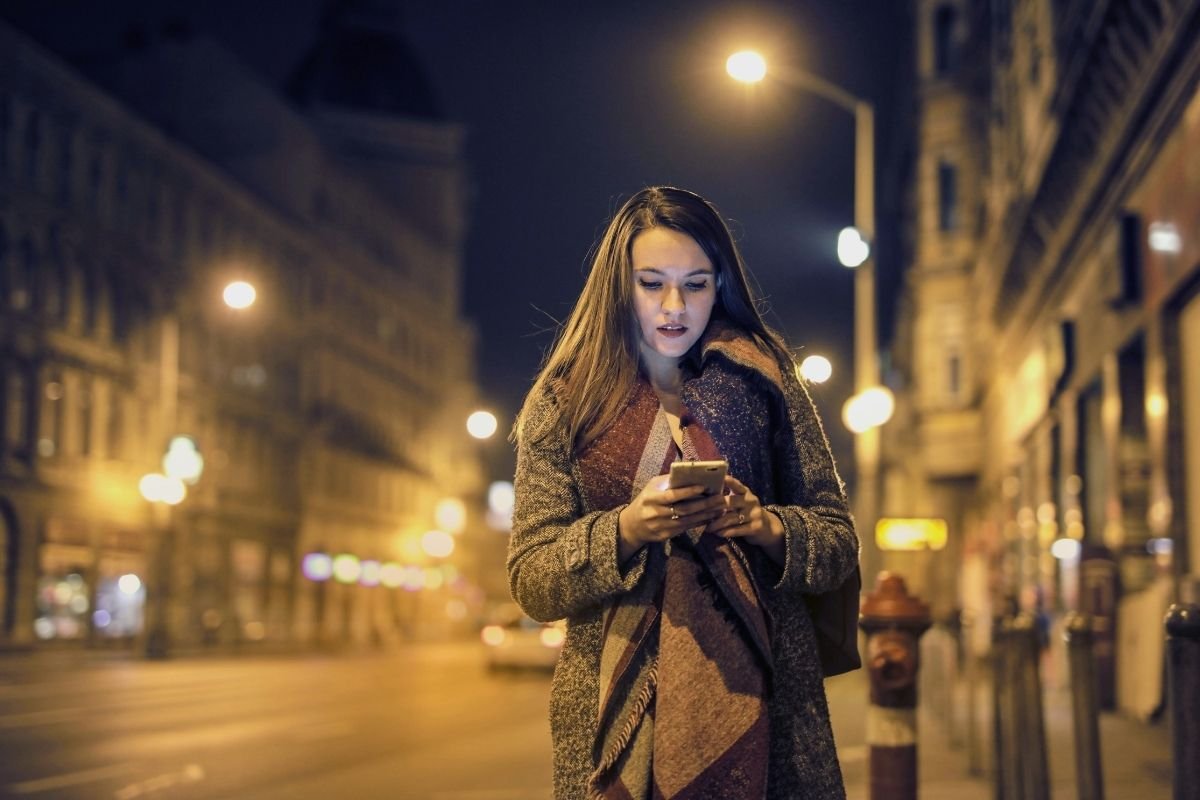
Is Paris Safe at Night in 2026? The Question You Don’t Ask Until the Day Is Over
You don’t ask is Paris safe at night in 2026 while you’re standing under bright museum lights or walking down a boulevard in the afternoon. You ask it later—when the day has drained you, your plans are slightly off, and you’re trying to get back to your hotel with the calm face of someone who isn’t lost.
The city changes at night, but not in the dramatic way people imagine. Paris doesn’t suddenly become “dangerous.” It becomes less forgiving. Small mistakes that cost five minutes in daylight can cost your confidence at 22:30: the wrong Metro exit, a shortcut that turns empty, a street that feels louder than it looked on a map, a moment of stopping to check directions and realizing you are the most distracted person on the block.
The shocking truth: most tourists who feel unsafe at night in Paris were not “targeted.” They were made vulnerable by friction—fatigue, confusion, low phone battery, and a route that looked efficient but wasn’t designed for night. In 2026, the safest Paris nights come from one thing: predictability. Not fear. Not paranoia. Predictable areas, predictable routes, predictable decisions.
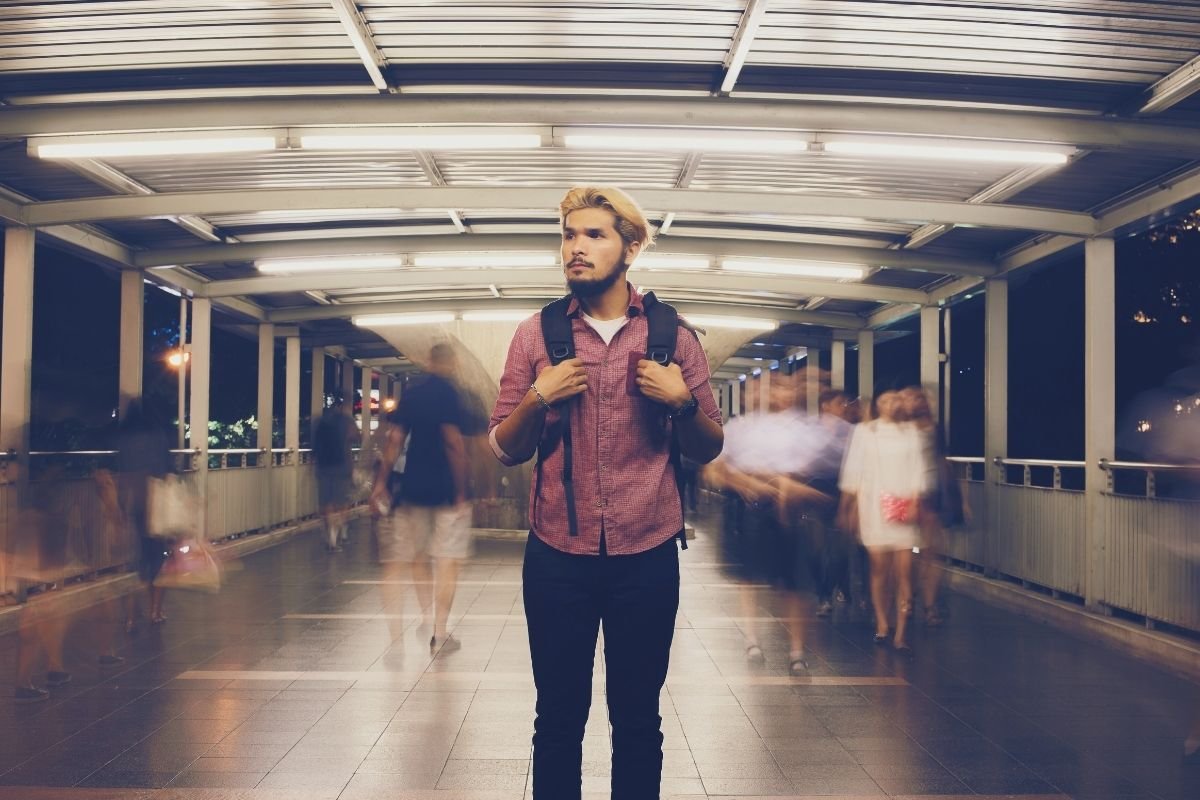
Paris at night rarely “attacks” tourists. It pressures tired ones into small mistakes—wrong exits, wrong shortcuts, and visible hesitation.
Is Paris Safe at Night in 2026? The Reality Model (How Night Risk Actually Works)
Paris is a major European capital. That means the night is not a fairy tale, but it’s also not a war zone. The truth sits in the middle: most central areas are fine when you move like you belong there, but certain situations reliably produce problems—especially for visitors who are unfamiliar with local transit patterns.
To understand night safety in Paris, stop thinking in vague labels like “safe” and “unsafe.” Think in conditions. In 2026, Paris nights become risky when these conditions combine:
1) You are visibly distracted.
Phone out, bag open, slowing down mid-sidewalk, scanning street signs. This is not a moral failure. It’s the most common tourist posture at night—and it attracts opportunistic theft.
2) Your route is optimized for distance, not comfort.
Tourists often choose the shortest line between two points. At night, the best route is usually the one with more light, more normal foot traffic, and fewer isolated corners—even if it takes five minutes longer.
3) You depend on one tool (your phone) to function.
When battery drops and your plan is not stored offline, you start improvising. Improvisation is where stress rises and attention drops.
4) You exit a big station on the wrong side.
This is the quiet trap. Many Paris stations have multiple exits that open onto completely different street realities. The station itself can be fine. The wrong exit can change the entire mood of your walk back.
If you want the simplest safety philosophy: Paris at night is mostly safe when your movement is clean. Most unpleasant experiences begin when movement becomes messy.
Is Paris Safe at Night in 2026? Who This Guide Is For (And Who Should Rethink Their Plan)
This guide is for you if you want to enjoy evenings in Paris without feeling like you’re gambling. You want practical clarity: which areas feel stable at night, what “avoid” really means, and how to set rules that keep you calm even when the day goes off-script.
You should rethink your approach if your plan depends on two risky assumptions: (1) you will always have energy late, and (2) you can choose your hotel by price and “figure out the rest.” That approach works for some cities. In Paris, it often produces the same outcome: tired returns, confused transfers, and the feeling that Paris is stressful at night—when the real issue was the structure of your base and routes.
If you haven’t locked your accommodation yet, this decision is step zero—not a detail. Start here:
Where to Stay in Paris (choose a base that stays calm at night)
Paris Night Safety in 2026: The Numbers That Predict Night Stress
These are not fear numbers. They are friction numbers—the ones that predict when tourists start making bad decisions at night.
| Night factor | Realistic range | What it predicts |
|---|---|---|
| Phone battery when you leave dinner | 15–40% | More map-checking, more hesitation, more exposure |
| “Short walk” back to the hotel | 10–25 minutes | Tourists take shortcuts they would avoid in daylight |
| Station exit complexity | 2–8 exits | Wrong exit = wrong street environment = anxiety spike |
| Peak pressure nights | Fri–Sun + summer | More distraction theft near major nodes |
Notice what’s missing: scary language. Because the goal here is not to make you afraid. It’s to make you competent—so you stop handing Paris your attention on the nights when you can’t afford to lose it.
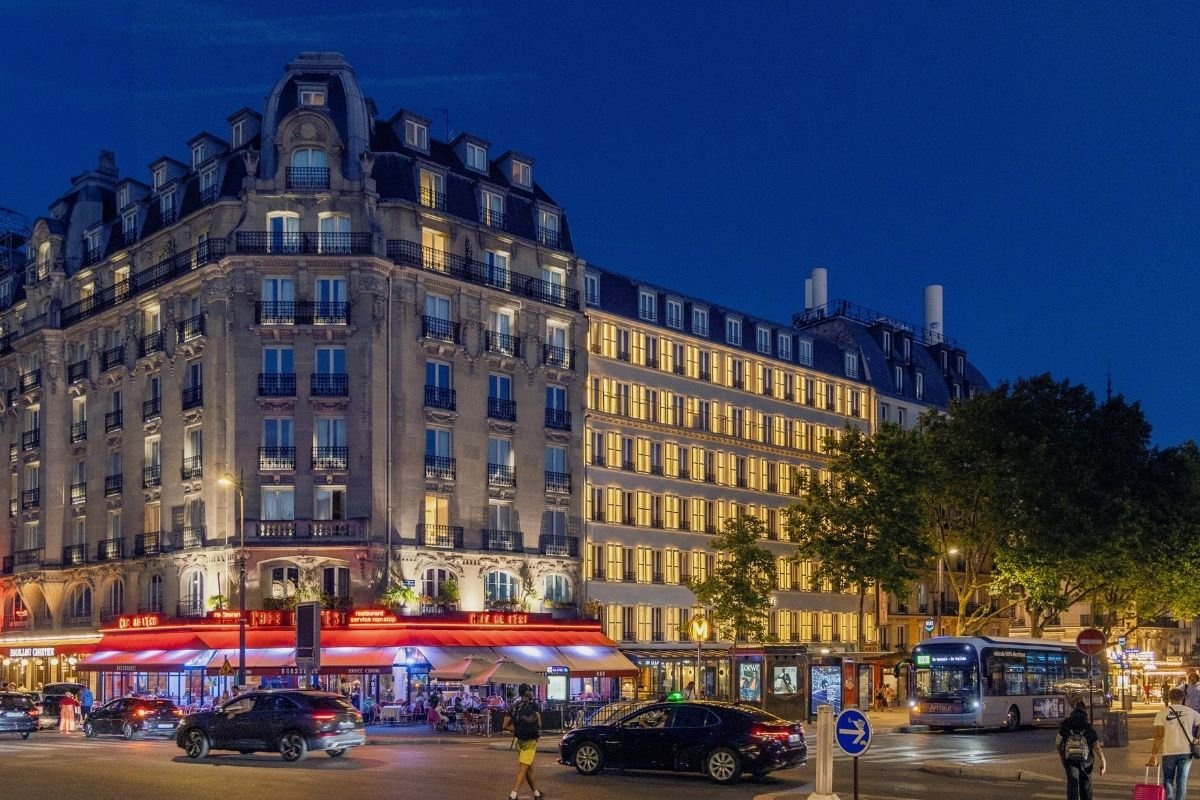
The safest night strategy in Paris is not hiding. It’s choosing routes with light, visibility, and normal city movement.
TripsCity Funnel: Night Safety Starts With Base + Movement
Most “Paris at night” anxiety disappears when you lock these foundations first:
How to Get Around Paris (Metro logic that prevents wrong exits)
Paris Safety Guide 2026 (safe areas + common scams)
In PART 2, we’ll go where most guides don’t: the risk-to-comfort map. Not “Paris is unsafe,” but the specific areas and station corridors where tourists feel pressure at night, why it happens, and what to do instead. Then we’ll build the smart rules that keep your evenings calm.
Is Paris Safe at Night in 2026? The Risk-to-Comfort Map (What “Avoid” Really Means)
Most guides misuse the word “avoid.” They make it sound like entire neighborhoods are forbidden. That’s not how Paris works. In 2026, the real difference between a calm night and a stressful night is rarely “where you are.” It’s what situation you create inside that place: the wrong station exit, the wrong shortcut, the wrong timing, the wrong base area for your travel style.
So in this section, “areas to avoid” means something specific:
avoid = areas and corridors where the risk-to-comfort ratio gets worse at night for visitors who are tired, unfamiliar, or visibly navigating.
That framing matters, because Paris can be safe at night without being “soft.” It stays a city. You don’t need fear. You need a system.
Is Paris Safe at Night in 2026? The Night Pressure Points Tourists Misread
When travelers say “Paris felt unsafe,” what they often mean is: “Paris felt uncertain.” And uncertainty spikes in the same pressure points.
1) Big station zones late at night (not always dangerous—often just unstable)
Large transit hubs are efficient in the day and psychologically heavy at night. Exits open onto different street realities. Crowds change fast. Some corners are bright and normal; others feel tense, empty, or chaotic. The mistake is not using the station. The mistake is exiting without knowing where you are and then pausing in the open.
If you want one official habit that immediately reduces night friction: use the official RATP tools to understand station accessibility and equipment status (elevators/escalators) before you rely on a “simple” route—especially if you’re traveling with kids, a stroller, or mobility needs.
RATP elevators’ status (official)
Night safety is not only crime prevention. Sometimes it’s avoiding the scenario where you are stuck, searching for a working lift, while tired and holding a phone in both hands.
2) Tourist corridors with heavy foot traffic + distraction theft potential
Busy corridors can feel safe because there are people. But crowds create their own risk: distraction theft. In 2026, the most common night problem for visitors remains opportunistic theft—phones, wallets, bags opened during moments of distraction.
The pattern is boring because it repeats: a group is too close, someone asks a question, someone bumps, you check your pocket two minutes later and the night changes. The solution is also boring: secure carry, fewer exposed valuables, no “open tote at night” behavior.
If you want an official tourist-facing reference in Paris that talks about prevention and what to do if something happens, these two sources are practical and current:
Préfecture de Police – Tourists (official guidance)
Paris je t’aime – Safety advice in Paris (official tourist office)
3) “Empty shortcut” temptation (parks, quiet passages, poorly lit side streets)
This is where most bad decisions happen—because they feel reasonable. You see a shorter line on the map. You assume Paris is uniformly safe. You choose the quieter route. Then the quiet becomes isolation, and isolation turns into anxiety.
The smart rule is simple: at night, choose visibility over efficiency. Your route should keep you near normal movement: main streets, brighter avenues, predictable crossings. The goal is not to “avoid all quiet streets.” It’s to avoid the situation where you feel alone and uncertain.
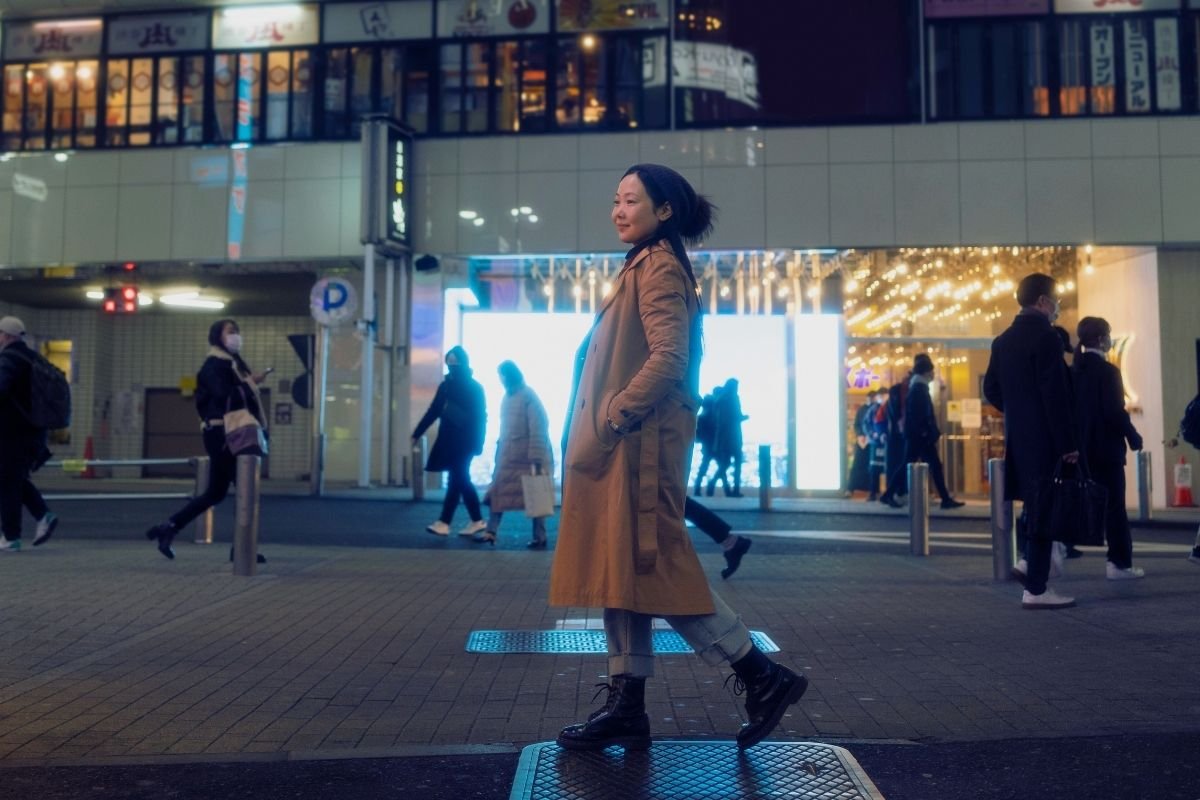
At night, the best route is rarely the shortest. It’s the one that keeps you visible, moving, and surrounded by normal city lif
Areas to Avoid at Night in Paris (2026): The Honest Version
This is the part people over-dramatize. So here’s the honest version: most visitors spend nights in Paris without serious issues. But if you want to reduce the chance of stress, theft attempts, or uncomfortable situations, avoid building your evenings around these choices:
A) Avoid booking “bargain” hotels that force unstable returns
Some areas are perfectly fine in the daytime yet consistently create discomfort at night—especially when your return route includes long walks from stations, poorly lit blocks, or station exits that dump you into chaotic corners. This is why “cheap but close” can become the most expensive base decision you make: you save on the room and pay in stress, taxis, and early nights.
Start with the base decision first. If you need the wider map logic, use your own TripsCity funnel:
Where to Stay in Paris (2026 base logic)
Then compare hotel prices inside the same neighborhood (one pass, not endless tabs):
Paris hotel deals by neighborhood
B) Avoid relying on “we’ll walk it” when your energy is low
Night risk rises when energy drops. If you are already tired, you are slower, less aware, and more likely to make navigation mistakes. This doesn’t mean “never walk at night.” It means: don’t build your plan so that a long walk back is your only option.
For some trips, a simple pre-booked transfer is not a luxury—it’s a safety decision (late arrivals, families, heavy luggage, or when you want your first night to stay clean). If that’s your case, this is the type of booking that prevents the tired negotiation moment outside a station:
C) Avoid becoming “the stationary tourist”
The most vulnerable posture at night is not walking. It’s stopping. Standing at the corner. Turning in circles. Holding the phone up like a sign that says “I’m not sure where I am.” Your goal is to reduce these moments to near zero.
That’s why night safety is connected to transport clarity. If you still treat the Metro as something you’ll “figure out,” you’re leaving your evenings exposed. Fix the system:
How to Get Around Paris (Metro rules that prevent wrong exits)
Deadly Mistakes Tourists Make at Night (The Quiet Ones That Create Real Risk)
Mistake #1: Choosing the wrong base for the wrong travel type.
Solo travelers, families, and budget travelers have different tolerance levels. A base that “works” for a couple may fail for parents returning with tired kids. If your base makes you dread the return, your trip will shrink.
Mistake #2: Treating “safe area” as a guarantee.
A good neighborhood doesn’t protect you from a bad route. Your return corridor matters as much as your hotel pin.
Mistake #3: Exposing valuables during transitions.
Pickpocketing is a transition crime. It happens at station gates, escalators, crowded sidewalks, and moments of distraction. If you can secure your phone and wallet during transitions, you eliminate most common tourist problems.
Mistake #4: Letting the plan collapse into improvisation.
Night safety is not about being brave. It’s about removing unnecessary improvisation: know how you’ll get back, keep battery stable, and avoid empty shortcuts.
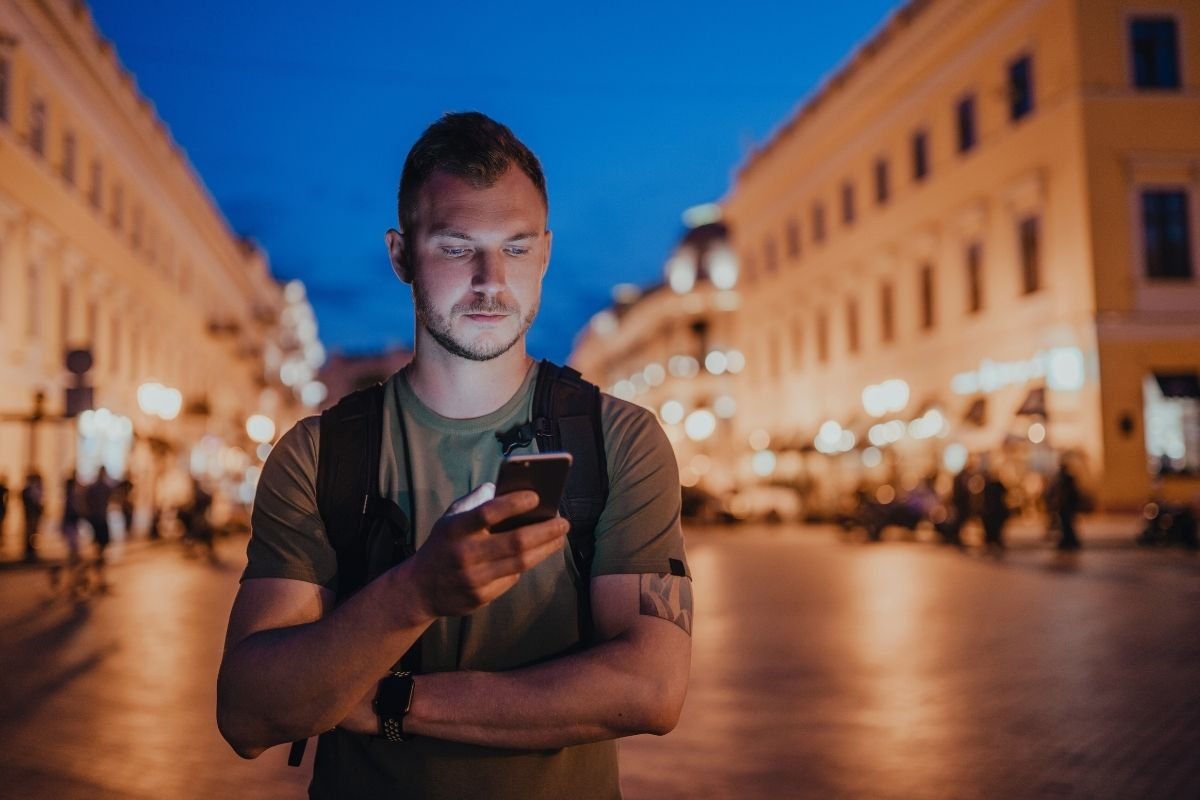
The most fragile moment at night is not walking. It’s stopping, hesitating, and signaling that you’re unsure where you are.
TripsCity Funnel: Connect Night Safety to the Rest of Your Trip
Night safety is not a standalone topic. It’s the result of three connected systems:
1) Your base area (where you return when tired)
2) Your movement plan (how you avoid wrong exits and long transfers)
3) Your awareness habits (how you carry essentials and handle transitions)
To keep the system consistent, connect these guides:
Paris Safety Guide 2026 (scams + safer areas)
Paris for Solo Travelers 2026 (night confidence + rules)
Paris With Kids 2026 (family rhythm + evening stability)
In PART 3, we’ll do what actually changes outcomes: the smart rules. Not generic tips—an order-of-operations system you can follow every night: what to do before you leave the hotel, how to choose routes, how to handle Metro exits, what to do if something feels wrong, and how to keep your evenings calm without shrinking your trip.
Is Paris Safe at Night in 2026? The Smart Rules (A System You Can Repeat Every Evening)
Most “safety tips” fail because they’re not a system. They sound reasonable—until you’re tired, your route changes, and you’re standing outside a station with a phone at 12% battery. In Paris, night safety isn’t about being brave or scared. It’s about removing the situations where tourists become vulnerable: hesitation, confusion, and messy returns.
Below is the TripsCity night system. Use it in order. If you follow the sequence, you reduce 90% of the common tourist problems without shrinking your trip.
Step 1: Build Your “Return First” Habit (Before You Leave)
Here’s the rule most travelers don’t use: you plan the return before the evening begins. Not because Paris is scary—because the return is when energy drops and mistakes happen.
Before you leave your hotel, decide:
• Which Metro station you will return to (and its name).
• Which exit you’ll use (if possible).
• Whether you have a “bright street” walking route from station to hotel.
• What your Plan B is if the station exit feels wrong (another exit, a main road, or a ride option).
This is exactly why base area matters. If your hotel is in a place that requires complicated returns, your nights become fragile. Lock the base first:
Where to Stay in Paris (choose a base that stays stable at night)
Step 2: Use the “Visibility Rule” (How to Choose Routes at Night)
The best night route is rarely the shortest. It’s the route that keeps you around normal city life—light, movement, predictable streets. The TripsCity visibility rule is simple:
Choose the route you would feel comfortable walking if your phone died.
That rule automatically filters out the classic tourist trap: the empty shortcut. If a path depends on perfect navigation and constant screen-checking, it’s not a night route. It’s a stress route.
If you want a reliable baseline for streets and transport structure, use official city tools once, not repeatedly:
RATP official website (maps + network basics)
Paris Tourist Office (practical visitor guidance)
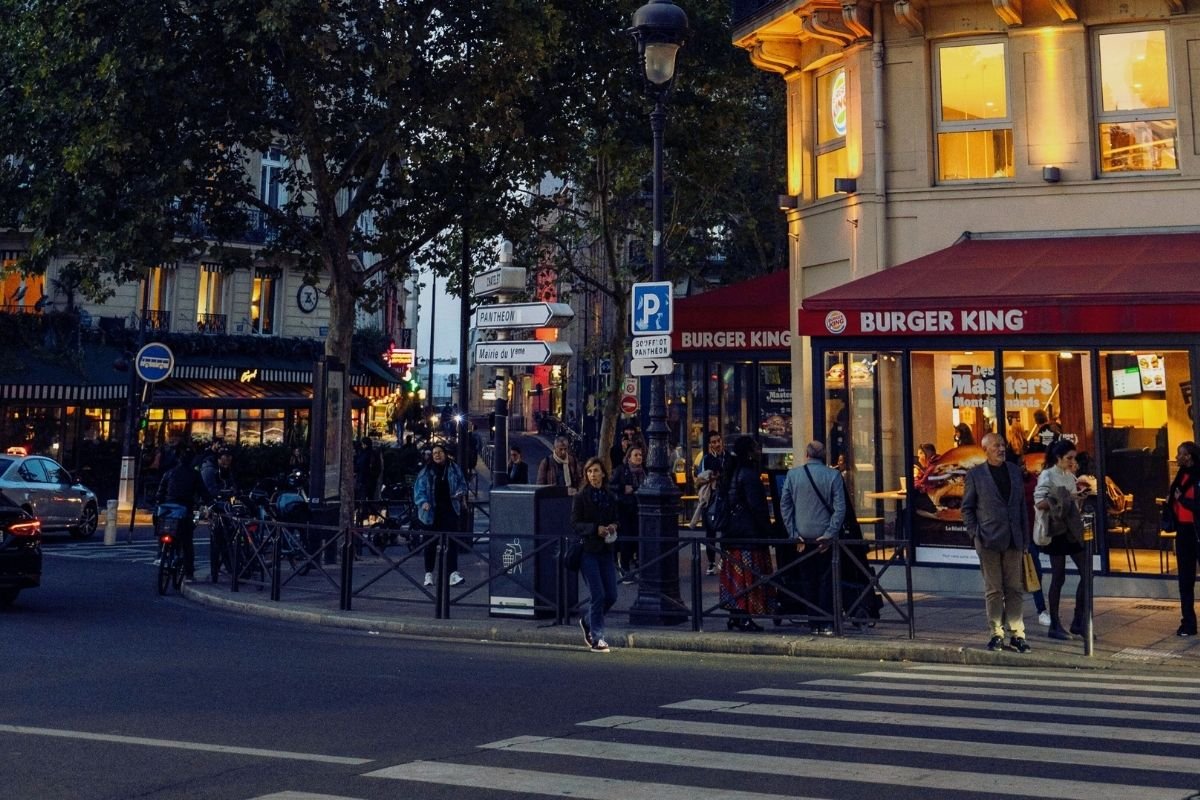
Night safety improves when your route is built for visibility and normal movement—not for distance.
Paris Metro at Night: Rules That Prevent the “Wrong Exit” Problem
The Metro is not the enemy. Confusion is. If you want safer nights, reduce Metro friction instead of avoiding it.
Rule A: Don’t surface without a direction.
Before you exit the station, confirm which way you’re walking. The worst moment is leaving the station, standing at the top of stairs, and turning in circles.
Rule B: Avoid the “platform panic” transfer.
If your route requires multiple transfers late, your plan is fragile. Simplify: one clean line is better than a “fast” route with two changes.
Rule C: Treat the station exit like a choice, not a default.
If the exit feels chaotic or isolated, you are allowed to go back down and choose another. Tourists often commit to the first exit out of momentum. That’s how evenings get uncomfortable.
For your broader movement logic (so your night plan isn’t improvised), connect this funnel:
How to Get Around Paris (Metro logic that keeps nights clean)
Step 4: The Carry System (How to Avoid the Most Common Night Problem)
Most tourist night incidents are theft attempts during transitions. The fix is not fear. It’s a carry system that removes easy opportunities.
Carry rules that actually work:
• Keep phone and wallet in secured pockets/bags (zipped).
• Avoid open totes at night in dense corridors.
• Keep one payment method separate (backup).
• Reduce “phone-out” moments: know your stop, screenshot your route, save your hotel address offline.
If you want a deeper breakdown of scams, pickpocket patterns, and safer zones, connect this guide:
Paris Safety Guide 2026 (common scams + safer areas)
Step 5: The “If Something Feels Wrong” Protocol (What to Do Without Escalating)
Most people freeze because they think safety requires confrontation. It doesn’t. The safest moves are simple and quiet:
1) Change your movement. Cross the street. Turn onto a brighter road. Walk toward a busier corner.
2) Stop being stationary. If you need to check directions, do it inside a shop/hotel lobby, or in a brighter area—never in an isolated pocket.
3) Choose the “normal people” path. Follow the route that looks like what local residents are doing: steady walk, well-lit streets, predictable crossings.
4) Use a ride option if the return becomes messy. This is not defeat. It is cost control: you pay a small amount to prevent a night from turning into stress.
For families, late-night negotiation is where nights break. If you need a calm option for certain situations (late arrivals, tired children, heavy luggage), a pre-booked transfer can be the cleanest choice:
If something feels wrong, don’t debate it. Change movement quietly: brighter street, busier corner, cleaner route.
Deadly Night Mistakes (The Ones People Admit After the Trip)
Mistake #1: Choosing accommodation that makes the return hard.
If you dread the walk back, your trip will shrink. You’ll start ending evenings early—not because you want to, but because your base is punishing.
Mistake #2: Treating night safety as “common sense” and improvising everything.
Common sense disappears when you’re tired. Systems survive when you’re tired.
Mistake #3: Taking shortcuts to feel efficient.
At night, efficiency is the enemy of comfort. Choose visibility instead of distance.
Mistake #4: Over-relying on your phone.
If your plan dies with your battery, your confidence dies with it. Screenshot routes, save your address offline, carry a small power bank.
TripsCity Night Plan (A Practical Evening Template)
Use this template and your nights become repeatable:
18:00–19:00 (Before you leave): Confirm return station + route. Screenshot it. Check battery. Decide Plan B.
19:00–21:30 (Evening block): Keep movement simple. Avoid stacking multiple neighborhoods.
21:30–22:30 (Return window): Return while energy is still stable. Choose bright streets. Avoid shortcuts.
After return: Save tomorrow by ending the night clean, not chaotic.
If you’re traveling solo, this guide complements the system above:
Paris for Solo Travelers 2026 (confidence rules + safety habits)
Final Decision (Read This Before You Overthink Paris at Night)
Is Paris safe at night in 2026? For most visitors, yes—if you stop treating nights like an improvisation game.
Don’t chase the shortest route. Don’t choose a base that punishes returns. Don’t surface from a station without a direction. And don’t wait until you feel unsafe to start acting. The best night safety decision is made earlier, quietly, through structure.
Your direct rule: Paris nights stay calm when your movement is predictable. If your movement becomes messy, fix the system—not your confidence.
FAQ: Is Paris Safe at Night in 2026?
Is Paris safe at night for tourists in 2026?
Most central areas are generally safe for tourists at night when you move predictably, choose well-lit routes, and avoid being visibly lost. The most common tourist issue is opportunistic theft during transitions.
Which areas should I avoid at night in Paris?
Avoid building your evenings around unstable returns: long walks from stations, empty shortcuts, and bargain bases that feel uncomfortable late. “Avoid” is about risk-to-comfort conditions, not entire districts.
Is the Metro safe at night?
Yes for most travelers, but confusion creates vulnerability. Know your return station, reduce transfers late, and avoid surfacing without direction. The “wrong exit” problem causes more stress than the Metro itself.
What should I do if I feel unsafe while walking?
Change movement quietly: cross to a brighter street, head toward a busier corner, and stop checking your phone in isolated spots. If the return becomes messy, using a ride option is a practical safety decision.
Is Paris safe at night for families with kids?
Yes, but family nights require stability. Choose a base that supports easy returns and avoid long late transfers that trigger fatigue. Families should prioritize predictable routes and earlier return windows.