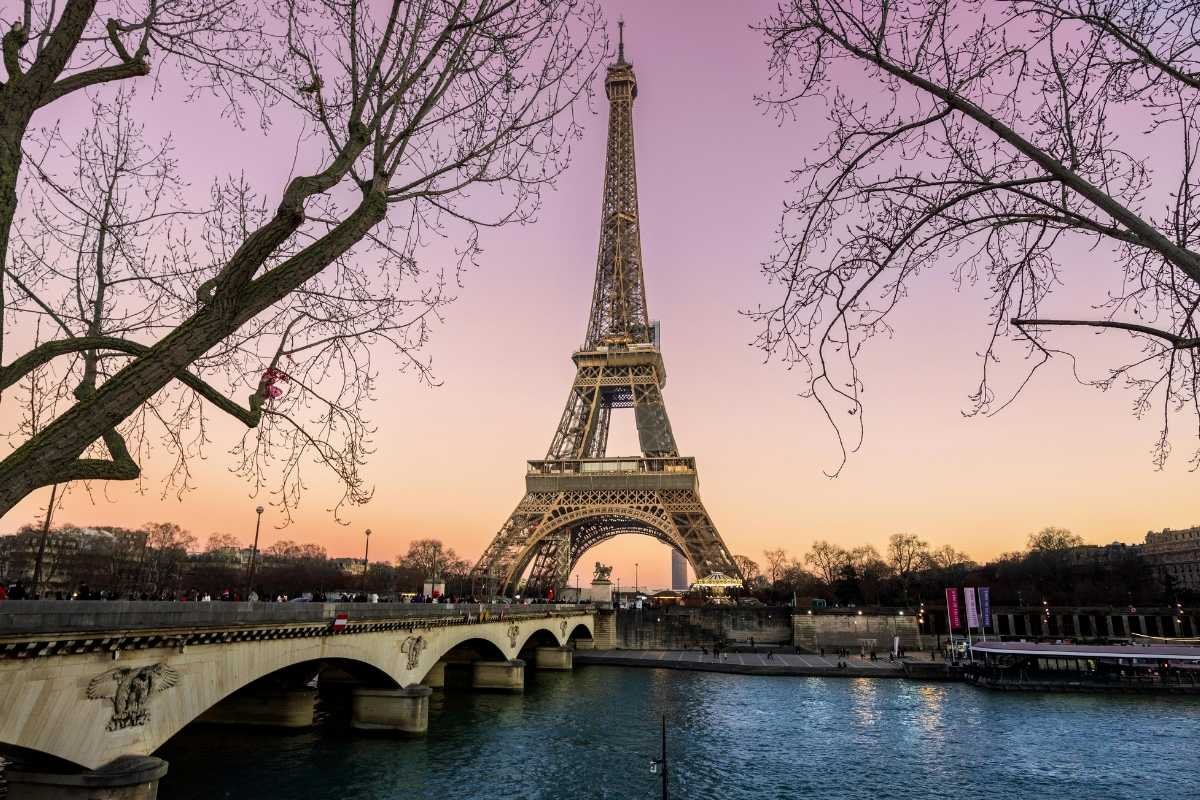
A Paris 5 Days Itinerary gives first-time visitors enough time for the major landmarks, one full Versailles day and meaningful neighborhood time without turning every day into a race.
The quick answer: use Day 1 for Notre-Dame, Île de la Cité and the Latin Quarter; Day 2 for the Louvre, Tuileries and Le Marais; Day 3 for the Eiffel Tower, Invalides and Arc de Triomphe; Day 4 for Versailles; then finish Day 5 with Montmartre and Canal Saint-Martin.
The advantage of five days is balance. You can protect the attractions that need reservations while still leaving space for meals, walking and the small delays that make Paris days longer than they look on a map.
Paris 5 Days Itinerary: Quick Answer
Best for: first-time visitors who want the major Paris icons, one day trip and real neighborhood time.
Core structure: four days inside Paris plus one full day at Versailles.
Main rule: keep one demanding anchor per day and group the remaining stops geographically.
If Versailles is not a priority: replace Day 4 with Musée d’Orsay, Saint-Germain-des-Prés and Luxembourg Gardens.
Last updated: September 2026.
Paris 5 Days Itinerary at a Glance
| Day | Main Route | Pace |
|---|---|---|
| Day 1 | Notre-Dame → Île de la Cité → Latin Quarter → Seine | Historic center + flexible evening |
| Day 2 | Louvre → Tuileries → Seine → Le Marais → Place des Vosges | Major museum + neighborhood |
| Day 3 | Trocadéro → Eiffel Tower → Invalides → Arc de Triomphe | Western Paris icons |
| Day 4 | Versailles Palace → Gardens → optional Trianon | Full-day excursion |
| Day 5 | Montmartre → Sacré-Cœur → quieter streets → Canal Saint-Martin | Neighborhood-focused finish |
TripsCity Insight: five days works best when the extra time reduces pressure. Do not use the fifth day as permission to add another major attraction to every morning and evening.
Paris 5 Days Itinerary: What to Book Before You Start
You do not need five days of reservations. Instead, lock in the experiences that can control the structure of an entire day.
Paris 5 Days Itinerary: What to Reserve First
The Louvre recommends advance time-slot booking, and a reserved time protects the rest of Day 2. The Eiffel Tower also needs an early decision if you plan to go up rather than view it from outside.
Versailles deserves the same treatment because the Palace uses timed entry. Once those three anchors are fixed, most neighborhood stops can remain flexible.
Use the official Eiffel Tower ticket office, the official Louvre visitor page and the official Versailles ticket information before booking.
Keep Transport Planning Simple
In 2026, a standard Metro-Train-RER journey costs €2.55. Navigo Day costs €12.30, while Navigo Week costs €32.40 for all zones and runs from Monday through Sunday.
A Monday-to-Friday stay can make the weekly pass attractive. By contrast, a trip that crosses two calendar weeks needs a separate calculation.
For the full rules, use our Paris transport guide and verify current prices through Île-de-France Mobilités.
Where to Stay for a Paris 5 Days Itinerary
For this itinerary, central access matters more than sleeping beside one famous attraction. The 1st, 4th, 5th and 6th arrondissements work especially well because several days begin or finish nearby.
Parts of the 9th can also be practical when Montmartre matters and Metro access is simple. Compare the trade-offs in our Where to Stay in Paris guide.
Paris 5 Days Itinerary Day 1: Historic Paris and the Latin Quarter
Start in the historic center rather than racing directly to the Eiffel Tower. This gives the trip a calmer opening and keeps the first day useful even if you arrive with some travel fatigue.
Morning: Notre-Dame and Île de la Cité
Begin at Notre-Dame Cathedral. General cathedral entry is free, and an optional free reservation can reduce uncertainty when demand is high.
After the cathedral, walk around Île de la Cité instead of adding another large attraction immediately. Pont Neuf and the Seine provide a natural transition toward the Left Bank.
Check the official Notre-Dame visitor page shortly before your trip.
Midday: Latin Quarter
Cross to the Latin Quarter for lunch and a slower block of sightseeing. Bookstores, cafés and historic streets work well here because they do not require a strict sequence.
If the Panthéon is a personal priority, add it now. Otherwise, keep the midday period flexible and protect your energy for the rest of the week.
Afternoon and Evening: Seine Walk
Finish Day 1 with a Seine walk rather than another major reservation. You can follow the river west for a while, stop on a bridge or return to the Latin Quarter for dinner.
This opening day is deliberately lighter than Days 2–4. As a result, a delayed arrival or slower start does not damage the entire itinerary.
Paris 5 Days Itinerary Day 2: Louvre, Tuileries and Le Marais
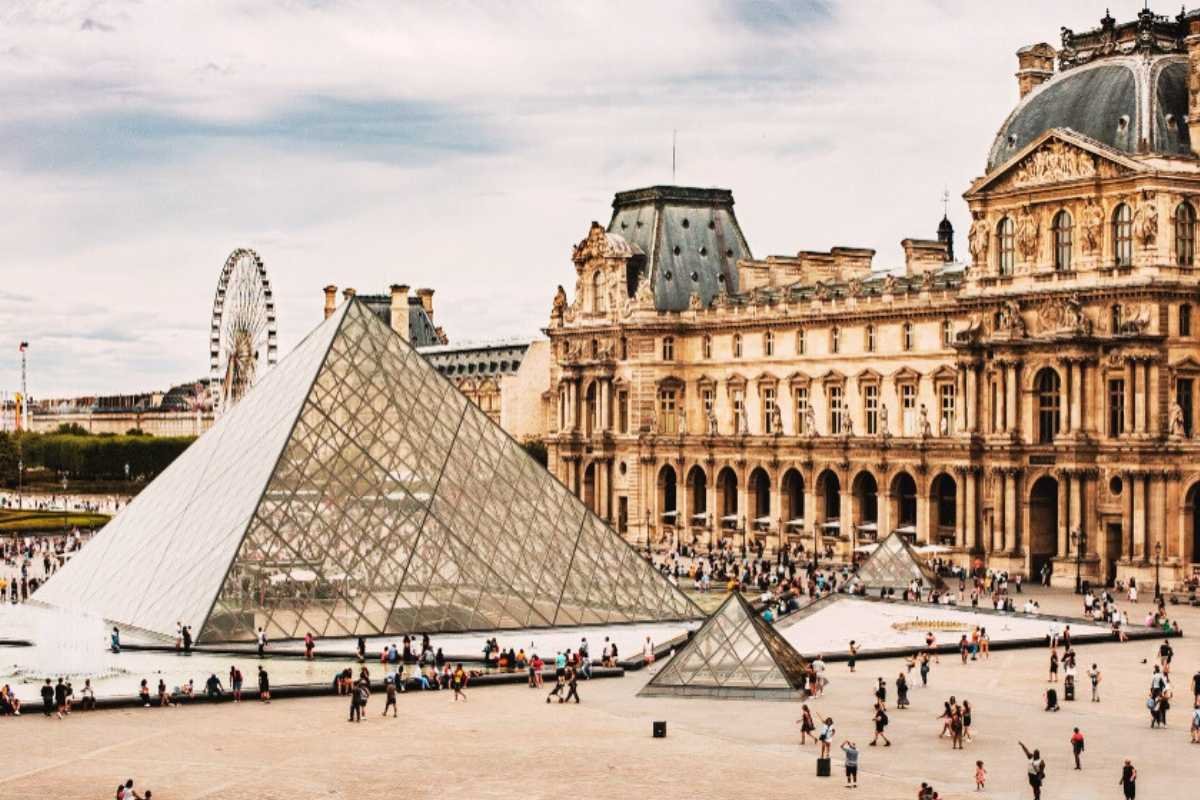
A focused Louvre visit leaves enough time for a real neighborhood afternoon.
Morning: Louvre Museum
Give the Louvre one clear morning rather than letting it consume an undefined part of the trip. A focused first visit of roughly 2.5–3 hours works well for many travelers.
Choose a small set of priorities before entering. For example, combine the Mona Lisa, Winged Victory of Samothrace, Venus de Milo and one collection you genuinely care about.
Our Louvre Museum guide explains how to plan the visit without trying to see the entire museum.
Midday: Tuileries and a Real Break
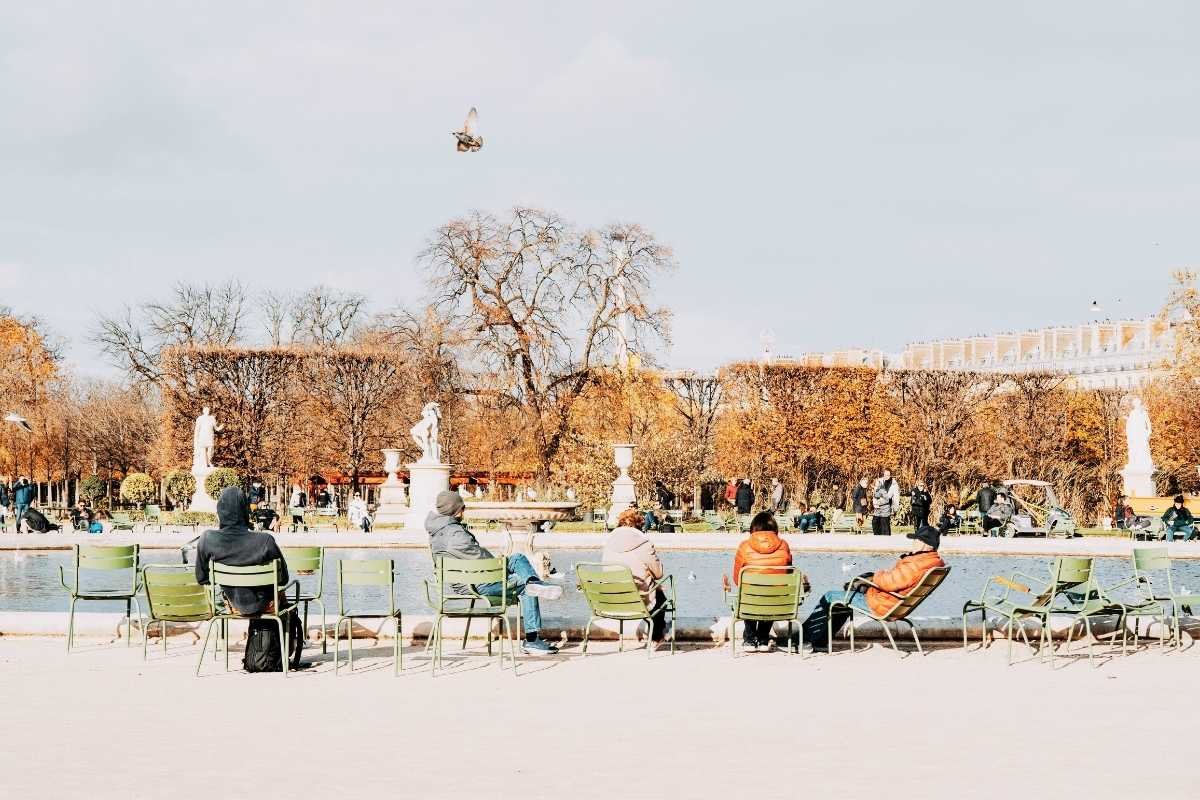
Use the Tuileries as recovery time before continuing east.
Walk into the Tuileries after the museum and stop for lunch or a short rest. Thirty to sixty minutes here can make the afternoon feel much easier.
Do not treat the break as wasted time. Museum fatigue is real, and the next section works better when you are not rushing to recover lost minutes.
Afternoon: Le Marais and Place des Vosges
Continue toward Le Marais and let the pace change. Historic streets, cafés and boutiques provide a very different experience from the Louvre without requiring another large ticketed attraction.
Move gradually toward Place des Vosges and stop when something interests you. Musée Picasso can fit here if art is a major priority, but it should remain optional.
Finish with dinner in or around Le Marais. That keeps Day 2 geographically coherent and avoids an unnecessary cross-city transfer after a museum-heavy morning.
Paris 5 Days Itinerary Day 3: Eiffel Tower, Invalides and Arc de Triomphe
Day 3 shifts west and gives the Paris 5 Days Itinerary its classic landmark day. The route stays compact enough that one delayed reservation does not force you to cross Paris repeatedly.
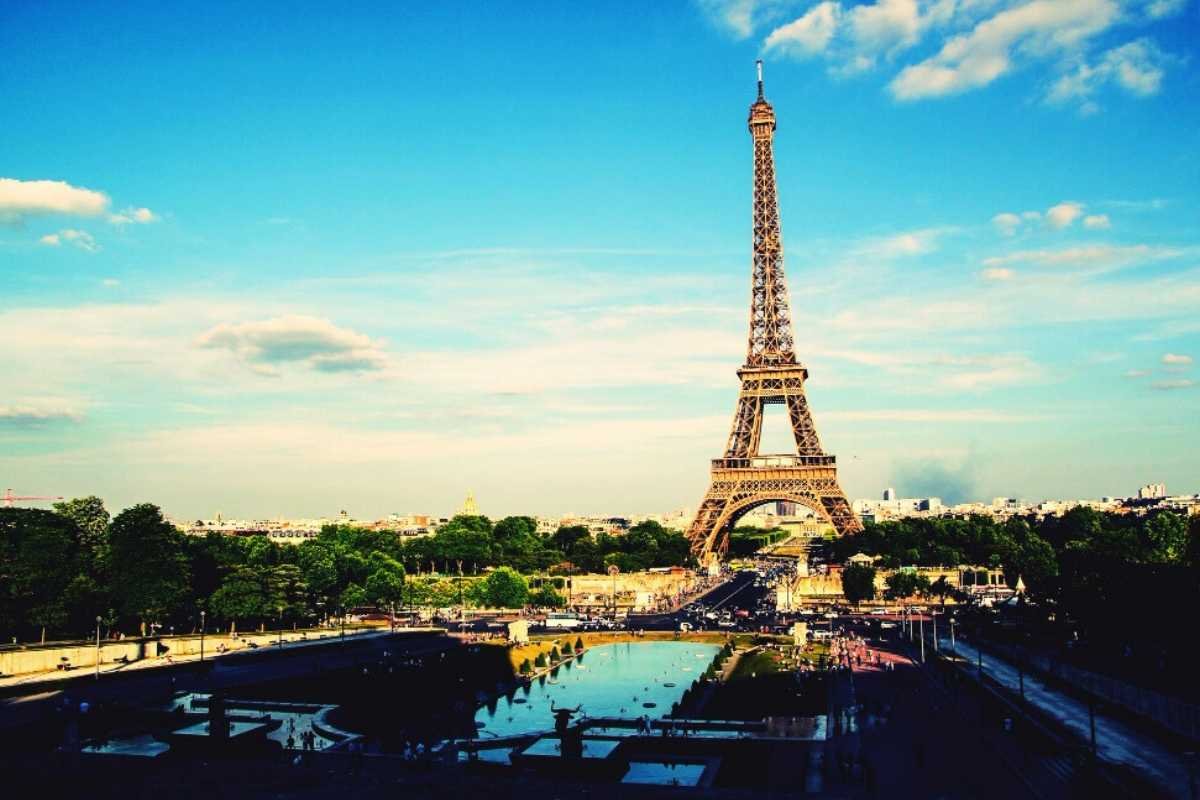
Trocadéro and the Eiffel Tower work best as one focused western-Paris block.
Morning: Trocadéro and Eiffel Tower
Start at Trocadéro for the wide Eiffel Tower view, then walk down through the gardens and cross Pont d’Iéna.
If you only want exterior views, this stop can remain fairly short. Going up the tower changes the schedule because security, elevators and viewpoint time can turn it into a two- or three-hour visit.
Therefore, build the rest of Day 3 around your confirmed tower time rather than treating it as one more stop on a long checklist.
Midday: Seine and Invalides
After the tower, slow the route around Champ de Mars or the Seine. Then continue toward the Invalides area.
Military history enthusiasts may want to enter Les Invalides. Other travelers can keep it as an exterior and neighborhood stop, which leaves more energy for the afternoon.
This is one of the places where five days helps. You do not need to turn every famous building into a paid interior visit.
Afternoon: Arc de Triomphe
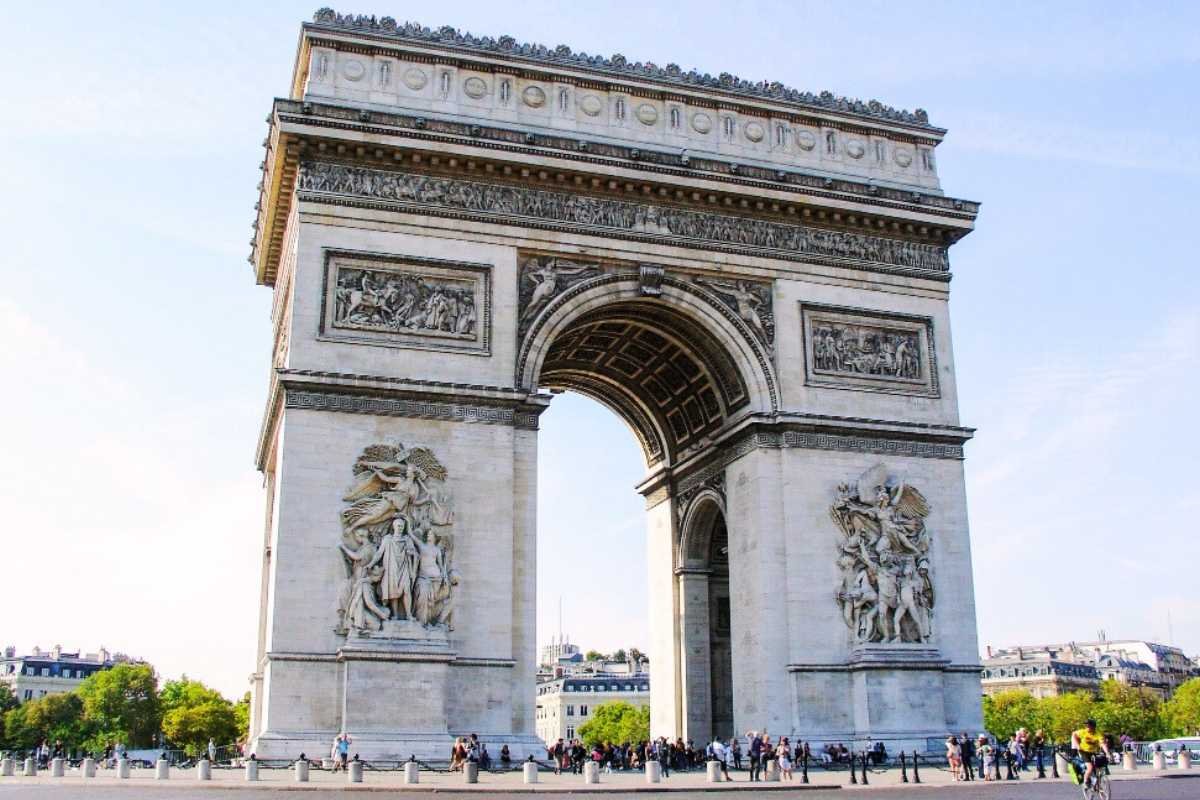
The Arc de Triomphe gives Day 3 a second major viewpoint without sending you across the city.
Continue to Charles de Gaulle–Étoile for the Arc de Triomphe. Always use the underground passage to reach the monument rather than crossing the traffic circle.
If you climb to the rooftop, allow roughly an hour for the visit. Afterward, walk only as much of the Champs-Élysées as still feels enjoyable.
Evening: Keep the Western Route Flexible
Dinner near the Champs-Élysées, back toward the Seine or closer to your hotel can all work. There is no need to add another scheduled attraction.
Most importantly, save some energy. The following day at Versailles is the largest physical block of the trip.
Paris 5 Days Itinerary Day 4: Full-Day Versailles Trip
A five-day trip is long enough to include Versailles without treating it as a rushed half-day detour. That distinction is one of the main reasons this itinerary should feel different from a shorter Paris plan.
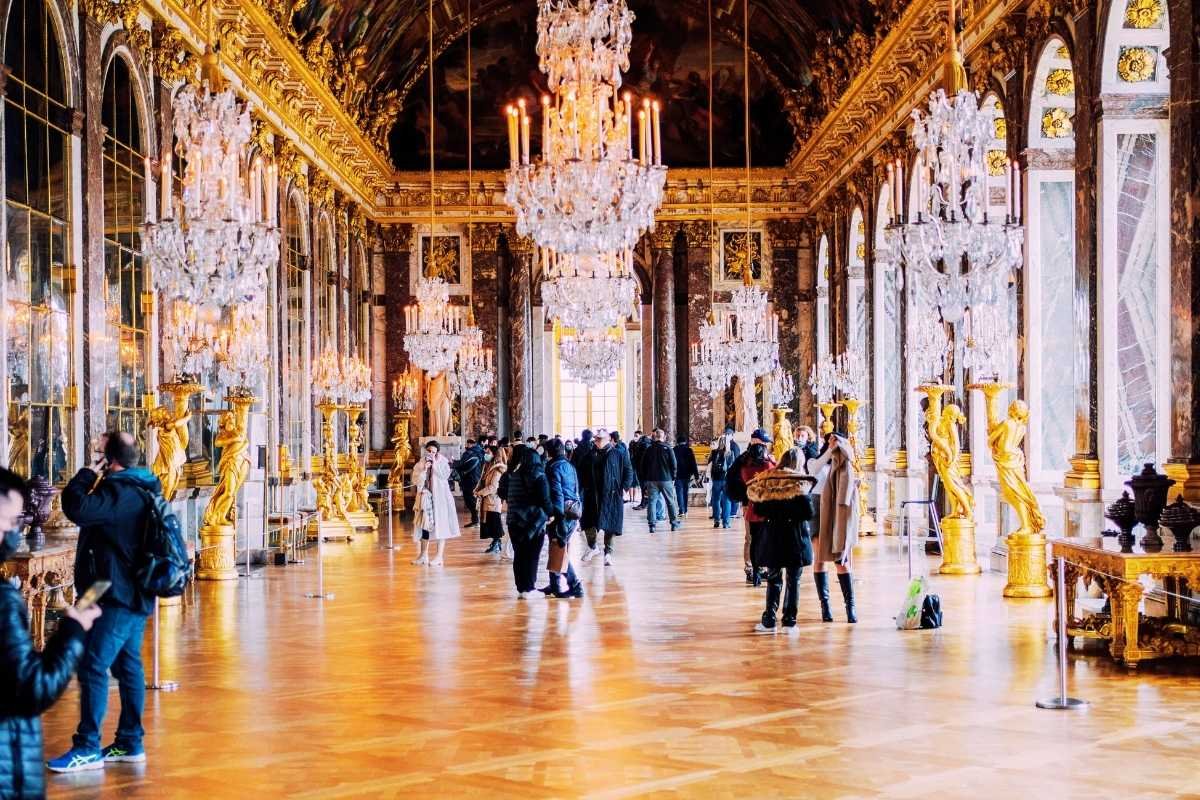
Versailles deserves a full day when it is one of your priorities.
Morning: Travel to Versailles and Visit the Palace
Leave early enough to arrive before your reserved Palace entry. The RER C to Versailles Château Rive Gauche is one common route from Paris.
Still, check live transport information on the morning of your visit because engineering work or service changes can affect the journey.
Inside the Palace, prioritize the State Apartments and Hall of Mirrors instead of trying to give every room equal attention.
The official 2026 ticket system lists the Passport at €25 in low season and €35 in high season. The Palace itself uses a fixed entry time.
Use the official Versailles ticket page. If you prefer a guided option, you can also compare current Versailles ticket and tour options.
Afternoon: Gardens and Grand Canal

The gardens are large enough to become a major part of the day on their own.
After the Palace, follow the main garden axis toward the Grand Canal. Decide how much extra walking to add only after you see how your energy feels.
Seasonal Musical Gardens and Musical Fountains events can affect access conditions. For that reason, check the rules for your exact date rather than assuming every Versailles day works identically.
Late Afternoon: Trianon Is Optional
The Grand Trianon, Petit Trianon and Queen’s Hamlet can add several more hours and a substantial amount of walking.
If those sites matter to you, continue. Otherwise, stopping after the Palace and gardens can produce a better day than rushing through the entire estate just to say you saw everything.
TripsCity Insight: Versailles is one of the easiest places to turn a good itinerary into an endurance test. Decide in advance what is essential, then let the rest depend on time and energy.
Evening: Return to Paris and Stop
Do not schedule another important reservation after Versailles. A simple dinner close to your hotel is usually the better choice.
The goal is to arrive at Day 5 with enough energy to enjoy Paris again, not spend the final day recovering from the previous one.
Paris 5 Days Itinerary Day 5: Montmartre and Canal Saint-Martin
The final day changes the rhythm again. Instead of another museum-heavy route, it combines one famous neighborhood with a slower eastern-Paris finish.

Montmartre works well on the final day because the neighborhood itself is part of the experience.
Morning: Abbesses and Montmartre
Start around Place des Abbesses and walk uphill gradually. This approach makes the climb easier while giving you time to see streets that many visitors miss when they head directly to Sacré-Cœur.
Pass local bakeries, the Wall of Love and smaller lanes before reaching the busiest part of the neighborhood.
Late Morning: Sacré-Cœur
The main basilica is free to enter. Outside, the terrace gives you a broad Paris view without requiring another paid attraction.
If climbing the dome matters to you, add it here. Otherwise, keep the visit simple and save your legs for the rest of Montmartre.
Midday: Place du Tertre and Quieter Streets
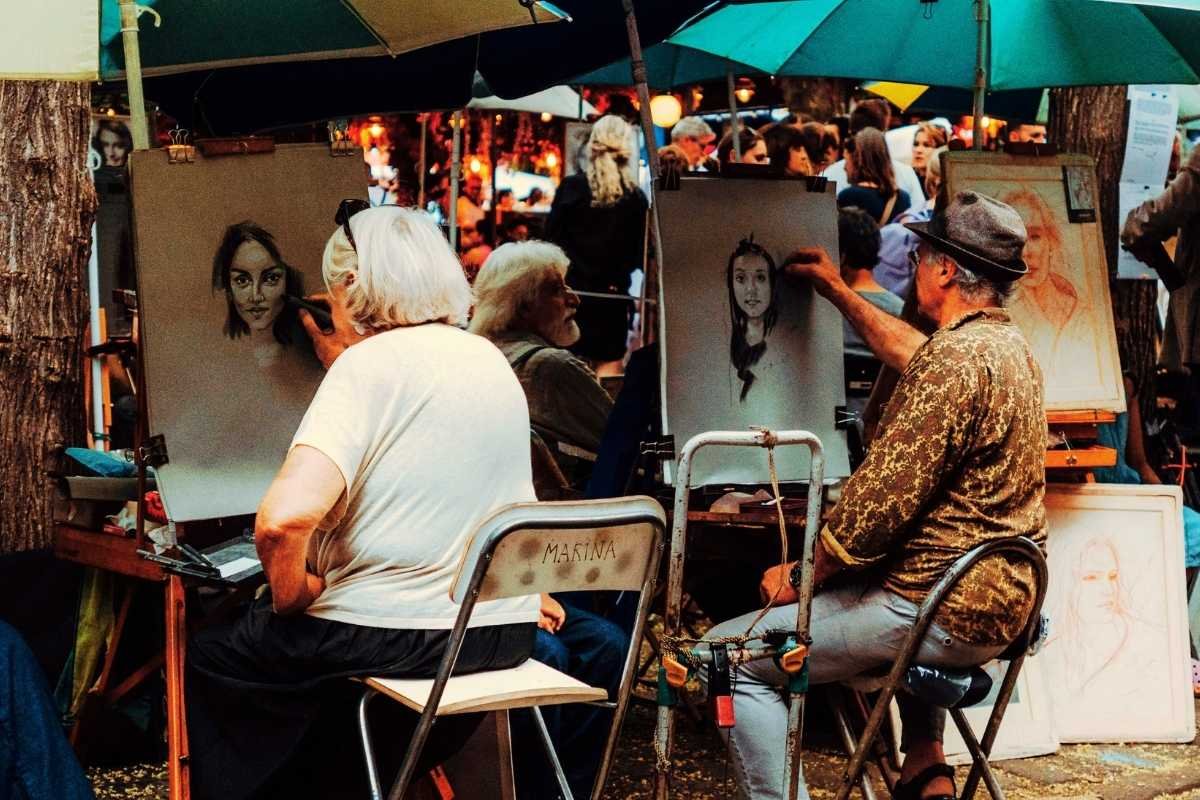
Move beyond the busiest square to give Montmartre enough time to feel like a neighborhood rather than one photo stop.
Visit Place du Tertre, then continue toward quieter streets such as Rue de l’Abreuvoir and the vineyard area.
Avoid assigning every street an exact time. Instead, keep one general direction and stop when the neighborhood feels interesting.
Afternoon: Canal Saint-Martin
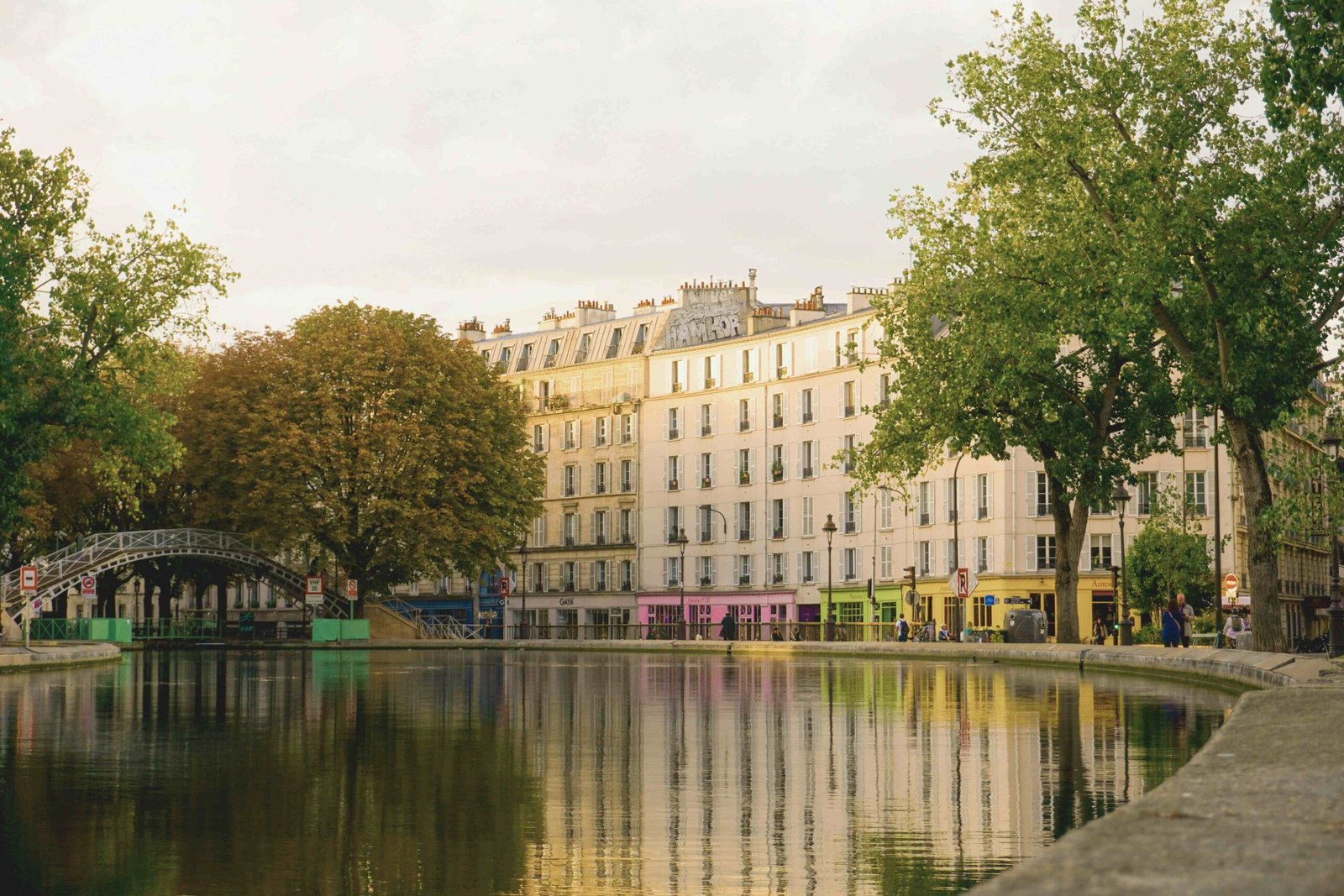
Canal Saint-Martin gives the itinerary a relaxed finish away from the biggest landmark corridors.
Later, move toward Canal Saint-Martin for a slower afternoon. Walk along Quai de Valmy or Quai de Jemmapes and use the waterside cafés as natural breaks.
Unlike the first four days, this section does not need a strict finish time. If your energy drops, stopping here is completely reasonable.
Evening: Leave the Last Decision Open
You can stay around the canal for dinner, return to a favorite area or choose a Seine cruise if you did not take one earlier.
For cruise types and departure points, use our Seine River Cruise guide.
The final evening should feel optional. Five full sightseeing days already give you a substantial first Paris trip.
Paris 5 Days Itinerary: Alternatives and Adjustments
Paris 5 Days Itinerary Without Versailles
Do not replace Versailles with five unrelated attractions. Give the replacement day one clear geographic purpose.
A strong alternative is:
Musée d’Orsay → Saint-Germain-des-Prés → Luxembourg Gardens → Panthéon or Latin Quarter.
This route works especially well for travelers who care more about art and Paris neighborhoods than a palace day outside the city.
If You Arrive Late on Day 1
Keep Notre-Dame and the Latin Quarter but shorten the Seine walk. Their central location makes Day 1 easier to compress than the Louvre, Eiffel Tower or Versailles days.
Do not push missed stops into Day 2 automatically. That usually creates a chain reaction that makes every later day busier.
If You Leave Early on Day 5
Keep Montmartre and remove Canal Saint-Martin. Sacré-Cœur and the surrounding streets create a complete final morning without requiring you to cross multiple neighborhoods.
If Rain Disrupts the Plan
Use the Louvre day as your strongest indoor anchor, but avoid moving every museum to the same wet day. Paris weather can change faster than an itinerary can be rebuilt.
Instead, swap flexible neighborhood blocks when necessary and keep fixed reservations in place whenever practical.
Does a Paris 5 Days Itinerary Need the Museum Pass?
Possibly, but calculate it from the attractions you actually intend to enter. This route can include several covered sites, yet buying a pass should not encourage you to add museums simply to recover its price.
Compare current prices and reservation rules in our Paris Museum Pass guide.
What to Cut From a Paris 5 Days Itinerary If You Fall Behind
| Problem | Best Adjustment |
|---|---|
| Day 1 starts late | Shorten the Seine walk |
| The Louvre runs long | Reduce shopping or optional museum time in Le Marais |
| The Eiffel Tower takes longer than expected | Shorten Champs-Élysées time |
| Versailles becomes exhausting | Skip Trianon rather than rushing the entire estate |
| You are tired on Day 5 | Finish after Montmartre or Canal Saint-Martin |
The itinerary still works when one optional stop disappears. Protecting the experiences that matter is more useful than completing every line of the schedule.
Paris 5 Days Itinerary: Common Planning Mistakes
Adding a Major Attraction Every Evening
Five days sounds generous until museums, transport and walking start consuming real time. Use evenings for atmosphere, dinner and flexible stops rather than another fixed ticket every night.
Treating Versailles as Half a Day
The transport, Palace, gardens and optional Trianon create a substantial excursion. Cutting the visit in half often makes the day more rushed without giving Paris enough useful time afterward.
Using Day 5 for Leftovers
Random attractions on opposite sides of Paris create transfers rather than a satisfying final day. A coherent neighborhood route is stronger than cleaning up everything you skipped earlier.
Ignoring the Navigo Week Calendar Rule
Five travel days do not automatically mean Navigo Week is the cheapest option. Its Monday-to-Sunday validity matters as much as the number of days you stay.
Trying to See Every Part of the Louvre or Versailles
Both places reward prioritization. Decide what you most want to experience, then accept that leaving something unseen is part of realistic Paris planning.
Paris 5 Days Itinerary FAQ
Is five days enough to see Paris?
Yes. Five days gives first-time visitors enough time for the major landmarks, several neighborhoods and one full Versailles day without requiring every day to be overloaded.
Is five days too long in Paris?
No. Five days works especially well when the extra time is used for slower neighborhoods, realistic museum visits and fewer unnecessary transfers.
Should I visit Versailles on a five-day Paris trip?
Yes if Versailles is one of your priorities. Five days is long enough to give the estate a full day while still protecting four substantial days inside Paris.
What should I skip if I only have four and a half days?
Start by shortening Canal Saint-Martin or reducing the flexible part of Day 1. Avoid cutting your main timed attractions unless they are low priorities for you.
Where should I stay for this route?
Central areas in the 1st, 4th, 5th and 6th arrondissements are convenient for several parts of the plan. A well-connected hotel elsewhere can also work if the Metro routes remain simple.
Do I need to book the Eiffel Tower and Louvre in advance?
Advance planning is useful for both. A fixed Eiffel Tower time shapes Day 3, while the Louvre recommends advance time-slot booking for a more predictable Day 2.
Can Disneyland Paris fit into five days?
Yes, but replace one full Paris day rather than squeezing Disneyland into another sightseeing route. Decide whether Disneyland or Versailles matters more before giving away two days outside central Paris.
What if I prefer museums to neighborhoods?
Replace the Day 5 Canal Saint-Martin section or the full Versailles day with Musée d’Orsay and a Left Bank route. Do not simply add another museum to an already full day.
Final Verdict: Is This Paris 5 Days Itinerary Realistic?
Yes. This Paris 5 Days Itinerary works because each day owns a different part of the trip rather than repeating the same sightseeing rhythm five times.
Day 1 introduces historic Paris, Day 2 combines one major museum with Le Marais and Day 3 protects the western icons. Versailles then receives a full Day 4, while Montmartre and Canal Saint-Martin give the final day a noticeably slower finish.
The result is not the maximum number of Paris attractions you can physically fit into five days. It is a first-trip plan that gives the major experiences enough time while still leaving room for Paris to feel like a city rather than a sequence of reservations.
TripsCity Verdict: five days is one of the strongest lengths for a first Paris trip when you use the extra time to include Versailles and reduce rushing, not simply expand the checklist.
If you are still deciding whether five days is the right length, compare it with our How Many Days in Paris Is Enough? guide.
If you have an additional full day, continue with our Paris 6 Days Itinerary.
Last updated: September 2026.